Floating Bridges That Defy Gravity
Bridges usually sit on solid ground or sturdy pillars, but some of the world’s most impressive spans seem to float on water like they’re breaking the rules of physics. These structures use clever engineering tricks to rest on pontoons, cables, or special supports that make them appear weightless.
They handle everything from daily commuters to massive cargo trucks while bobbing gently on lakes, rivers, and even ocean waters. Here are the floating bridges that look like they’re defying gravity with every vehicle that crosses them.
Evergreen Point Floating Bridge

The Evergreen Point Floating Bridge in Washington State holds the record as the longest floating bridge on Earth at 7,710 feet. It connects Seattle to its eastern suburbs across Lake Washington, carrying over 60,000 vehicles every single day.
The bridge floats on 77 massive concrete pontoons, each one anchored to the lake bottom with heavy cables. Engineers designed it to handle waves, wind, and even the occasional earthquake that shakes the Pacific Northwest.
Watching it from the shore, the whole structure seems to hover just above the water’s surface like some kind of engineering illusion.
Lacey V. Murrow Memorial Bridge

Right next to the Evergreen Point bridge sits another floating giant named after a highway director who pushed for its construction. This bridge opened in 1940 and was the first floating bridge to cross Lake Washington.
It sank partially during a storm in 1990 while undergoing renovations, which led to a complete rebuild with better safety features. The new version uses 58 pontoons to keep it afloat and stable in all weather conditions.
Drivers crossing it often don’t even realize they’re traveling over deep water because the ride feels so smooth and solid.
Homer M. Hadley Memorial Bridge

The third floating bridge on Lake Washington completes what locals call the ‘floating bridge trio’ of Seattle. It runs parallel to the Murrow bridge and carries Interstate 90 traffic in the opposite direction.
This bridge stretches 5,811 feet and floats on concrete pontoons that each weigh thousands of tons. The engineering team built it to flex slightly with the water’s movement rather than fight against it.
That flexibility actually makes it stronger because rigid structures would crack under the constant motion of waves and wind.
Nordhordland Bridge
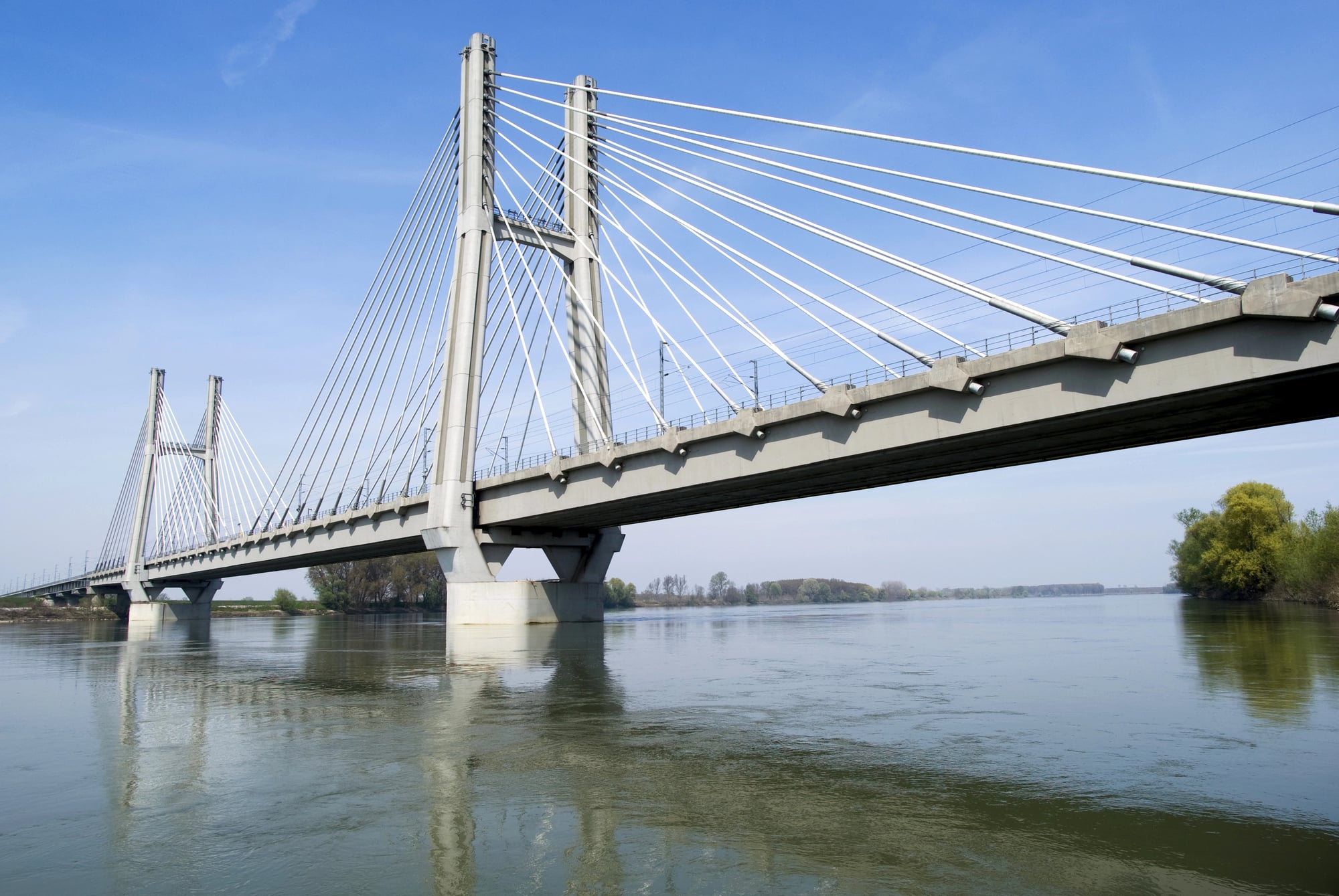
Norway’s Nordhordland Bridge combines floating and traditional bridge design in one impressive structure. It spans nearly 4,300 feet across Salhusfjorden and uses both a cable-stayed section and floating pontoons.
The middle section rises high enough for ships to pass underneath while the floating parts handle the shallower areas. Norwegian engineers chose this hybrid design because the fjord’s depth changes dramatically along its length.
The bridge opened in 1994 and instantly became a vital link for communities that previously relied on ferries.
Demerara Harbour Bridge
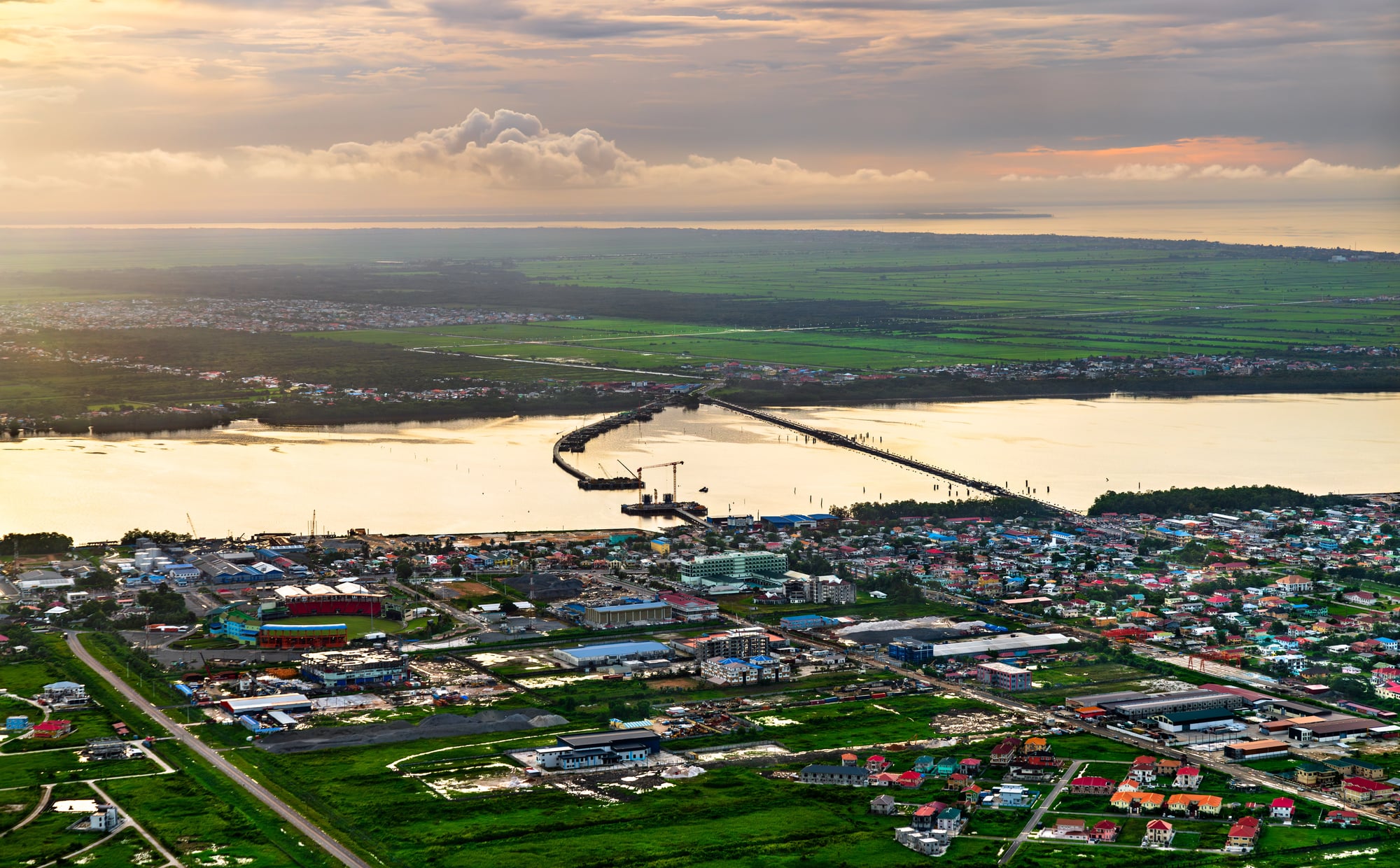
Guyana’s Demerara Harbour Bridge in South America is the world’s fourth-longest floating bridge at 6,074 feet. It crosses the Demerara River and serves as a critical connection for the country’s coastal regions.
The bridge sits on steel pontoons that can be moved to let large ships pass through. Workers actually open a section of the bridge several times a day to accommodate river traffic.
This retractable design shows how floating bridges can adapt to shipping needs without blocking important waterways.
Bergsøysund Bridge

This Norwegian bridge connects the island of Bergsøya to the mainland using a unique curved floating design. It stretches 2,680 feet and gracefully arcs across the sound like a giant ribbon on water.
The pontoons underneath adjust to tidal changes that can be quite dramatic in Norwegian coastal waters. Engineers picked a floating design here because the seabed drops off too steeply for traditional pillars.
The bridge opened in 1992 and has handled everything from tiny cars to massive transport trucks without any major issues.
Yumemai Bridge
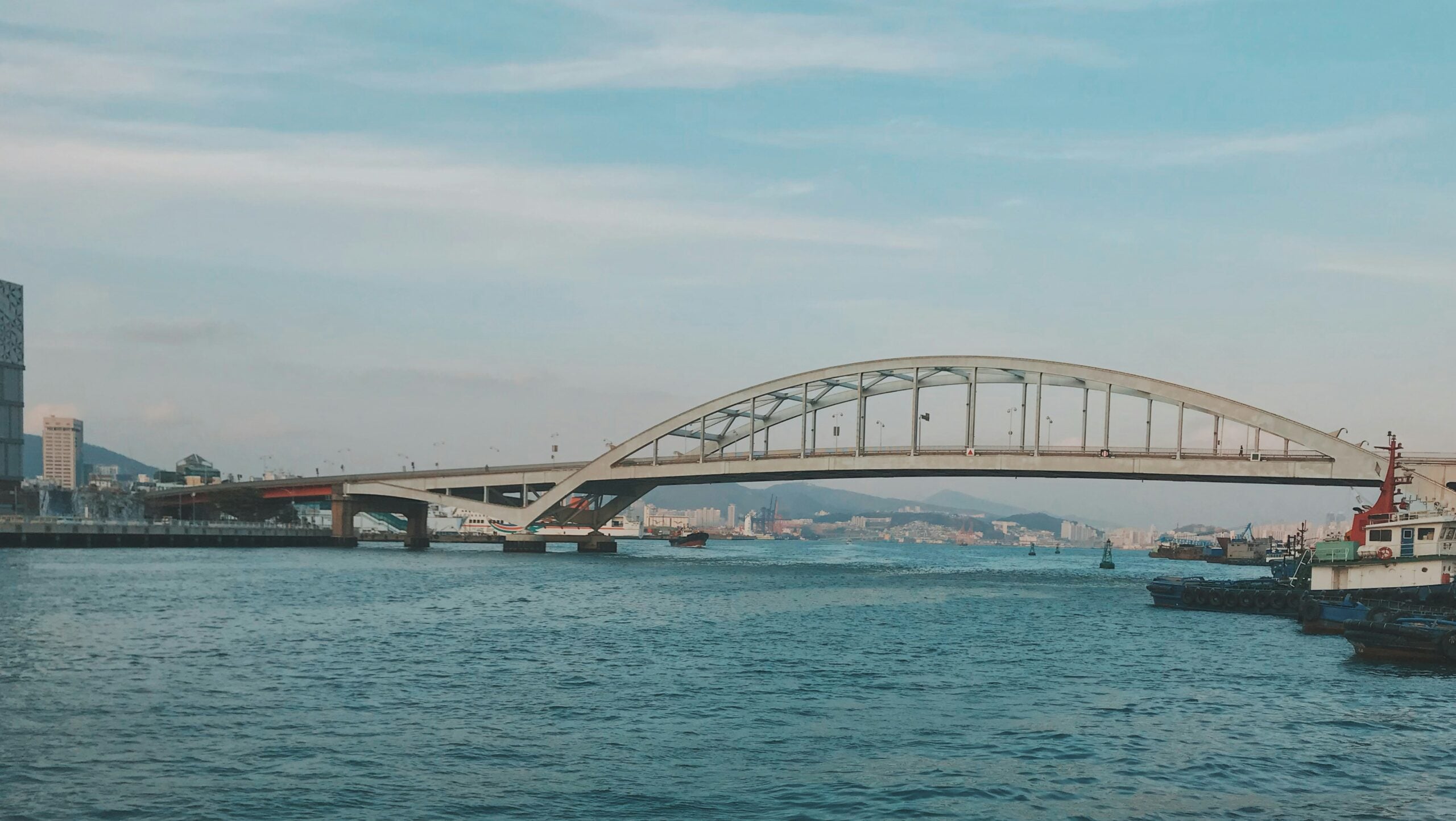
Japan’s Yumemai Bridge isn’t entirely floating, but its pontoon-supported sections make it feel like it is. The bridge connects Osaka with its neighboring areas and includes specially designed pontoons that handle typhoon conditions.
Japanese engineers added extra anchoring systems after seeing how Pacific storms can batter coastal structures. The bridge stays remarkably stable even when winds whip across Osaka Bay.
Its design has influenced other bridges in typhoon-prone regions around the world.
William R. Bennett Bridge
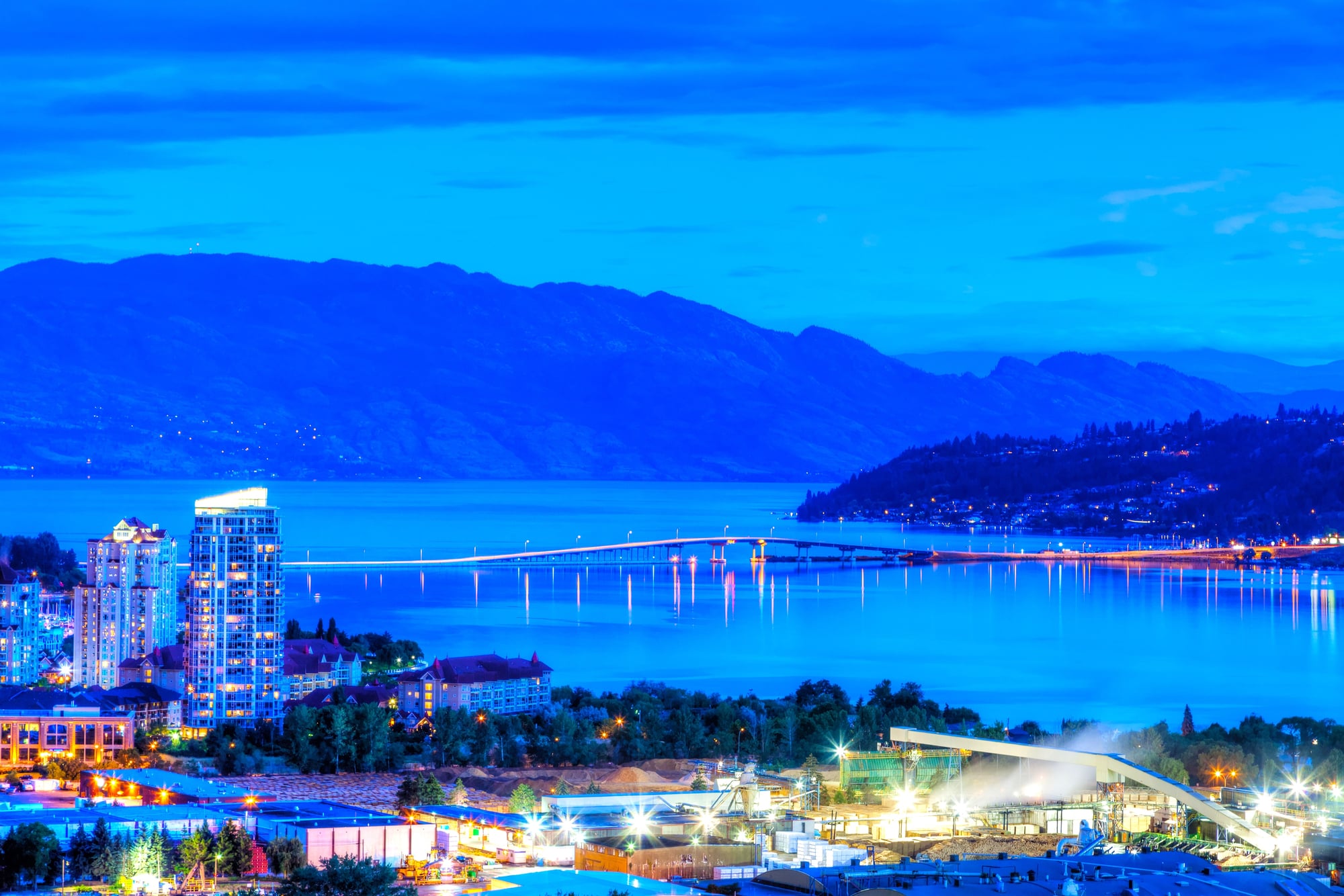
This Canadian bridge floats across Okanagan Lake in British Columbia and replaced an older floating bridge in 2008. It measures 3,428 feet long and uses modern pontoon technology that makes it lighter and stronger than older designs.
The bridge had to meet strict environmental rules to protect the lake’s fish populations and water quality. Engineers included special features that minimize the structure’s impact on the natural ecosystem below.
Local residents can walk or bike across it while enjoying views of the surrounding mountains and vineyards.
Third Lake Washington Bridge
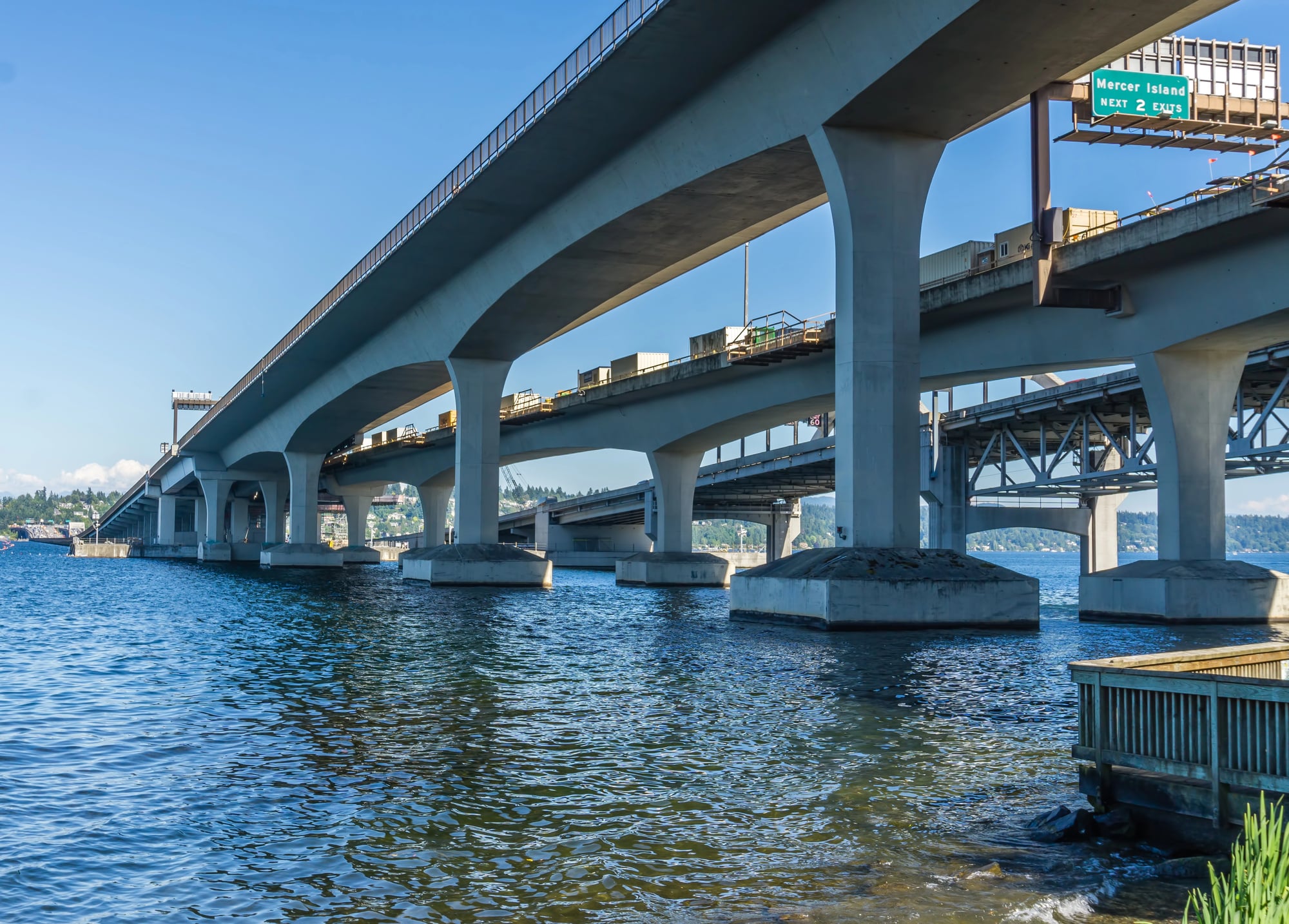
Seattle added this floating bridge to handle growing traffic demands on the already busy lake crossings. The pontoons for this bridge are hollow concrete boxes that create buoyancy through trapped air.
Each pontoon has multiple compartments so if one section floods, the others keep the whole thing afloat. The bridge can handle weight loads that seem impossible for something resting on water.
Engineers constantly monitor the pontoons to make sure they’re not taking on water or developing cracks.
Sunset Lake Floating Bridge
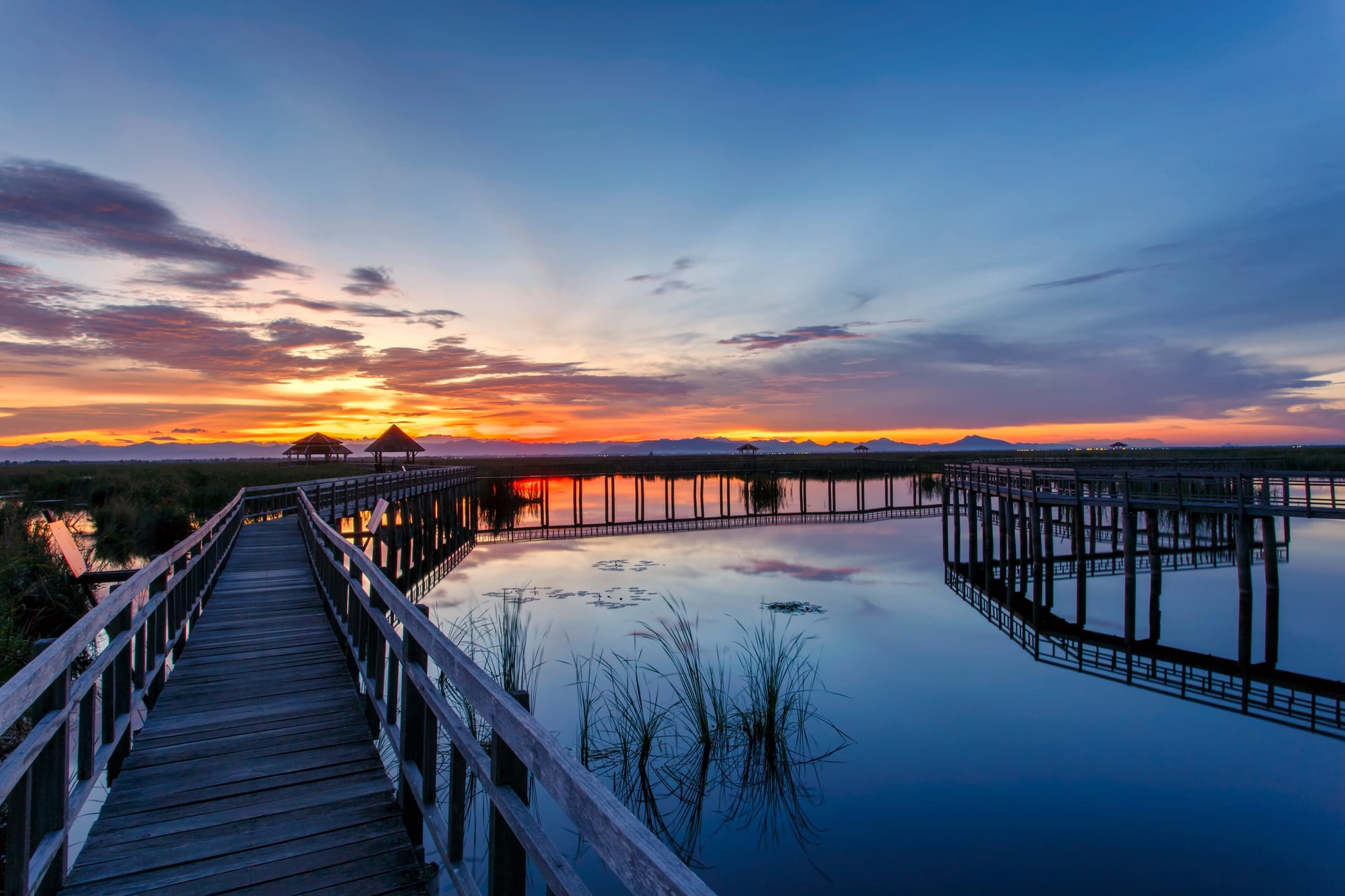
Montana’s Sunset Lake hosts a smaller but equally impressive floating bridge that serves a residential community. It demonstrates how floating bridge technology works even on a modest scale.
The bridge uses pontoons made from recycled materials, showing how modern designs can be environmentally friendly. Residents drive across it daily without giving much thought to the engineering underneath.
The simple design proves that floating bridges don’t always need to be massive to be effective.
Kelowna Floating Bridge
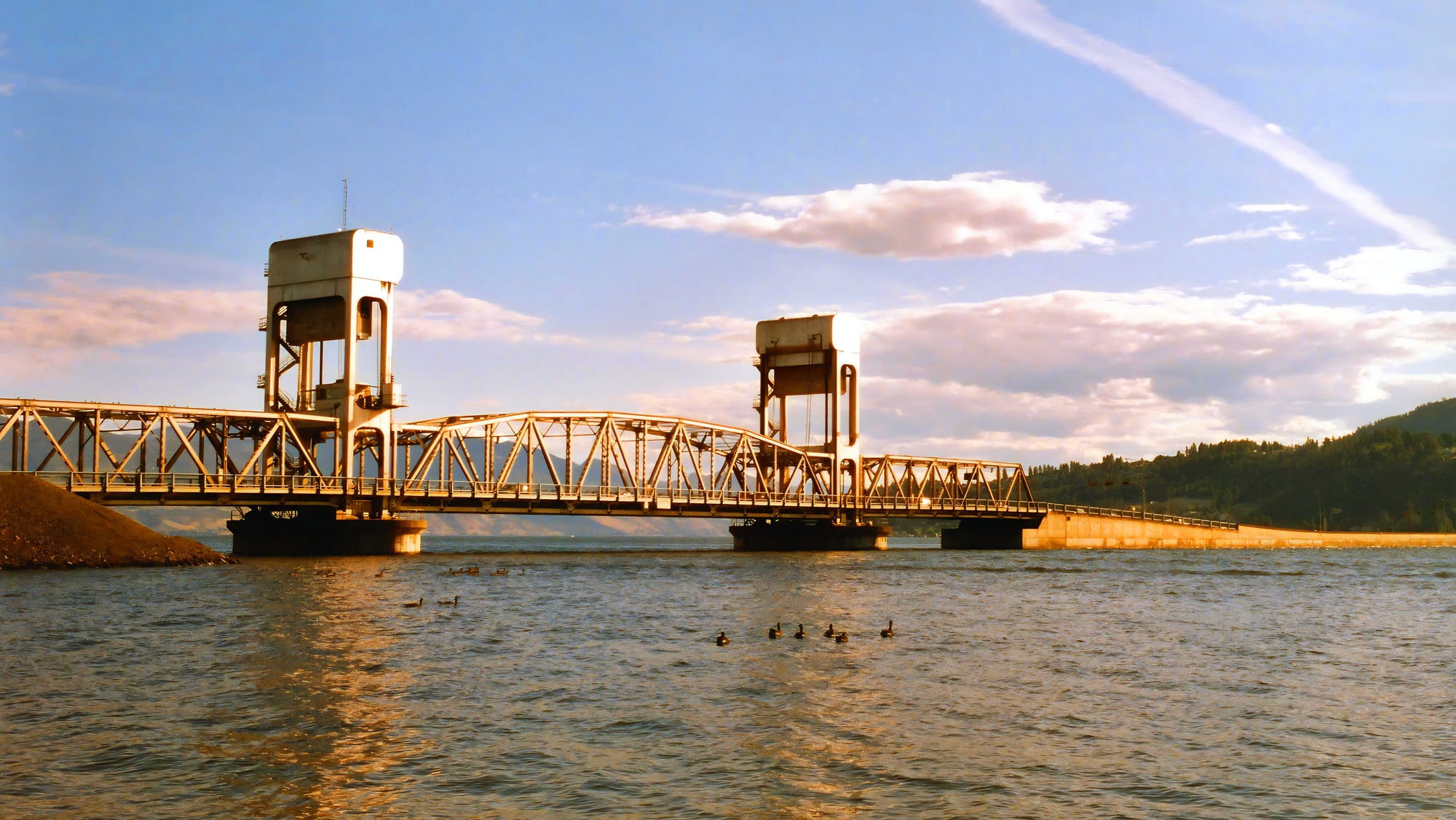
Before the William R. Bennett Bridge replaced it, the Kelowna Floating Bridge served British Columbia for decades. It was one of the longest floating bridges in the world during its time and handled millions of crossings.
The old bridge used wooden pontoons that required constant maintenance and eventual replacement. When it finally closed, engineers studied its design to improve future floating bridges.
Parts of it still exist as a reminder of how floating bridge technology has evolved.
Hood Canal Bridge
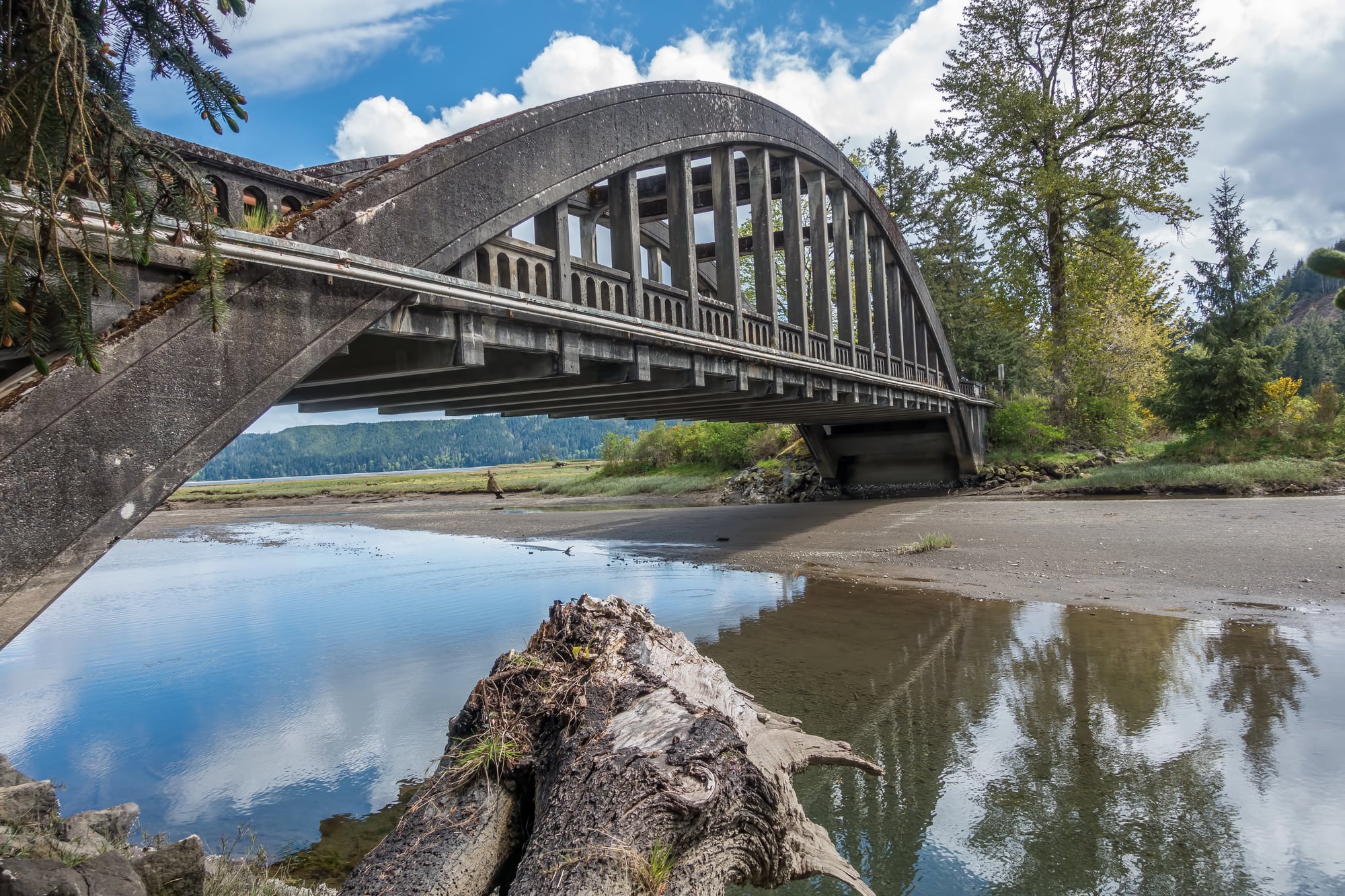
Washington State’s Hood Canal Bridge is the longest floating bridge over saltwater in the world. It spans 7,869 feet across the Hood Canal, which is actually an inlet of Puget Sound.
Saltwater creates different engineering challenges than freshwater because it’s more corrosive and has stronger currents. The bridge uses special coatings on its pontoons to prevent rust and degradation.
It also has a section that can be drawn back to let submarines and aircraft carriers pass through to nearby naval bases.
Brookings Floating Bridge
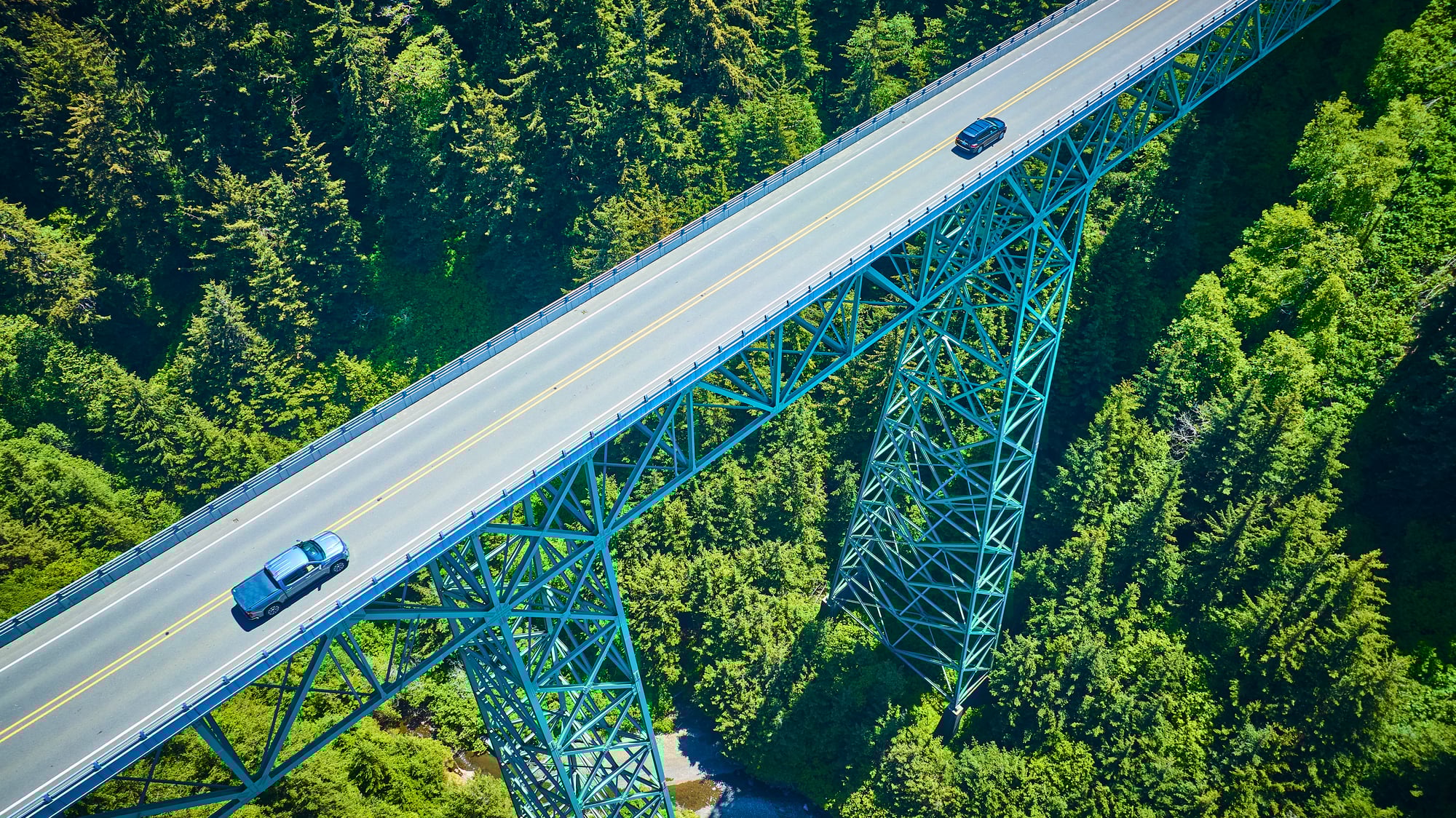
Oregon’s Brookings area features a unique floating bridge that handles coastal conditions most inland bridges never face. It sits close to the Pacific Ocean where fog, salt spray, and strong winds are everyday occurrences.
The pontoons here are reinforced to handle the extra stress from coastal weather patterns. Engineers designed the bridge to rise and fall with tidal changes that can reach several feet.
This adaptability makes it perfect for locations where water levels constantly change.
Governor Albert D. Rosellini Bridge

This bridge is actually another name for the Evergreen Point Floating Bridge after Washington renamed it in 2017. Governor Rosellini championed transportation projects throughout his political career.
The renaming honors his contributions to connecting communities through better infrastructure. Many locals still call it by its old name because habits die hard.
Regardless of what people call it, the bridge remains an engineering wonder that seems to float effortlessly.
Bergsoysund Bridge extension

Norway expanded its original Bergsoysund Bridge with additional floating sections to handle increased traffic. The extension uses newer pontoon designs that are even more stable than the original.
It shows how engineers can update floating bridges without replacing them entirely. The addition blends seamlessly with the older structure while incorporating modern safety features.
This approach saves money and resources while still meeting current transportation needs.
Interstate 90 floating sections
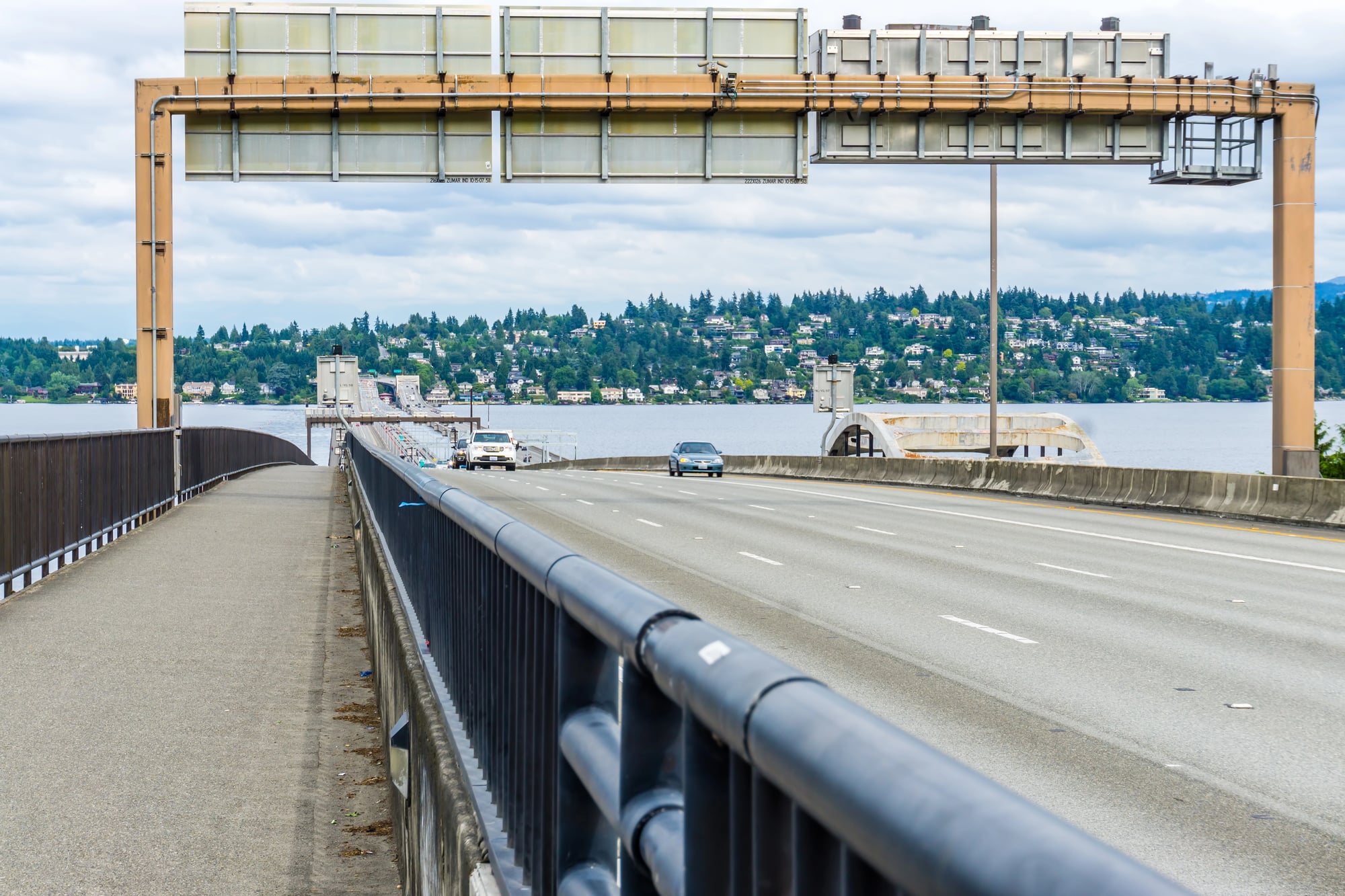
Floating bridge segments carry Interstate 90 across parts of Washington State on its long journey from one edge of the nation to the other. What sets this stretch apart from every other interstate is those buoyant roadways hidden in plain sight.
People rolling toward the Pacific might never notice they are riding on waterborne supports. Crews check and repair these spans constantly so everyone passing through stays protected.
Solid performance over time shows such structures belong on critical travel paths.
Sunset Beach Floating Walkway
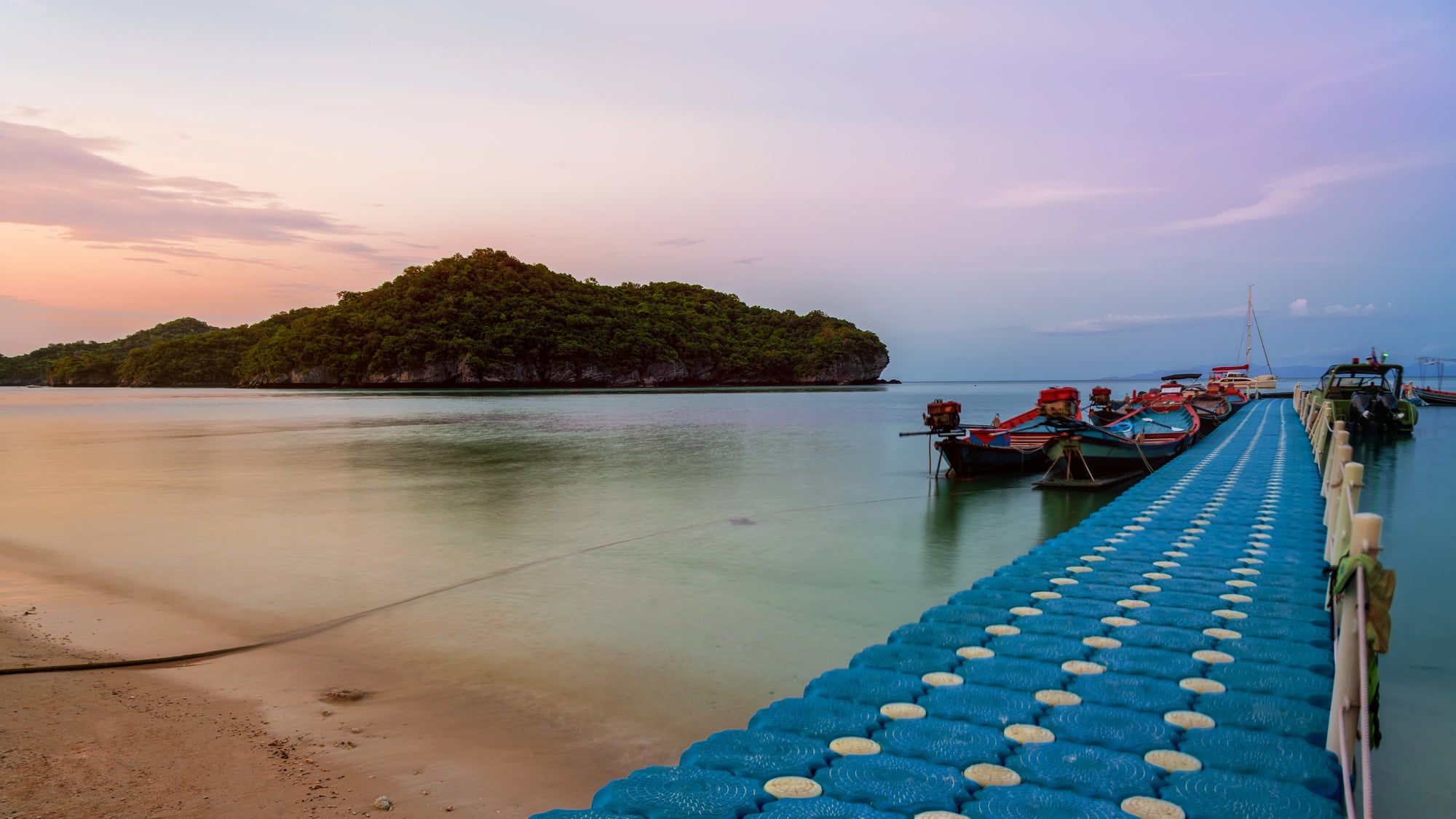
Over at Sunset Beach in Florida, a walkway floats above the water on small buoyant platforms. Moving along it feels smooth, almost like skimming the surface.
Handrails line the sides, and the floor stays grippy even when rain leaves everything slick. When heat rises in summer, parents bring kids down this path straight to sand and waves.
Built without fuss, it proves floating supports can carry people just fine – no cars needed.
When water becomes solid ground
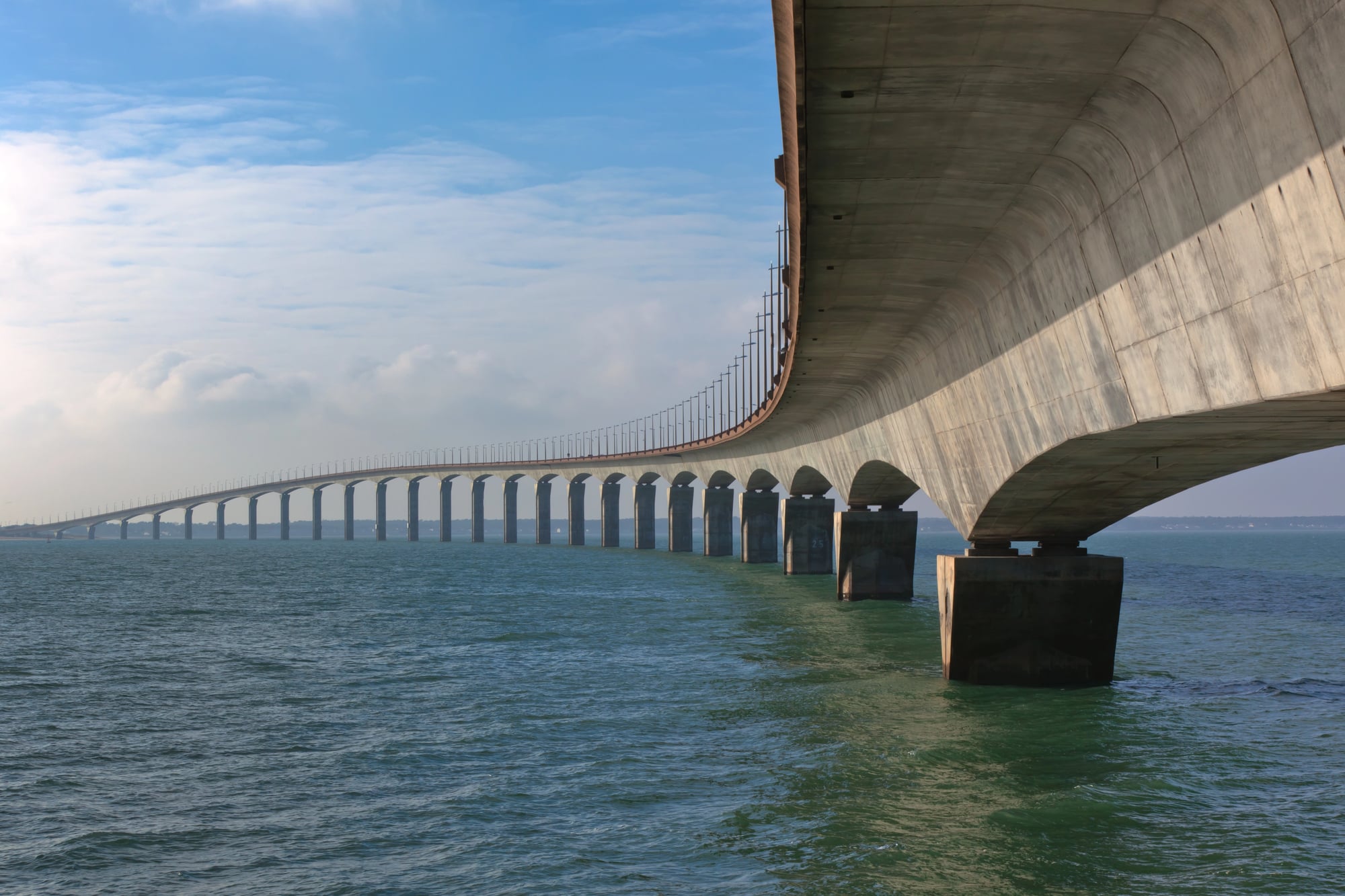
One hundred years ago, floating bridges seemed like strange experiments. Today they carry traffic without a hitch.
New kinds of materials show up, then computers help shape designs beyond old limits. Where lakes are too soft below or rivers run too deep, fixes appear where none existed before.
Flowing water once slowed progress – now it holds up roads. The smartest path ahead might mean moving with natural forces, not pushing back.
Bridges float because someone stopped trying to conquer water and started using its strength.
More from Go2Tutors!

- The Romanov Crown Jewels and Their Tragic Fate
- 13 Historical Mysteries That Science Still Can’t Solve
- Famous Hoaxes That Fooled the World for Years
- 15 Child Stars with Tragic Adult Lives
- 16 Famous Jewelry Pieces in History
Like Go2Tutors’s content? Follow us on MSN.