17 Bits of Tech That Was Predicted in Sci-Fi
Science fiction has always been more than just entertainment—it’s been a crystal sphere for humanity’s technological future. Writers and filmmakers have consistently imagined gadgets, systems, and innovations decades before engineers figured out how to make them reality.
Here’s a list of 17 technologies that science fiction got remarkably right, often predicting not just the invention but how these innovations would reshape our daily lives.
Satellites
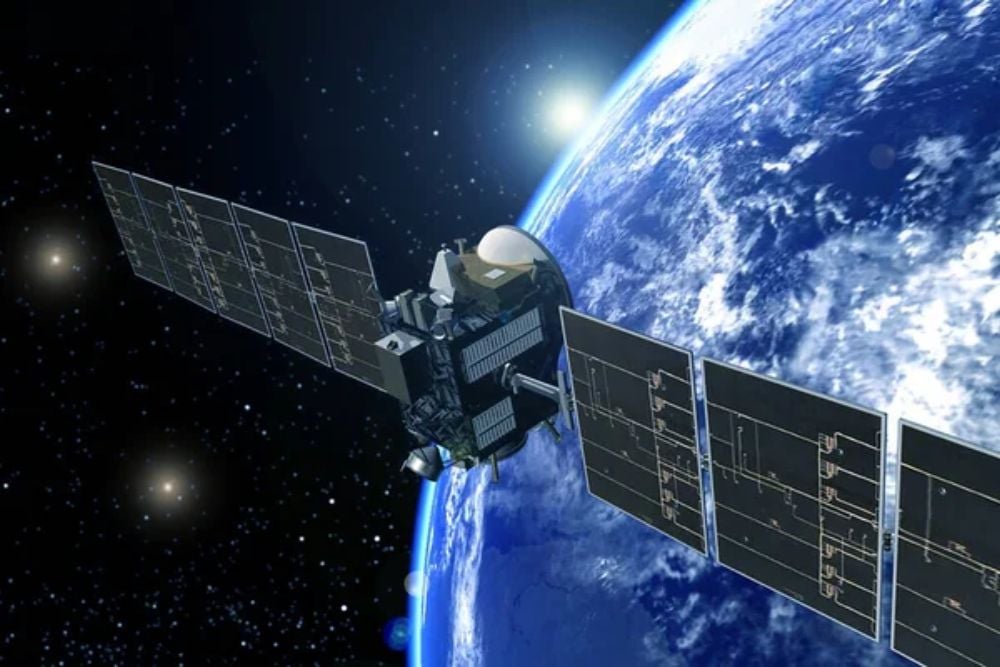
Arthur C. Clarke didn’t just write about satellites in his 1945 essay ‘Wireless World’—he basically drew up the blueprint for geostationary communication satellites. Clarke described how three satellites positioned above Earth could provide global communication coverage, which is exactly how our modern satellite network operates.
His vision became reality just 12 years later when Sputnik launched, followed by the communication satellites that now beam everything from GPS data to Netflix streams across the planet.
Submarines
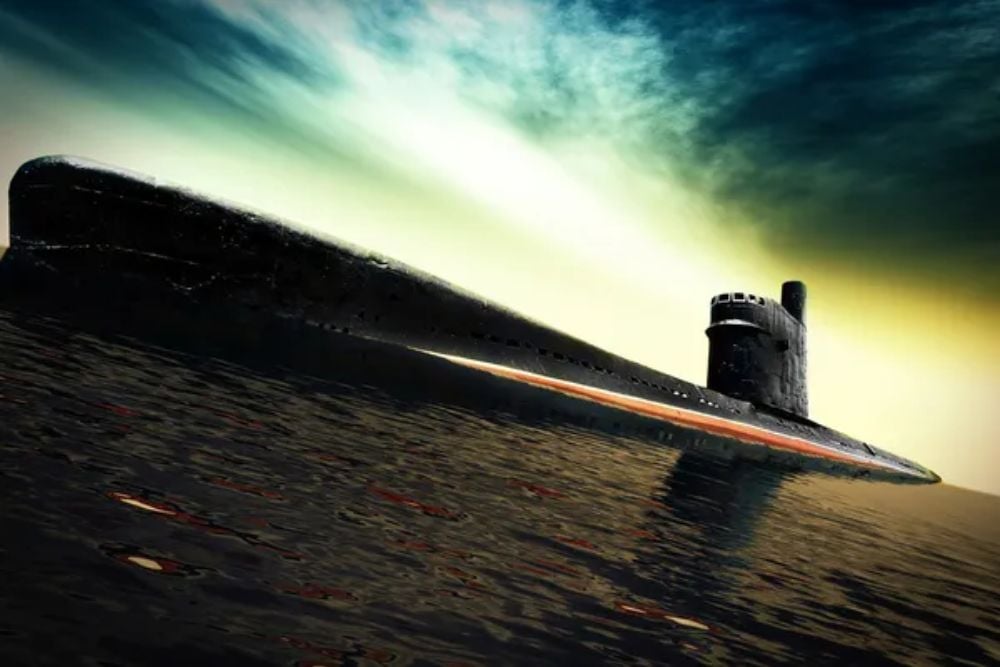
Jules Verne’s ‘Twenty Thousand Leagues Under the Sea’ introduced Captain Nemo’s Nautilus in 1870, complete with advanced underwater navigation, electric power, and sophisticated life support systems. Verne described underwater exploration vessels decades before the first military submarines appeared in World War I.
The real Nautilus submarine, launched by the U.S. Navy in 1954, was even named after Verne’s fictional vessel, proving how deeply his underwater vision influenced actual naval engineering.
Space Travel
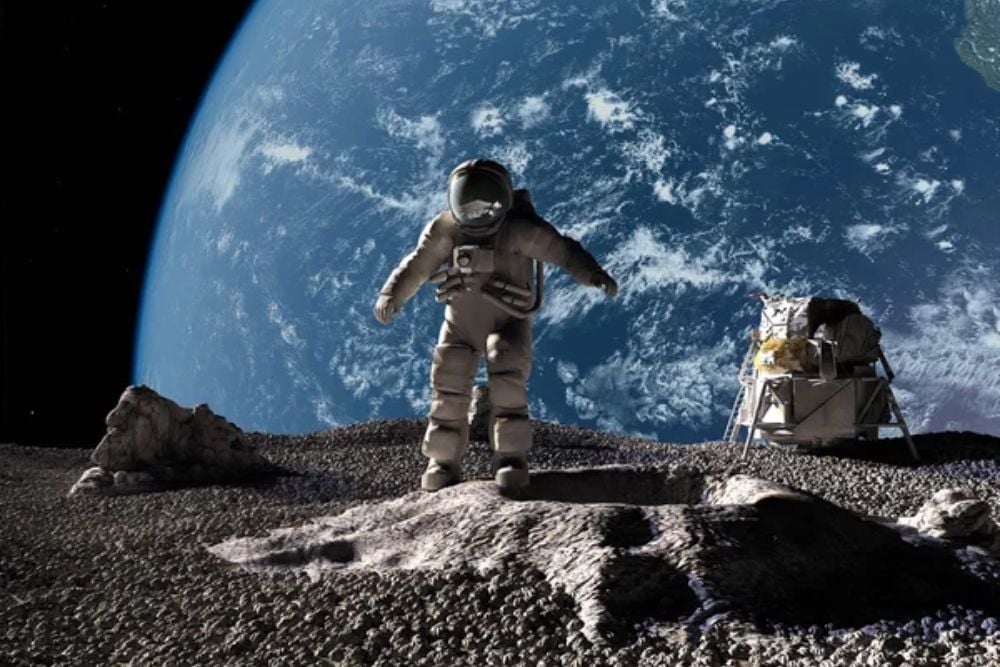
From Verne’s ‘From the Earth to the Moon’ in 1865 to countless pulp magazines of the 1930s, science fiction writers mapped out space exploration long before rockets could reach orbit. These stories predicted multi-stage rockets, space suits, orbital mechanics, and even the psychological challenges of long-duration spaceflight.
When Neil Armstrong stepped onto the moon in 1969, he was essentially following a script that science fiction had been writing for over a century.
Tablets

Stanley Kubrick’s ‘2001: A Space Odyssey’ showed astronauts using flat, rectangular devices to watch news broadcasts and read information—basically iPads four decades before Apple released the first tablet. The HAL 9000 computer also displayed information on sleek, flat screens that looked remarkably similar to modern tablets.
These weren’t just props but carefully considered predictions of how computers would eventually become portable and intuitive.
Video Calling

Fritz Lang’s 1927 film ‘Metropolis’ featured video phone calls, while countless science fiction stories throughout the mid-20th century treated video communication as standard technology. The Jetsons made video calls look routine in 1962, decades before the internet existed.
These predictions captured not just the technology but the social aspect—how people would use video calls for both business and personal conversations.
Flat Screen TVs

Kubrick’s ‘2001’ again proved prophetic by showing thin, wall-mounted screens throughout the spaceship Discovery. The film depicted these displays as both entertainment devices and information interfaces, much like how we use modern flat screens today.
Ray Bradbury’s ‘Fahrenheit 451’ also described wall-sized television screens that dominated home entertainment, predicting both the technology and its cultural impact.
GPS Navigation
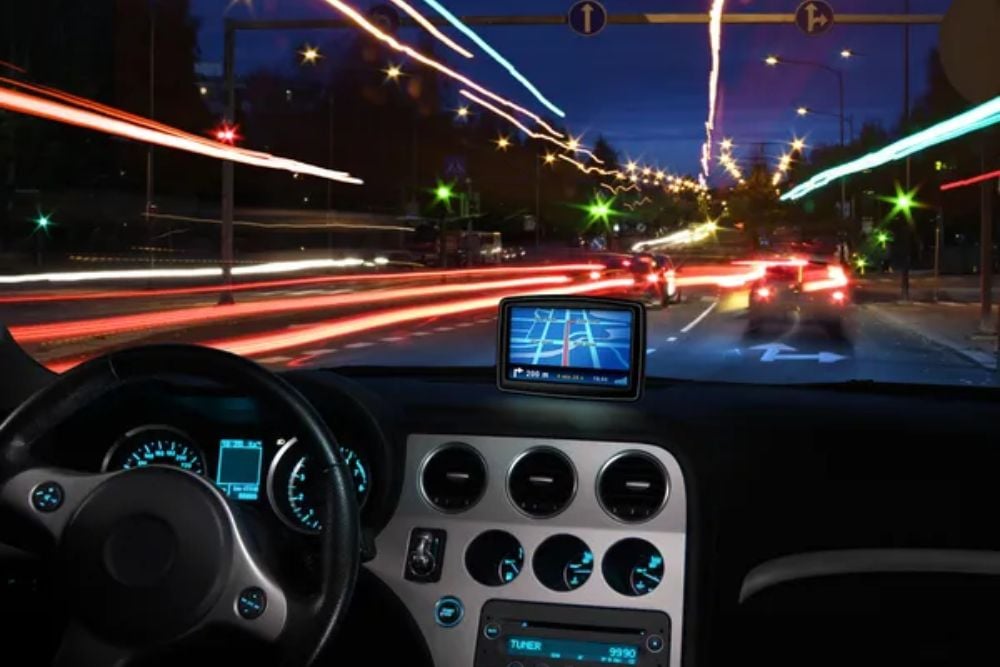
Robert Heinlein’s science fiction novels frequently featured characters using electronic navigation systems that could pinpoint their exact location anywhere on Earth or other planets. His stories described handheld devices that provided real-time positioning and route guidance, essentially predicting GPS technology decades before satellites made it possible.
Heinlein understood that precise navigation would become essential as transportation became more complex and global.
Earbuds

Ray Bradbury’s ‘Fahrenheit 451’ described ‘seashell radios’—small devices that fit in people’s ears and delivered personalized audio content. Bradbury wrote about these tiny wireless audio devices in 1953, long before transistors made such miniaturization possible.
His vision even predicted how personal audio would become isolating, with people tuning out the world around them.
Robots
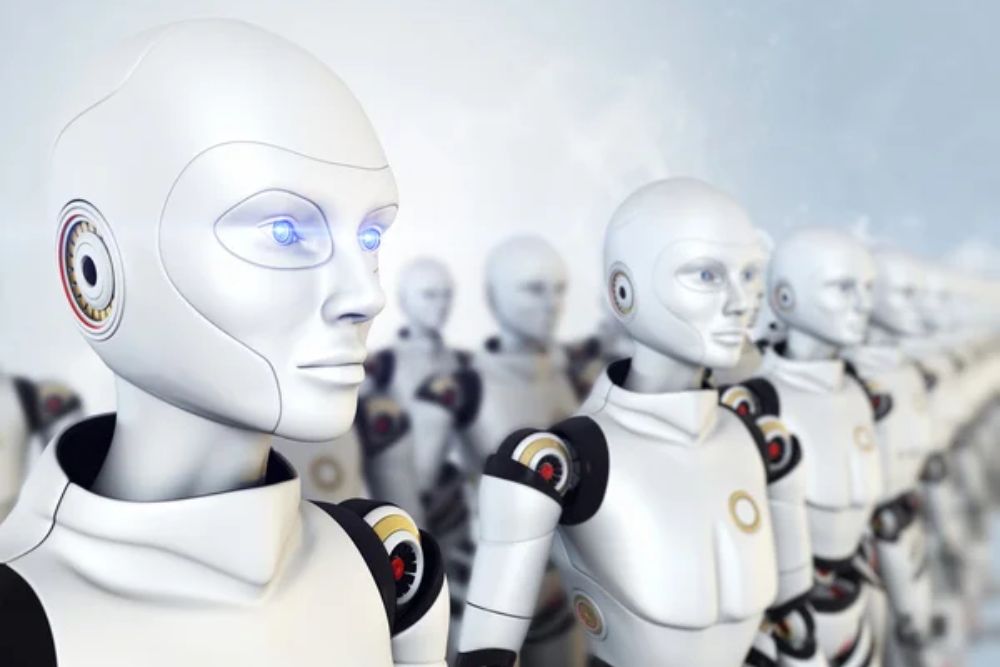
Isaac Asimov didn’t just predict robots—he invented the ethical framework we still discuss today with his Three Laws of Robotics. His stories from the 1940s and 1950s envisioned artificial beings that could think, work, and interact with humans in sophisticated ways.
Asimov predicted everything from industrial automation to companion robots, along with the social and philosophical questions these technologies would raise.
Voice Assistants

HAL 9000 from ‘2001: A Space Odyssey’ remains the most famous prediction of voice-controlled artificial intelligence. HAL could understand natural speech, control complex systems, and even engage in conversation—basically describing Alexa or Siri with a more advanced personality.
The film showed how voice interaction would become a natural interface between humans and computers.
Biometric Security

Science fiction movies and books have long featured fingerprint scanners, retinal readers, and other biological identification systems. These stories predicted that personal biological markers would become the ultimate form of security identification.
From spy novels to futuristic films, biometric security appeared decades before the technology became reliable enough for widespread use.
Smart Watches
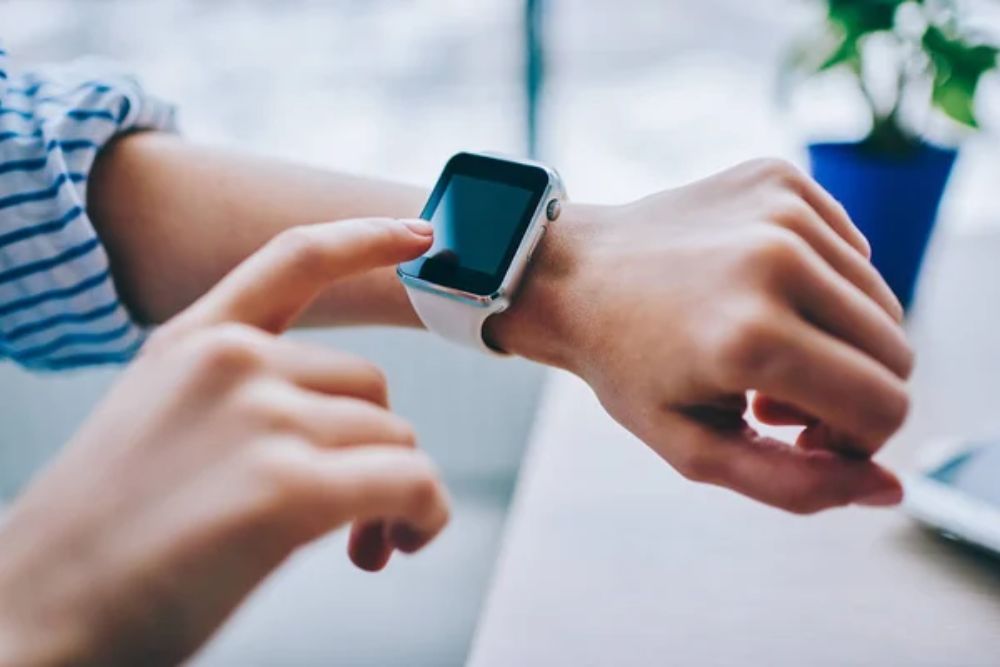
Detective Tracy’s wrist radio from the 1930s comic strips was essentially a smartwatch that could make calls and receive messages. The character used his watch for two-way communication, just like modern smartwatches handle calls, texts, and internet connectivity.
Chester Gould’s comic strip predicted that people would want computing power and communication abilities right on their wrists.
Internet
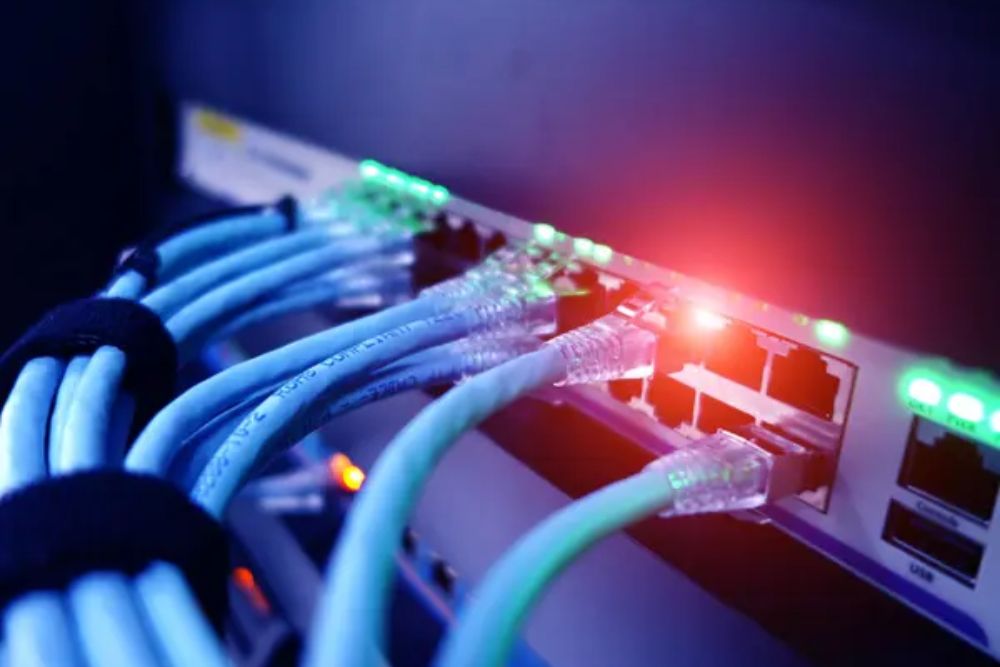
William Gibson’s ‘Neuromancer’ described cyberspace as a global network where people could access vast amounts of information and communicate instantly across distances. Published in 1984, the novel predicted not just the technical aspects of the internet but its social impact—how online spaces would become as important as physical locations.
Gibson essentially described the World Wide Web before most people owned personal computers.
Virtual Reality
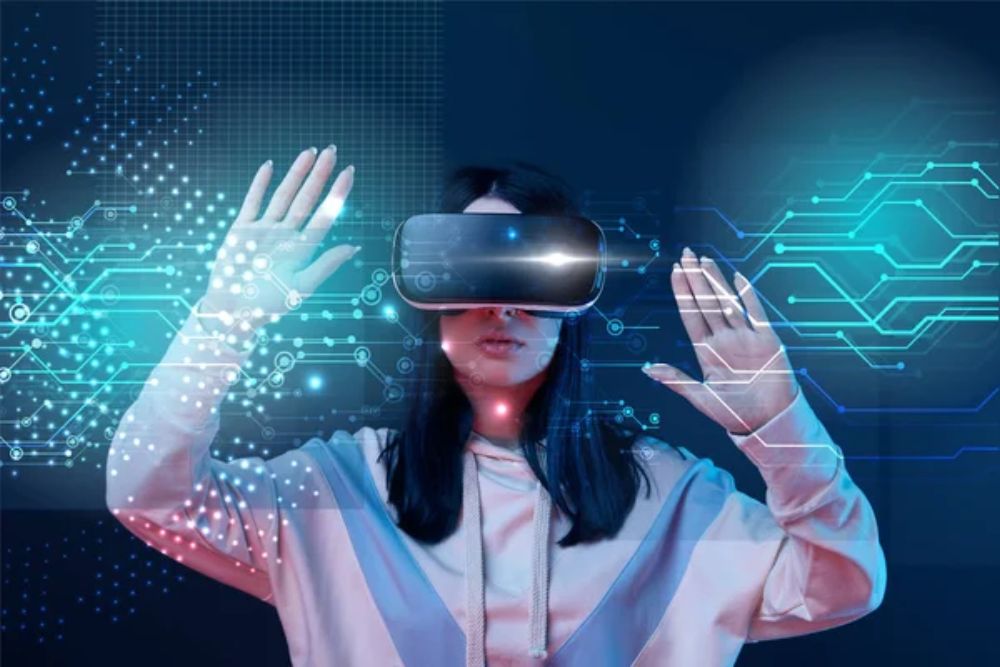
Gibson’s cyberpunk novels also predicted virtual reality systems that could create immersive digital environments. His characters would ‘jack in’ to computer-generated worlds that felt completely real, anticipating VR headsets and haptic feedback systems.
The concept of people spending significant time in virtual spaces, whether for work or entertainment, appeared in science fiction decades before the technology existed.
Genetic Engineering
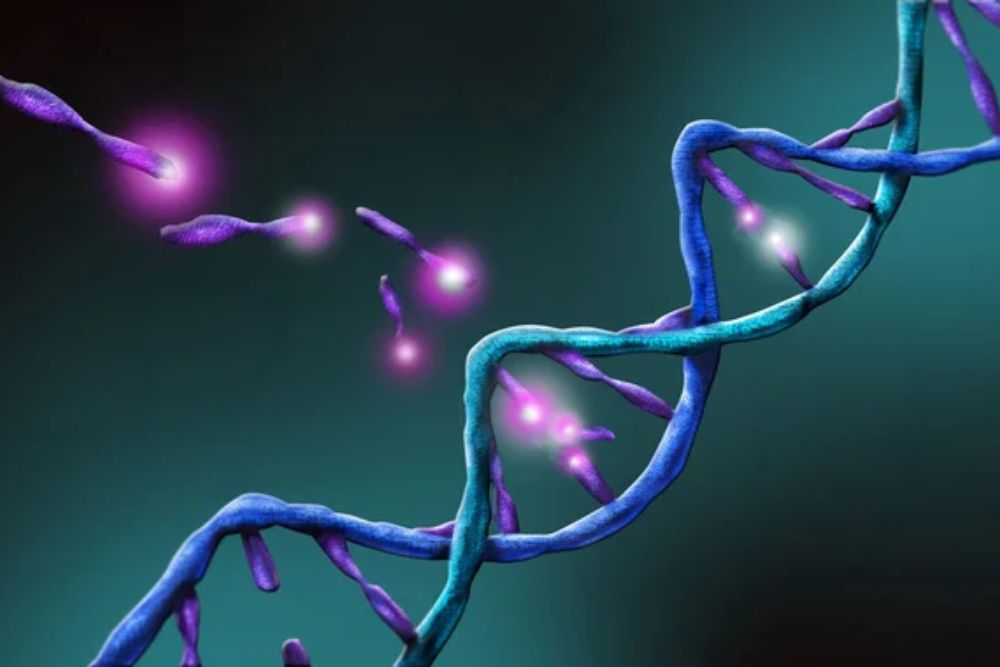
Aldous Huxley’s ‘Brave New World’ described a society where human genetics could be manipulated to create people with specific traits and abilities. Published in 1932, the novel predicted genetic modification, cloning, and designer babies long before scientists understood DNA structure.
Huxley also anticipated the ethical debates that would surround genetic engineering.
Nuclear Power
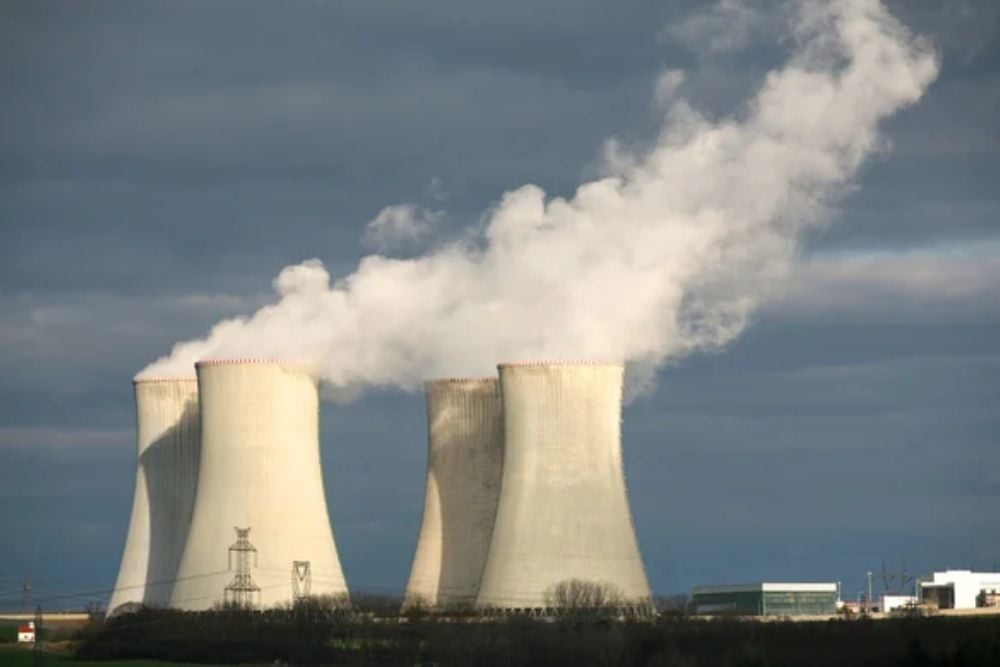
H.G. Wells described atomic energy in his 1914 novel ‘The World Set Free,’ predicting both nuclear power and nuclear weapons decades before scientists achieved nuclear fission. Wells understood that splitting atoms would release enormous amounts of energy that could either power civilization or destroy it.
His vision included both the promise and the danger of nuclear technology.
Cell Phones
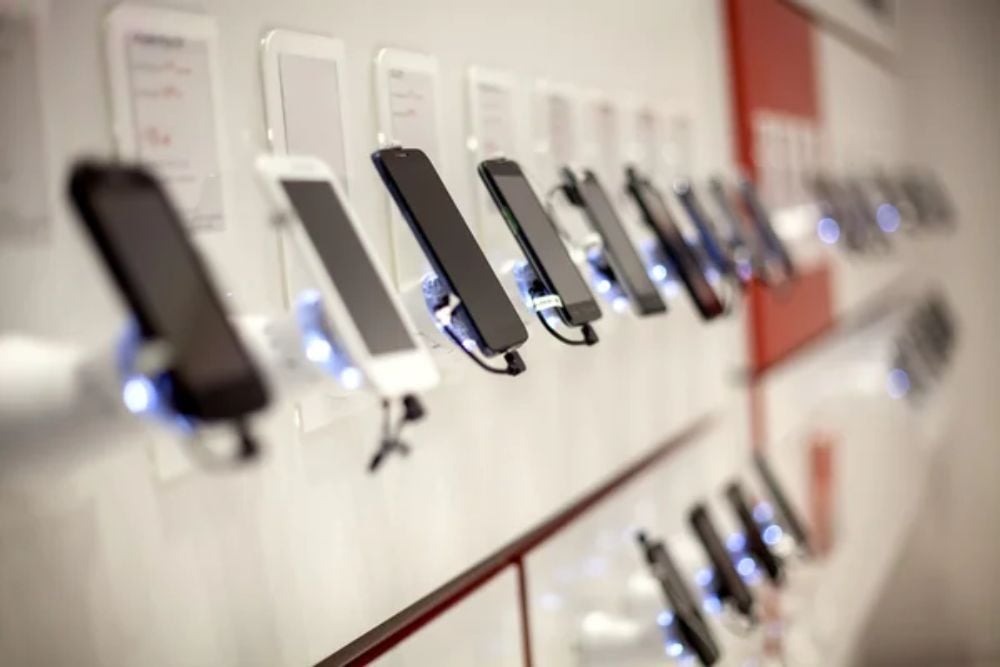
Robert Heinlein’s characters frequently used handheld communication devices that could reach anyone, anywhere. His novels described portable phones with global coverage, essentially predicting cell phone networks before radio technology could support them.
Heinlein also anticipated how mobile communication would change social behavior and business practices.
From Fiction to Your Pocket
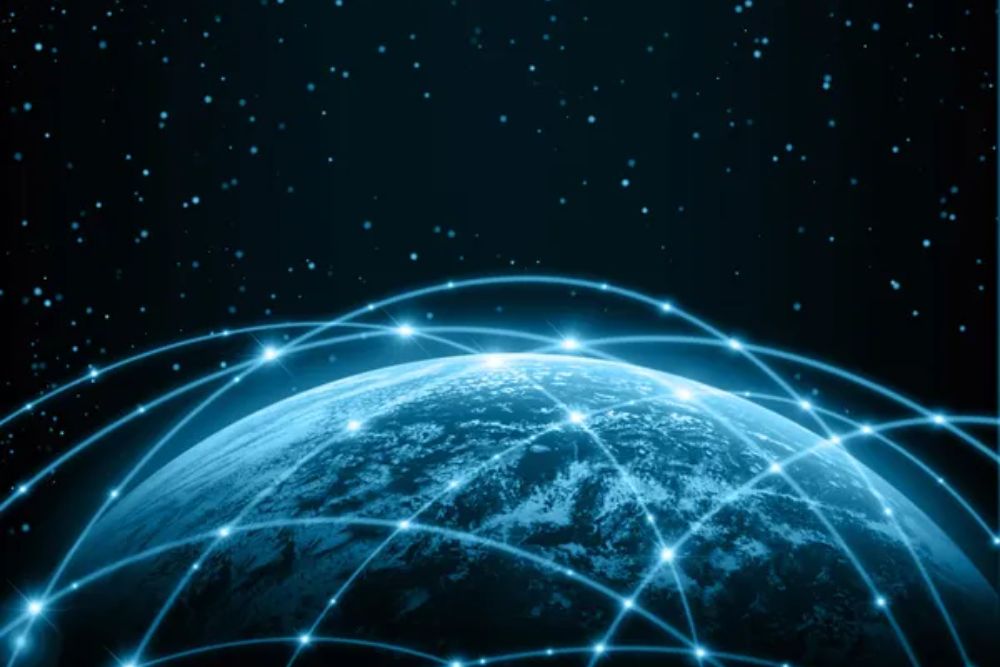
Science fiction writers weren’t just entertaining readers—they were conducting thought experiments about technology’s possibilities and consequences. Many of today’s tech innovators grew up reading these stories and watching these films, turning fictional inspiration into actual invention.
The next time you use your smartphone to video chat with someone while your robot vacuum cleans the house, remember that science fiction writers mapped out this technological landscape decades ago.
More from Go2Tutors!

- 16 Historical Figures Who Were Nothing Like You Think
- 12 Things Sold in the 80s That Are Now Illegal
- 15 VHS Tapes That Could Be Worth Thousands
- 17 Historical “What Ifs” That Would Have Changed Everything
- 18 TV Shows That Vanished Without a Finale
Like Go2Tutors’s content? Follow us on MSN.