15 Children’s Books That Were Banned from Schools
Book banning in schools has turned into one of America’s most contentious educational debates. Parents square off against teachers, school boards wrestle with community pressure, and librarians find themselves caught in the crossfire over what young minds should encounter on library shelves.
Some of these controversies involve books you’d never expect to cause trouble, while others tackle subjects that were bound to ruffle feathers. Here’s a list of 15 children’s books that have been banned from schools across the nation.
Where the Wild Things Are

Maurice Sendak’s 1963 masterpiece seems innocent enough—until you consider how some parents reacted to Max’s wild rumpus. Schools pulled this classic because administrators worried those monster illustrations might traumatize young readers or encourage defiant behavior. The irony wasn’t lost on educators who recognized that childhood anger and imagination are perfectly normal, yet some districts decided Max’s journey was too disruptive for their students.
The Giver
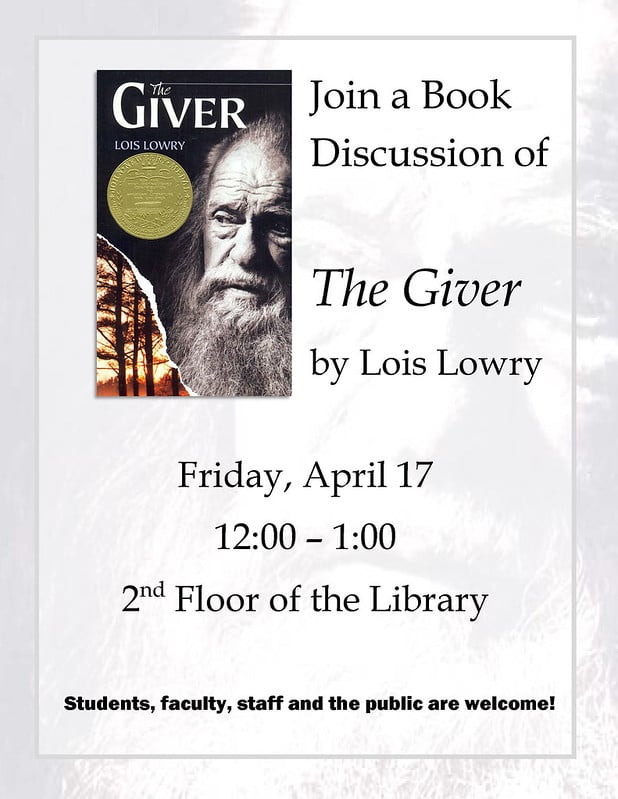
Lois Lowry crafted a thought-provoking dystopia that’s been making school boards uncomfortable since 1993. The novel’s controlled society—where emotions get suppressed and difficult ethical questions arise—struck too close to home for many communities. Parents objected to themes they felt were too mature, though supporters argued these complex ideas help students think critically about freedom and conformity.
Bridge to Terabithia
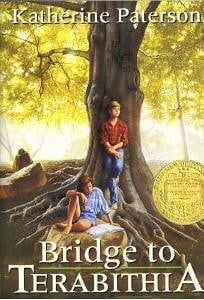
Katherine Paterson’s Newbery winner delivers an emotional gut punch that some schools couldn’t handle. The tragic ending left parents worried about exposing elementary students to such profound grief, while the book’s religious elements added another layer of controversy. Teachers often defended it as an honest portrayal of loss—something many children unfortunately experience—but districts frequently chose the safer path of removal.
Are You There God? It’s Me, Margaret
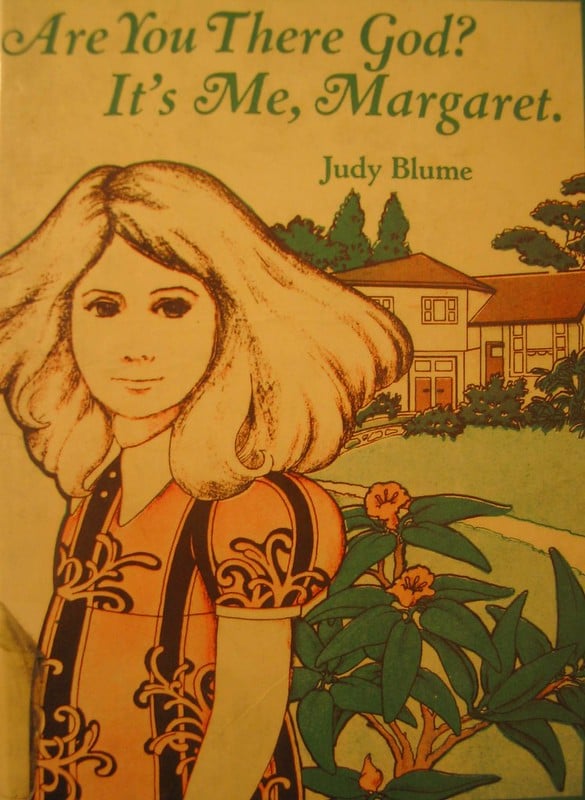
Judy Blume’s coming-of-age story has been stirring up trouble since 1970, which tells you something about how slowly attitudes change. Margaret’s frank discussions about puberty and her spiritual questioning made adults squirm across multiple generations. Schools banned it repeatedly, though many young readers found comfort in seeing their own experiences reflected so honestly on the page.
The Handmaid’s Tale

Margaret Atwood’s dystopian nightmare wasn’t written for teenagers, yet it found its way onto high school reading lists—and then quickly off them again. The book’s bleak vision of women’s rights being stripped away proved too intense for many school boards. While some educators argued that its themes of resistance and autonomy were valuable for young adults, others deemed the content too politically charged for classroom discussion.
Thirteen Reasons Why
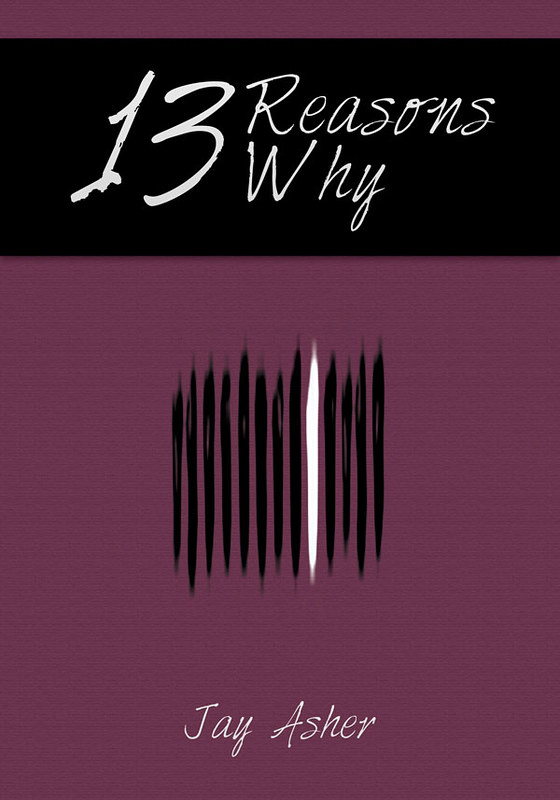
Jay Asher’s exploration of teen self-harm became a lightning rod for controversy, particularly after the Netflix adaptation. Mental health professionals remained divided on whether the book helps or harms vulnerable students—some saw it as opening important conversations, while others worried it might romanticize self-harm. Schools faced an impossible choice between addressing mental health and potentially triggering at-risk students.
The Hate U Give

Angie Thomas created a powerful voice for the Black Lives Matter generation, but not every school district was ready to hear it. The novel’s unflinching look at police brutality and systemic racism made administrators nervous, particularly in communities where these topics felt too politically charged. Critics cited strong language as their primary concern, though many suspected the real issue was the book’s uncomfortable truths about American society.
The Perks of Being a Wallflower
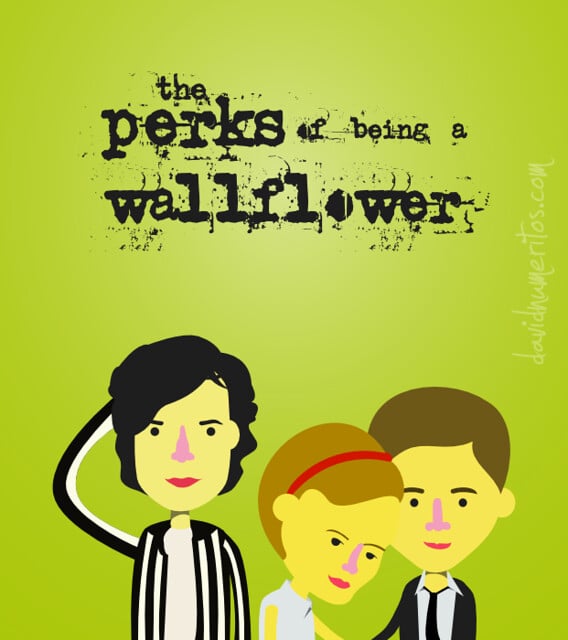
Stephen Chbosky’s honest portrayal of teenage life hit too close to home for many parents. Charlie’s struggles with mental health, trauma, and identity resonated deeply with young readers—perhaps too deeply for comfort. Schools objected to references involving drugs and alcohol, yet supporters argued these elements made the book’s message about healing and connection even more powerful.
New Kid

J. Craft’s graphic novel earned the Newbery Medal, but that didn’t protect it from challenges. The story follows a Black student navigating a predominantly white private school, addressing microaggressions and racial dynamics that some communities preferred to avoid discussing. Parents complained about the book’s treatment of race, though educators praised its age-appropriate approach to difficult but necessary conversations.
The Bluest Eye

Toni Morrison’s debut novel explores how racism damages children’s self-perception through devastatingly beautiful prose. High schools pulled it from reading lists, citing mature themes and graphic content that administrators felt exceeded appropriate boundaries. The book’s unflinching examination of internalized racism and trauma sparked debates about whether such heavy material belongs in teenage curricula, regardless of its literary merit.
Scary Stories to Tell in the Dark
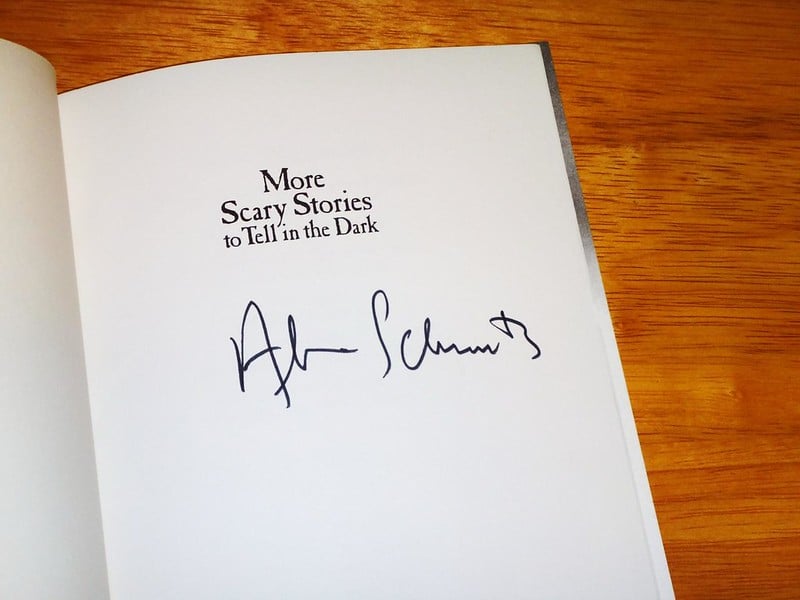
Alvin Schwartz’s collection of folk tales might seem like harmless fun, but those Stephen Gammell illustrations proved too much for many parents. The creepy artwork and frightening stories generated more complaints than almost any other children’s book series. Schools found themselves removing popular titles that kids loved simply to avoid dealing with concerned families who felt the content was too intense.
The Absolutely True Diary of a Part-Time Indian

Sherman Alexie’s semi-autobiographical novel offers a raw look at life on a Native American reservation, complete with poverty, alcoholism, and the challenges of straddling two worlds. The book’s strong language and mature themes made school boards uncomfortable, though supporters argued its authentic voice provided crucial representation for Native American students while educating others about reservation life.
Maus

Art Spiegelman’s Holocaust memoir told through animal metaphors should have been celebrated for making difficult history accessible. Instead, a Tennessee school board banned it over concerns about language and brief nudity in the illustrations. The decision sparked national outrage, with many pointing out the irony of banning a book about censorship and persecution while demonstrating both in real time.
Gender Queer
— Photo by mariar12
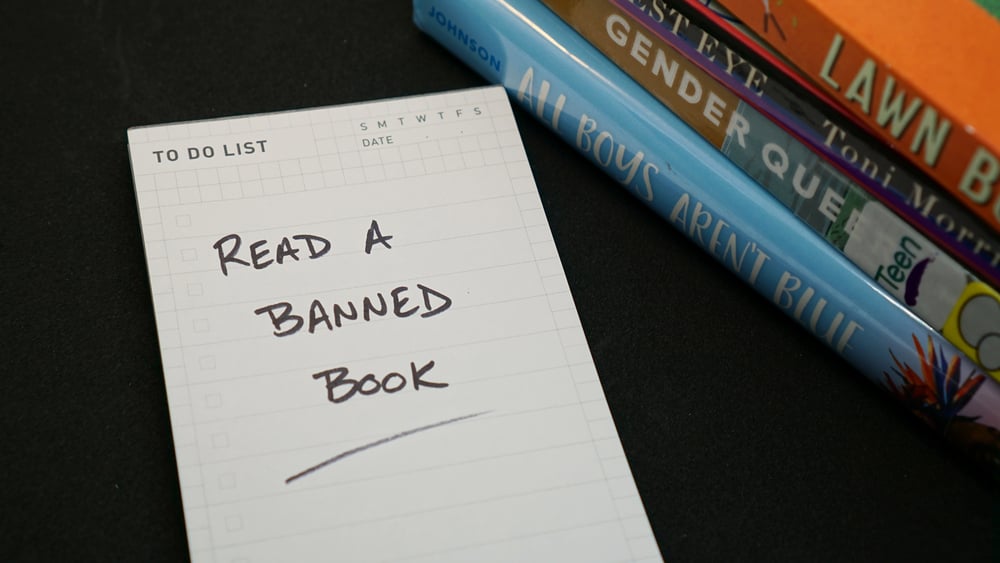
Maia Kobabe’s memoir about gender identity became one of the most challenged books in recent years. School districts removed it from libraries faster than almost any other title, citing objections to its frank discussions of gender and identity. The book’s graphic novel format made it particularly visible to critics who felt its content was inappropriate for school libraries, regardless of its potential value for questioning students.
I Am Jazz
Jessica Herthel and Jazz Jennings created a picture book that explains transgender identity in age-appropriate terms, but many schools weren’t ready for the conversation. The simple story of a child who knows she’s a girl despite being born in a boy’s body sparked heated school board meetings across the country. Parents objected to introducing gender identity concepts to young children, while supporters argued the book could help transgender kids feel less alone.
The Continuing Story of Censorship

These book challenges reveal America’s ongoing struggle with childhood, education, and competing values. Communities continue wrestling with questions that have no easy answers: Who decides what children should read? How do schools balance parental concerns with educational freedom? What happens when protecting some students means silencing others? The battles over these 15 books show that the fight over young minds and the stories that shape them remains as fierce as ever.
More from Go2Tutors!

- 16 Historical Figures Who Were Nothing Like You Think
- 12 Things Sold in the 80s That Are Now Illegal
- 15 VHS Tapes That Could Be Worth Thousands
- 17 Historical “What Ifs” That Would Have Changed Everything
- 18 TV Shows That Vanished Without a Finale
Like Go2Tutors’s content? Follow us on MSN.