Famous Last Words of History’s Most Iconic Leaders
The final moments of great leaders often reveal something unexpected. These aren’t the polished speeches or carefully crafted statements they spent their lives perfecting.
Instead, they’re raw glimpses into what mattered most when nothing else remained. Some faced death with humor, others with defiance, and a few with surprising vulnerability.
Their last words tell stories that history books sometimes miss.
Julius Caesar: A Question of Friendship
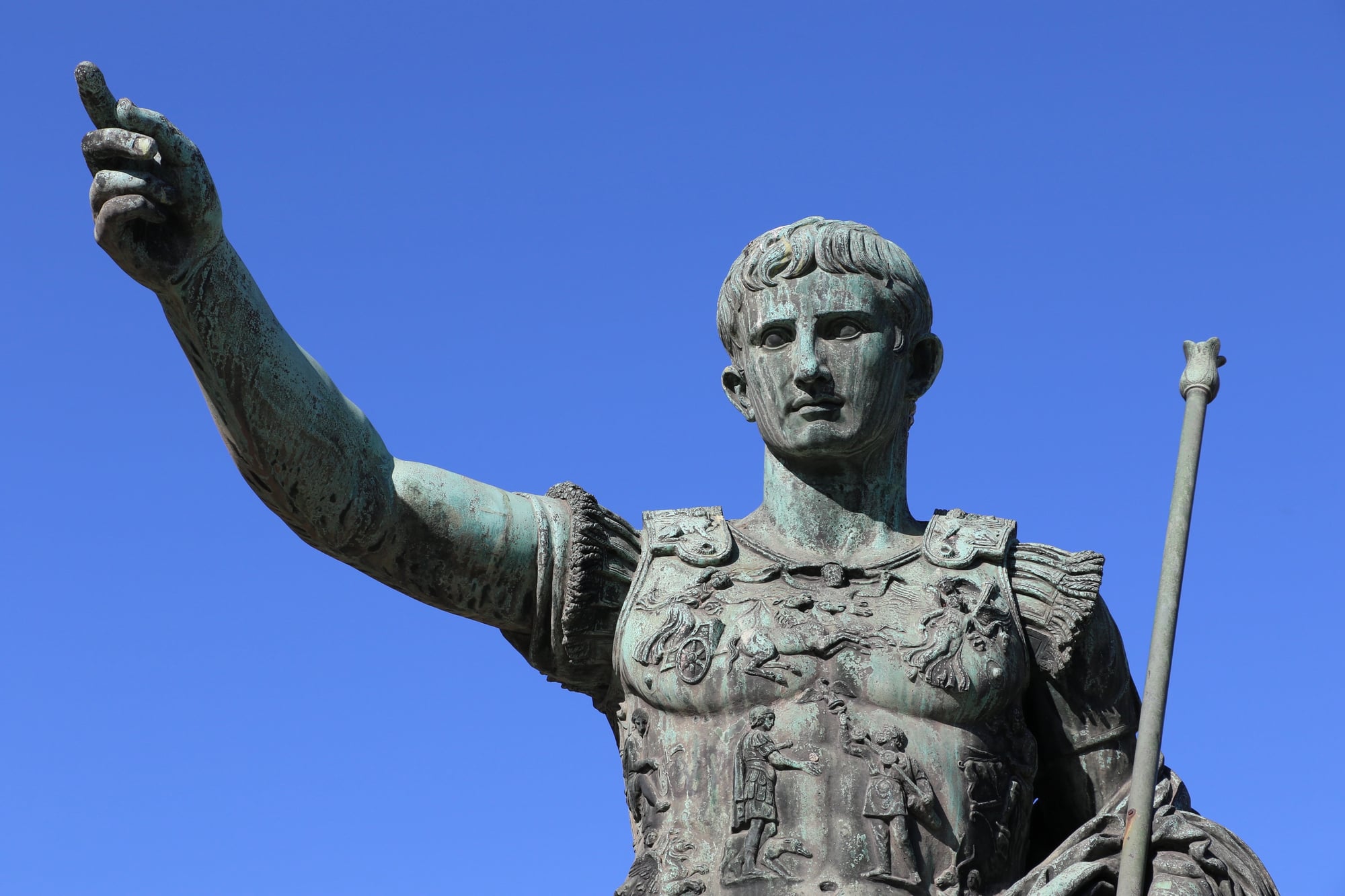
“Et tu, Brute?” Caesar’s famous phrase translates to “And you, Brutus?”
Though Shakespeare made these words immortal, historians debate whether he actually spoke them. Some ancient sources claim he said nothing at all after the first stab wound.
Others suggest he spoke in Greek rather than Latin. But the sentiment captures a deeper truth about betrayal.
Caesar had treated Brutus like a son, pardoned him after civil war, and elevated his position. The shock of seeing him among the assassins must have cut deeper than any blade.
Napoleon Bonaparte: Measuring Military Glory

Napoleon’s final word was simply “army” spoken in French. After years of exile on Saint Helena, the once-mighty emperor’s thoughts returned to his soldiers.
He had conquered most of Europe, crowned himself emperor, and reshaped the continent’s borders. But at the end, stripped of power and dying slowly from stomach ailments, he remembered the men who followed him across frozen Russian steppes and scorching Egyptian deserts.
Some accounts claim he also muttered “France” and the name “Josephine,” his first wife whom he had divorced decades earlier for political reasons. The multiple versions of his final words show how even death doesn’t escape the fog of history.
Queen Elizabeth I: Leaving No Heir

“All my possessions for a moment of time.” Elizabeth ruled England for 45 years, navigated religious conflicts, defeated the Spanish Armada, and presided over a golden age of arts and exploration.
She called herself married to England and died without children, ending the Tudor dynasty. Her final words supposedly acknowledged what all her power couldn’t buy.
The Virgin Queen spent her last days refusing to rest, standing for hours because lying down felt too much like surrender. She finally took to her bed only days before death claimed her at age 69.
Steve Jobs: Looking Beyond
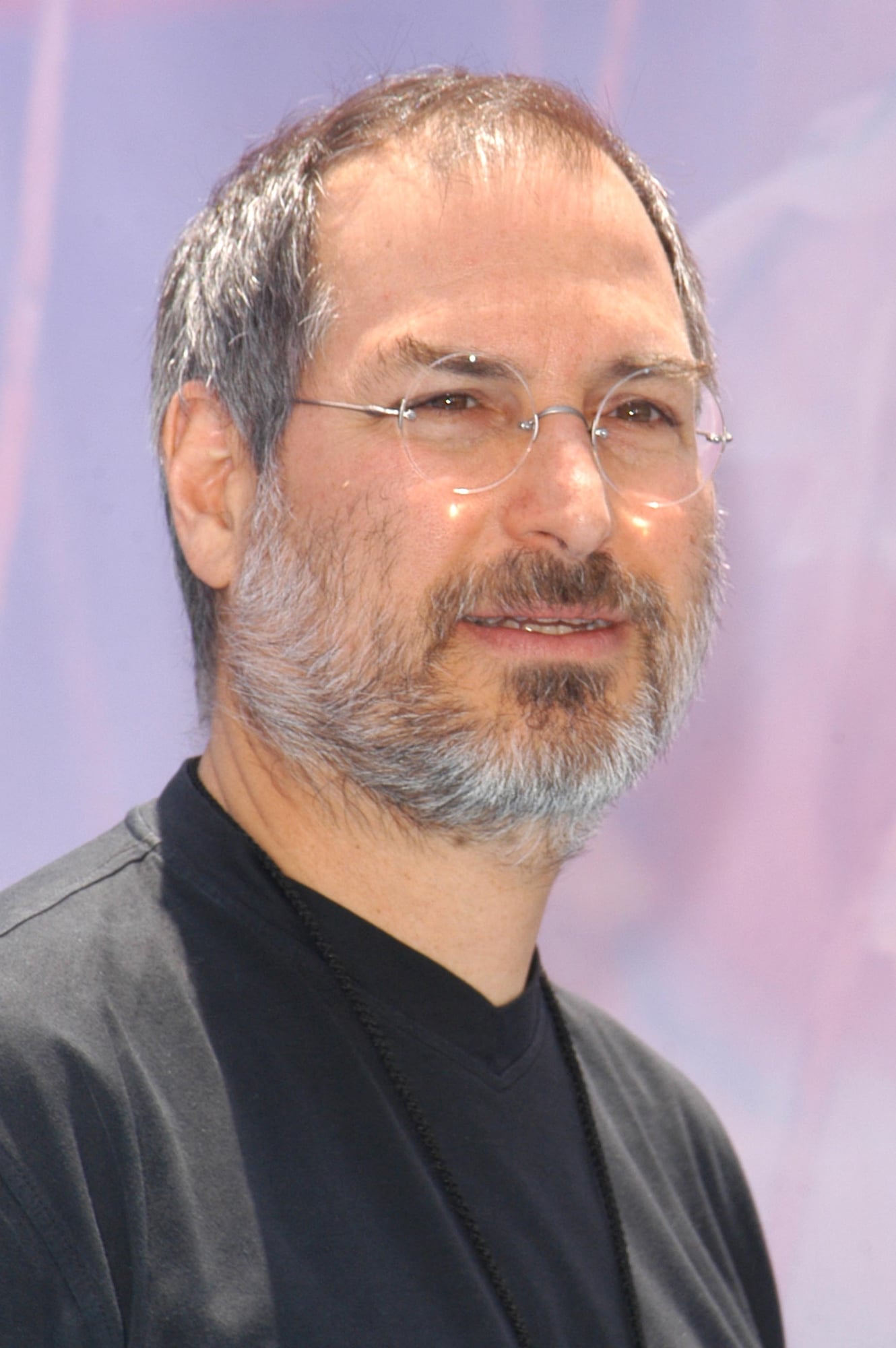
“Oh wow. Oh wow. Oh wow.” Jobs spoke these words while looking past his family members gathered at his bedside.
His sister Mona Simpson later described how he seemed to be seeing something none of them could perceive. For a man who built his career on thinking differently and looking ahead, his final moments suggested he had found something worth marveling at.
Jobs had been battling pancreatic cancer for years, long enough to prepare Apple for his eventual absence. He died at 56, younger than many on this list, but his impact on technology and design continues to shape daily life.
Winston Churchill: Ready for the Adventure
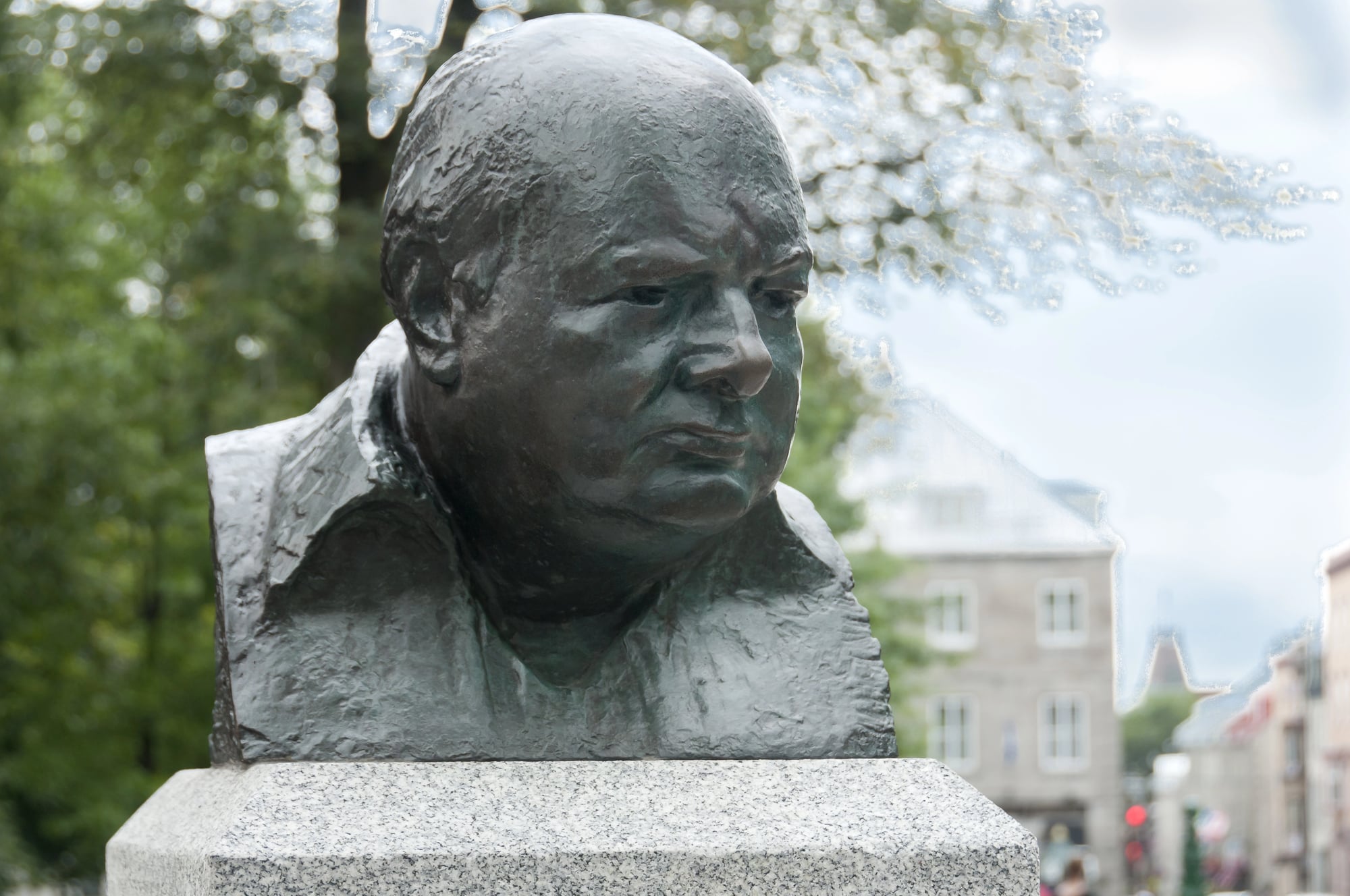
“I’m bored with it all.” Churchill’s final words came days before he slipped into a coma following a severe stroke.
The man who had rallied Britain through its darkest hour, who had written histories and won a Nobel Prize in Literature, was ready to go. He had lived 90 years, survived multiple wars, led his country through World War II, and served as Prime Minister twice.
His departure from life showed the same directness that characterized his wartime speeches. No flowery language, no grand proclamations.
Just honest weariness from a man who had given everything to his country.
Leonardo da Vinci: Regret Over Unfinished Work
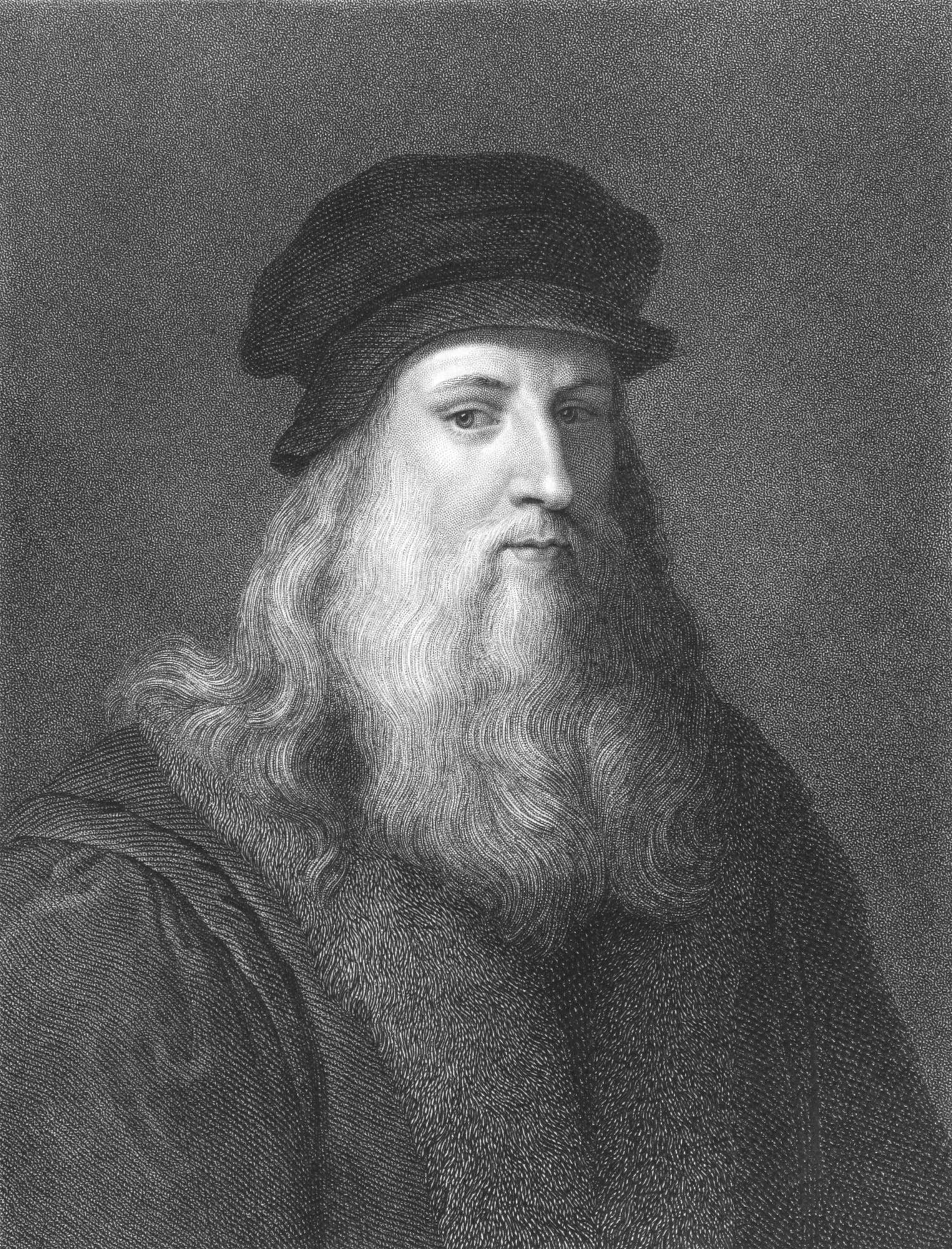
“I have offended God and mankind because my work did not reach the quality it should have.” Da Vinci died believing he had failed.
This man who painted the Mona Lisa and The Last Supper, who sketched flying machines centuries before flight became possible, who studied anatomy and engineering and botany with equal passion, thought his work fell short.
He spent his final years in France under the patronage of King Francis I, still sketching and thinking but increasingly limited by what may have been a stroke. His last words reveal the perfectionist’s curse—no achievement ever feels complete.
Thomas Edison: Glimpsing What’s Next
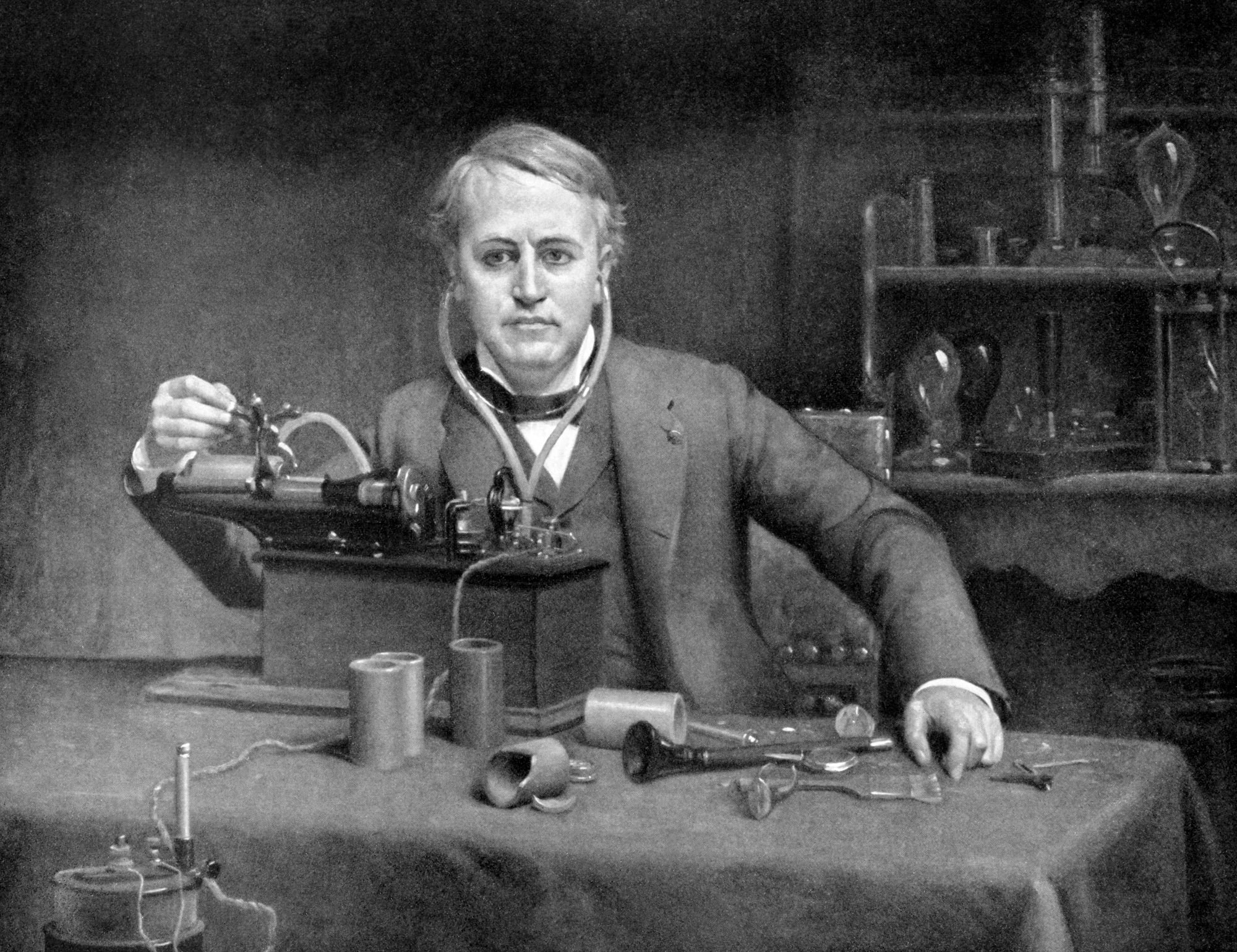
“It’s very beautiful over there.” Edison said this after emerging from a coma shortly before his death.
His wife and doctor asked him what he was looking at, and he provided this simple observation. For an inventor who spent his life bringing light to darkness and sound to silence, his final vision described beauty beyond this world.
He died at 84 in his home in New Jersey, surrounded by family. His last breath coincided with the stock market closing bell in New York—a fitting synchronization for someone whose inventions had transformed American industry.
Oscar Wilde: Critiquing to the End

“Either that wallpaper goes, or I do.” Wilde supposedly made this quip about the shabby wallpaper in his Paris hotel room where he died in poverty at age 46.
The man whose wit had made him the toast of London society ended his days in exile after serving time in prison for his relationship with Lord Alfred Douglas. Whether he actually said these exact words remains debated, but they match his character perfectly.
Even facing death, Wilde couldn’t resist commenting on bad design. His humor served as both shield and sword throughout his life, and he carried it to the very end.
Karl Marx: Resisting Sentimentality
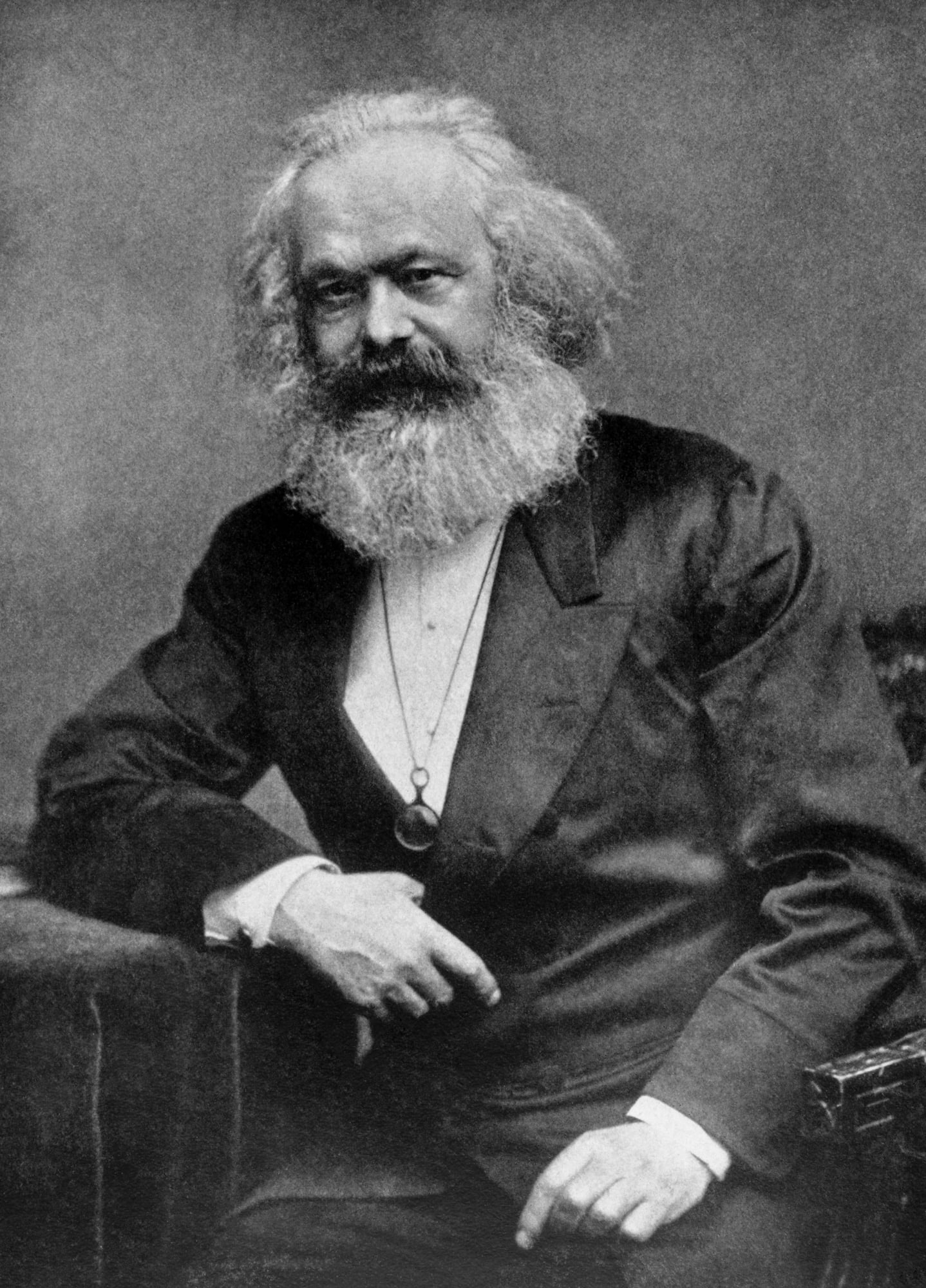
“Go on, get out! Last words are for fools who haven’t said enough!” Marx directed these words at his housekeeper who had asked if he had any final message for posterity.
The philosopher who had written thousands of pages analyzing capitalism and class struggle saw no need for a deathbed speech. His work would speak for itself.
He died in London in 1883, stateless and relatively poor despite having authored one of the most influential political texts in history. His friend Engels spoke at his funeral to a gathering of just eleven people.
The world would later feel the full force of his ideas.
Marie Antoinette: Apologizing in Chaos

“Pardon me, sir, I did not do it on purpose.” Marie Antoinette spoke these words to her executioner after accidentally stepping on his foot while mounting the scaffold.
Even facing the guillotine, the former queen maintained the etiquette drilled into her since childhood. She was 37 years old, had watched her husband die on the same platform months earlier, and had been separated from her children.
Her last words show how deeply training shapes us. In her final moment, she defaulted to politeness, apologizing to the man about to kill her for a minor misstep.
George Washington: Taking His Own Pulse

“‘Tis well.” Washington spoke these words after checking his own pulse one final time.The first President of the United States approached death like a military campaign—methodically and with attention to detail.
He had developed a throat infection that progressively worsened, and doctors of the era did more harm than good with their treatments.He died at his Mount Vernon estate in 1799, surrounded by his wife Martha and several enslaved people he had owned.
His final words suggested acceptance, a soldier’s acknowledgment that the battle was over.
Joan of Arc: Calling Out in Faith
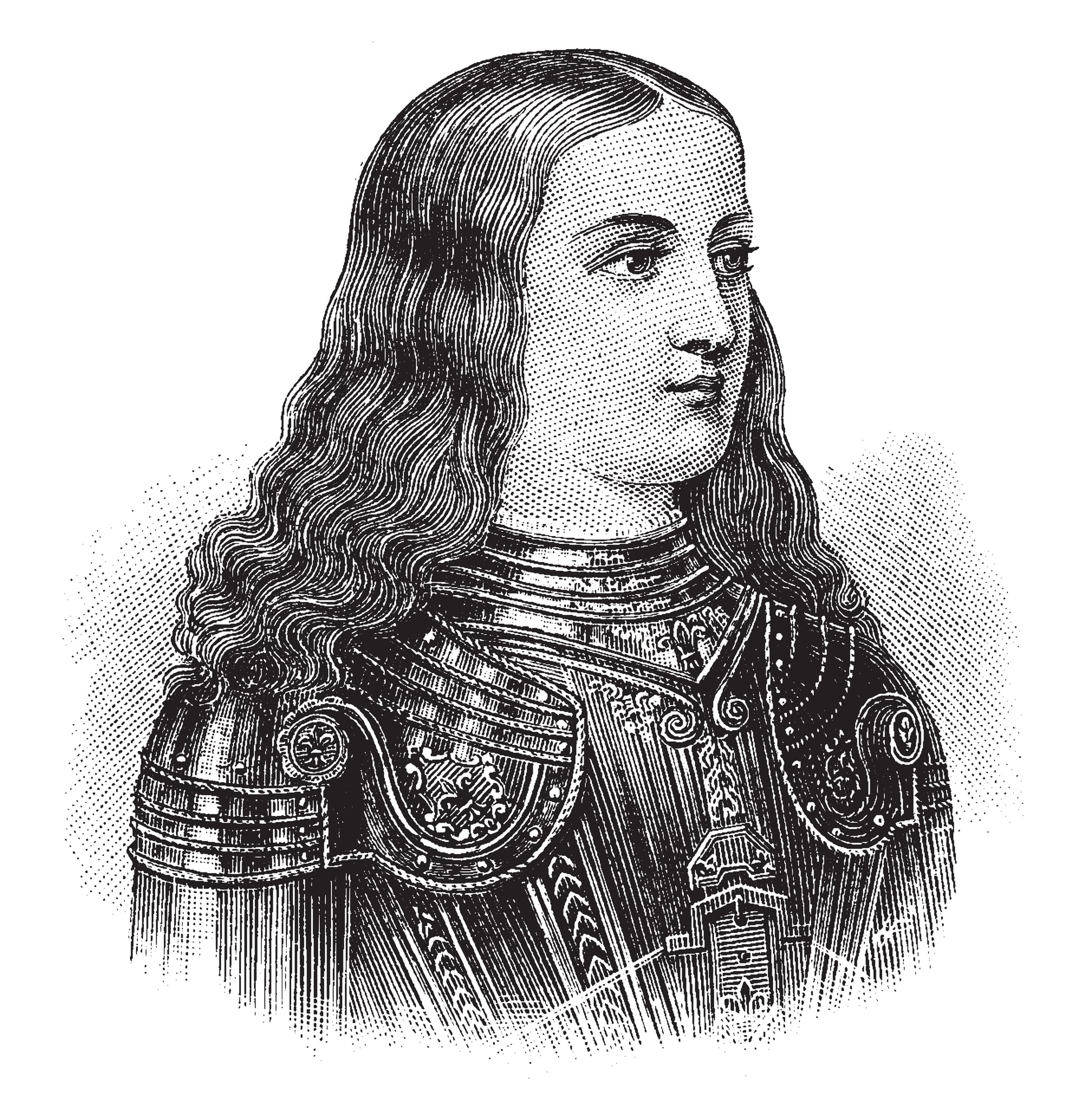
“Jesus!” Joan cried out this name repeatedly as flames consumed her at the stake.She was only 19 years old, convicted of heresy by the English and their French collaborators.
The peasant girl who had led armies and crowned a king died calling on the same divine voices that had guided her brief, extraordinary military career.Her execution took place in Rouen’s market square before a large crowd.
The English burned her body three times to ensure nothing remained for her followers to venerate as relics.The Catholic Church would later declare her a saint.
Ludwig van Beethoven: Fighting the Storm
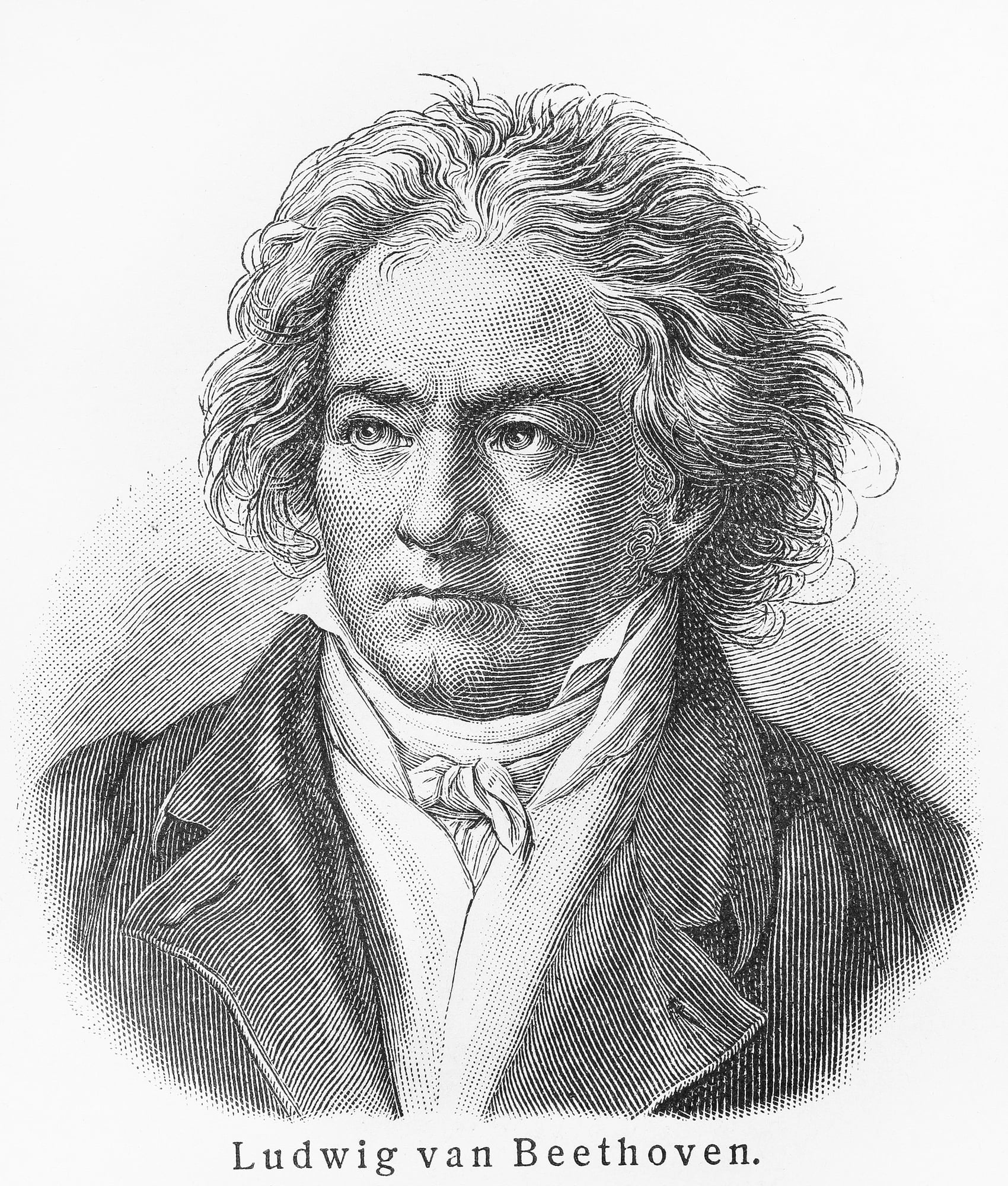
“I shall hear in heaven.” Beethoven had been deaf for the last decade of his life, unable to hear the music he composed.
His final words expressed hope that death would restore what illness had taken. A thunderstorm raged outside his Vienna apartment as he died, and witnesses claimed he raised his fist toward the sky in one last gesture of defiance before falling back dead.
The composer died at 56, his body ravaged by cirrhosis and other ailments likely caused by lead poisoning from the wine he drank. More than 10,000 people attended his funeral.
Mahatma Gandhi: Invoking the Divine
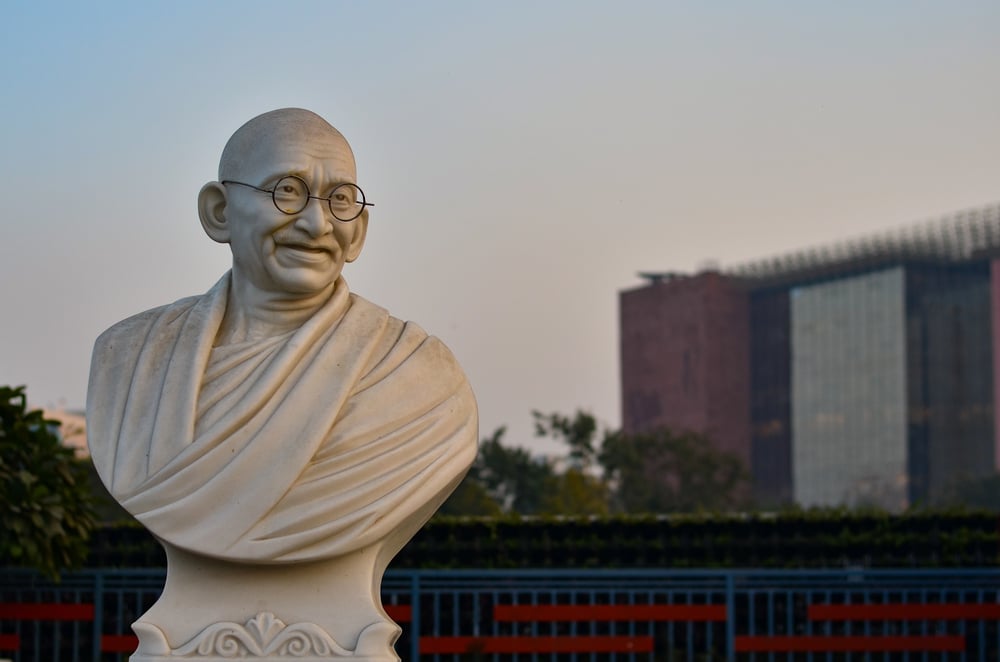
“Hey Ram.” God was on his lips when the shots hit.
Seventy eight years old, he fell – peaceful leader undone by gunfire. A Hindu hardliner fired, convinced Gandhi favored Muslims too much amid division.
Nonviolence guided his life; violence ended it. The one who walked away from rage met fury head-on.
Out on the road toward a gathering for prayer, he moved through a crowd of followers. Violence struck suddenly, changing everything.
Across India, people poured into streets, angry and heartbroken, gripped by sorrow deeper than any seen since freedom came. Even as life left him, what he said revealed belief held firm, steady, untouched by fear.
When Words Stop Silence Begins

Final phrases linger since they show only truth left behind. Nothing gets fixed afterward nor meaning explained again.
Standing on their own, time measures these lines without excuse or background given. One moment you’re speaking, next you’re gone – some leaders left behind nothing but ordinary phrases.
When given warning, a few shaped their ending lines carefully, aiming for weight. Yet planned words sometimes fall flat, landing nowhere near the heart.
Off-the-cuff utterances, though? They slip past filters, showing what’s really there.Pain, confusion, love, fear, acceptance – that’s what fills the last seconds of speech for many near death.
These fragments move through years, ending up in print, studied by strangers who never stood beside them.Meaning twists along the way, bent not just by memory but by hands holding pens later on.
The truth of a final breath rarely stays intact once it leaves the room.It could be why quiet phrases stay longest in our minds. Not lessons built on deep thinking.
A whisper, a glance noted aloud, something real felt close. When moments slip, famous figures lose their titles.
Left with only fragments of speech – small lines holding wide lives.
More from Go2Tutors!

- The Romanov Crown Jewels and Their Tragic Fate
- 13 Historical Mysteries That Science Still Can’t Solve
- Famous Hoaxes That Fooled the World for Years
- 15 Child Stars with Tragic Adult Lives
- 16 Famous Jewelry Pieces in History
Like Go2Tutors’s content? Follow us on MSN.