18 Olympic Moments That Stunned the World
The Olympics have always been about more than just athletic competition. They’re a stage where human drama, political tensions, and extraordinary achievements collide in ways that captivate audiences worldwide.
From shocking upsets to historic firsts, these moments transcend sport and become part of our collective memory. Throughout Olympic history, certain events have stopped the world in its tracks, leaving viewers speechless and creating stories that get passed down through generations.
Here is a list of 18 Olympic moments that truly stunned the world.
Jesse Owens’ Four Gold Medals
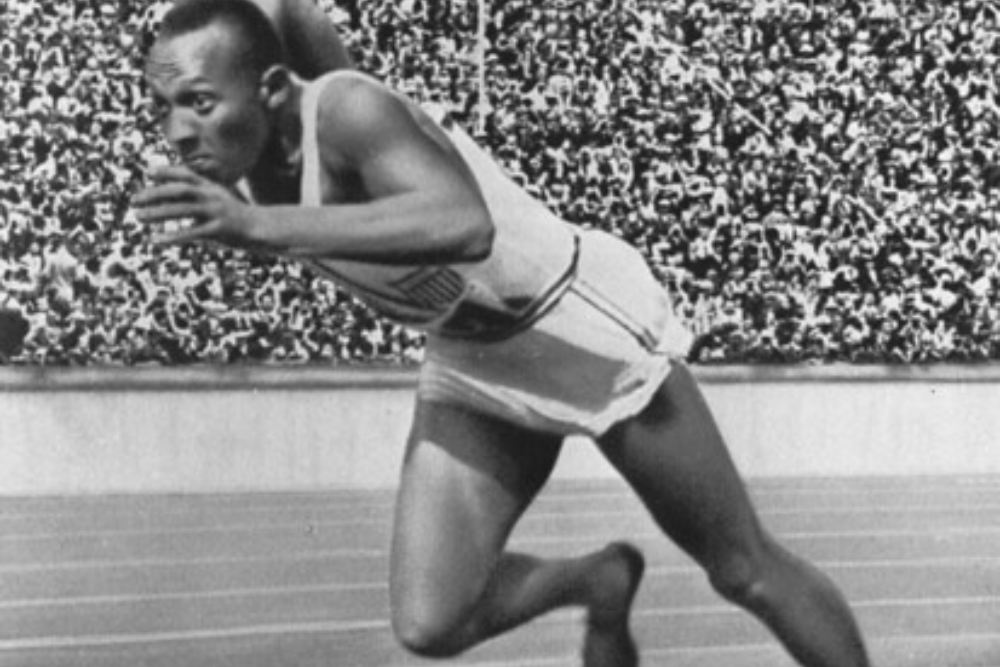
Jesse Owens turned the 1936 Berlin Olympics into his personal showcase — winning four gold medals right under Adolf Hitler’s nose. The African American sprinter dominated track and field events in Nazi Germany, directly challenging Hitler’s theories about racial superiority.
His victories in the 100m, 200m, long jump, and 4x100m relay became a powerful symbol of triumph over hatred.
The Miracle on Ice
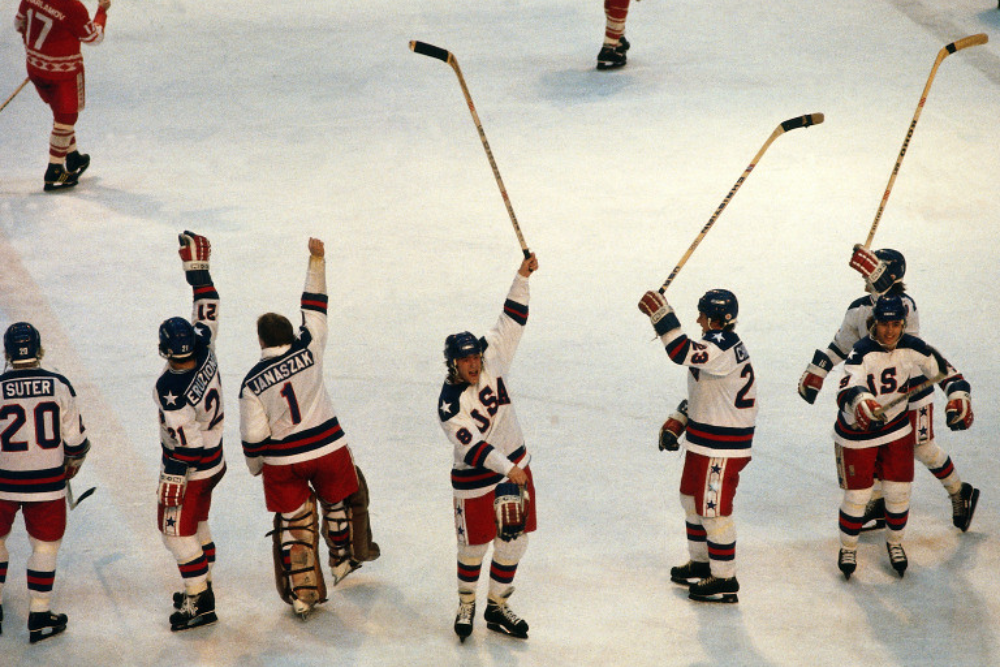
The 1980 Winter Olympics in Lake Placid delivered one of sport’s greatest upsets when the amateur U.S. hockey team defeated the seemingly invincible Soviet Union 4-3. The Soviets had dominated international hockey for decades, yet a group of college kids managed to pull off what many considered impossible.
This victory came during the height of the Cold War — making it as much a political triumph as an athletic one.
Like Go2Tutors’s content? Follow us on MSN.
Nadia Comaneci’s Perfect 10
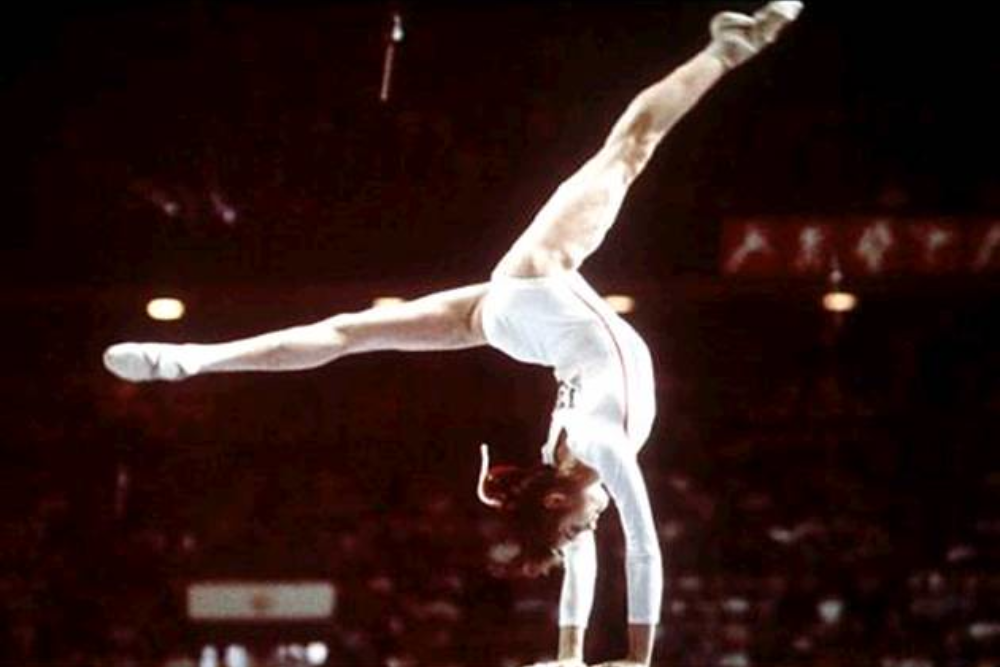
At just 14 years old, Romanian gymnast Nadia Comaneci achieved what many thought was impossible at the 1976 Montreal Olympics. She scored the first perfect 10 in Olympic gymnastics history.
The scoreboards weren’t even equipped to display it. Her flawless routine on the uneven bars left judges with no choice but to award maximum points, though she went on to score six more perfect 10s during those Games.
Muhammad Ali Lights the Torch
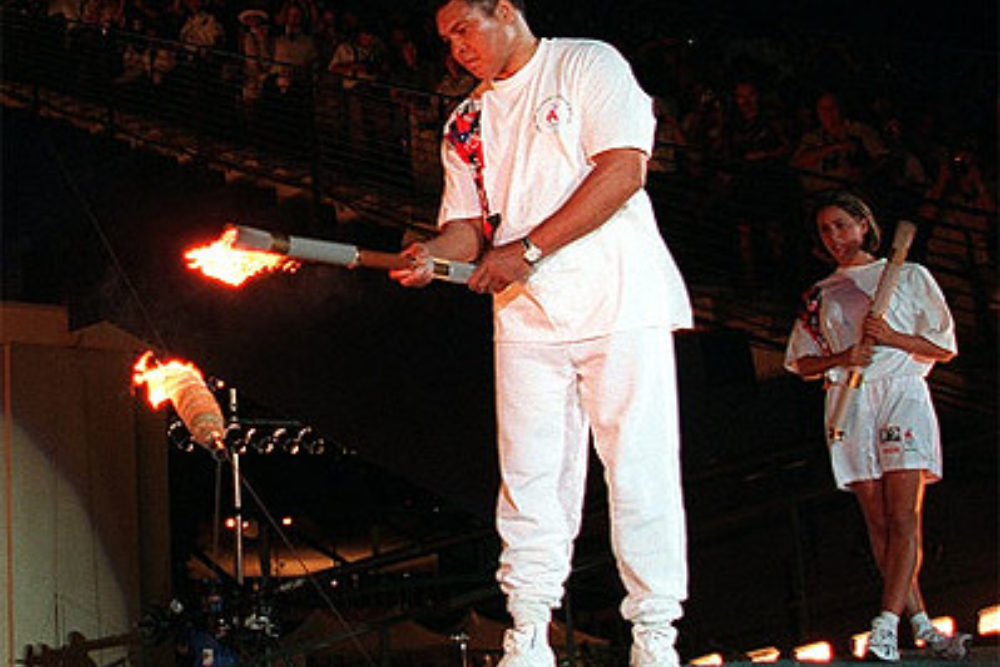
The 1996 Atlanta Olympics opening ceremony reached its emotional peak when Muhammad Ali — visibly affected by Parkinson’s disease — lit the Olympic flame. The boxing legend’s trembling hands holding the torch created one of the most powerful images in Olympic history.
His presence transformed what could’ve been a routine ceremony into a deeply moving moment about courage, legacy, and the human spirit.
Ben Johnson’s Steroid Scandal

The 1988 Seoul Olympics 100m final seemed to showcase human speed at its absolute peak when Ben Johnson blazed to victory in a world record time. Yet the celebration turned to shock three days later when Johnson tested positive for steroids — stripping him of his gold medal and world record.
The scandal rocked the Olympic movement while forever changing how we view athletic achievement.
Like Go2Tutors’s content? Follow us on MSN.
Kerri Strug’s Heroic Vault
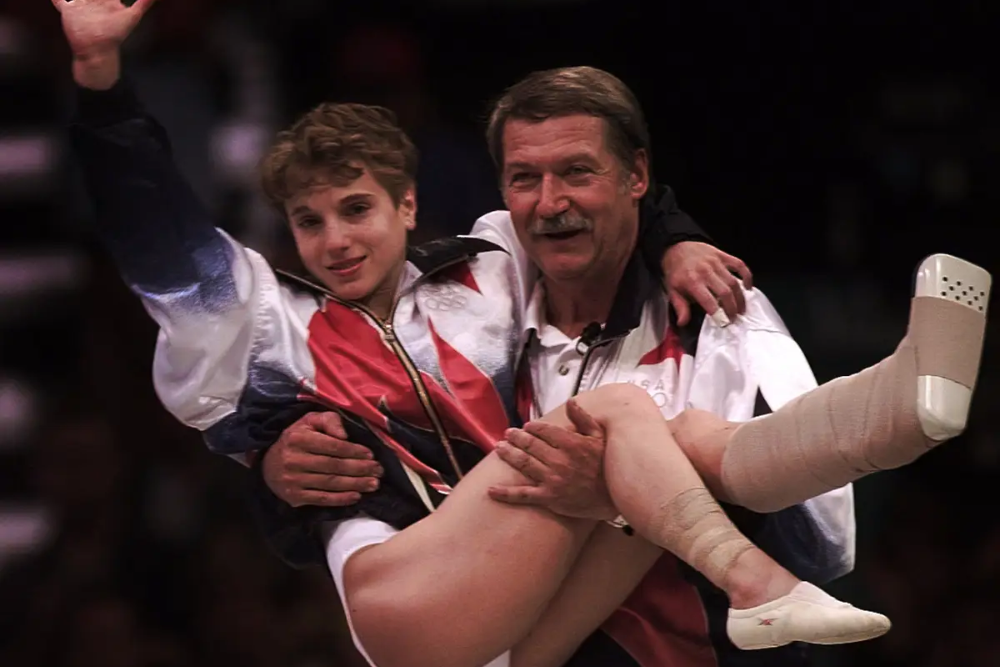
With the 1996 U.S. women’s gymnastics team’s gold medal hopes hanging in the balance, Kerri Strug delivered one of the most courageous performances in Olympic history. Despite injuring her ankle on her first vault attempt — she nailed her second vault landing on one foot before collapsing in pain.
Her sacrifice helped secure America’s first team gold in women’s gymnastics, and the image of her coach carrying her became iconic.
Bob Beamon’s Impossible Jump
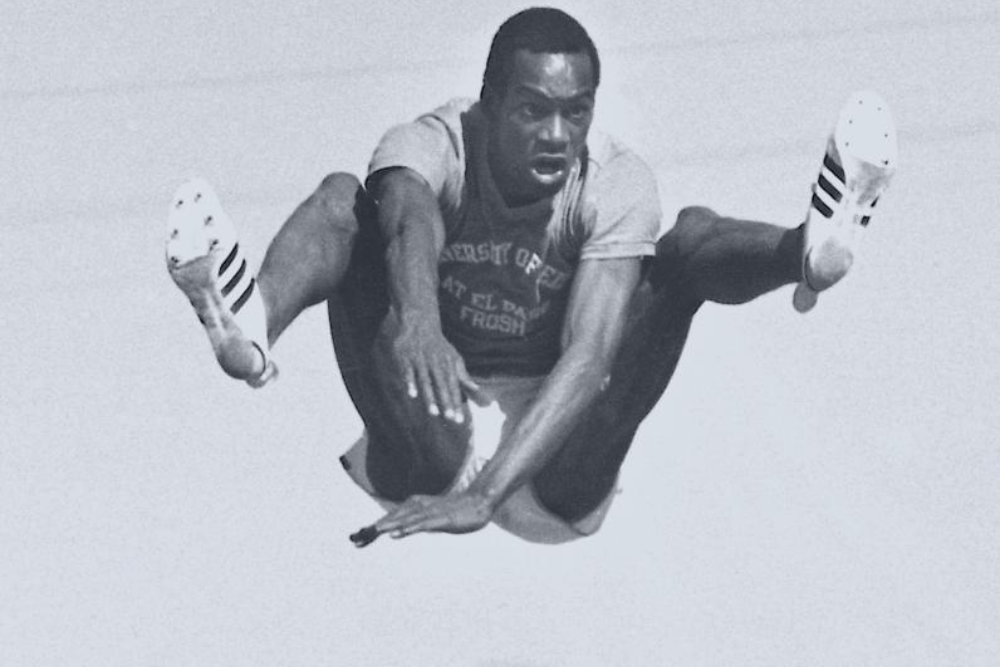
At the 1968 Mexico City Olympics, Bob Beamon didn’t just break the long jump world record — he obliterated it. His leap of 29 feet 2½ inches shattered the previous record by nearly two feet, a margin so incredible that it took officials 20 minutes to measure it properly.
The jump was so far beyond what anyone thought possible that it created a new term in sports: the ‘Beamon-esque’ performance.
The Black Power Salute
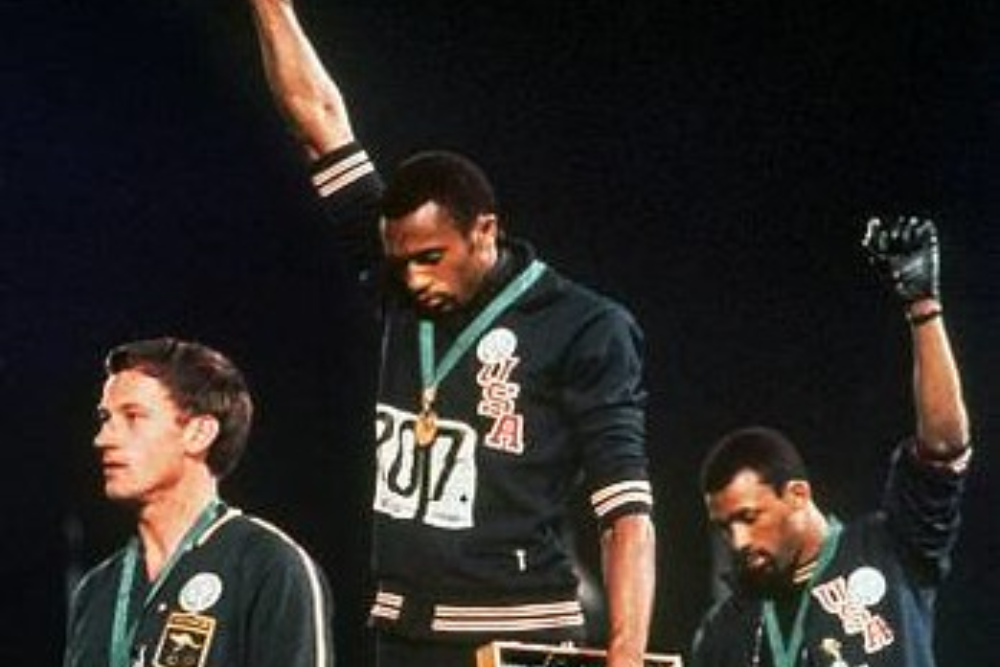
Tommie Smith and John Carlos turned the 1968 Olympics medal ceremony into a powerful statement about civil rights when they raised their fists in a Black Power salute. Their silent protest during the national anthem sparked immediate controversy — resulting in their expulsion from the Games.
The image became one of the most recognizable symbols of the civil rights movement.
Like Go2Tutors’s content? Follow us on MSN.
Cathy Freeman’s Golden Run
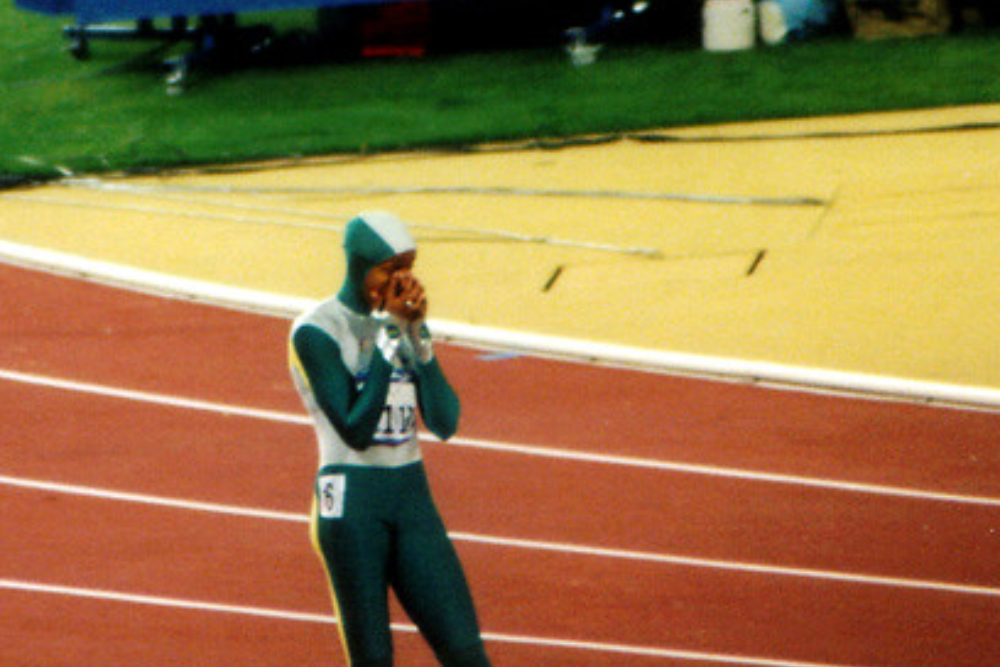
Australian sprinter Cathy Freeman carried the hopes of an entire nation when she lit the Olympic flame at the 2000 Sydney Olympics. Two weeks later, she delivered by winning gold in the 400m — becoming the first Aboriginal Australian to win an individual Olympic gold medal.
Her victory lap, carrying both the Australian and Aboriginal flags, symbolized reconciliation and unity for the host nation.
The Dream Team’s Dominance
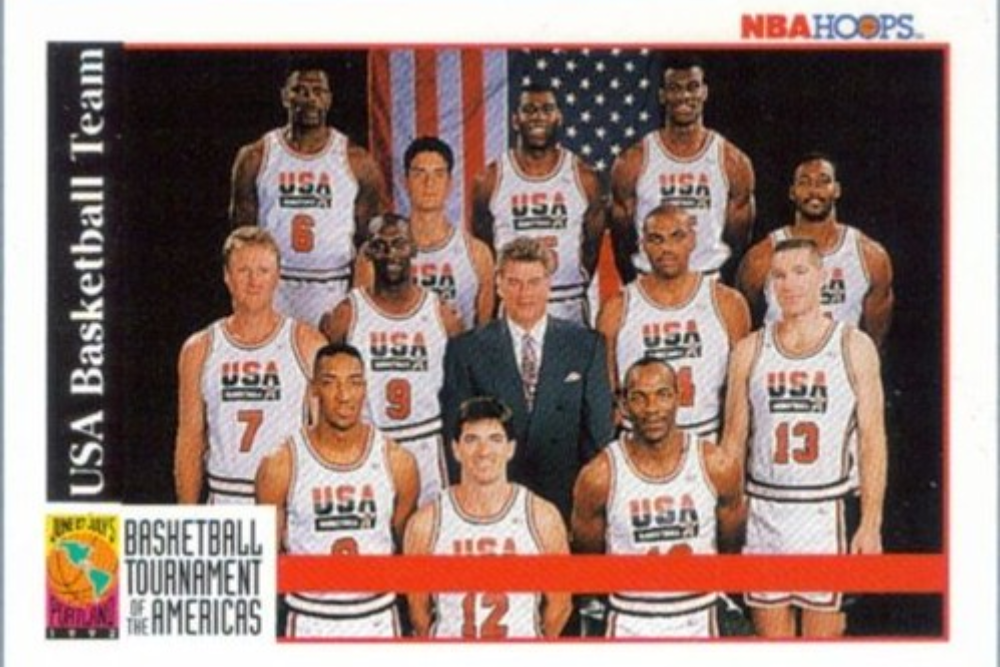
The 1992 Barcelona Olympics basketball tournament became a showcase for the greatest collection of basketball talent ever assembled. The U.S. ‘Dream Team’ featuring Michael Jordan, Magic Johnson, and Larry Bird didn’t just win — they revolutionized Olympic basketball.
Their average margin of victory was 44 points, turning every game into a clinic that elevated the sport’s global profile.
Wilma Rudolph’s Triple Gold
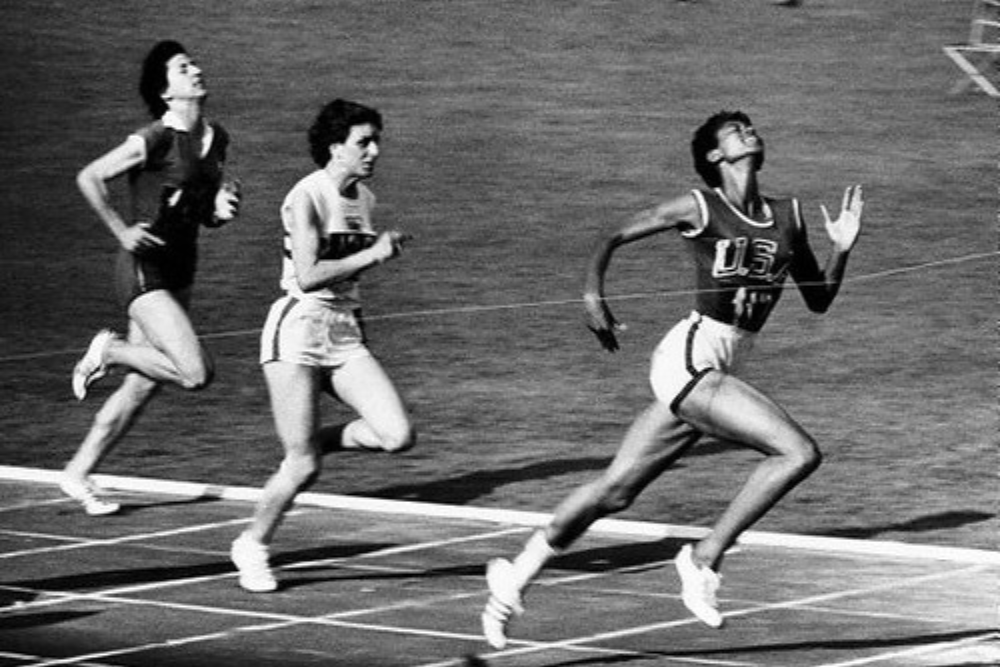
Wilma Rudolph’s three gold medals at the 1960 Rome Olympics were remarkable not just for their athletic excellence, but for what they represented. Born prematurely and stricken with polio as a child, she overcame physical disabilities to become the fastest woman in the world.
Her victories in the 100m, 200m, and 4x100m relay made her an international star while establishing her as a symbol of perseverance.
Like Go2Tutors’s content? Follow us on MSN.
The Munich Massacre

The 1972 Munich Olympics were forever scarred when Palestinian terrorists killed 11 Israeli athletes and coaches. The attack turned the Olympic Village into a war zone while forcing the world to confront how terrorism could invade even the most peaceful international gathering.
This tragedy led to massive security changes at future Olympics and remains a somber reminder of how global conflicts can intrude on sport.
Eric Moussambani’s Courage
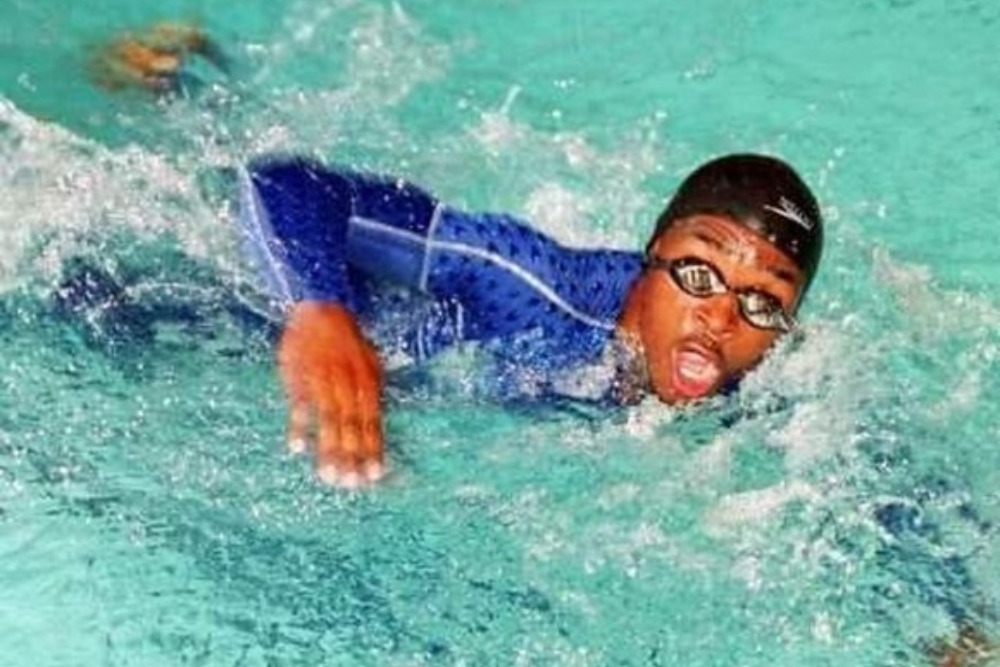
At the 2000 Sydney Olympics, Eric Moussambani from Equatorial Guinea became an unlikely hero simply by finishing his 100m freestyle swim. Having learned to swim just eight months earlier in a hotel pool, he struggled through his race as the crowd cheered louder with each stroke.
His determination embodied the Olympic spirit better than many gold medalists. It proved that courage comes in many forms.
Mary Decker’s Fall

The 1984 Los Angeles Olympics women’s 3000m became one of the most controversial races in Olympic history when American favorite Mary Decker collided with barefoot South African runner Zola Budd. Decker fell to the track in tears while Budd continued running amid a chorus of boos, eventually finishing seventh.
The incident highlighted the complex politics surrounding South Africa’s Olympic participation during apartheid.
Like Go2Tutors’s content? Follow us on MSN.
Mark Spitz’s Seven Golds
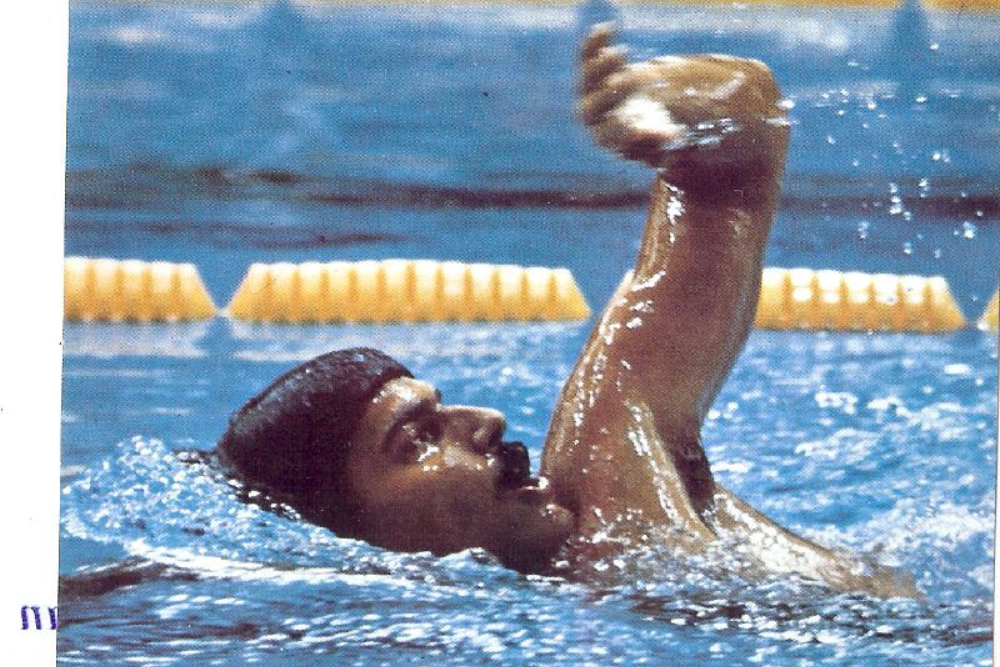
Mark Spitz’s performance at the 1972 Munich Olympics redefined what was possible in Olympic swimming. He won seven gold medals, setting world records in each event, at a time when such dominance seemed impossible.
His achievement stood as the single-Games record for 36 years until Michael Phelps surpassed it. His distinctive mustache became as famous as his swimming.
The Jamaican Bobsled Team
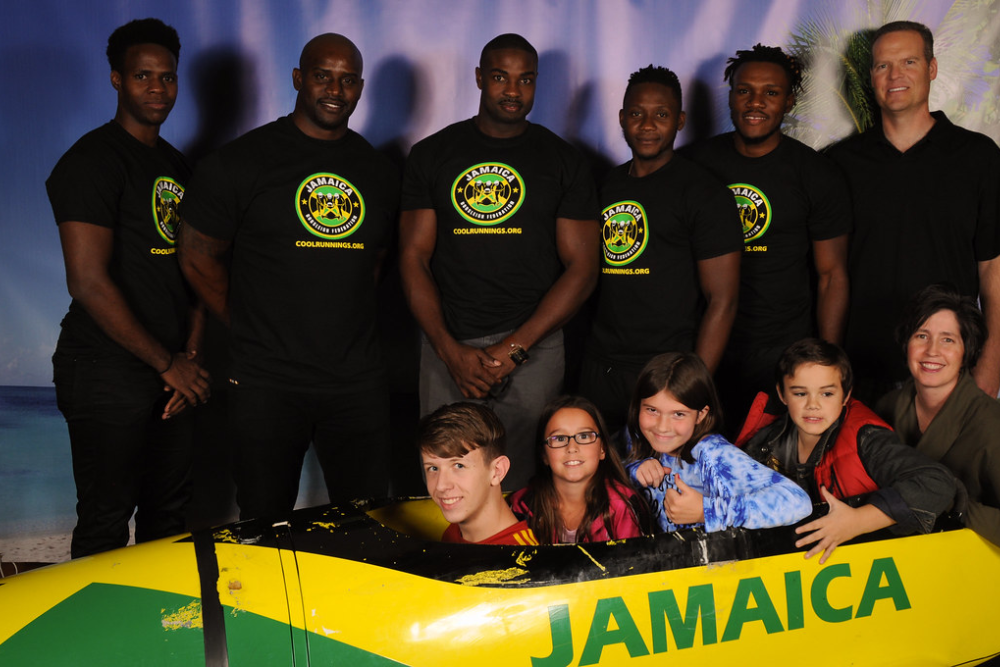
The 1988 Calgary Winter Olympics gave the world one of its most beloved underdog stories when Jamaica sent a bobsled team to compete. Despite having no snow or bobsled tradition, the team captured hearts worldwide with their determination and good humor.
Their story became so iconic that it inspired a Hollywood movie. It proved that the Olympic spirit transcends traditional sporting boundaries.
Dan Jansen’s Redemption

After years of Olympic heartbreak, American speed skater Dan Jansen finally achieved his dream at the 1994 Lillehammer Olympics. His gold medal in the 1000m came after falls and disappointments in previous Olympics, including racing just hours after his sister’s death from leukemia.
His victory lap with his infant daughter became a symbol of perseverance and the power of never giving up.
Like Go2Tutors’s content? Follow us on MSN.
Usain Bolt’s Lightning Speed
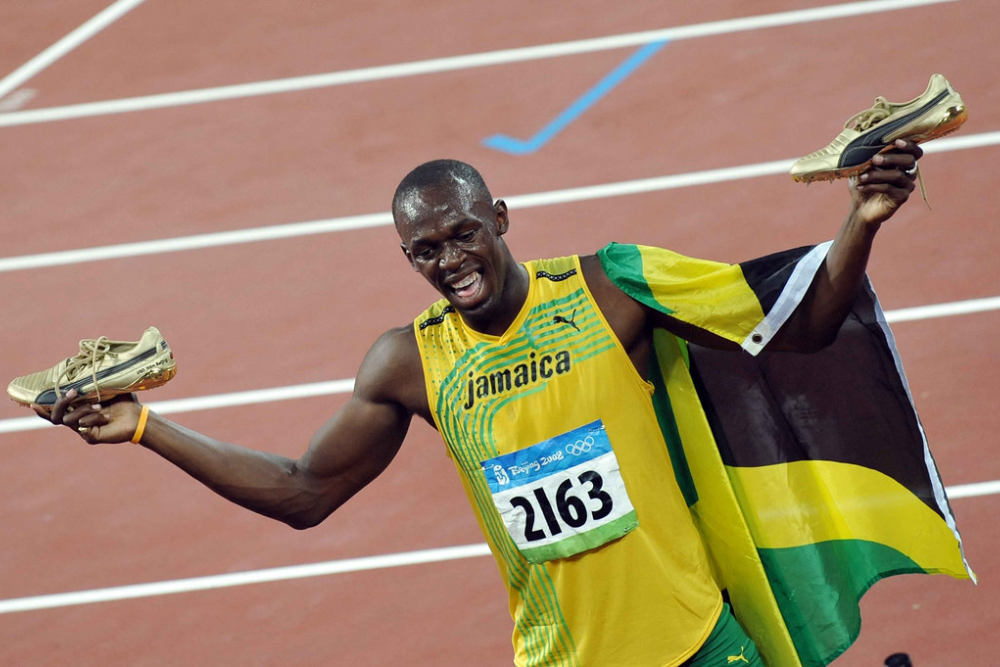
Usain Bolt transformed the 2008 Beijing Olympics into his personal theater when he shattered both the 100m and 200m world records. The Jamaican sprinter’s celebrations before crossing the finish line became legendary, showing his dominance was so complete he could showboat mid-race.
His charismatic personality and unprecedented speed made him the face of Olympic sprinting for nearly a decade.
When Magic Met Reality
These moments remind us that the Olympics are more than just a sporting event. They’re a mirror reflecting our world’s triumphs, struggles, and humanity.
Each of these instances created ripples that extended far beyond the athletic arena, influencing politics, society, and culture in ways that continue today. They prove that sometimes the most powerful victories aren’t just about crossing the finish line first, but about the courage to compete, the strength to overcome, and the ability to inspire others.
More from Go2Tutors!

- 16 Historical Figures Who Were Nothing Like You Think
- 12 Things Sold in the 80s That Are Now Illegal
- 15 VHS Tapes That Could Be Worth Thousands
- 17 Historical “What Ifs” That Would Have Changed Everything
- 18 TV Shows That Vanished Without a Finale
Like Go2Tutors’s content? Follow us on MSN.