The Most Intense Rivalries in College Sports
College sports operate on a different frequency than their professional counterparts.
There’s no salary cap drama, no free agency speculation, no players holding out for bigger contracts.
What exists instead is something rawer and more primal: pure, unadulterated rivalry born from geography, history, and decades of bad blood.
These matchups transcend the game itself, becoming annual traditions that entire communities organize their calendars around.
Students paint their faces, alumni fly in from across the country, and local businesses shut down early so nobody misses kickoff.
The beauty of college rivalries lies in their permanence.
Professional athletes change teams, cities lose franchises, but Michigan will always hate Ohio State, and Duke will forever despise North Carolina.
These aren’t manufactured storylines dreamed up by marketing departments—they’re genuine animosities passed down through generations like family heirlooms.
Here’s a closer look at the rivalries that define college sports and why they continue to captivate millions every year.
The Game: Michigan vs. Ohio State

When people capitalize ‘The Game’ in conversation, they’re talking about one thing: Michigan versus Ohio State.
This football rivalry began in 1897 and has grown into something approaching religious fervor across the Midwest.
The nickname itself became widely popularized in the 1970s, cementing its status as college football’s premier matchup.
Students at both schools grow up despising the other institution before they even apply to college.
The rivalry’s intensity stems from genuine geographic and cultural differences.
Michigan sees itself as the more academically prestigious institution, while Ohio State embraces its blue-collar roots and massive enrollment.
The week leading up to The Game transforms both campuses into war zones of pranks, rallies, and trash talk that would make professional athletes blush.
In recent decades, the matchup has frequently determined Big Ten championship berths and playoff positioning, raising the stakes even higher.
Iron Bowl: Alabama vs. Auburn
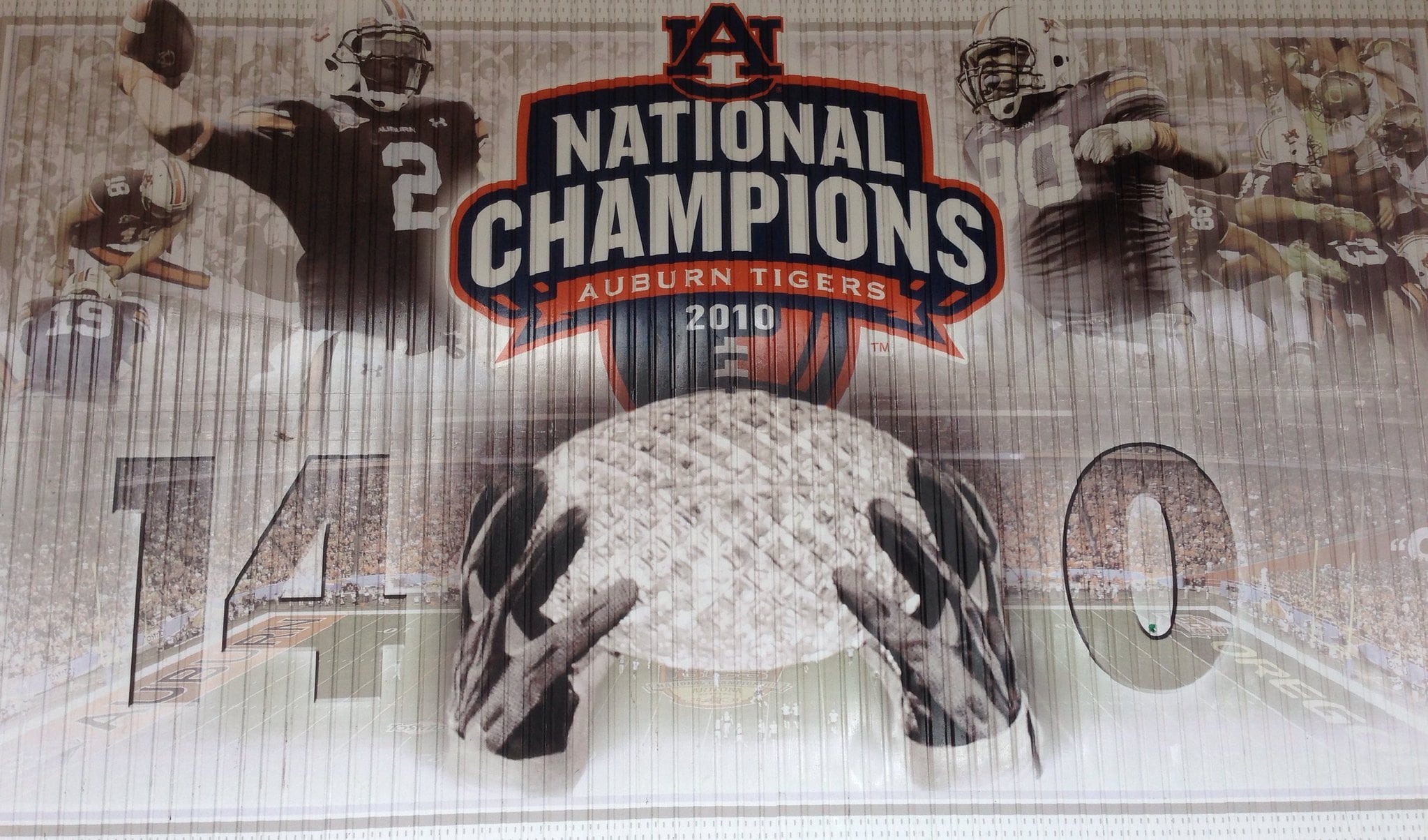
The Iron Bowl represents intrastate warfare at its finest.
Beginning in 1893, Alabama and Auburn didn’t just compete—they actively root for each other’s failure every single week of the season.
Families divide along team lines, Thanksgiving dinners turn awkward, and the winner gets to torture the loser for 365 days.
The rivalry grew so heated that from 1907 to 1948, the schools refused to play each other at all—a 41-year cold war that spoke volumes about the animosity involved.
The geographic proximity intensifies everything.
These schools sit just 160 miles apart, meaning most fans personally know supporters of the rival team.
Modern history hasn’t cooled tensions one bit.
The 2013 ‘Kick Six’ game on November 30, where Auburn returned a missed field goal attempt for a game-winning touchdown as time expired, instantly became one of college football’s most iconic moments.
Alabama fans still can’t watch the replay without wincing.
Duke vs. North Carolina

Basketball reaches its highest form when Duke and North Carolina meet.
These programs sit just eight miles apart along a stretch of North Carolina highway, close enough that players can hear the opposing crowd during home games.
The rivalry transcends sport in the Research Triangle, defining social circles and determining which bars get patronized based on game results.
Both programs established themselves as college basketball royalty, combining for 11 national championships and countless NBA stars.
Dean Smith, Mike Krzyzewski, Roy Williams—legends who understood that winning this rivalry meant everything to their respective fan bases.
Students camp out for weeks to secure tickets, creating tent cities that have become traditions unto themselves.
The games deliver drama with remarkable consistency, producing buzzer-beaters and controversial calls that get debated for decades.
Red River Rivalry: Texas vs. Oklahoma

The Red River Rivalry unfolds at the Texas State Fair in Dallas, creating a neutral-site spectacle unlike any other in college sports.
The Cotton Bowl splits evenly between burnt orange and crimson, with the fifty-yard line serving as a literal dividing line between fan bases.
Decades ago, organizers tried to integrate the seating and nearly caused a riot.
This matchup represents more than football—it’s a clash of state identities and regional pride.
The winner gets the Golden Hat trophy, a ten-gallon piece of hardware that perfectly captures the rivalry’s larger-than-life personality.
The landscape shifted dramatically in 2024 when both programs moved to the SEC, bringing their historic rivalry to a new conference while maintaining their traditional October date at the State Fair.
The game’s consistent competitiveness keeps fans engaged year after year, with both programs trading victories frequently enough that neither side can claim permanent superiority.
The Holy War: BYU vs. Utah

Religious and cultural differences fuel this rivalry in ways that transcend football.
BYU represents The Church of Jesus Christ of Latter-day Saints and its honor code, while Utah embraces a more secular, diverse student body.
The matchup divides the entire state of Utah, creating a proxy war for broader cultural debates that have simmered for over a century.
Conference realignment separated the schools for several years, which only intensified the anticipation when they finally resumed their series.
The wait ended in 2024 when Utah joined BYU in the Big 12, reuniting the rivalry on an annual basis within the same conference.
Fans take the outcome personally because they see the rivalry as validation of their lifestyle choices and values.
Without Utah, BYU lacks a true measuring stick.
Without BYU, Utah misses the one game that unites the entire state in collective anticipation.
Army vs. Navy

This rivalry carries weight that extends far beyond the field.
Army-Navy represents service, sacrifice, and a competition between future military officers who will soon depend on each other in actual combat situations.
The pageantry surrounding the game—the march-on of cadets and midshipmen, the flyovers, the singing of both schools’ alma maters—reminds everyone watching that college sports can mean something deeper than entertainment.
The game has been played continuously since 1930, creating an unbroken tradition that survived even World War II.
What truly separates this rivalry is the mutual respect underlying the competition.
The seniors on the losing team often stick around to stand with the winning team during their alma mater, a gesture of solidarity that would seem absurd in most rivalries.
That contradiction—fierce competition followed by immediate brotherhood—makes Army-Navy unique in American sports.
Bedlam: Oklahoma vs. Oklahoma State
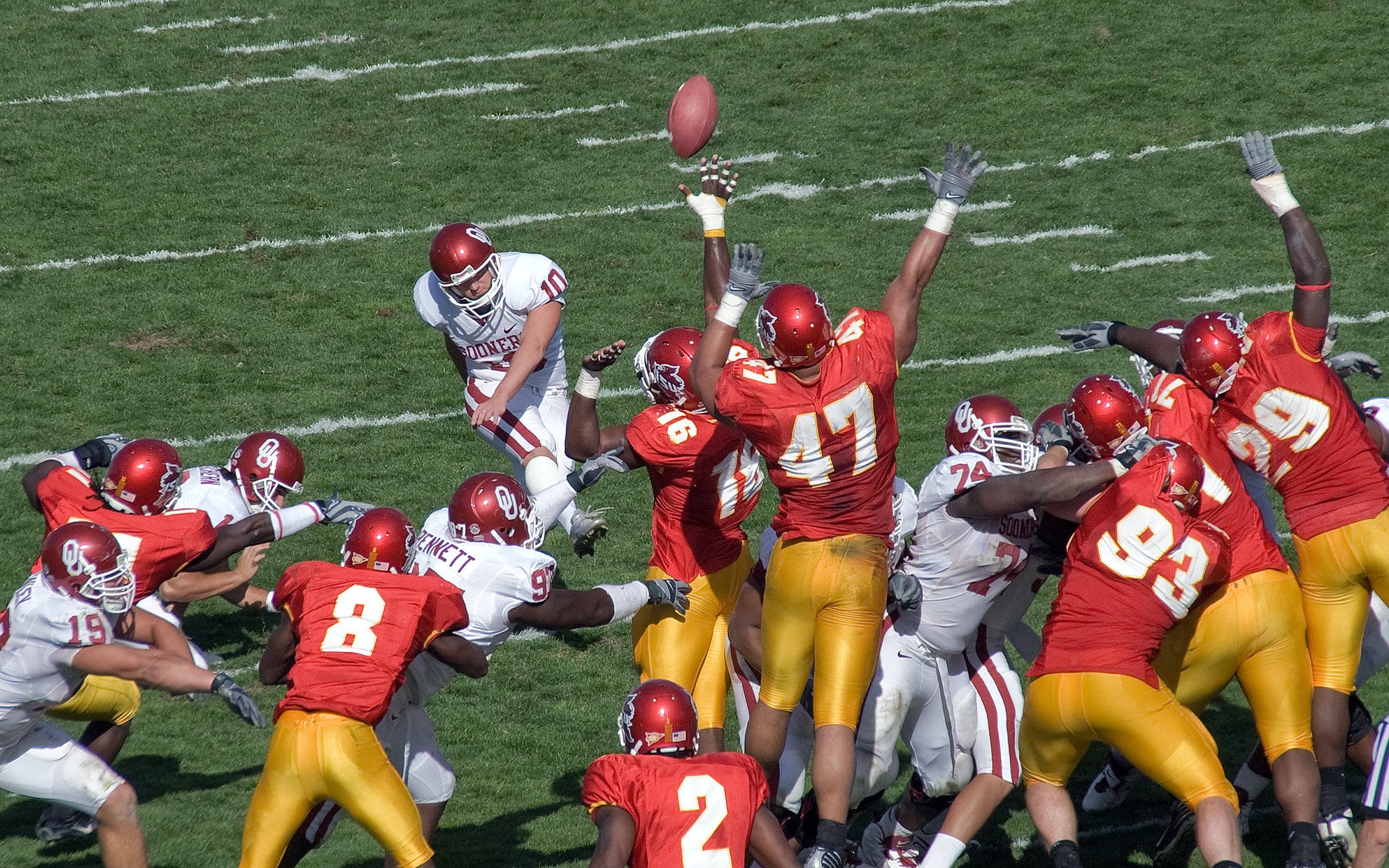
Bedlam captures the essence of little brother syndrome in rivalry form.
Oklahoma State spent over a century trying to prove it belongs in the same conversation as Oklahoma, while the Sooners spent that same time trying to ignore their in-state rival entirely.
The series ended as an annual matchup after 2023 when Oklahoma departed for the SEC, closing a chapter on one of college football’s most psychologically complex rivalries.
For Oklahoma State, beating Oklahoma validated entire seasons and proved the program had arrived at college football’s elite level.
For Oklahoma, losing to Oklahoma State represented catastrophic failure.
The rivalry gained national relevance during the 2010s when both programs fielded genuinely elite teams capable of competing for conference and national championships.
The rivalry’s end leaves a void in both programs’ schedules that won’t easily be filled.
Where Passion Lives

These rivalries endure because they tap into something fundamental about human nature: the need to belong to something larger than ourselves.
Students who never attended a game before arriving on campus transform into die-hard fans within weeks, absorbing decades of history and animosity through osmosis.
The rivalries become part of their identity, shaping how they see themselves and their place in the world.
Professional sports can’t replicate this intensity because the stakes are ultimately financial.
College rivalries matter because they’re about pride, tradition, and proving that your school, your state, your way of life is superior to the alternative.
Conference realignment may shuffle the deck and end some annual matchups, but the underlying passion remains unchanged.
These games remind us that competition at its best brings communities together, creates shared memories, and gives us stories worth retelling for generations.
The rivalries that survive continue because they must, because without them, college sports would lose the soul that makes them special in the first place.
More from Go2Tutors!

- The Romanov Crown Jewels and Their Tragic Fate
- 17 Halloween Costumes Once Considered Taboo
- Famous Hoaxes That Fooled the World for Years
- 15 Child Stars with Tragic Adult Lives
- 16 Famous Jewelry Pieces in History
Like Go2Tutors’s content? Follow us on MSN.