16 Presidents Who Had Surprising Side Jobs
Before they occupied the Oval Office, America’s presidents walked some pretty unexpected career paths. While we often think of them as lifelong politicians, many had fascinating jobs that shaped their worldview and leadership style in ways you might not expect.
Here’s a list of 16 presidents whose pre-White House careers might surprise you.
George Washington: Land Surveyor
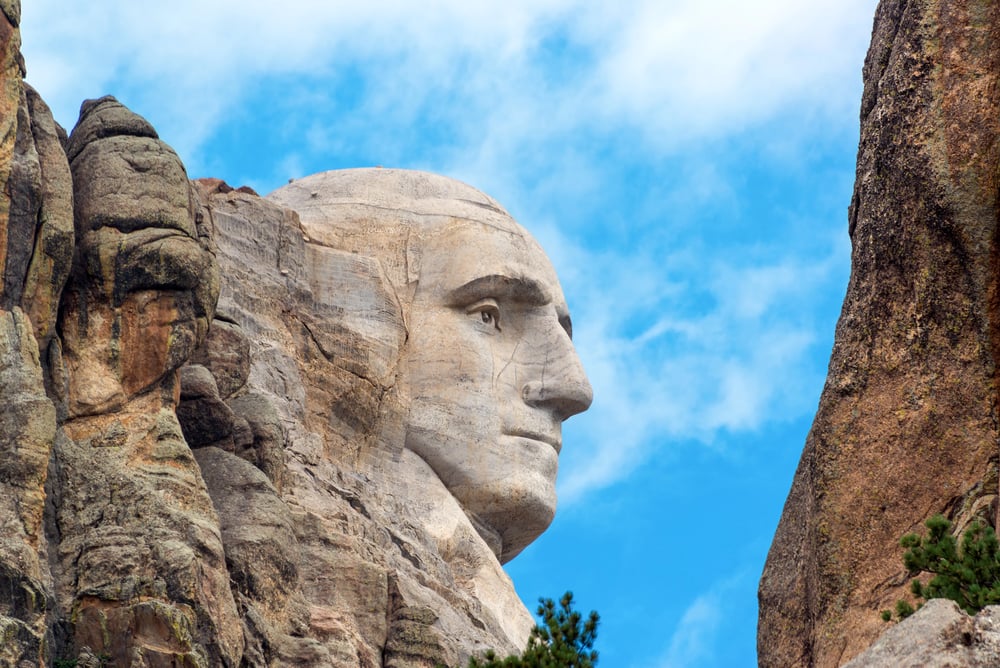
Washington spent his teenage years tramping through the Virginia wilderness with surveying equipment—mapping out property boundaries for wealthy landowners. This job taught him to read terrain like a book while giving him an intimate knowledge of the American frontier that would prove invaluable during the Revolutionary War.
The young surveyor learned to sleep under the stars, navigate by compass, and deal with all kinds of weather. These skills helped forge the tough, practical leader who’d guide a new nation.
Thomas Jefferson: Architect
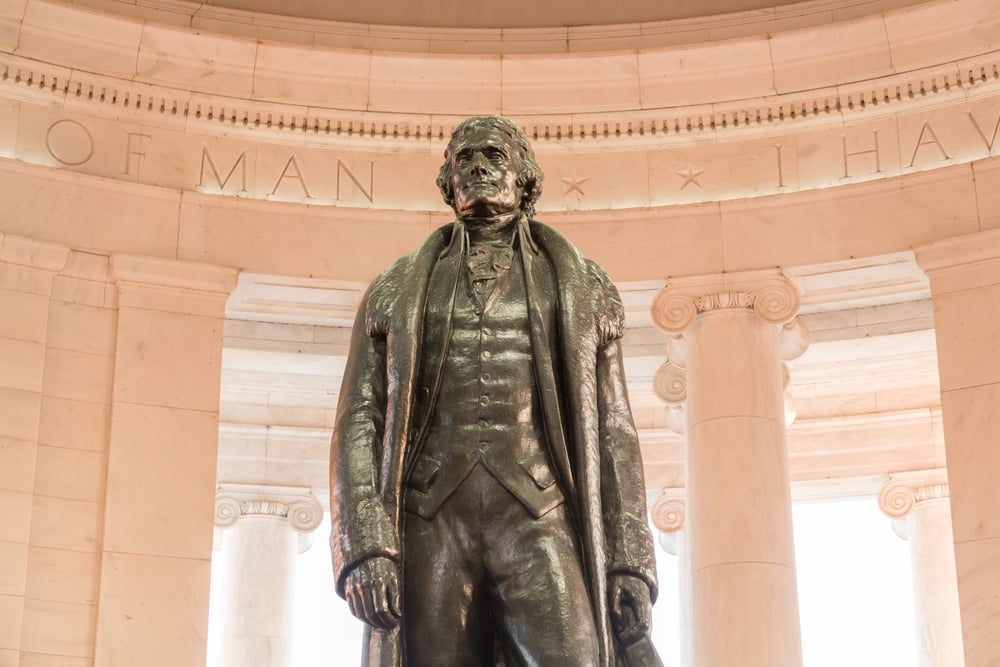
Long before he designed the framework of American democracy, Jefferson was literally designing buildings. He drew up the plans for his beloved Monticello, the Virginia State Capitol, and the University of Virginia campus—yet his architectural passion stemmed from his belief that beautiful, well-designed spaces could elevate the human spirit.
The same attention to detail and vision that he applied to building design carried over into his approach to building a nation.
Like Go2Tutors’s content? Follow us on MSN.
James Madison: Farmer
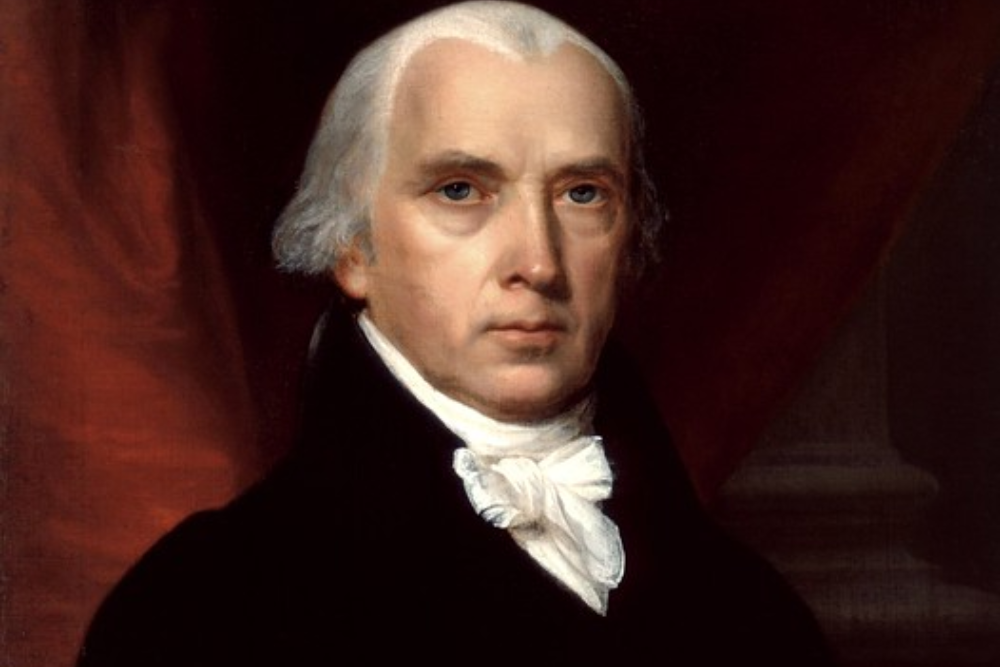
Madison might’ve been small in stature, but he had big ideas about agriculture that extended far beyond his Virginia plantation. He experimented with crop rotation, soil conservation, and new farming techniques that were revolutionary for his time.
His hands-on approach to farming taught him patience and the value of long-term planning—qualities that served him well when crafting the Constitution and navigating the early challenges of American government.
James Monroe: Lawyer and Soldier
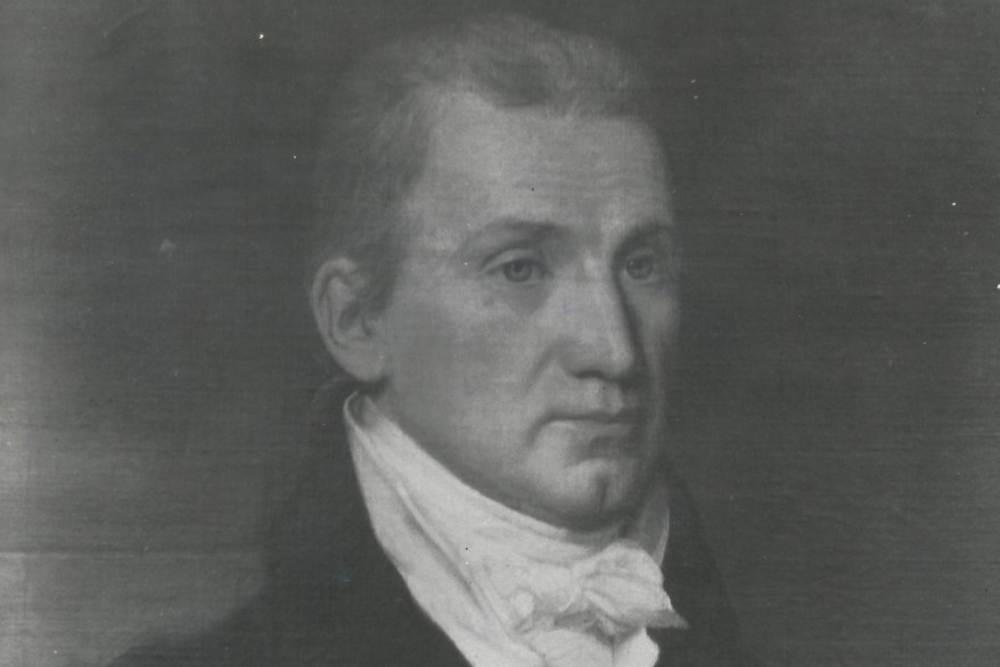
Monroe juggled law books and military service, fighting in the Revolutionary War while building his legal practice. He was wounded at the Battle of Trenton and carried the scar for the rest of his life.
This combination of legal training and battlefield experience gave him a unique perspective on both justice and national defense—though it particularly influenced his presidency and the famous Monroe Doctrine.
John Quincy Adams: Professor
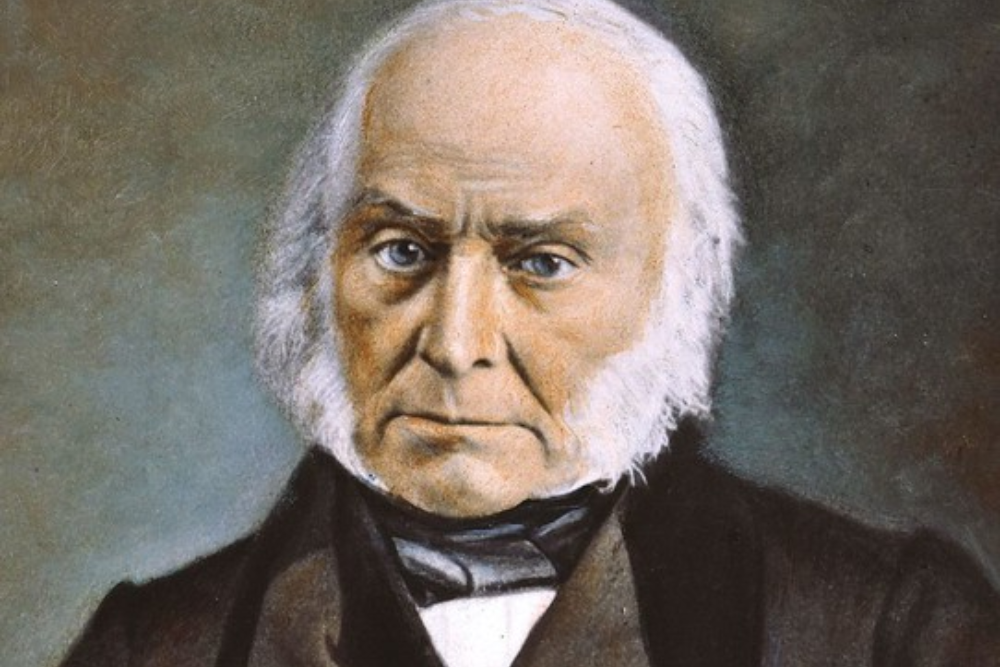
Adams taught rhetoric and oratory at Harvard University, where he was known for his passionate lectures and high standards. Students either loved or feared him, yet they all learned to speak and write with precision under his guidance.
His academic background made him one of the most intellectually rigorous presidents, and his teaching experience helped him communicate complex ideas to the American public.
Like Go2Tutors’s content? Follow us on MSN.
Andrew Jackson: Shopkeeper
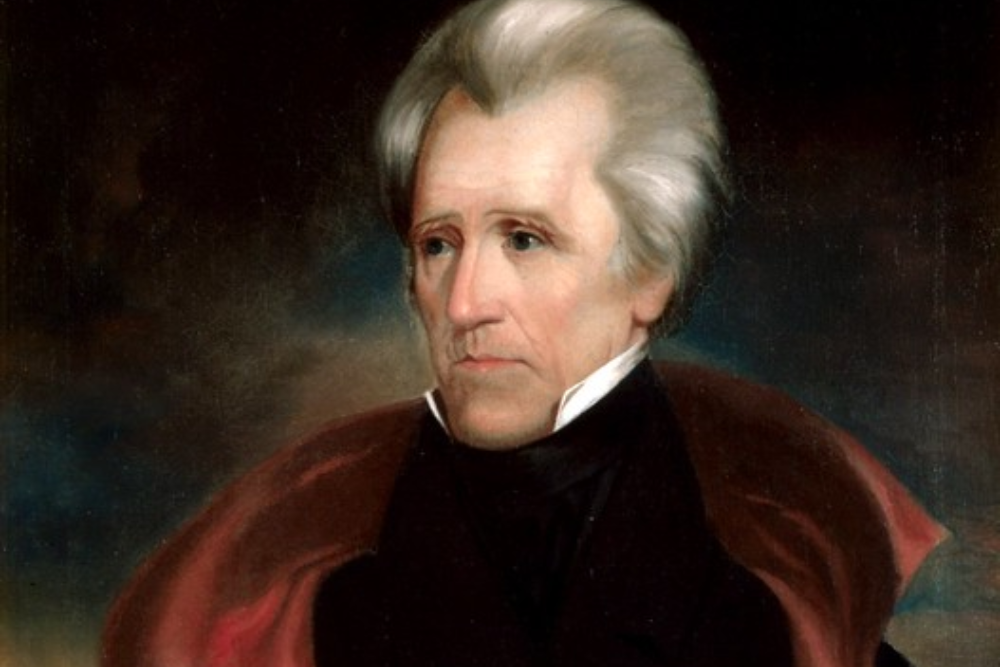
Old Hickory ran a general store in Tennessee, dealing with everything from horse saddles to household goods. The experience taught him to read people quickly and negotiate tough deals—skills that proved handy when facing down political opponents.
His time behind the counter also gave him a deep appreciation for the struggles of ordinary Americans trying to make an honest living.
Martin Van Buren: Tavern Keeper
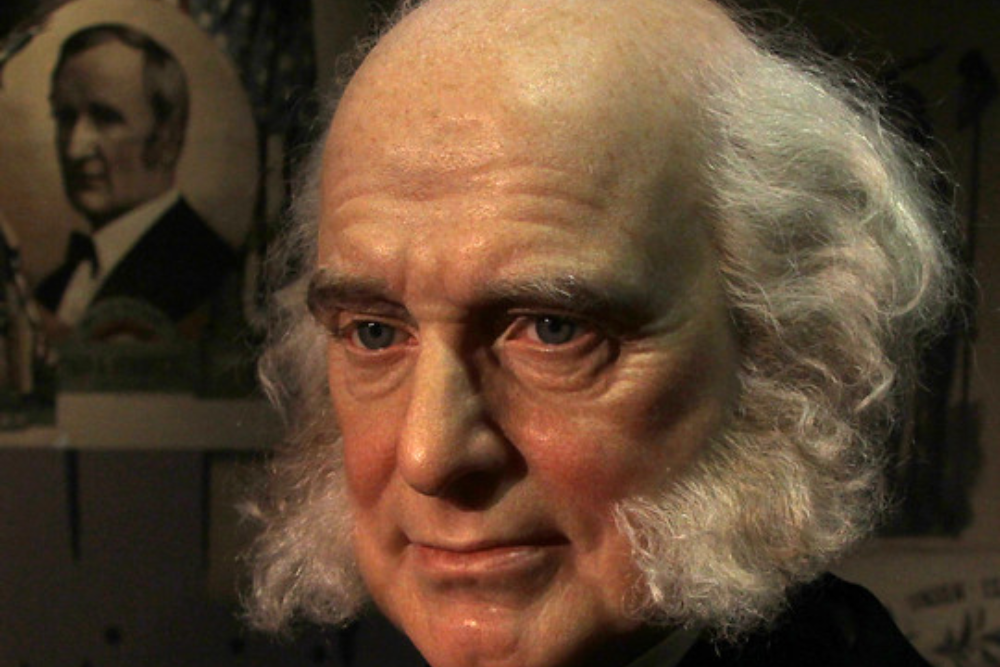
Van Buren’s family operated a tavern in New York, where young Martin learned the art of conversation and political networking. Taverns were the social media of their day—places where news traveled and deals were made over drinks.
This early exposure to the give-and-take of public discourse shaped his political instincts and made him a master of the kind of backroom negotiations that kept the Union together during his presidency.
William Henry Harrison: Military Recruiter
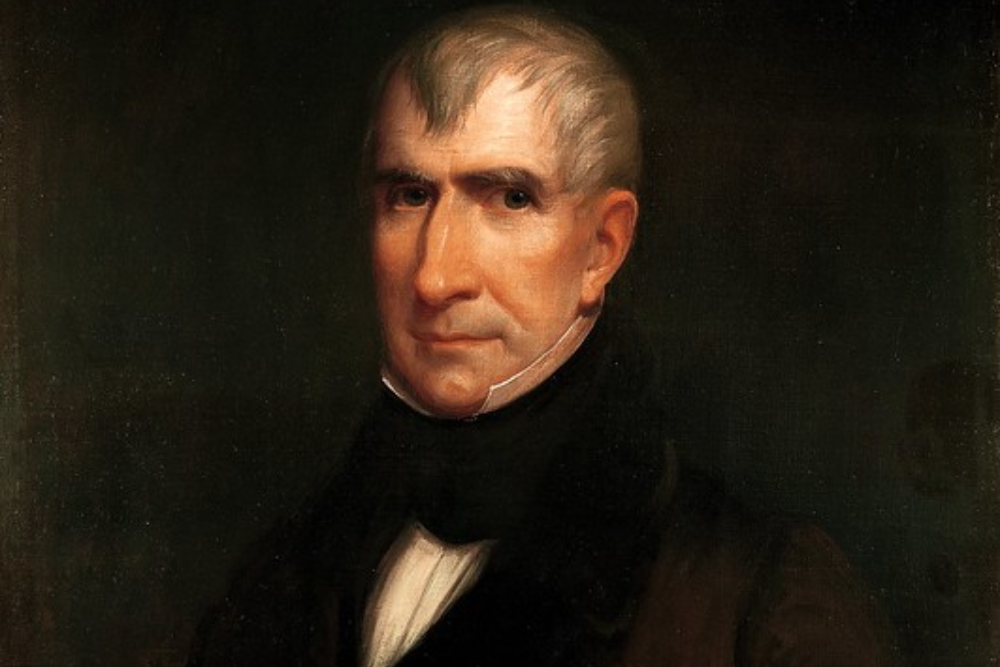
Harrison spent years traveling the frontier, convincing young men to join the army during various Indian conflicts. He had to be part salesman, part counselor, and part tough guy to succeed in this role.
The job required him to understand what motivated people and how to appeal to their sense of duty and adventure—skills that translated well to political campaigns.
Like Go2Tutors’s content? Follow us on MSN.
John Tyler: Violinist
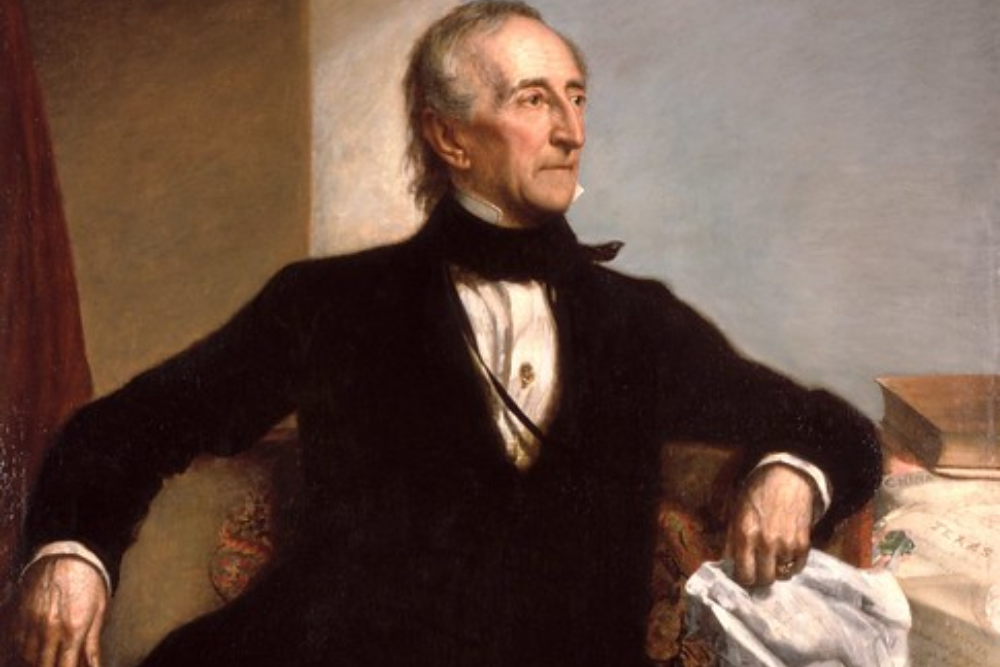
Tyler was an accomplished musician who often played violin at social gatherings and political events. Music was his way of connecting with people and breaking down barriers in tense political situations.
His musical talents reflected a softer side that balanced his sometimes rigid political positions, though he often used music as a diplomatic tool during his presidency.
James K. Polk: Surveyor
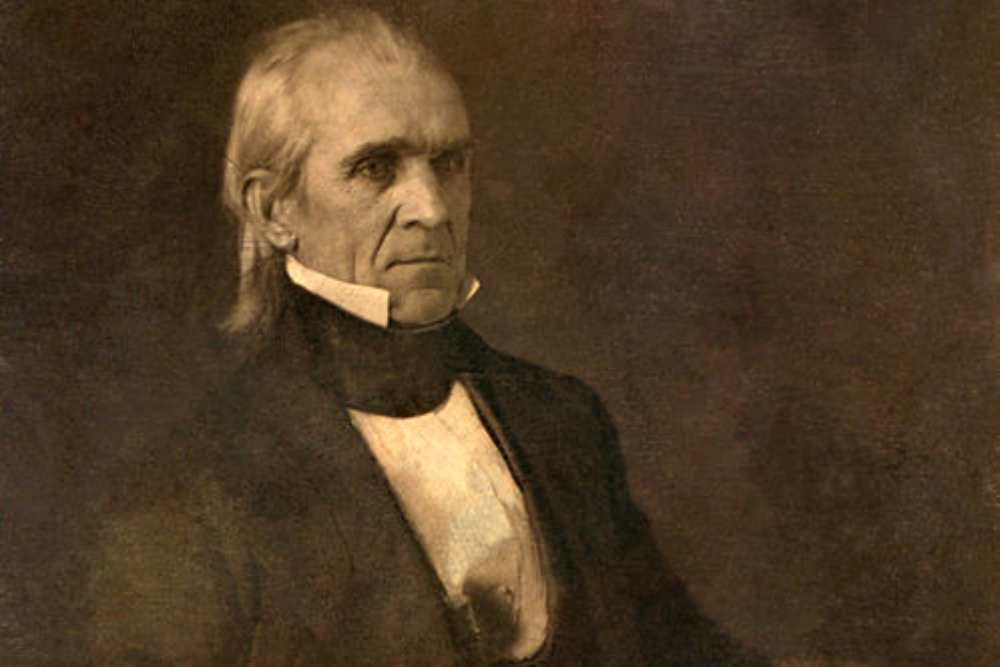
Like Washington, Polk spent time mapping out land boundaries, but his surveying work focused on the rapidly expanding Tennessee territory. The job required mathematical precision and the ability to settle disputes between landowners—skills that proved essential when he later had to navigate the complex territorial negotiations that expanded America to the Pacific Ocean.
His surveying background gave him a practical understanding of westward expansion that influenced his entire presidency.
Zachary Taylor: Career Soldier
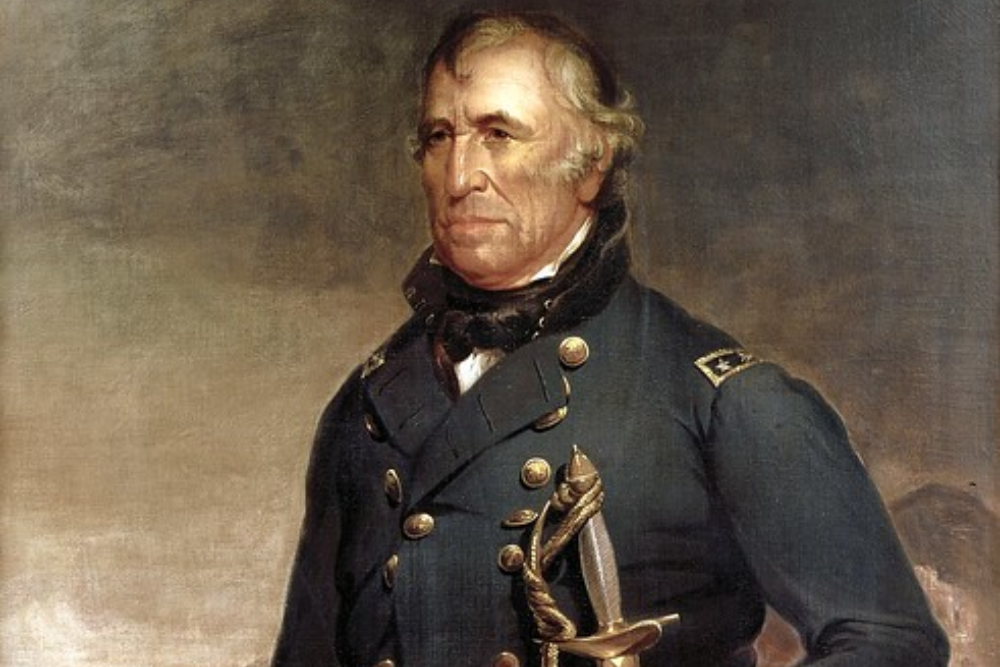
Taylor spent 40 years in the military before becoming president, fighting in the War of 1812, the Black Hawk War, and the Mexican-American War. He was known as ‘Old Rough and Ready’ for his informal leadership style and willingness to share hardships with his troops.
His military experience taught him to make quick decisions under pressure while valuing loyalty above political maneuvering.
Like Go2Tutors’s content? Follow us on MSN.
Millard Fillmore: Cloth Maker
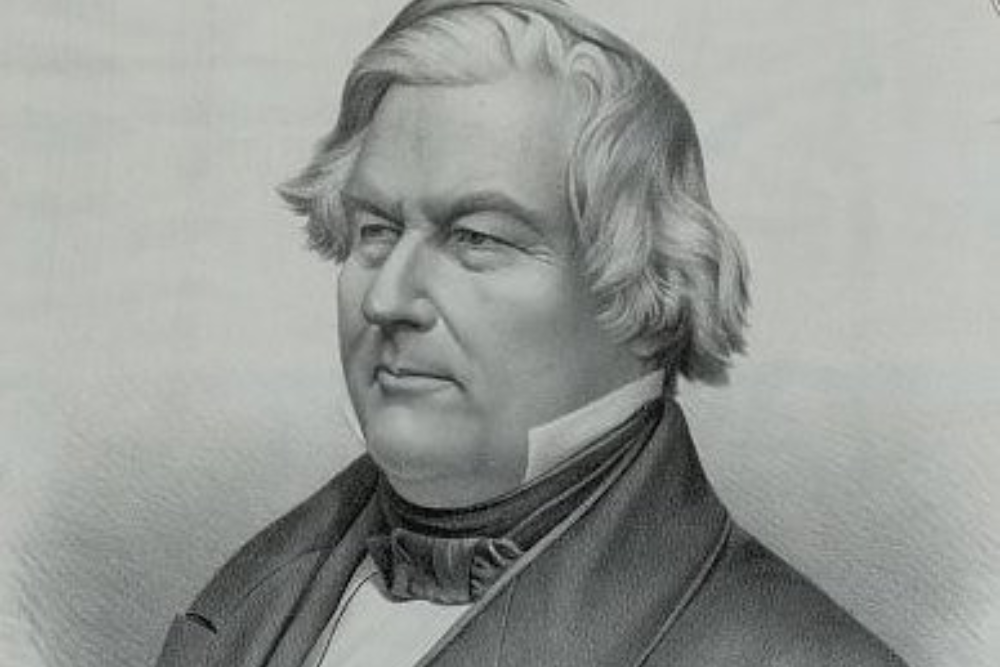
Fillmore learned the textile trade as a young man, working in wool mills and learning every aspect of cloth production. The work was physically demanding and required attention to detail because one mistake could ruin an entire bolt of fabric.
This background gave him an appreciation for manufacturing and the working class that influenced his economic policies as president.
Franklin Pierce: Lawyer and Soldier
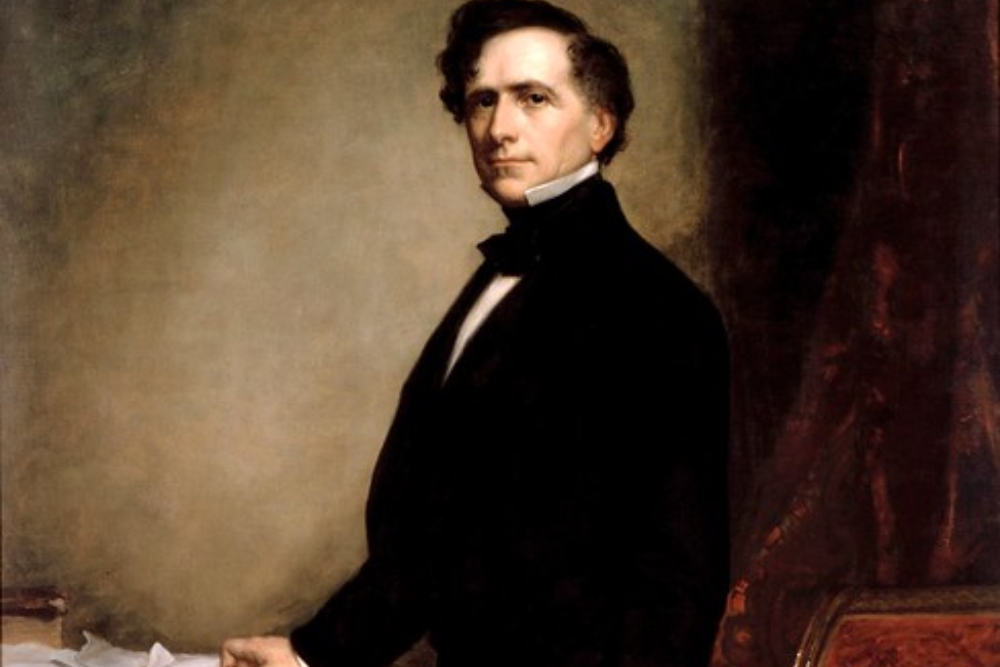
Pierce combined legal practice with military service during the Mexican-American War, where he served as a brigadier general. His legal training helped him understand the constitutional issues surrounding territorial expansion, whereas his military experience gave him credibility with veterans and military leaders.
However, his brief and somewhat inglorious military career also provided ammunition for his political opponents.
James Buchanan: Diplomat
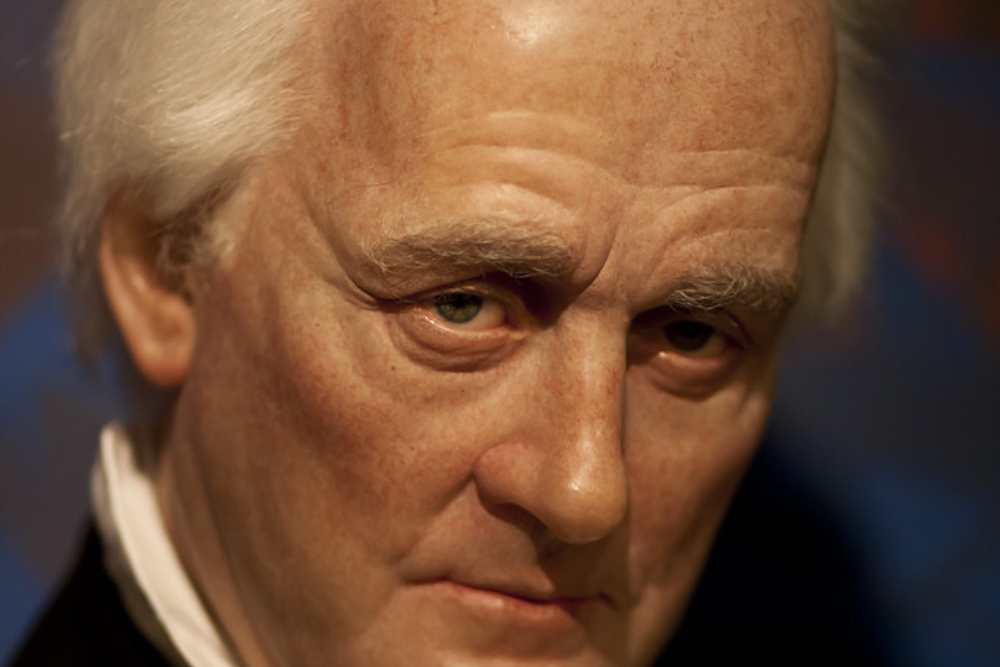
Buchanan spent years representing America in foreign courts, particularly in Russia and Great Britain. He learned to navigate complex international relationships and understand how America was viewed from abroad.
This diplomatic experience made him skilled at compromise and negotiation, although critics argued he was sometimes too willing to appease rather than take strong stands.
Like Go2Tutors’s content? Follow us on MSN.
Abraham Lincoln: Rail Splitter
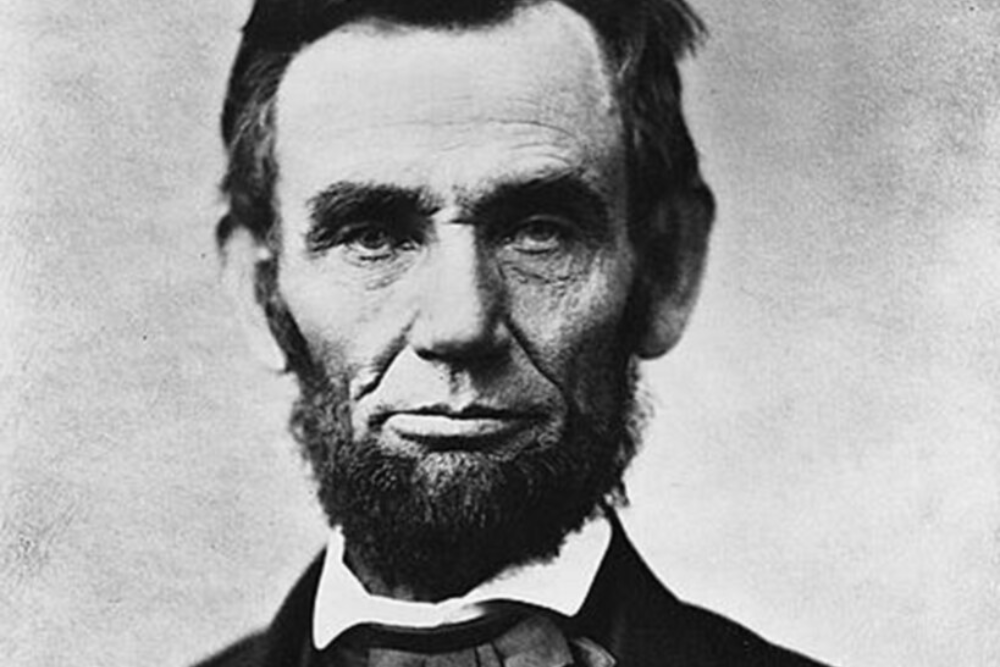
Lincoln’s physical labor splitting logs for fence rails became legendary during his political campaigns, but it was real work that shaped his character. The job required strength, endurance, and the ability to work alone for long periods.
This solitary, physically demanding work taught him patience and gave him time to think. These qualities served him well during the darkest days of the Civil War.
Andrew Johnson: Tailor
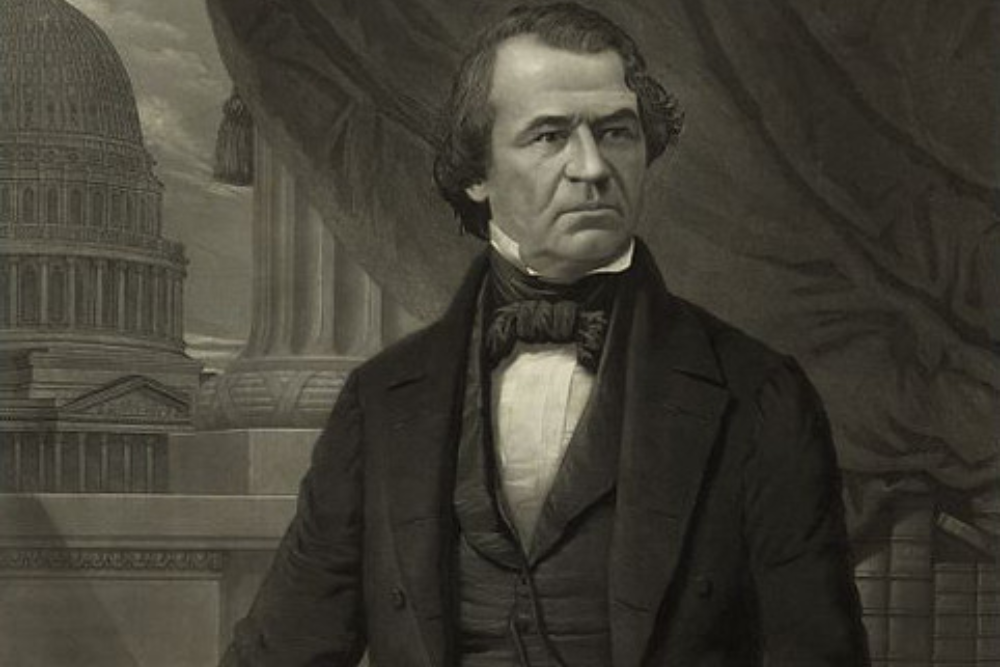
Johnson learned to sew and alter clothing as a young man, work that required precision and an eye for detail. He was proud of his craftsmanship and often spoke about the dignity of skilled manual labor.
His background as a working-class tradesman gave him a different perspective from most politicians of his era, though it also made him sensitive to perceived slights from more educated elites.
From Side Jobs to the Presidency
These varied career paths remind us that American presidents came from all walks of life, bringing diverse experiences that shaped their leadership styles. Whether they were splitting rails, surveying wilderness, or teaching students, these future presidents learned skills that would prove invaluable in the nation’s highest office.
Their pre-presidential careers show that leadership can emerge from anywhere, and that sometimes the most unexpected backgrounds produce the most effective leaders.
Like Go2Tutors’s content? Follow us on MSN.
More from Go2Tutors!

- 16 Historical Figures Who Were Nothing Like You Think
- 12 Things Sold in the 80s That Are Now Illegal
- 15 VHS Tapes That Could Be Worth Thousands
- 17 Historical “What Ifs” That Would Have Changed Everything
- 18 TV Shows That Vanished Without a Finale
Like Go2Tutors’s content? Follow us on MSN.