18 Famous ‘Inventors’ Who Actually Just Improved Someone Else’s Design
Though the reality behind many well-known inventions paints a more nuanced picture than textbooks portray, history loves a good invention story. Some of the most renowned inventors enhanced, perfected, or successfully marketed preexisting concepts that others had already developed rather than actually inventing their renowned inventions from the ground up.
These tales serve as a reminder that innovation frequently builds on earlier work rather than appearing out of discoveries. There is rarely a single “aha” moment during the invention process.
Rather than the original creator of an idea, credit is frequently given to the person who makes it profitable. These are 18 well-known “inventors” who, in reality, simply enhanced someone else’s design.
Thomas Edison and the Light Bulb
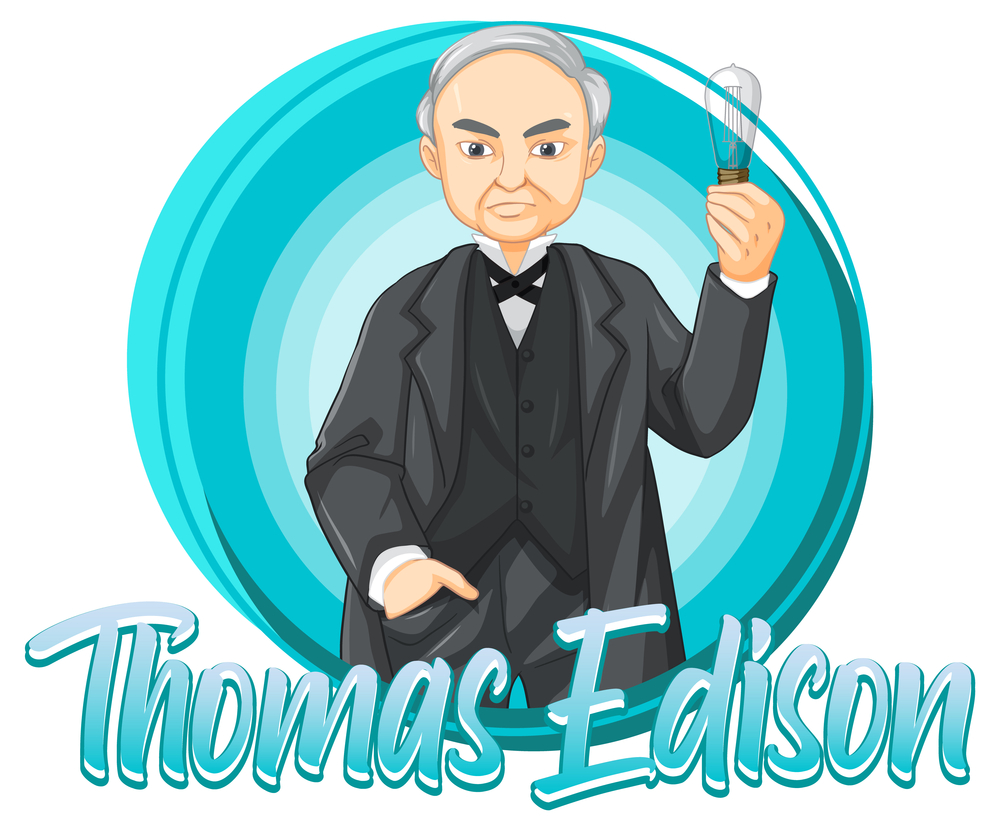
Thomas Edison is synonymous with the incandescent light bulb, yet he didn’t invent the concept at all. Over 20 inventors had already created working electric lights before Edison’s version — including Joseph Swan, who demonstrated his bulb in England a year before Edison’s famous demonstration.
Edison’s genius lay in creating a complete electrical system while finding the right filament material that made light bulbs practical for everyday use.
Alexander Graham Bell and the Telephone
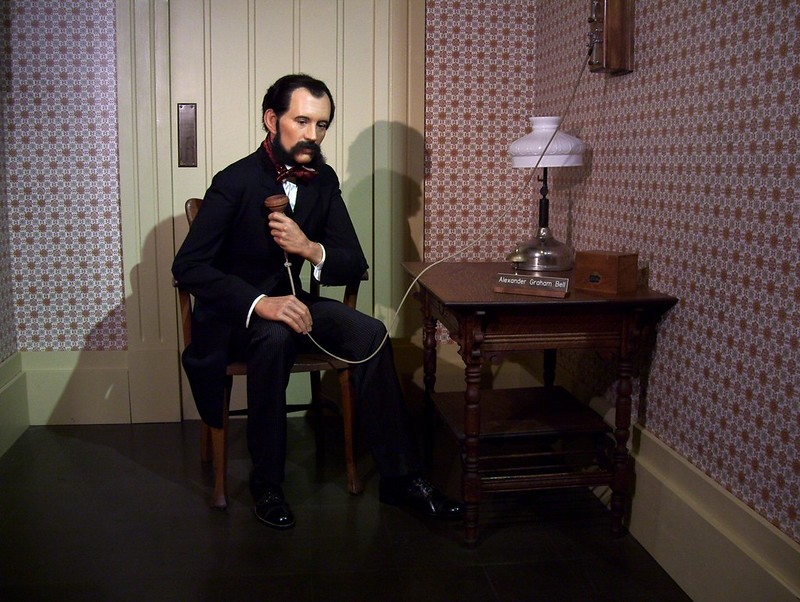
Bell receives credit for inventing the telephone, though Elisha Gray filed a patent for a remarkably similar device on the exact same day in 1876. Antonio Meucci had actually demonstrated voice transmission over wires decades earlier — while other inventors like Philip Reis had created devices that could transmit sound electronically.
Bell’s advantage came from having better legal representation plus the financial backing to develop his system commercially.
Like Go2Tutors’s content? Follow us on MSN.
The Wright Brothers and Powered Flight
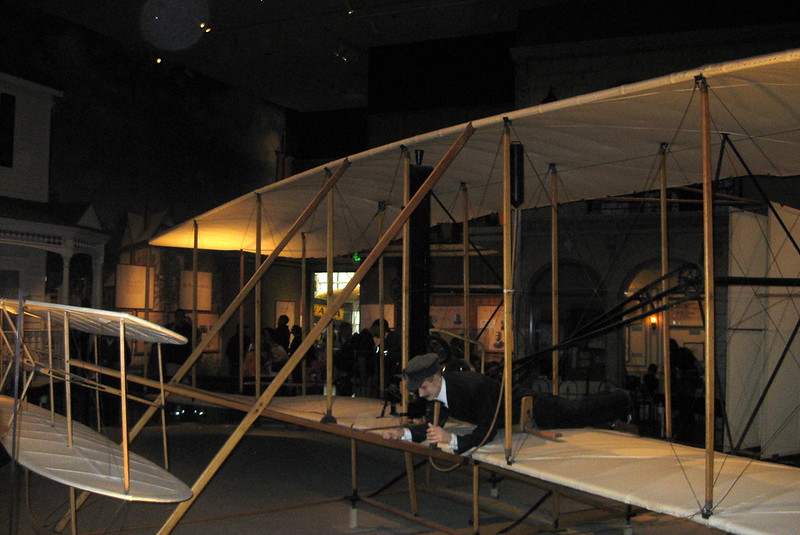
Orville and Wilbur Wright achieved the first powered, sustained flight at Kitty Hawk in 1903. They built upon decades of aviation research by others, though. Otto Lilienthal had made over 2,000 glider flights before them — while Octave Chanute and Samuel Langley had made significant contributions to understanding flight mechanics.
The Wright brothers’ breakthrough was solving the control problem that had stumped previous aviation pioneers.
Henry Ford and the Assembly Line
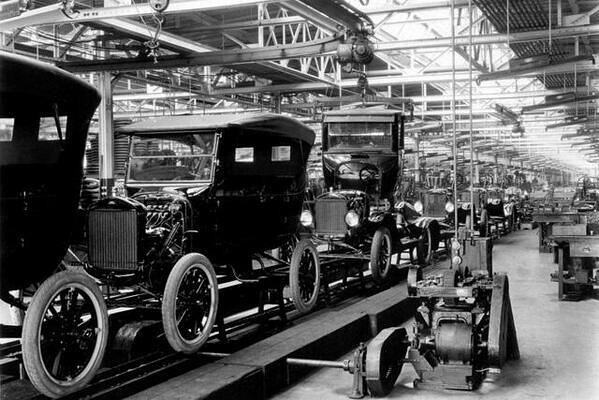
Ford revolutionized manufacturing with his moving assembly line, though he didn’t invent the concept of mass production. Ransom Olds had already used assembly line techniques for automobile production — while meatpacking plants had been using similar methods for decades.
Ford’s innovation was adapting these techniques specifically for automobile manufacturing while paying workers enough to afford the products they made.
Steve Jobs and the Personal Computer
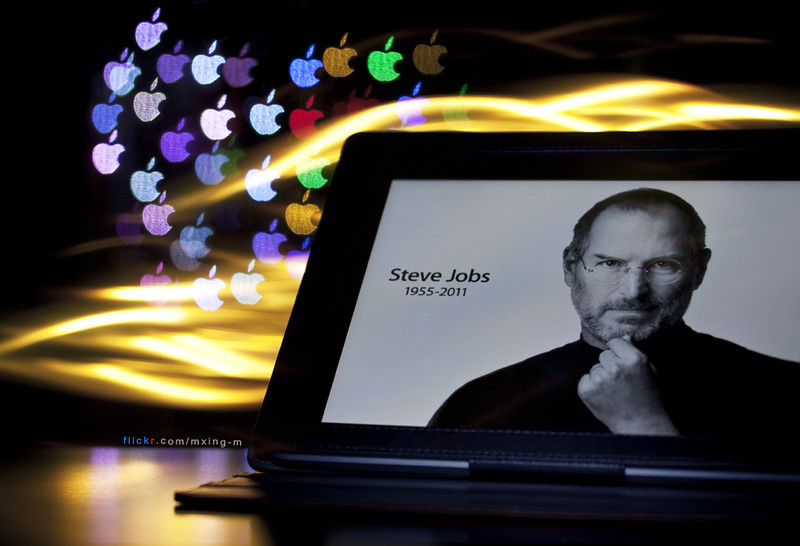
Jobs transformed personal computing through the Apple II and later the Macintosh, yet he didn’t invent the personal computer concept. The Altair 8800 preceded the Apple II by several years — while companies like Commodore and Tandy were already selling home computers.
Jobs’s contribution was making computers user-friendly and aesthetically appealing to mainstream consumers rather than just hobbyists who understood technical specifications.
Like Go2Tutors’s content? Follow us on MSN.
Eli Whitney and the Cotton Gin
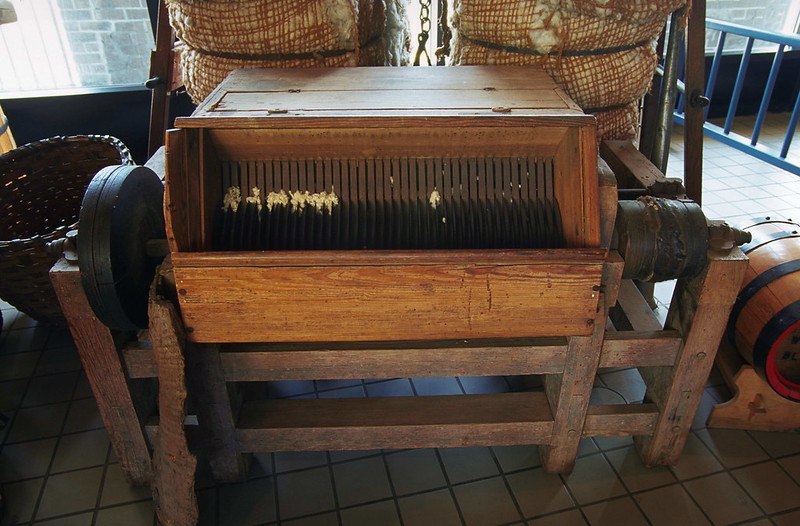
Whitney’s cotton gin revolutionized agriculture in the American South. Similar devices had existed for centuries in other parts of the world, though. Indian charkha wheels and other roller gins had been separating cotton fibers from seeds long before Whitney’s version — while various mechanical cotton cleaners were already in use.
Whitney’s design was more efficient for the specific type of cotton grown in America.
James Watt and the Steam Engine
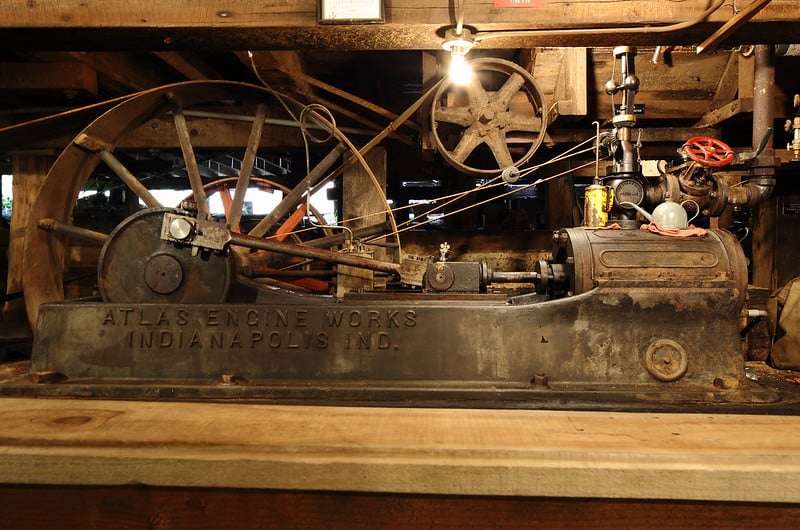
Watt improved the steam engine so significantly that many consider him its inventor, yet Thomas Newcomen had built the first practical steam engine decades earlier. Hero of Alexandria had even demonstrated steam power in ancient times — while Denis Papin and Thomas Savery had made important contributions before Newcomen.
Watt’s separate condenser made steam engines much more fuel-efficient while making them practical for widespread industrial use.
Johannes Gutenberg and the Printing Press
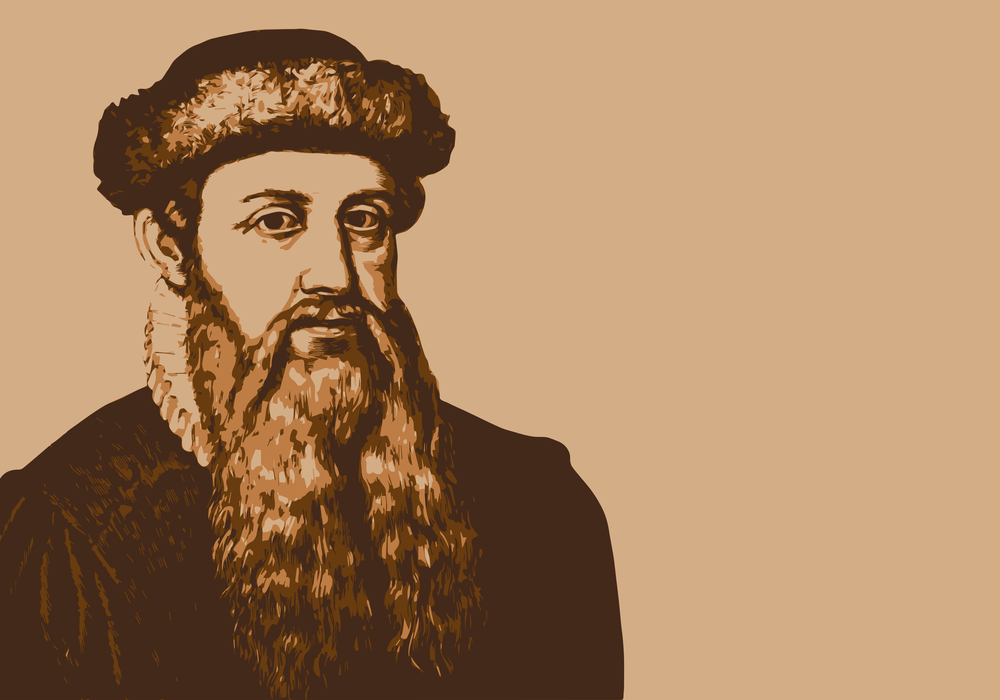
Gutenberg’s printing press launched the information age in Europe. Movable type printing had existed in Asia for centuries, though. Chinese inventor Bi Sheng had created movable clay type around 1040 AD — while Korean printers were using metal movable type before Gutenberg was born.
Gutenberg’s innovation was adapting the technology for European languages while developing oil-based inks that worked better than water-based Asian inks.
Like Go2Tutors’s content? Follow us on MSN.
Samuel Morse and the Telegraph
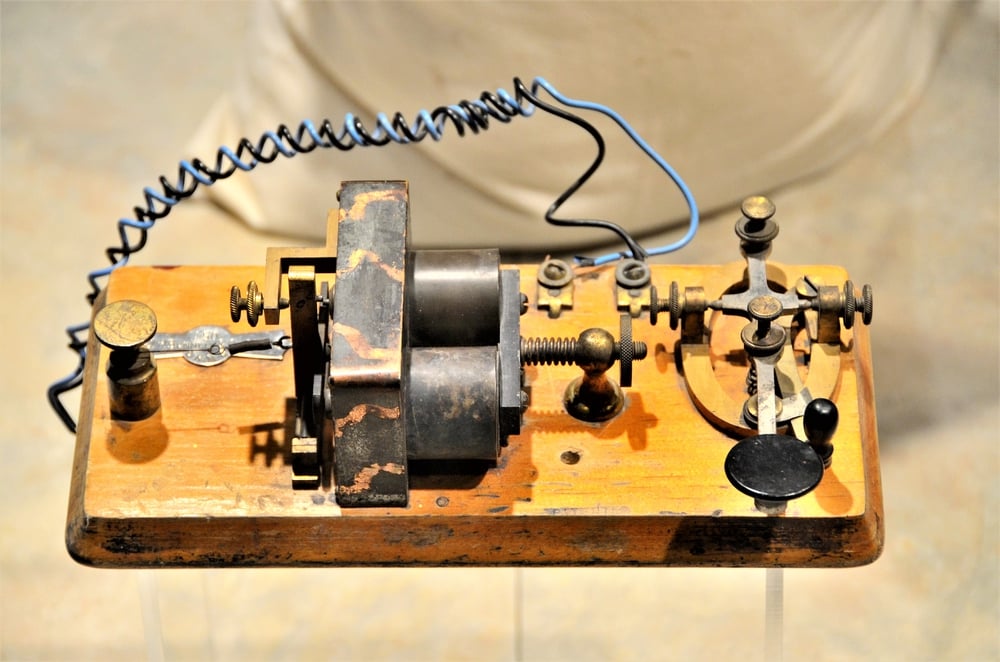
Morse became famous for the telegraph and Morse code, yet electrical communication systems existed before his version. Claude Chappe had built optical telegraph networks across France — while other inventors like William Fothergill Cooke were developing electrical telegraph systems simultaneously.
Morse’s advantage was creating a simple, reliable system while securing government funding for the first major telegraph line.
Benjamin Franklin and Electricity
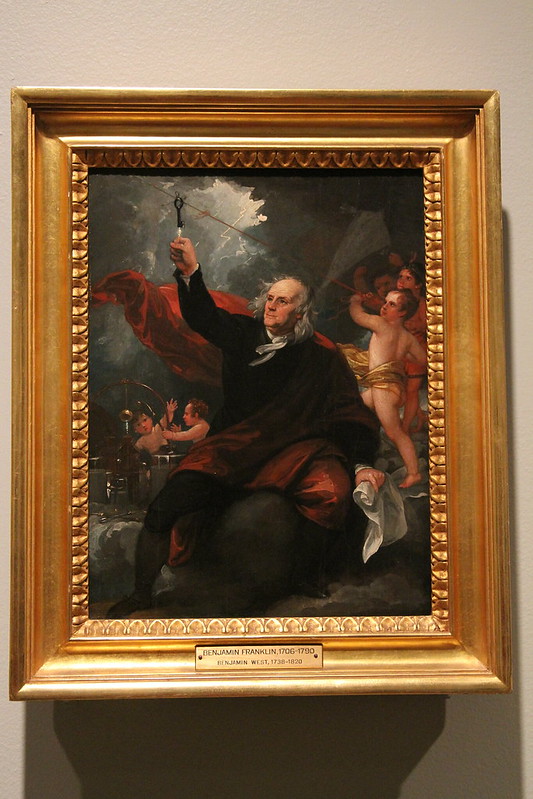
Franklin’s kite experiment made him famous for electricity. Ancient Greeks had observed electrical phenomena thousands of years earlier, though. Luigi Galvani and Alessandro Volta had already made significant electrical discoveries before Franklin’s famous experiment — while various researchers were studying electrical effects throughout Europe.
Franklin’s contributions involved understanding lightning as an electrical phenomenon while inventing practical devices like lightning rods.
Philo Farnsworth and Television
— Photo by MichaelVi
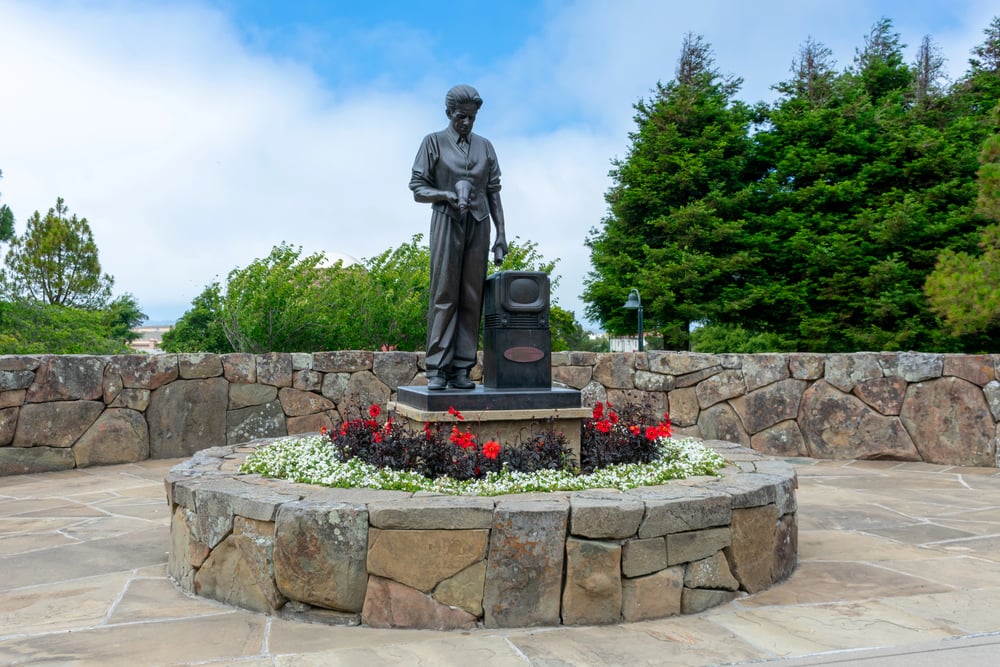
Farnsworth developed the first fully electronic television system, yet the concept of transmitting images electronically had been around for decades. Paul Nipkow had patented a mechanical television system in 1884, while John Logie Baird had already demonstrated television broadcasts before Farnsworth’s electronic version.
Farnsworth’s breakthrough was eliminating moving parts and creating a system that could produce higher-quality images than mechanical alternatives.
Like Go2Tutors’s content? Follow us on MSN.
Chester Carlson and Xerography
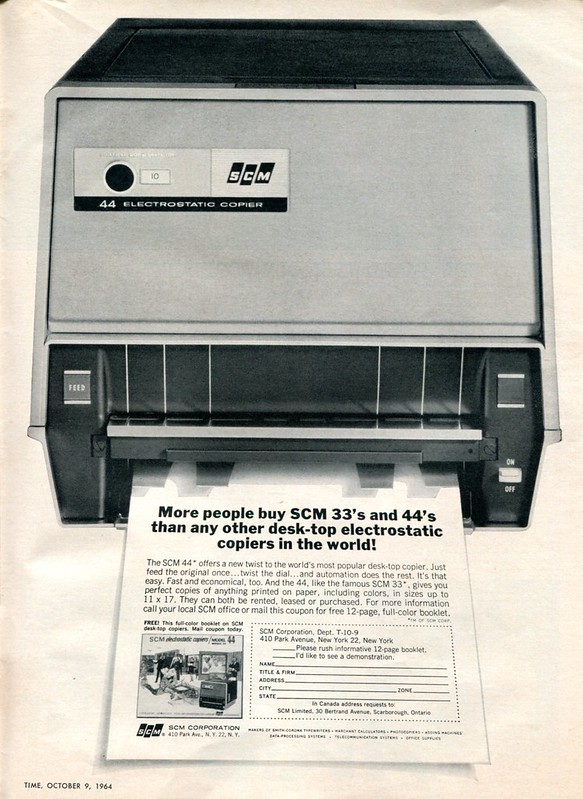
Carlson invented the xerographic copying process that made Xerox famous, though various forms of document reproduction existed before his method. Carbon paper, mimeograph machines, and photostatic copying were already available for making document copies.
Carlson’s innovation was creating a dry copying process that was faster, cleaner, and produced better quality copies than existing methods which often involved messy chemicals.
George Eastman and Photography
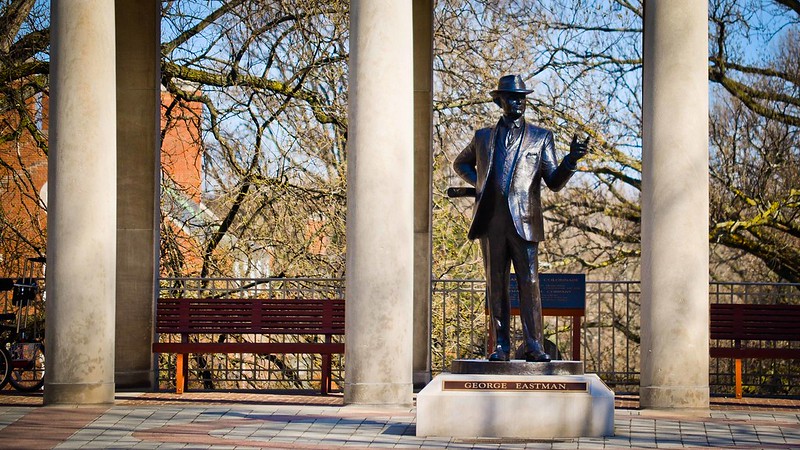
Eastman made photography accessible to the masses through his Kodak camera and film system, yet photography had been around since the 1820s. Louis Daguerre, William Henry Fox Talbot, and others had already developed photographic processes decades before Eastman’s contributions.
Eastman’s genius was simplifying photography so that ordinary people could take pictures without understanding complex chemical processes or carrying heavy equipment.
Orville Redenbacher and Popcorn
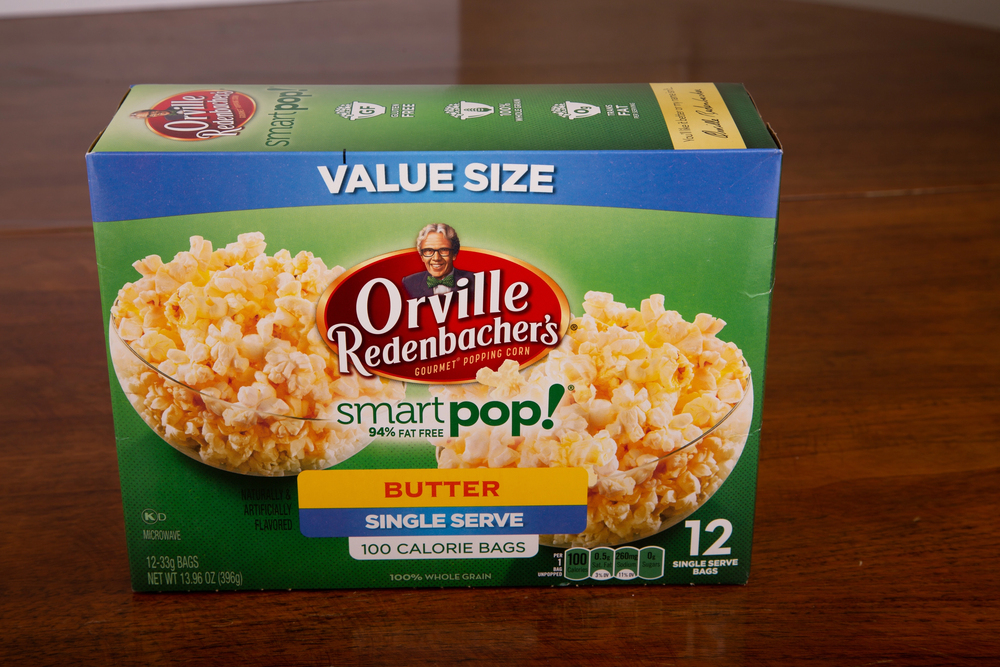
— Photo by dbvirago
Redenbacher became the face of gourmet popcorn through his distinctive bow tie and marketing savvy, yet he didn’t invent popcorn or even the first hybrid varieties. Native Americans had been popping corn for thousands of years, while agricultural researchers had already developed improved corn varieties before Redenbacher’s work.
His contribution was developing a specific hybrid that popped more consistently while marketing it as a premium product instead of a commodity food.
Like Go2Tutors’s content? Follow us on MSN.
Ray Kroc and Fast Food

Kroc built McDonald’s into a global empire and often receives credit for creating fast food, yet the McDonald brothers had already developed their “Speedee System” before meeting Kroc. White Castle had pioneered fast food decades earlier, while various restaurants were already using assembly-line cooking methods.
Kroc’s innovation was franchising the McDonald’s system while standardizing operations across multiple locations to ensure consistency.
Willis Carrier and Air Conditioning

Carrier invented modern air conditioning, though people had been trying to cool indoor spaces for millennia. Ancient Egyptians hung wet reeds in windows to cool incoming air, while 19th-century inventors had created various cooling devices using ice and fans.
Carrier’s breakthrough was controlling both temperature and humidity while creating a system practical for large buildings rather than just small rooms.
King Camp Gillette and Safety Razors
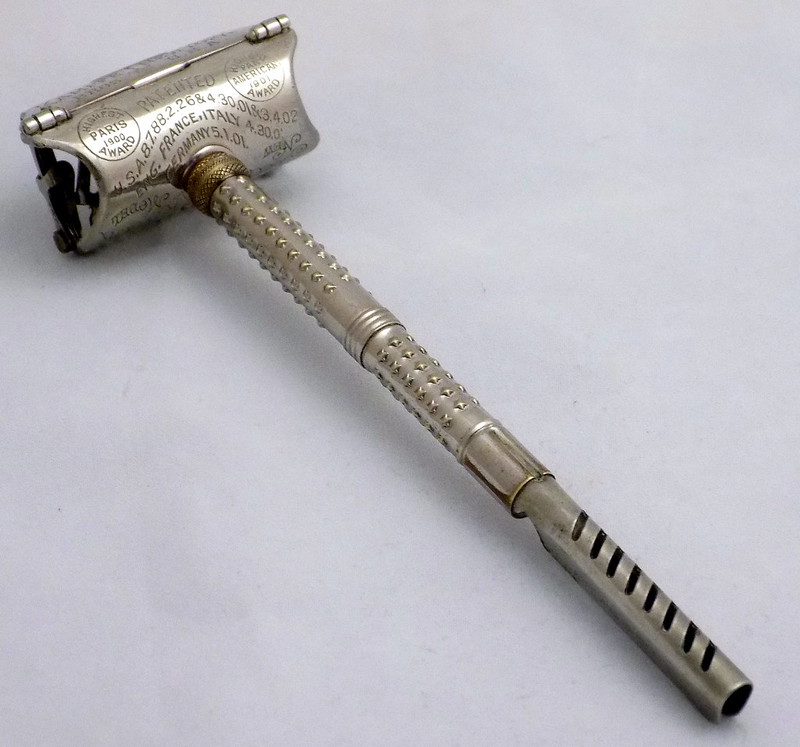
Gillette revolutionized shaving with his disposable blade safety razor, yet safety razors existed before his design. The Kampfe Brothers had already patented a safety razor with a protective guard, while various inventors had created razors designed to prevent cutting accidents.
Gillette’s innovation was creating thin, disposable blades that could be manufactured cheaply while being replaced easily by consumers at home.
Like Go2Tutors’s content? Follow us on MSN.
Leo Baekeland and Plastic
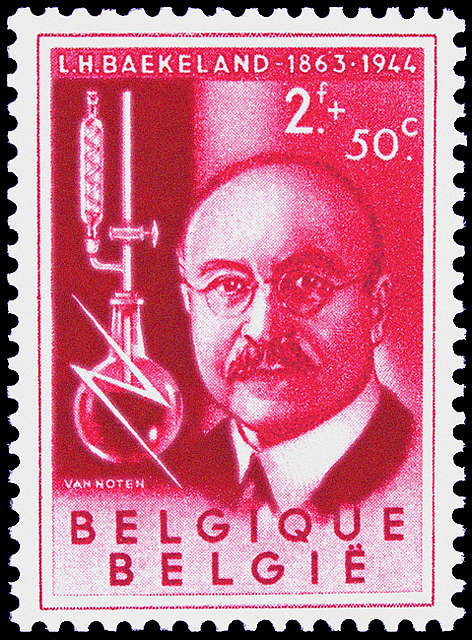
Baekeland invented Bakelite, often called the first synthetic plastic, yet earlier inventors had created plastic-like materials. Alexander Parkes had developed Parkesine in the 1850s, while John Wesley Hyatt had invented celluloid for billiard manufacturers.
Baekeland’s contribution was creating the first completely synthetic plastic that was heat-resistant while being moldable into various shapes that maintained their form permanently.
Innovation Builds on Innovation
These tales show that most ground-breaking inventions come from small, gradual improvements rather than epiphanies, and that commercial success frequently depends as much on financial support, marketing, and timing as it does on technical innovation. The people who are given historical credit usually put the finishing touches on a difficult puzzle that many others had been working on for years or even decades.
Comprehending this process does not lessen these accomplishments; rather, it demonstrates how innovation actually operates through cooperation, rivalry, and innumerable minor adjustments that ultimately result in significant shifts. When someone claims to have created something entirely new, keep in mind that they are most likely standing on the shoulders of giants who came before them.
More from Go2Tutors!

- 16 Historical Figures Who Were Nothing Like You Think
- 12 Things Sold in the 80s That Are Now Illegal
- 15 VHS Tapes That Could Be Worth Thousands
- 17 Historical “What Ifs” That Would Have Changed Everything
- 18 TV Shows That Vanished Without a Finale
Like Go2Tutors’s content? Follow us on MSN.