17 Shocking Facts About Iconic Book Characters
The characters we love in literature often have hidden secrets, surprising origins, and shocking backstories that their creators never intended us to discover. Behind every beloved hero, mysterious detective, and magical protagonist lies a web of fascinating truths that can completely change how we see these fictional figures.
From famous detectives who were almost given completely different names to classic characters based on real people with scandalous histories, the truth about our favorite literary figures is often stranger than fiction itself. Here is a list of 17 shocking facts about iconic book characters that will make you see your favorite stories in a completely new light.
Sherlock Holmes Was Almost Named Sherrinford
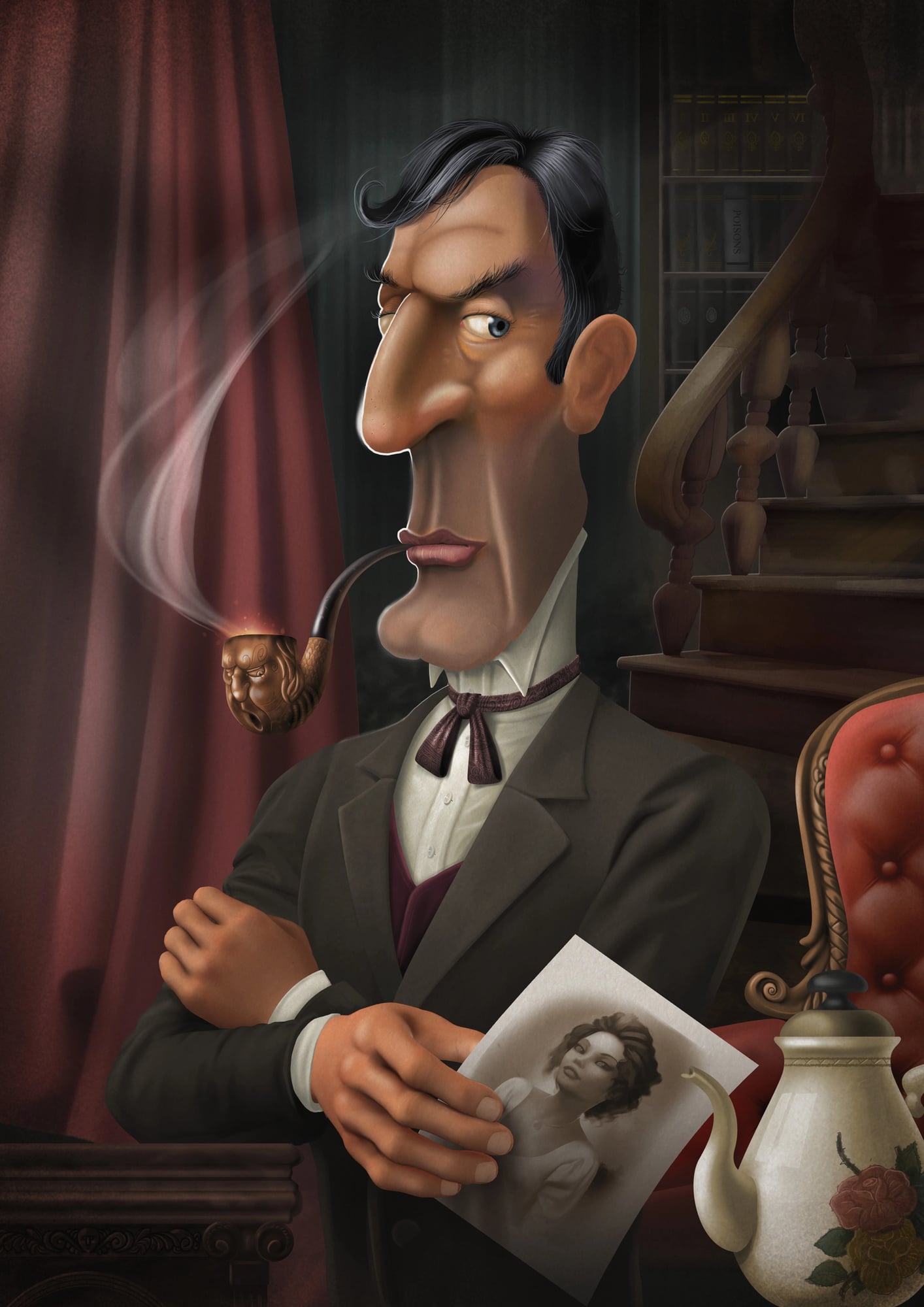
The world’s most famous detective nearly had a completely different identity. Sir Arthur Conan Doyle originally planned to call his brilliant sleuth Sherrinford Holmes, not Sherlock.
The name change happened because Doyle was a cricket fan and the name ‘Sherlock’ had stuck in his memory from a cricketer he admired. Meanwhile, Dr. Watson was originally going to be called Ormond Sacker, making the famous duo almost unrecognizable from the characters we know today.
Alice in Wonderland Was Based on a Real Child with a Mysterious Backstory
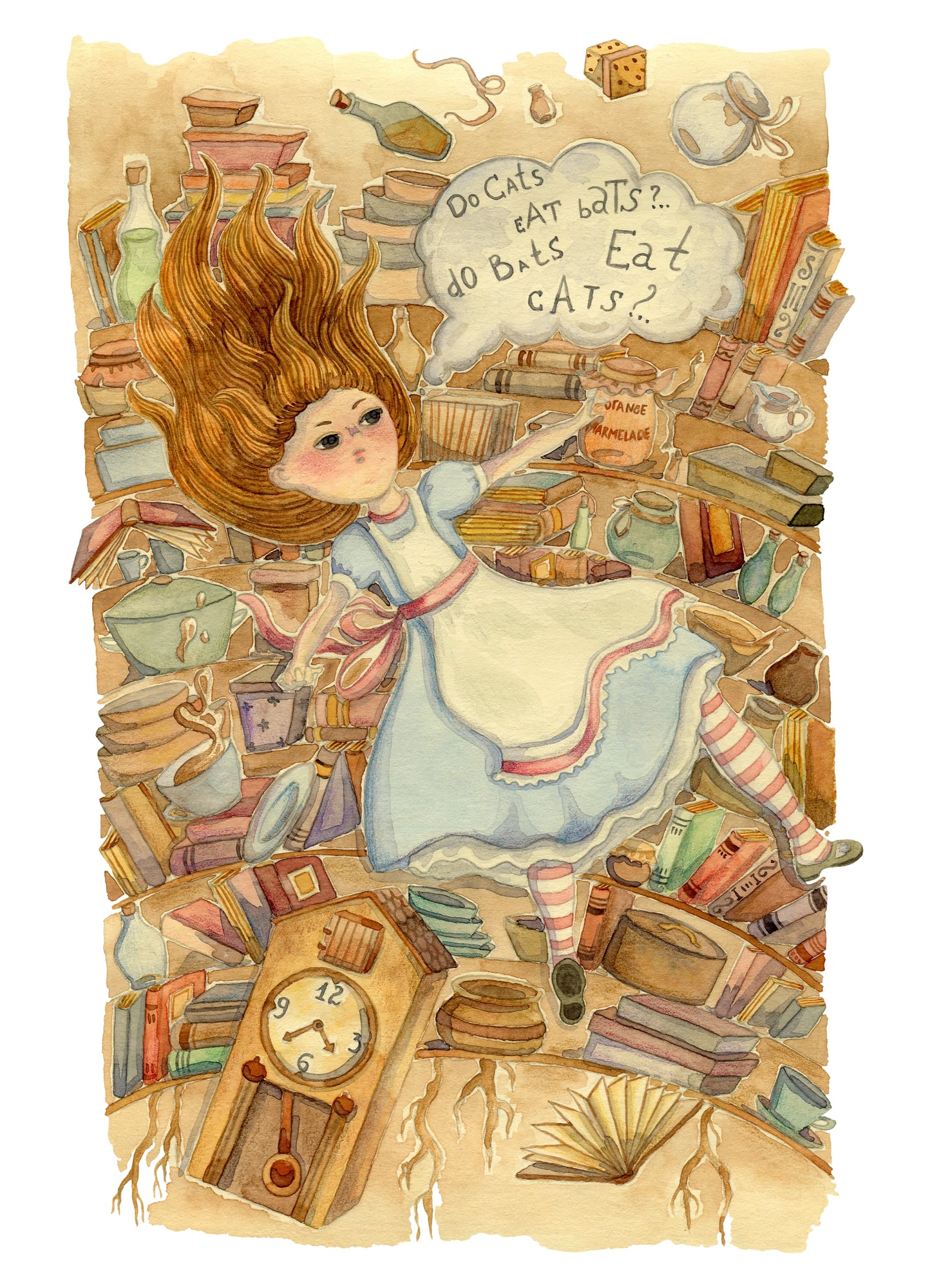
The innocent children’s classic has a complex origin involving its author’s relationship with young Alice Liddell. Many scholars have speculated about Carroll’s relationship with young Alice Liddell, with some suggesting he may have developed a deep personal attachment.
Whatever the truth, it led to a falling out with her family, and pages from his diary during this time remain missing. The real Alice inspired one of literature’s most beloved characters, but the circumstances surrounding their relationship continue to puzzle historians.
Like Go2Tutors’s content? Follow us on MSN.
Dracula Actually Appears in More Movies Than Sherlock Holmes
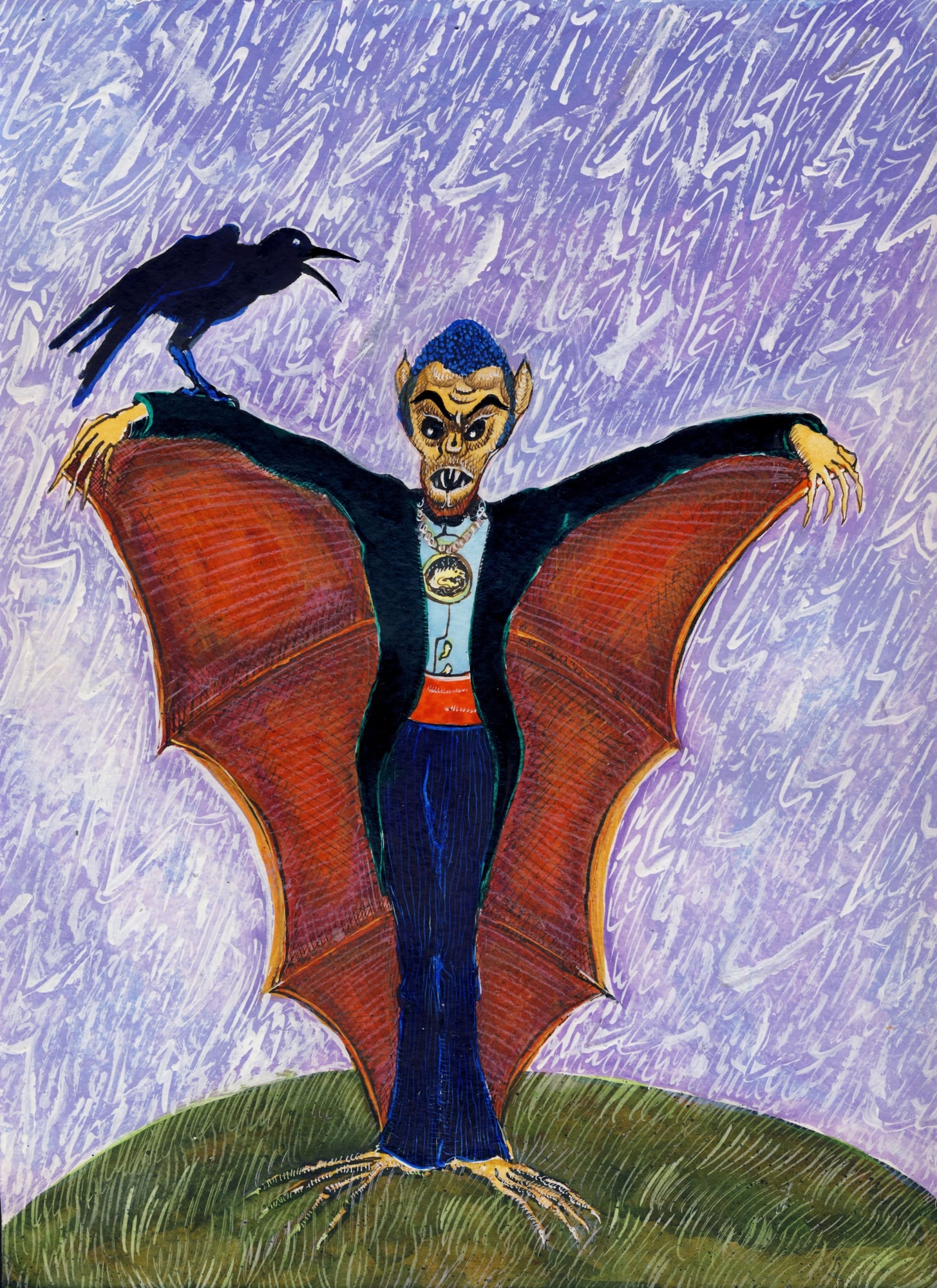
While Sherlock Holmes holds the record for most-portrayed human literary character with over 299 film appearances as of recent counts, Dracula comes close with 239, making the vampire one of the most adapted literary characters in history. This means the undead count has been scaring audiences on screen almost as much as Holmes has been solving crimes, despite being created a decade later.
The competition between these two iconic characters demonstrates their enduring appeal across generations of filmmakers.
Winnie the Pooh Was Named After a Real Bear and a Swan

The beloved honey-loving bear wasn’t just a product of A.A. Milne’s imagination. Winnipeg was a real black bear living at the London Zoo that Milne’s son Christopher Robin would visit regularly.
The ‘Pooh’ part came from a swan named Pooh that the family had met on holiday. The combination of a real zoo bear and a swan created one of literature’s most enduring characters.
Harry Potter Was Originally Going to Die in the Final Book

J.K. Rowling seriously considered ending her series by eliminating Harry Potter permanently in the seventh book. She planned this tragic ending from early in the series but ultimately decided against it, feeling that Harry deserved to live after everything he had endured.
The author has since admitted she sometimes regrets not following through with her original darker vision.
Like Go2Tutors’s content? Follow us on MSN.
Robin Hood Probably Never Existed as a Single Person

The legendary outlaw of Sherwood Forest likely represents a composite of several different historical figures and folk tales rather than one real person. Scholars have found references to various ‘Robin Hoods’ throughout medieval records, but no single individual matching the complete legend.
The character evolved over centuries as different storytellers added new elements to create the heroic figure we know today.
Professor Moriarty Was Based on a Real Criminal Mastermind

Sherlock Holmes’s greatest nemesis wasn’t entirely fictional. Arthur Conan Doyle based Professor Moriarty on Adam Worth, a real criminal who operated during the Victorian era and was known as the ‘Napoleon of Crime.’
Worth was a sophisticated thief who inspired fear and respect in equal measure, making him the perfect model for Holmes’s intellectual equal.
Elizabeth Bennet’s Story Was Revolutionary for Its Time
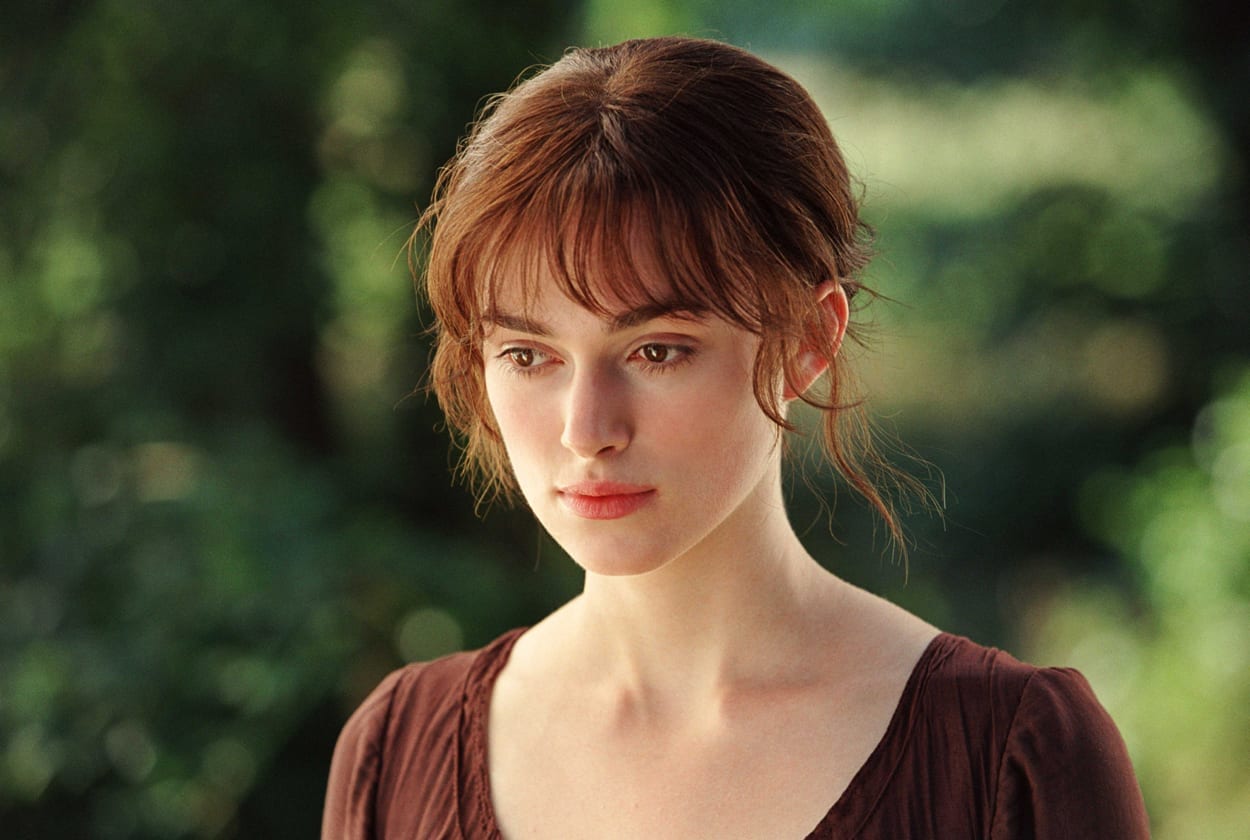
Jane Austen’s spirited heroine from Pride and Prejudice was shockingly progressive for 1813. Elizabeth’s refusal to marry for convenience, her willingness to walk three miles through mud, and her bold confrontations with social superiors made her a radical character who challenged every expectation of how women should behave.
Contemporary readers were both scandalized and thrilled by her independence.
Like Go2Tutors’s content? Follow us on MSN.
Peter Pan Started as a Character in an Adult Novel

Before becoming the star of children’s stories, Peter Pan first appeared in J.M. Barrie’s 1902 adult novel ‘The Little White Bird.’ The character was originally written for grown-up audiences, with darker themes about the nature of childhood and growing up.
Barrie only later adapted Peter Pan into the children’s play and book that made him famous worldwide.
Severus Snape’s Name Reveals His Entire Character Arc

J.K. Rowling packed Snape’s destiny into his name from the very beginning. ‘Severus’ means ‘severe’ or ‘stern,’ while ‘Snape’ comes from a verb meaning ‘to rebuke’ or ‘snub.’
However, the town of Snape in England sits between two places called ‘Loving’ – perfectly symbolizing how Snape’s harsh exterior conceals his capacity for deep, enduring love.
Hamlet’s Famous Soliloquy Almost Didn’t Exist

The most quoted speech in English literature – ‘To be or not to be’ – appears in different forms across various early editions of Hamlet. Some scholars believe Shakespeare continued revising this iconic soliloquy even after the play was being performed, meaning audiences might have heard several different versions of Hamlet’s most famous moment.
Like Go2Tutors’s content? Follow us on MSN.
The Cheshire Cat Was Inspired by Medieval Church Carvings
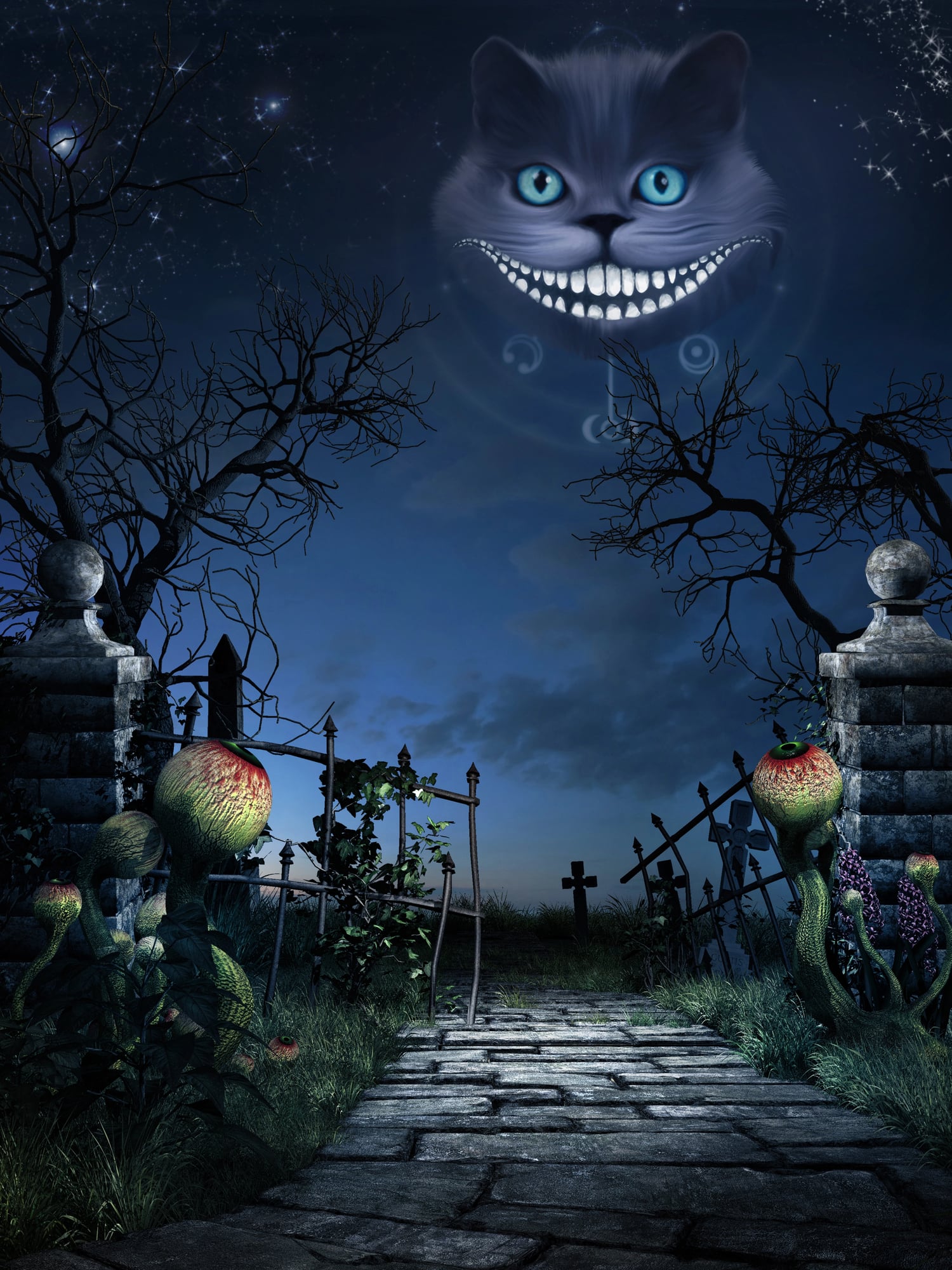
Lewis Carroll’s grinning Cheshire Cat wasn’t his original creation but rather came from real stone carvings found in Cheshire churches. Medieval stonemasons often carved mysterious smiling cats into church architecture, and the phrase ‘grin like a Cheshire cat’ existed long before Alice in Wonderland was written.
Carroll simply borrowed an existing piece of English folklore for his fantasy world.
Hercules Was Originally a Murderer Before Becoming a Hero

The heroic Hercules familiar from children’s stories has been sanitized from his original mythological character. In Greek mythology, Hercules murdered his wife and children in a fit of madness sent by the goddess Hera.
His famous twelve labors weren’t noble quests but punishments assigned to atone for these horrific crimes, making him a much darker character than modern retellings suggest.
Watson Was Supposed to be the Smart One

Arthur Conan Doyle originally intended Dr. Watson to be an intelligent medical professional who could match wits with criminals. However, to make Holmes seem more brilliant by comparison, Doyle gradually wrote Watson as more bumbling and confused.
This character transformation was so complete that ‘Watson’ became synonymous with a dim-witted sidekick, despite the doctor’s medical expertise and military background.
Like Go2Tutors’s content? Follow us on MSN.
Tinker Bell Was Almost Called Tippy-Toe
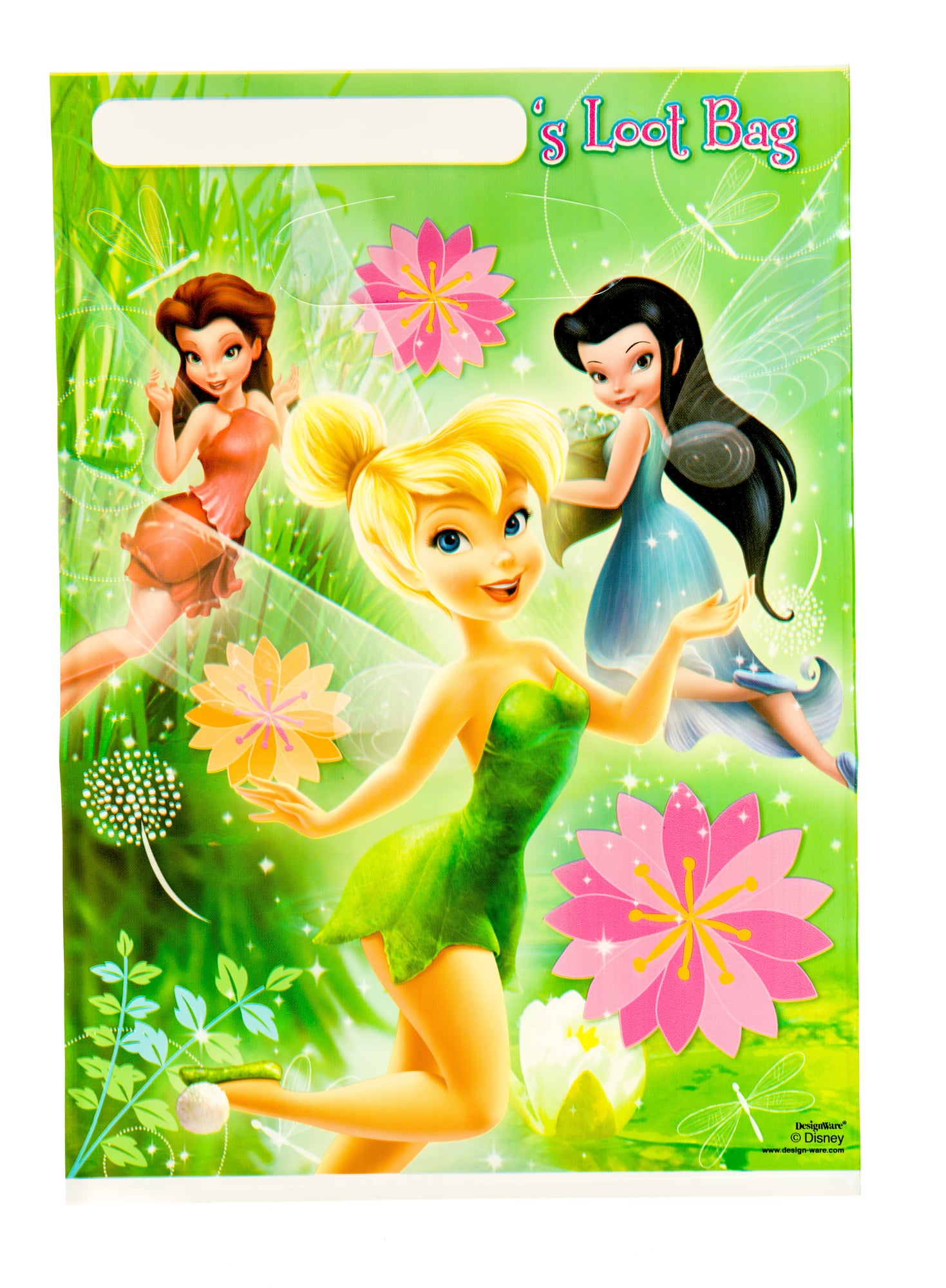
J.M. Barrie’s famous fairy went through several name changes before becoming Tinker Bell. Early drafts of Peter Pan called her ‘Tippy-Toe,’ and she was originally conceived as a much less important character.
Her prominence grew as Barrie developed the story, eventually becoming one of Disney’s most recognizable characters and the inspiration for an entire franchise.
Dobby the House Elf Has Ancient English Origins

Harry Potter’s beloved house elf wasn’t entirely J.K. Rowling’s invention. ‘Dobby’ comes from English folklore, where it referred to benevolent household spirits that helped with domestic chores.
These mythical creatures were said to live in houses and perform helpful tasks while the family slept, making Rowling’s Dobby a modern adaptation of centuries-old English legends about magical household helpers.
Irene Adler is the Only Woman Sherlock Holmes Ever Respected

In the entire canon of Sherlock Holmes stories, only one woman ever outsmarted the great detective and earned his genuine respect. Irene Adler appears in just one story, ‘A Scandal in Bohemia,’ but her intelligence and cunning made such an impression that Holmes never refers to her by name afterward – only as ‘the woman.’
She remains the sole example of feminine intellectual equality in Holmes’s male-dominated world.
Like Go2Tutors’s content? Follow us on MSN.
Literary Legends Hide Dark Secrets

These startling disclosures serve as a reminder that the stories of our favorite characters frequently contain surprising secrets, contentious beginnings, and hidden depths. Iconic book characters are far more complicated and occasionally unsettling than their outward appearances imply, whether this is due to intentional symbolism, real-life inspiration, or developmental changes during the writing process.
The next time you read a classic, keep in mind that the well-known character you believe you know may be hiding secrets that fundamentally alter how you perceive their tale. The most enduring characters in literature do so because they are full of layers of contradiction and mystery that continue to reveal new facts to readers decades or even centuries after they were first created.
More from Go2Tutors!

- 18 Unexpectedly Valuable Collectibles You Might Have Lying Around
- 20 Little-Known Historical Battles That Had Huge Consequences
- 20 Historical Artifacts That Scientists Can’t Explain
- 15 Inventions That Were Immediately Banned After Being Created
- 20 Actors Who Were Almost Cast in Iconic Roles
Like Go2Tutors’s content? Follow us on MSN.