16 90s Tech That Made You Feel Like a Hacker
The 1990s were the golden age of digital rebellion. Every piece of technology seemed to whisper secrets about the hidden world beneath your computer screen. Whether you were dialing into bulletin board systems at 3 AM or running mysterious programs with cryptic command lines, the decade made ordinary people feel like cyber warriors breaking into digital fortresses.
These weren’t just gadgets and software — they were gateways to an underground realm where knowledge was power and curiosity could unlock anything. Here is a list of 16 pieces of ’90s tech that transformed regular users into digital ninjas.
Dial-Up Modems
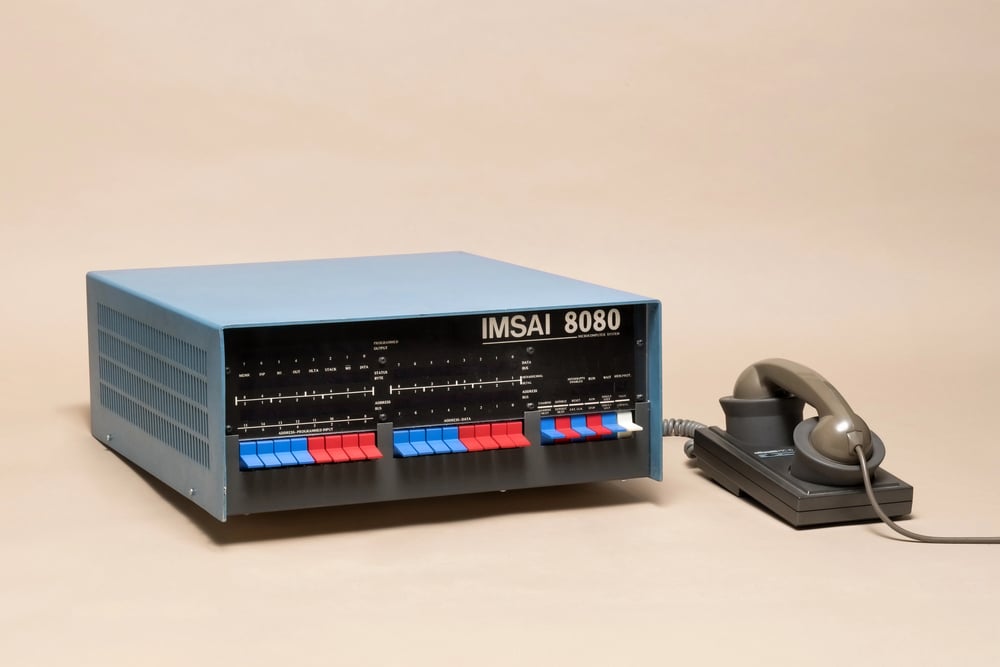
The screech and static of a dial-up modem connecting felt like the sound of breaking into cyberspace itself. That cacophony wasn’t just noise — it was your computer negotiating with distant servers, establishing a secret handshake that granted access to the vast digital underground.
The slower the connection, the more exclusive it felt, like you were part of an elite club that understood patience was the price of digital enlightenment.
AOL Chat Rooms
AOL chat rooms were like speakeasies for the digital age, where anonymous handles replaced real names and everyone seemed to know more than they let on. The ability to create multiple screen names made you feel like a master of digital disguise, switching identities as easily as changing clothes.
Late-night conversations in rooms with cryptic names felt like participating in covert operations, even when you were just talking about music or movies.
IRC Clients
Internet Relay Chat represented the true underground of online communication, far removed from the commercialized world of AOL. Learning IRC commands like ‘/join’ and ‘/msg’ felt like mastering a secret language that separated the initiated from the masses.
The text-based interface and cryptic channel names gave every conversation the atmosphere of a clandestine meeting in a digital back alley.
Command Prompt
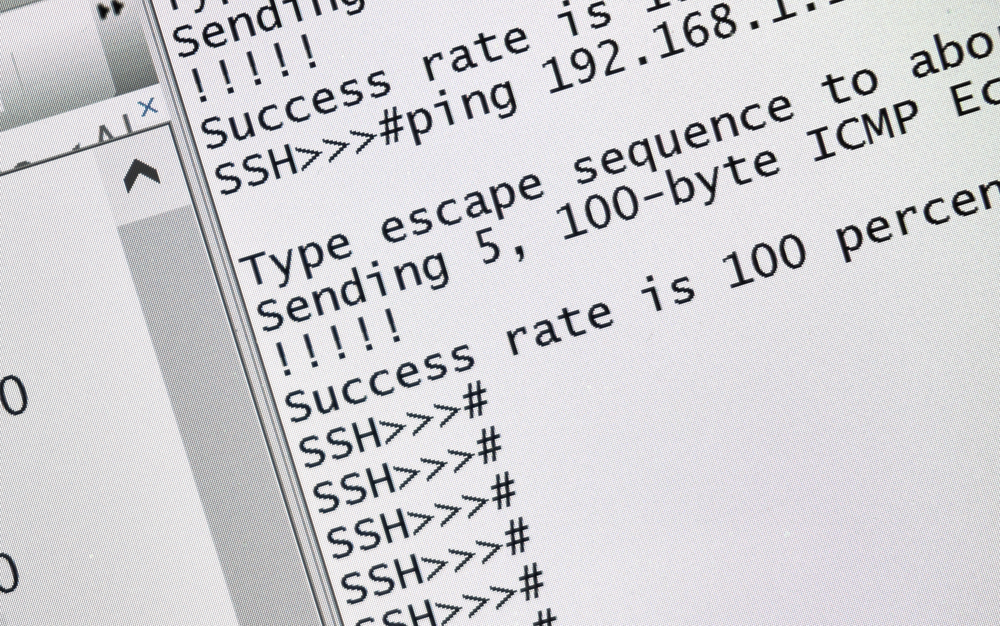
The black screen with white text was your portal to the computer’s true soul, where real power lived beneath the pretty graphical interfaces. Typing commands like ‘dir’ and ‘cd’ felt like speaking directly to the machine in its native tongue, bypassing all the user-friendly nonsense designed for regular people.
Even simple tasks became exercises in digital wizardry when performed through the command line instead of clicking colorful icons.
Sub7 Remote Access Tool
Sub7 turned your computer into a digital surveillance station, letting you control other machines across the internet like a puppet master pulling invisible strings. The software’s ominous interface and cryptic features made every session feel like conducting electronic espionage from your bedroom.
Whether you were helping friends troubleshoot problems or just messing around, the ability to control distant computers felt like wielding supernatural powers through telephone wires.
Winamp Visualizations

Winamp didn’t just play music — it transformed your computer screen into a hypnotic light show that seemed to respond to digital signals from another dimension. The swirling patterns and pulsing colors made your desktop feel like mission control for some cosmic operation.
Customizing visualizations and tweaking settings felt like programming your own personal matrix, where mathematics became art and sound became visual magic.
Password Cracking Tools
Programs like John the Ripper turned password protection into a puzzle to be solved rather than a barrier to be respected. The methodical process of dictionary attacks and brute force attempts felt like electronic lock picking, where patience and processing power could eventually open any digital door.
Even when used ethically to recover your own forgotten passwords, these tools made you feel like a digital archaeologist uncovering buried secrets.
Packet Sniffers
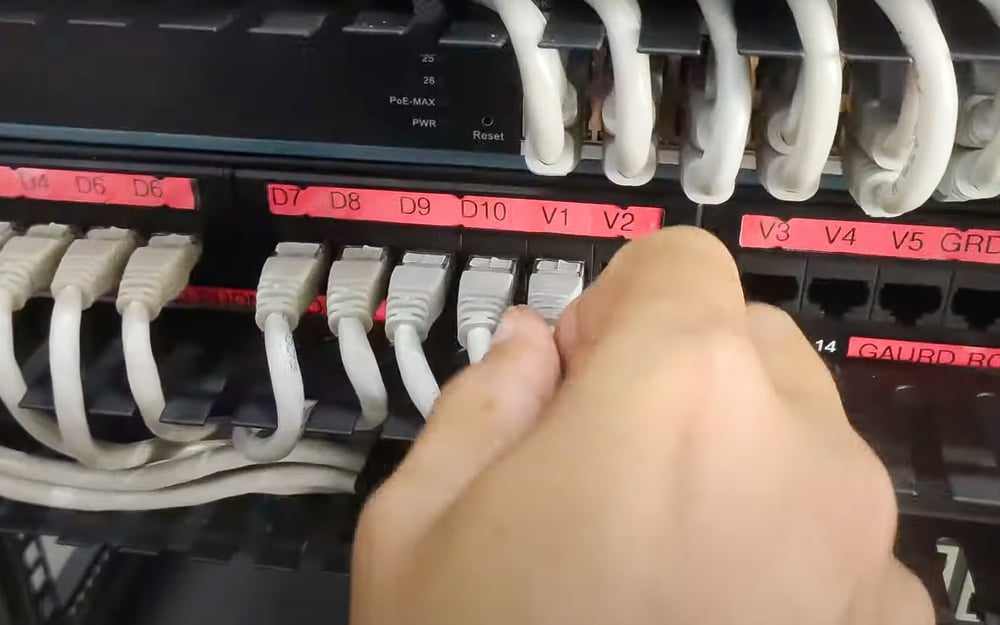
Network monitoring tools like Wireshark revealed the invisible data flowing through internet connections like digital bloodstreams. Watching packets of information stream across your screen felt like having X-ray vision for the internet, seeing the hidden infrastructure that made everything work.
The ability to intercept and analyze network traffic made you feel like an electronic detective investigating crimes that hadn’t even been committed yet.
Norton Utilities
Norton Utilities gave you the power to resurrect deleted files and repair corrupted data like a digital necromancer bringing the dead back to life. The suite’s mysterious tools with names like ‘Disk Doctor’ and ‘UnErase’ felt like magical spells that could undo digital disasters and recover lost treasures.
Every successful file recovery felt like performing electronic surgery, reaching deep into the computer’s memory to extract precious information from the digital afterlife.
HEX Editors
HEX editors revealed the raw binary code underlying every file and program, showing you the fundamental language that computers actually spoke. Modifying files at the hexadecimal level felt like performing digital genetic engineering, changing the very DNA of software and data.
The grid of numbers and letters looked like the green code from science fiction movies, making every edit feel like rewriting reality itself.
Port Scanners
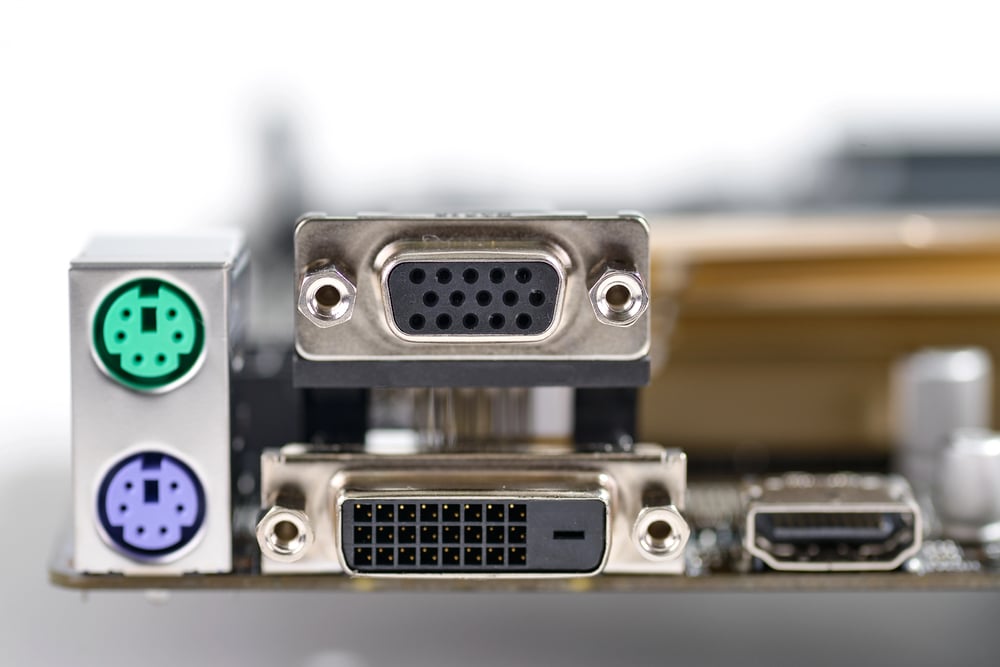
Port scanning tools turned network security into a reconnaissance mission, mapping the digital landscape of remote computers to find potential entry points. Each open port felt like discovering a secret tunnel into someone else’s digital fortress, revealing hidden services and potential vulnerabilities.
The systematic process of probing thousands of ports across hundreds of machines felt like conducting electronic surveillance on a massive scale.
FTP Clients
File Transfer Protocol clients opened direct connections to remote servers, bypassing the web browsers that regular users relied upon for internet access. The ability to browse directory structures on distant machines felt like exploring digital buildings room by room, uncovering hidden files and secret folders.
Command-line FTP sessions were particularly powerful, making file transfers feel like covert data exchanges between digital agents.
Telnet
Telnet provided raw terminal access to remote computers, stripping away all graphical interfaces to reveal the bare metal underneath. Logging into distant Unix machines through telnet felt like jacking directly into the global computer network, becoming one with the digital infrastructure itself.
The text-based interface and cryptic system prompts made every session feel like communicating with artificial intelligence through its native language.
CD-ROM Ripping Software
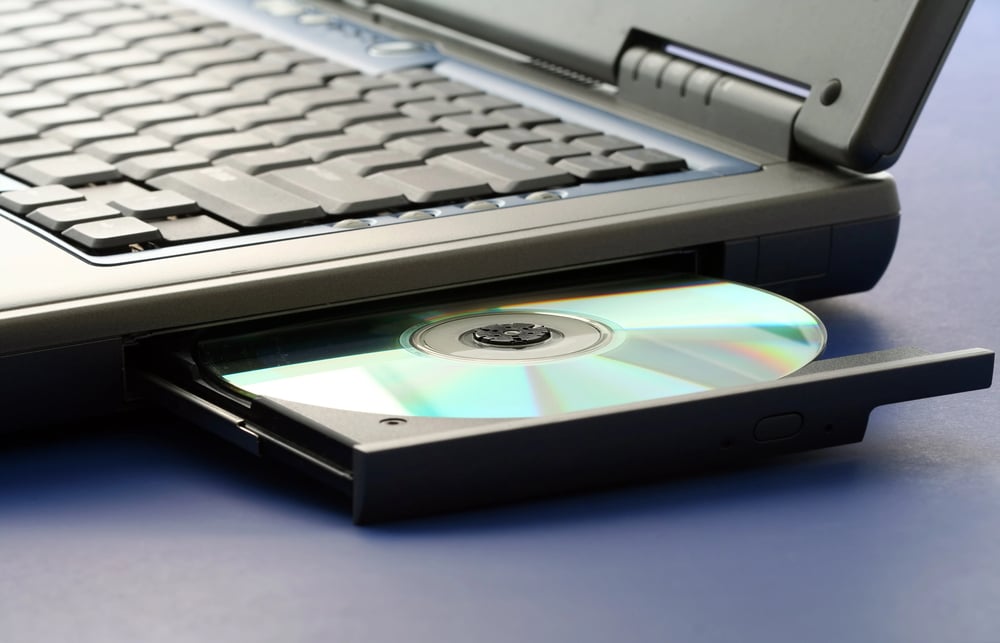
CD ripping programs transformed your computer into a digital media liberation device, freeing music from physical discs and converting it into pure data. The process of extracting audio tracks felt like digitally photocopying songs, creating perfect electronic duplicates that existed in the ethereal realm of hard drives and networks.
Watching the ripping progress bars felt like conducting electronic heists, stealing music from corporate media companies one track at a time.
Compression Utilities
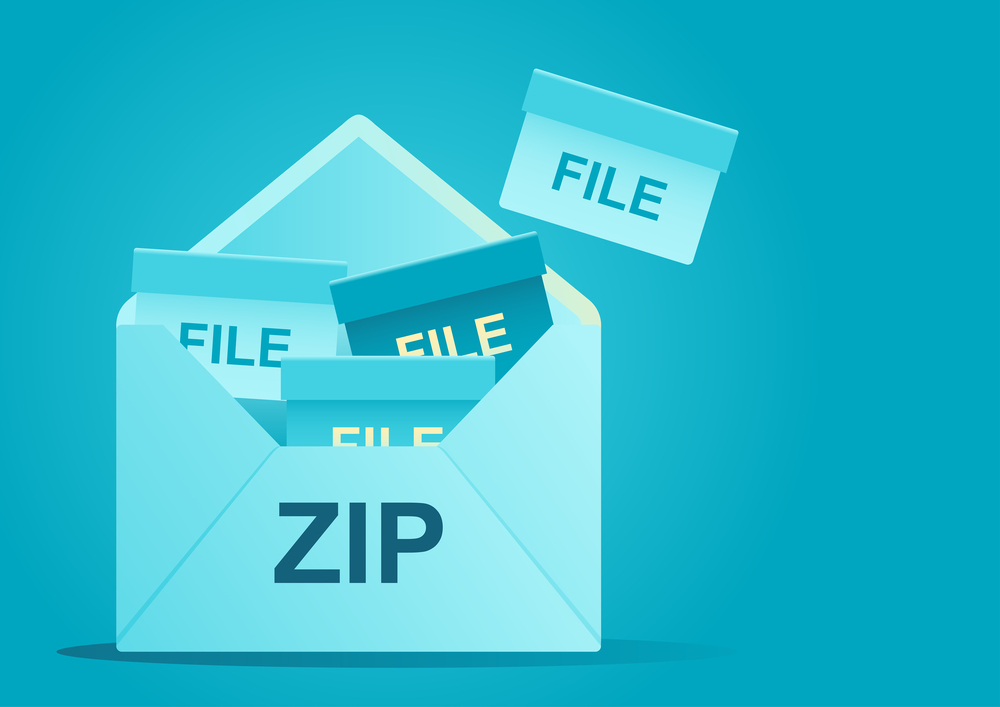
WinZip and similar compression tools turned file management into digital alchemy, transforming large files into compact archives through mathematical magic. The ability to compress gigabytes of data into manageable packages felt like mastering space-folding technology, bending the laws of physics to store more information in less space.
Password-protecting archives added another layer of mystery, creating digital safes that could hide secrets behind cryptographic locks.
Defragmentation Tools
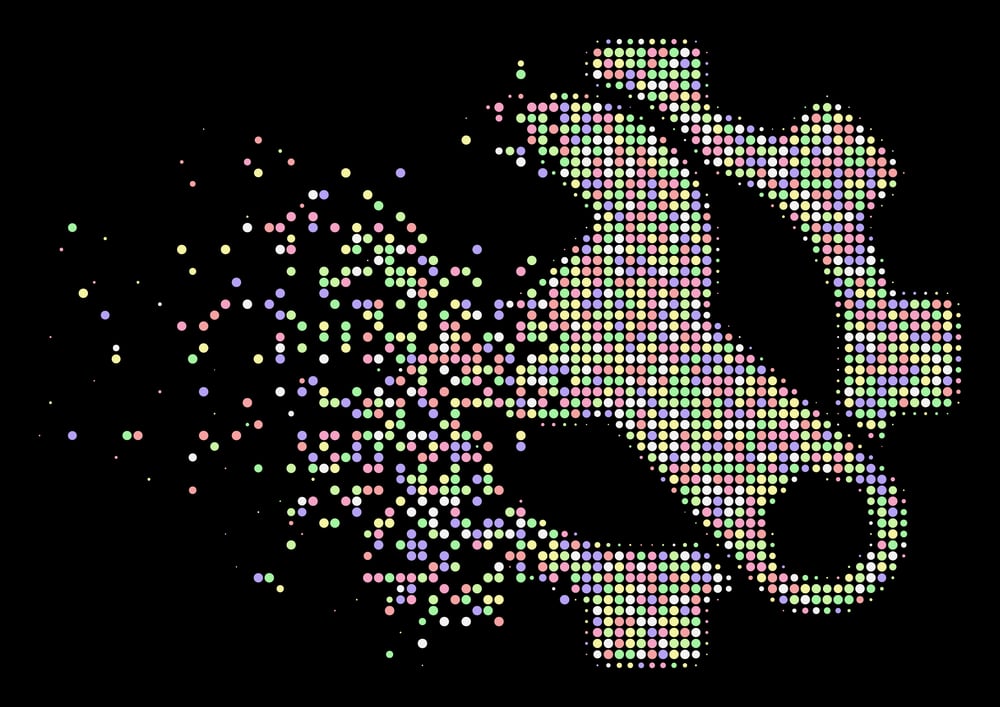
Disk defragmenters revealed the hidden chaos inside your hard drive, showing how files became scattered across the digital landscape like pieces of a jigsaw puzzle. The visual maps of file allocation looked like satellite imagery of digital cities, with fragmented files appearing as scattered neighborhoods in need of urban planning.
Watching the defragmentation process felt like performing electronic feng shui, bringing order to the chaotic realm of magnetic storage.
Digital Archaeology Lives On
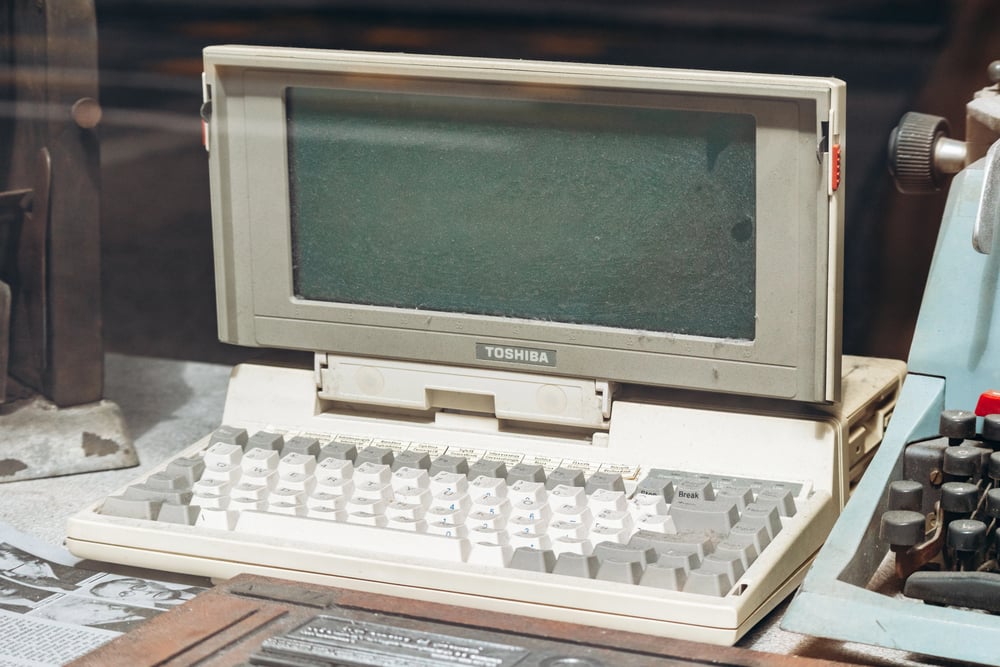
These tools didn’t just make computing more efficient — they pulled back the curtain on how technology really worked, revealing the hidden complexity that modern interfaces carefully conceal. Today’s smartphones and cloud services deliver more power than ’90s users could imagine, yet they’ve lost that sense of digital adventure that made every computer session feel like an expedition into uncharted territory.
The spirit of those early digital pioneers lives on in every programmer, security researcher, and tech enthusiast who still believes that understanding how things work is more important than simply knowing how to use them. While technology has become more user-friendly, it’s also become more mysterious, making the ’90s feel like the last decade when regular people could still peek behind the digital curtain and feel like wizards casting electronic spells.
More from Go2Tutors!

- The Romanov Crown Jewels and Their Tragic Fate
- 13 Historical Mysteries That Science Still Can’t Solve
- Famous Hoaxes That Fooled the World for Years
- 15 Child Stars with Tragic Adult Lives
- 16 Famous Jewelry Pieces in History
Like Go2Tutors’s content? Follow us on MSN.