Phrases Shakespeare Invented
Out of old timber stages, fresh phrases still grow. More than four centuries back, words meant for loud delivery in packed halls now sound normal in casual chat.
Though he never aimed to change common talk, Shakespeare reached deep into emotion and image, shaping lines that stuck around. His push for punchy scenes and clear feeling quietly reshaped conversation we barely notice today.
Peering behind everyday talk reveals bits of Shakespeare – lines he made up or boosted now woven into common speech without us noticing. These expressions tiptoed out of plays and settled into chats we have every day.
Break the ice

‘Break the ice’ first appeared in The Taming of the Shrew. In Shakespeare’s time, the phrase evoked the literal act of breaking frozen waterways to allow ships to pass.
He used it metaphorically to describe easing social tension and opening conversation. That image has endured because it is easy to picture and instantly relatable.
Even now, the phrase captures the small effort needed to move past awkwardness and allow things to flow more naturally.
Wild-goose chase

Shakespeare introduced ‘wild-goose chase’ in Romeo and Juliet. The phrase described a kind of erratic horse race where riders followed unpredictable paths, much like a goose in flight.
Over time, it came to mean a futile or pointless pursuit. The phrase stuck because it neatly captures wasted energy and misplaced effort.
Its playful imagery softens the frustration it describes, making it easier to laugh at failed pursuits.
Heart of gold

In Henry V, Shakespeare used ‘heart of gold’ to describe a person of genuine kindness and moral worth. Gold, already a symbol of value and purity, made the metaphor immediately effective.
The phrase remains popular because it is both warm and concise. It offers praise without exaggeration, suggesting goodness that is steady rather than showy.
Few expressions capture sincere character so cleanly.
In a pickle

The phrase ‘in a pickle’ appears in The Tempest, describing a state of confusion or trouble. Pickling was associated with being preserved or stuck in brine, an uncomfortable image even without explanation.
Shakespeare’s use gave the phrase emotional weight rather than literal meaning. Today, it remains a lighthearted way to describe difficulty, often softening situations that might otherwise feel stressful or overwhelming.
Green-eyed monster

Shakespeare coined ‘green-eyed monster’ in Othello as a vivid description of jealousy. At the time, green was associated with sickness and imbalance, making the metaphor especially striking.
The phrase suggests something consuming and irrational, feeding on the person it inhabits. Its continued use shows how effectively Shakespeare captured the destructive nature of envy in a single, unforgettable image.
The world is your oyster

This phrase comes from The Merry Wives of Windsor. Shakespeare used it to suggest that opportunity is open to those willing to work for it.
Oysters, which must be opened to reveal their value, made a fitting metaphor. The phrase endures because it balances optimism with effort.
It does not promise ease, only possibility, which keeps it grounded rather than grandiose.
All that glitters is not gold

Although variations of the idea existed earlier, Shakespeare’s phrasing in The Merchant of Venice fixed it firmly in the language. The line warns against judging value by appearance alone.
Its rhythm and contrast make it memorable, while its message remains perennially relevant. In a world shaped by surfaces and impressions, the phrase still feels timely and instructive.
Wear your heart on your sleeve
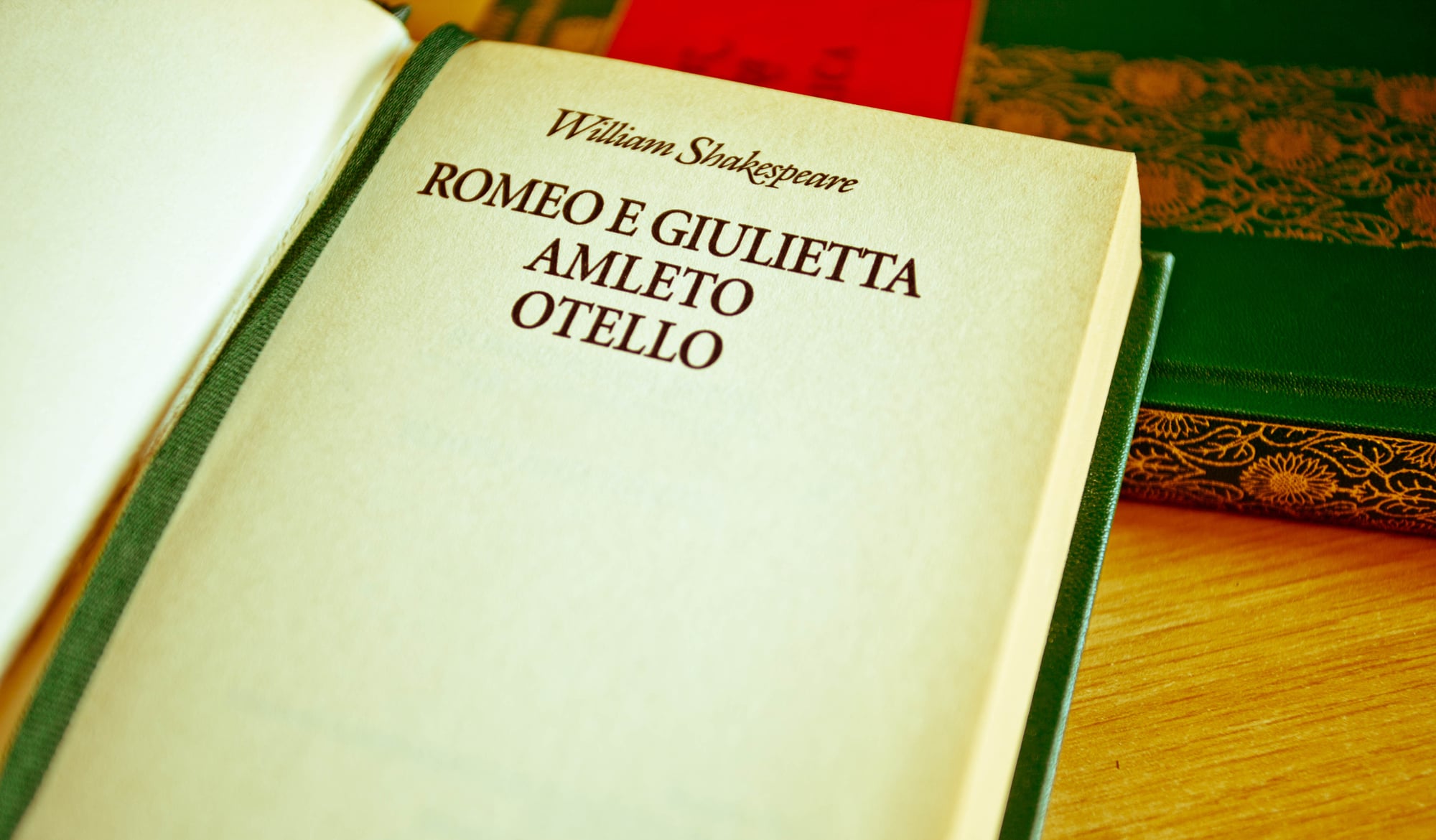
Shakespeare introduced this expression in Othello. It describes someone who openly shows their emotions, without concealment or restraint.
The image suggests vulnerability, as if feelings are exposed rather than protected. Over time, the phrase has taken on both positive and negative connotations.
It can signal honesty and openness, or emotional risk, depending on context.
Dead as a doornail

In Henry VI, Part 2, Shakespeare helped popularise ‘dead as a doornail’. The phrase existed in some form already, but his usage cemented it in common speech.
Its bluntness gives it staying power. There is no ambiguity in the expression, which makes it effective for emphasis.
Even now, it conveys finality with a touch of dark humor.
Foul play

‘Foul play’ appears in Hamlet, used to suggest wrongdoing beneath the surface. Shakespeare’s phrasing gave the term a moral weight that extended beyond physical misconduct.
Today, it is widely used in sports, investigations, and everyday conversation. The phrase works because it is flexible, capable of implying suspicion without accusation, hinting at injustice without spelling it out.
Into thin air

Shakespeare used ‘into thin air’ in The Tempest to describe something that vanishes completely. The phrase carries a sense of mystery and sudden absence.
Its simplicity is part of its appeal. Nothing complicated is required to understand it, yet it captures a strangely unsettling experience.
That clarity has kept it alive in modern speech.
Love is blind
This phrase appears in The Merchant of Venice. Shakespeare framed love as something that ignores flaws and reason alike.
The expression resonated because it reflected a familiar human experience. Even centuries later, it remains a gentle explanation for irrational attachment.
The phrase endures because it acknowledges emotional truth without judgment.
Fair play

Shakespeare helped popularise ‘fair play’ as a concept tied to honesty and balance. Appearing in The Tempest, it reflected ideas of justice and equitable treatment.
Over time, the phrase became central to sportsmanship and social conduct. Its appeal lies in its simplicity.
Two short words express a widely shared value, making it easy to adopt across contexts.
Foregone conclusion

In Othello, Shakespeare used ‘foregone conclusion’ to describe an outcome decided in advance. The phrase carries a sense of inevitability that feels both resigned and knowing.
It has remained useful because it captures certainty without drama. When something is a foregone conclusion, discussion becomes unnecessary, and that clarity still resonates in modern conversation.
Why Shakespeare’s language still lingers

Shakespeare wrote for immediacy, not immortality, yet his phrases continue to shape everyday speech. His language worked because it was concrete, visual, and emotionally precise, qualities that remain effective regardless of era.
Over time, the theatrical origins faded, but the expressions endured. They survived because they solved a problem language always faces, finding the right words for familiar feelings.
In that quiet persistence, Shakespeare’s influence remains woven into how people speak without a second thought.
More from Go2Tutors!

- The Romanov Crown Jewels and Their Tragic Fate
- 13 Historical Mysteries That Science Still Can’t Solve
- Famous Hoaxes That Fooled the World for Years
- 15 Child Stars with Tragic Adult Lives
- 16 Famous Jewelry Pieces in History
Like Go2Tutors’s content? Follow us on MSN.



