Photos of the Most Expensive Dinnerware
There’s something almost absurd about eating off plates that cost more than most people’s monthly rent. And yet, the world of luxury dinnerware exists in a realm where artistry meets function, where centuries-old craftsmanship commands prices that would make your grandmother clutch her everyday china a little tighter.
These aren’t just dishes — they’re investments, heirlooms, and sometimes, pure works of art that happen to be food-safe. The most expensive dinnerware collections don’t just serve meals; they transform dining into theater.
Each piece carries stories of royal patronage, master artisans, and materials so rare that acquiring them becomes an adventure in itself. From porcelain so fine it’s nearly translucent to gold leaf applied by hand in patterns that took generations to perfect, these collections represent the absolute pinnacle of what’s possible when money becomes no object.
Noritake’s “Crestwood Cobalt Platinum”
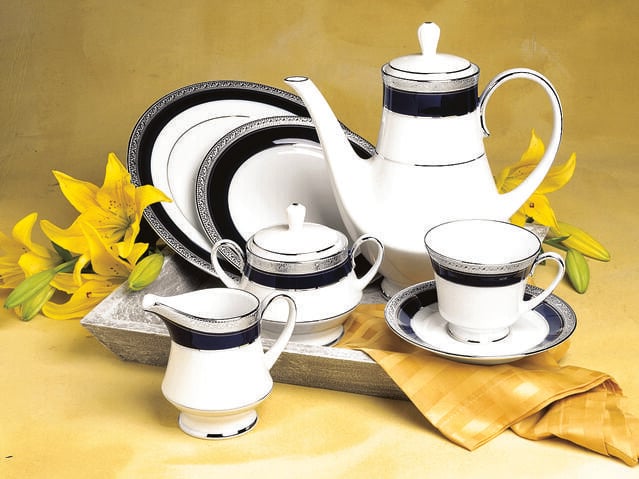
This isn’t dinnerware. It’s a commitment.
Each place setting runs about $800, which means a full twelve-person set will cost you more than a decent used car. The cobalt blue feels almost electric against bone china so white it seems to glow.
Platinum banding edges every piece with surgical precision.
Royal Copenhagen’s “Flora Danica”

Picture this: you’re eating breakfast off a plate decorated with hand-painted Danish wildflowers so detailed that botanists use these pieces for reference (and yes, that’s actually happened, though Royal Copenhagen politely suggests this isn’t their primary market). Each flower is painted by an artist who has spent years learning nothing but Flora Danica techniques — it’s like having a master’s thesis in watercolor wildflowers balanced on your dining room table.
The irony here: the more you use these plates, the more valuable they become to collectors who appreciate the gentle wear patterns that only come from actual meals. So you’re faced with the peculiar luxury problem of whether to eat your investment or preserve it.
The waiting list stretches two years because — and this is where the whole thing becomes almost comically specialized — only three artists in the world are certified to paint the full Flora Danica collection. Three. Total.
Wedgwood’s “Black Jasper with Gold”
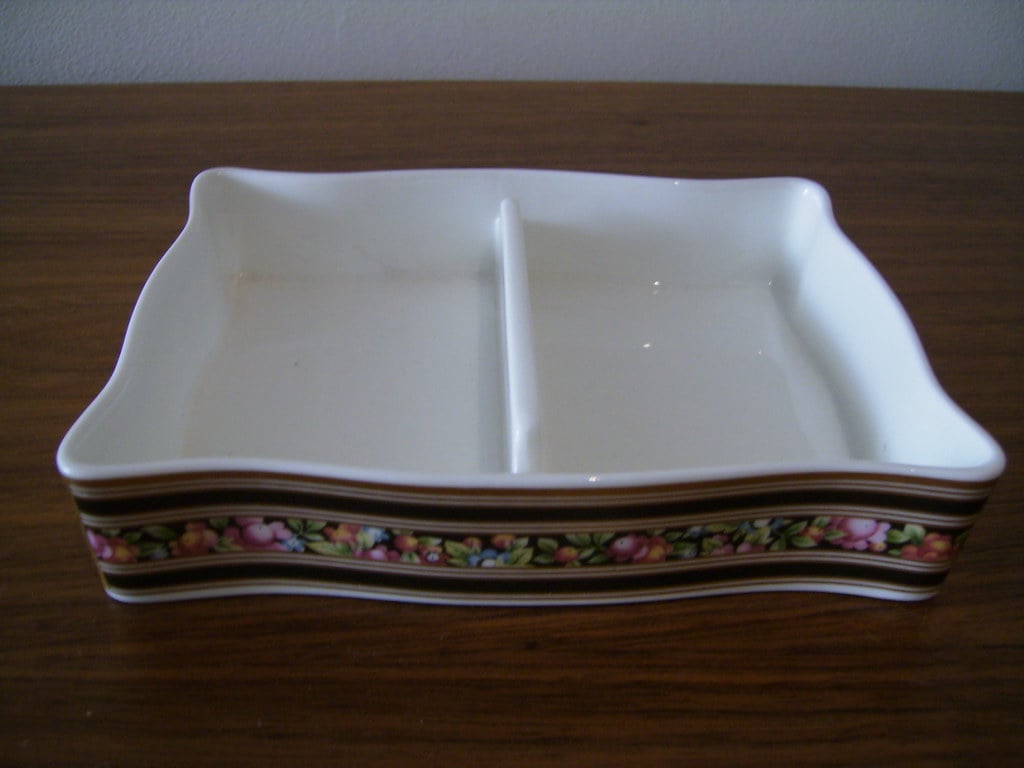
Black Jasperware demands respect. The matte black surface makes every piece of food look like it was plated by a chef with gallery-level ambitions.
Each piece takes weeks to complete. The gold detailing gets applied by hand using techniques that haven’t changed since 1775.
Christofle’s “Malmaison”
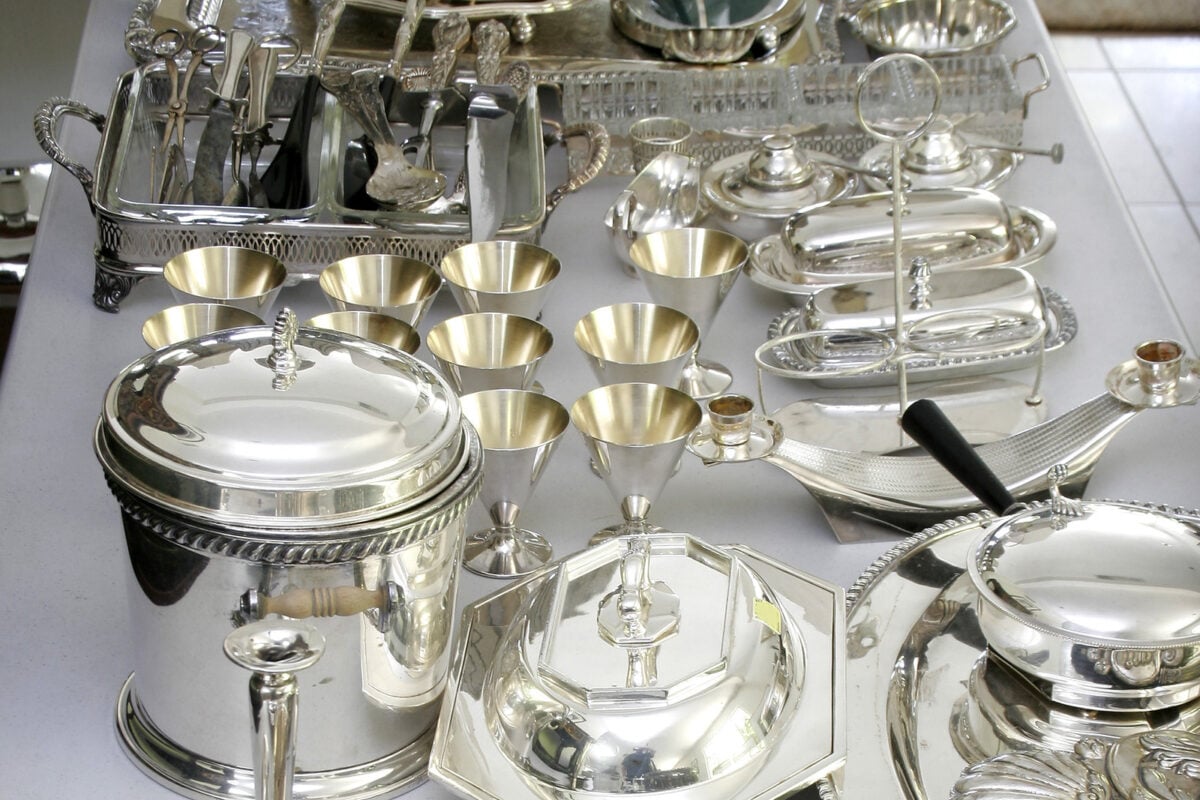
This collection carries Napoleon’s approval, which sounds impressive until you remember that Napoleon had opinions about everything and most of them aged poorly (the dinnerware, however, has held up considerably better than his political legacy). The silver pieces feel substantial in your hands — not just heavy, but dense with the kind of weight that suggests they could survive whatever your family dinners typically throw at them.
What makes Malmaison particularly striking is how the silver develops a patina over time; unlike modern stainless steel that stays stubbornly consistent, these pieces become more beautiful as they accumulate the microscopic evidence of meals shared and conversations held. And yet there’s something almost rebellious about using silverware that requires actual care and attention, something that corrects our assumption that everything valuable should also be maintenance-free.
The engravings depict Egyptian motifs because apparently Napoleon’s brief Egyptian campaign needed to be commemorated in cutlery form. History has a way of showing up in the strangest places.
Bernardaud’s “Ecume Platine”

Here’s what luxury looks like when it stops trying to prove itself: pure white porcelain with platinum edges so thin they seem drawn with a single brushstroke. The collection name translates to “foam,” and once you see it, the metaphor sticks — each piece has the weightless quality of sea foam frozen mid-wave.
The foam texture isn’t painted on. It’s built into the porcelain itself during firing, which means every plate is slightly different. Bernardaud calls this “controlled randomness,” which is either artistic genius or marketing speak for “we can’t make them exactly identical.”
Herend’s “Queen Victoria”
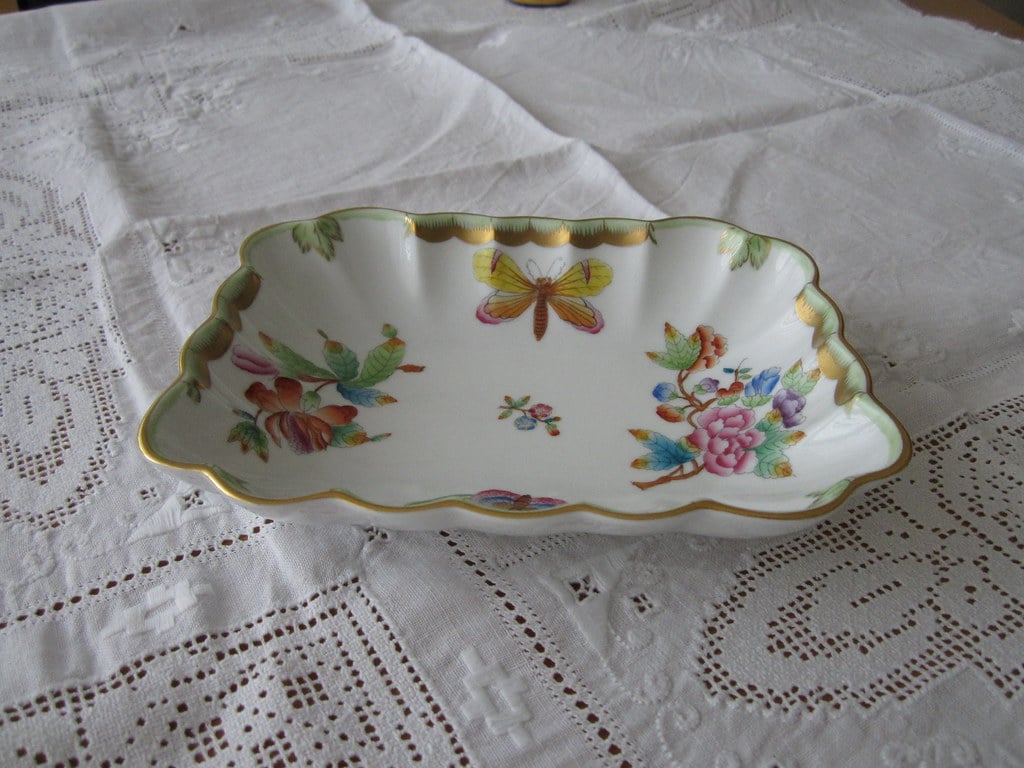
Hungarian porcelain with an attitude problem — and at $400 per dinner plate, it has earned the right to be difficult. The butterfly and floral patterns look delicate until you realize each piece is hand-painted by artisans who train for seven years before touching anything in the Queen Victoria line.
The butterflies aren’t random decorations. Each one is painted to scientific accuracy, which means your soup bowl might feature a Papilio machaon in its full lepidopterist glory.
Spode’s “Stafford Flowers”
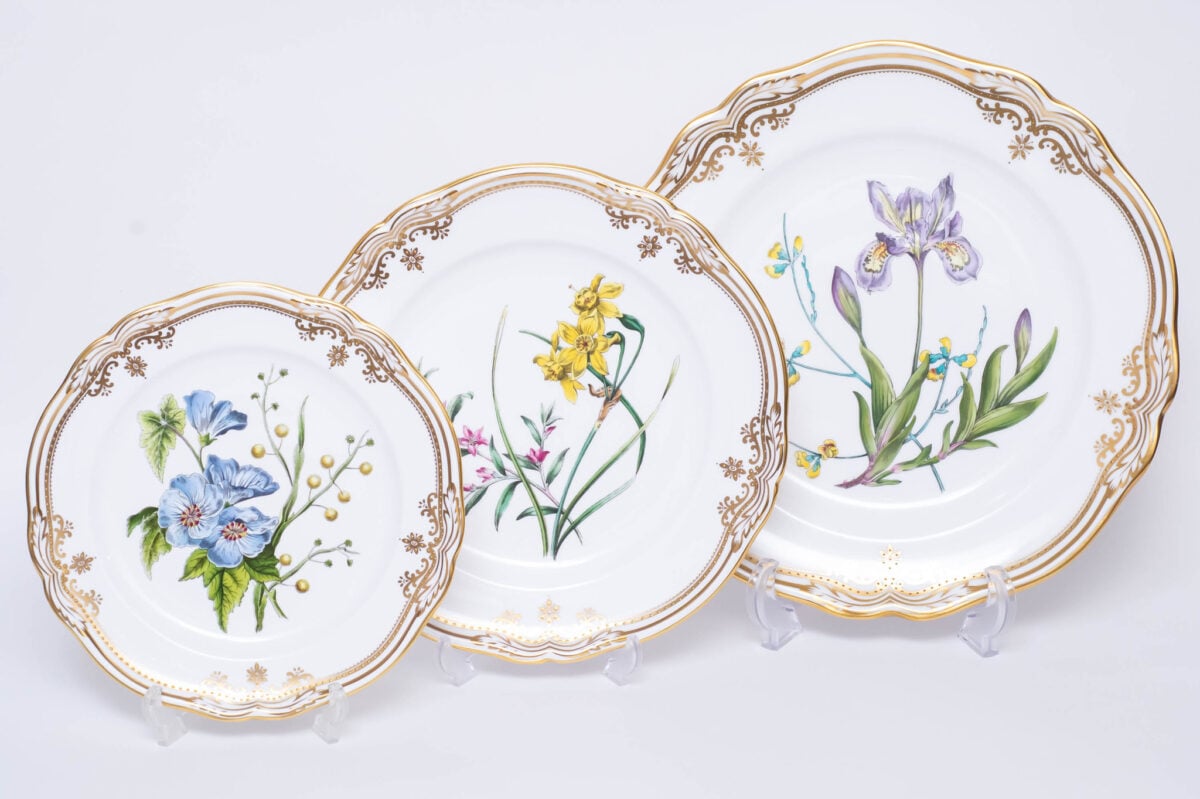
There’s something quietly stubborn about English bone china — it refuses to break easily, refuses to chip without a fight, and refuses to look anything less than perfectly composed even when you’re eating cereal from a $200 bowl (which, let’s be honest, is exactly what happens to most fine china eventually). Stafford Flowers takes this English sensibility and decorates it with hand-painted botanical illustrations so precise they belong in a Victorian naturalist’s field journal.
The flowers seem to grow across each plate’s surface, not merely painted on but somehow emerging from the porcelain itself, as if the clay remembered being earth and decided to bloom one last time. Each brushstroke carries the weight of tradition — these are the same patterns, painted with the same techniques, that graced tables when the British Empire still colored half the world’s maps pink.
The irony isn’t lost on anyone: the most practical dinnerware ever made costs enough to fund a small vacation. But that’s English luxury for you — utterly reasonable and completely ridiculous at exactly the same time.
Lalique’s “Ispahan”

Crystal dinnerware is the ultimate contradiction. Beautiful enough to display, fragile enough to worry about, expensive enough to question your life choices every time you load the dishwasher.
Each piece is hand-blown and etched with rose patterns that catch light like cut diamonds. The crystal rings when you tap it — a sound that either delights dinner guests or makes them nervous about handling it.
Lenox’s “Eternal”
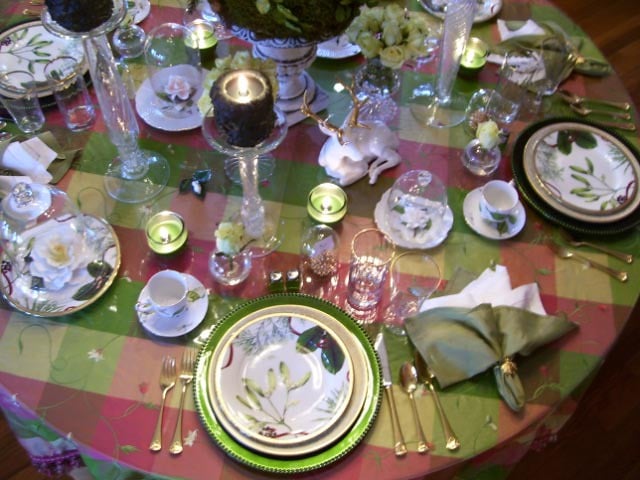
Sometimes the most expensive thing about dinnerware isn’t the price tag — it’s the weight of expectation that comes with owning something called “Eternal.” This is bone china that knows it’s destined for special occasions, for the kind of meals where everyone sits up straighter and uses their inside voices.
The gold trim catches dining room light and throws it back with interest, creating the subtle theater that transforms Tuesday night dinner into something worth remembering. What’s particularly American about Eternal is how it manages to feel both formal and approachable; it’s the dinnerware equivalent of a tuxedo you could actually imagine wearing to enjoy yourself.
The plates seem designed for people who want luxury but aren’t quite ready to eat off museum pieces every night. And yet here’s the thing that nobody mentions in the Lenox catalog: Eternal looks better with actual food on it.
Empty, it’s just very nice china. But load it with a home-cooked meal, and suddenly the whole collection makes sense. The gold edge work requires three separate firings.
Three. For a line that’s supposed to be slightly more accessible than the ultra-luxury European brands.
Baccarat’s “Harcourt”

Cut crystal plates that cost $300 each and weigh enough to double as home security devices. Harcourt crystal has been breaking hearts and bank accounts since 1841.
The geometric cuts create prisms that scatter light across your dining room like a very expensive disco ball. Every meal becomes a light show.
Richard Ginori’s “Antico Doccia”
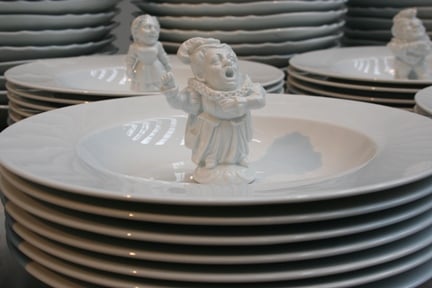
Italian porcelain carries itself differently — there’s a theatrical quality to the way these pieces catch light, as if they’re perpetually auditioning for a role in a Renaissance painting. Antico Doccia patterns date back to 1735, making them older than the United States and considerably more refined.
The hand-painted scenes depict everything from mythological figures to botanical studies, all rendered with the kind of meticulous attention that suggests the artists had nothing but time and an inexhaustible supply of the world’s finest brushes. Each dinner plate tells a story, which means your table setting becomes a narrative experience where the appetizer course might feature Venus rising from the sea while the main course showcases a detailed study of Tuscan wildflowers.
The gold leaf application alone requires artists who have trained specifically in Richard Ginori techniques. You can’t just hire any gold-leafing expert; apparently, there’s a difference between regular luxury and Italian luxury.
So these pieces age like fine wine. The older sets, properly cared for, become more valuable than new ones.
Time actually improves your investment.
Meissen’s “Blue Onion”
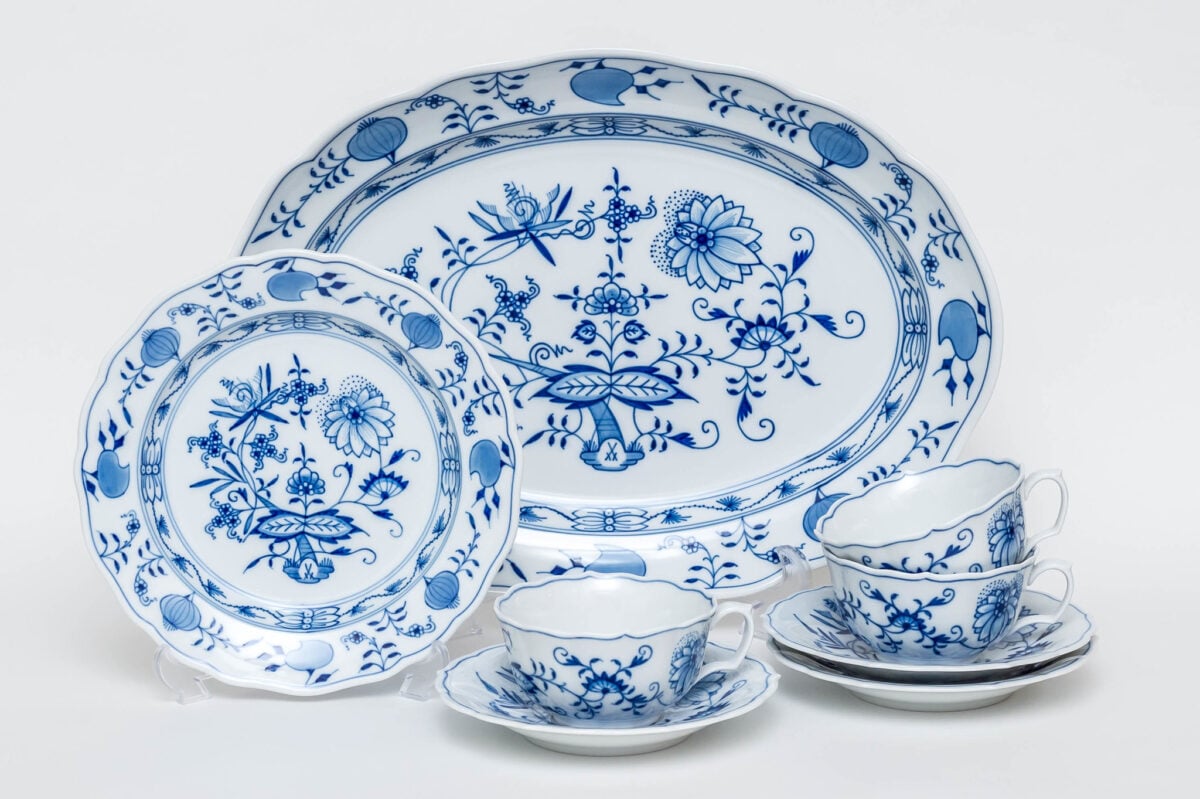
German precision meets onion patterns that aren’t actually onions — they’re stylized Chinese fruits and flowers that someone in the 18th century mistook for onions, and the name stuck because apparently correcting centuries-old mistakes isn’t worth the paperwork.
Each piece requires fourteen separate hand-painting steps. Fourteen.
The blue comes from cobalt that’s been refined to pharmaceutical standards.
Vista Alegre’s “Atlantis”

Portuguese crystal that looks like it was carved from frozen ocean waves. The optical effects created by the cut patterns make water glasses that cost $150 each feel almost reasonable.
The lead content is so high that these pieces ring like church bells when tapped. They’re also heavy enough to require architectural consideration for your cabinet shelves.
When luxury becomes everyday
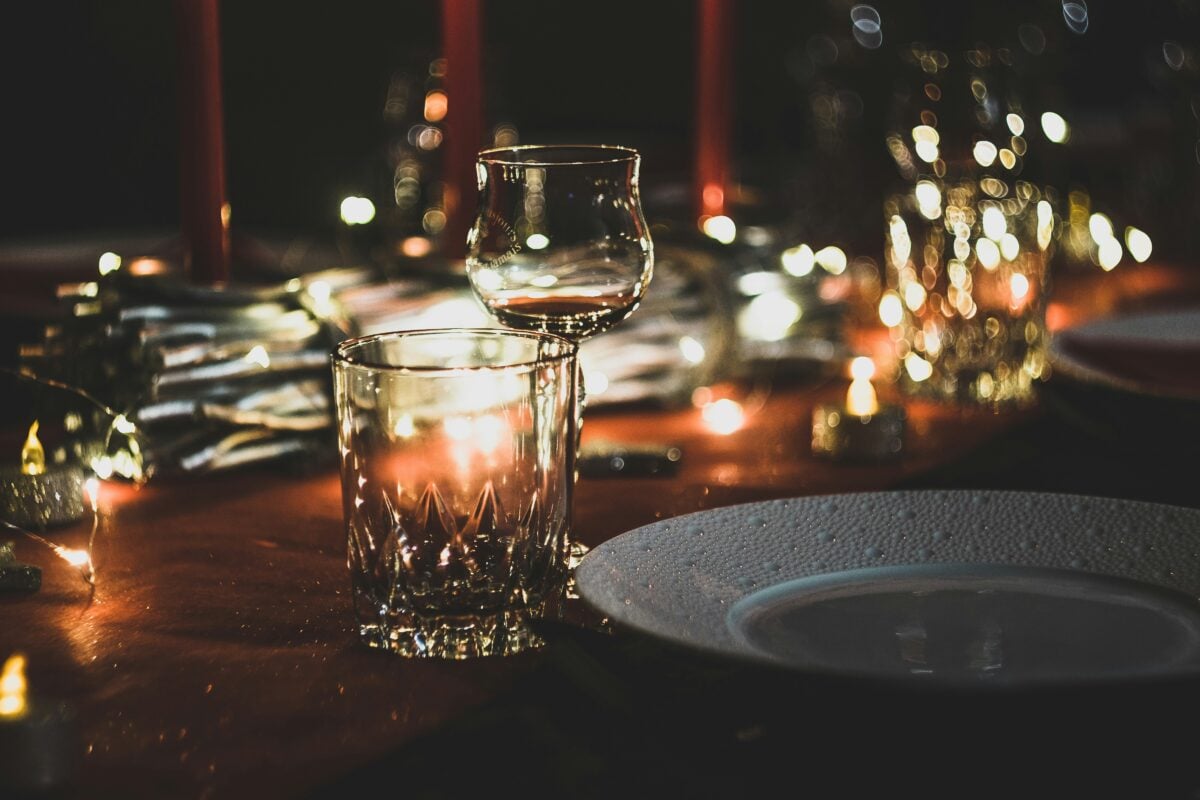
The strangest thing about owning the world’s most expensive dinnerware isn’t the price — it’s the moment when $800 plates become your normal Tuesday night dishes. These collections were designed for special occasions, but they end up defining what special means.
Eventually, even the most precious porcelain becomes familiar, and that familiarity transforms both the dinnerware and the meals served on it into something more valuable than money can measure.
More from Go2Tutors!

- The Romanov Crown Jewels and Their Tragic Fate
- 13 Historical Mysteries That Science Still Can’t Solve
- Famous Hoaxes That Fooled the World for Years
- 15 Child Stars with Tragic Adult Lives
- 16 Famous Jewelry Pieces in History
Like Go2Tutors’s content? Follow us on MSN.



