17 Unusual School Lunch Items Around the Planet
School lunch menus reveal fascinating glimpses into different cultures and local food traditions. While American students might grumble about mystery meat and soggy vegetables, kids around the world encounter meals that would seem exotic or surprising to outsiders. These diverse offerings reflect regional ingredients, cultural values, and what each society considers proper nutrition for growing minds.
From fermented fish to insect protein, school cafeterias worldwide serve dishes that tell stories about geography, history, and local customs. Here is a list of 17 unusual school lunch items that showcase the incredible variety of what students eat during their midday break.
Fermented Shark
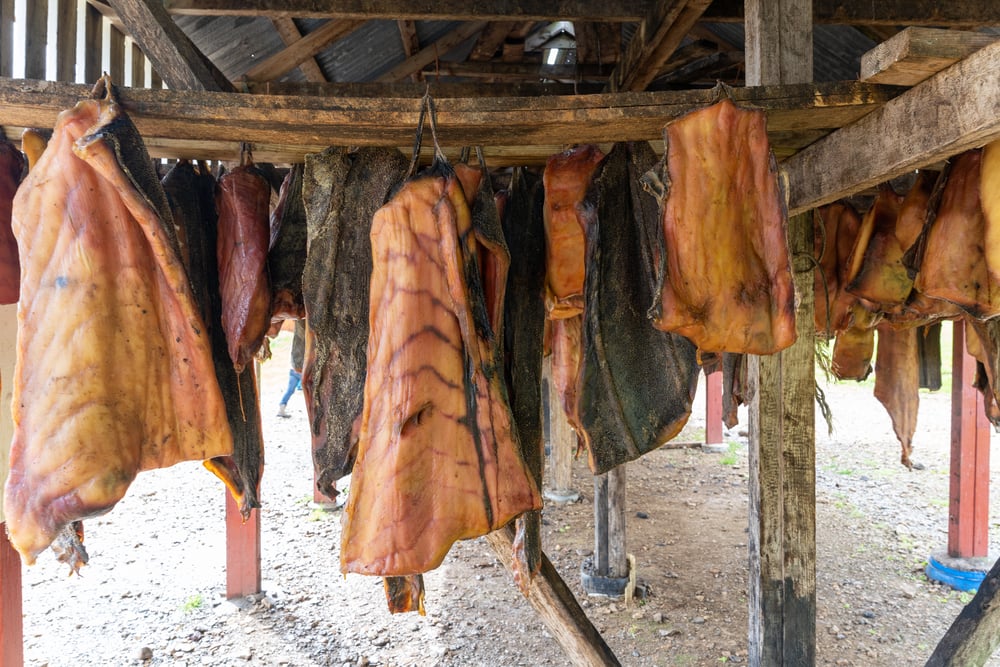
Icelandic students occasionally encounter hákarl, a traditional fermented shark dish that’s been buried underground for months. The fermentation process removes toxins from the Greenland shark meat, though it develops an intense ammonia-like smell and taste.
This ancient preservation method reflects Iceland’s harsh climate and limited food sources, teaching kids about their ancestors’ survival techniques through their lunch trays.
Cricket Flour Cookies

Schools in parts of Mexico and Thailand serve cookies and snacks made with cricket flour as a sustainable protein source. The ground insects provide more protein per gram than beef while requiring significantly fewer resources to produce.
Students often don’t realize they’re eating bugs until someone tells them, since the cricket flour blends seamlessly into familiar baked goods.
Fermented Soybean Soup
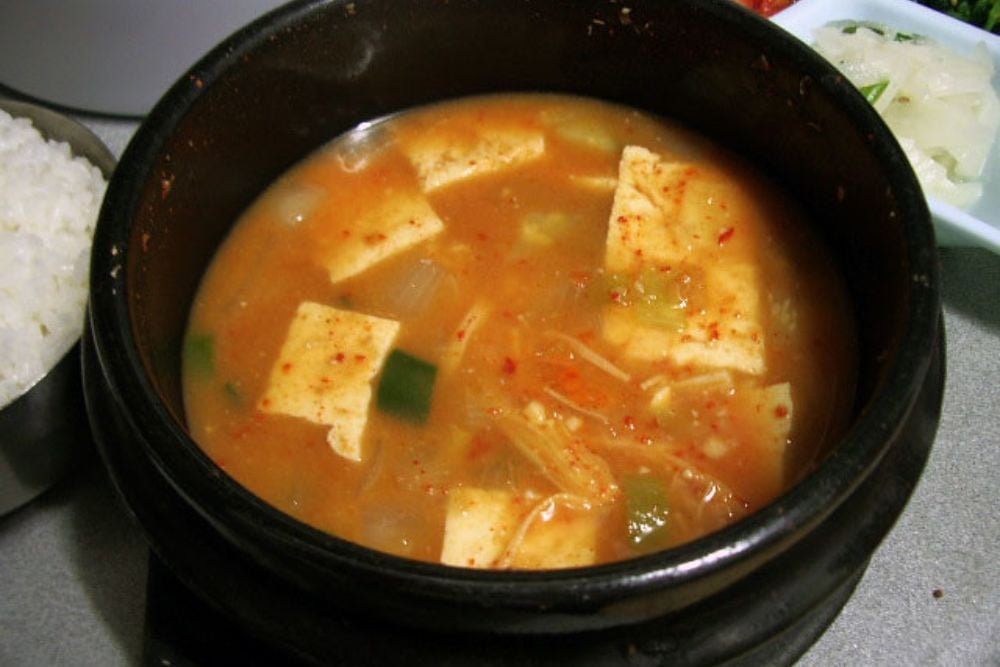
Japanese school lunches frequently include miso soup made from fermented soybeans, which can taste quite strong to uninitiated palates. The fermentation creates complex umami flavors that many Western visitors find overwhelming at first.
This daily staple provides probiotics and represents centuries of Japanese food culture, showing how fermentation transforms simple ingredients into nutritional powerhouses.
Raw Horse Meat
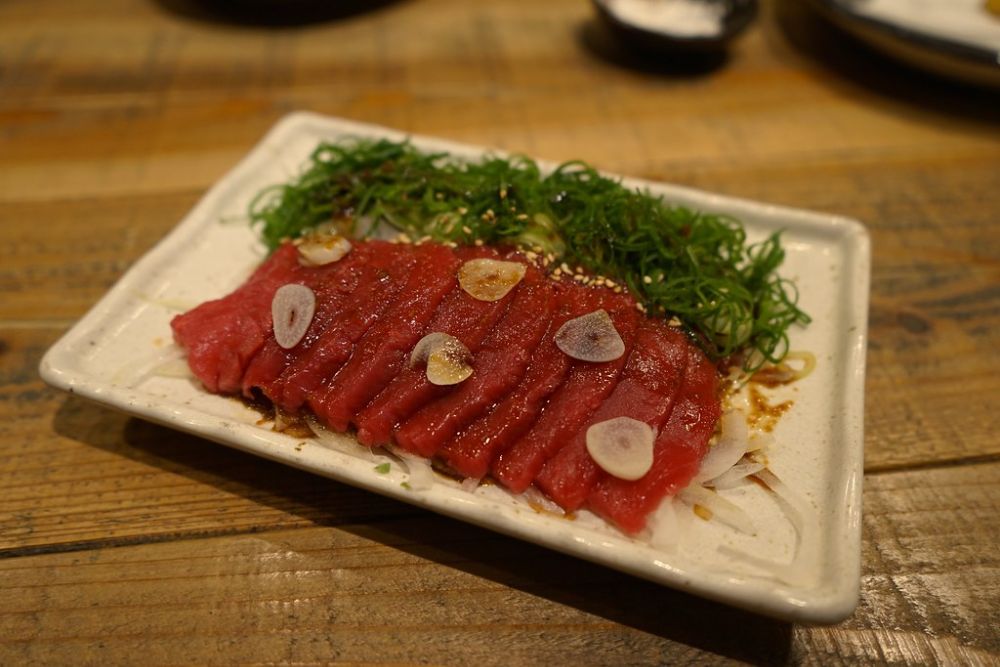
Some schools in Kazakhstan serve shuzhuk, a traditional sausage made from raw horse meat that’s been cured and dried. The meat is considered a delicacy and provides high protein content suited to the region’s nomadic heritage.
While the idea might shock outsiders, horse meat remains an important cultural food that connects students to their ancestral traditions.
Fermented Fish Paste

Schools throughout Southeast Asia, particularly in Cambodia and Vietnam, serve dishes featuring prahok or similar fermented fish pastes. These intensely flavored condiments smell quite pungent but add crucial protein and minerals to rice-based meals.
The fermentation process preserves fish in tropical climates without refrigeration, making it a practical and nutritious addition to school menus.
Cow Tongue Tacos
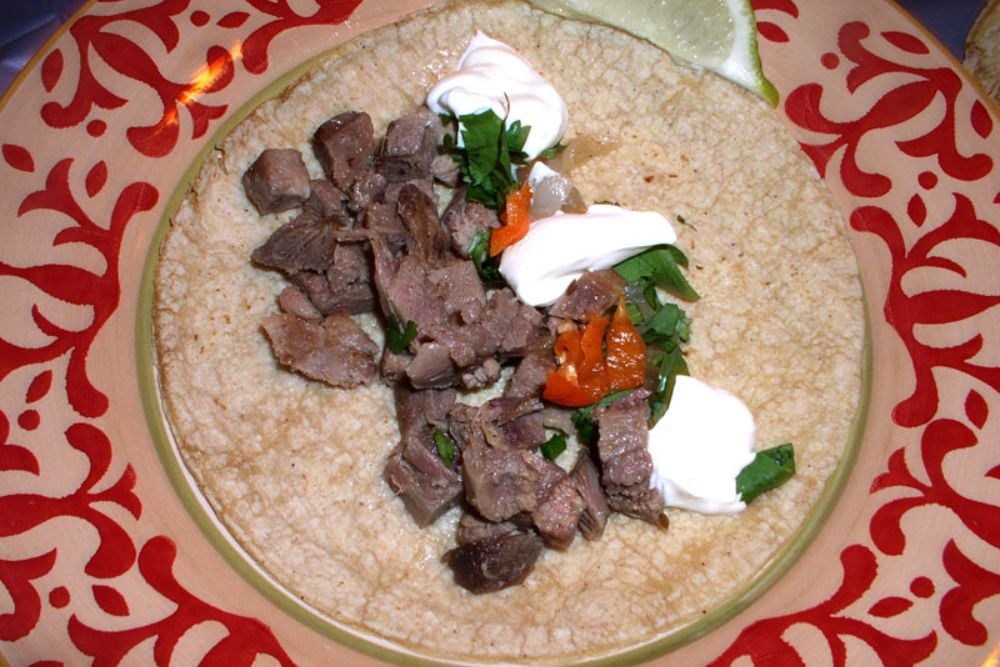
Mexican schools sometimes feature lengua tacos made from tender braised cow tongue served in soft tortillas. The meat becomes incredibly soft when cooked properly and provides high levels of protein and B vitamins.
Many students grow up eating organ meats at home, so tongue doesn’t seem unusual—though visiting students from other countries often react with surprise.
Blood Sausage
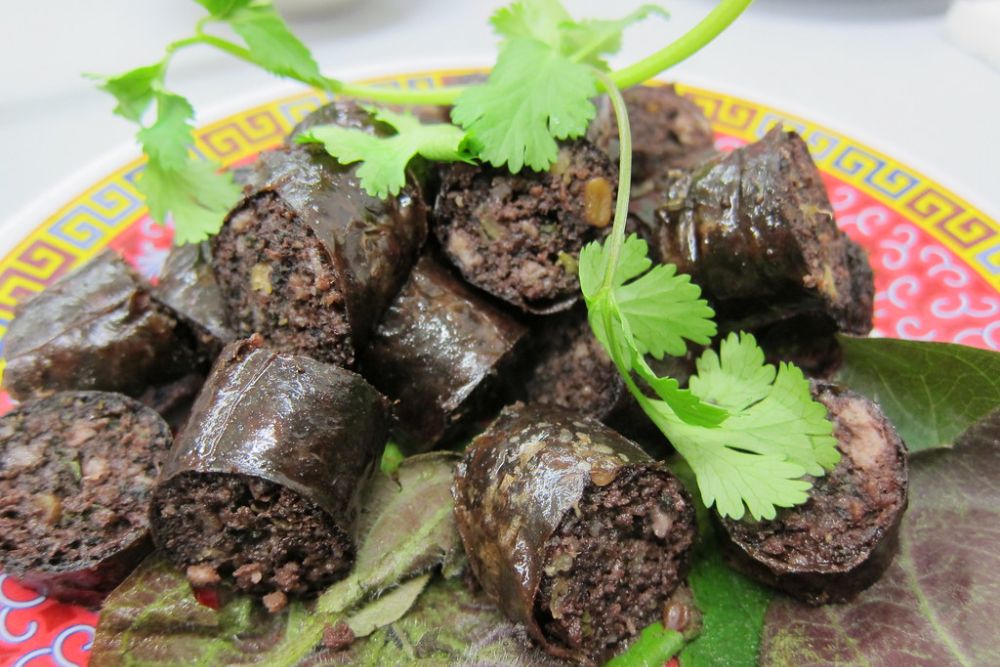
Schools in parts of Europe, particularly Scotland and Ireland, serve blood pudding or black pudding made from pig’s blood mixed with fat and fillers. The protein-rich sausage has sustained working-class communities for generations and remains a breakfast staple.
Students typically eat it alongside eggs or potatoes, treating it as naturally as American kids might eat regular sausage links.
Ant Larvae Soup
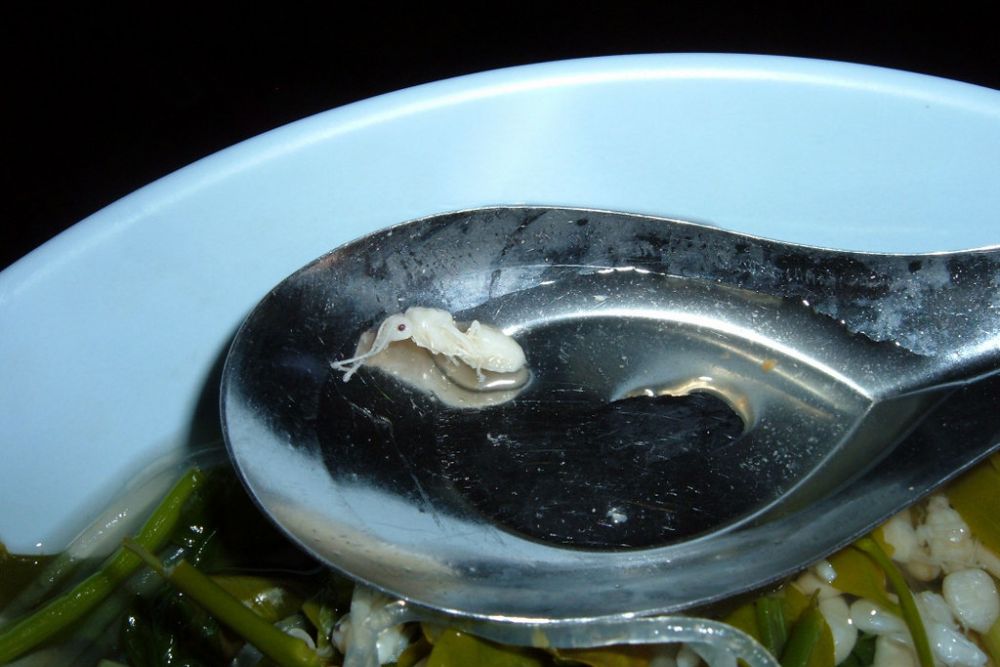
Some schools in rural Thailand prepare soup using ant larvae, which locals consider a seasonal delicacy rich in protein. The larvae have a slightly nutty flavor and provide essential amino acids for growing children.
Harvesting ant larvae requires skill and timing, making these soups a connection to traditional food gathering practices that urban students might otherwise never experience.
Fermented Cabbage Stew

Eastern European schools, particularly in countries like Poland and Ukraine, serve bigos—a hearty stew made with fermented sauerkraut, various meats, and vegetables. The fermented cabbage provides vitamin C and probiotics while creating a tangy base for the warming dish.
This traditional hunter’s stew represents peasant cooking that transformed simple ingredients into satisfying, nutritious meals during harsh winters.
Jellyfish Salad
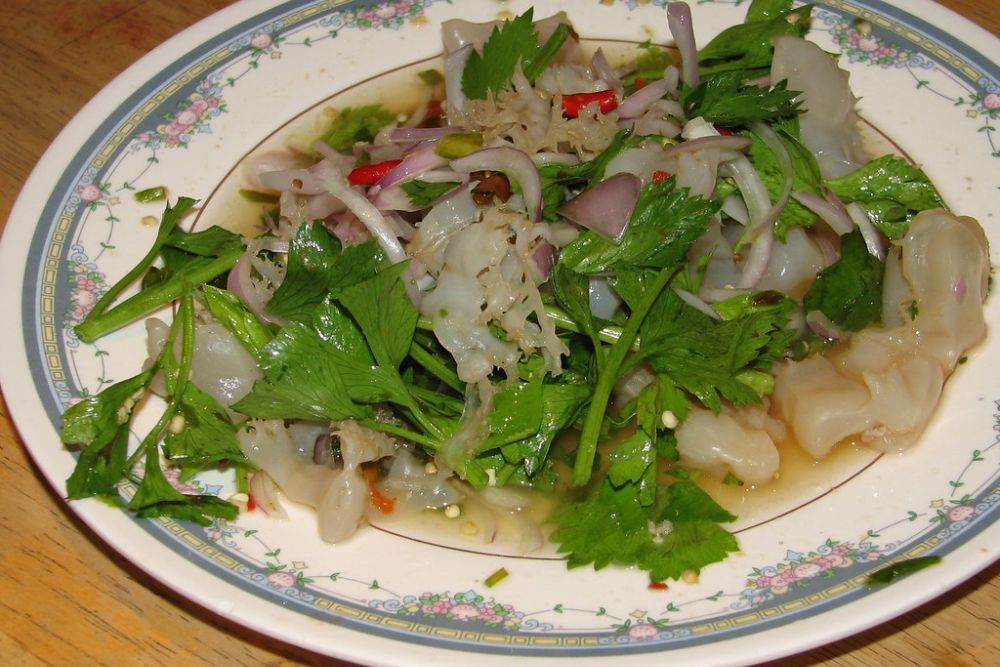
Schools in coastal China sometimes serve marinated jellyfish as part of their lunch offerings, typically dressed with vinegar and sesame oil. The jellyfish provides a crunchy texture similar to pickled vegetables while delivering protein and minerals from the sea.
Students learn to appreciate this traditional delicacy that showcases China’s long relationship with ocean resources and preservation techniques.
Fermented Mare’s Milk
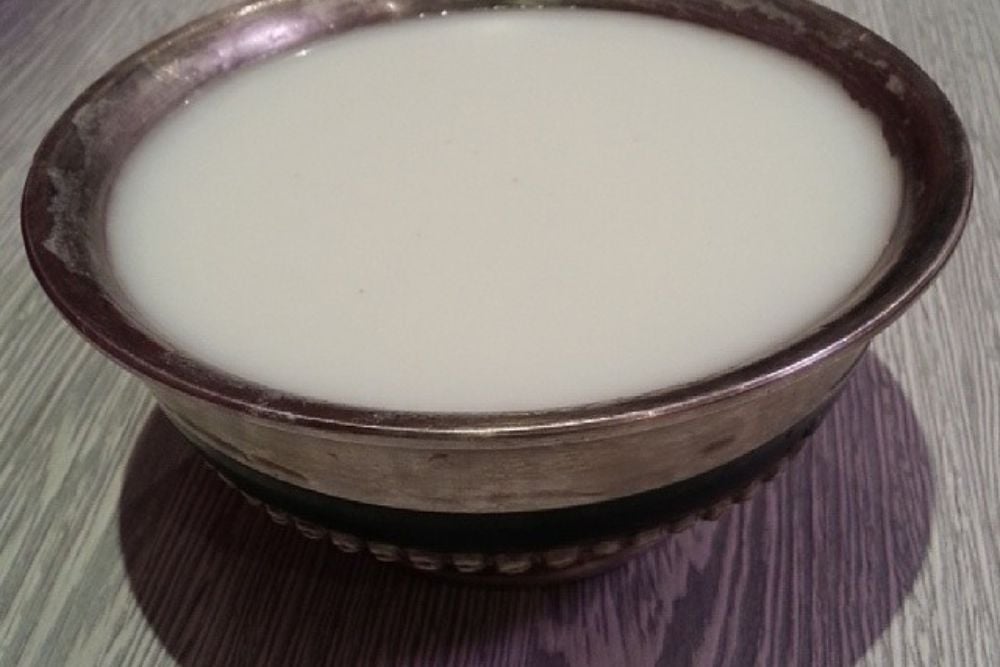
Schools in Mongolia and parts of Central Asia serve airag, a mildly alcoholic beverage made from fermented mare’s milk. The drink contains beneficial bacteria and provides nutrition suited to nomadic lifestyles where dairy products need long-term preservation.
Though the alcohol content is quite low, this traditional drink connects students to their pastoral heritage and the importance of horses in their culture.
Sea Urchin Pasta
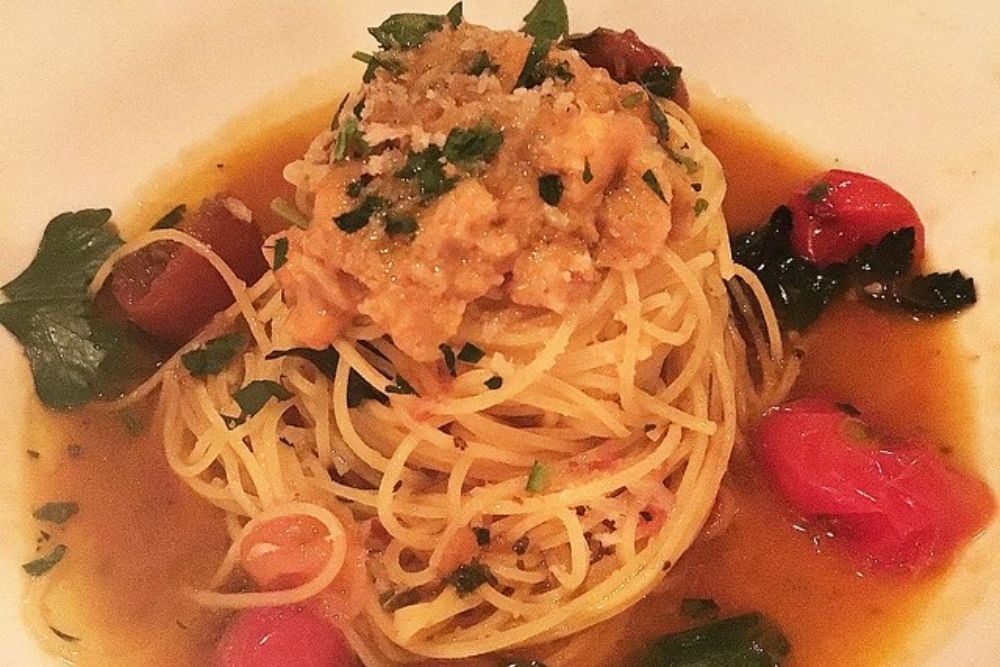
Some schools in coastal Japan serve pasta topped with uni, the creamy interior of sea urchins that tastes intensely of the ocean. The delicacy provides omega-3 fatty acids and unique minerals while introducing students to premium seafood.
Many Japanese children grow up appreciating sea urchin’s rich, briny flavor that might overwhelm visitors unfamiliar with such concentrated ocean tastes.
Fermented Corn Drink
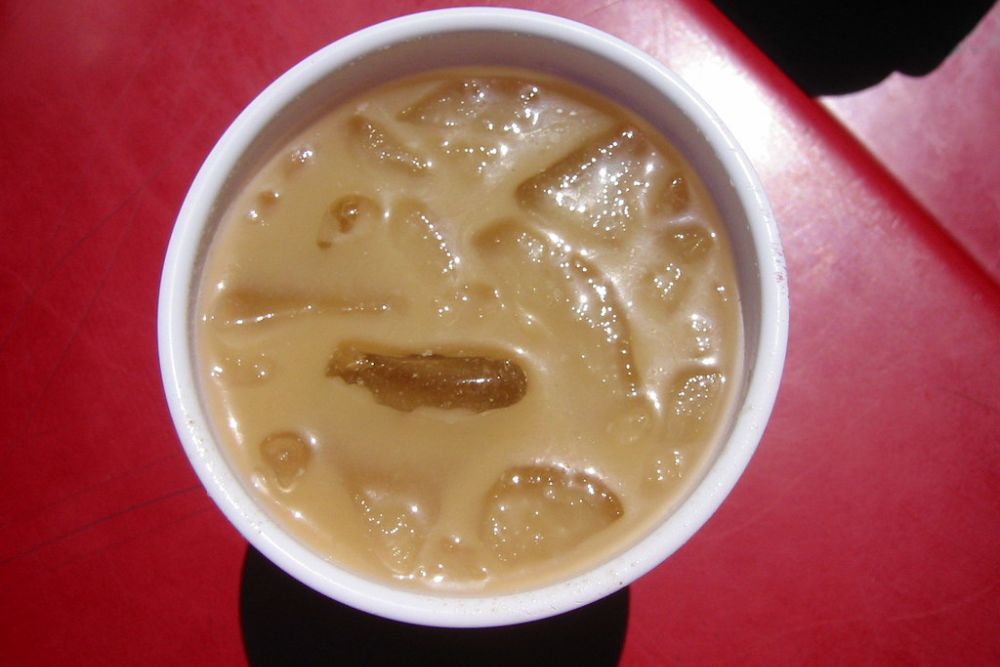
Schools in parts of South America, particularly Peru and Bolivia, serve chicha morada made from purple corn that’s been fermented into a mildly alcoholic beverage. The drink provides antioxidants from the purple corn while connecting students to ancient Incan traditions.
The fermentation process was originally used to make corn more digestible and preserve it in mountain climates.
Goat Brain Curry
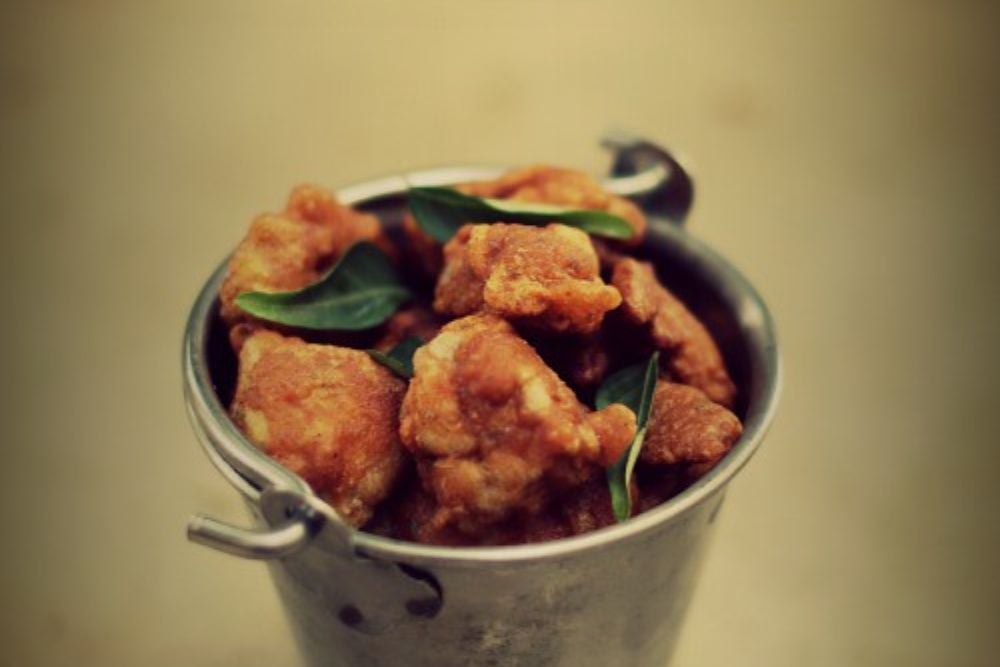
Schools in parts of India and Pakistan sometimes serve brain curry made from goat or lamb brains cooked with spices and served over rice. The organ meat provides high levels of cholesterol and nutrients that support brain development.
Students typically accept this dish as normal since organ meats remain common in home cooking throughout the region.
Fermented Fish Sauce Rice
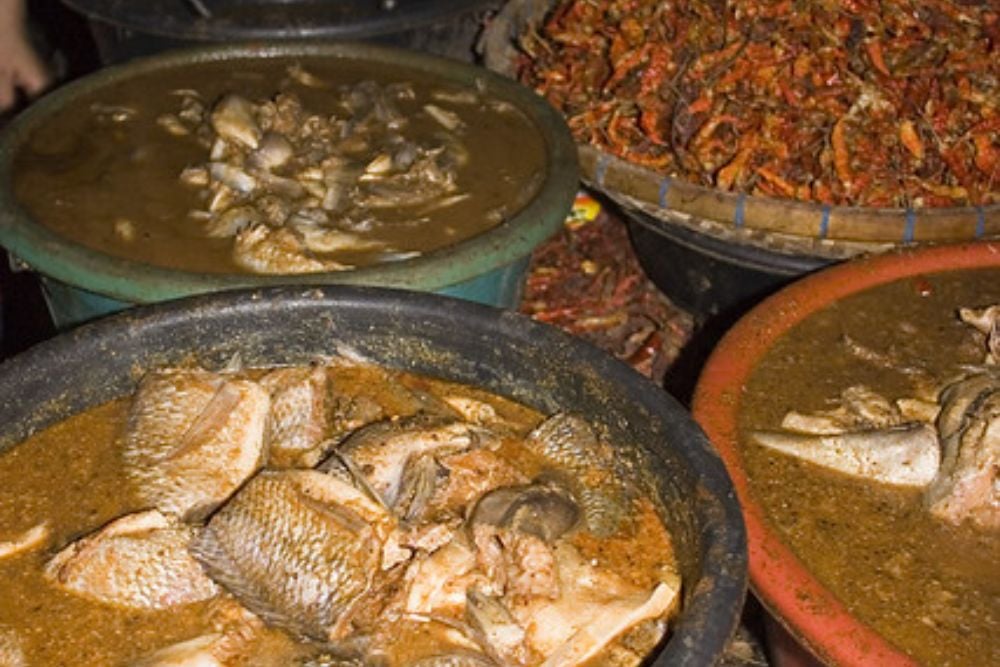
Schools in Laos and parts of Thailand serve rice dishes flavored with padaek, an extremely pungent fermented fish sauce that smells much stronger than its Vietnamese counterpart. The sauce provides crucial protein and minerals while adding complex umami flavors to simple rice dishes.
Students develop tolerance for the intense aroma and taste from an early age, making it seem perfectly normal.
Seal Blubber
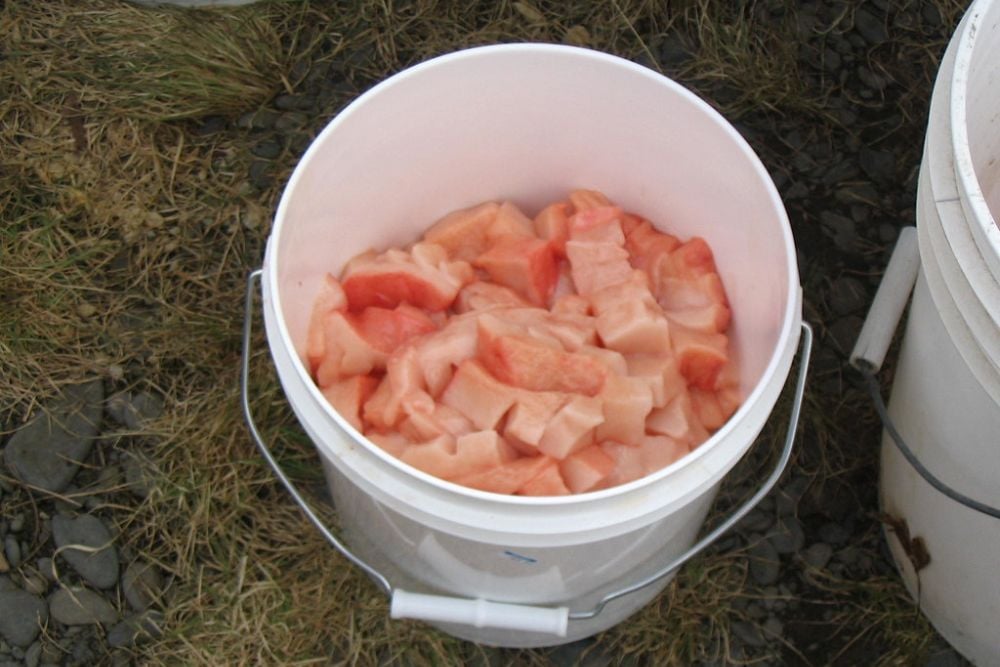
Schools in Arctic regions of Canada and Alaska occasionally serve traditional foods including seal blubber, which provides essential fats for surviving extreme cold. The high-calorie food connects Indigenous students to their cultural heritage while providing nutrition suited to harsh climates.
These traditional foods help preserve cultural knowledge and show students the importance of their ancestors’ hunting and preservation skills.
Termite Flour Porridge
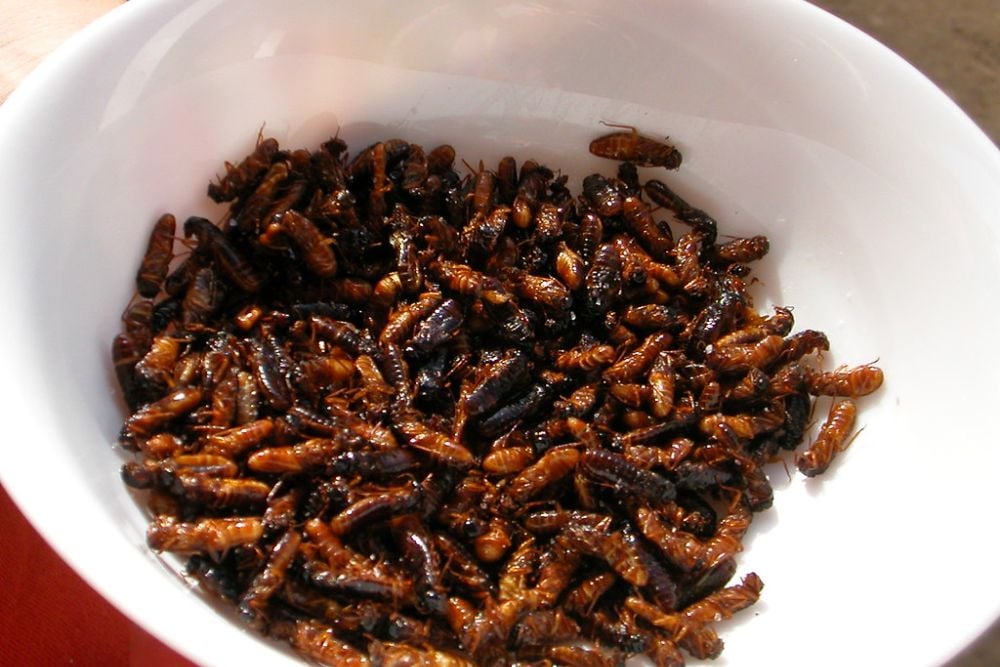
Some schools in parts of Africa, particularly in rural areas of Uganda and Democratic Republic of Congo, serve porridge made with termite flour mixed into grain-based cereals. The insects provide complete protein profiles and important minerals while representing sustainable food sources.
Students often help collect flying termites during seasonal swarms, making the insects both familiar food and a connection to community food gathering traditions.
Flavors That Shape Young Minds
These diverse school lunch items demonstrate how food education extends far beyond nutrition labels and food pyramids. Students learning to appreciate their local cuisines develop cultural pride and understanding of their environment’s resources.
While some of these dishes might seem strange to outsiders, they represent practical solutions to feeding growing children using available ingredients and time-tested preservation methods. The adventurous palates developed in school cafeterias around the world create adults who understand that good food comes in many unexpected forms.
More from Go2Tutors!

- The Romanov Crown Jewels and Their Tragic Fate
- 13 Historical Mysteries That Science Still Can’t Solve
- Famous Hoaxes That Fooled the World for Years
- 15 Child Stars with Tragic Adult Lives
- 16 Famous Jewelry Pieces in History
Like Go2Tutors’s content? Follow us on MSN.