Accidental Discoveries That Changed the World
Some of the most important breakthroughs in human history happened because someone made a mistake. A scientist left out a culture plate overnight.
An engineer was trying to invent something completely different. A factory worker noticed something strange and decided to investigate instead of throwing it away.
These accidents didn’t just create convenience items or fun gadgets. They saved millions of lives, changed how we communicate, and transformed entire industries.
The interesting part is that most of these discoverers weren’t looking for what they found. They were working on something else entirely when chance intervened.
Penicillin and the Moldy Petri Dish

Alexander Fleming returned from vacation in 1928 to find his laboratory in disarray. One of his bacterial cultures had been contaminated with mold, and he nearly tossed it in the trash.
But he noticed something odd—the bacteria around the mold had died. That observation led to the development of the first antibiotic.
Before penicillin, a simple cut could turn fatal. Infections that we now treat with a quick prescription killed millions of people every year.
Fleming’s accidental discovery fundamentally changed medicine and has saved more lives than almost any other medical breakthrough. The development wasn’t instant.
It took more than a decade for other scientists to figure out how to mass-produce penicillin. But by World War II, this accidental discovery was saving soldiers’ lives on battlefields around the world.
The Microwave Oven Nobody Planned

Percy Spencer was working on radar technology for Raytheon in 1945 when he felt something strange in his pocket. The chocolate bar he’d been carrying had melted.
Most people would have blamed it on body heat and moved on. Spencer got curious.
He positioned different foods near the magnetron tube he’d been testing. Popcorn kernels exploded.
An egg heated so quickly it burst. Spencer realized the radar waves were cooking food at an incredible speed.
The first commercial microwave oven stood five feet tall and weighed 750 pounds. It cost about as much as a new car.
Today, you can find one in almost every home, and Spencer’s accidental discovery has changed how millions of people prepare meals every day.
X-Rays Through a Covered Tube

Wilhelm Röntgen was experimenting with cathode rays in 1895, working with a tube he’d covered in black cardboard. He noticed a fluorescent screen across his lab was glowing, even though no light should have escaped the covered tube.
He tested different materials to see what would block these mysterious rays. When he positioned his wife’s hand between the tube and a photographic plate, he captured the first X-ray image—showing her bones and wedding ring in sharp detail.
She reportedly looked at the image and said, “I have seen my death.” Within months, doctors around the world were using X-rays to locate bullets, diagnose bone fractures, and see inside the human body without surgery.
Röntgen refused to patent his discovery, believing it should benefit all of humanity.
Post-It Notes From Failed Glue

Spencer Silver was trying to create a super-strong adhesive for 3M in 1968. Instead, he developed a weak glue that barely stuck to anything.
For five years, nobody at the company could figure out what to do with it. Then Arthur Fry, another 3M scientist, got frustrated with bookmarks falling out of his church hymnal.
He remembered Silver’s weak adhesive and realized it would stick to paper without damaging it. You could remove it and reapply it somewhere else.
3M launched Post-It Notes nationwide in 1980. The product that nobody wanted became one of the most useful office supplies ever created.
Silver’s failure turned into a success story worth billions of dollars.
Teflon Discovered by Accident

Roy Plunkett was working on developing a new refrigerant for DuPont in 1938. He stored tetrafluoroethylene gas in cylinders overnight, planning to continue his experiments the next day.
When he opened one cylinder, nothing came out. Rather than assuming it was empty, Plunkett weighed the cylinder.
It weighed the same as before. He cut it open and found a white, waxy substance coating the inside.
The gas had polymerized into something entirely unexpected. This new material was incredibly slippery and resistant to heat and chemicals.
It didn’t stick to anything. Today, Teflon coats everything from cookware to spacecraft components.
It protects heart patients through medical implants and keeps your eggs from sticking to the pan.
Vulcanized Rubber and a Hot Stove
Charles Goodyear spent years trying to make rubber useful. Natural rubber became brittle in cold weather and sticky in heat.
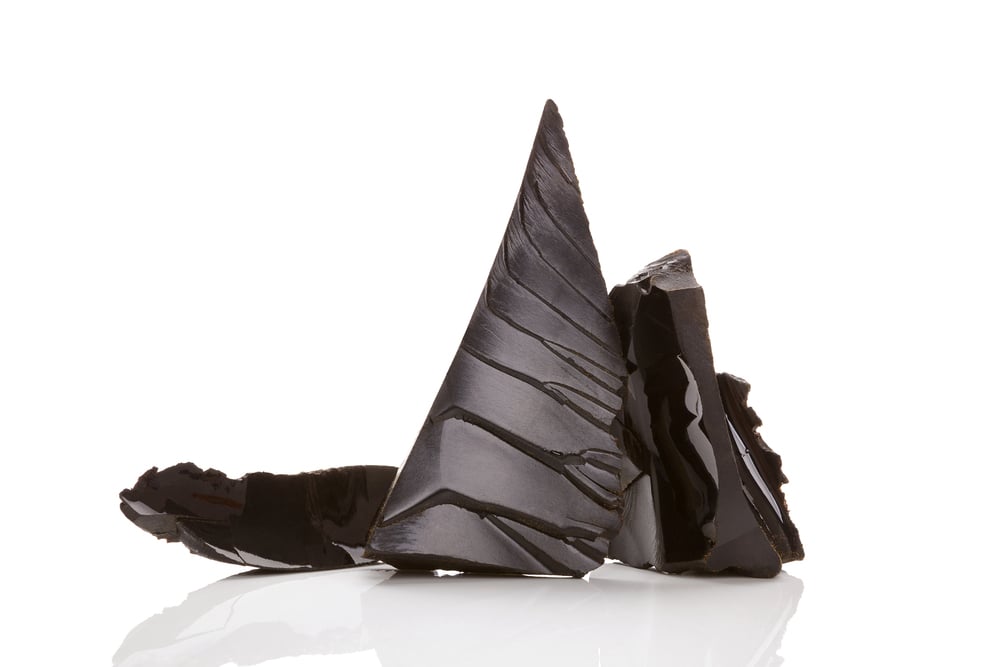
He mixed it with sulfur and other chemicals, but nothing worked. In 1839, he accidentally dropped a piece of sulfur-treated rubber on a hot stove.
Instead of melting, the rubber charred like leather. It had become stable and flexible.
Goodyear had discovered vulcanization—the process that makes rubber practical for thousands of applications. Without this accident, you wouldn’t have car tires, waterproof clothing, or rubber seals that keep machinery running.
Goodyear died in debt, but his accidental discovery built an entire industry.
Safety Glass From a Lab Accident

Édouard Bénédictus knocked a glass flask off his desk in 1903. He heard it shatter but was surprised when he looked down.
The flask had cracked, but the pieces hadn’t scattered across his laboratory floor. The flask had previously contained a cellulose nitrate solution that left a thin plastic coating on the inside.
When the glass broke, this coating held the pieces together. Bénédictus filed a patent in 1909, but it took a while to find applications.
Then car accidents started killing more and more people as automobiles became common. Flying glass caused terrible injuries.
Bénédictus’s safety glass became standard in car windshields, saving countless lives.
Saccharin: A Sweet Mistake
Constantin Fahlberg was working in a chemistry lab at Johns Hopkins University in 1879, researching coal tar derivatives. After a long day of work, he went home for dinner without washing his hands thoroughly.
Everything he touched tasted incredibly sweet. The bread, the napkin, even his fingers.
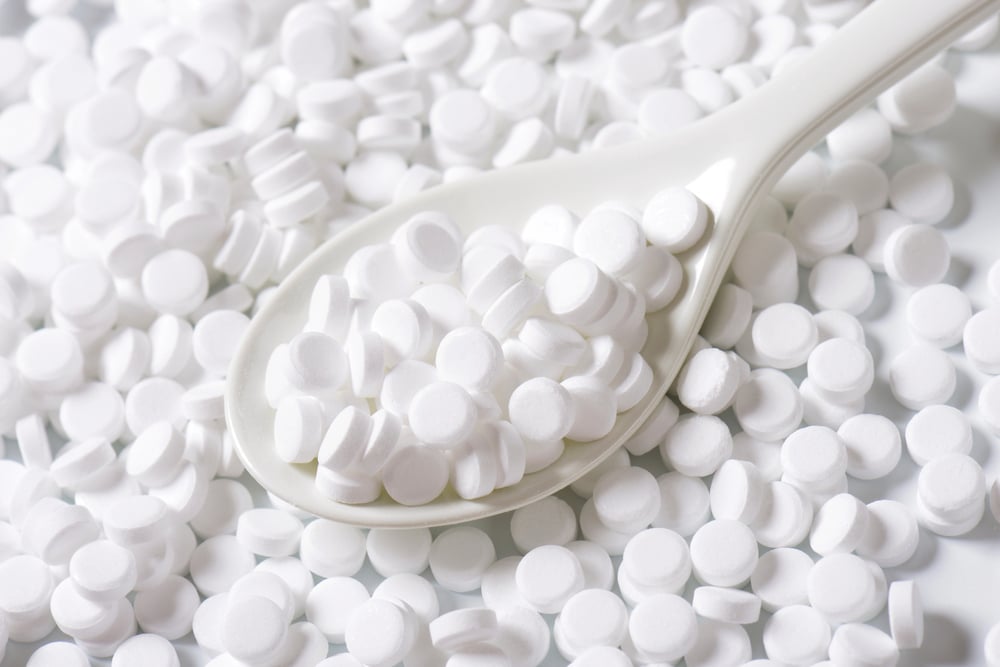
He realized something from the lab had stuck to his skin. The next day, he methodically tasted everything in his laboratory until he identified the compound—saccharin, the first artificial sweetener.
While the health debates around artificial sweeteners continue today, Fahlberg’s accidental discovery created an entire industry. Saccharin helped diabetics enjoy sweet foods and gave millions of people a zero-calorie alternative to sugar.
The Implantable Pacemaker
Wilson Greatbatch was building a device to record heart rhythms in 1956. He reached into a box for a resistor and grabbed the wrong one.
When he installed the incorrect component, the circuit pulsed instead of recording. The rhythm matched a human heartbeat.
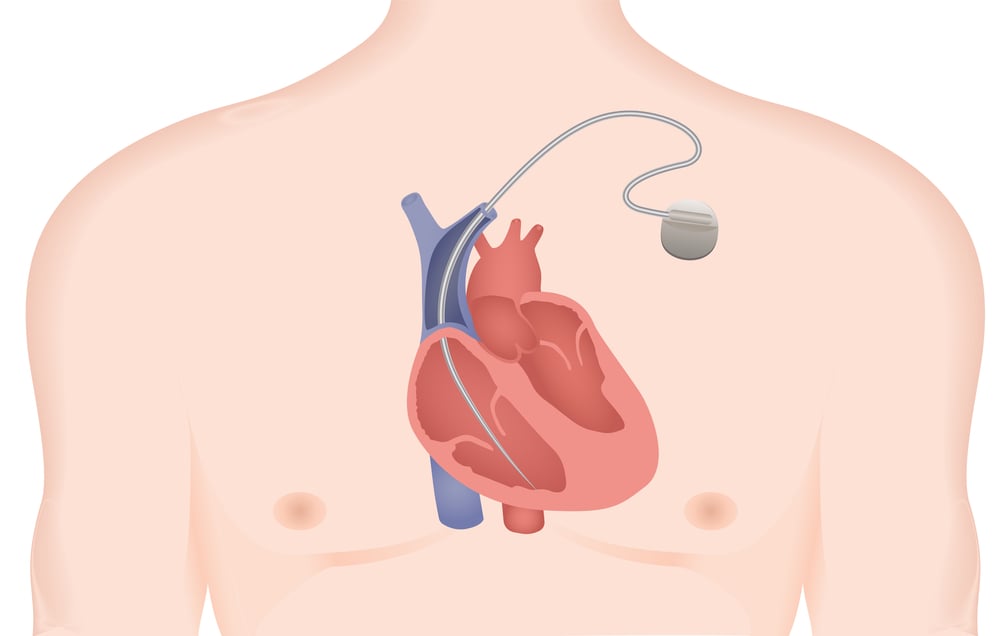
Greatbatch immediately recognized what he’d created—a device that could regulate heart rhythm electrically. He spent the next two years developing a battery-powered version small enough to implant in a human chest.
The first pacemaker was implanted in 1960. Today, millions of people live longer, healthier lives because Greatbatch picked up the wrong resistor.
Stainless Steel Discovered in the Trash

Harry Brearley was trying to develop a better steel for gun barrels in 1913. The British military needed metal that wouldn’t erode from heat and friction.
He tested different combinations of steel and chromium, but none met the requirements. Brearley threw his failed samples onto a scrap heap behind his workshop.
Weeks later, he noticed one piece of metal hadn’t rusted like the others, despite sitting through rain and sun. He’d accidentally created stainless steel—a material that would transform kitchens, hospitals, and construction.
Your kitchen sink, surgical instruments, and the exterior of countless buildings all exist because Brearley looked at his pile of failures and noticed something different.
Velcro and a Dog Walk
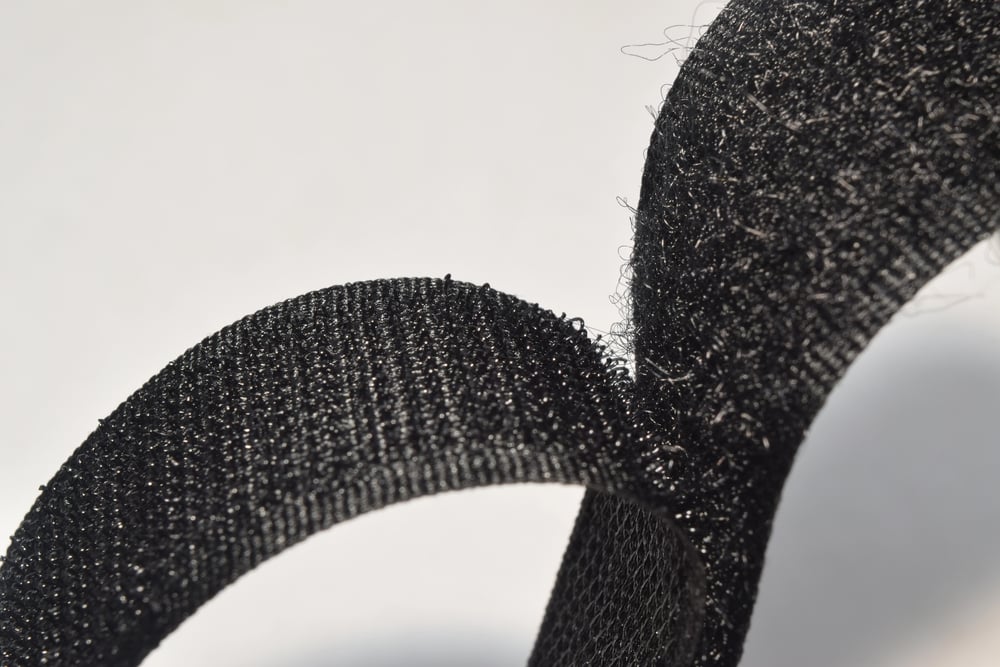
George de Mestral returned from a hunting trip in 1941 with his dog covered in burrs. Most people would have cursed and pulled them off.
De Mestral put one under a microscope. He discovered tiny hooks that caught on the loops in fabric and fur.
The burrs had evolved this mechanism to spread seeds by hitching rides on passing animals. De Mestral spent eight years developing a synthetic version—one side with hooks, one side with loops.
NASA uses Velcro in space. Surgeons use it in operating rooms.
Children learn to fasten their shoes with it. All because de Mestral looked closely at something annoying instead of just throwing it away.
Coca-Cola: A Headache Remedy Gone Wrong
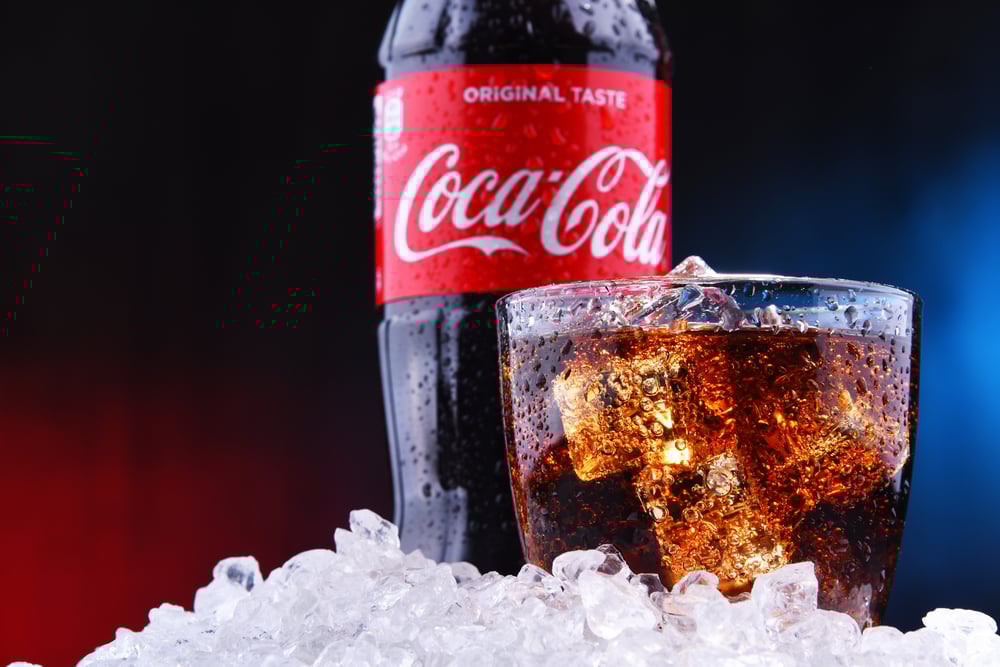
John Pemberton was a pharmacist trying to create a cure for headaches and morphine addiction in 1886. He mixed coca leaves and kola nuts with other ingredients, planning to market it as a medicinal syrup.
His bookkeeper accidentally mixed the syrup with carbonated water instead of plain water. The result tasted better than the original formula.
Instead of a medicine, Pemberton had created a beverage. Coca-Cola became the most recognized brand in the world.
The company is worth hundreds of billions of dollars. Pemberton never saw this success—he sold the formula shortly before his death for $2,300.
Cornflakes and Seventh-Day Adventists

John Harvey Kellogg and his brother Will were running a health sanitarium in 1894, trying to develop nutritious foods for their patients. They were boiling wheat when they got called away unexpectedly.
The wheat sat out all night. Rather than throwing it away, they processed the stale wheat anyway.
It formed large, thin flakes instead of the bread-like substance they expected. When they toasted these flakes, the result was crispy and surprisingly tasty.
The brothers initially made these flakes only for sanitarium patients. Then Will realized they could mass-produce and sell them.
Kellogg’s cereal company changed breakfast for millions of people around the world.
The Beauty of Unpredictability

Funny how truth shows up when you’re not looking for it. Rigorous testing earns praise across labs worldwide – yet real breakthroughs often come from staring at data that should not be there.
History keeps echoing this theme. A misstep happens, an anomaly catches someone’s eye – curiosity takes over where intention once was.
Mistakes start looking like chances. What went wrong pulls them closer rather than being brushed aside.
Start anywhere, even mid-thought. Precision in planning means little when luck drops a surprise right beside you.
Notice it before it slips through – maybe grimy, maybe forgotten, possibly wedged where you least expect. What matters?
Seeing value others might toss without thinking.
More from Go2Tutors!

- The Romanov Crown Jewels and Their Tragic Fate
- 13 Historical Mysteries That Science Still Can’t Solve
- Famous Hoaxes That Fooled the World for Years
- 15 Child Stars with Tragic Adult Lives
- 16 Famous Jewelry Pieces in History
Like Go2Tutors’s content? Follow us on MSN.