15 Animals That Thrive in Extreme Conditions
Life on Earth has found a way to flourish in the most unlikely places. From the bone-chilling Arctic to the crushing depths of the ocean, certain animals have evolved remarkable adaptations that allow them to not just survive, but actually thrive in conditions that would be lethal to most other creatures.
These extraordinary animals showcase nature’s incredible ingenuity. Here is a list of 15 animals that have mastered life in extreme conditions.
Tardigrades (Water Bears)
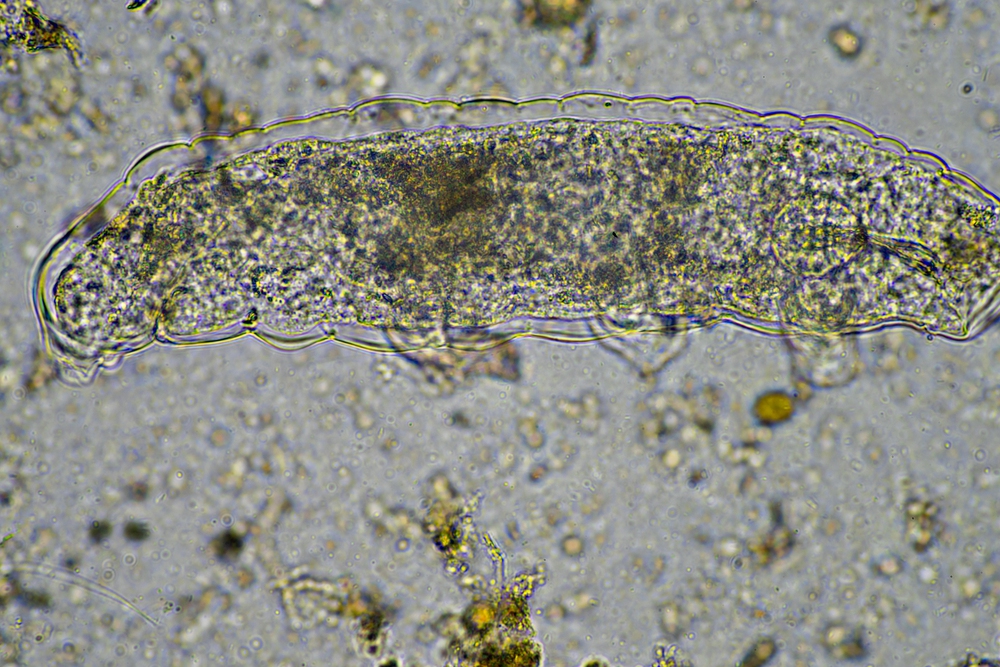
These microscopic creatures are the ultimate survivors of the animal kingdom. Tardigrades can withstand temperatures from near absolute zero to over 300°F, survive in the vacuum of space, and endure radiation levels that would kill almost any other life form.
When conditions get tough, they enter a state called cryptobiosis, essentially becoming a dried-out shell that can remain dormant for decades before springing back to life when water returns.
Polar Bears
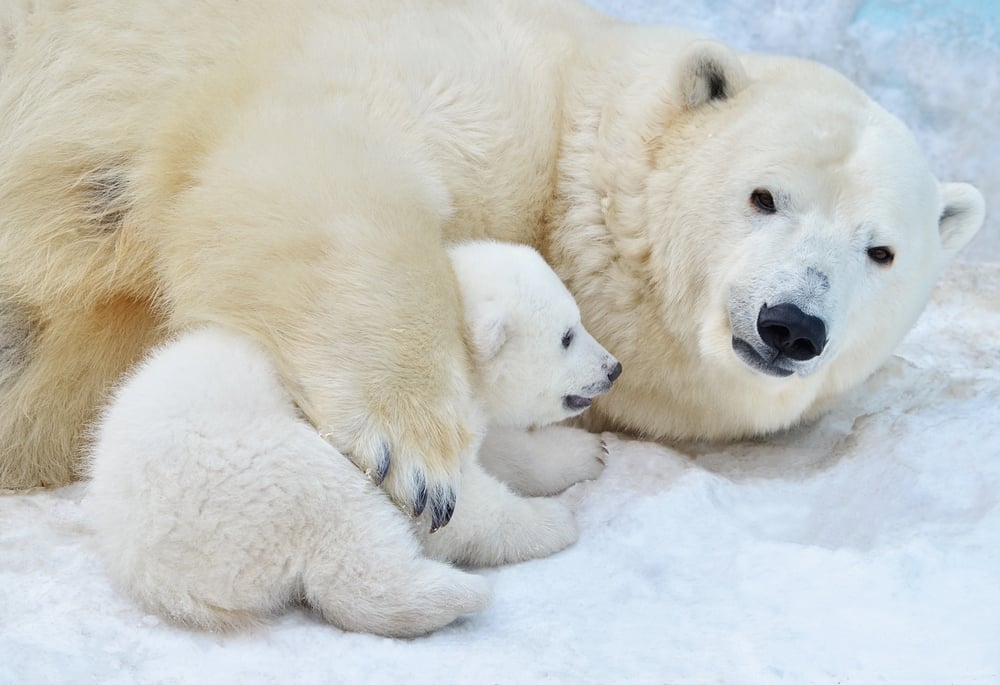
The Arctic’s apex predator has turned the frozen wasteland into its personal hunting ground. Polar bears sport two layers of fur that trap warm air so effectively that they actually overheat when running.
Their large, furry paws work like natural snowshoes, spreading their weight across thin ice while providing grip on slippery surfaces. A thick layer of blubber adds extra insulation, and their black skin absorbs any available solar heat.
Emperor Penguins
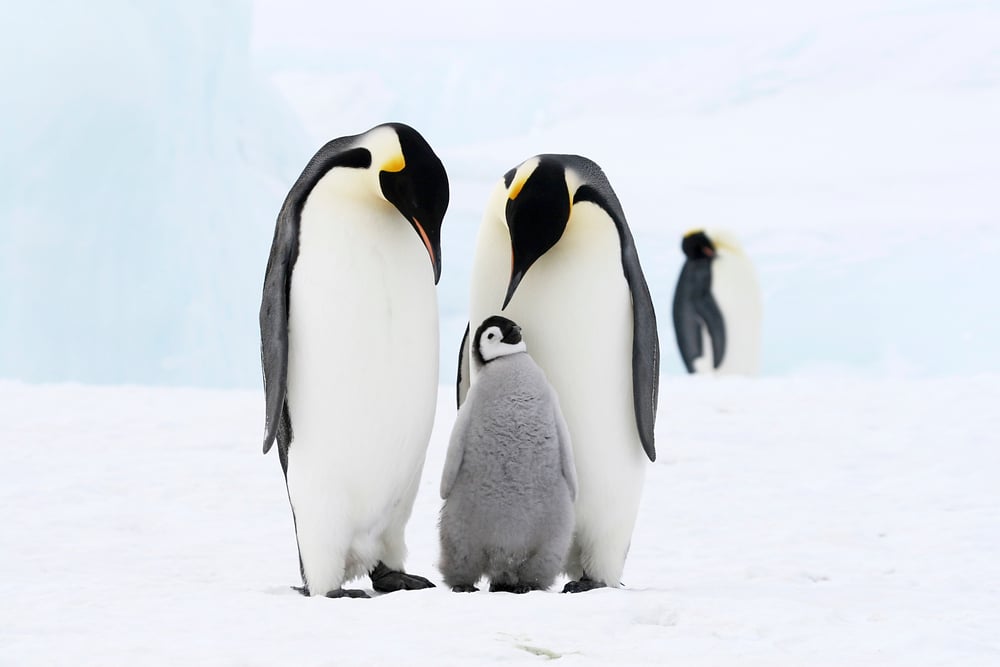
These tuxedo-wearing champions endure Antarctic winters that would make a polar bear shiver. Emperor penguins huddle together in groups of thousands, rotating positions so everyone gets a turn in the warm center.
They can dive to depths of over 1,800 feet and hold their breath for more than 20 minutes while hunting. Their dense feathers provide better insulation than most high-tech winter gear.
Anglerfish
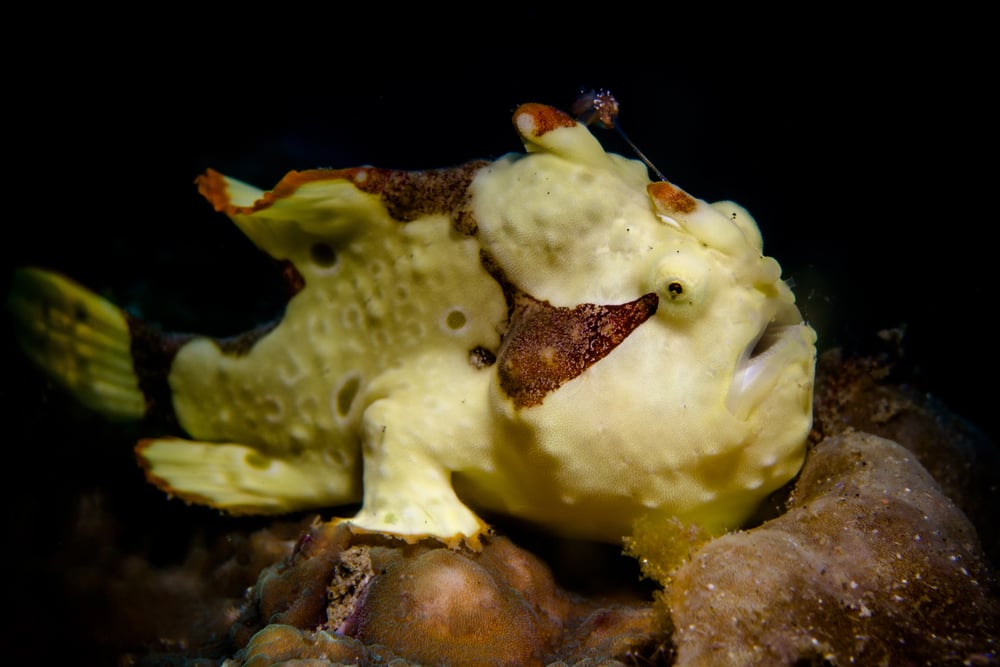
In the pitch-black depths of the ocean, anglerfish have turned darkness into their greatest weapon. They dangle a bioluminescent lure from their heads like a fishing rod, attracting prey with living light produced by bacteria.
Their massive jaws can unhinge to swallow fish twice their size, and their stretchy stomachs can expand dramatically to store food in the resource-poor deep sea.
Blobfish
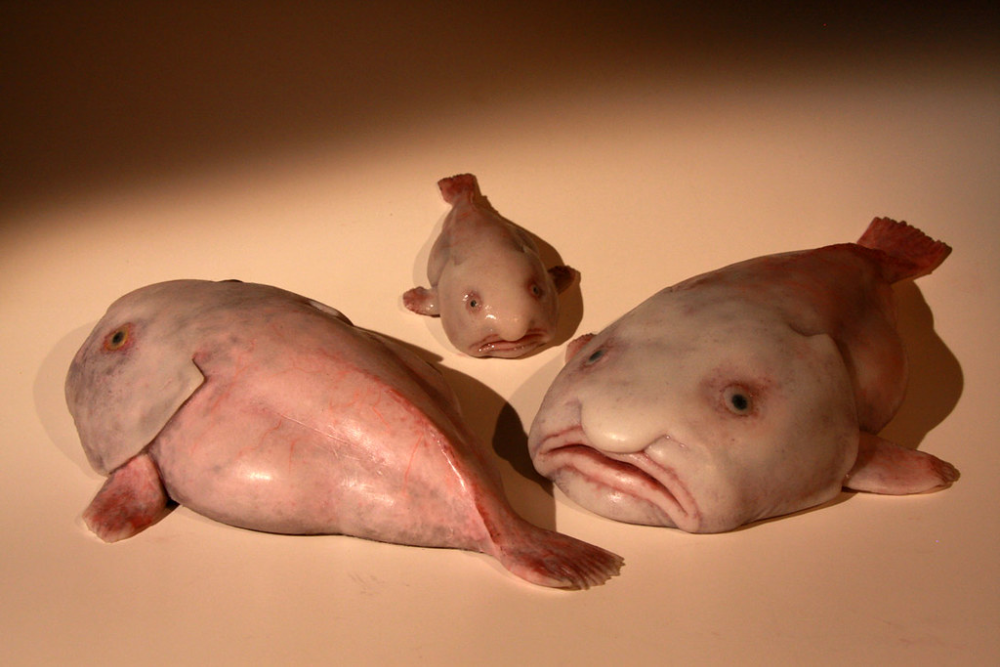
Despite its unfortunate reputation as the ‘world’s ugliest animal,’ the blobfish is perfectly adapted for life under crushing pressure. At depths where the pressure is 100 times greater than at sea level, its jelly-like body composition makes it neutrally buoyant.
The blob-like appearance only occurs when the fish is brought to the surface and the pressure drops dramatically.
Arctic Fox
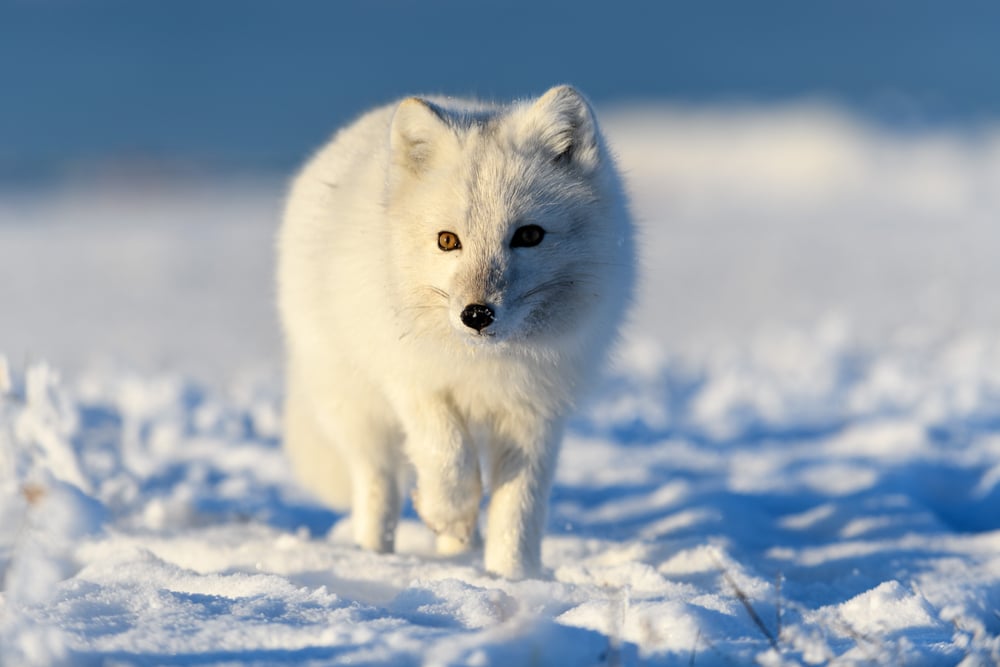
This furry survivor changes its entire wardrobe with the seasons. In winter, arctic foxes grow thick white coats that provide camouflage and insulation, while summer brings a thinner brown coat. Their rounded ears and short legs minimize heat loss, and they can survive temperatures as low as -50°F by curling into an orb and covering their nose with their fluffy tail.
Fennec Fox
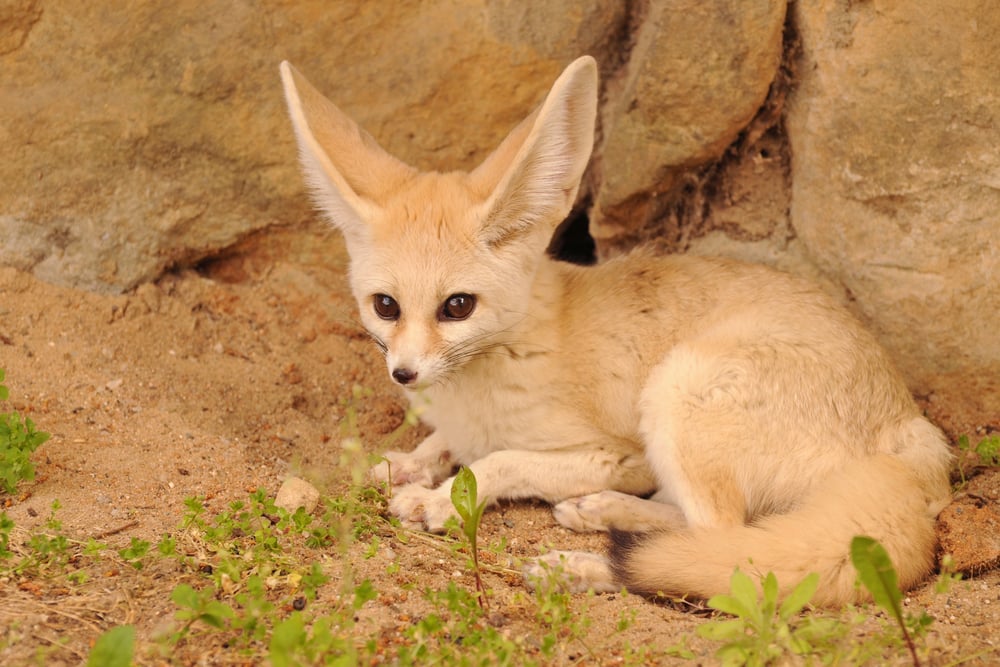
The fennec fox’s oversized ears aren’t just for show – they’re sophisticated cooling systems. These enormous ears, which can be half the length of their body, help dissipate heat in the scorching Sahara Desert.
They also provide excellent hearing for detecting prey underground. Fennec foxes get most of their water from their food and rarely need to drink.
Kangaroo Rat
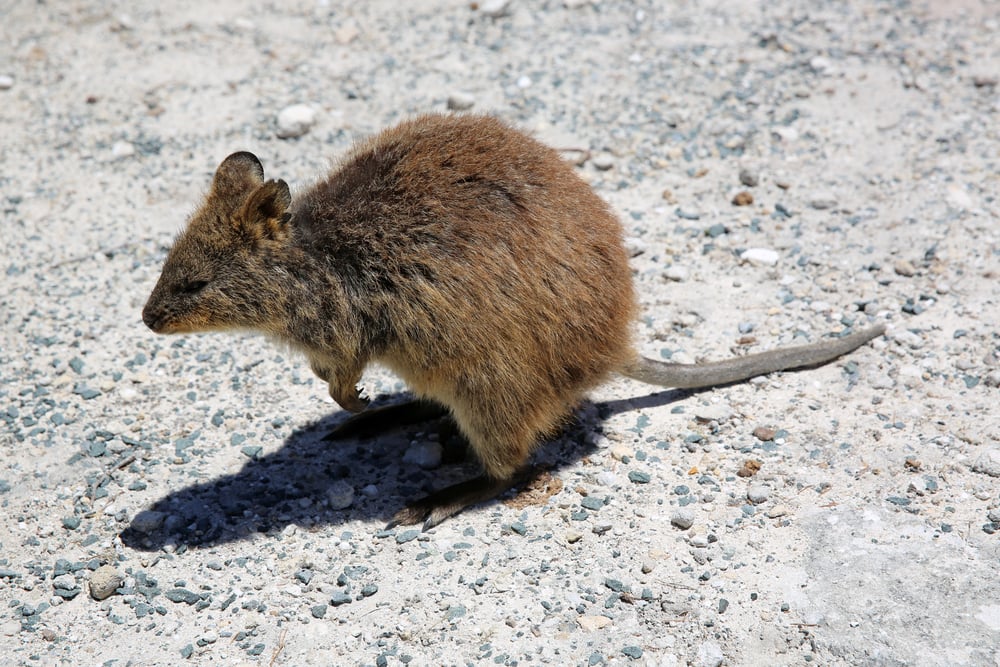
This desert rodent has mastered the art of water conservation so well that it never needs to drink. Kangaroo rats extract all the moisture they need from the seeds they eat, and their kidneys are incredibly efficient at concentrating urine to prevent water loss.
They also have special nasal passages that capture moisture from the air they breathe out.
Camel
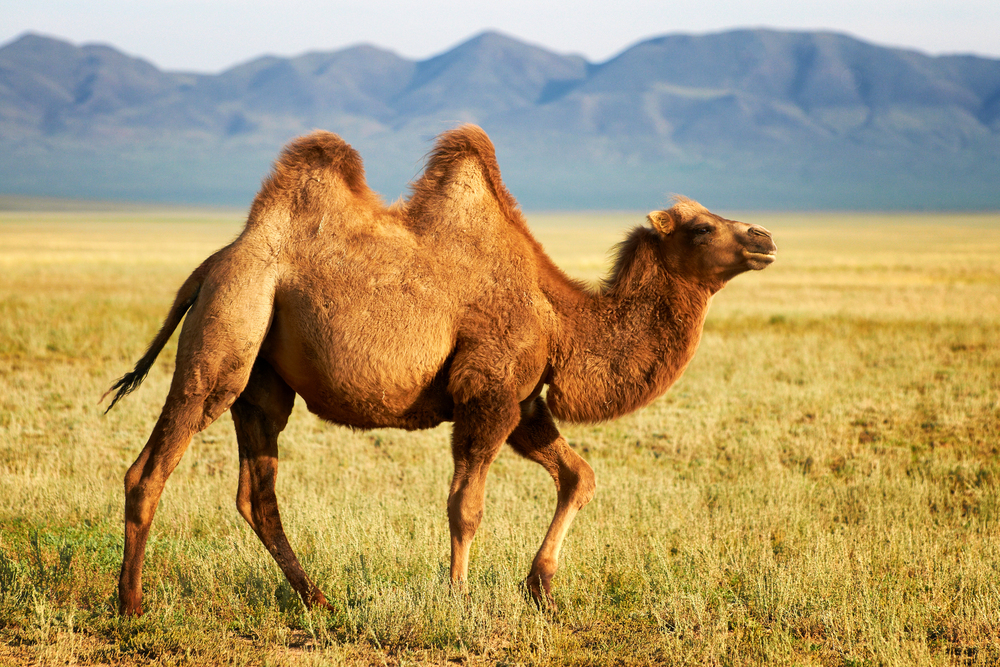
The desert’s original long-distance traveler carries its own water supply and climate control system. Camels can drink up to 40 gallons of water in one session, storing it in their bloodstream rather than their humps (which actually store fat).
Their thick eyelashes and closeable nostrils protect against sandstorms, while their wide, padded feet prevent them from sinking into sand.
Pompeii Worm
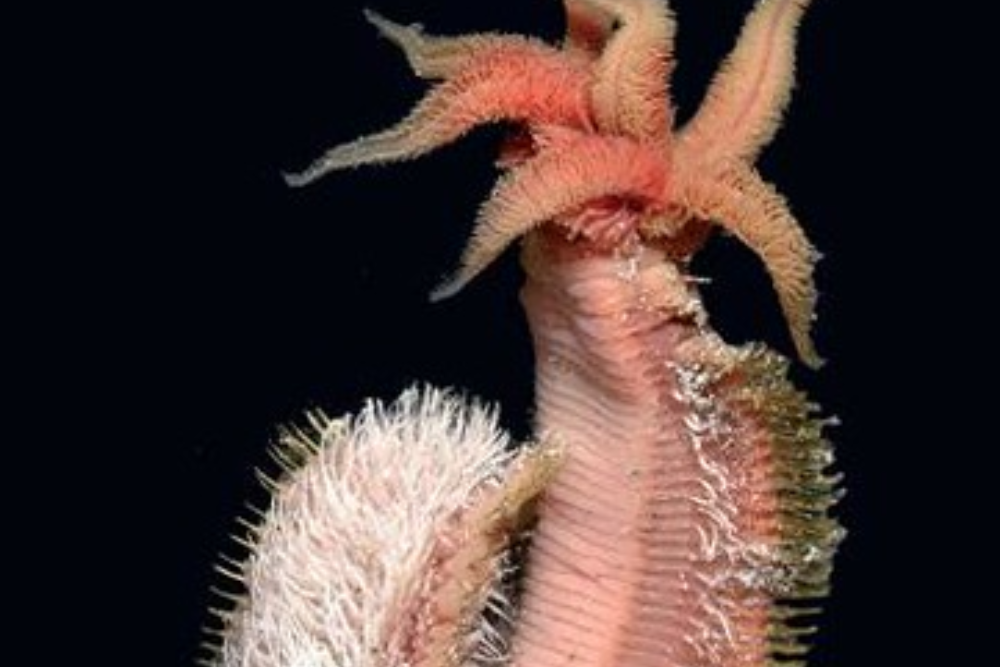
Living near underwater volcanic vents where temperatures reach 175°F, the Pompeii worm experiences a temperature difference of over 100°F between its head and tail. Its back end stays anchored in the cooler water while its head ventures into the superheated zone to feed.
A coating of bacteria provides additional protection against the extreme heat and toxic chemicals.
Wood Frog
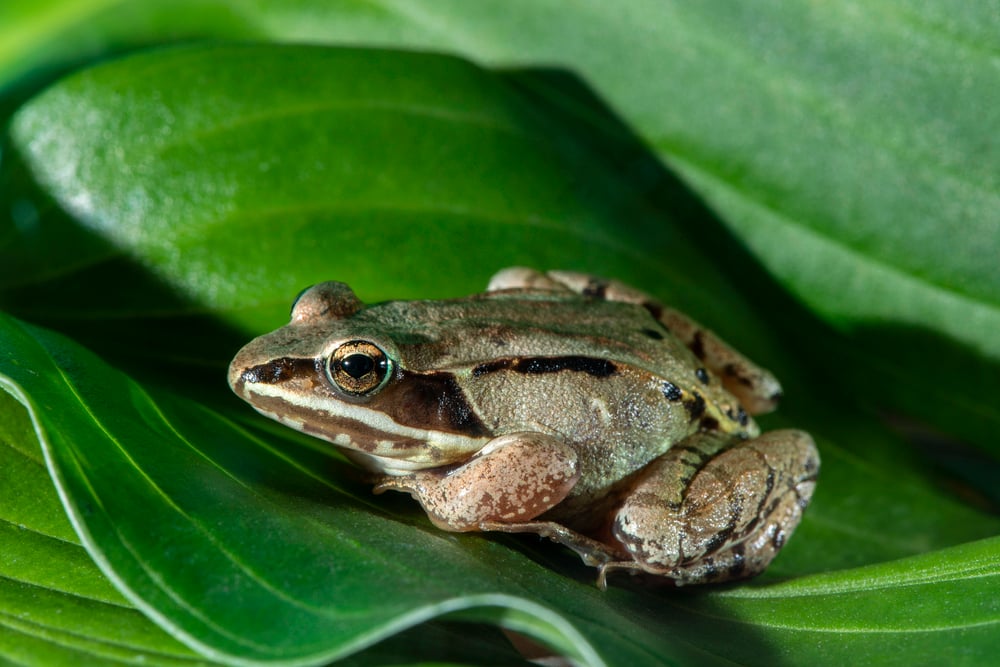
This remarkable amphibian literally freezes solid during winter and thaws out in spring, good as new. Wood frogs produce glucose and other cryoprotectants that act like natural antifreeze, preventing ice crystals from forming in their vital organs.
While ice forms in their body cavity and under their skin, their heart stops beating and they essentially become frozen until warmer weather returns.
Snow Leopard
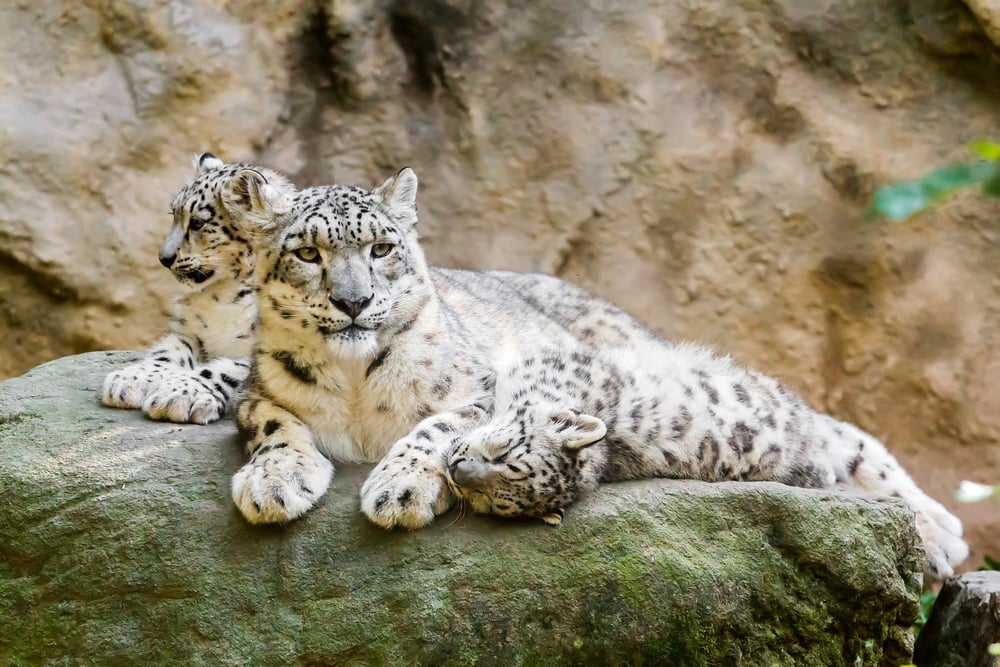
High in the mountains where oxygen is thin and temperatures plummet, snow leopards have adapted to be the ultimate mountain climbers. Their enormous paws work like snowshoes, and their long, thick tail provides balance on rocky ledges while doubling as a warm blanket.
Large nasal cavities warm the frigid air before it reaches their lungs, and their pale coat provides perfect camouflage among the rocks and snow.
Himalayas Jumping Spider
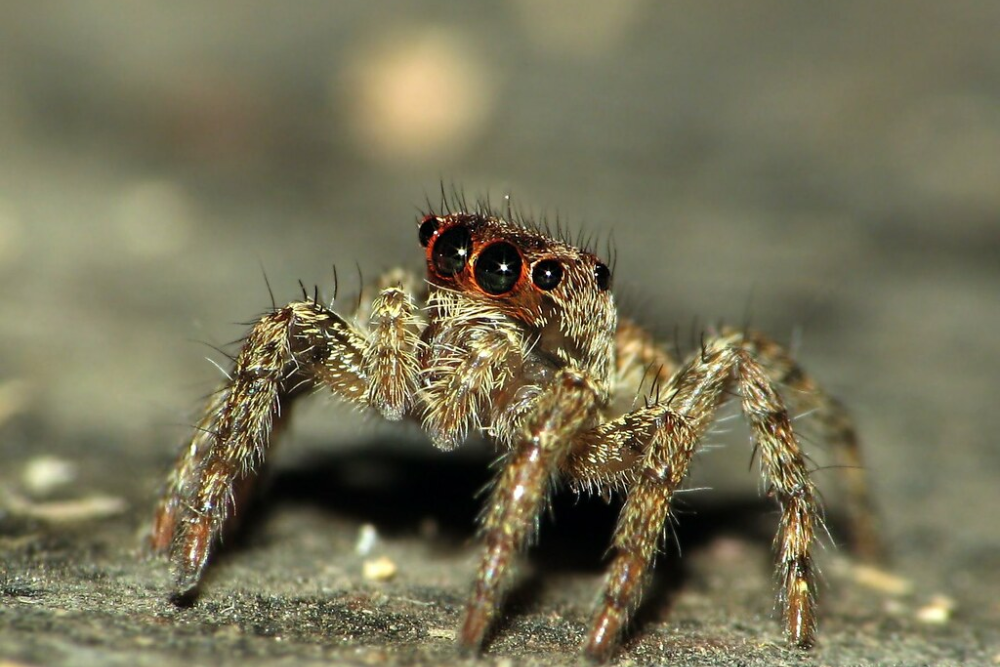
Meet the highest-dwelling animal on Earth. These tiny spiders live permanently at elevations above 22,000 feet on Mount Everest, where most creatures couldn’t survive the lack of oxygen and freezing temperatures.
They hunt by jumping on tiny insects blown up the mountain by wind currents, and they regulate their body temperature by moving between sunny and shady spots in rock crevices.
Beluga Whale
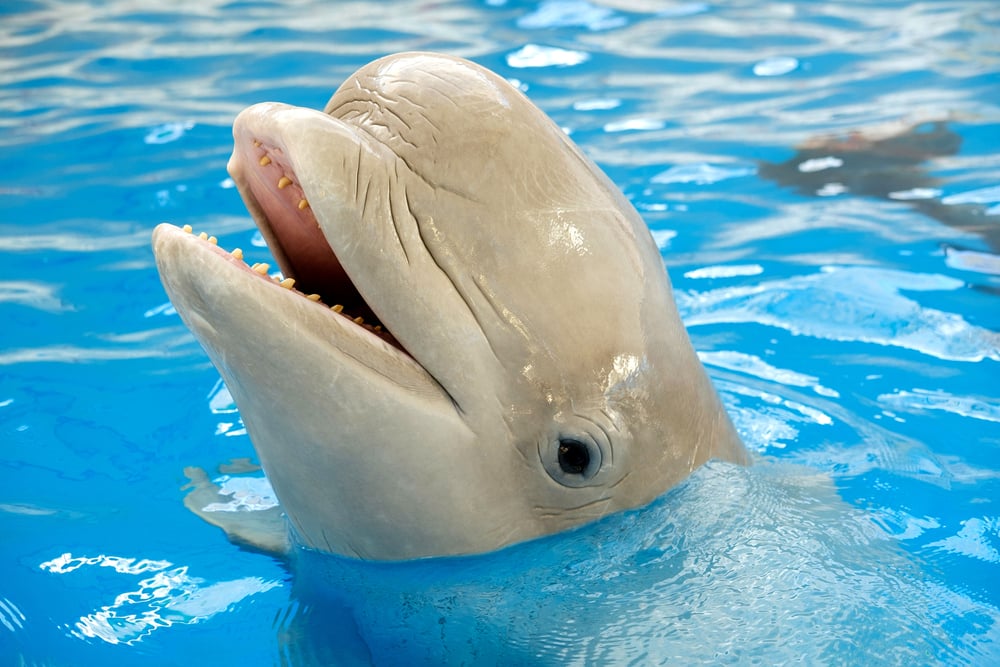
These ‘canaries of the sea’ thrive in Arctic waters that would give other whales hypothermia. Belugas have the thickest blubber of any whale, and their lack of a dorsal fin prevents injury when surfacing through ice.
Their flexible necks allow them to turn their heads to navigate through ice floes, and they use echolocation to find breathing openings in the frozen surface.
Arctic Ground Squirrel
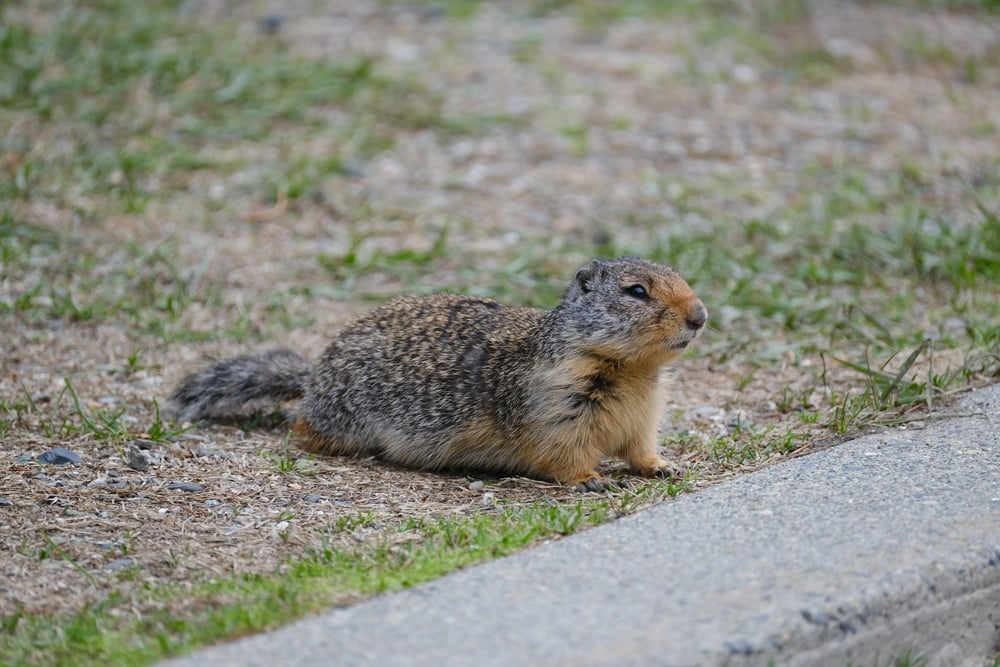
This small mammal holds the record for the lowest body temperature of any warm-blooded animal. During hibernation, arctic ground squirrels can lower their body temperature below freezing without dying.
They essentially become cold-blooded for months at a time, dramatically slowing their metabolism to survive the harsh Arctic winter on stored fat reserves.
Nature’s Ultimate Test of Endurance
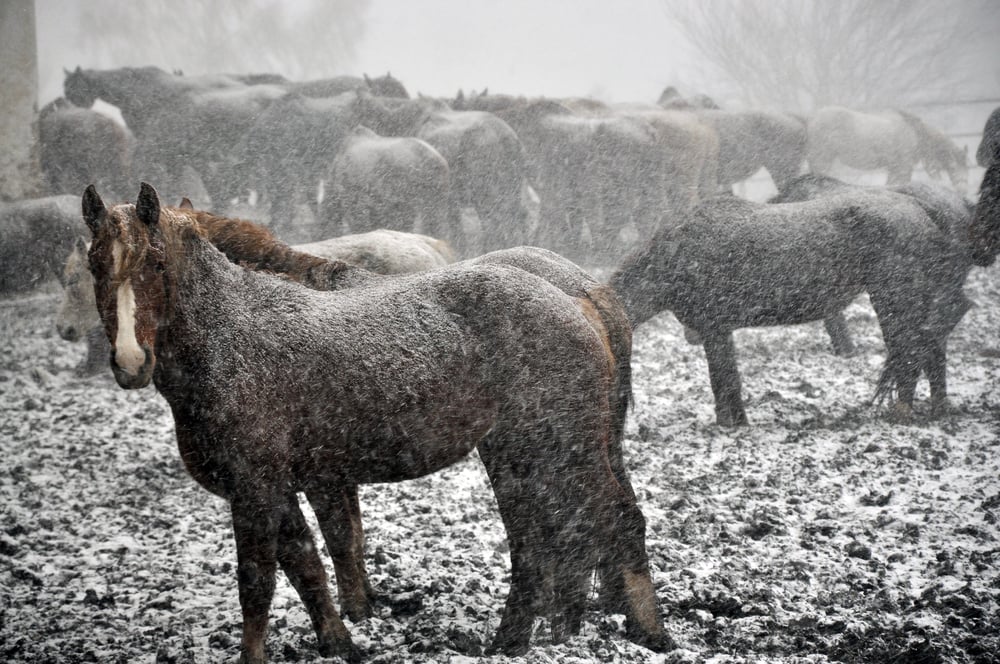
These remarkable animals prove that life finds a way, no matter how hostile the environment. Their extraordinary adaptations remind us that evolution is an ongoing process of problem-solving, creating living solutions to Earth’s most challenging conditions.
Each species represents millions of years of trial and error, resulting in biological marvels that continue to inspire scientists and nature lovers alike.
More from Go2Tutors!

- The Romanov Crown Jewels and Their Tragic Fate
- 13 Historical Mysteries That Science Still Can’t Solve
- Famous Hoaxes That Fooled the World for Years
- 15 Child Stars with Tragic Adult Lives
- 16 Famous Jewelry Pieces in History
Like Go2Tutors’s content? Follow us on MSN.