14 Cities Where Millions Live in Space the Size of a Suburb
In most American suburbs, a few thousand people might share several square miles of land, with single-family homes, spacious yards, and plenty of breathing room. But around the world, there are remarkable urban centers where populations equivalent to entire countries are squeezed into spaces barely larger than a typical suburban area.
These mega-dense cities redefine our understanding of urban living, creating vertical worlds where millions of lives unfold in startlingly compact spaces. Here is a list of 14 cities where population density reaches almost unimaginable levels, with millions of people living in areas comparable to the size of an average American suburb.
Manila
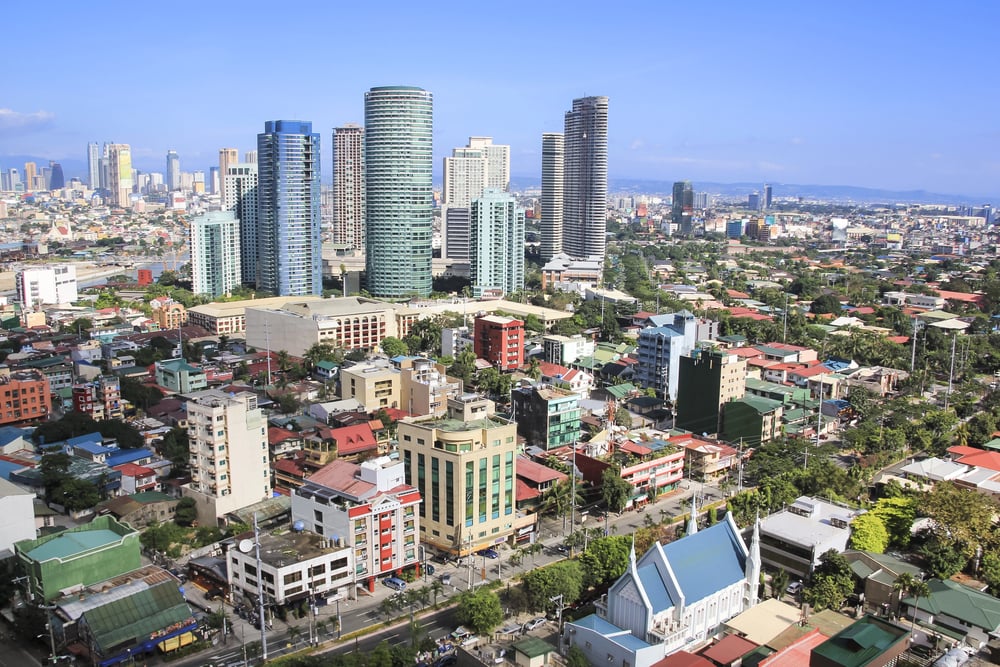
The capital of the Philippines packs over a million people into just a handful of square miles, creating a density that would make suburban dwellers dizzy. Manila’s extraordinary compression comes from informal settlements nestled beside modern high-rises, with narrow alleyways functioning as living rooms, marketplaces, and thoroughfares all at once.
Each day, residents navigate this human maze with remarkable efficiency. They turn constraints into community bonds that would be unimaginable in spread-out suburban environments.
Mumbai
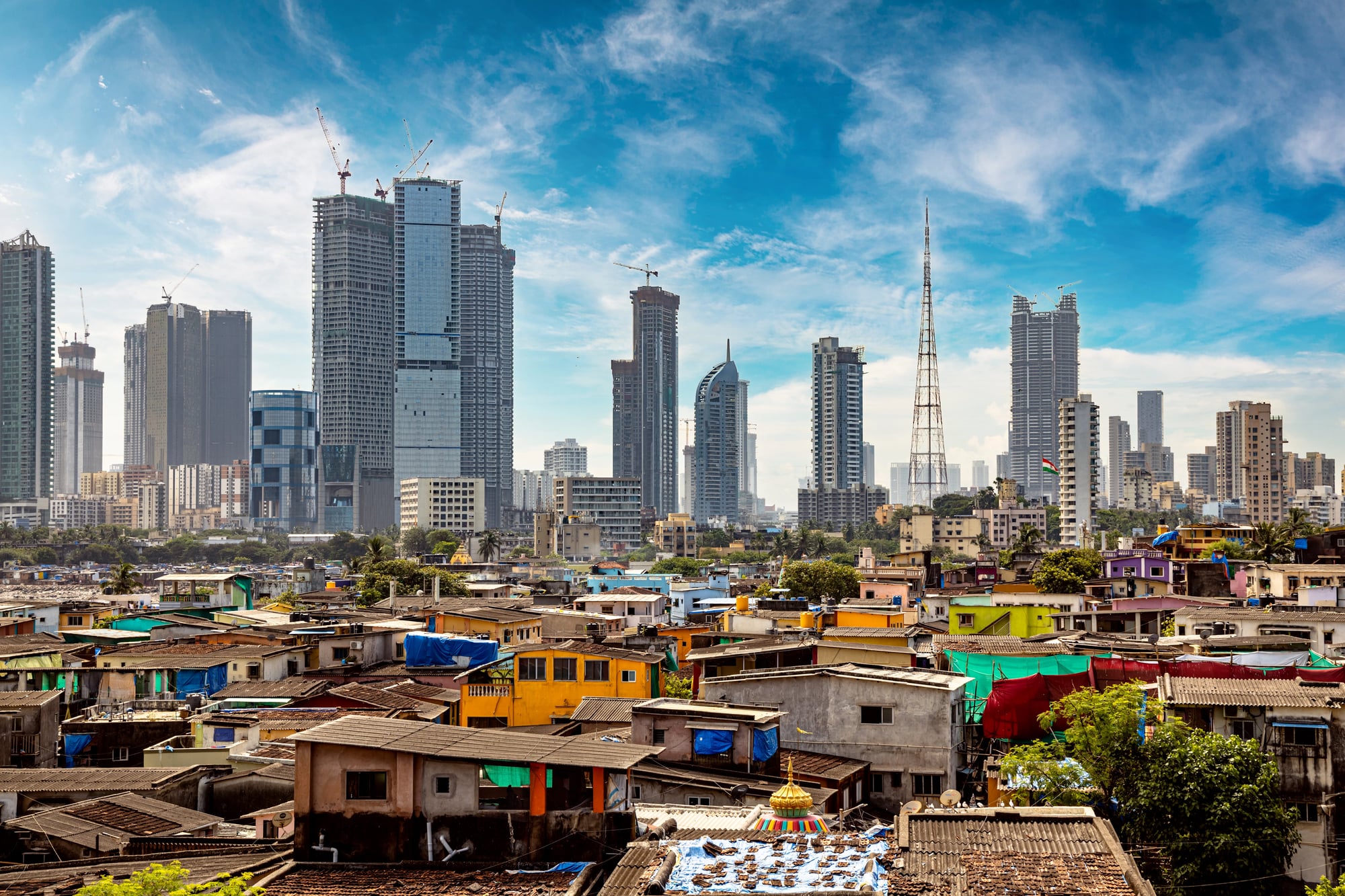
Mumbai crams millions of people within its city proper, with some neighborhoods reaching astonishing density levels. This Indian megalopolis stretches upward and outward simultaneously, with luxury skyscrapers often standing just feet away from sprawling informal settlements.
Space limitations have turned Mumbai’s train system into a marvel of human capacity. Each rush-hour train carries passengers equal to the entire population of some suburban towns.
Like Go2Tutors’s content? Follow us on MSN.
Dhaka
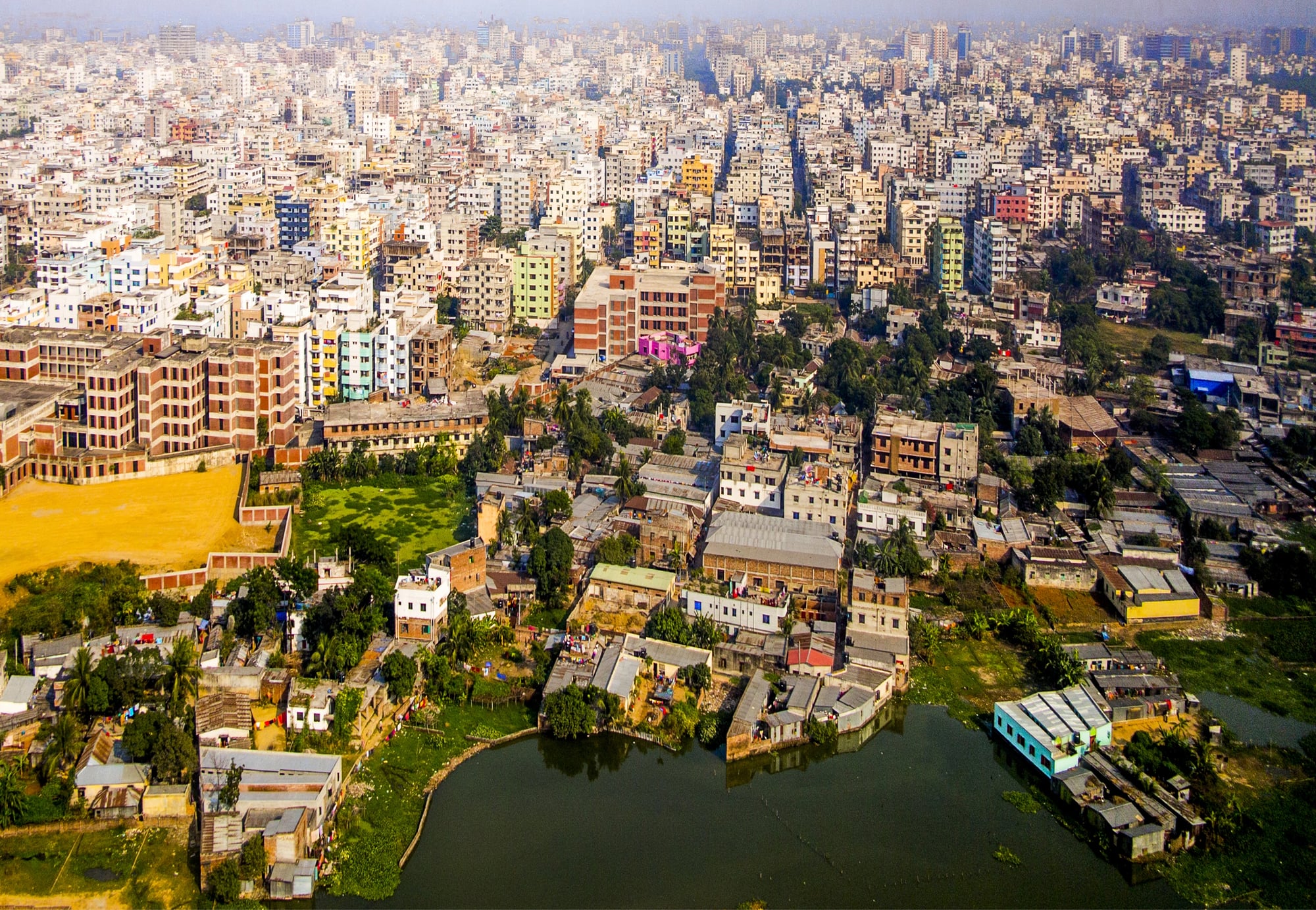
Bangladesh’s capital squeezes nearly nine million residents into a compact area, with some parts exceeding the most extreme density levels globally. Dhaka transforms limitations into vibrant adaptation, with rooftops becoming gardens, social spaces, and even small factories.
The density creates constant movement. An average street contains more activity in a single block than many suburbs experience in an entire neighborhood over a week.
Cairo

Egypt’s bustling capital houses millions of people in tightly packed neighborhoods where buildings nearly touch across narrow streets. The city’s remarkable efficiency comes partly from its mixed-use spaces, with shops, homes, and workshops often stacked vertically.
Cairo’s ancient quarters showcase how density has been sustainable for centuries. Communities function in spaces that would constitute just a few blocks of a modern suburban town.
Lagos
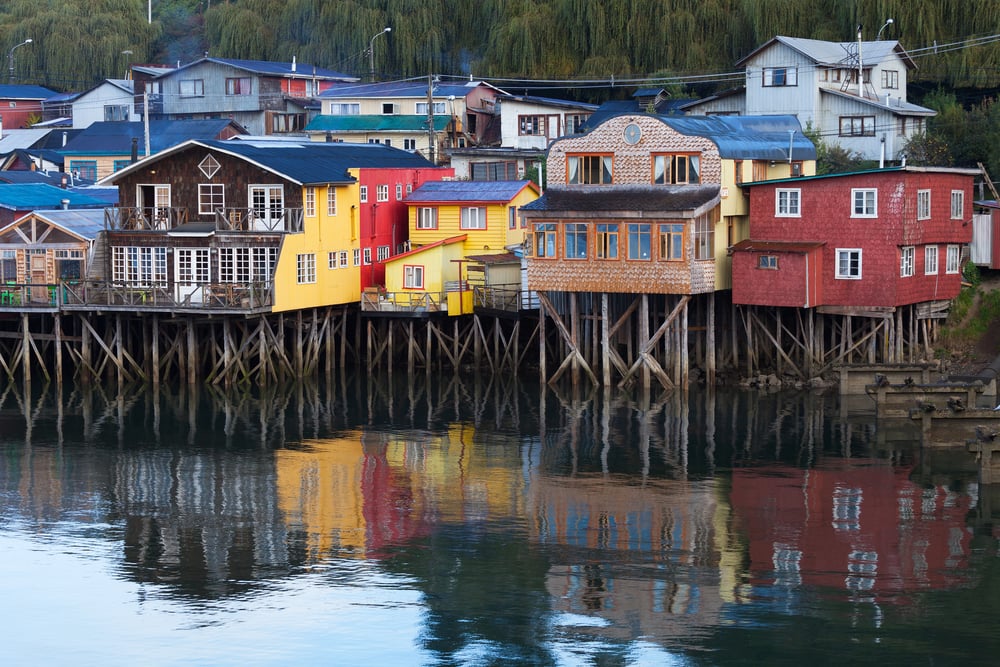
Nigeria’s commercial heart holds a massive population in its metropolitan area, with some districts reaching mind-boggling density. Lagos achieves this compression through vertical and horizontal utilization, including its famous floating district of Makoko where thousands live above water.
The city’s energy comes from necessity-driven innovation. Every square foot serves multiple purposes throughout the day.
Like Go2Tutors’s content? Follow us on MSN.
Kolkata

This Indian city accommodates millions in a compact footprint, creating neighborhoods where multigenerational families often share apartments smaller than a suburban living room. Kolkata’s sidewalks transform into kitchens, workshops, and social clubs from dawn to midnight.
The density creates both challenges and remarkable efficiencies. Resources are recycled and spaces are repurposed in ways that make suburban consumption patterns seem wasteful by comparison.
Seoul
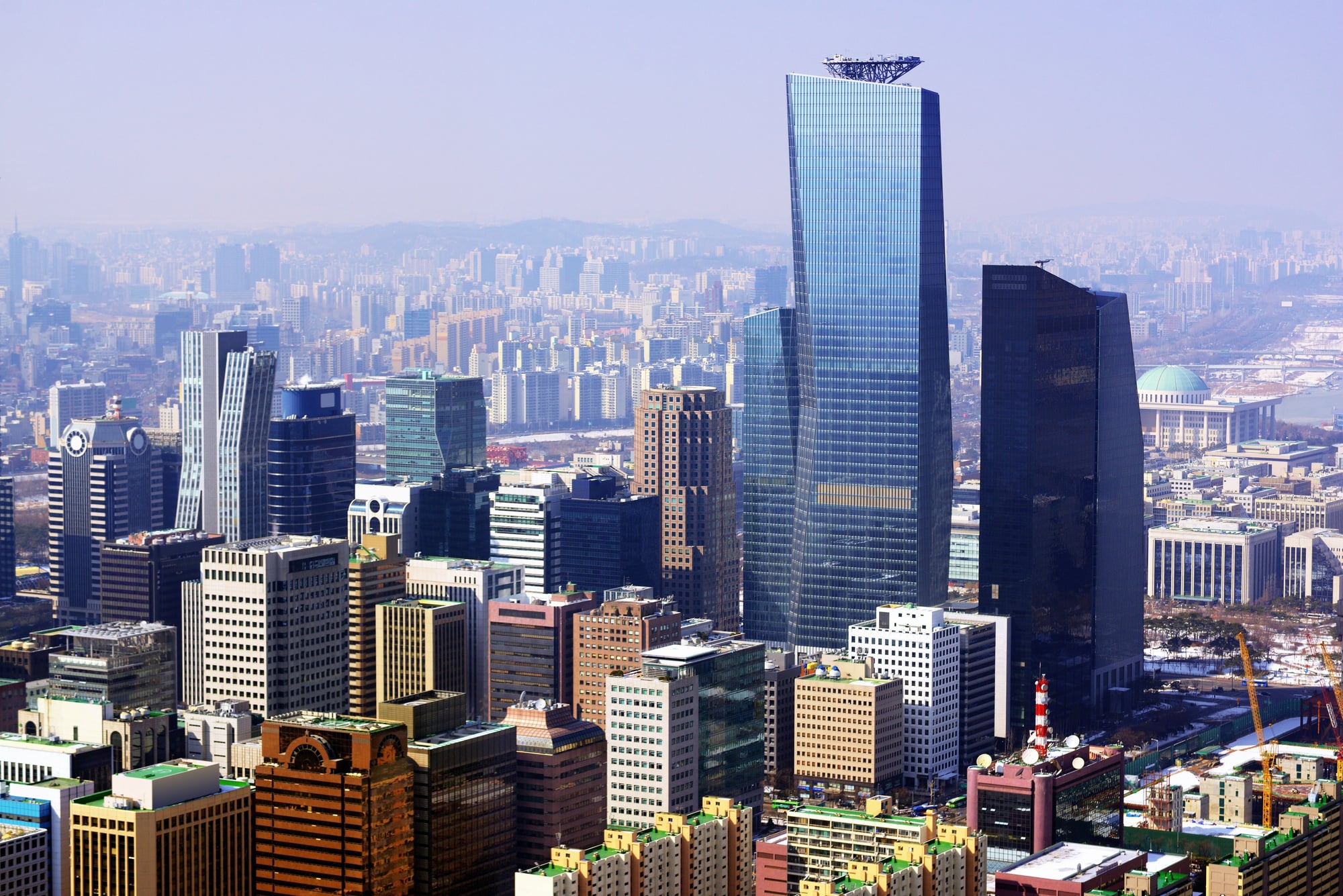
South Korea’s capital manages to house millions in a mountainous landscape that forces creative use of every buildable space. Seoul’s apartment towers create vertical neighborhoods, with some housing complexes containing populations equivalent to medium-sized towns.
The city’s remarkable public transportation system moves more people in a day than some countries have residents. Density enables infrastructure efficiencies impossible in spread-out environments.
Karachi
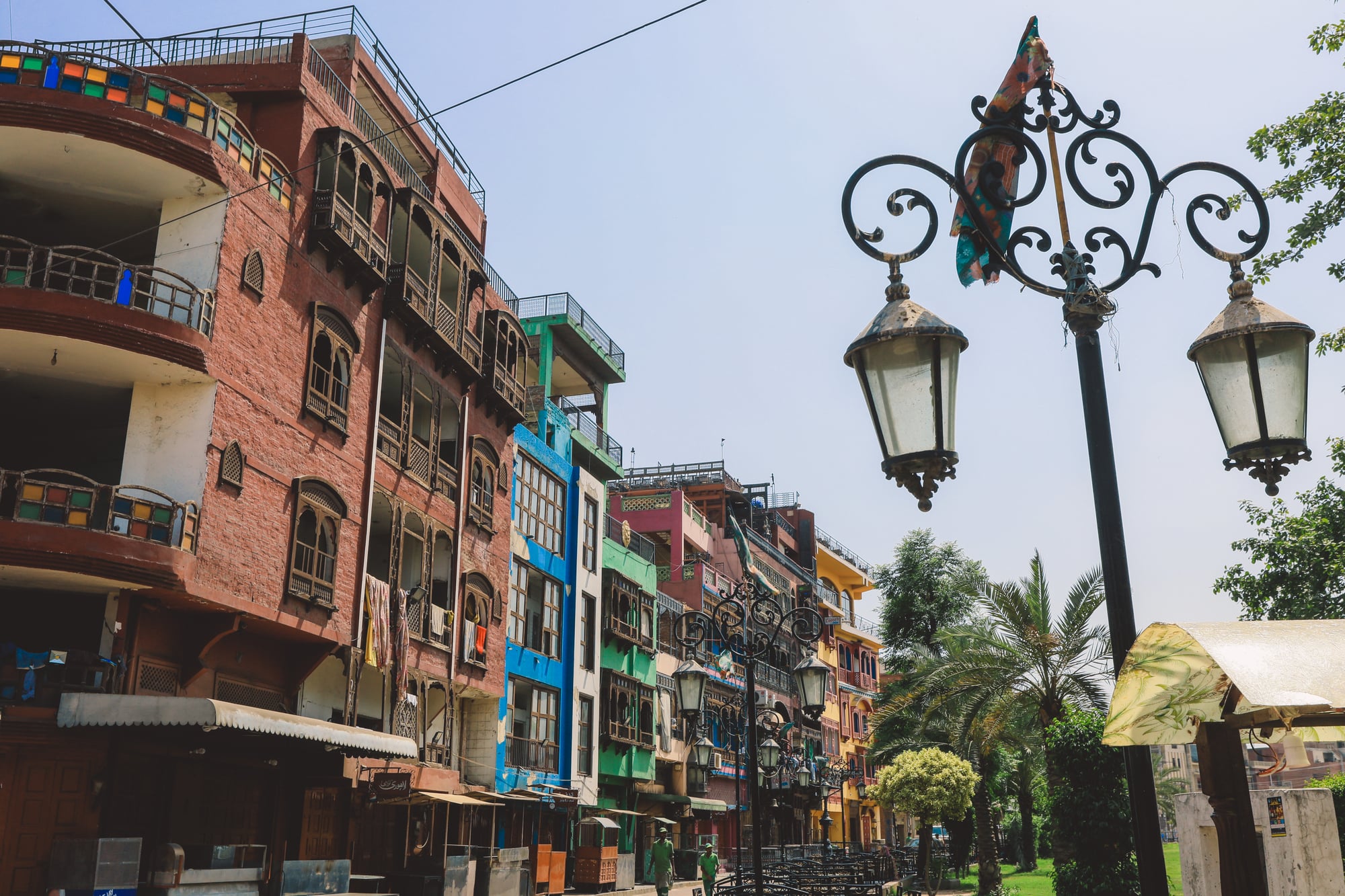
Pakistan’s largest city contains millions within its metropolitan area, with central districts holding some of the highest density levels on earth. Karachi demonstrates adaptability, with spaces changing function throughout the day.
A street might serve as a produce market in the morning, a gathering space in the afternoon, and a dining area by evening. Its compressed living creates economic networks where a single block can contain more businesses than an entire suburban district.
Like Go2Tutors’s content? Follow us on MSN.
Tokyo-Yokohama

While Tokyo’s overall density isn’t the world’s highest, neighborhoods like Shinjuku display remarkable compression with buildings stacked above and beside transit stations. The broader urban area houses tens of millions, with apartment buildings containing more residents than entire suburban subdivisions.
Tokyo’s famed efficiency comes from space constraints. Precision in design and movement transforms limitation into near-perfection.
Hong Kong

This vertical city packs millions into a limited area where mountains leave only a fraction of the land usable. Hong Kong’s remarkable density has created the world’s most impressive skyline, with more tall buildings than anywhere else.
Some housing estates contain thousands in spaces smaller than suburban shopping centers. These self-contained vertical communities form their own economies, social systems, and cultures.
Gaza

With millions of people living in a narrow coastal strip, Gaza is one of the most densely populated places on earth. Political realities have intensified this compression, creating neighborhoods where thousands share what would be a few blocks in a typical suburb.
Human adaptation includes multi-function spaces. Rooftops become gardens, schools operate in shifts, and families maintain social connections despite extreme physical constraints.
Like Go2Tutors’s content? Follow us on MSN.
Singapore
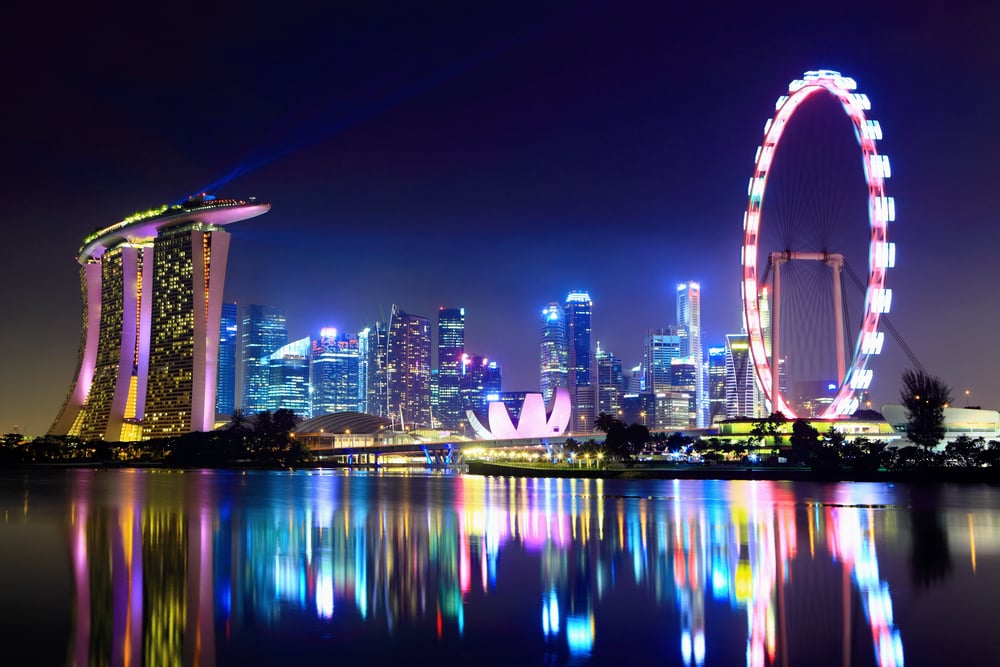
This city-state fits millions onto an island of limited size. Singapore turns density into an art form through careful planning and high-rise housing estates.
Vertical agriculture flourishes in rooftop farms and nine-story gardens. The city creates sustainable systems far more efficient than sprawling suburban development.
Macau

This former Portuguese colony now packs hundreds of thousands into just a few square miles, making it among the most densely populated places globally. Macau’s adaptation includes residential buildings nestled between heritage structures, blending private and public space seamlessly.
Its density has become a tourism asset. The compressed historic center offers an immersive experience that spread-out developments can’t replicate.
Beirut

Lebanon’s capital squeezes millions into its metropolitan area, with central neighborhoods reaching exceptional density. Beirut’s vertical growth has accelerated out of necessity, with buildings leaning toward each other over narrow streets.
Roof terraces serve as social areas, while restaurants place tables on staircases. Apartments often house multiple generations in spaces smaller than suburban master bedrooms.
Like Go2Tutors’s content? Follow us on MSN.
Urban Compression’s Hidden Strengths
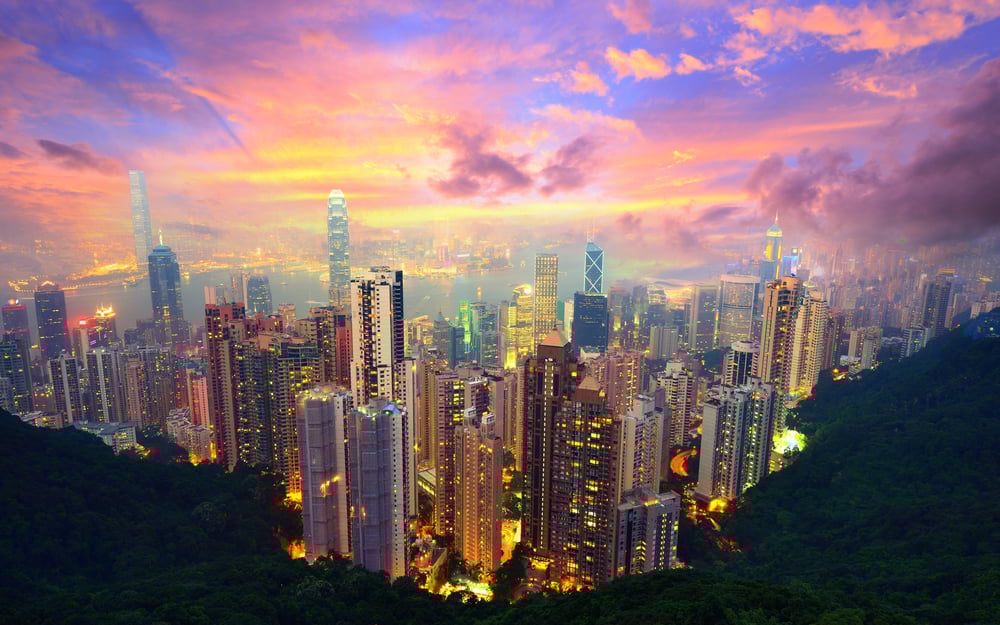
These remarkable urban centers show how human ingenuity adapts to spatial constraints. Though suburbs offer privacy and space, dense cities provide unmatched energy, opportunity, and efficiency.
Vertical communities thrive where every square foot matters. They prove that thoughtful population density can create ecosystems rich in culture, economy, and sustainability.
Our tendency to link space with quality of life overlooks the vibrant social fabric dense cities generate. As the world becomes more urban, these places offer powerful lessons for the future of human living.
More from Go2Tutors!

- 18 Unexpectedly Valuable Collectibles You Might Have Lying Around
- 20 Little-Known Historical Battles That Had Huge Consequences
- 20 Historical Artifacts That Scientists Can’t Explain
- 15 Inventions That Were Immediately Banned After Being Created
- 20 Actors Who Were Almost Cast in Iconic Roles
Like Go2Tutors’s content? Follow us on MSN.



