17 Animals with Physical Features That Make No Sense
Nature is full of amazing creatures that evolved in fascinating ways. Sometimes, these evolutionary paths lead to physical features that seem downright baffling at first glance. From body parts that appear to defy logic to adaptations that look more like design flaws, the animal kingdom is packed with examples that might leave you scratching your head.
Here is a list of 17 animals with physical features that seem to make absolutely no sense until you dig deeper into their surprising advantages.
Narwhal Tusk
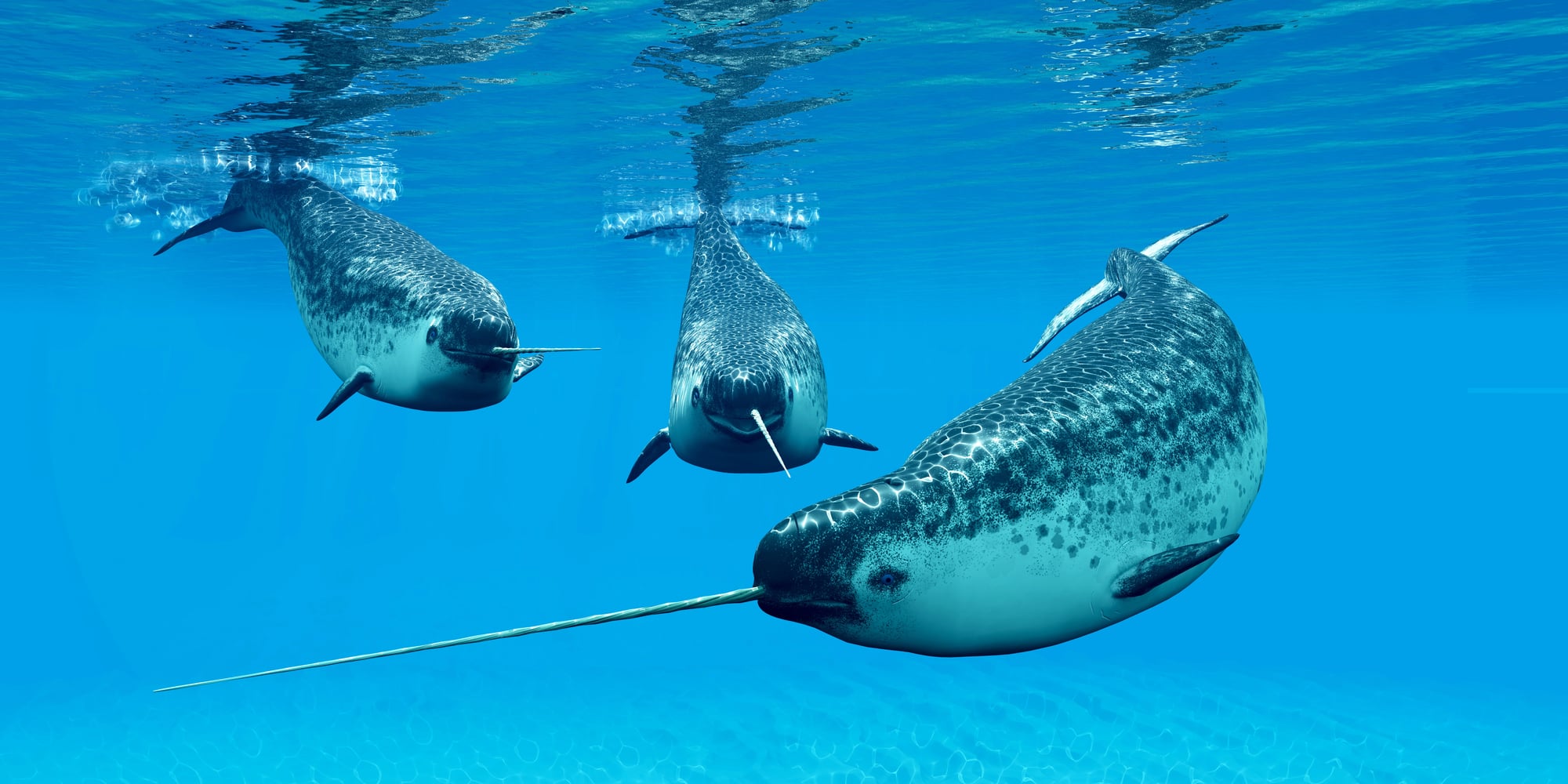
The narwhal’s iconic spiral tusk is actually an overgrown tooth that can grow up to 10 feet long. What’s particularly strange is that this tusk almost exclusively develops in males and grows straight through their upper lip.
Scientists have discovered these tusks contain millions of nerve endings and may be used to sense water temperature and salinity.
Babirusa Tusks
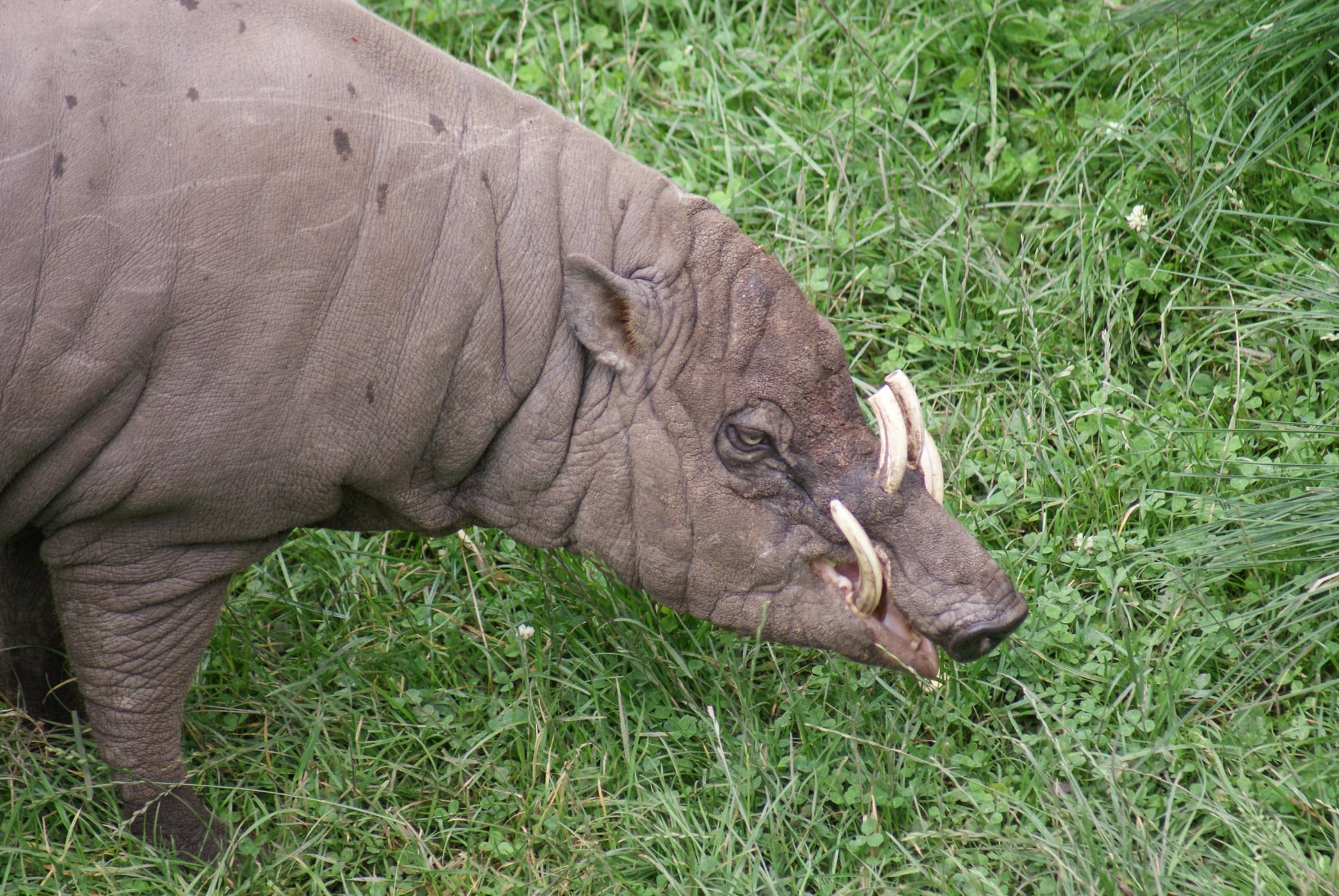
These Indonesian wild pigs develop curved upper canine teeth that grow upward, piercing through their own skin and curling backward toward their skull. In older males, these tusks can grow so long they eventually curve back far enough to penetrate the animal’s skull.
The tusks serve primarily as display features to attract mates, though they can occasionally become a fatal liability.
Proboscis Monkey Nose
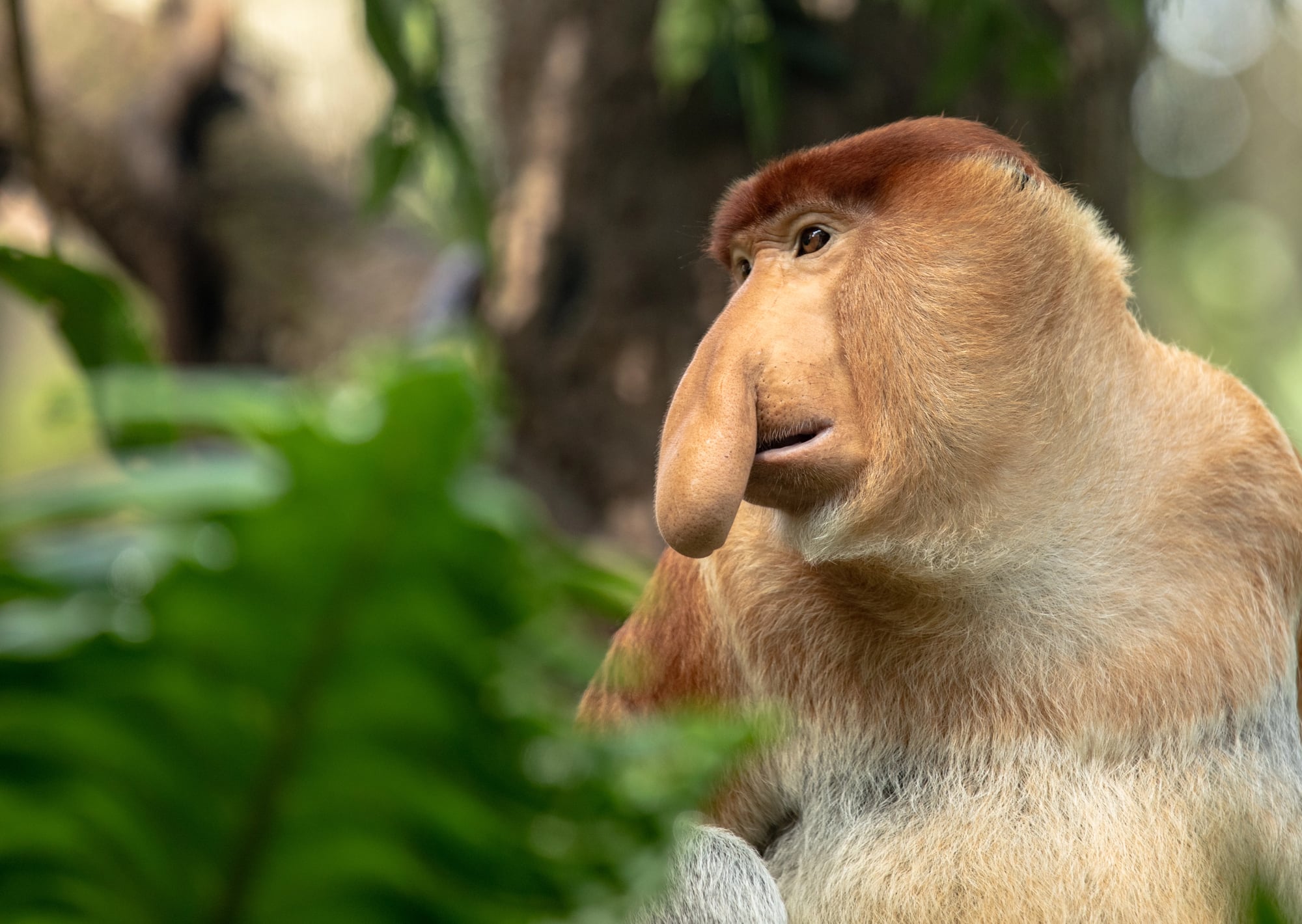
Male proboscis monkeys sport enormously bulbous noses that hang down over their mouths and can grow up to 7 inches long. The larger the nose, the more attractive males are to females, as the feature amplifies their mating calls.
Their unusual noses also help cool their blood during hot days in the Borneo rainforest.
Star-Nosed Mole Tentacles
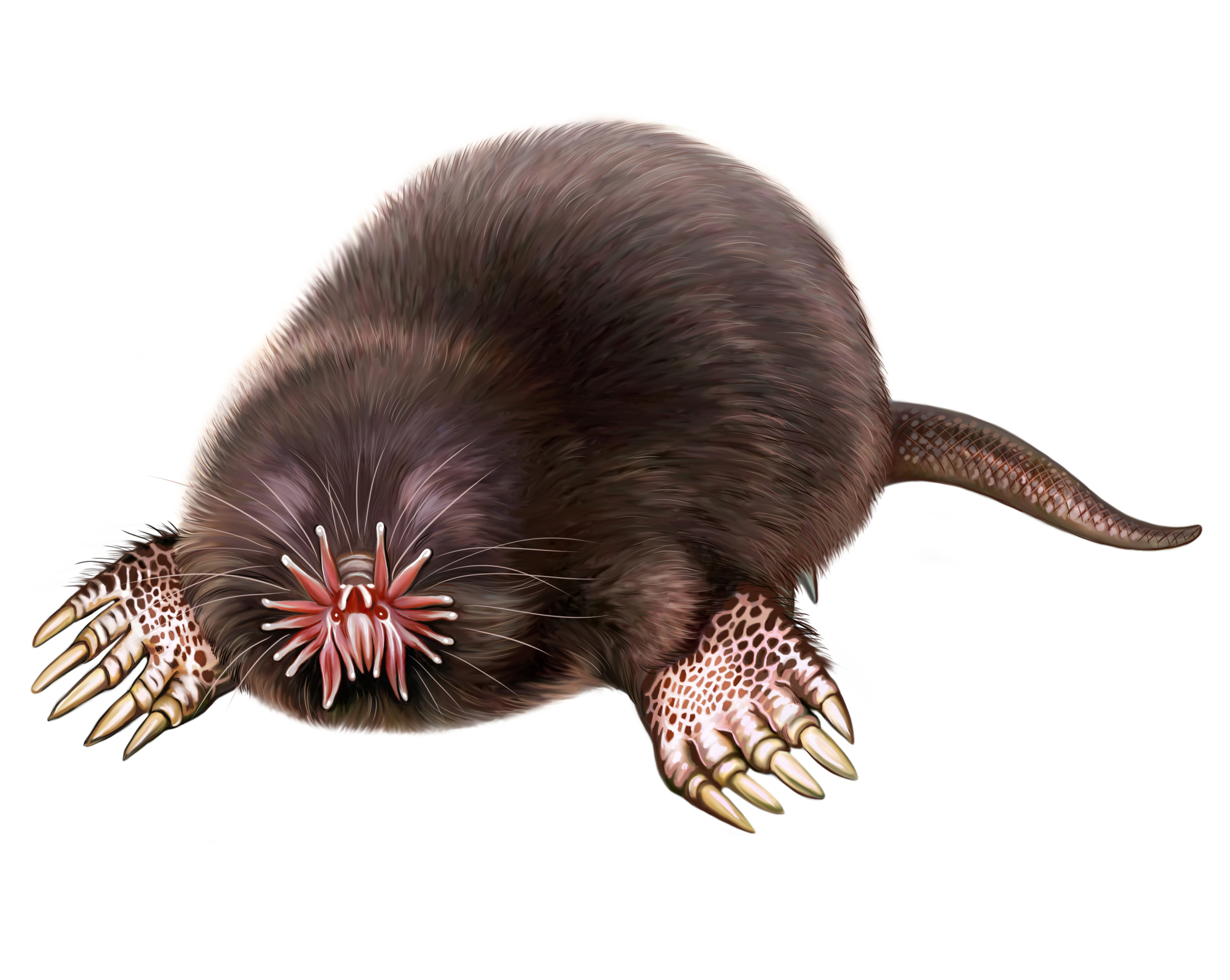
This small mammal has what looks like a tiny, fleshy starfish attached to its face. The star consists of 22 mobile tentacles packed with over 100,000 nerve endings, making it one of the most sensitive touch organs in the animal kingdom.
These moles can identify and consume food faster than the human eye can follow—in as little as 120 milliseconds.
Aye-Aye Middle Finger
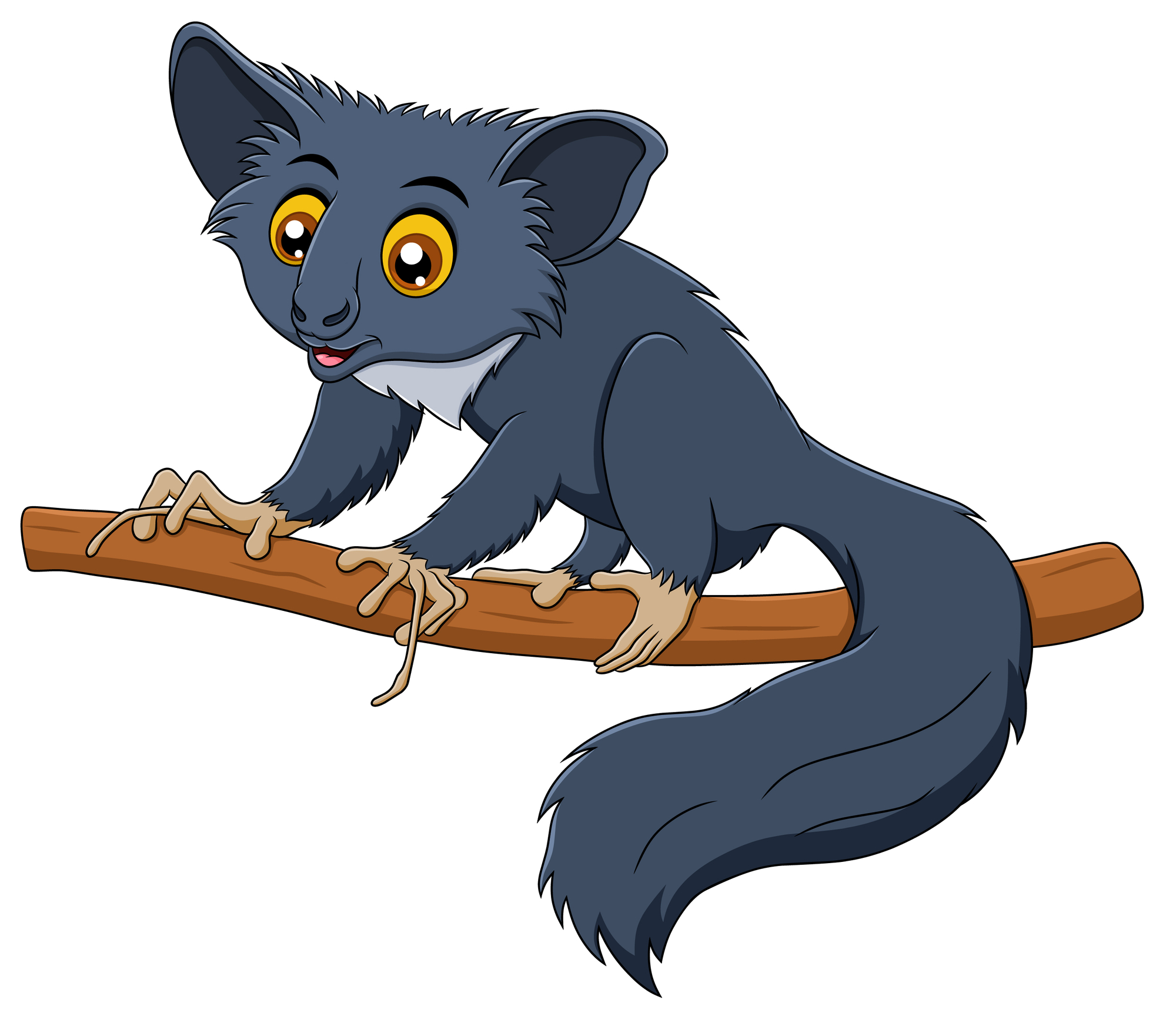
Madagascar’s aye-aye has an unnaturally long, skeletal middle finger that looks completely out of proportion with its other digits. This bizarre finger evolved for a very specific purpose: the aye-aye taps on trees to locate insect tunnels, then uses this specialized digit to extract grubs from deep inside the wood, essentially replacing the ecological niche of woodpeckers on the island.
Platypus Bill
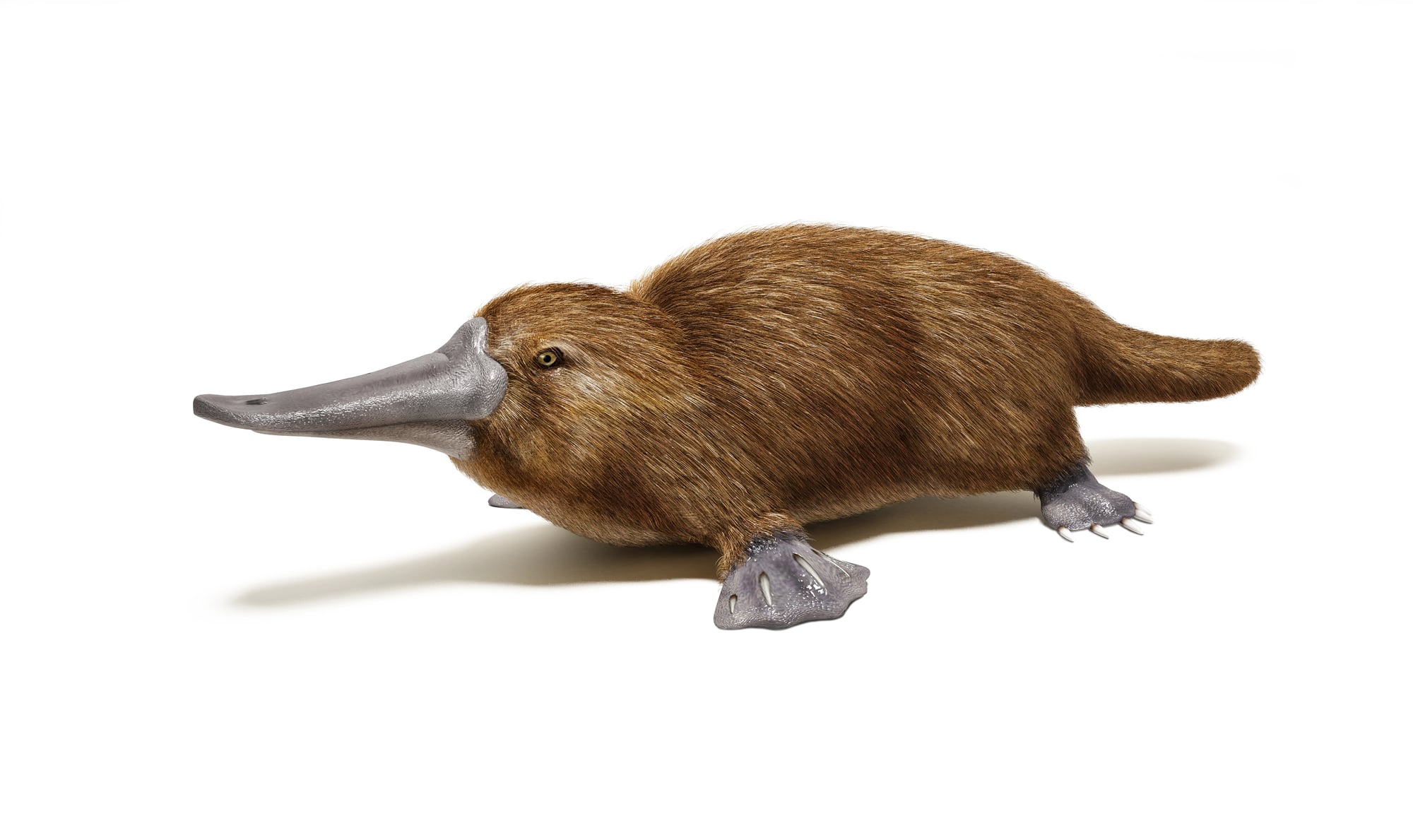
The duck-billed platypus looks like it was assembled from spare animal parts, with its beaver-like tail, otter-like body, and duck-like bill. The bill isn’t just visually strange—it contains thousands of electroreceptors that detect electrical impulses from prey animals.
Effectively, platypuses ‘see’ underwater with their bills by sensing the electrical fields generated by the muscle movements of small aquatic creatures.
Giraffe Neck
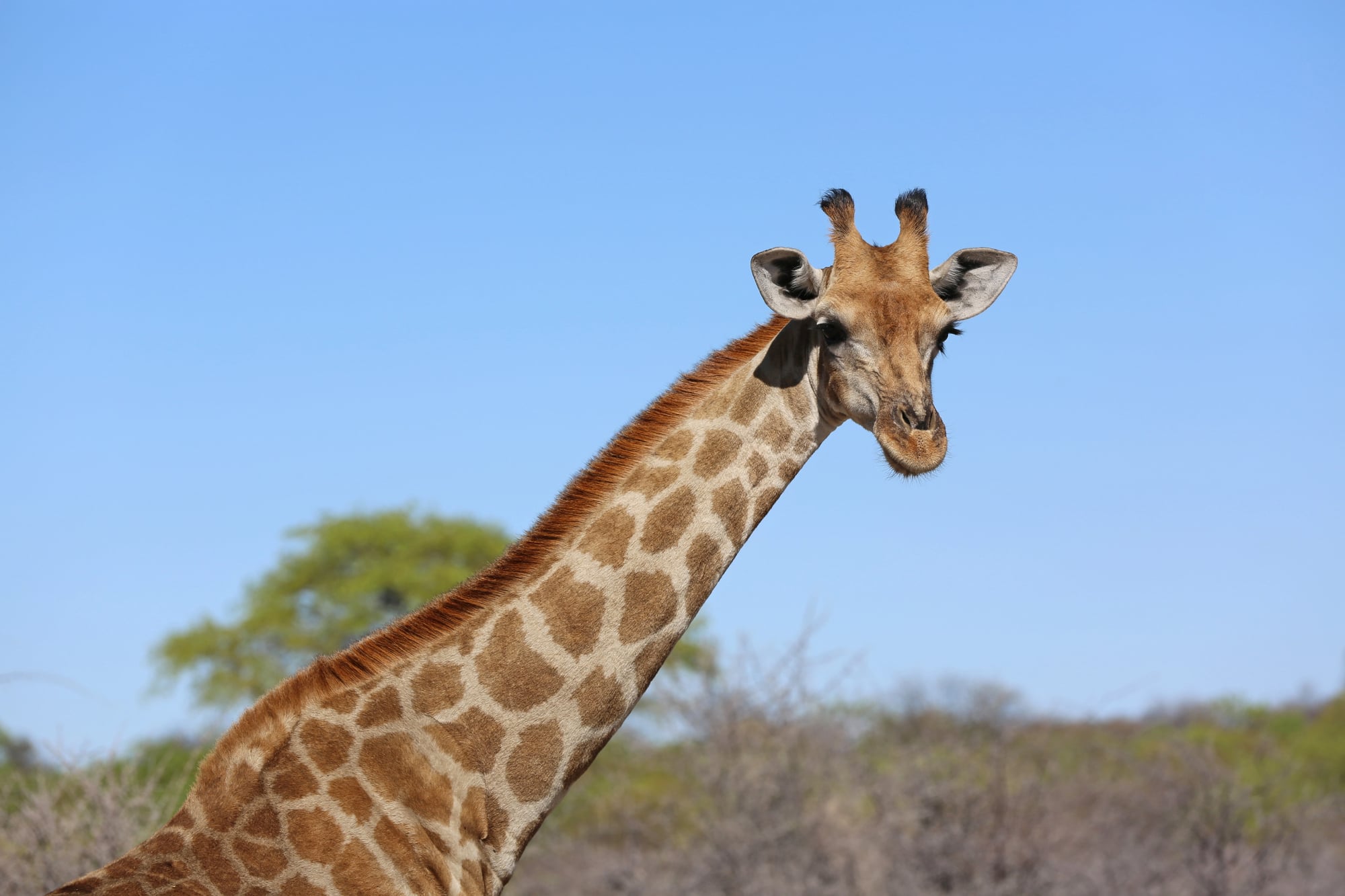
While we’re familiar with giraffes’ long necks, what makes little sense is that they have the exact same number of neck vertebrae as humans and most other mammals—just seven. Each vertebra is massively elongated, some reaching nearly a foot in length.
Despite this extensive neck, giraffes often bend down to drink water rather than using their height advantage, putting them in a vulnerable position against predators.
Okapi Tongue
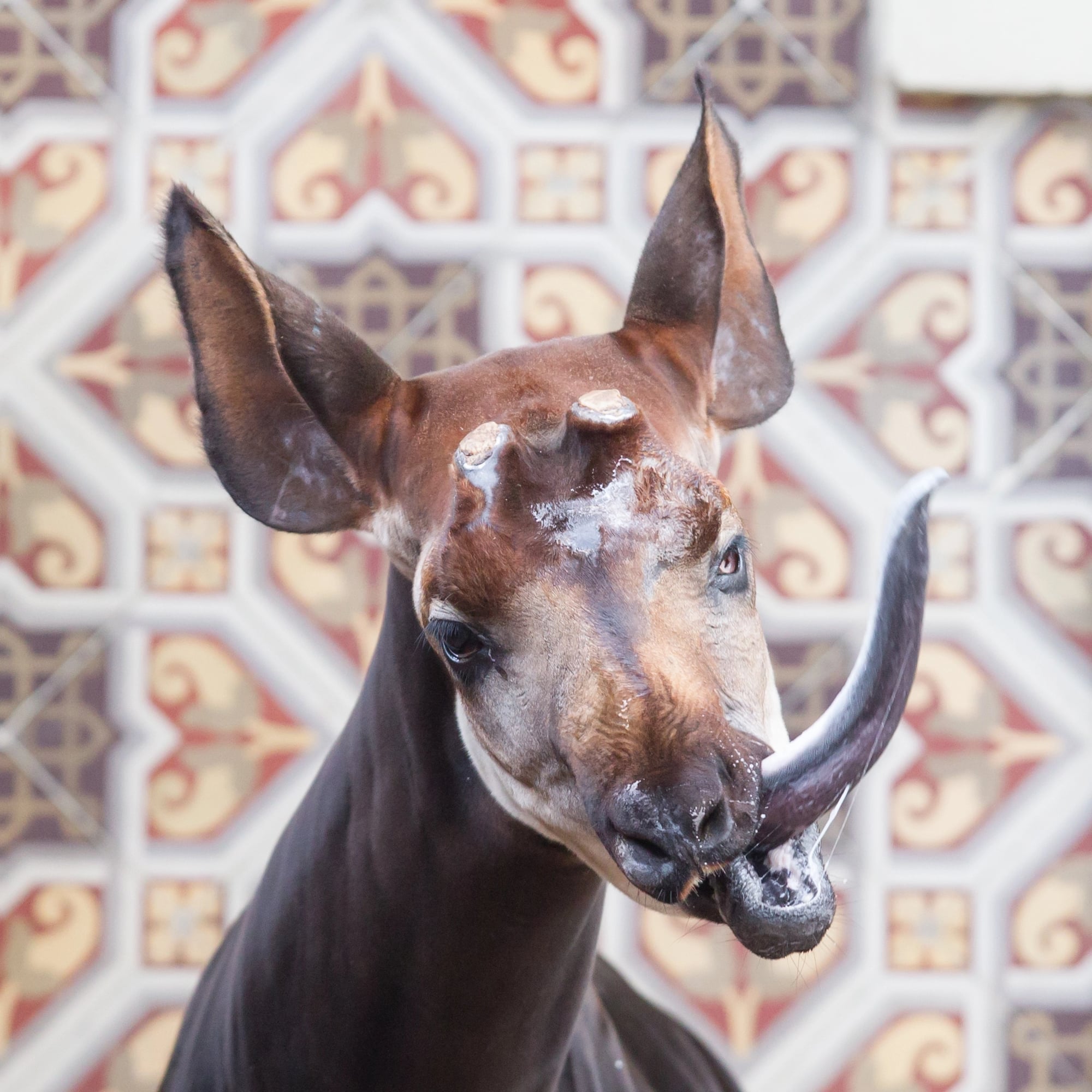
Related to giraffes, okapis possess a tongue so long they can wash their own ears with it. Their prehensile tongue measures between 14-18 inches and has a bluish-purple color due to special blood vessels that may protect it from sun damage.
This tongue allows them to strip leaves from branches and clean their eyes and ears with remarkable precision.
Tapir Trunk
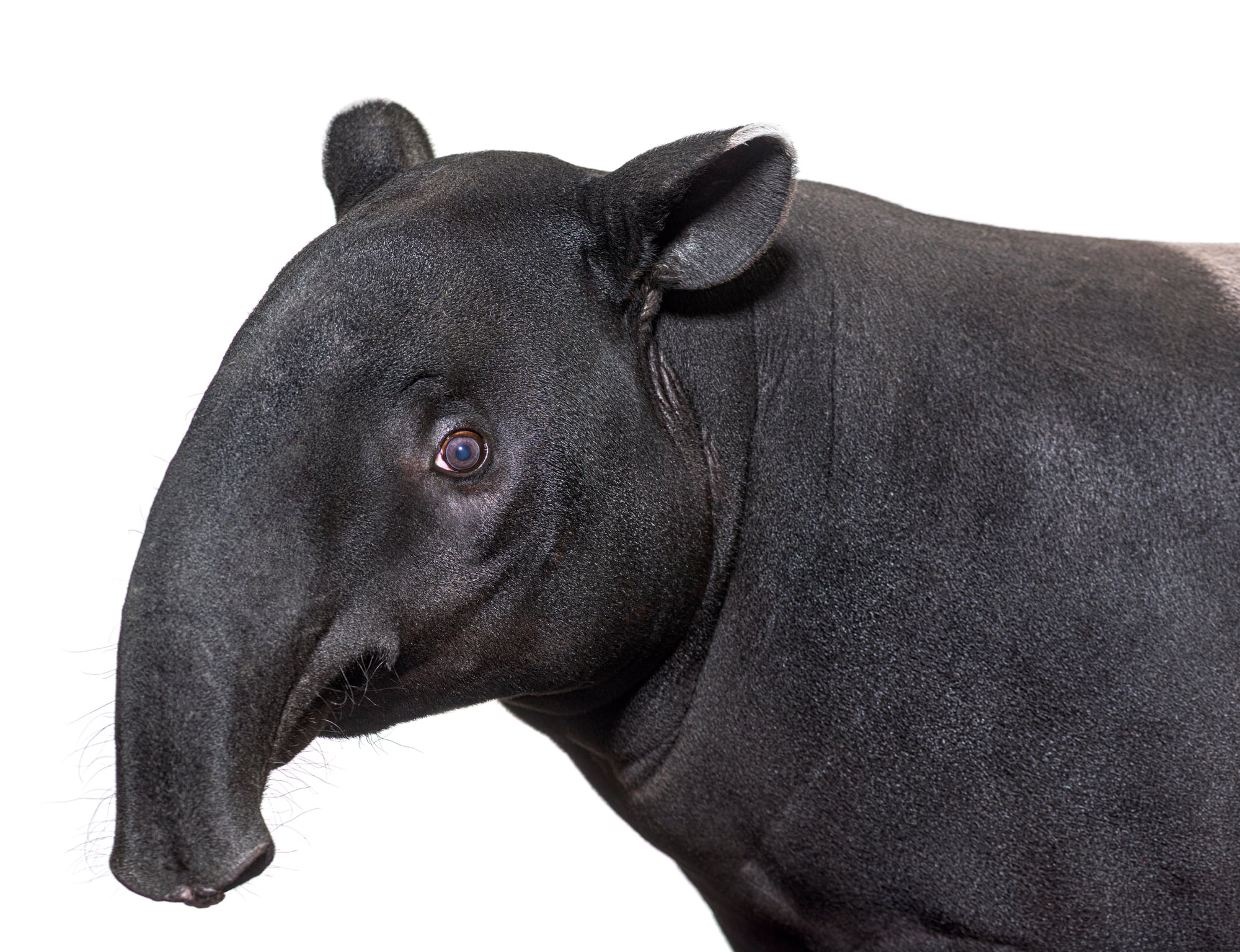
Though their appearance resembles a small elephant trunk, tapirs actually have fused together an expanded snout and upper lip. Like a fifth limb, this flexible snout may catch branches and draw them near.
Fascinatingly, tapirs can swim underwater breathing from their trunk, elevating just the tip above the surface like a snorkel.
Mantis Shrimp Eyes
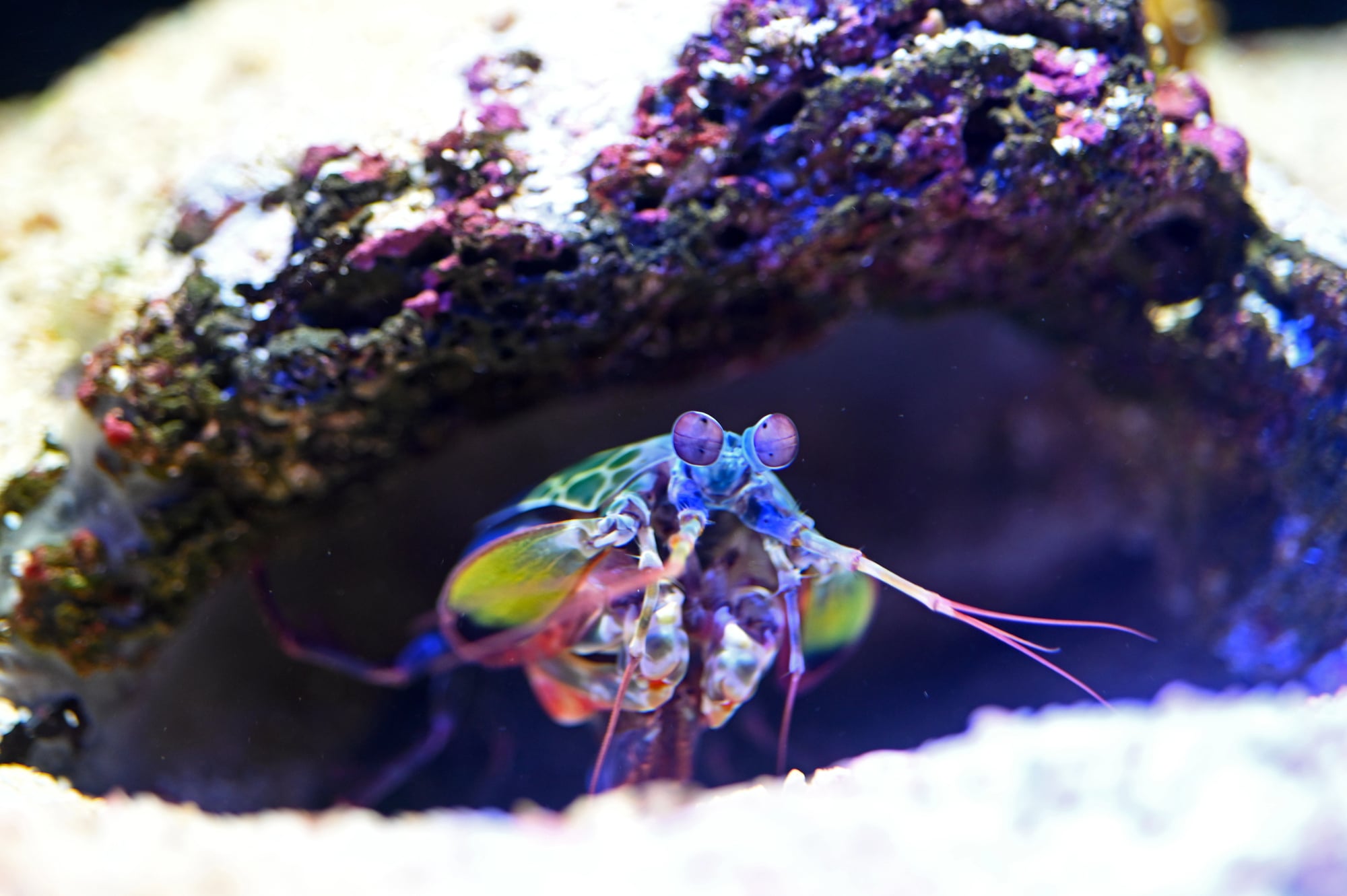
These small crustaceans have the most complex eyes in the animal kingdom, with 16 types of color receptors compared to our measly three. They can see ultraviolet, infrared, and even detect polarized light.
What’s truly bizarre is that despite this incredible visual system, mantis shrimp are actually worse at discriminating between colors than humans.
Blobfish Body
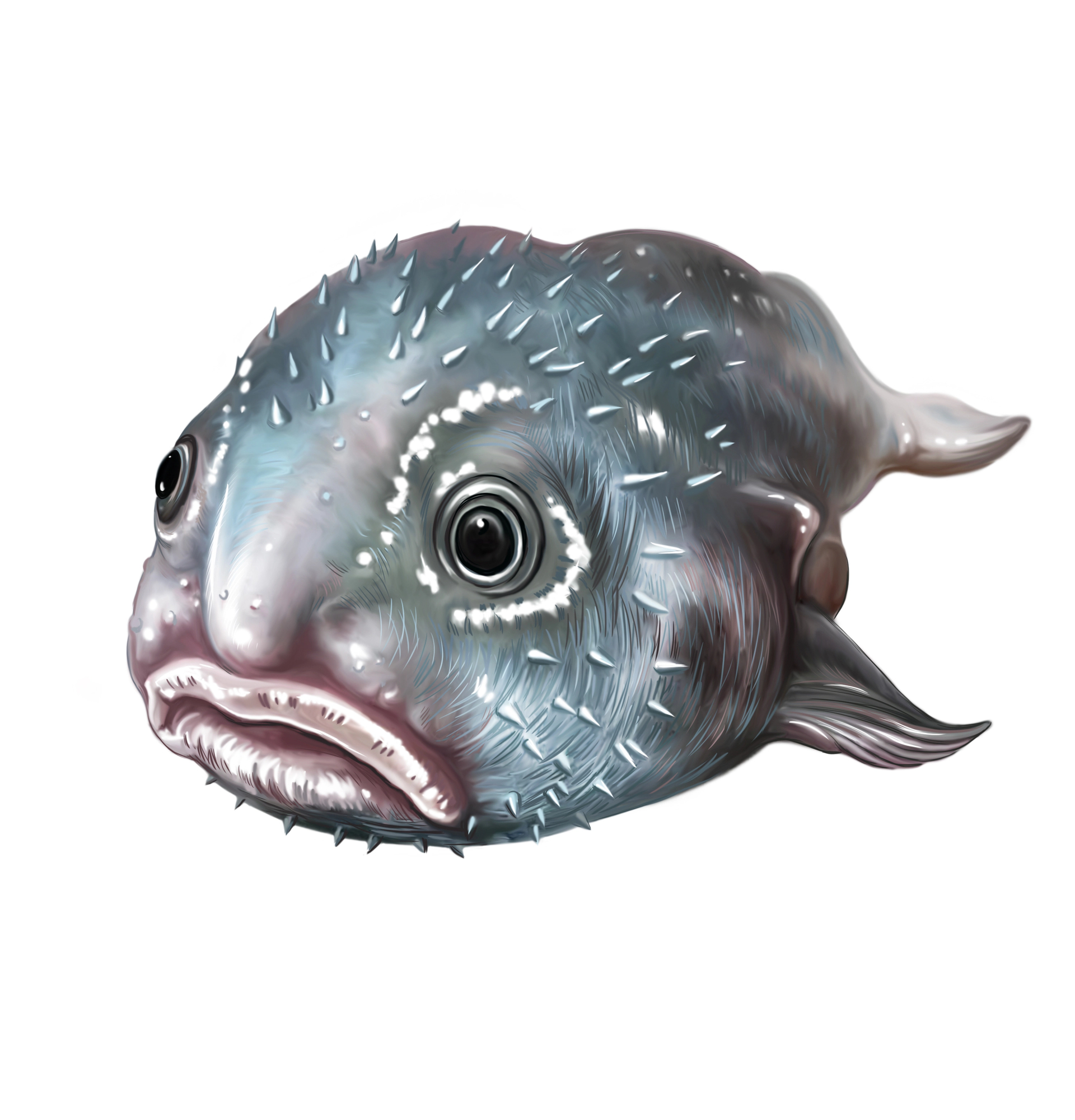
The blobfish appears impossibly droopy and gelatinous when brought to the surface, earning it the title of ‘world’s ugliest animal.’ This appearance makes more sense when you realize it lives 3,000 feet deep in the ocean under extreme pressure.
Its jellylike body is perfectly adapted for deep-sea living, where being dense like other fish would require too much energy.
Axolotl Regeneration
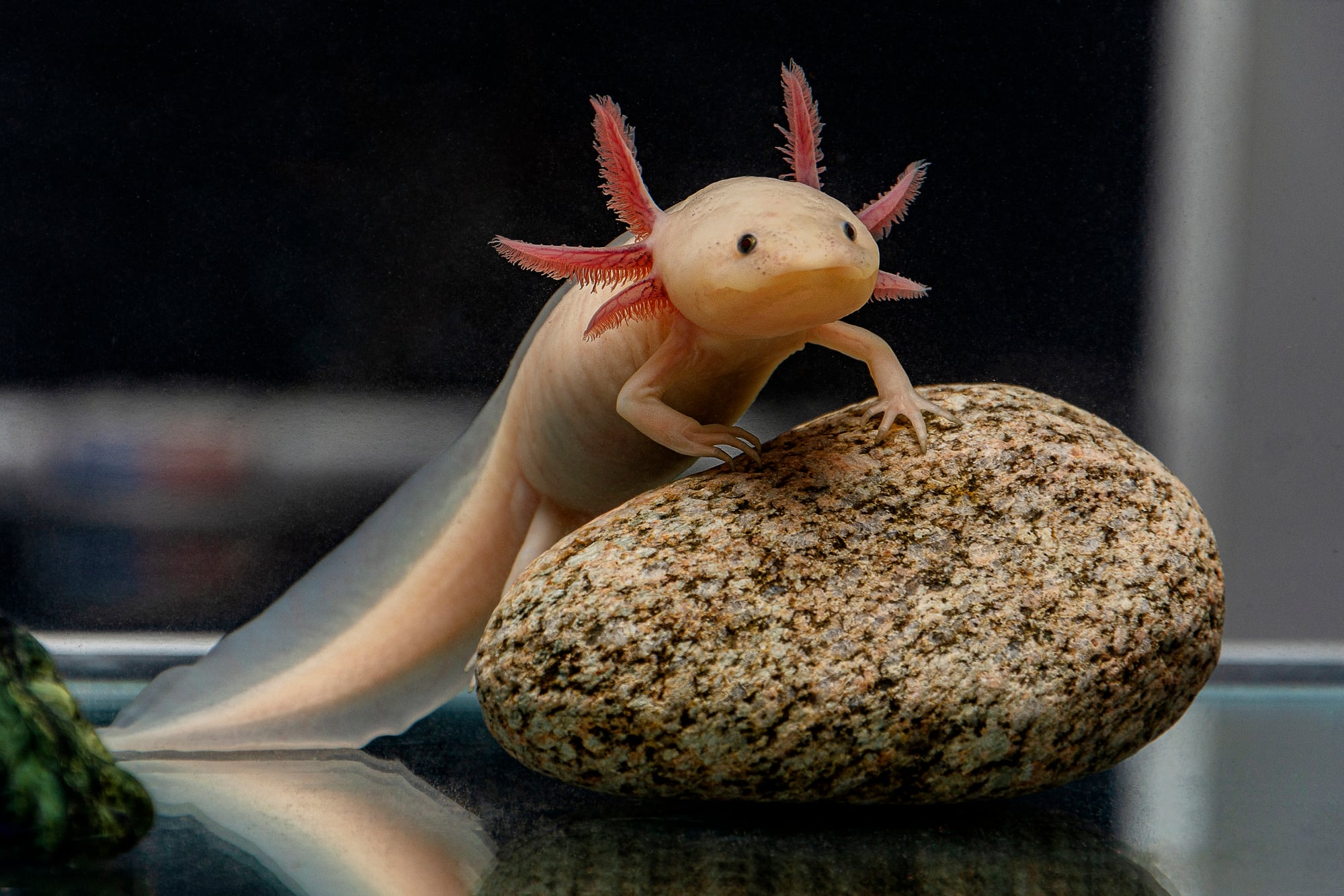
These aquatic salamanders can regenerate nearly any body part, including portions of their brain and heart. Even more unusual, axolotls never undergo metamorphosis, remaining in a larval state their entire lives with external gills that look like feathery headdresses.
They’re essentially permanent teenagers in the amphibian world.
Pangolin Scales
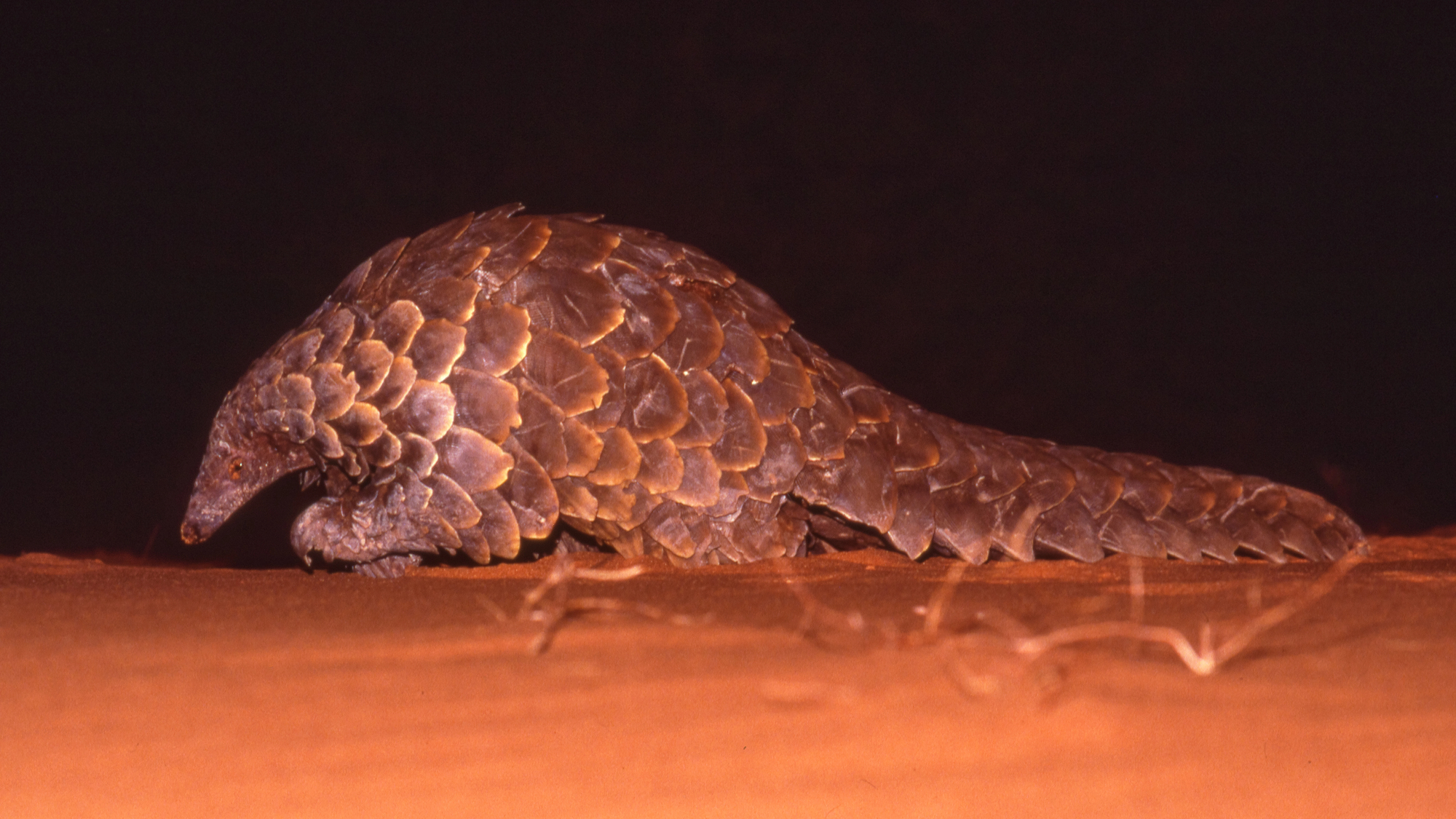
Pangolins are covered in overlapping scales made from the same material as human fingernails. When threatened, they roll into a tight ball that’s nearly impenetrable.
The oddest aspect is their massive, sticky tongue, which is attached near their pelvis and runs through their body cavity, extending up to 16 inches beyond their mouth for slurping up ants.
Shoebill Stork Bill
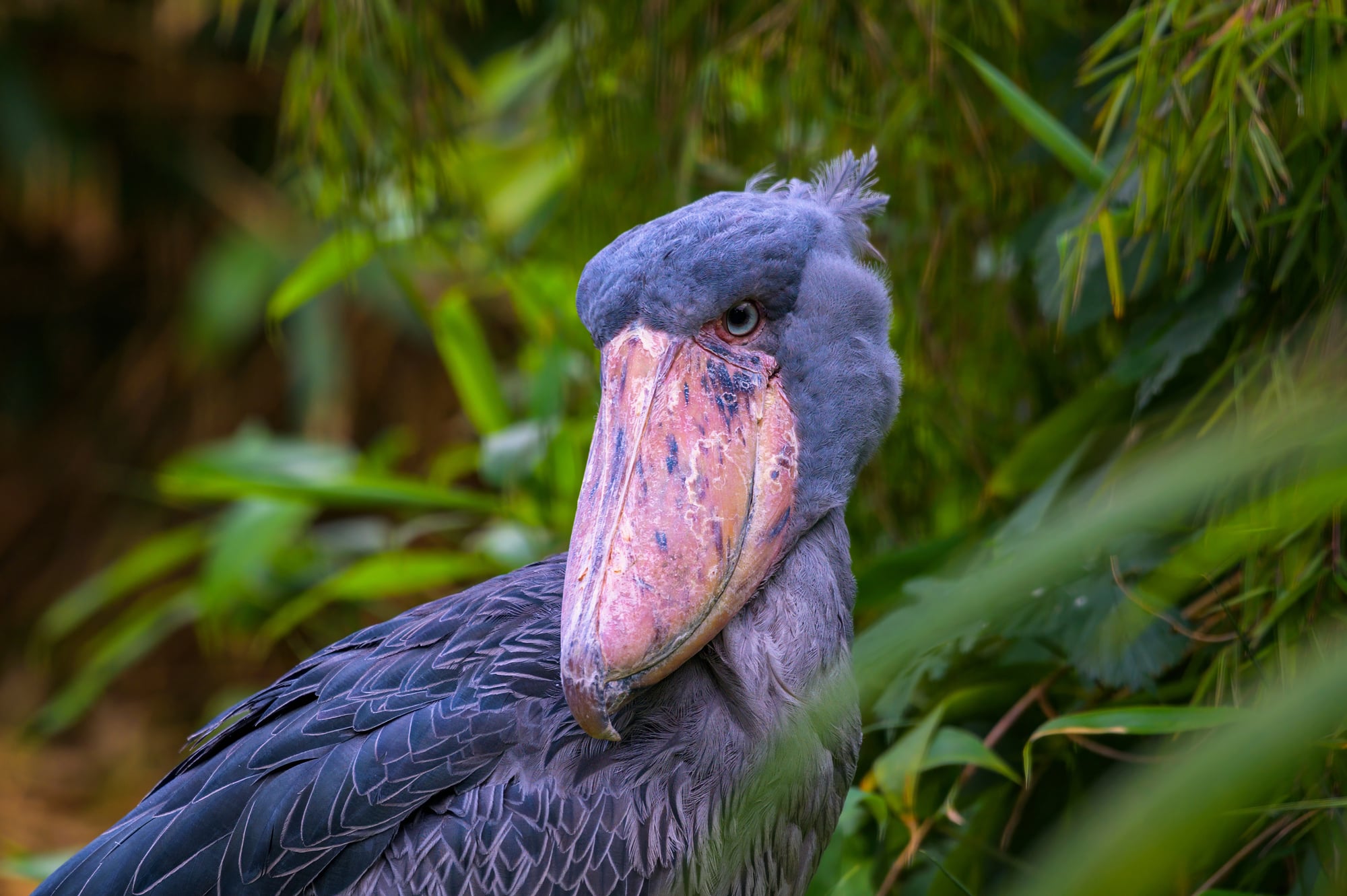
The shoebill stork has a massive, shoe-shaped bill that looks cartoonishly large compared to its body. This enormous structure enables the bird to catch and crush prey like lungfish and baby crocodiles in a single snap.
Shoebills rarely open their mouths partially—they either keep them completely closed or wide open, giving them an oddly mechanical appearance.
Gerenuk Posture
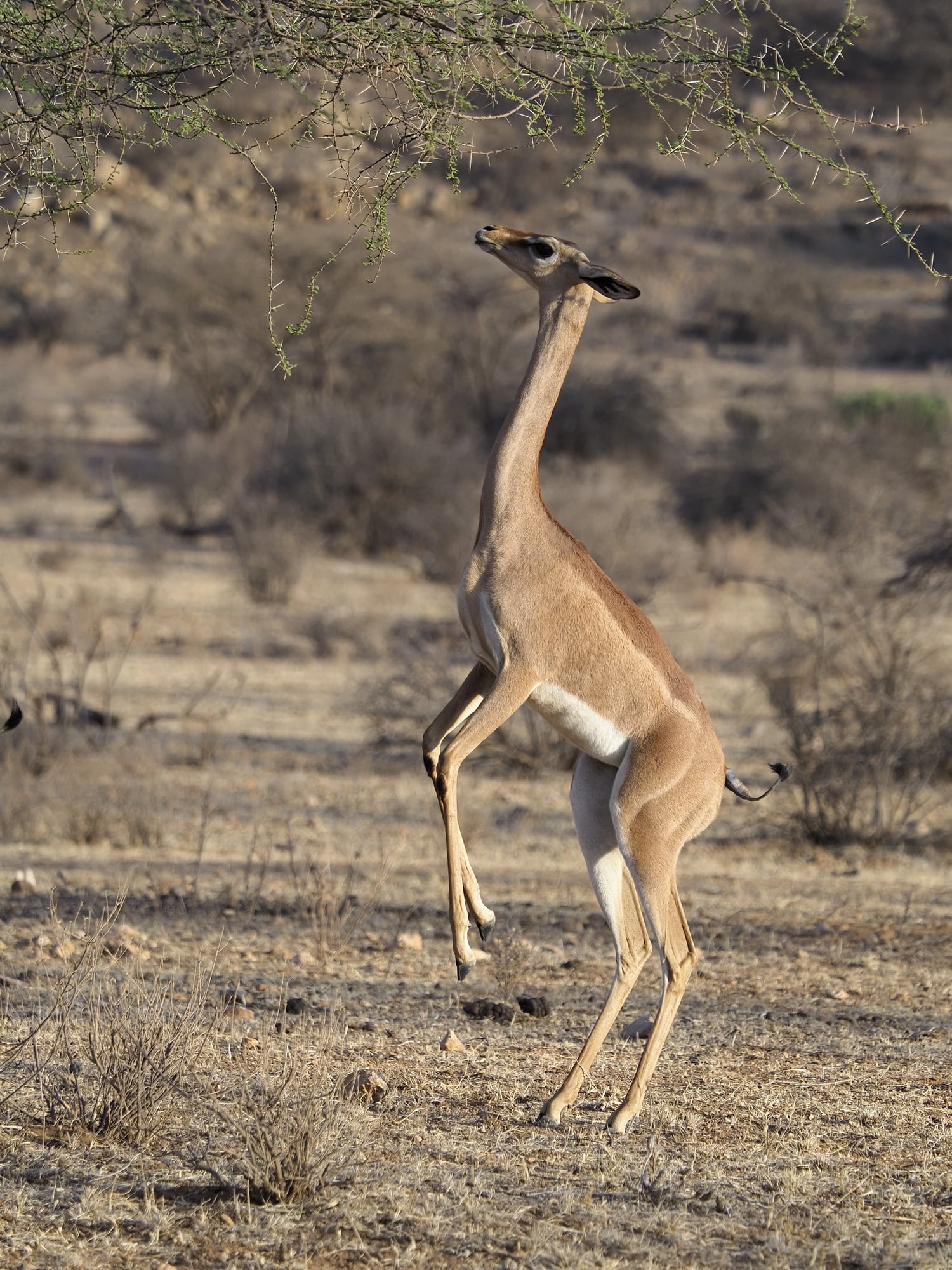
The gerenuk, or ‘giraffe-necked antelope,’ stands on its hind legs to feed, balancing in a position that looks physically impossible. Unlike other antelopes, their hind legs are significantly longer than their forelegs, enabling this strange bipedal feeding stance.
They can maintain this position for extended periods, reaching leaves up to 8 feet above the ground that other antelopes can’t access.
Saiga Antelope Nose
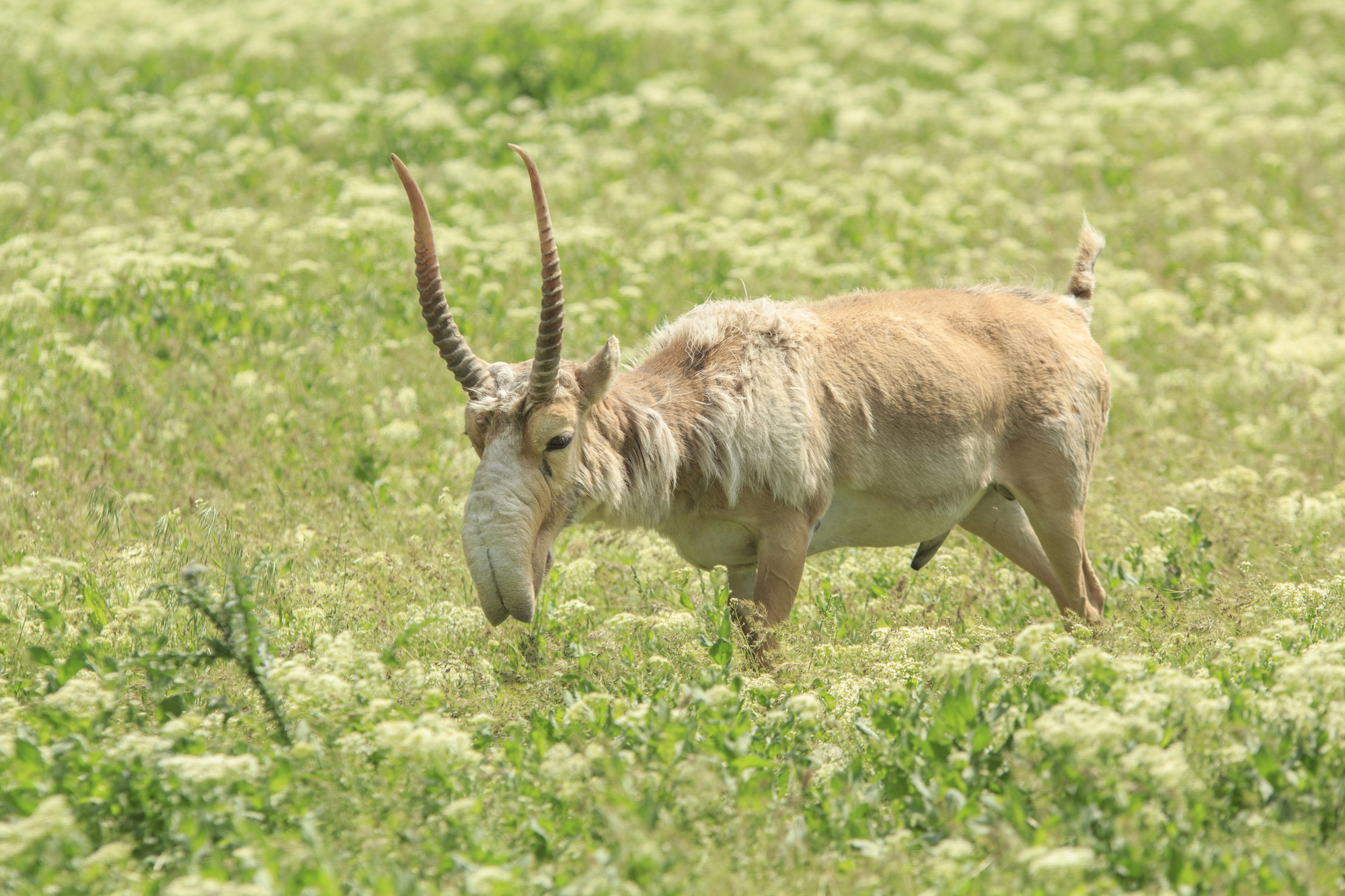
Saigas have bulbous, flexible noses that hang over their mouths like small trunks. These unusual appendages contain complex structures that warm freezing air before it reaches their lungs in winter and filter out dust during dry summers.
The downside is these complex nasal passages make them susceptible to certain infections, contributing to their endangered status.
Leafy Seadragon Camouflage
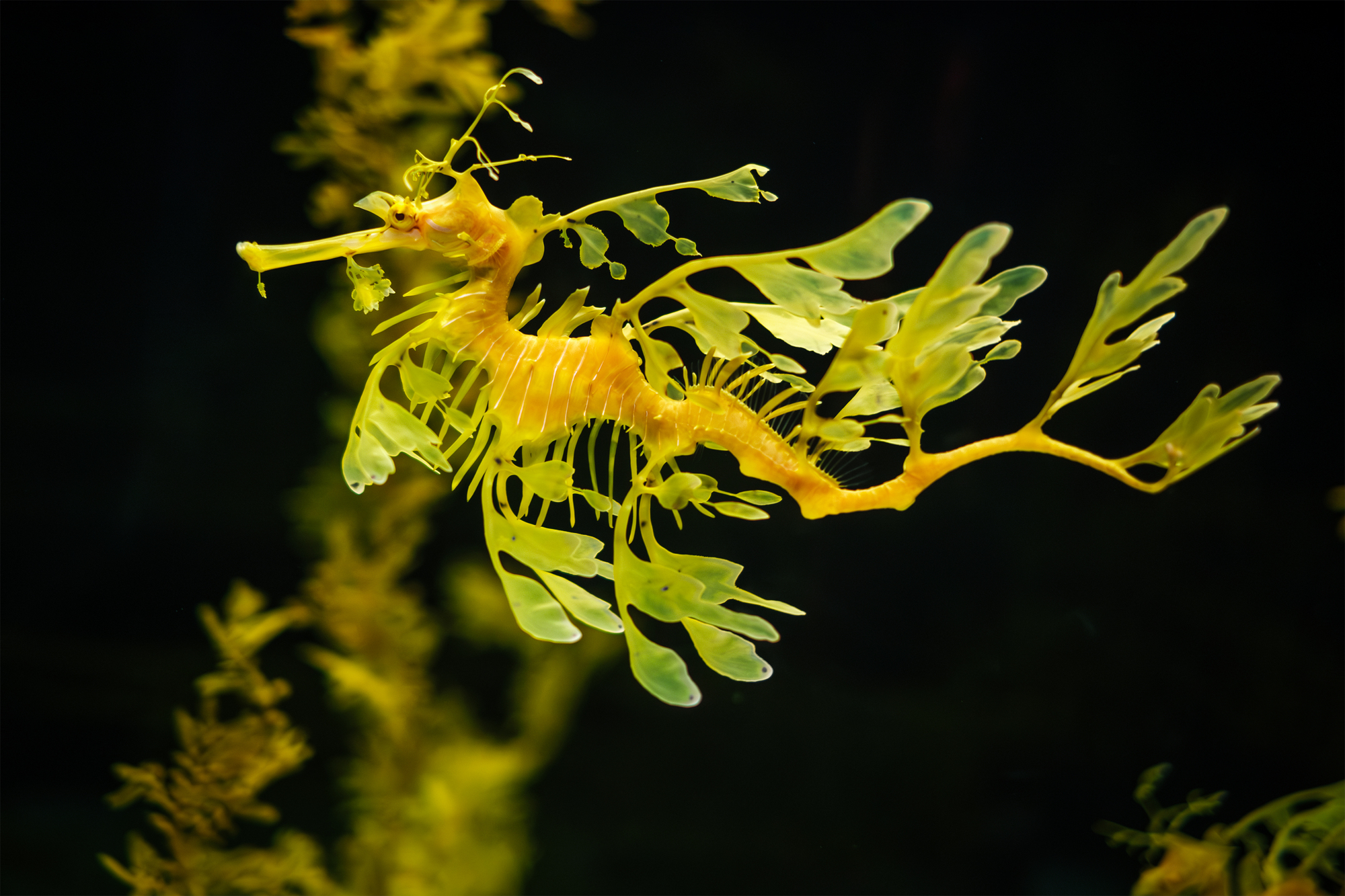
These marine creatures have evolved body appendages that perfectly mimic seaweed fronds, making them nearly invisible in their natural habitat. What’s peculiar is how elaborate this mimicry is—they possess dozens of leaf-like protrusions that serve no purpose besides camouflage.
Even stranger, these ‘leaves’ remain completely still while tiny, nearly invisible fins do all the actual swimming.
Nature’s Extraordinary Workshop
The seemingly nonsensical features of these animals highlight nature’s remarkable capacity for specialized adaptation. Every bizarre trunk, elongated digit, or oversized bill represents millions of years of evolutionary refinement that helped these creatures survive in their unique ecological niches.
These unusual adaptations remind us that in nature, function often trumps conventional design—and what appears ridiculous might just be ingenious when viewed in the right context.
More from Go2Tutors!

- The Romanov Crown Jewels and Their Tragic Fate
- 13 Historical Mysteries That Science Still Can’t Solve
- Famous Hoaxes That Fooled the World for Years
- 15 Child Stars with Tragic Adult Lives
- 16 Famous Jewelry Pieces in History
Like Go2Tutors’s content? Follow us on MSN.