16 Lost Cities Hiding Deadly Secrets
Throughout history, countless cities have been built, thrived, and then vanished from the map — sometimes taking dark secrets with them. While some disappeared due to natural disasters or economic collapse, others harbor dangers that persist long after their last residents fled.
These abandoned places tell stories that range from tragic to terrifying, each one hiding threats that make them unsuitable for human habitation. The most dangerous lost cities aren’t just empty — they’re actively hostile to life itself.
Here is a list of 16 lost cities that continue to pose serious risks to anyone brave or foolish enough to venture inside their borders.
Pripyat, Ukraine
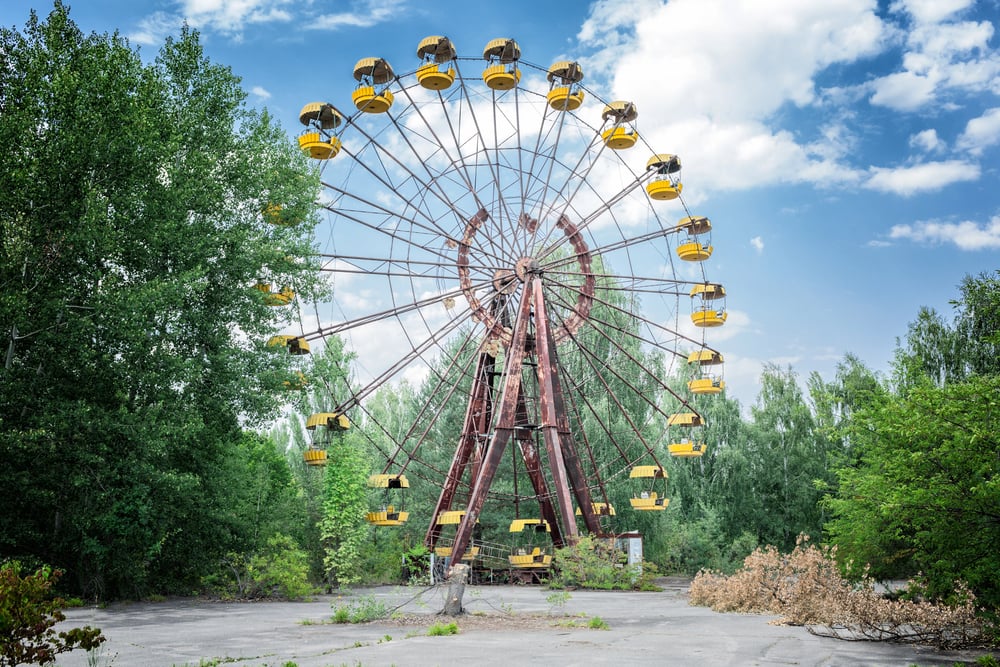
The Soviet authorities sealed off an 18-mile exclusion zone surrounding Chernobyl, leaving Pripyat an abandoned ghost town after the most infamous nuclear power incident in history forced the evacuation of around 49,000 residents. Although Pripyat is open to public access and has become a popular tourist spot, Ukrainian officials say that the place will remain uninhabitable for another 20,000 years.
The radiation levels in many areas still pose a significant health risk, making it a monument to nuclear disaster that continues to claim lives through cancer and other radiation-related illnesses.
Hashima Island, Japan
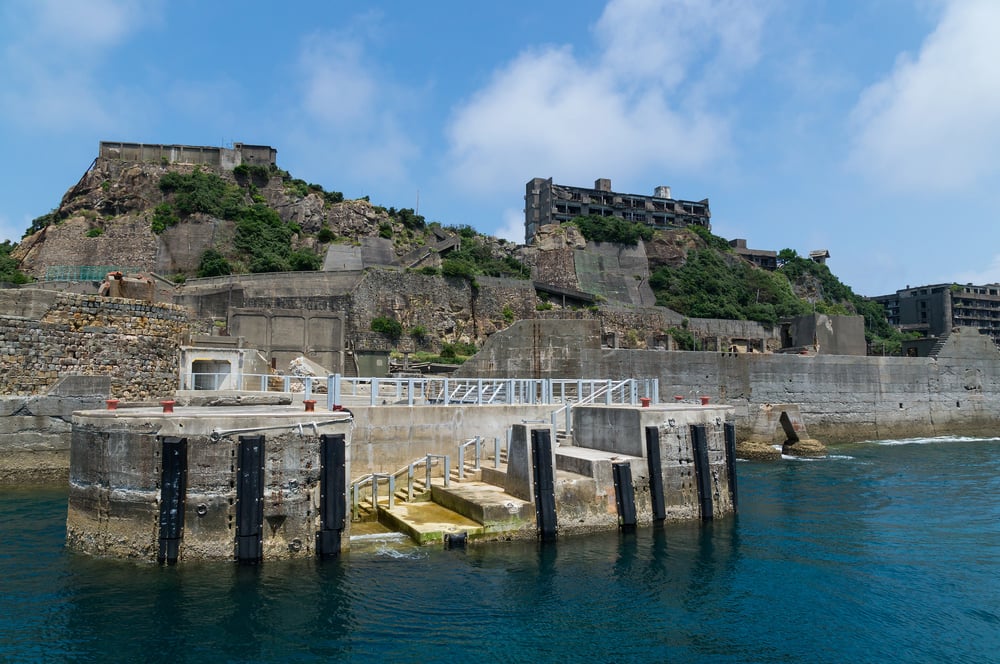
Today, Hashima Island is a vacant labyrinth of crumbling concrete, sea walls and deserted buildings, yet it was once among the most densely populated places on the planet as a coal mining colony first settled in 1887. The island’s infrastructure has deteriorated so severely that unstable buildings pose constant collapse risks.
Visitors face dangers from falling debris, toxic asbestos exposure from old structures, and treacherous sea conditions that make emergency rescue nearly impossible.
Like Go2Tutors’s content? Follow us on MSN.
Pompeii, Italy
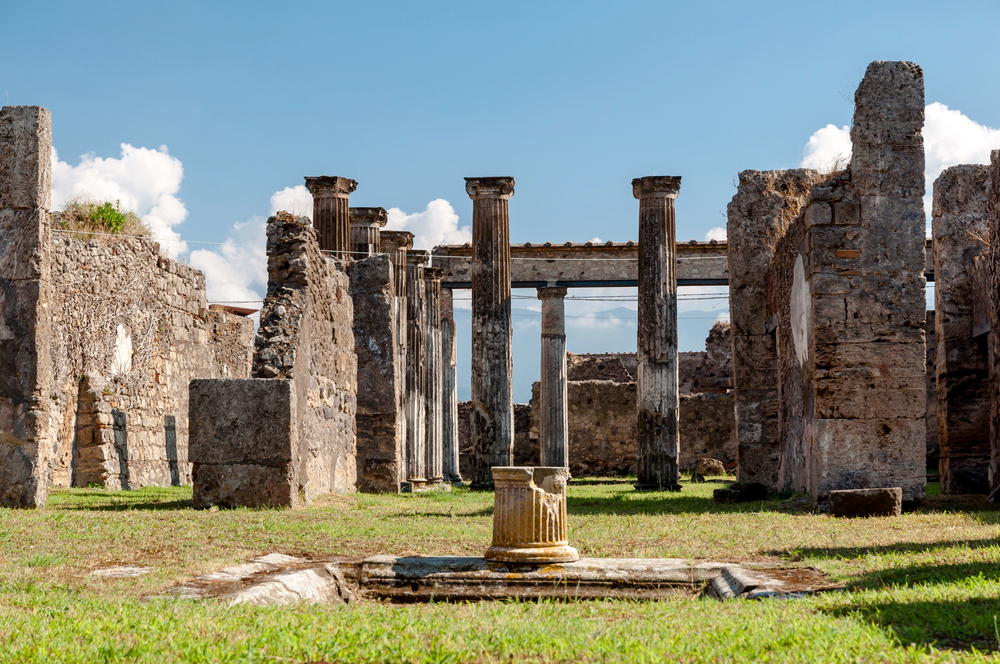
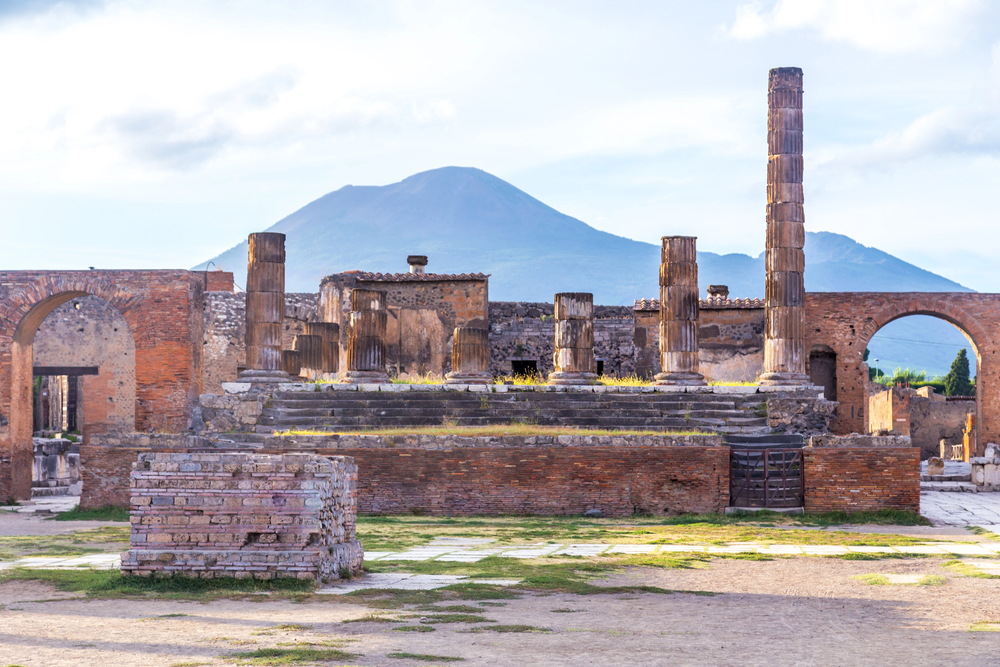
While famous as a tourist destination, Pompeii still harbors deadly secrets from its volcanic burial in 79 AD. Archaeologists regularly discover pockets of toxic gases trapped within sealed buildings, and the volcanic ash that preserved the city contains dangerous levels of heavy metals and crystalline silica.
The nearby Mount Vesuvius remains an active volcano, threatening to repeat history with little warning.
Famagusta, Cyprus
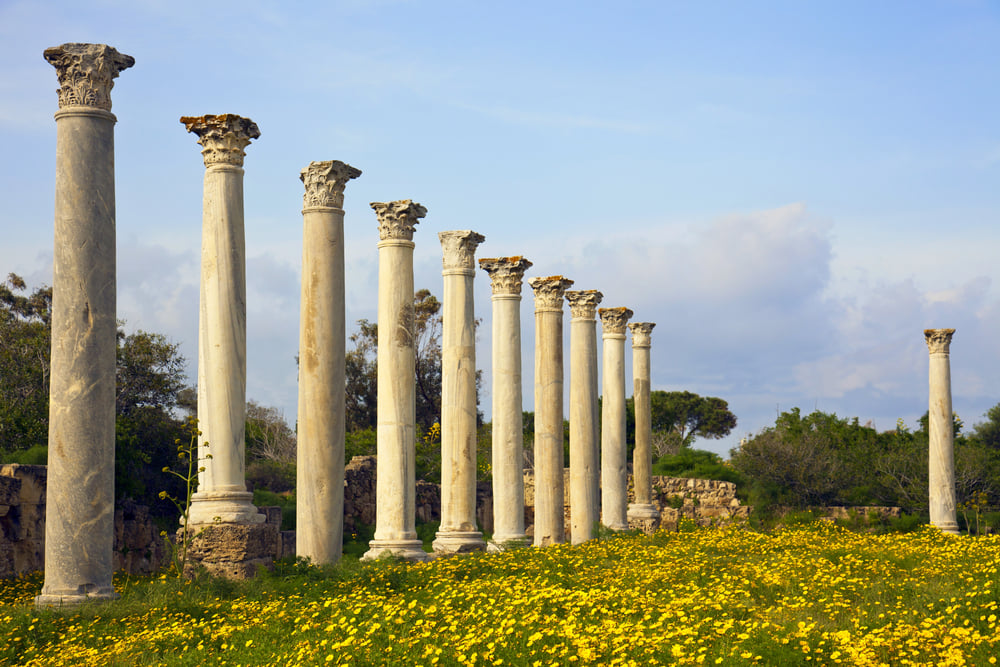
This once-thriving resort city has been abandoned since the Turkish invasion of Cyprus in 1974, leaving behind a dangerous maze of deteriorating buildings and unexploded ordnance. The ghost town remains off-limits due to military presence and the very real threat of landmines scattered throughout residential areas.
Decades of neglect have created structural hazards that make exploration extremely perilous.
Kadykchan, Russia
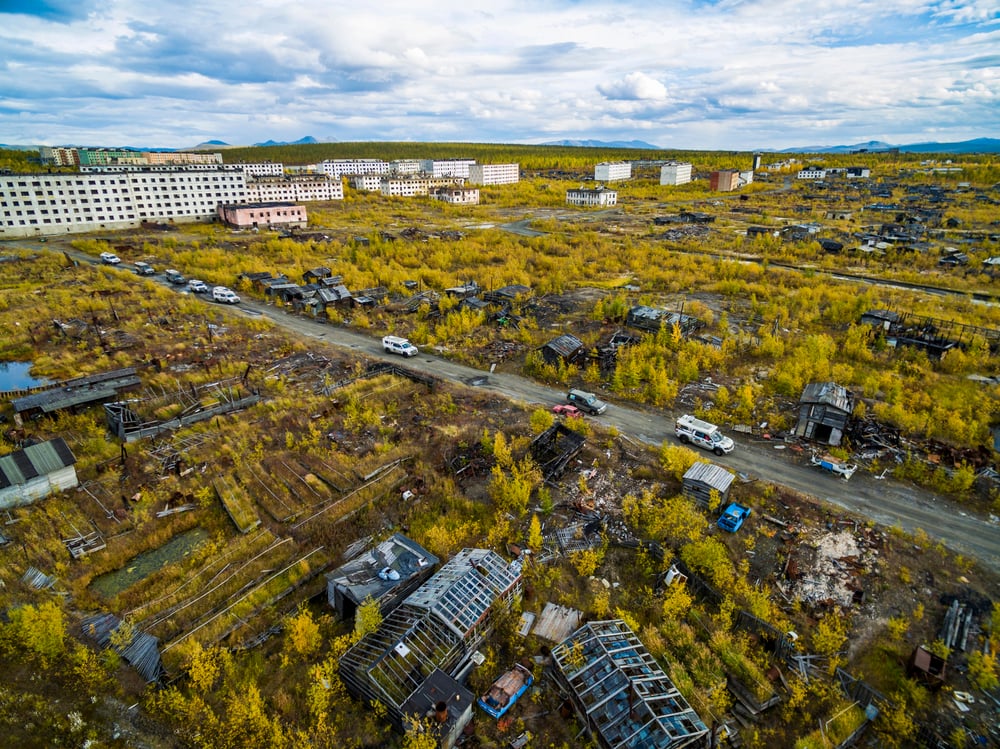
This Siberian coal mining town was hastily abandoned in the 1990s when the mine closed, leaving behind a frozen wasteland contaminated with industrial pollutants. The extreme cold has preserved dangerous chemicals in the soil and buildings, while the isolation means that anyone injured or trapped would be beyond help.
Wild animals have reclaimed much of the town, adding another layer of danger for potential visitors.
Like Go2Tutors’s content? Follow us on MSN.
Consonno, Italy
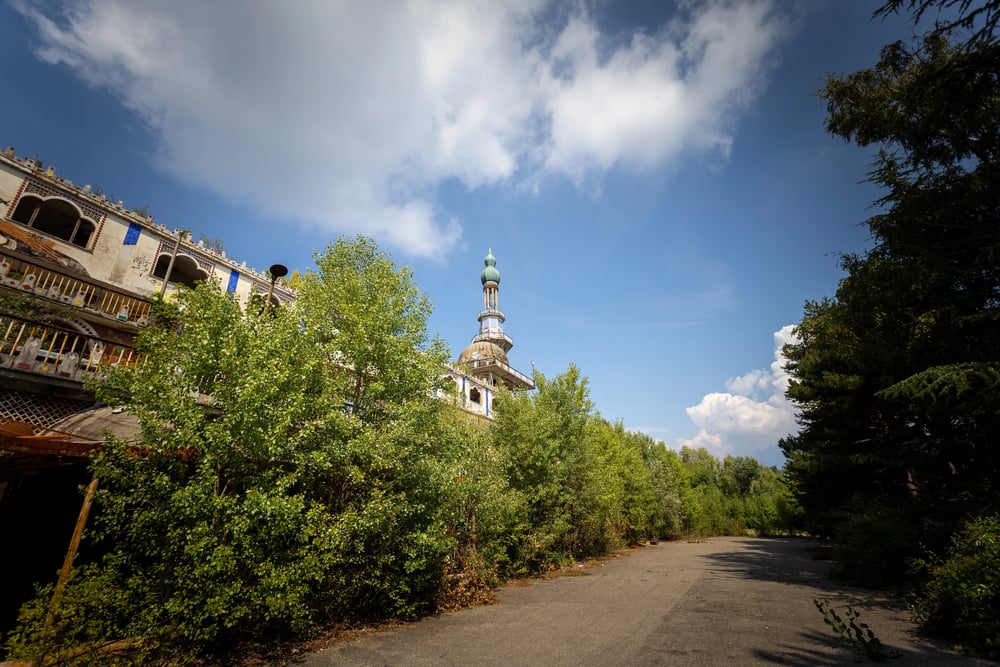
Once dubbed ‘Las Vegas of Italy,’ this abandoned resort town was built on a foundation of environmental destruction that continues to pose risks today. The construction destabilized the hillside, creating ongoing landslide dangers that threaten the crumbling casino and hotel structures.
Heavy metals from industrial activities have contaminated the soil, making even brief exposure potentially harmful.
Wittenoom, Australia
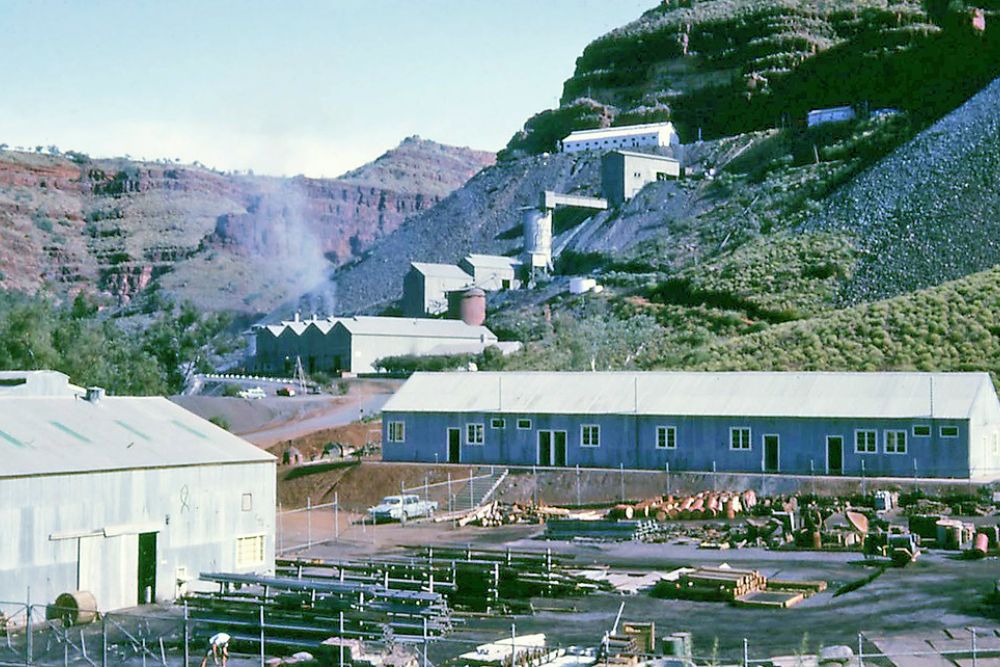
This former asbestos mining town is so contaminated that the Australian government officially removed it from maps and closed all roads leading to it. Deadly blue asbestos fibers still blow freely through the abandoned streets, making even short visits potentially fatal.
The town’s water supply remains contaminated, and the surrounding landscape is littered with toxic mining waste that will remain dangerous for centuries.
Beichuan, China
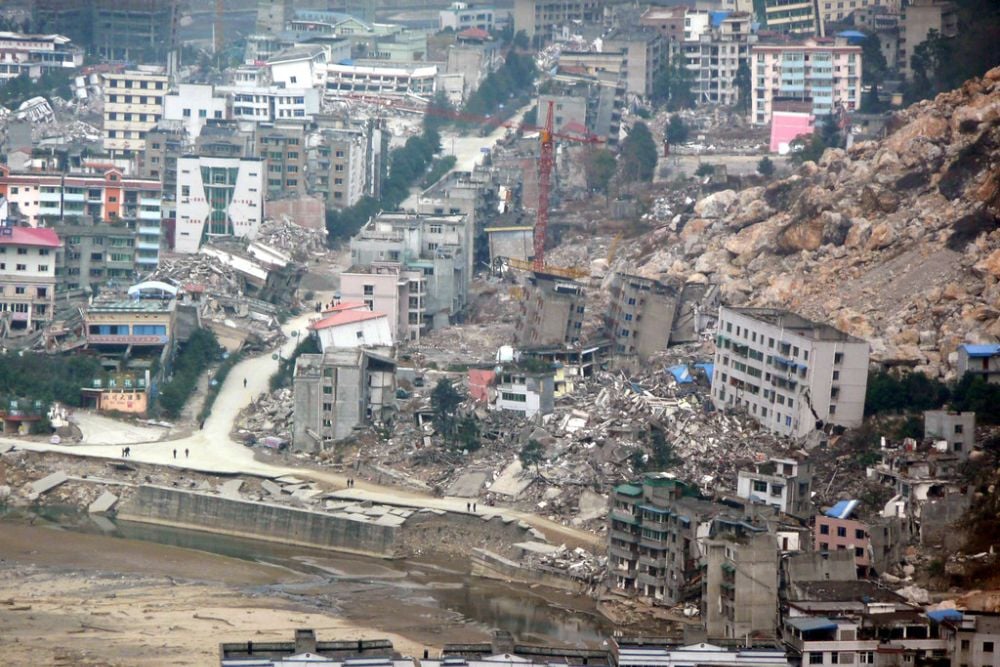
Destroyed by the devastating 2008 Sichuan earthquake, this city remains frozen in time as a memorial to the disaster’s victims. However, the area continues to experience frequent aftershocks that make the unstable ruins extremely dangerous.
Toxic chemicals from destroyed factories have contaminated the soil and groundwater, while weakened dams upstream pose constant flood risks.
Like Go2Tutors’s content? Follow us on MSN.
Oradour-sur-Glane, France
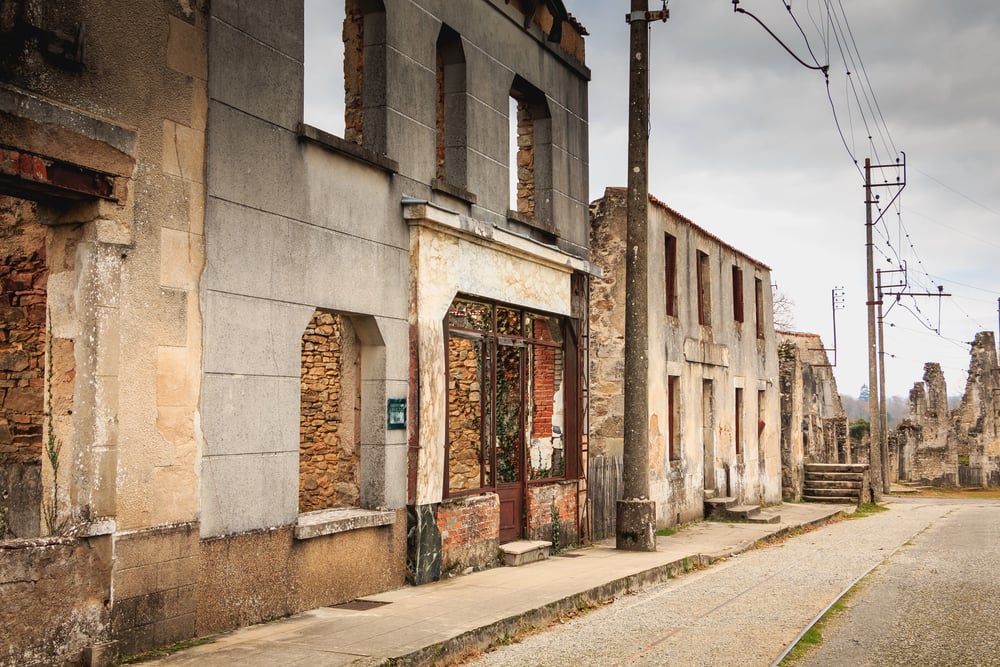
This village was destroyed during World War II and preserved as a memorial, but the preserved ruins contain unexploded ammunition and deteriorating structures that pose ongoing risks. The trauma of its violent destruction has left behind more than just physical dangers — the site’s psychological impact on visitors can be overwhelming.
Environmental contamination from the fires that consumed the town still affects the soil decades later.
Craco, Italy
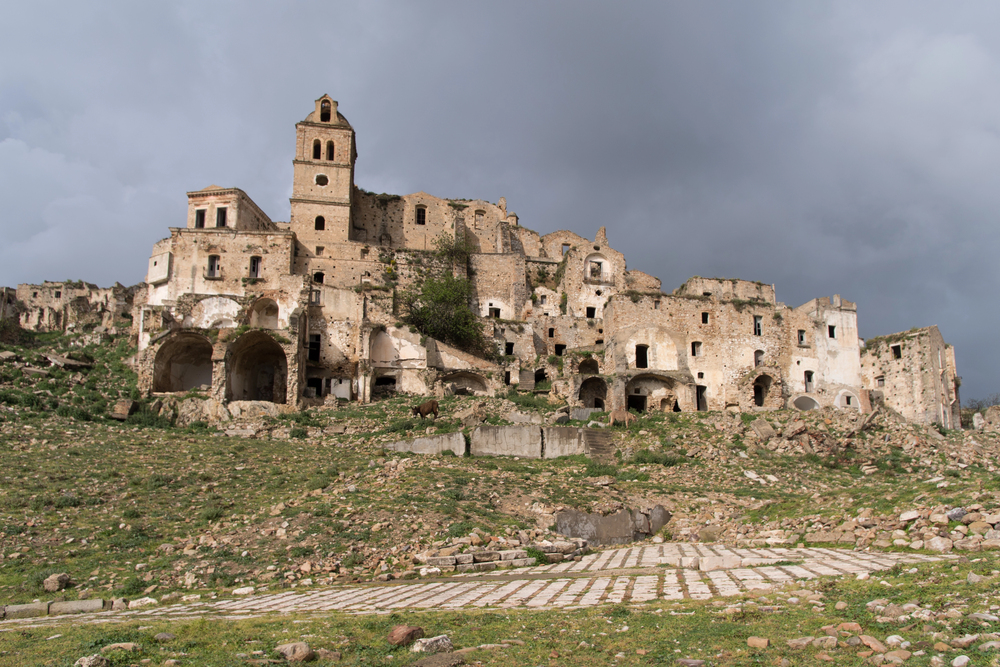
Perched on a hillside in southern Italy, this medieval town was abandoned due to geological instability that continues to worsen. The clay foundation beneath Craco is constantly shifting, causing buildings to collapse without warning.
Recent earthquakes have accelerated the deterioration, making the narrow streets and ancient structures a death trap for anyone attempting to explore them.
Kolmanskop, Namibia
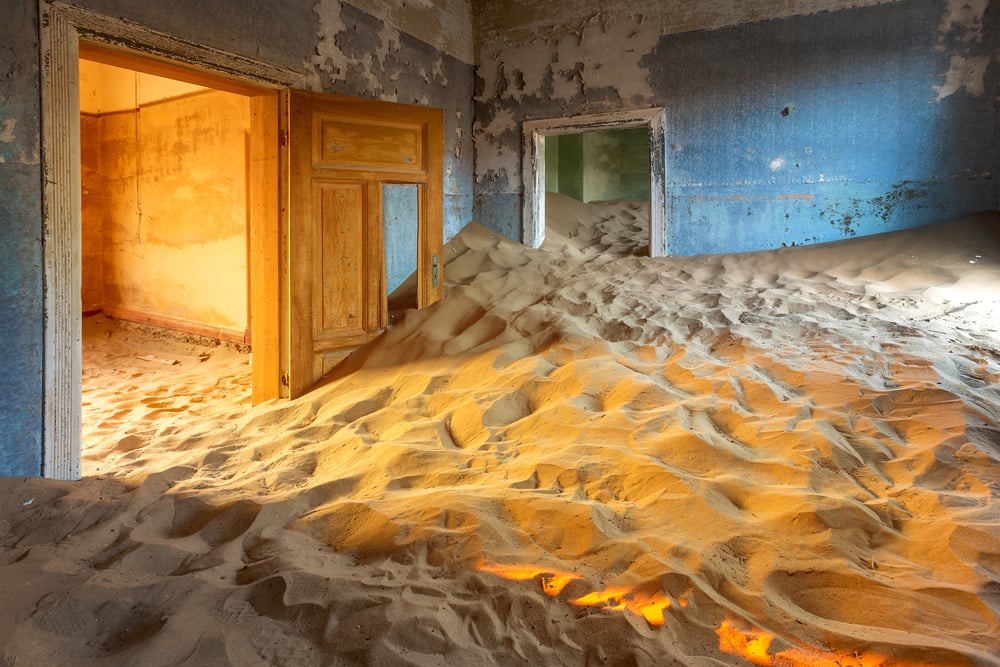
This former diamond mining town in the Namib Desert poses unique dangers from both human and natural sources. The buildings are slowly being consumed by sand dunes, creating unstable structures that can collapse suddenly.
Extreme desert conditions, including sandstorms and temperature extremes, make survival difficult, while the remote location means rescue is unlikely for those who become trapped or injured.
Like Go2Tutors’s content? Follow us on MSN.
Grytviken, South Georgia
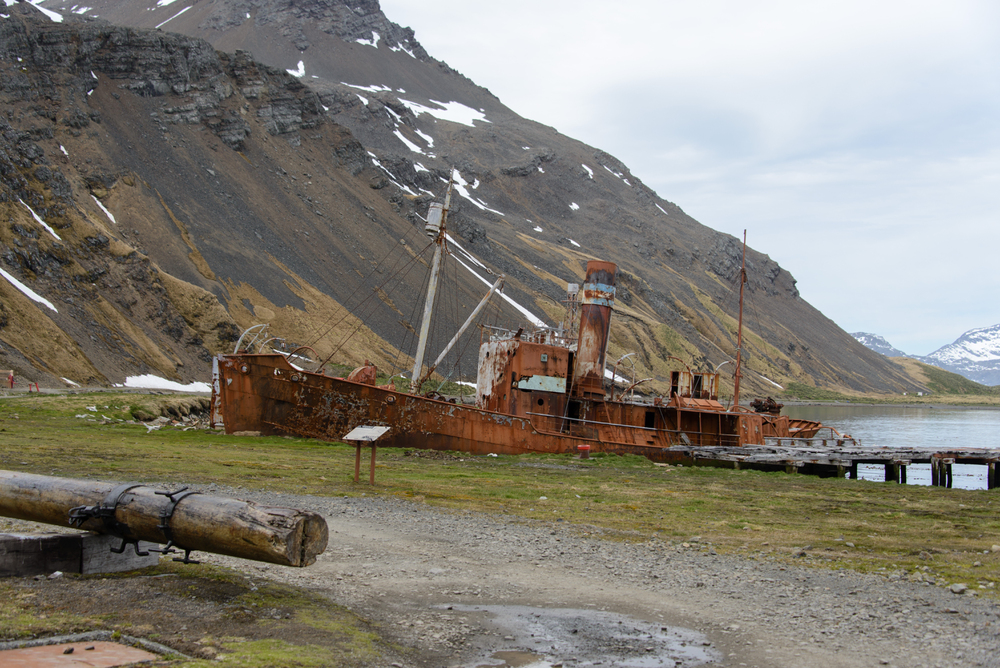
This abandoned whaling station in the sub-Antarctic poses multiple deadly threats to visitors. The structures contain dangerous levels of asbestos and other toxic materials from the whaling operations.
Harsh weather conditions can change rapidly, trapping visitors in sub-zero temperatures, while the presence of aggressive seals and unpredictable icebergs make approaches by sea extremely hazardous.
Dallol, Ethiopia
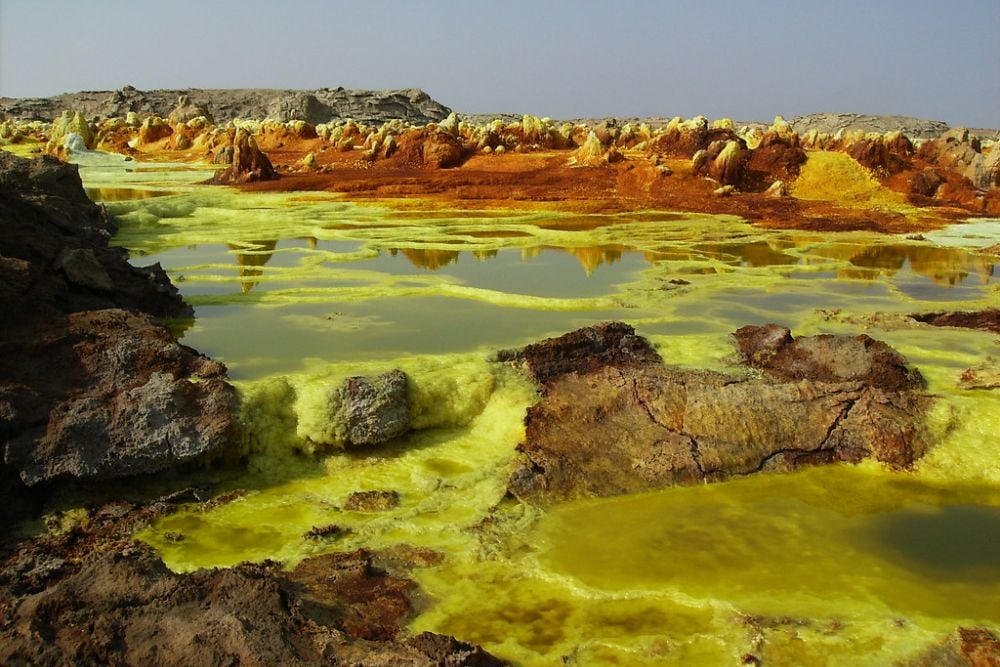
Located in one of the hottest and most inhospitable places on Earth, this former mining settlement sits atop active hydrothermal fields that create toxic gas emissions and unstable ground. Temperatures regularly exceed 125°F, while sulfur springs and salt formations create an alien landscape that can be lethal to human life.
The remote location in the Danakil Depression makes emergency medical care impossible.
Agdam, Azerbaijan
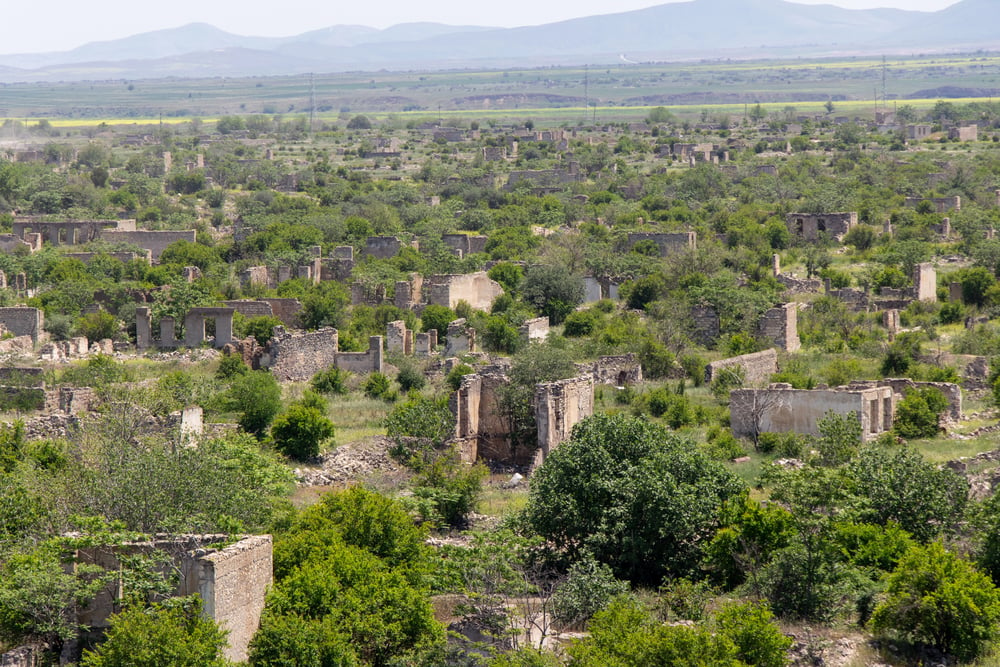
This city was destroyed during the Nagorno-Karabakh conflict and remains heavily mined with explosive devices that continue to kill and maim decades later. The ruins are slowly being reclaimed by nature, but the presence of unexploded ordnance makes every step potentially fatal.
Political tensions in the region add another layer of danger for anyone attempting to visit the abandoned city.
Like Go2Tutors’s content? Follow us on MSN.
Island of Vozrozhdeniya, Uzbekistan
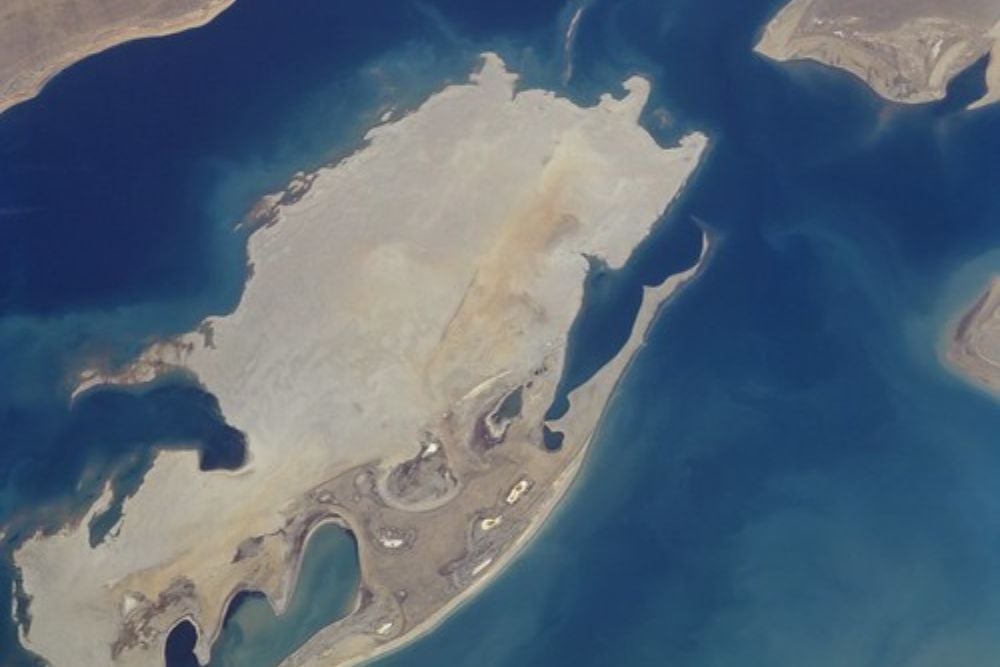
Once home to a Soviet biological weapons testing facility, this island in the Aral Sea still contains anthrax spores and other deadly pathogens buried in the soil. The receding sea has turned the island into a peninsula, potentially allowing contaminated dust to spread across Central Asia.
The extreme climate and complete isolation make it one of the most dangerous places on Earth.
When Cities Become Time Bombs
These abandoned cities serve as stark reminders that human settlements can become more dangerous in death than they ever were in life. From radiation that will persist for millennia to unexploded bombs waiting for unwary visitors, these places have transformed from havens of civilization into zones of active threat.
Their stories continue to unfold through the dangers they pose, proving that some secrets are too deadly to remain buried forever.
More from Go2Tutors!

- 16 Historical Figures Who Were Nothing Like You Think
- 12 Things Sold in the 80s That Are Now Illegal
- 15 VHS Tapes That Could Be Worth Thousands
- 17 Historical “What Ifs” That Would Have Changed Everything
- 18 TV Shows That Vanished Without a Finale
Like Go2Tutors’s content? Follow us on MSN.