17 Survival Skills Modern Humans Have Lost
Modern life has made things incredibly convenient, but somewhere along the way, we traded survival know-how for smartphone apps and GPS devices. Our ancestors could start fires with sticks, navigate by stars, and find dinner in the wilderness without breaking a sweat.
Today, most people panic when the Wi-Fi goes down for more than five minutes. These aren’t just quaint old-timey skills either—they’re the difference between life and death when technology fails or disasters strike.
Here is a list of 17 survival skills that kept humans alive for thousands of years but have mostly vanished from modern knowledge.
Fire Starting Without Matches
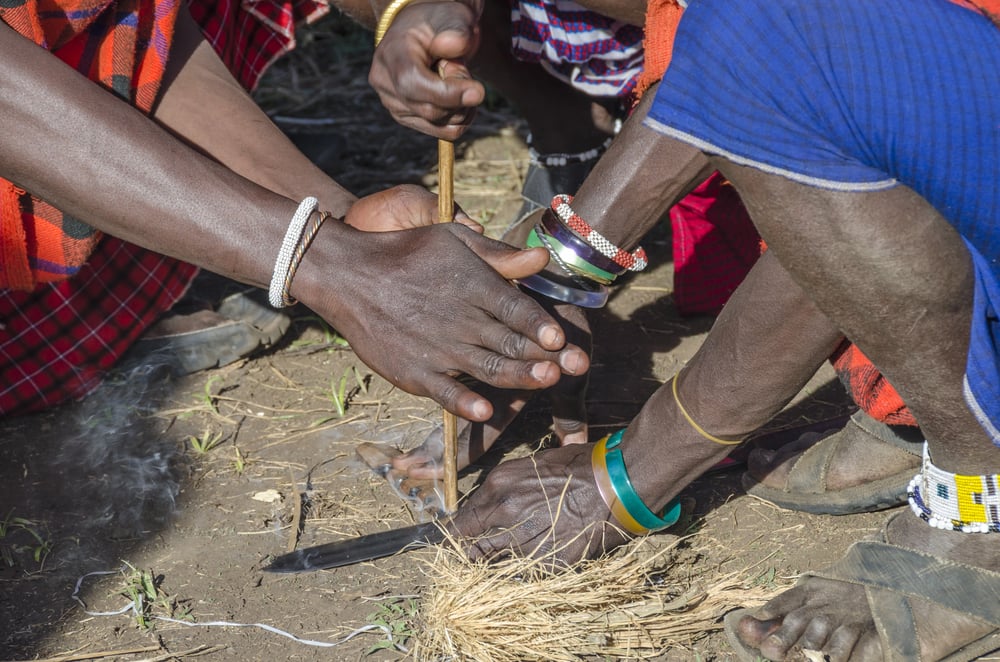
Making fire from scratch used to be as basic as tying your shoes, but now most folks would struggle to light a campfire even with a lighter and newspaper. Our ancestors could create flames using everything from flint and steel to bow drills and fire pistons, turning friction and sparks into life-saving warmth.
The bow drill method involves spinning a wooden rod against a fire board until the friction creates hot enough embers to ignite tinder—sounds simple until you try it with cold, wet hands in a survival situation. Modern fire starters and waterproof matches are great, but they run out or get lost, leaving you pretty helpless when you need fire most.
Reading Natural Weather Signs

Before weather apps and meteorologists, people could predict storms, temperature changes, and seasonal shifts just by watching clouds, wind patterns, and animal behavior. Red sky at night really did mean sailor’s delight, while certain cloud formations warned of incoming severe weather hours before it hit.
Animals often know when bad weather’s coming way before humans do—cows lying down, birds flying low, or cats acting weird all meant something specific to people who paid attention. Today, we’re so dependent on weather forecasts that we’ve lost the ability to read nature’s own warning signs, which is problematic when you’re somewhere without cell service.
Navigation by Natural Landmarks

Finding your way using the sun, stars, moss growth, and terrain features was standard knowledge for anyone who traveled beyond their village. The North Star provided reliable direction at night, while the sun’s position could tell you both direction and approximate time during the day.
Moss typically grows on the north side of trees in the Northern Hemisphere, and water always flows downhill toward larger bodies of water—simple rules that could save your life. GPS has made us incredibly lazy navigators, and when those satellites fail or batteries die, most people are completely lost even in familiar areas.
Preserving Food Without Refrigeration

Before electric fridges, people mastered dozens of preservation techniques that could keep food safe for months or even years without any modern technology. Salt curing, smoking, dehydration, and fermentation turned perishable foods into shelf-stable supplies that sustained communities through harsh winters.
Root cellars used the earth’s natural cooling to store vegetables, while proper canning techniques prevented spoilage and food poisoning for extended periods. Today’s reliance on refrigeration means most people have no clue how to preserve food when the power goes out, leading to massive waste and potential starvation during emergencies.
Identifying Edible Wild Plants
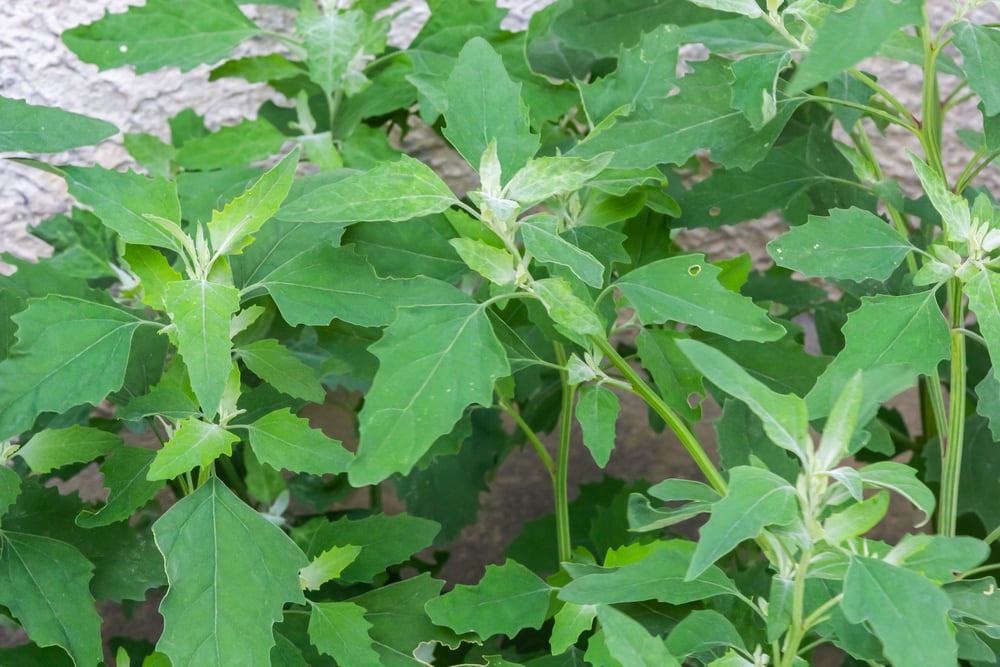
Our ancestors knew which plants provided nutrition, which ones healed illnesses, and which ones would kill you—knowledge that meant survival in the wilderness. Dandelions, plantain, clover, and dozens of other ‘weeds’ are actually nutritious food sources that grow wild almost everywhere.
Traditional cultures passed down detailed knowledge about seasonal availability, preparation methods, and which parts of plants were safe to eat versus toxic. Modern people are so disconnected from wild food sources that they could literally starve surrounded by edible plants, not knowing what’s safe to consume.
Water Location and Purification
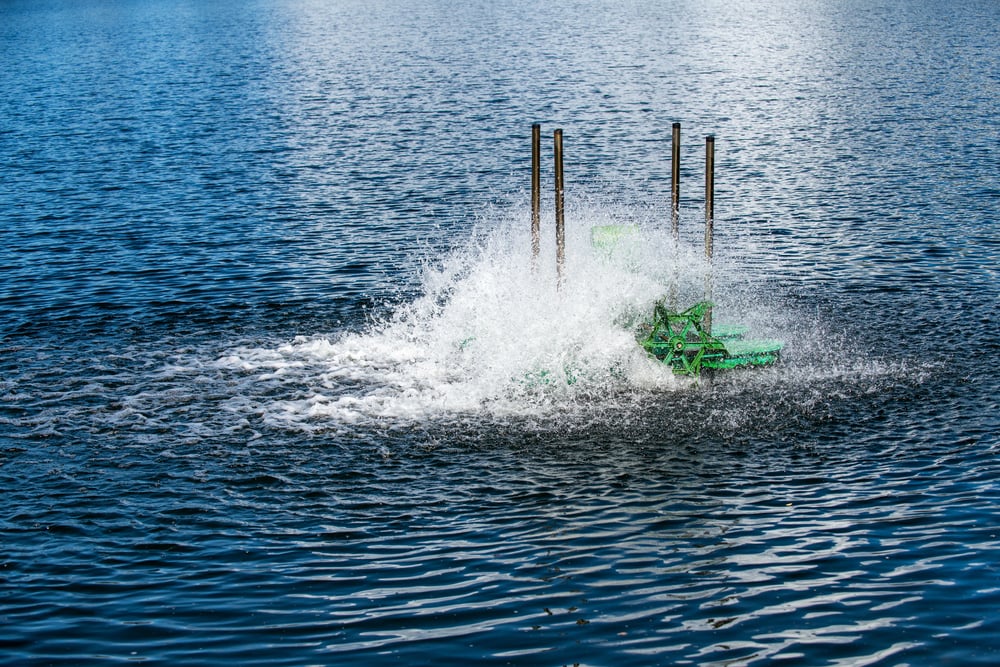
Finding clean drinking water and making contaminated water safe was absolutely critical knowledge that kept entire civilizations healthy. Animal trails often lead to water sources, while certain plants like willows indicate nearby streams or underground water.
Boiling, solar disinfection, and filtering through sand and charcoal could turn questionable water into something safe to drink. Modern water treatment is amazing, but when systems fail, or you’re stuck in the wilderness, knowing how to locate and purify water becomes a life-or-death skill most people completely lack.
Basic Medical Treatment

Before hospitals and pharmacies, people had to handle medical emergencies using whatever materials were available in nature or around the home. Willow bark contains the same active ingredient as aspirin, while honey has natural antibacterial properties that prevent wound infection.
Setting broken bones, stopping bleeding, and treating burns required hands-on knowledge that could mean the difference between recovery and death. Modern emergency services are fantastic, but when help is hours away or unavailable, basic medical skills become absolutely essential for survival.
Animal Tracking and Hunting
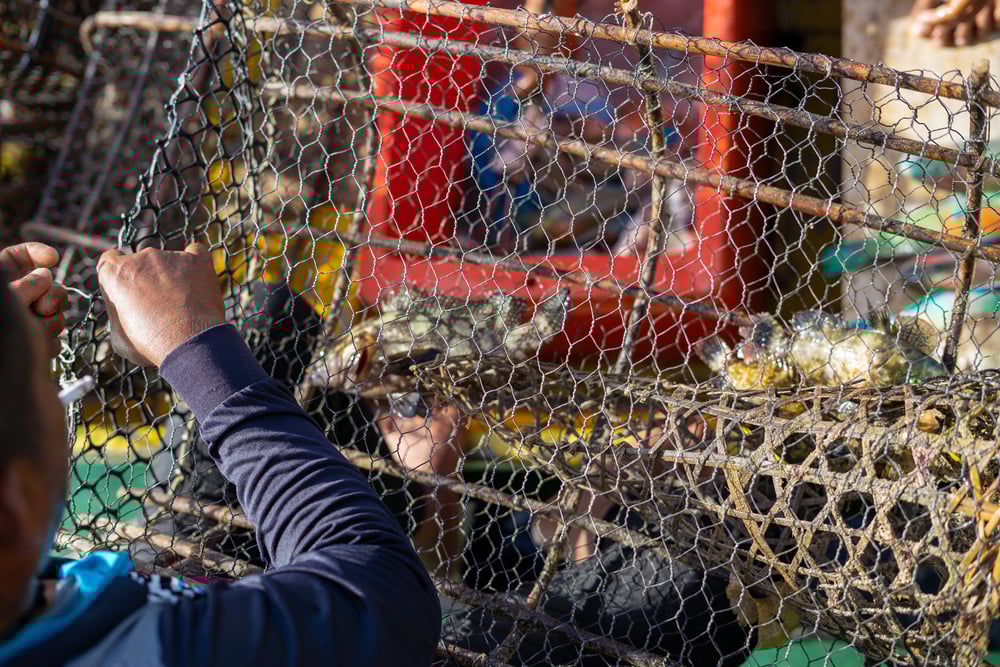
Reading animal tracks, understanding migration patterns, and knowing hunting techniques provided protein that sustained communities through difficult times. Tracking skills revealed not just where animals went, but when they passed, how many there were, and whether they were healthy or injured.
Different hunting methods worked for different animals and environments—snares for small game, persistence hunting for larger animals, and fishing techniques for water sources. Today’s meat comes wrapped in plastic from grocery stores, leaving most people completely unprepared to obtain protein from wild sources when necessary.
Tool Making from Natural Materials

Creating useful tools from stone, bone, wood, and other natural materials was everyday knowledge that allowed humans to thrive in any environment. Knapping flint into sharp blades, carving bone into needles, and shaping wood into handles required skills that took years to master properly.
Different materials had specific properties that made them ideal for certain tools—obsidian for cutting, antler for pressure flaking, hardwoods for striking implements. Modern manufacturing gives us incredible tools, but when they break or get lost, most people can’t create replacements from available materials.
Shelter Construction

Building weatherproof shelters using only natural materials kept people alive in extreme conditions from arctic tundra to tropical rainforests. Debris huts, lean-tos, and snow caves each provided specific advantages depending on climate, available materials, and how long you needed the shelter.
Proper insulation, ventilation, and structural design prevented everything from hypothermia to carbon monoxide poisoning in enclosed spaces. Modern camping gear is lightweight and effective, but when you don’t have it, knowing how to build an emergency shelter from branches, leaves, and snow could save your life.
Rope and Cordage Making

Twisting plant fibers, animal sinew, and even human hair into strong rope was essential for everything from building shelters to creating hunting equipment. Different plants provided different strength characteristics—inner bark from certain trees made flexible cordage, while others created incredibly strong rope for heavy loads.
Braiding techniques and knot knowledge turned basic materials into complex tools like nets, snares, and climbing aids. Modern synthetic rope is stronger and more reliable, but natural cordage can be made anywhere if you know which plants to use and how to process them properly.
Food Storage and Cache Techniques

Protecting food supplies from animals, weather, and theft required sophisticated storage methods that could keep provisions safe for extended periods. Underground caches lined with stones kept food cool and dry, while elevated platforms prevented ground moisture and small animals from reaching stored goods.
Different foods required different storage approaches—grains needed protection from rodents, while meat required smoking or salting to prevent spoilage. Modern food storage is convenient but fragile, and knowing how to create secure caches could mean survival during extended emergencies or disasters.
Seasonal Resource Management
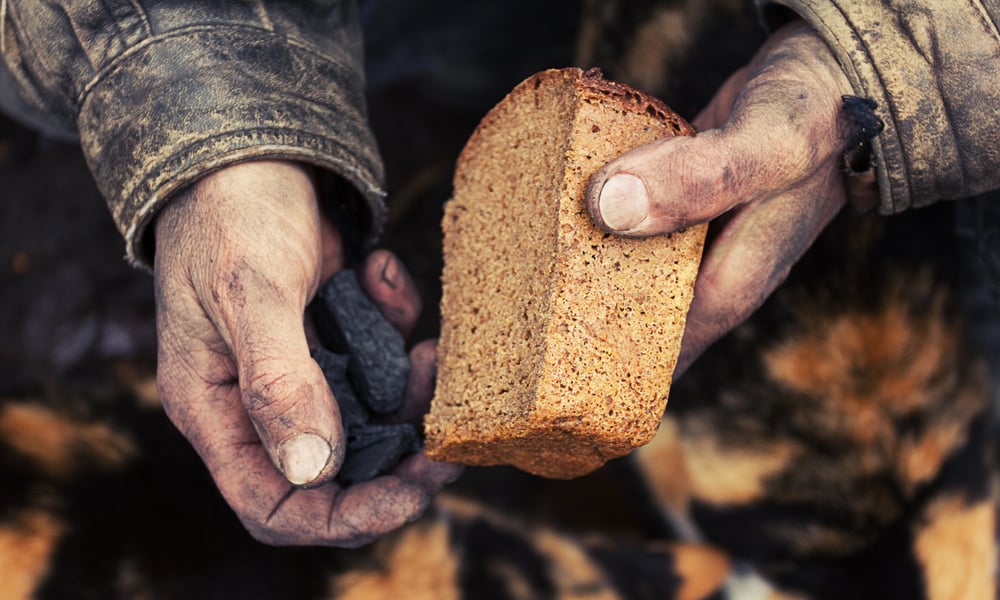
Understanding when different resources became available and planning accordingly meant the difference between abundance and starvation during lean times. Spring brought certain edible plants, summer offered different opportunities, fall required intensive gathering and preservation, while winter demanded careful rationing of stored supplies.
Timing was everything—missing the salmon run or nut harvest could leave communities short of food until the next seasonal opportunity. Modern supply chains provide year-round access to everything, but this abundance makes us forget that natural resources follow seasonal patterns that still matter during emergencies.
Stone Tool Technology

Shaping rocks into functional cutting implements, grinding stones, and specialized tools required knowledge that sustained human civilization for thousands of years. Different types of stone had specific properties—flint and obsidian for sharp edges, granite for grinding, and slate for flat surfaces.
Knapping techniques involved understanding fracture patterns, edge angles, and how to maintain tools through repeated sharpening. Modern metal tools are superior in most ways, but stone tools can be made anywhere suitable rocks exist, providing cutting implements when metal tools aren’t available.
Natural Textile Production

Creating clothing and fabric from plant fibers, animal hides, and other natural materials kept people warm and protected in all climates. Processing flax into linen, spinning wool into yarn, and tanning hides into leather required specialized knowledge passed down through generations.
Different techniques produced different results—some methods created waterproof materials while others prioritized insulation or durability. Modern synthetic fabrics are incredibly advanced, but knowing how to create clothing from natural materials becomes crucial when manufactured goods aren’t available.
Primitive Cooking Techniques
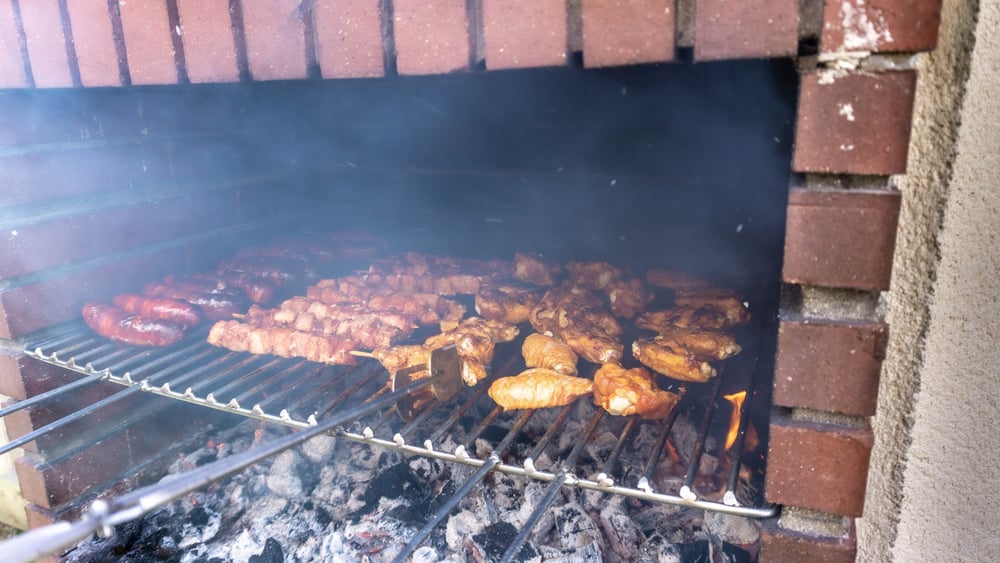
Preparing food without modern appliances required understanding how to use fire, heated stones, and earth ovens to cook meals safely and efficiently. Pit cooking could slowly roast large amounts of food using minimal fuel, while stone boiling allowed cooking in containers that couldn’t be placed directly over fire.
Different cooking methods brought out different flavors and nutritional values—smoking added flavor while preserving meat, while certain techniques made normally inedible plants safe to consume. Modern appliances make cooking incredibly easy, but primitive techniques work anywhere you can build a fire and gather appropriate materials.
Emergency Signaling Methods
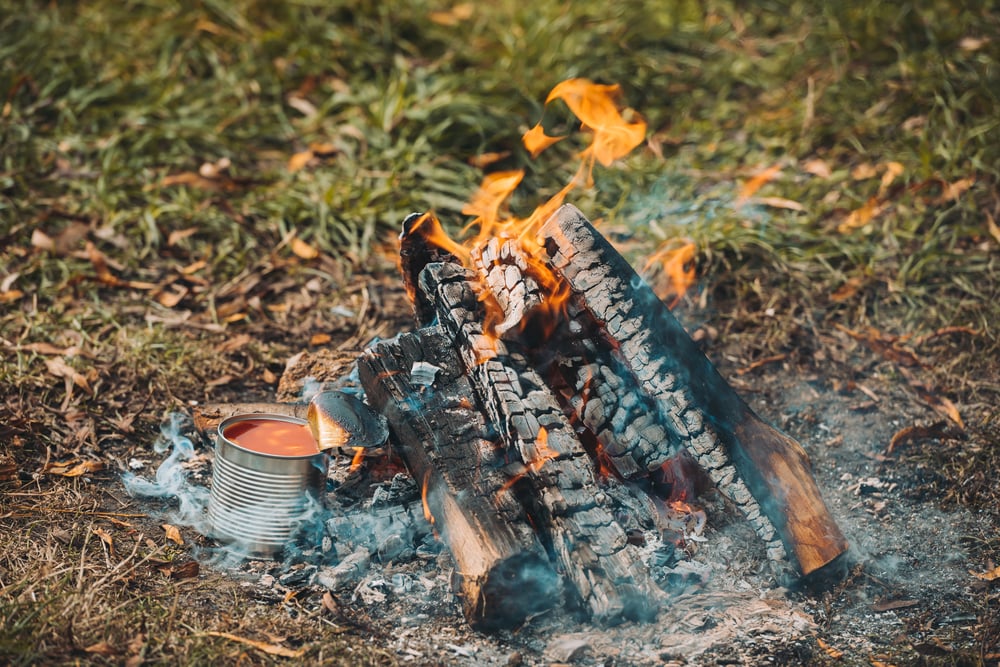
Communicating distress or location without electronic devices required understanding how to create visible and audible signals that could attract rescue attention. Smoke signals during the day, fire signals at night, and ground symbols visible from aircraft all served specific purposes for getting help.
Sound signals using rocks, wood, or improvised horns could carry for miles under the right conditions, while mirror signals reflected sunlight to distant observers. Modern communication devices are reliable, but when batteries die or signals fail, primitive signaling methods might be your only way to call for help.
Skills Our Ancestors Never Forgot
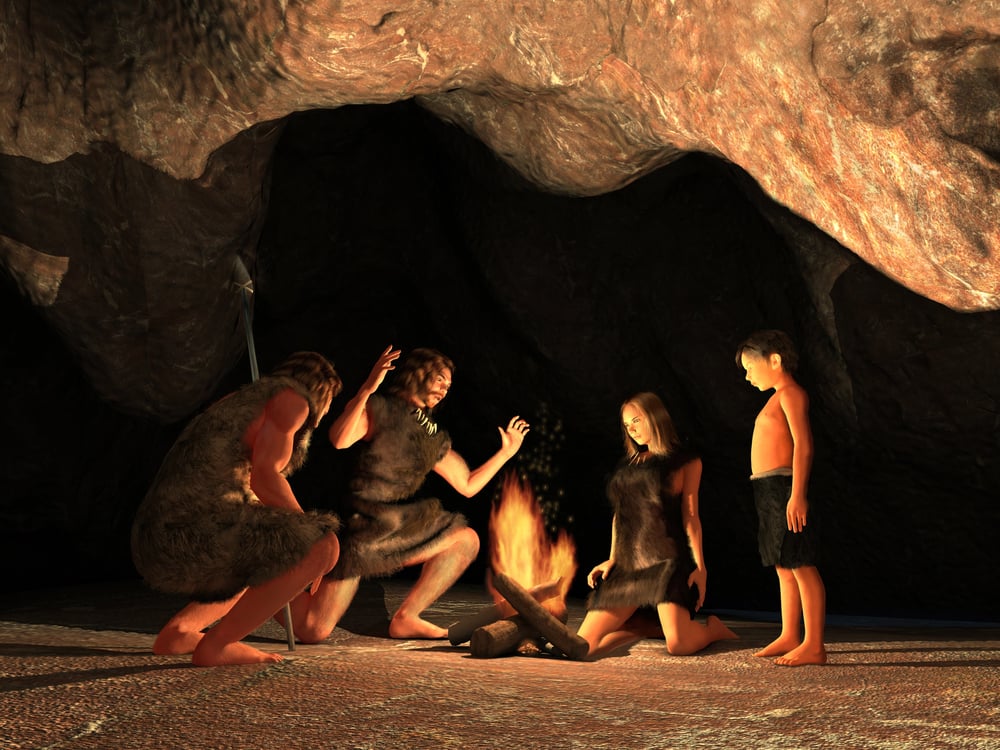
These lost abilities remind us just how dependent we’ve become on technology and infrastructure that could disappear in an instant. Every skill on this list was once common knowledge passed from parent to child, essential for anyone who wanted to survive beyond their village boundaries.
While modern conveniences have definitely improved our quality of life, they’ve also created a dangerous gap between us and the basic survival knowledge that sustained humanity for millennia. Maybe it’s time to rediscover some of these skills before we really need them, because when disaster strikes or technology fails, a smartphone won’t help you start a fire or find clean water.
More from Go2Tutors!

- The Romanov Crown Jewels and Their Tragic Fate
- 13 Historical Mysteries That Science Still Can’t Solve
- Famous Hoaxes That Fooled the World for Years
- 15 Child Stars with Tragic Adult Lives
- 16 Famous Jewelry Pieces in History
Like Go2Tutors’s content? Follow us on MSN.