18 Forgotten Phone Features We Actually Miss
Modern smartphones can do practically everything except make a decent cup of coffee, yet somehow they’ve lost some of the most beloved features from earlier mobile devices. While we’ve gained incredible capabilities like high-resolution cameras, instant internet access, and thousands of apps, the march toward sleeker designs and cost-cutting measures has eliminated features that many users genuinely loved.
Some of these missing elements made phones more durable, others made them more fun, and a few just made daily life a little easier. Here is a list of 18 forgotten phone features that many people wish would make a comeback.
Physical Keyboards
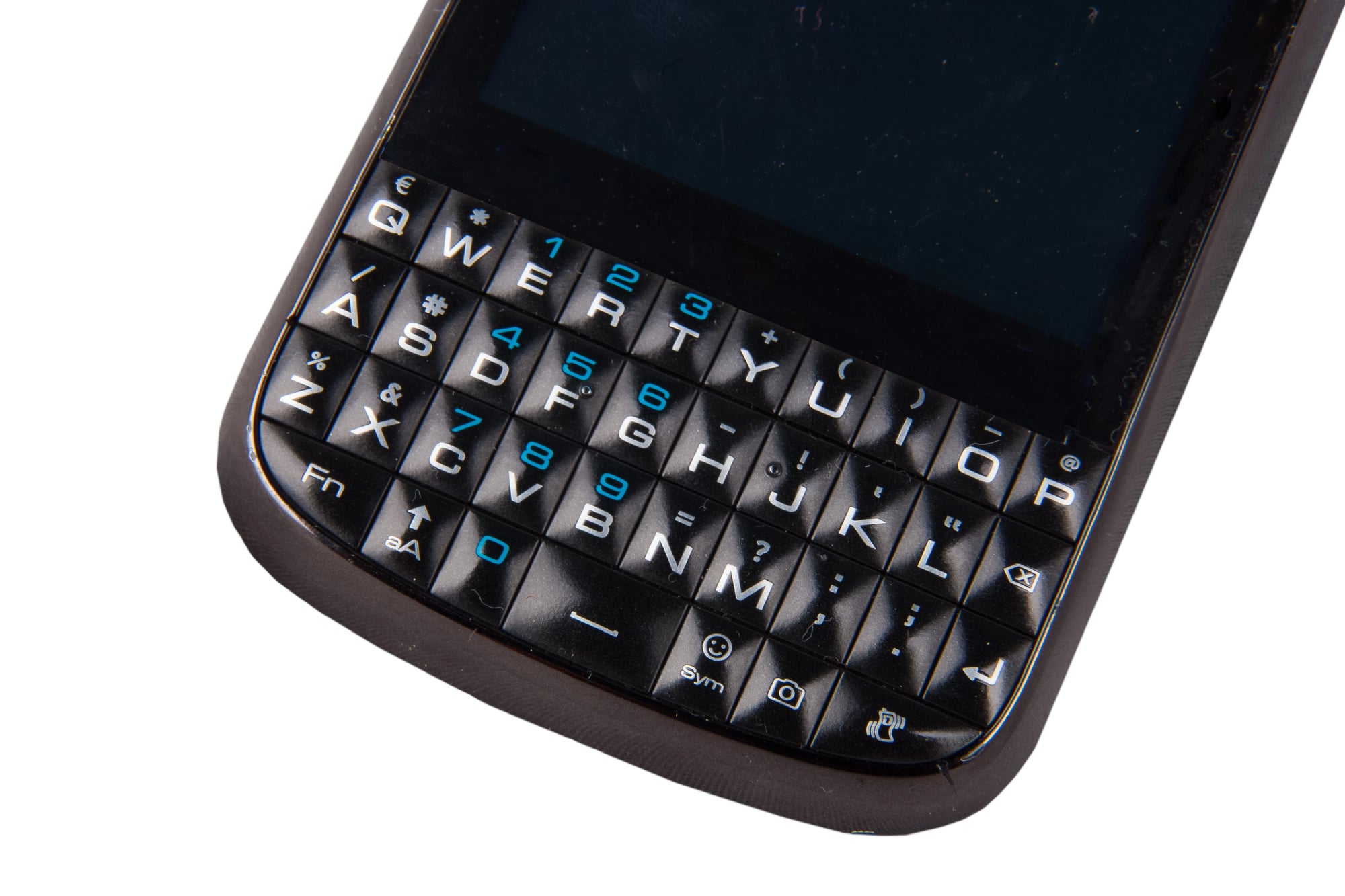
Physical keyboards gave users tactile feedback that made typing faster and more accurate than today’s touchscreen alternatives. You could send text messages without looking at your phone, which was particularly useful while driving or walking.
The satisfying click of actual buttons and the ability to feel where your fingers were positioned made communication feel more natural and precise than tapping glass.
Removable Batteries
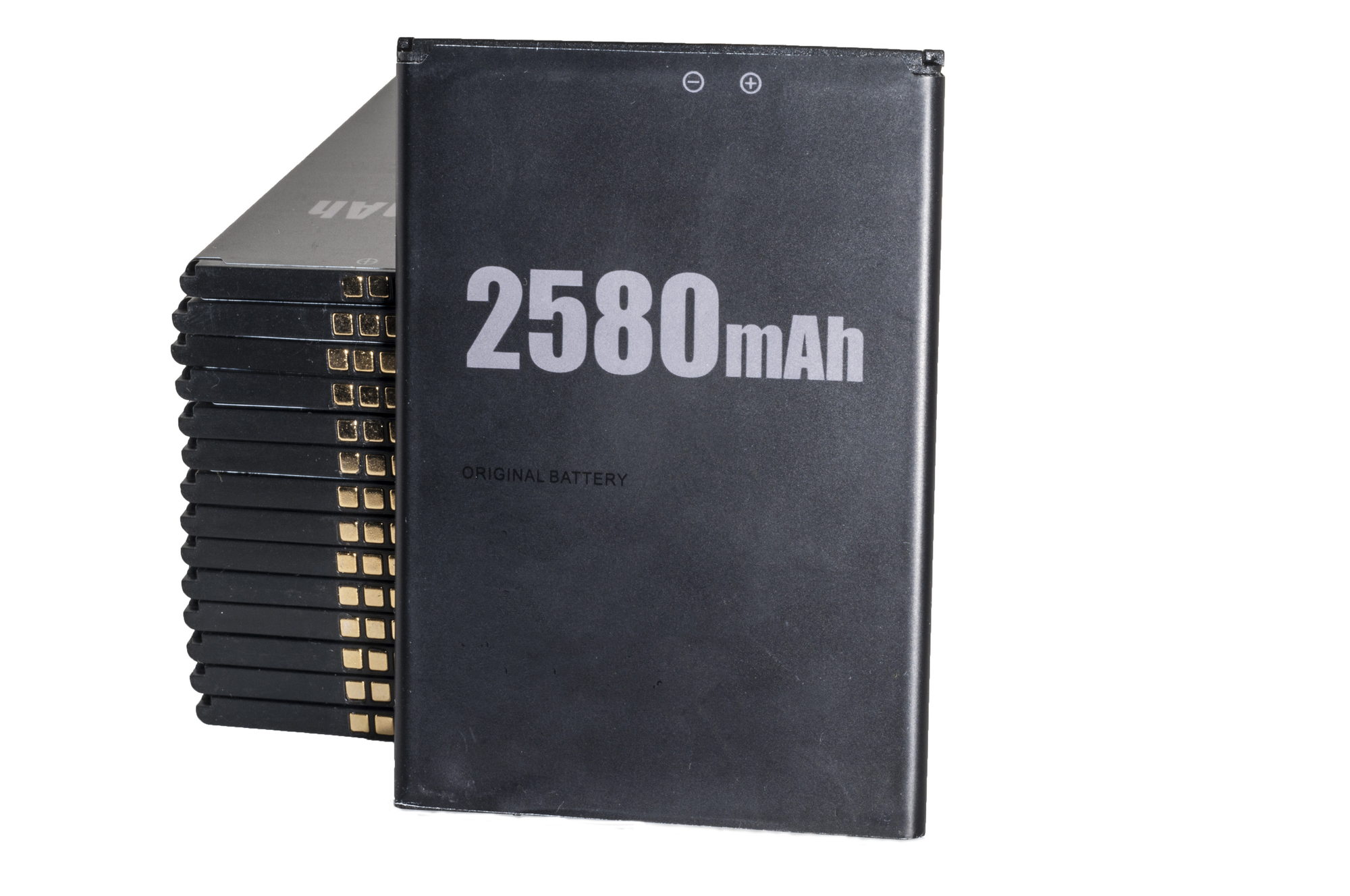
Removable batteries meant you could carry a spare and swap it out when your phone died, effectively giving you unlimited battery life. If your battery started holding less charge after a year or two, replacement cost about twenty dollars instead of requiring professional repair services.
This feature also made it easy to completely power down your device by pulling the battery, which was useful for troubleshooting or privacy concerns.
Expandable Storage
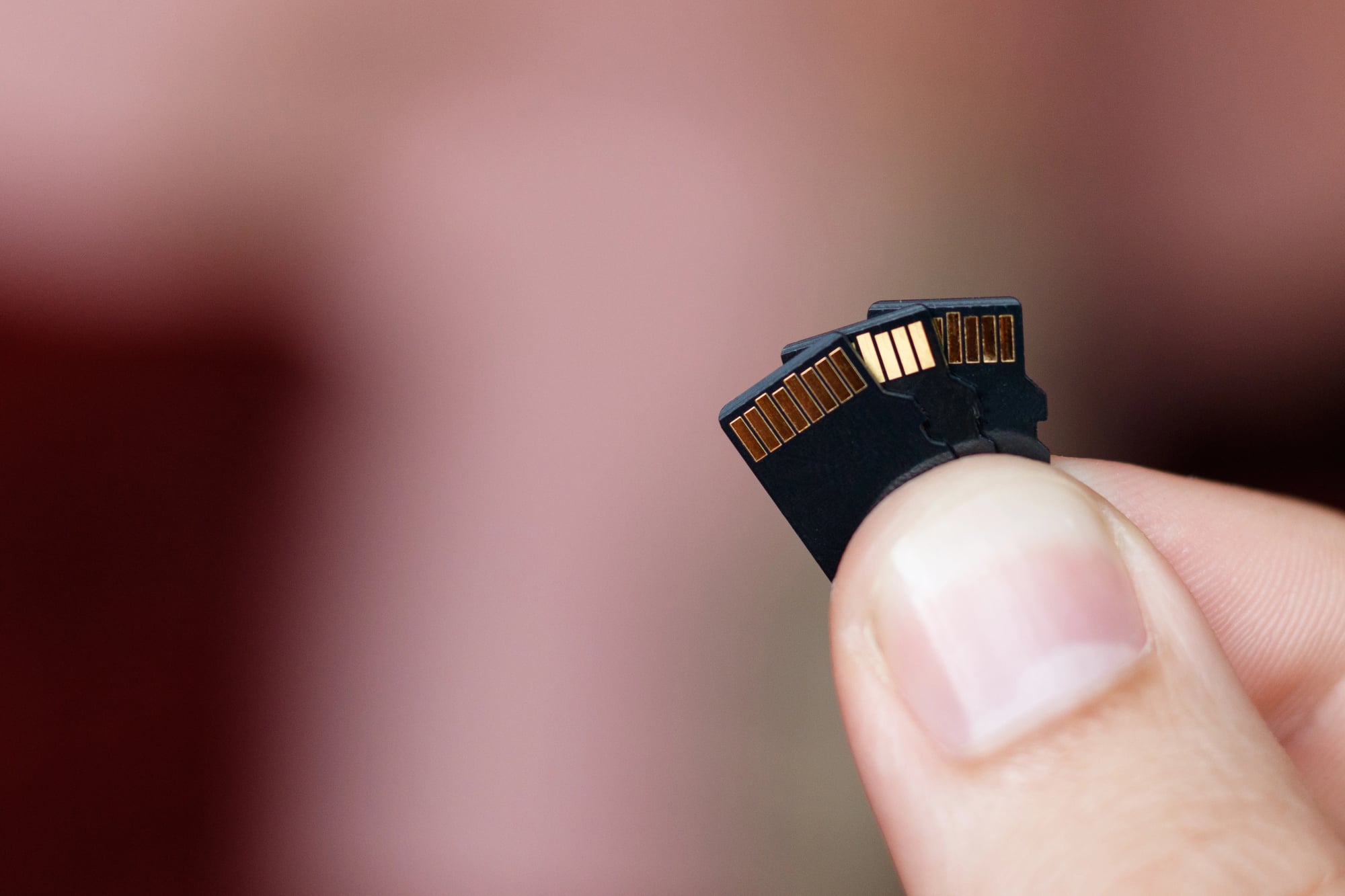
MicroSD card slots allowed users to add hundreds of gigabytes of storage for the cost of a fast food meal. You could carry your entire music collection, thousands of photos, and multiple movies without worrying about cloud storage fees or internet connectivity.
Phone manufacturers eliminated this feature to push users toward more expensive storage tiers and subscription services.
Headphone Jacks
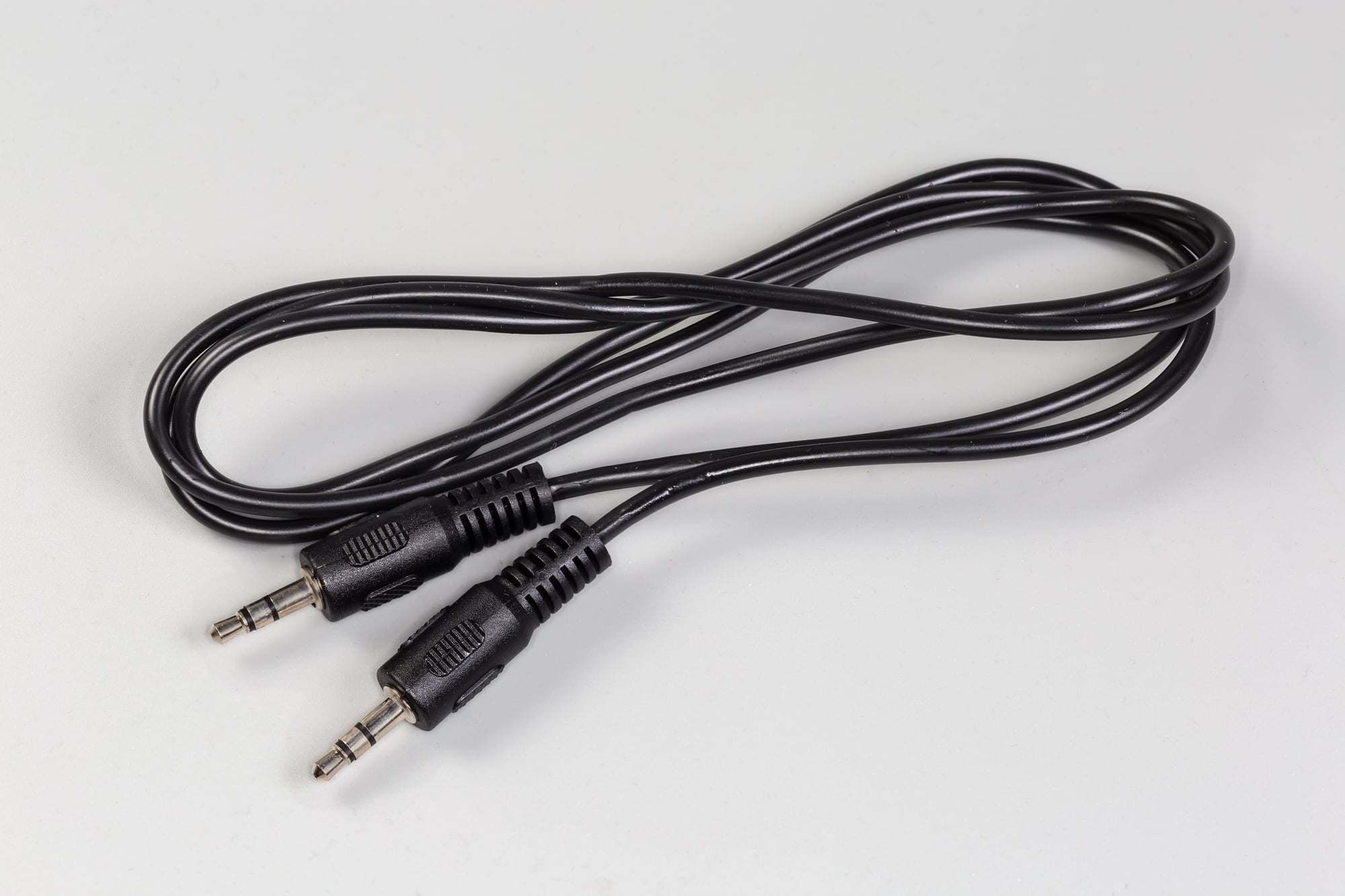
The 3.5mm headphone jack was universal, reliable, and never needed charging like today’s wireless alternatives. You could use any headphones from cheap earbuds to professional studio monitors without adapters or compatibility concerns.
Audio quality was consistently good, there was no latency for watching videos, and you never had to worry about your headphones dying during a long flight.
Hardware Camera Buttons
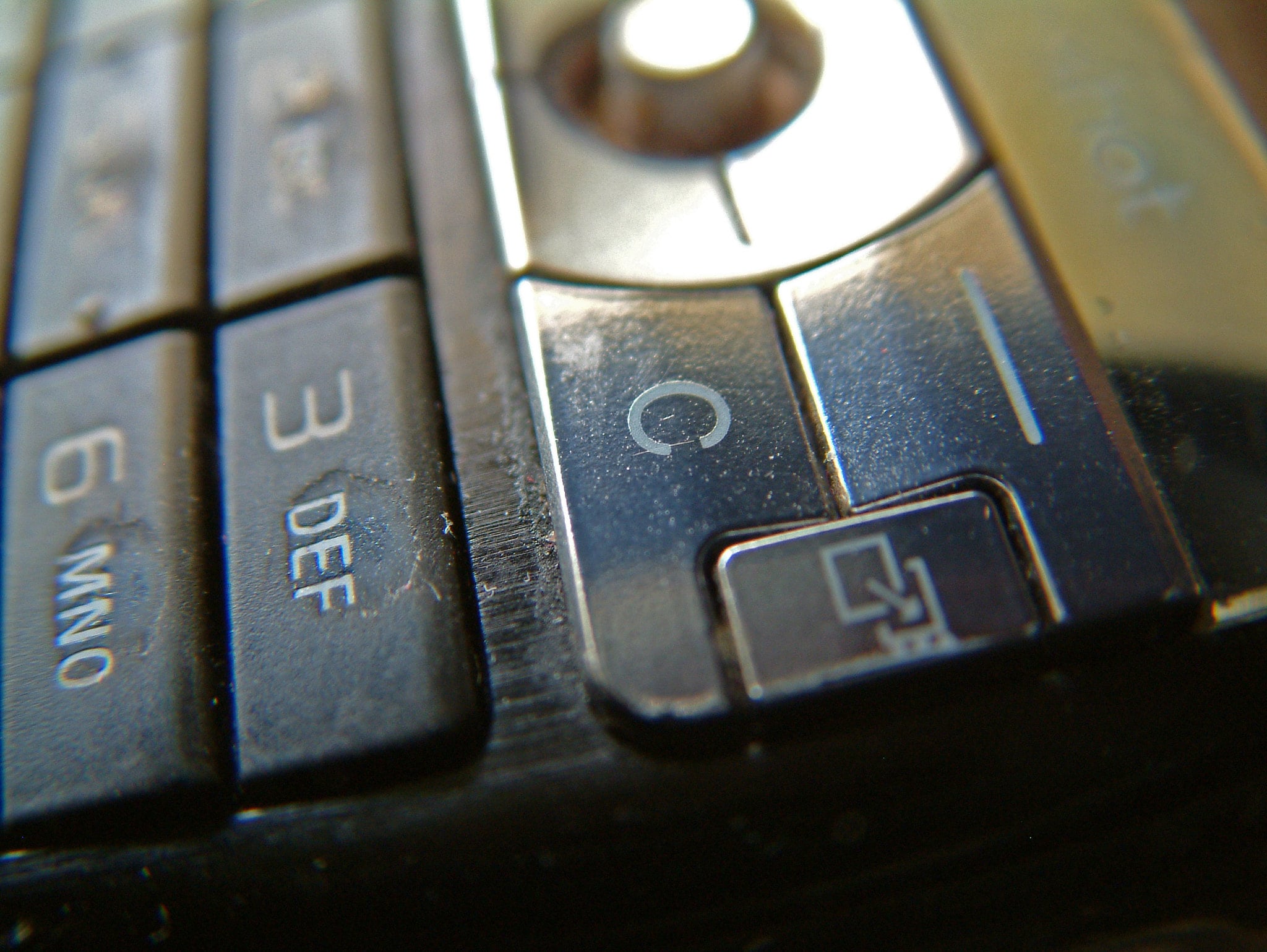
Dedicated camera buttons made it easy to quickly snap photos without fumbling with touchscreen controls. You could launch the camera app instantly even when the phone was locked, and the physical button provided stability for steadier shots.
The two-stage button design lets you focus first, then capture the image, just like traditional cameras.
LED Notification Lights
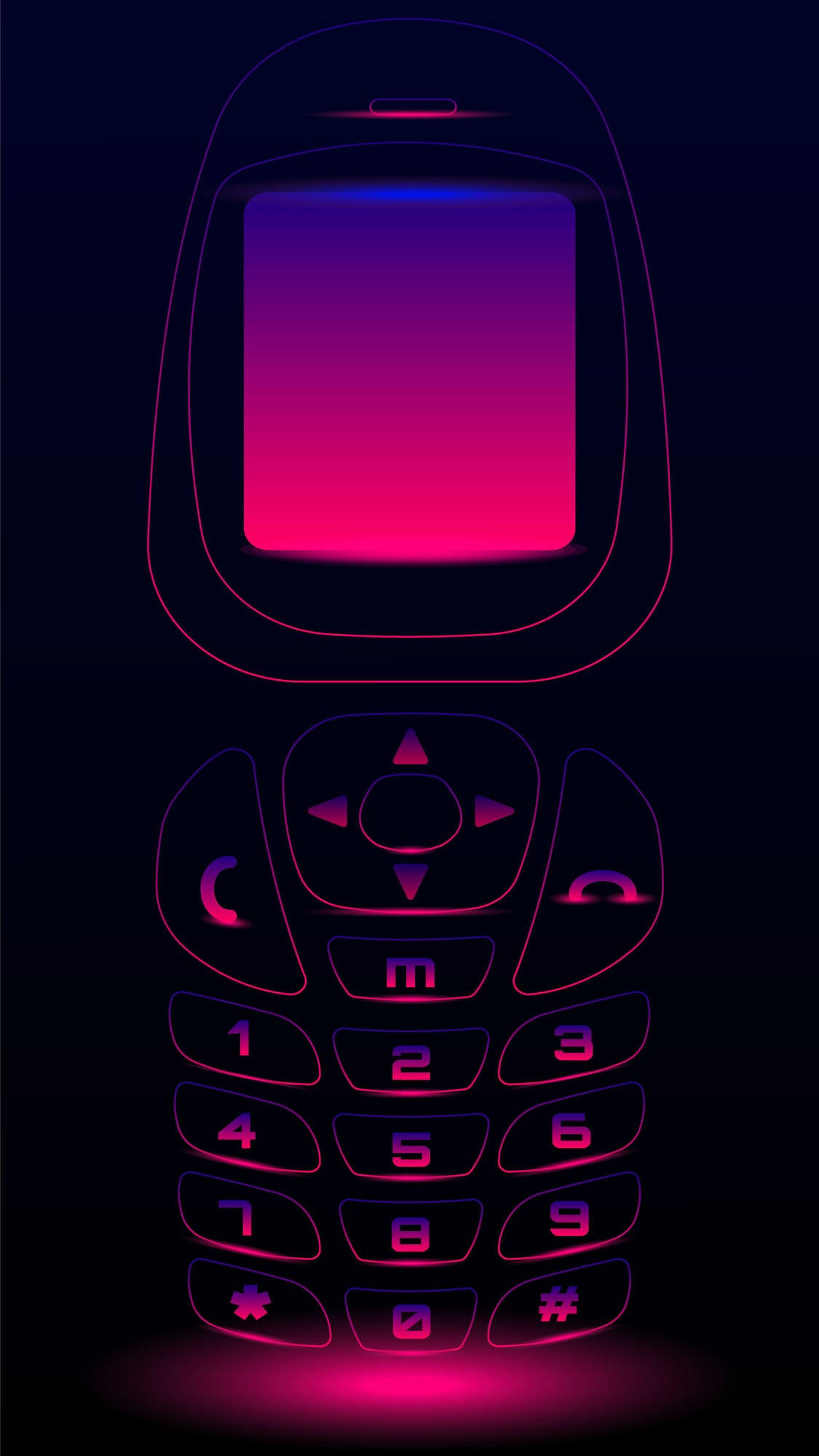
Small LED lights in different colors would blink to indicate missed calls, text messages, or low battery without turning on the entire screen. You could customize colors for different types of notifications, making it easy to know what needed attention from across the room.
This feature saves battery life while keeping you informed about important communications.
FM Radio
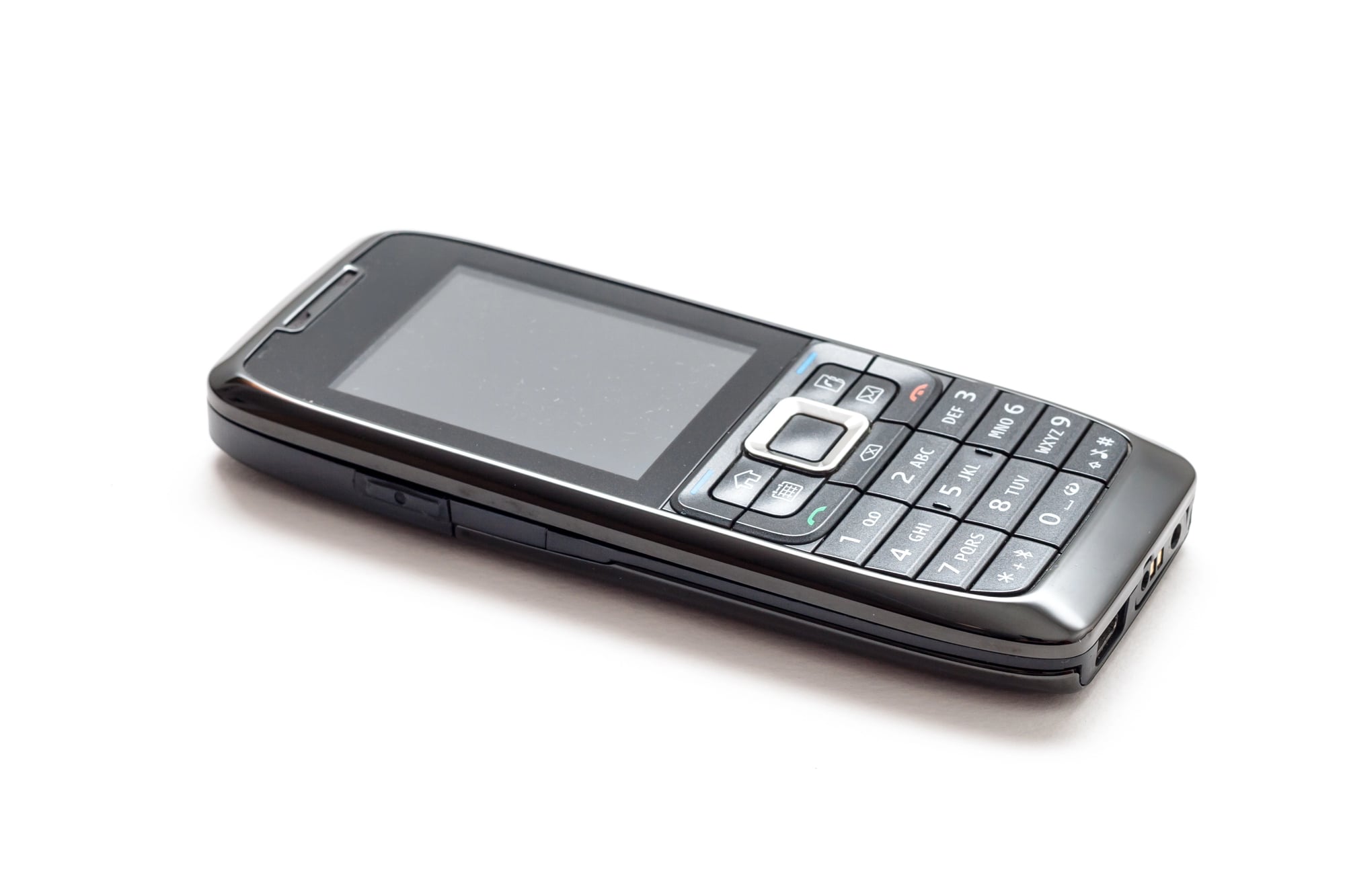
Built-in FM radio receivers let you listen to local stations without using data or draining your battery quickly like streaming services. Radio was particularly valuable during emergencies when cell towers were overloaded but broadcast stations remained operational.
You could discover new music, catch local news, and stay entertained without worrying about monthly data limits.
Slide-Out Keyboards
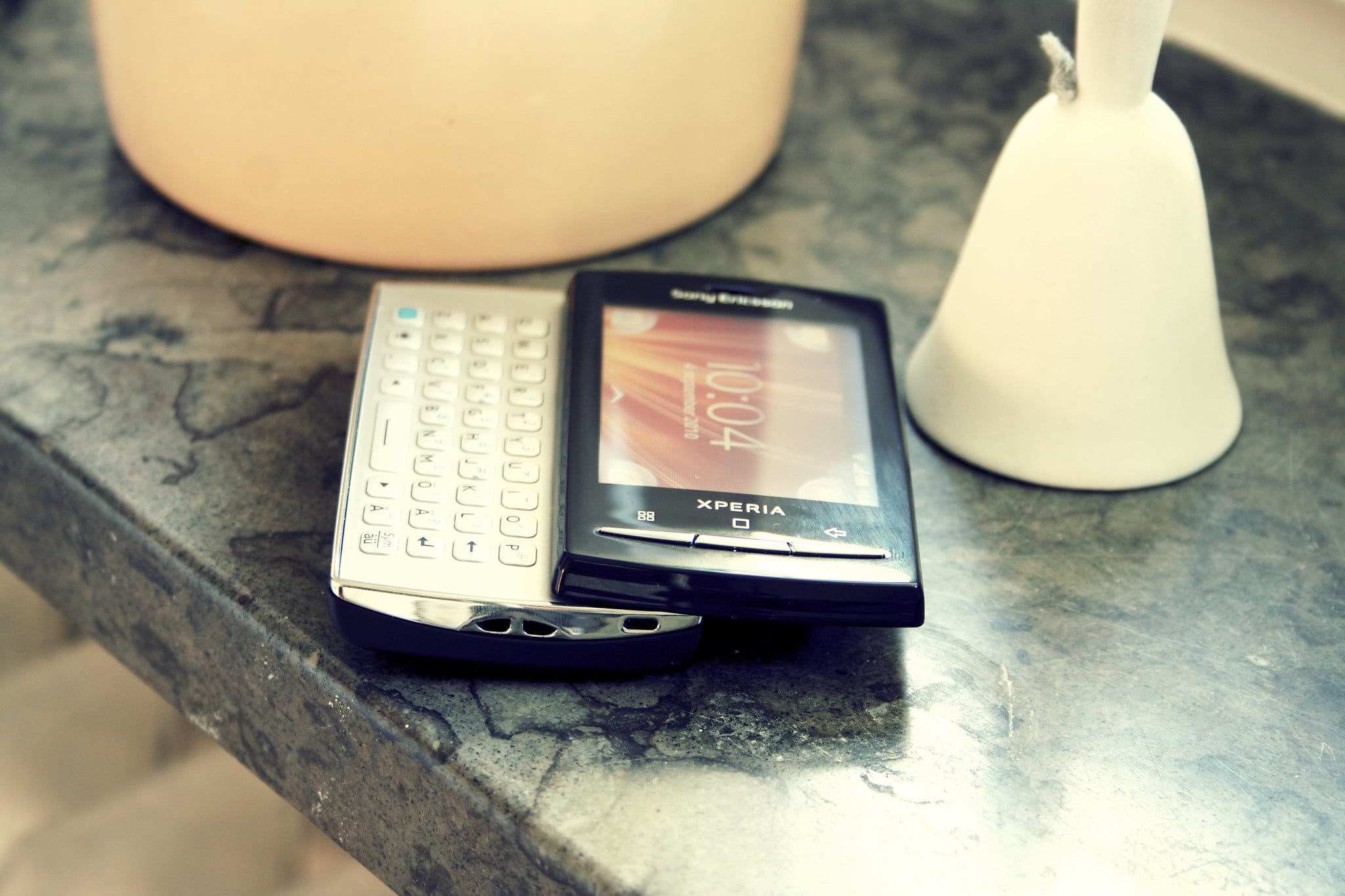
Slide-out keyboards combined the benefits of a large screen with physical typing when you needed it. The sliding mechanism felt satisfying to use and transformed your phone from a media device into a mini laptop for longer messages.
Many users could type faster on these keyboards than they ever managed on touchscreens, even with modern predictive text features.
Infrared Blasters
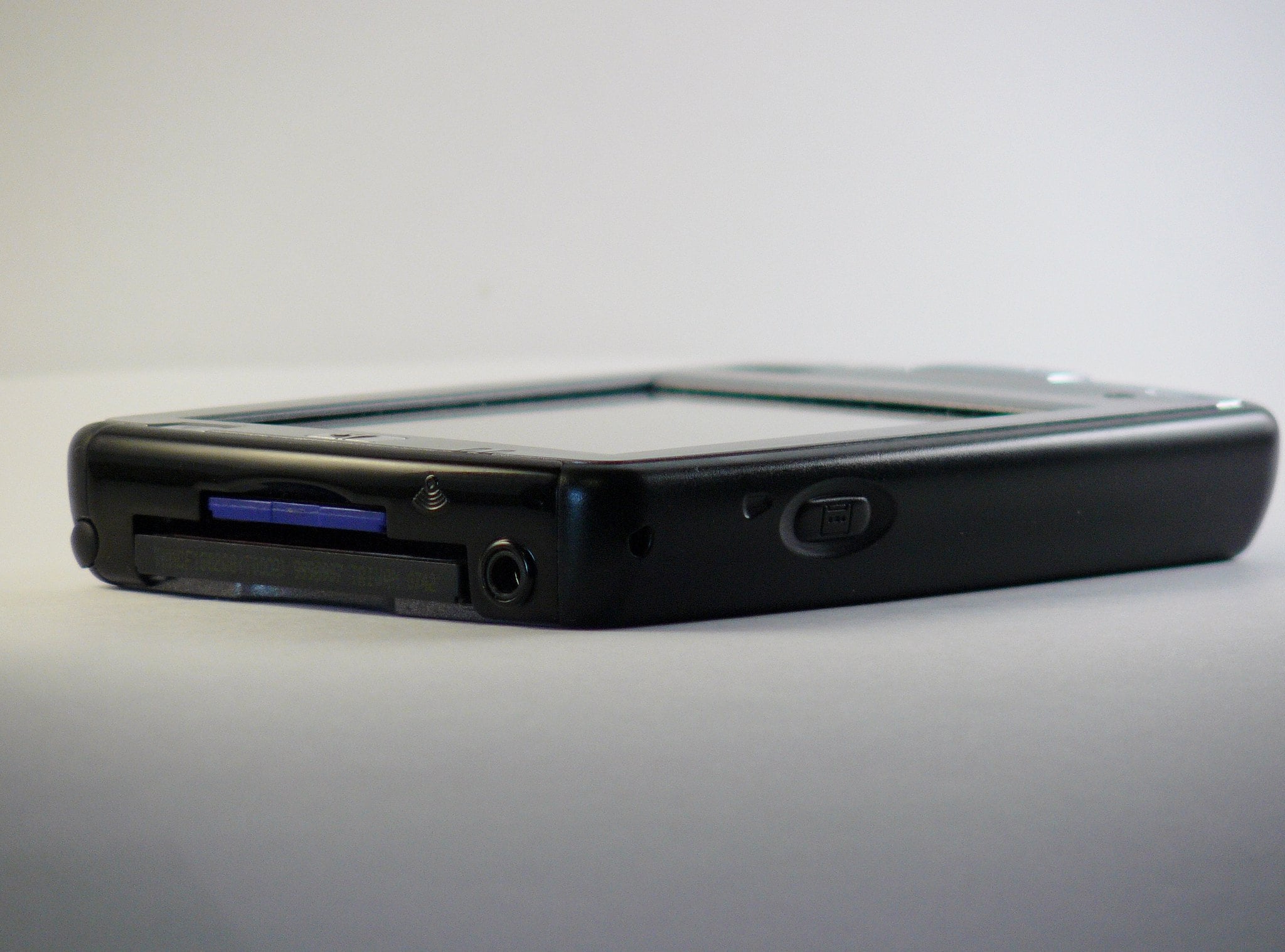
Infrared blasters turned your phone into a universal remote control for TVs, cable boxes, air conditioners, and other appliances. You could control hotel room televisions, change channels at restaurants, or adjust the temperature without hunting for multiple remote controls.
This feature was incredibly practical for anyone who spent time in different locations with various electronic devices.
Stylus Storage
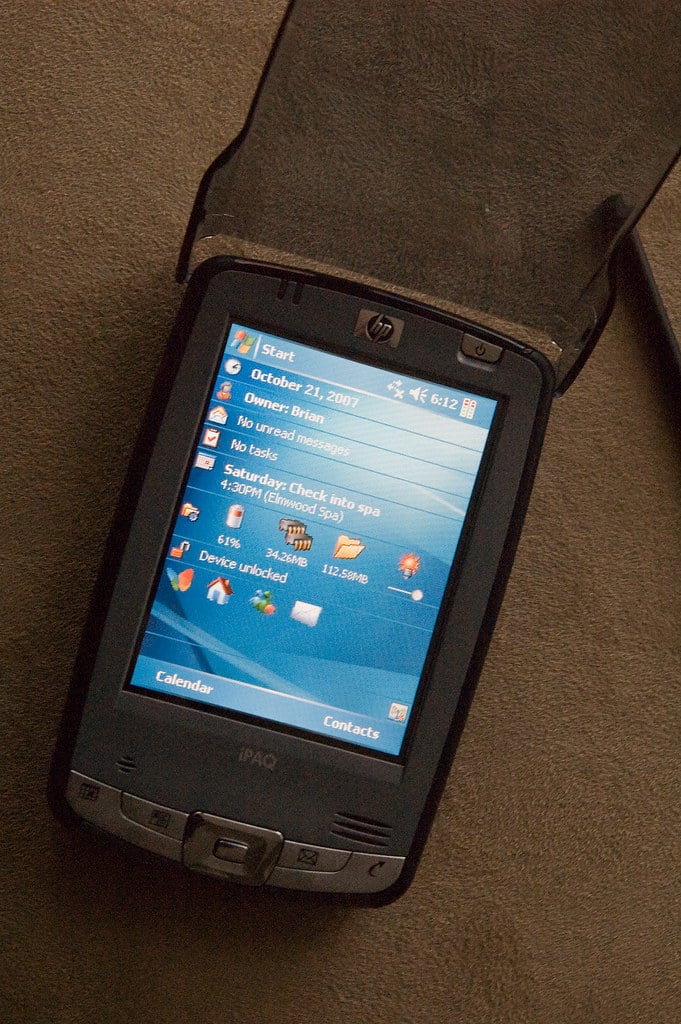
Some phones included built-in storage slots for styluses, ensuring you always had a precise input tool available when needed. The stylus was perfect for taking handwritten notes, drawing sketches, or navigating small interface elements with accuracy.
Unlike today’s separate styluses, these were always with your phone and didn’t require charging or pairing.
Hardware Navigation Buttons
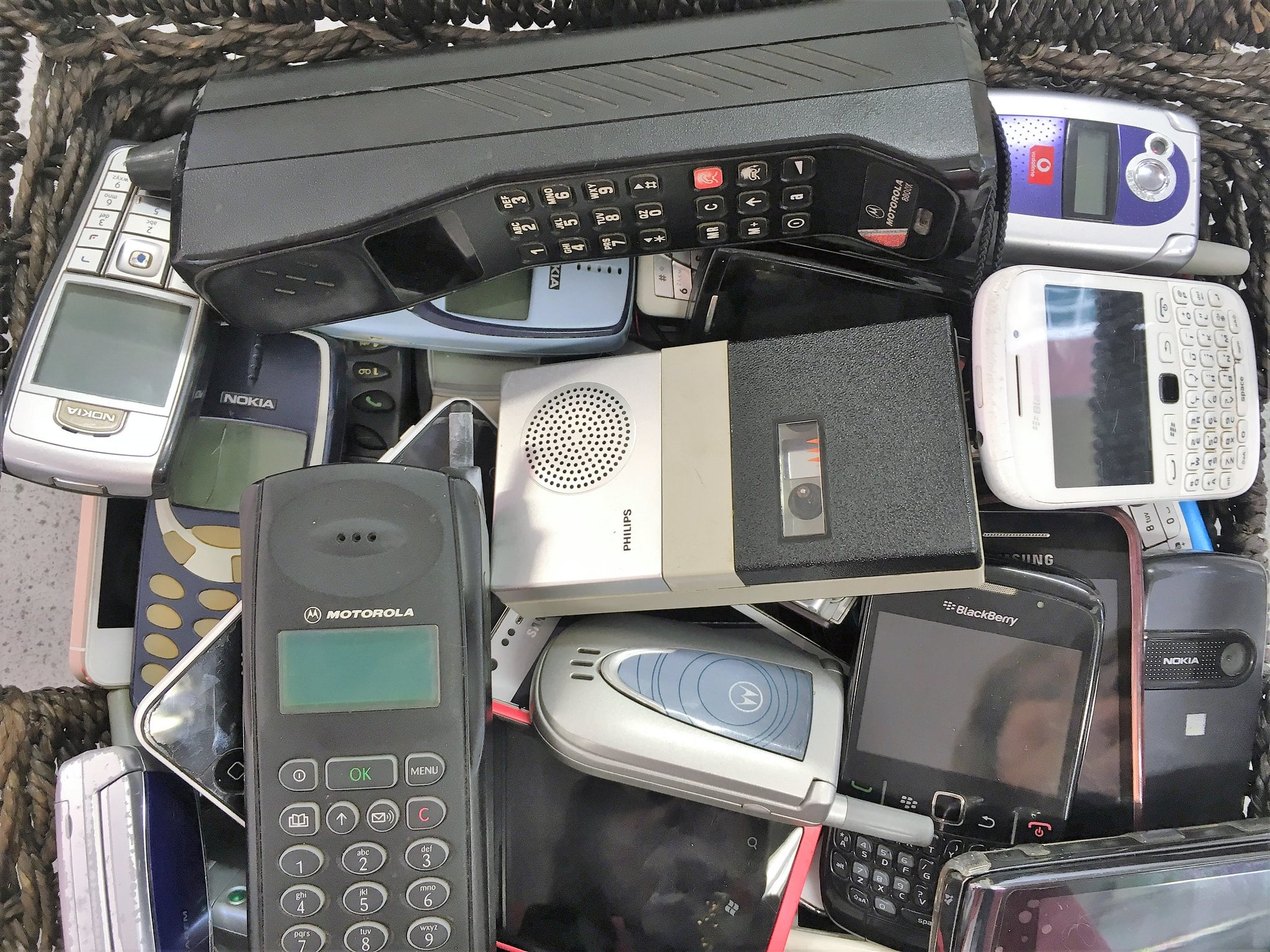
Physical home, back, and menu buttons provided consistent navigation that worked the same way across all apps and situations. The buttons had tactile feedback and never accidentally activated like today’s gesture controls or on-screen buttons.
You could navigate your phone confidently without looking, which was safer while driving or walking.
Flip Phone Protection
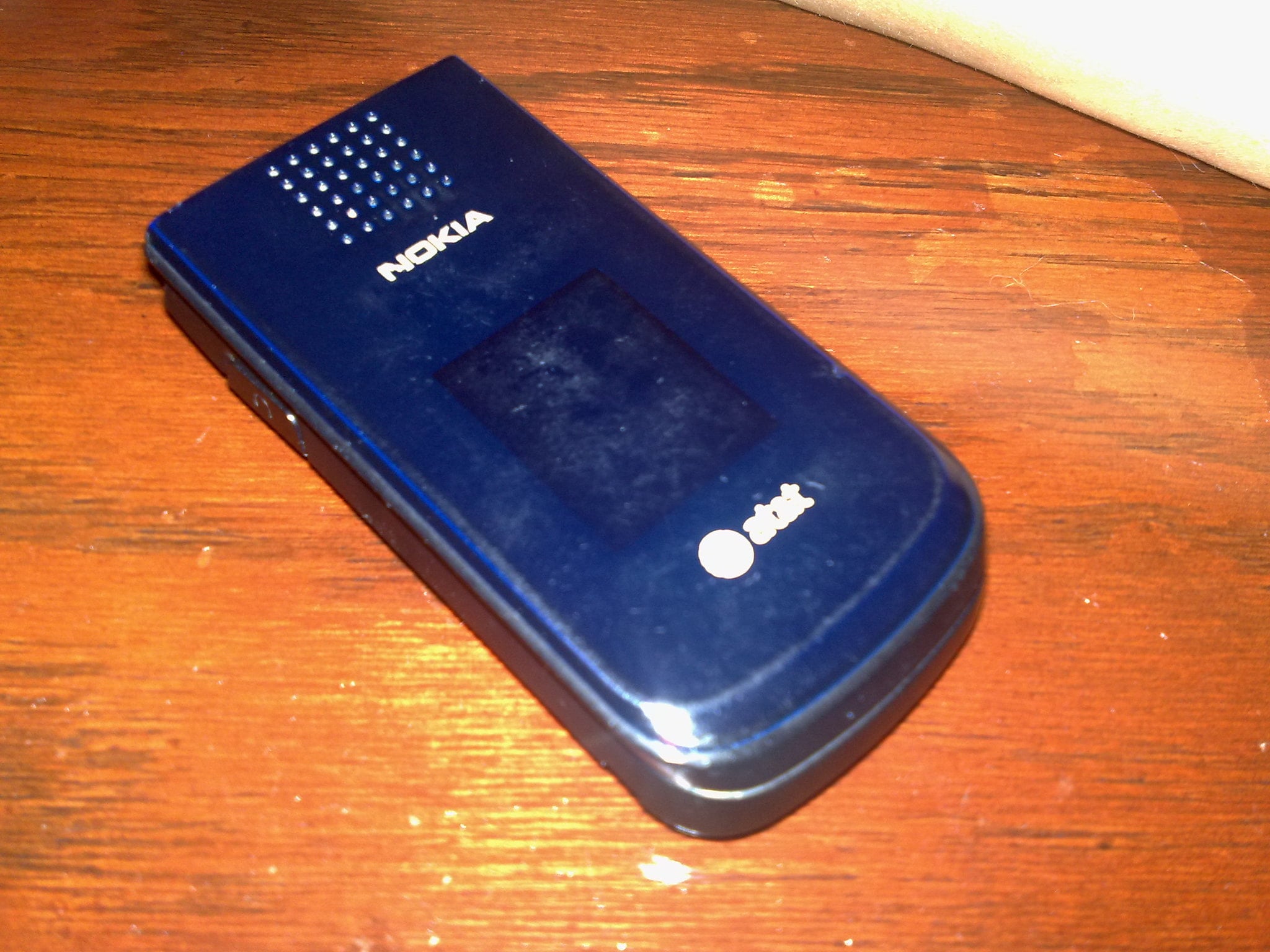
Flip phones automatically protected the screen and keypad when closed, eliminating the need for cases or screen protectors. The satisfying snap of closing a flip phone provided a clear end to conversations that today’s touchscreens can’t replicate.
The compact folded size fits comfortably in pockets without the bulk of modern smartphones, even with their protective accessories.
T9 Predictive Text
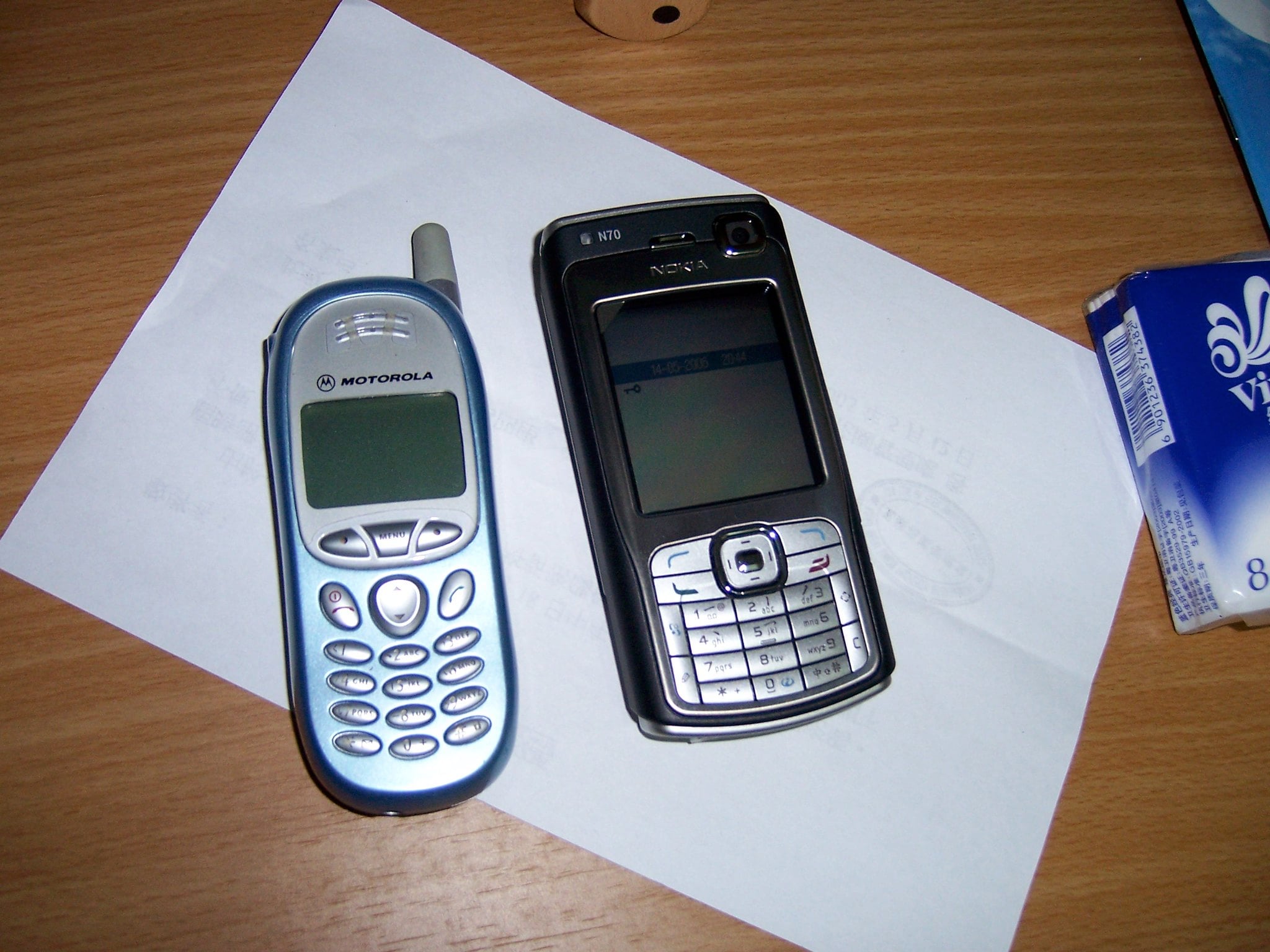
T9 text input lets you type words using just the number keypad, with the system predicting what you meant to spell. Once you learned the system, you could compose messages incredibly quickly using just your thumb.
The predictive algorithm was surprisingly accurate and didn’t require internet connectivity like many modern text prediction features.
Call Recording
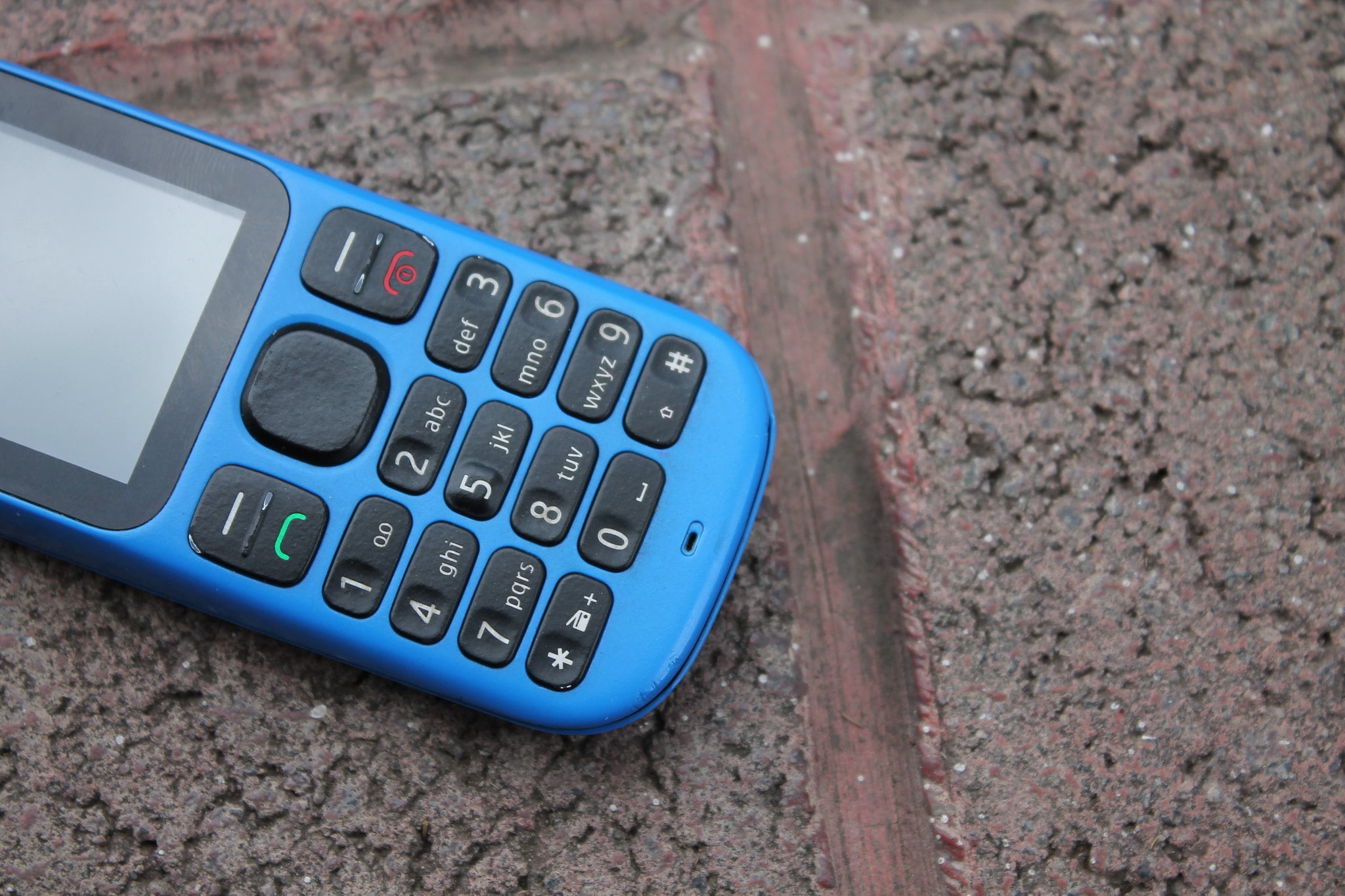
Some phones included built-in call recording functionality that worked reliably without requiring third-party apps or workarounds. This feature was useful for recording important conversations, interviews, or verbal agreements for later reference.
Legal and technical restrictions have made call recording much more complicated on modern devices, even in places where it’s perfectly legal.
Hardware Mute Switches
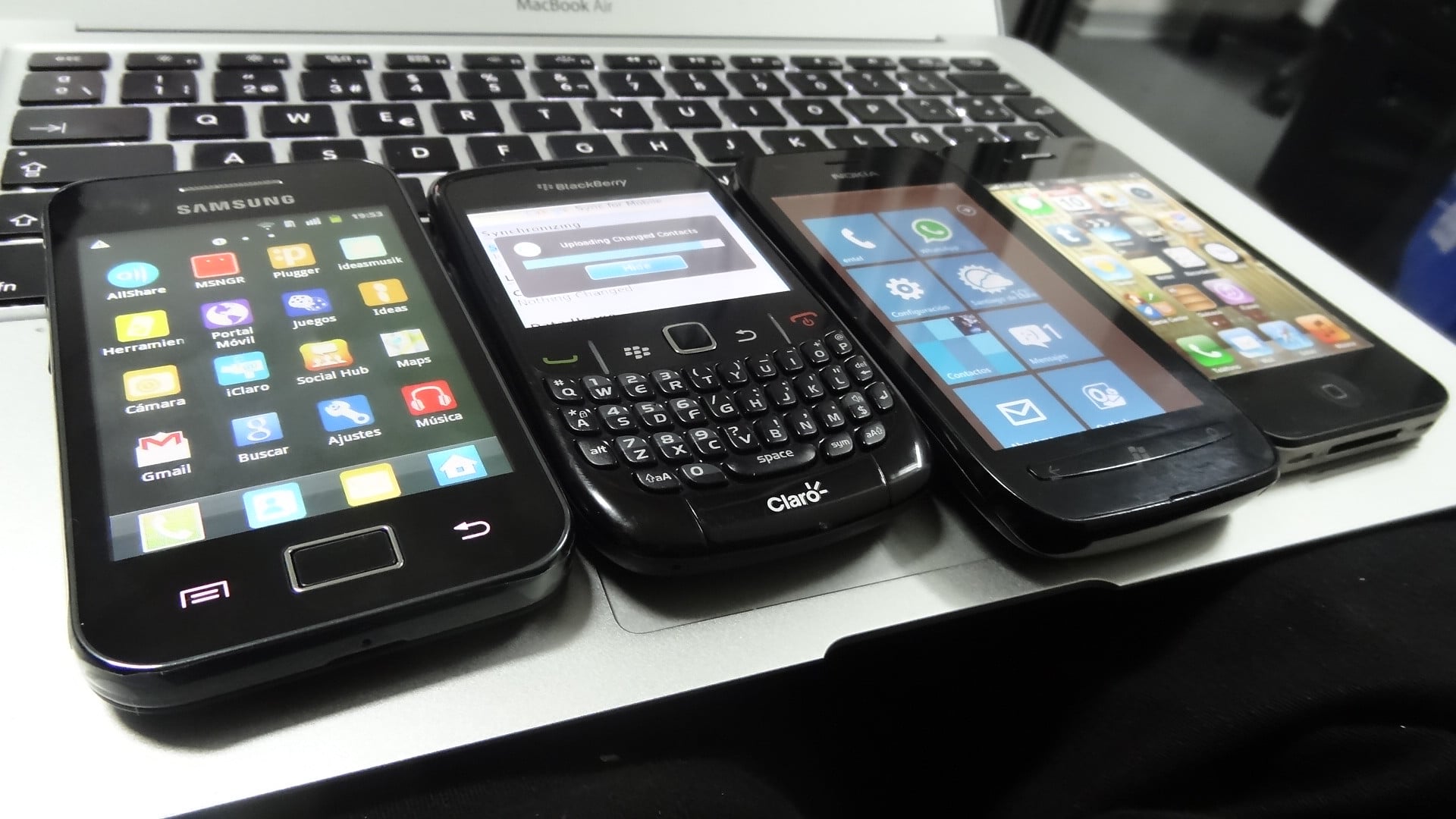
Physical mute switches provided instant, reliable silence without navigating through software menus or accidentally activating the wrong setting. You could feel whether your phone was muted without looking, which was crucial in meetings, theaters, or other quiet environments.
The switch position was immediately obvious and never failed like software-based volume controls sometimes do.
Dual SIM Support
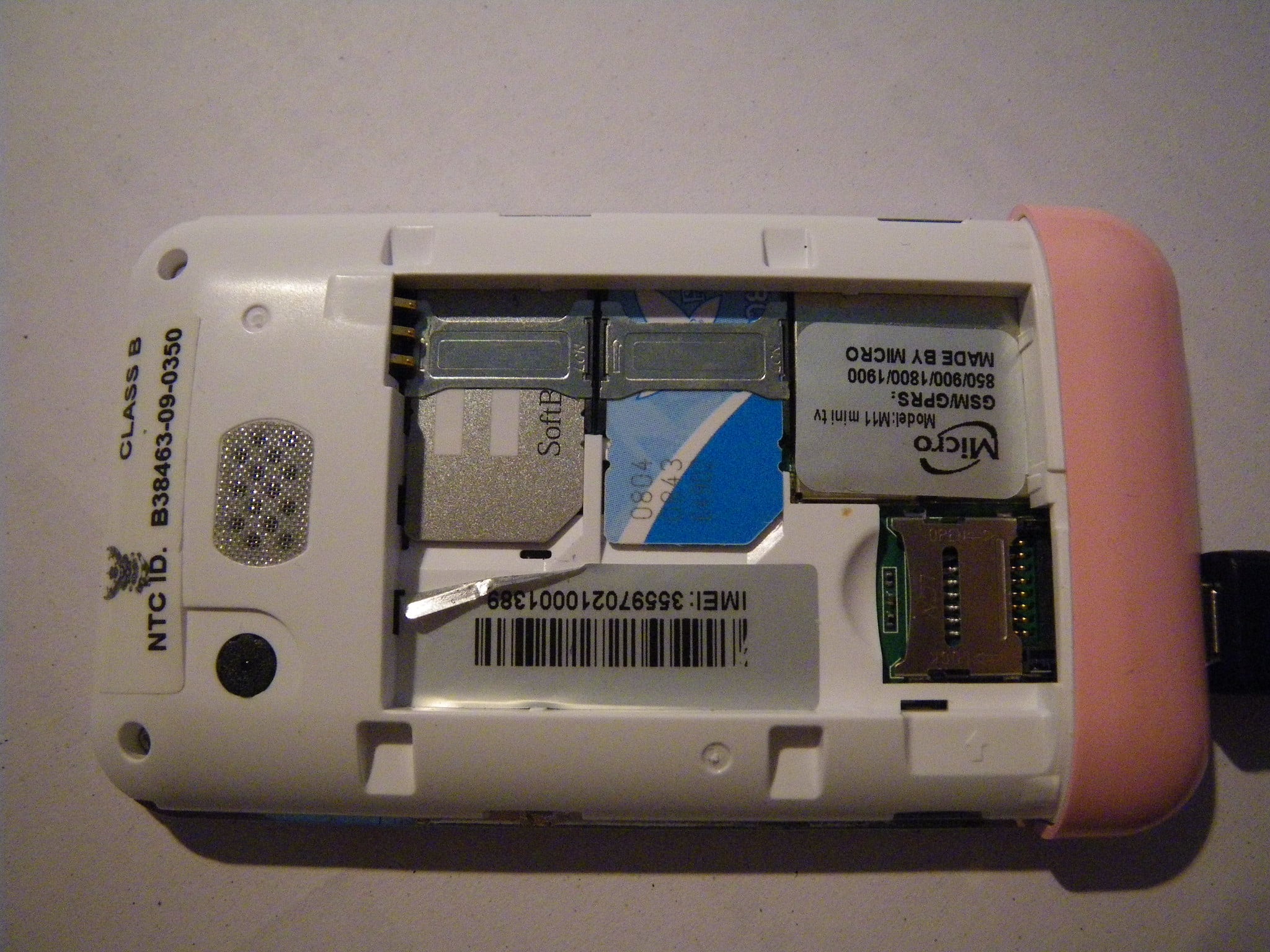
Dual SIM slots allowed users to maintain separate work and personal numbers on the same device, or use local SIM cards while traveling internationally. You could switch between carriers to find the best signal or take advantage of different pricing plans without carrying multiple phones.
This feature was standard on many devices before manufacturers decided to prioritize thinner designs over practicality.
Notification Ticker
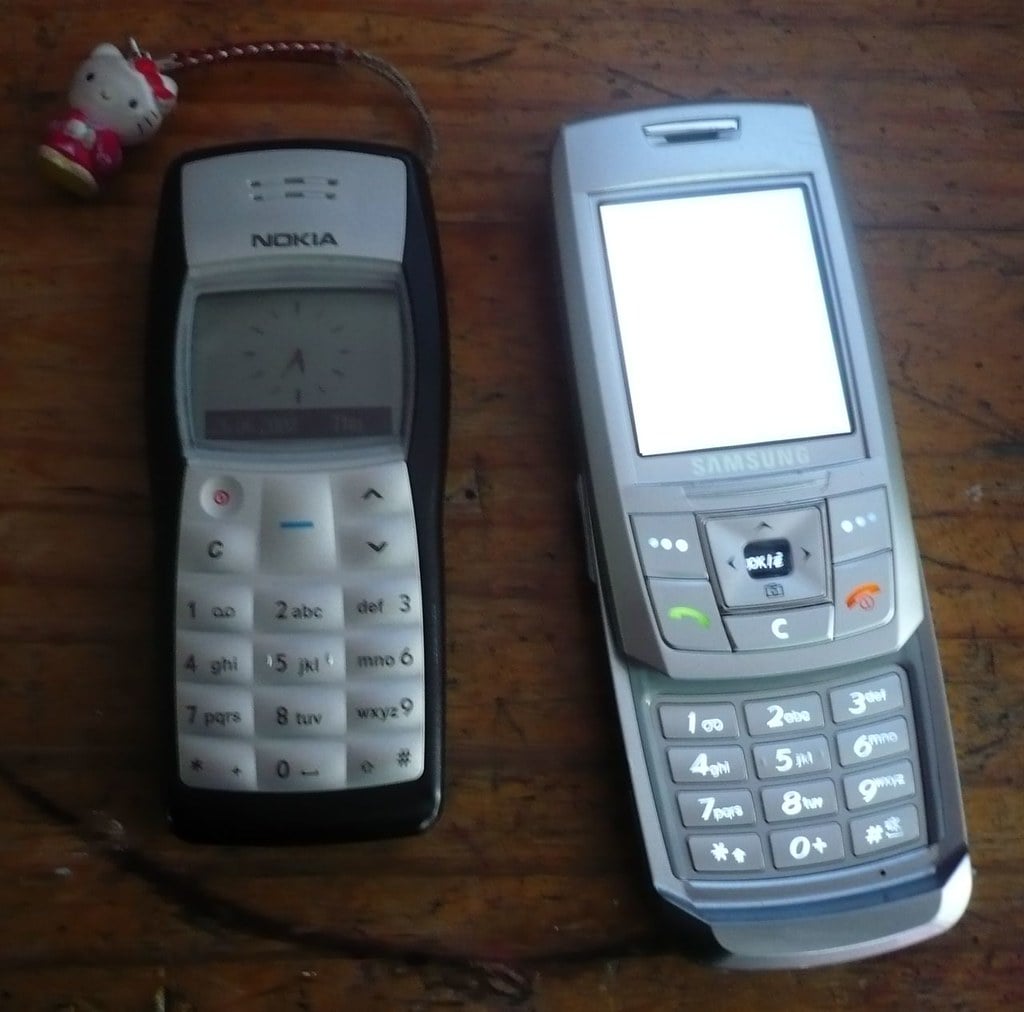
Some phones displayed scrolling text notifications across the top or bottom of the screen, showing message previews and caller information without interrupting your current activity. This feature provided more detailed information than today’s brief pop-up notifications while being less intrusive than full-screen interruptions.
The continuous scroll made it easy to read longer messages without additional taps or gestures.
Hardware Camera Flash Toggle
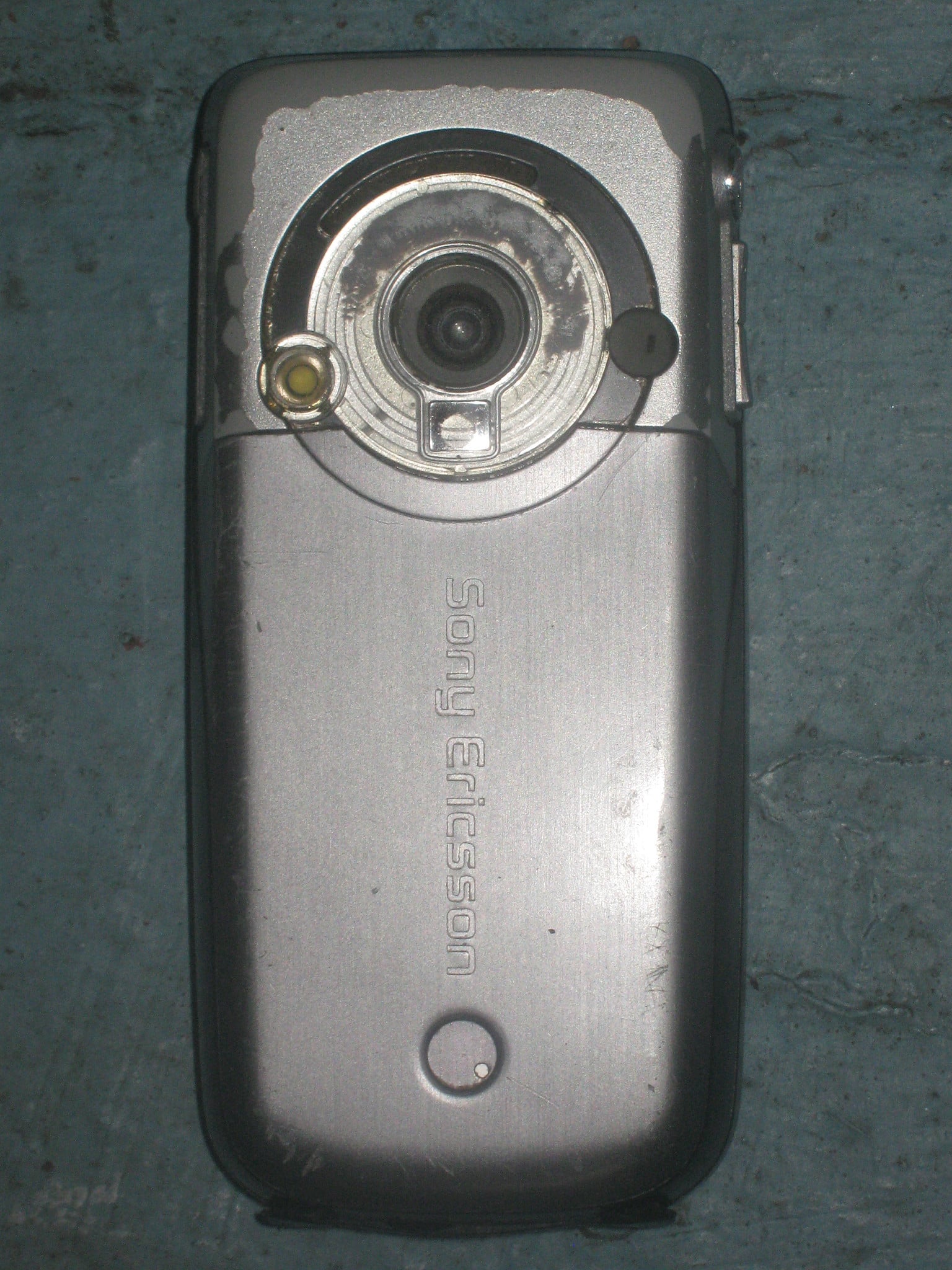
Dedicated flash control buttons let you quickly switch between flash modes without diving into camera settings menus. You could instantly toggle between auto, on, off, or torch modes while composing your shot.
This hardware control was faster and more reliable than today’s software toggles, especially when you needed to quickly adjust lighting in changing conditions.
When Simple Was Better
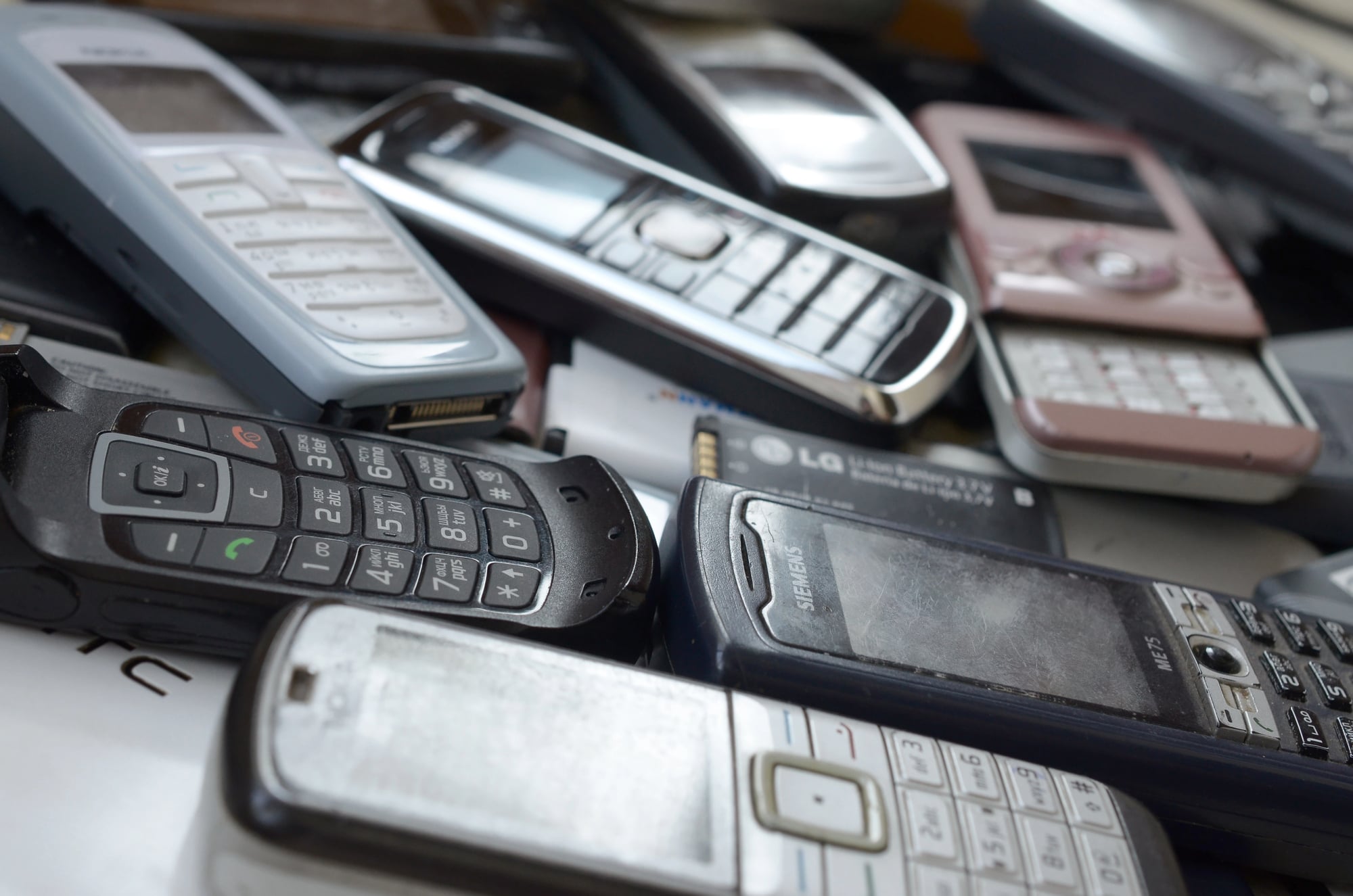
These forgotten features remind us that newer isn’t always better when it comes to phone design. Many of these capabilities were removed not because they were unpopular, but because manufacturers prioritized sleeker designs, cost reduction, or pushing users toward subscription services.
The irony is that while our phones have become more powerful, they’ve also become more fragile, more expensive to repair, and more dependent on external accessories to match the functionality that older devices provided out of the package. Sometimes the best innovations are the ones that just work reliably without requiring adapters, apps, or monthly fees.
More from Go2Tutors!

- The Romanov Crown Jewels and Their Tragic Fate
- 13 Historical Mysteries That Science Still Can’t Solve
- Famous Hoaxes That Fooled the World for Years
- 15 Child Stars with Tragic Adult Lives
- 16 Famous Jewelry Pieces in History
Like Go2Tutors’s content? Follow us on MSN.