Musicians Who Paint Masterpieces
Music and visual art share more than you think. Both demand a keen eye for composition, an understanding of color and mood, and the courage to express something that exists only in your head.
So when musicians pick up brushes instead of instruments, the results can surprise you. Some create abstract explosions of color.
Others prefer quiet portraits or landscapes that reveal a different side of their artistic personality. A few approach painting with the same intensity they bring to their music, treating the canvas as another stage for their creative voice.
Paul McCartney

The Beatles bassist started painting seriously in the 1980s, though he’d been sketching since his art school days in Liverpool. His canvases explode with bold colors and abstract forms that feel nothing like his melodic pop songs.
He paints quickly, often finishing pieces in a single session, letting instinct guide the brush rather than planning every detail. Critics initially dismissed his work as a celebrity hobby, but his exhibitions sell out consistently.
His paintings hang in galleries across Europe and the United States. The expressionist style he favors lets him explore feelings that don’t fit neatly into verse-chorus-verse structures.
Joni Mitchell
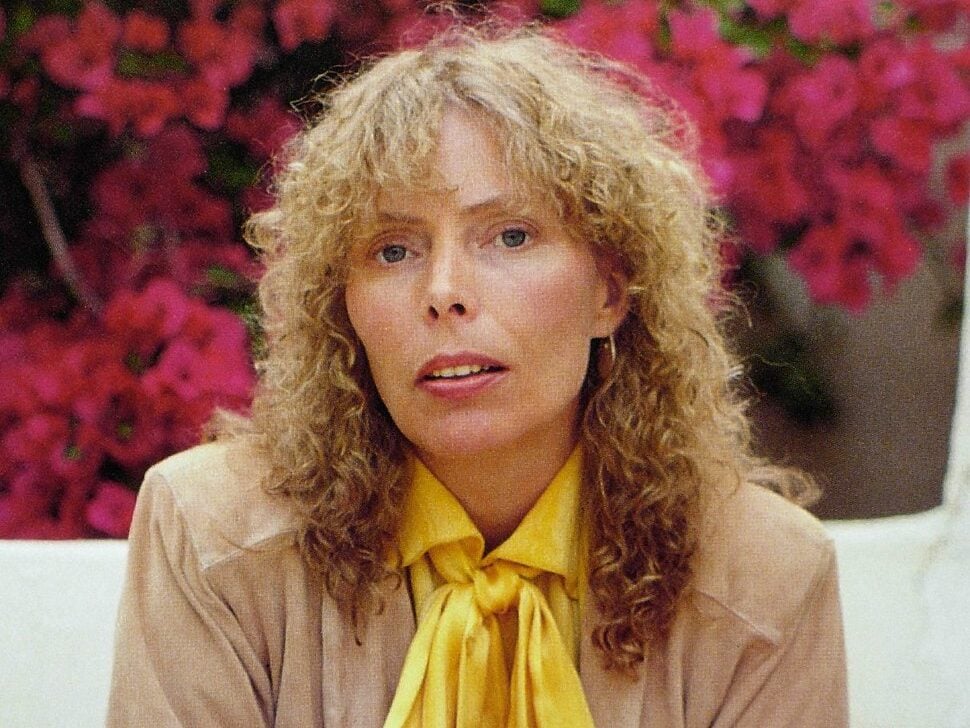
Mitchell studied art before music took over her life. She never stopped painting.
Her album covers feature her own artwork, and she considers herself a painter who happens to make music rather than the other way around. Her paintings reflect the same lyrical sensibility that made songs like “Both Sides Now” timeless.
Landscapes, portraits, and abstract pieces all carry her distinctive mark. She works primarily in oils, building up layers of color until the canvas practically vibrates with depth.
The stroke she suffered in 2015 affected her ability to play guitar, but painting became her primary creative outlet during recovery. She approaches the canvas with patience, letting compositions develop over weeks or months.
Bob Dylan
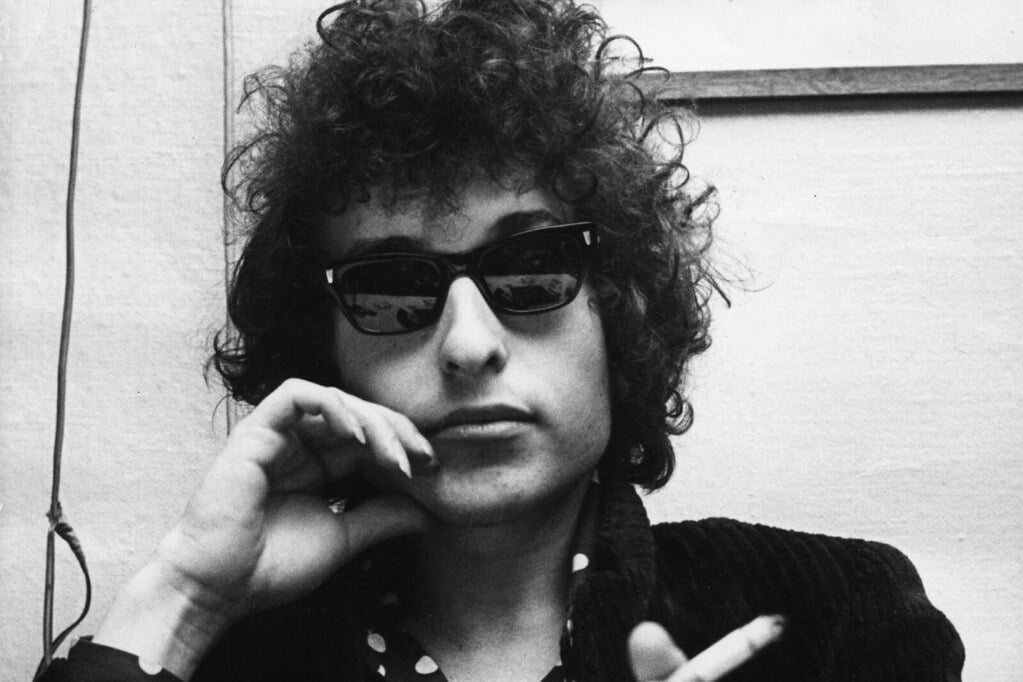
Dylan’s visual art career started in the 1960s with sketches and drawings. By the 2000s, he was exhibiting paintings and sculptures internationally.
His work spans everything from portraits of everyday people to surreal landscapes that feel pulled from fever dreams. He often paints scenes from his travels.
Diners, motels, city streets—the ordinary American landscape appears again and again. The paintings capture a specific loneliness, the same feeling that runs through his best albums.
His use of color tends toward muted tones, browns and grays with occasional bursts of red or blue. Some pieces sell for six figures at auction.
The National Portrait Gallery in London featured his work in a solo exhibition. Critics debate whether his fame inflates the value, but buyers keep coming back.
David Bowie
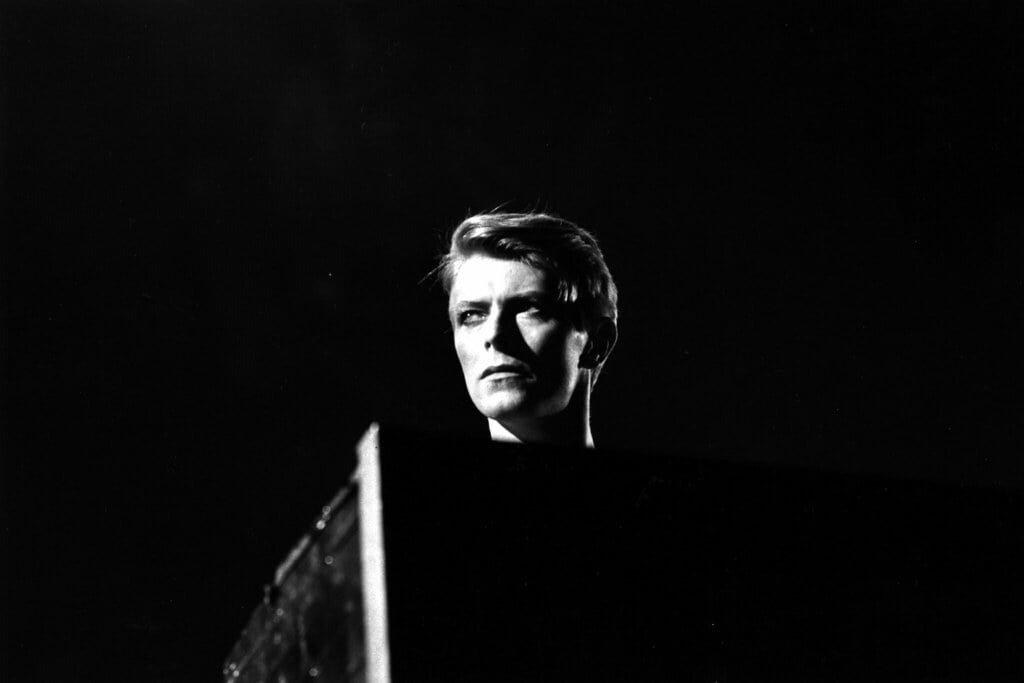
Bowie painted throughout his life, though he kept much of his visual art private until later years. His paintings blend expressionism with elements of the German Neo-Expressionist movement he admired.
Portraits, often distorted or fragmented, dominate his output. He studied art and design before music became his focus.
That education shows in his technical skill and his willingness to experiment with different styles and media. Some paintings feel like set designs for the theatrical personas he created on stage.
His art collection was legendary. When it went to auction after his death, it revealed his deep knowledge of 20th-century art movements.
The pieces he owned influenced the pieces he created.
Joni Mitchell’s Later Period
Mitchell’s painting became increasingly important as she moved into her 70s. Large-scale works replaced the smaller canvases of her earlier years.
She experimented with mixed media, incorporating photographs and collage elements into traditional oil paintings. Her color palette brightened.
Where earlier works often featured earth tones, her recent pieces burst with turquoise, magenta, and gold. The change reflects a shift in perspective, a determination to embrace joy despite health challenges.
She exhibited at museums and galleries that typically show established visual artists, not musicians dabbling in paint. Critics started taking her seriously as a painter independent of her musical legacy.
Miles Davis
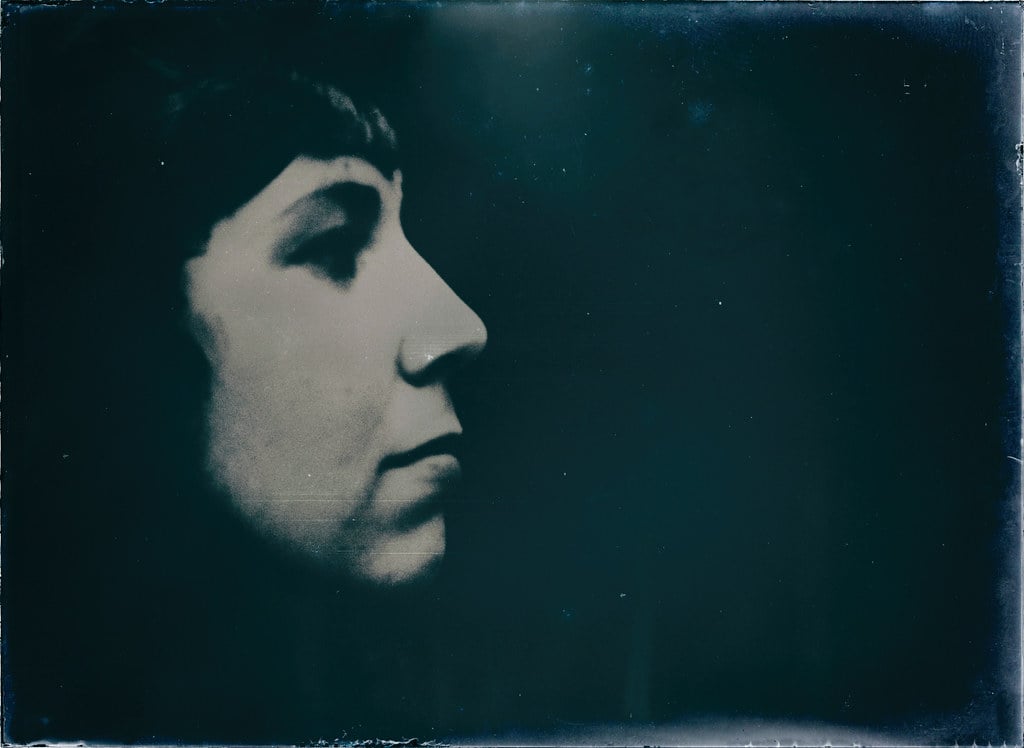
The jazz trumpeter painted obsessively during his later years. Abstract expressionism suited his temperament perfectly.
Bold gestures, primary colors, shapes that suggest movement without depicting anything specific—his canvases capture the same improvisational spirit as his music. He painted while listening to music, usually his own recordings.
The brushstrokes move with rhythms only he could hear. Each painting became a visual representation of sound, an attempt to translate one art form into another.
His work has been exhibited posthumously at galleries worldwide. The paintings reveal a side of Davis that interviews and albums only hinted at—playful, experimental, unafraid to fail.
Tony Bennett
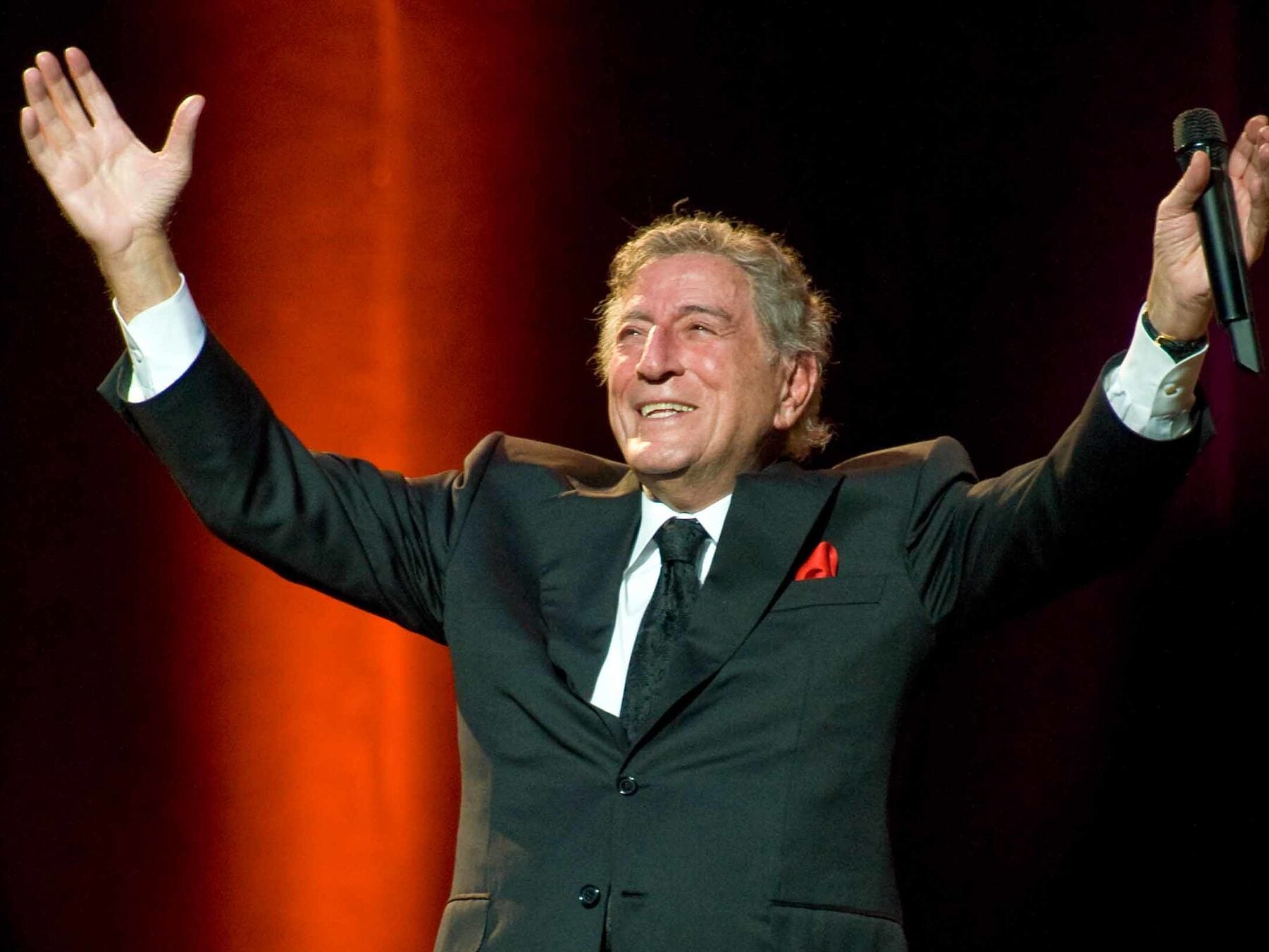
Bennett studied painting at the School of Visual Arts in New York under his birth name, Anthony Benedetto. He paints landscapes primarily, working in watercolors and acrylics to capture scenes from his travels.
His style leans toward impressionism, soft edges and light-filled compositions. He sketches constantly while on tour, filling notebooks with quick studies of buildings, people, and cityscapes.
These sketches become reference material for finished paintings he completes in his studio. The discipline mirrors his approach to vocal performance—endless practice leading to seemingly effortless execution.
His paintings have sold at galleries for decades. Some pieces hang in permanent museum collections.
He approaches painting with the same professionalism he brings to singing, treating it as a craft that demands daily attention.
Captain Beefheart

Don Van Vliet quit music entirely in 1982 to focus on painting and sculpture. His abstract expressionist works command serious prices in the art world.
The same wild creativity that made his experimental rock music so challenging appears in paintings filled with bold colors and mysterious forms. He painted with his left hand, claiming it kept him from becoming too controlled or calculated.
The technique produced raw, energetic canvases that art critics compared favorably to Willem de Kooning and Franz Kline. Major galleries in New York and Los Angeles exhibited his work regularly.
His paintings appear in museum collections across Europe and America. He lived his final decades as a visual artist who used to make music, not a musician who also painted.
Grace Slick
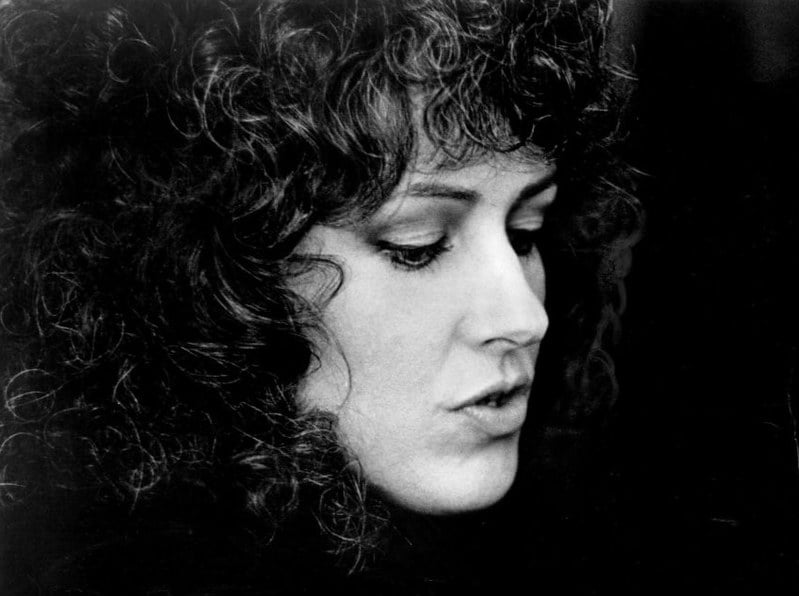
The Jefferson Airplane singer studied art at the University of Miami before dropping out to pursue music. She returned to painting seriously in the 1990s after retiring from performing.
Her work features bold colors and surrealist imagery, portraits of musicians and cultural figures rendered in her distinctive style. She paints portraits of fellow artists often.
Janis Joplin, Jim Morrison, and J. Garcia appear on her canvases, reimagined through her psychedelic sensibility. The paintings sell steadily at galleries in San Francisco and online.
Her technique is largely self-taught, developed through experimentation rather than formal training. The lack of traditional art education freed her to develop a personal style unconcerned with current trends or academic approval.
Ronnie Wood
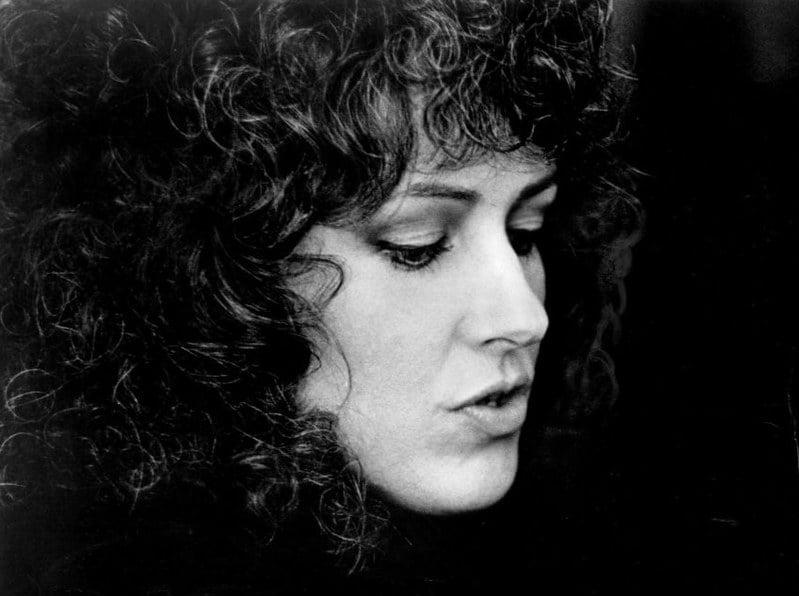
The Rolling Stones guitarist has exhibited his paintings internationally since the 1980s. His portraits of fellow musicians fill galleries—Keith Richards, Mick Jagger, Bob Dylan, and countless others sit for him or appear from memory and photographs.
He paints backstage, in hotel rooms, wherever the band tours. Quick sketches capture moments that photographs miss.
His eye for composition comes from decades of watching performers on stage, understanding how body language communicates emotion. His style stays loose and expressive.
Heavy outlines, bright colors, and minimal background detail keep the focus on faces and hands. The paintings feel like visual conversations, catching people in unguarded moments.
Patti Smith
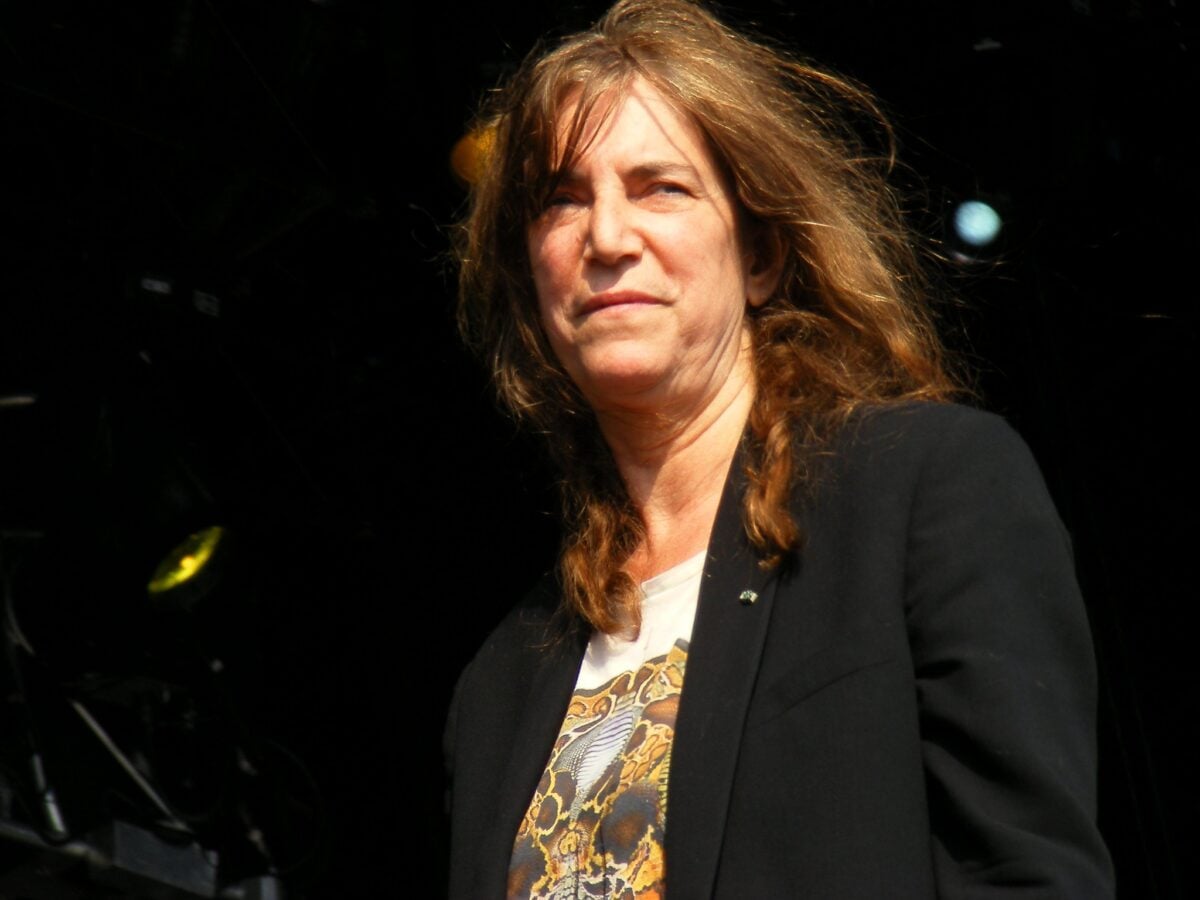
Smith trained as an artist before poetry and music took over. She draws and paints regularly, creating works that complement her written output.
Her visual art often incorporates text, blurring the line between drawing and poetry. Black and white dominate her palette.
Simple lines and stark contrasts create images that feel more like visual haikus than traditional paintings or drawings. She works in notebooks constantly, sketching objects and scenes that catch her attention.
Her photographs and drawings appear in books and exhibitions alongside her poetry. She sees all her creative work as interconnected, different methods of exploring the same themes and ideas.
John Lennon
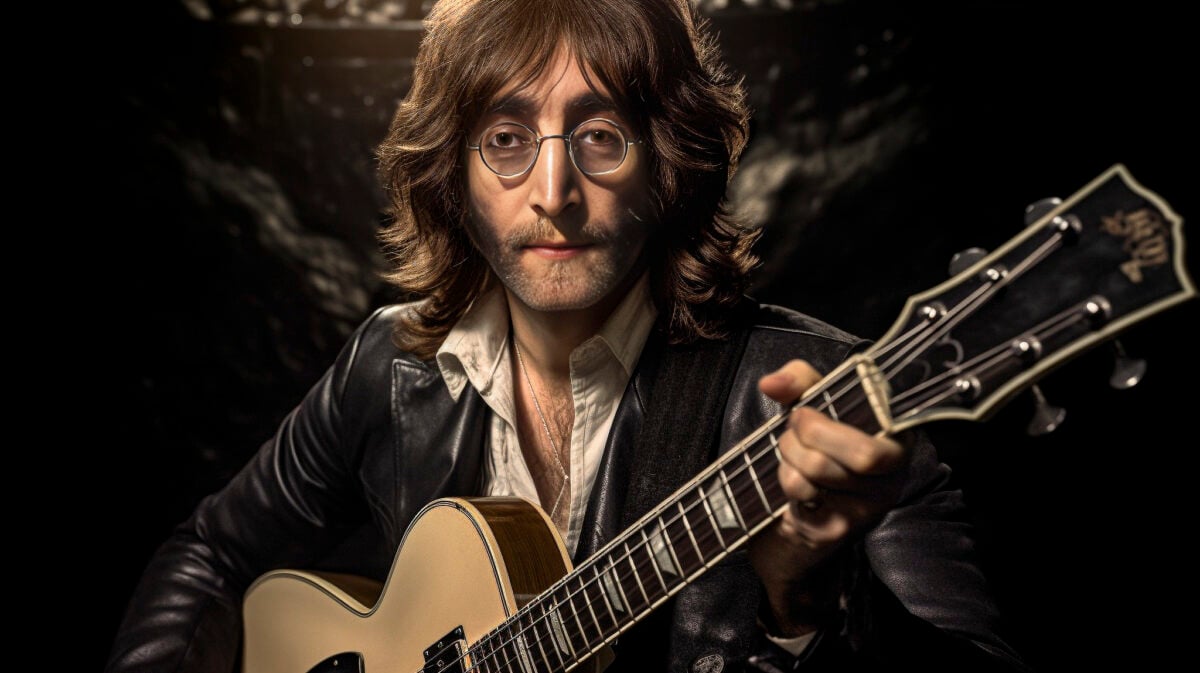
Lennon drew constantly throughout his life. His whimsical, cartoon-like illustrations appeared in books published during his Beatles years.
Later work became more experimental, incorporating text and abstract elements influenced by his wife Yoko Ono’s conceptual art background. His lithographs caused controversy when first exhibited in London.
The gallery showing erotic drawings was raided by police. The incident highlighted the tension between his fame as a musician and his desire to be taken seriously as a visual artist.
His work has been exhibited posthumously at museums worldwide. The drawings reveal his sense of humor and his fascination with wordplay, showing a playful side that his music sometimes obscured.
Marilyn Manson

A theatre student first, then an illustrator, he only later fell into music. Dark visions fill his artwork – twisted shapes, eerie faces, watery scenes where elegance rots slowly.
What began as stagecraft ended in sound, yet the eye still wanders to shadows.
Across Los Angeles, Miami, yet deeper into European spaces, his work appears inside gallery walls.
Some critics question what the images show, still they respect how precisely he paints. Not separate from song, these pieces grow out of a stage character born in sound, now shaped by color and form instead.
Few expect such precision from a paint known for wild streaks. Yet inside each stroke hides careful thought, almost like choreography written before the dance begins.
What looks soft on the surface carries something darker underneath – quiet unease dressed in light tones. This clash hums through every piece he makes.
When Sound Becomes Color
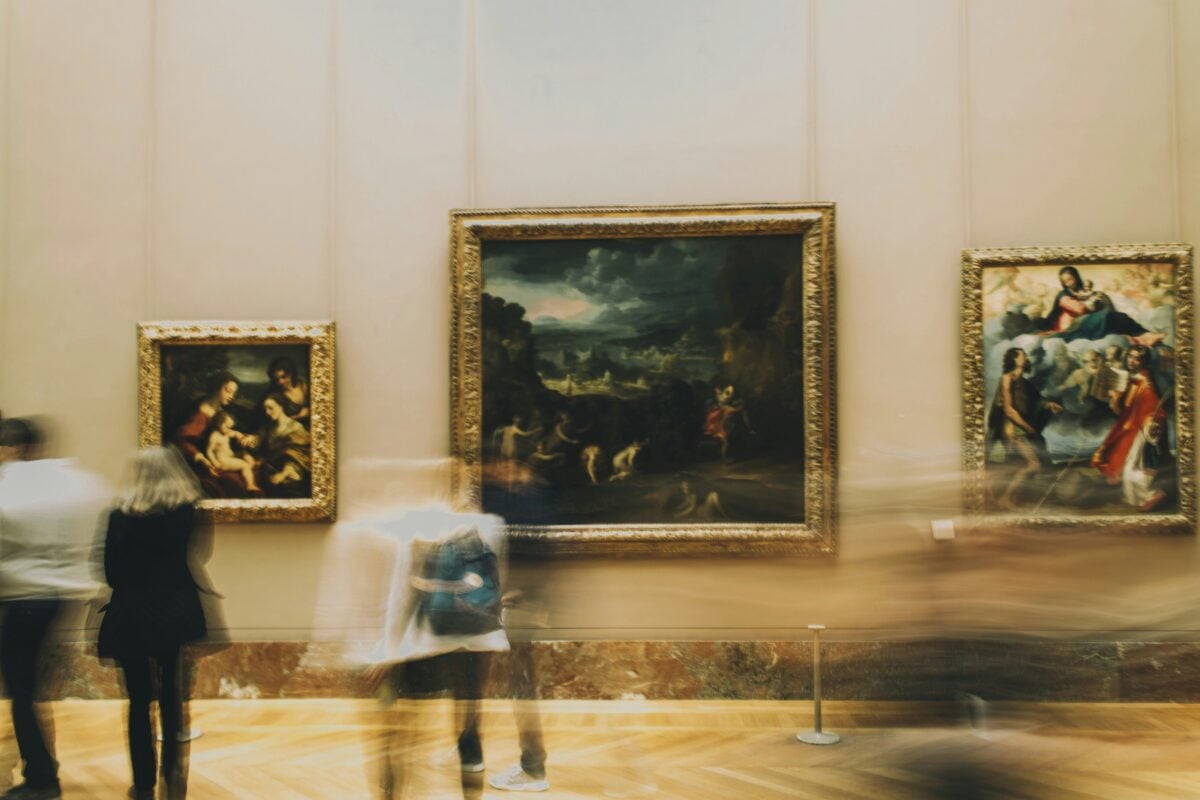
Music and painting go together for a reason. They shape moments and places, stirring feelings without needing words.
When someone plays an instrument then tries to paint, they carry over how they listen – knowing pace matters, sensing motion, trusting moves before seeing results.
Creation drives them, not approval.
When music ends, the need keeps humming. Paint becomes speech for thoughts too restless to sit still.
With canvas, they build what was not there yesterday.
More from Go2Tutors!

- The Romanov Crown Jewels and Their Tragic Fate
- 13 Historical Mysteries That Science Still Can’t Solve
- Famous Hoaxes That Fooled the World for Years
- 15 Child Stars with Tragic Adult Lives
- 16 Famous Jewelry Pieces in History
Like Go2Tutors’s content? Follow us on MSN.



