Fun Facts About Drones Most People Don’t Know
The small aircraft buzzing overhead aren’t just expensive toys anymore. What started as military equipment has quietly transformed into something far more versatile and surprising than most people realize.
These flying machines have developed capabilities that sound like science fiction, yet they’re operating right now in ways that would genuinely shock the average person who thinks drones are mainly for taking aerial selfies and delivering packages.
They can plant entire forests
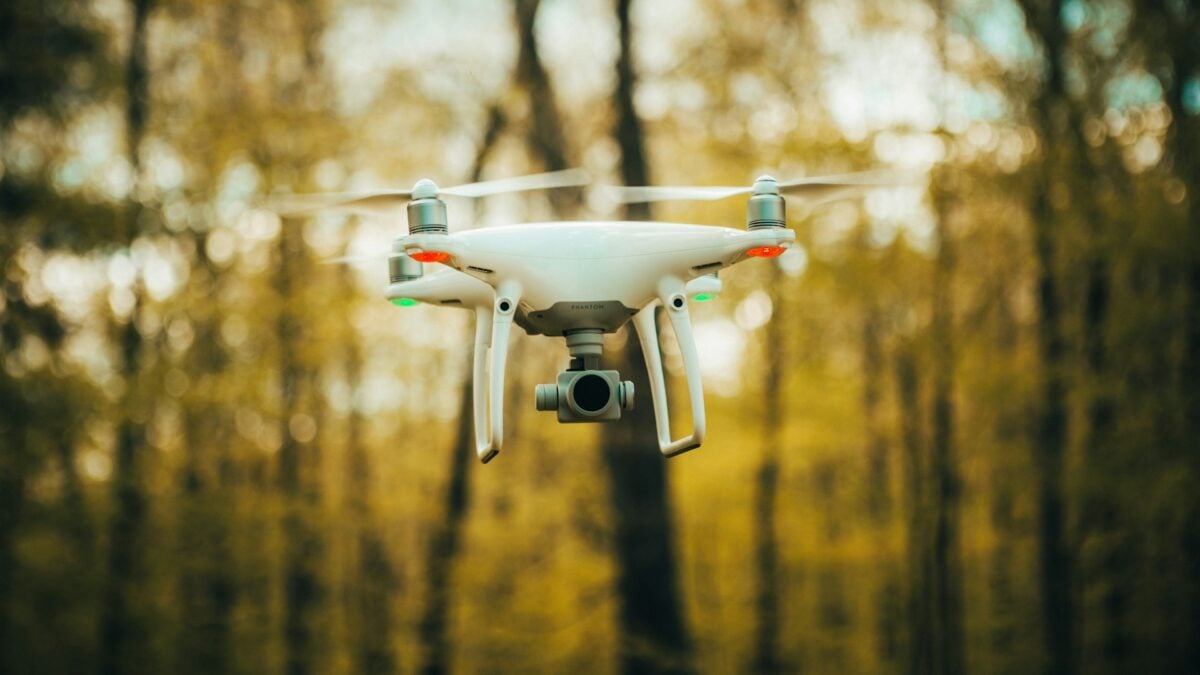
Drones don’t just cut down trees — they’re replanting entire ecosystems faster than any human crew could manage. Companies like DroneSeed fire seed pods into the ground at precise intervals, covering hundreds of acres in a single day.
The pods contain everything a tree needs: seeds, nutrients, and protective coating that keeps animals from eating them before they sprout.
Military drones can stay airborne for over a day
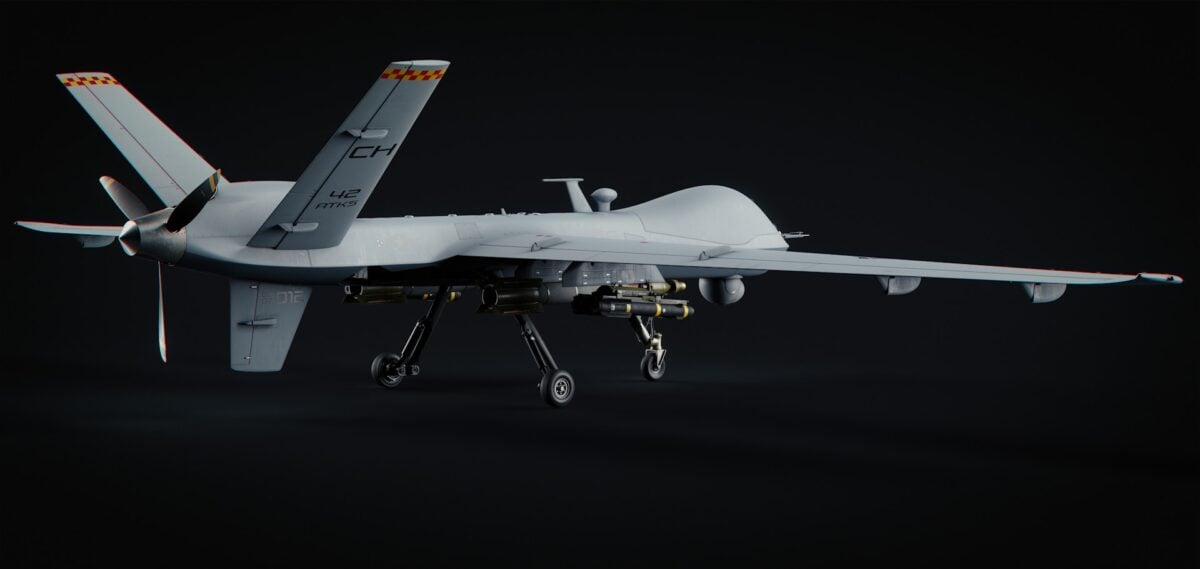
The General Atomics MQ-9 Reaper isn’t your weekend hobby drone. This machine can fly for 27 hours straight without landing, covering thousands of miles while operators control it from the other side of the planet.
And yet (because military engineering never stops being excessive) that’s not even close to the record — solar-powered military drones have stayed airborne for months at a time, essentially becoming temporary satellites that never need to come down.
Racing drones are faster than Formula 1 cars
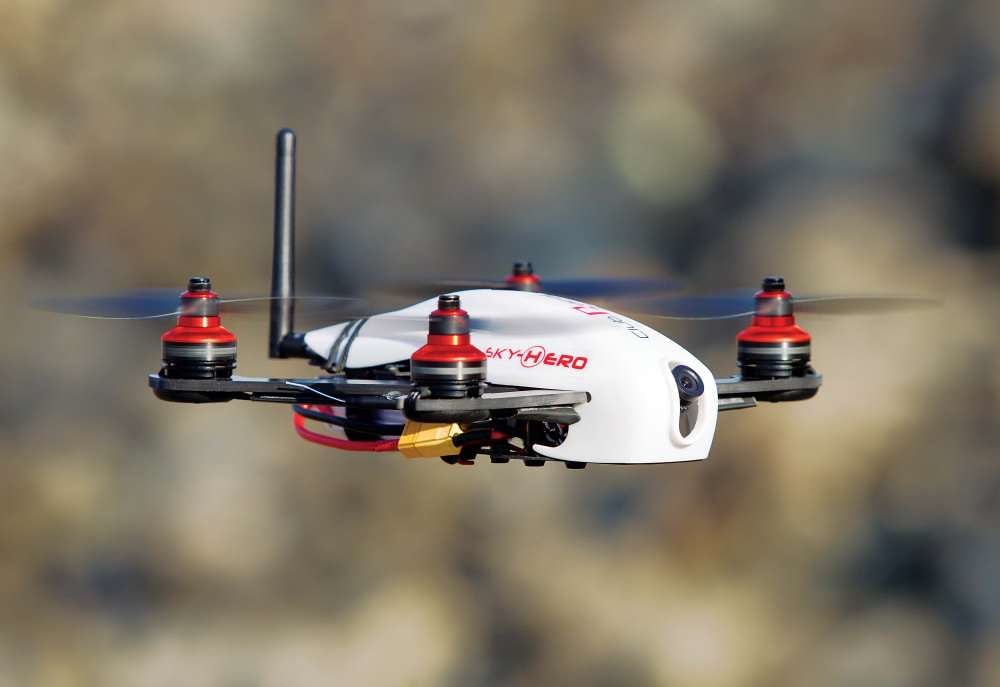
There’s something almost absurd about a plastic quadcopter that weighs less than a bag of flour hitting speeds that would make a NASCAR driver nervous, but that’s exactly what happens in drone racing circuits around the world. The fastest racing drones clock in at over 200 mph — faster than a Formula 1 car navigating most track sections.
Pilots wear goggles that stream live video from the drone’s camera, creating the sensation of flying through obstacle courses at speeds that would be genuinely dangerous if they were actually sitting in the cockpit instead of controlling from the ground. These machines represent a peculiar kind of evolution: the thrill of racing without the risk of bodily harm, speed without the weight of a human passenger to slow things down.
The fact that something so small can move so fast feels like a violation of physics, even though it’s perfectly explainable.
Some drones never need charging
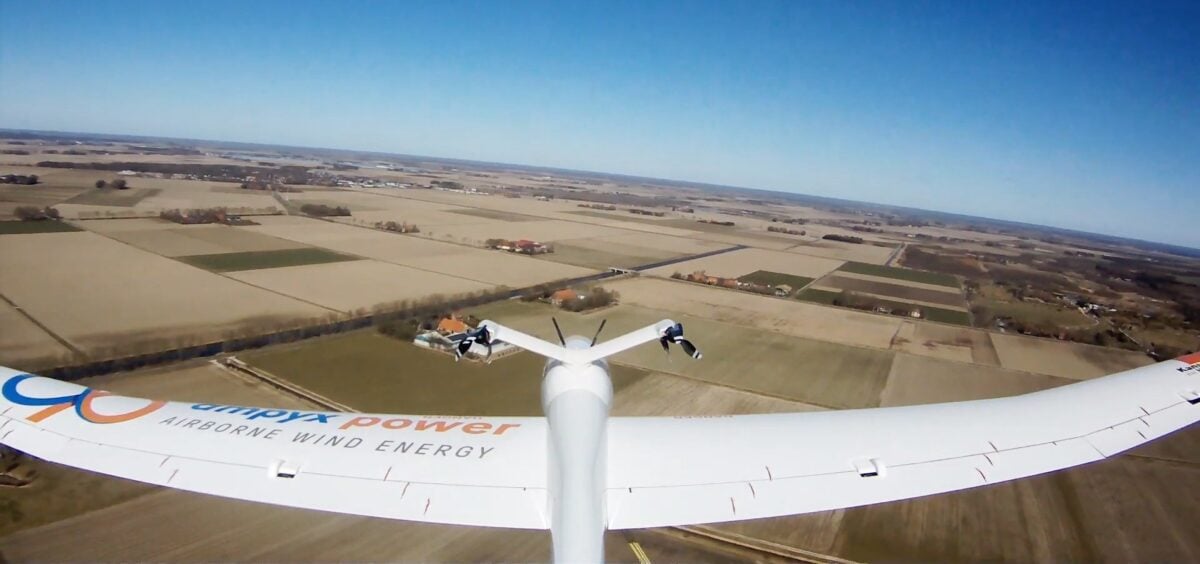
Solar-powered drones have cracked the code that’s frustrated engineers for decades: indefinite flight time. The Airbus Zephyr series holds the current record at 64 days of continuous flight, powered entirely by solar panels during the day and batteries through the night.
These aren’t carrying heavy cameras or packages — they’re designed purely for endurance, floating in the upper atmosphere like mechanical birds that forgot how to land.
Agricultural drones can identify individual sick plants
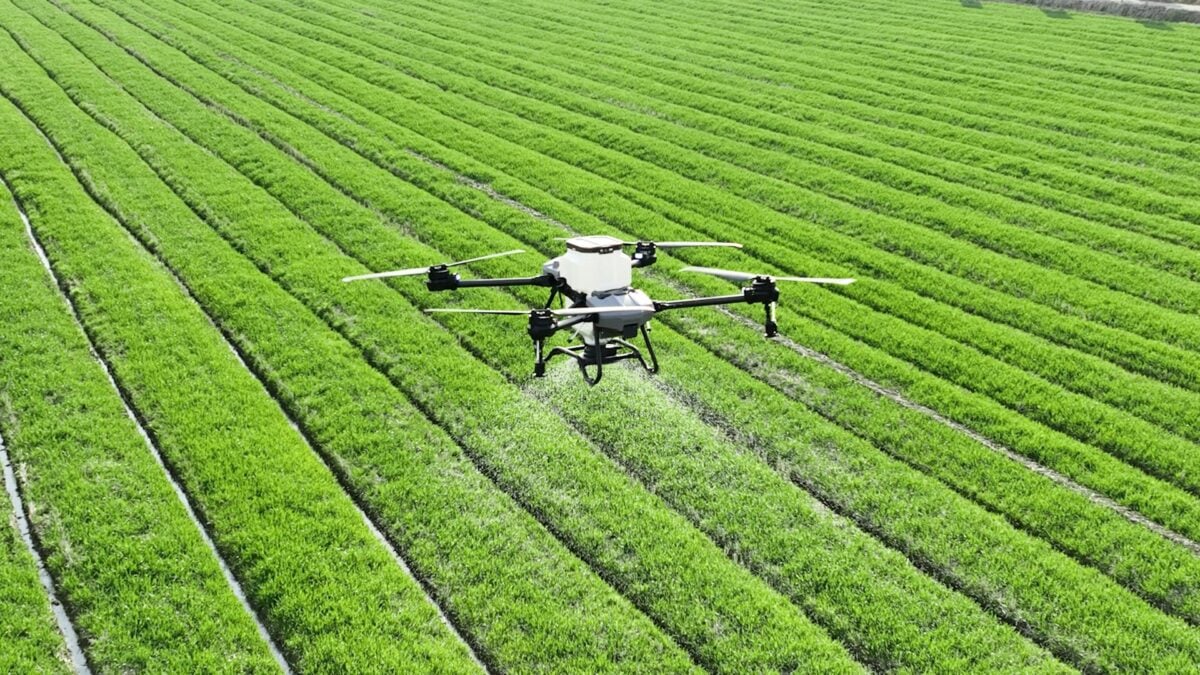
Modern farming drones don’t just spray crops randomly. They use multispectral cameras to analyze the health of individual plants from hundreds of feet in the air, identifying disease, nutrient deficiencies, and pest damage with accuracy that surpasses human observation.
A single drone can scan thousands of acres in a day and create detailed maps showing exactly which plants need attention and which ones are thriving.
Emergency drones carry defibrillators to heart attack victims
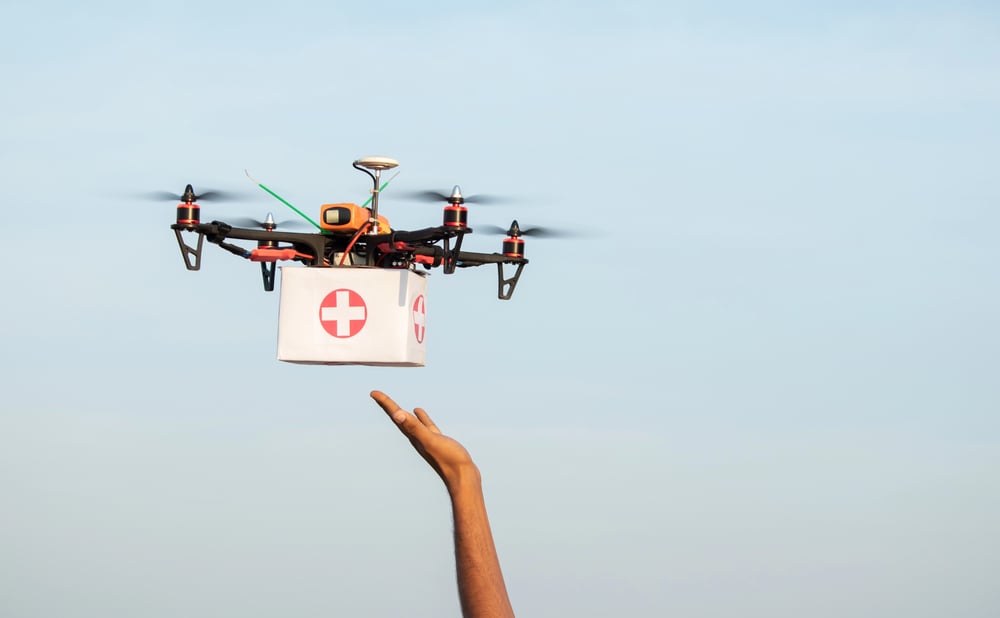
When someone suffers cardiac arrest in rural Sweden (and increasingly in other countries that have adopted the technology), there’s a good chance a drone will arrive before the ambulance does, carrying an automated external defibrillator directly to the scene. These emergency drones can navigate to GPS coordinates faster than ground vehicles, potentially saving crucial minutes when every second affects survival rates.
The drone lands, bystanders grab the equipment, and paramedics provide instructions over the phone until human help arrives.
Some drones hunt other drones
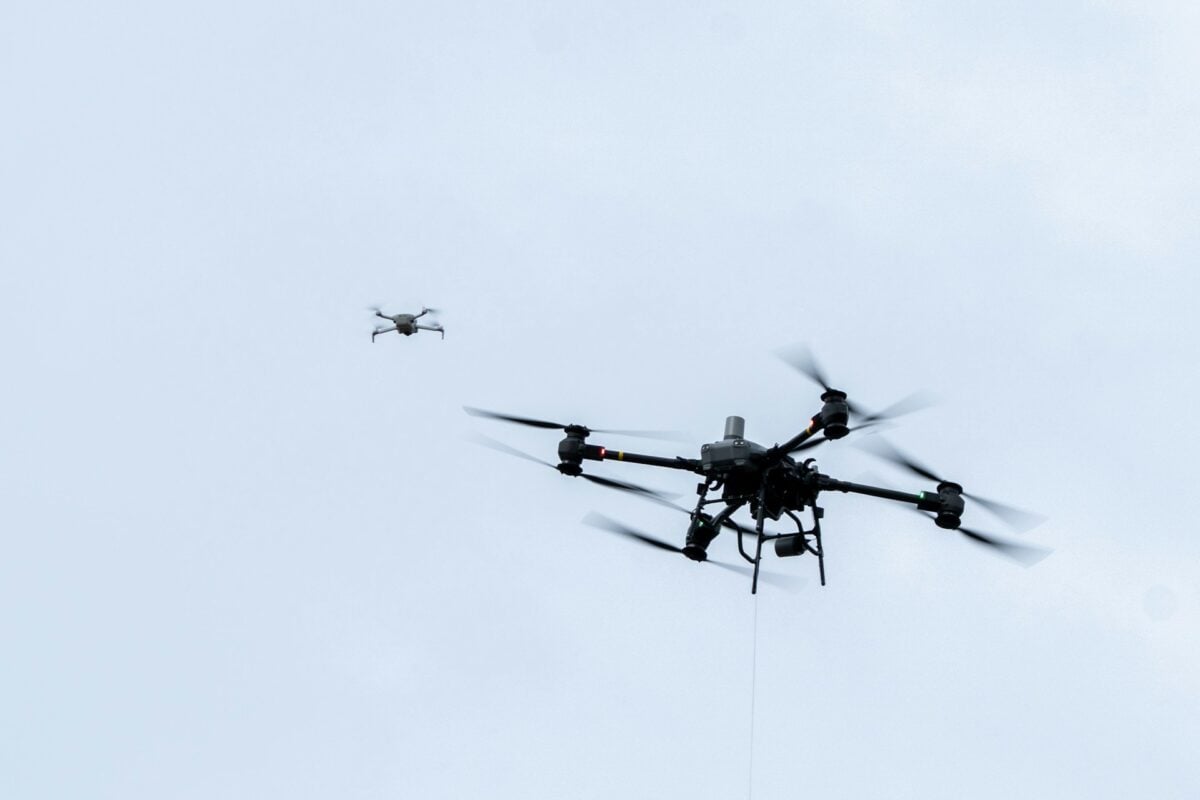
Anti-drone technology has evolved into something that resembles aerial combat, but with a twist that feels borrowed from nature documentaries rather than war movies. Companies like Airspace Systems have developed interceptor drones that capture rogue drones using nets, essentially creating mechanical predators designed to hunt other machines.
The interceptor drones can identify unauthorized aircraft, pursue them through complex flight patterns, and disable them without causing the kind of destruction that would result from shooting them down over populated areas. These hunter drones represent a curious arms race where the solution to problematic technology is more technology, each side developing increasingly sophisticated countermeasures.
They’re mapping ocean floors and coral reefs
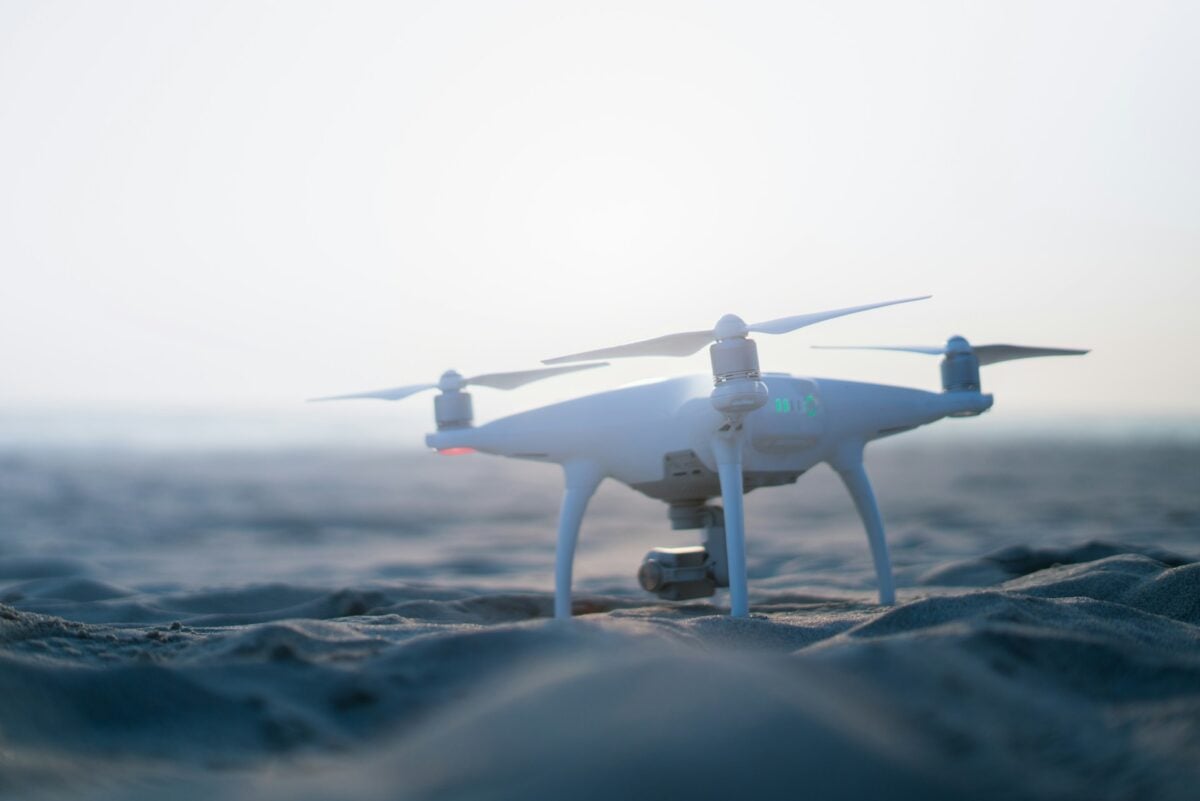
Underwater drones are creating detailed maps of ocean environments that humans have never seen clearly before. These submersible machines can dive deeper than scuba equipment allows and stay down longer than any human could survive, documenting coral reef health, tracking fish populations, and mapping underwater terrain with precision that satellites can’t achieve through water.
The data they collect reveals an underwater world that’s far more complex and rapidly changing than surface observations suggested.
Delivery drones use AI to avoid other aircraft
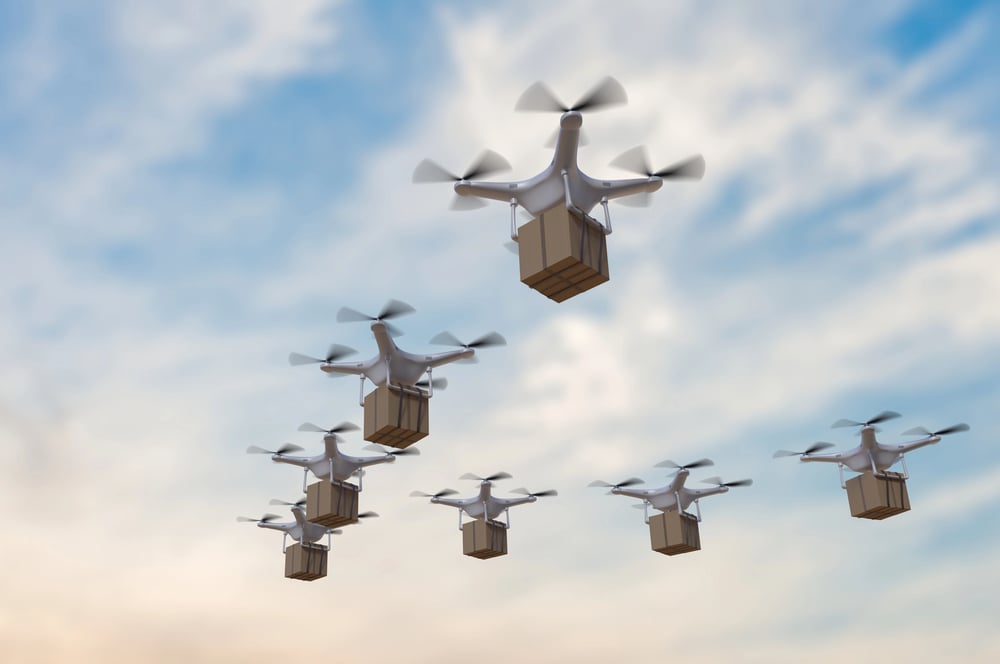
The airspace management systems that keep delivery drones from colliding with helicopters, planes, and each other operate like invisible traffic control networks that update thousands of times per second. Each drone broadcasts its location, planned route, and destination to every other aircraft in the area, while AI systems calculate safe flight paths that avoid conflicts before they develop.
This creates a three-dimensional highway system in the sky that’s completely automated and more precise than human air traffic controllers could manage.
Search and rescue drones can hear human voices from great distances
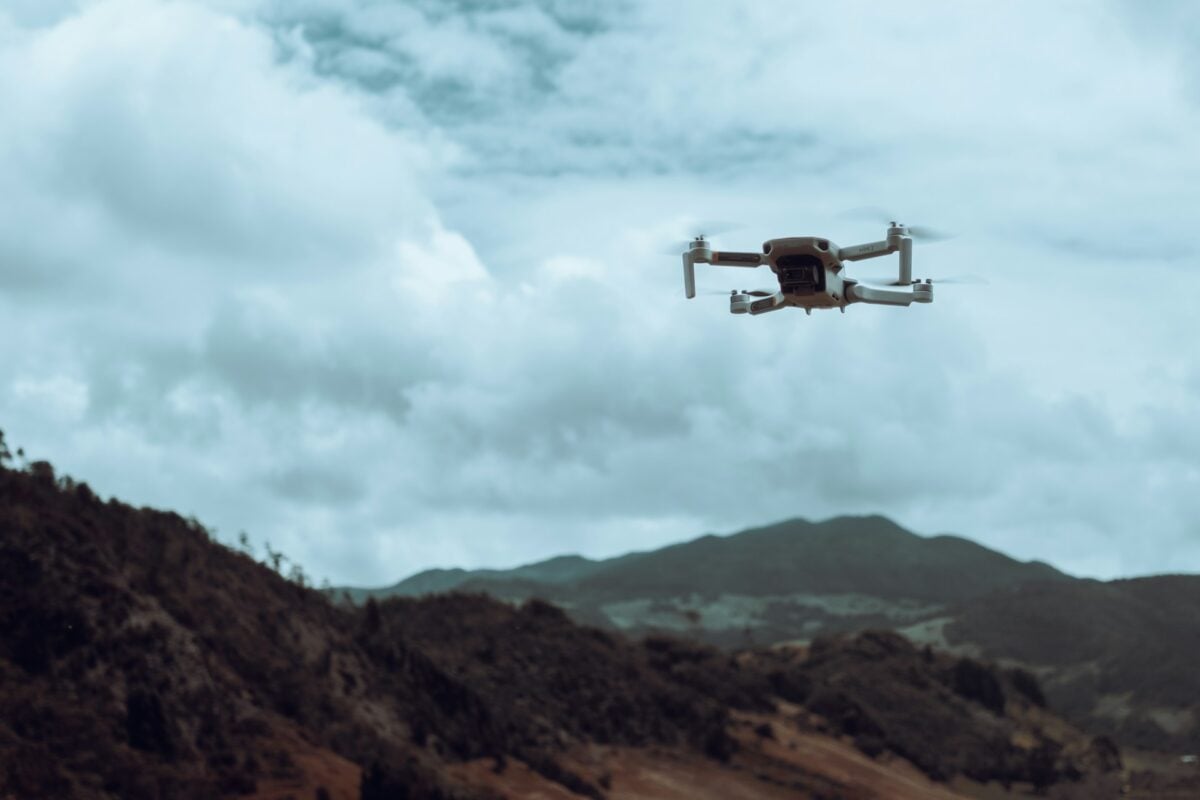
Specialized microphones mounted on search and rescue drones can isolate human voices from background noise at distances that would make shouting useless. These acoustic sensors filter out wind, animal sounds, and mechanical noise to detect calls for help from people trapped in collapsed buildings, lost in wilderness areas, or stranded in disaster zones.
The drones can pinpoint the location of voices and guide human rescue teams directly to survivors who might otherwise never be found.
They can 3D print structures while flying
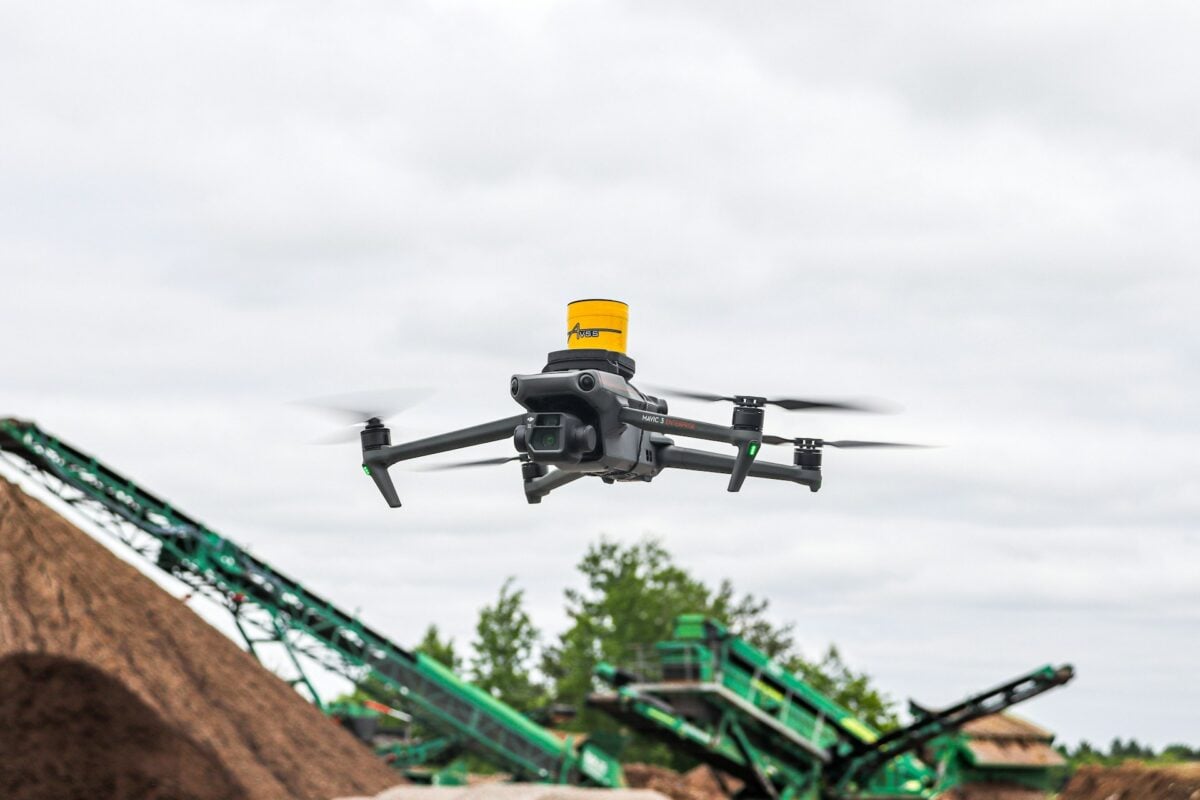
Construction drones are beginning to build structures in mid-air, extruding concrete or other materials as they fly predetermined patterns. These flying 3D printers can construct bridges, towers, and architectural elements without requiring scaffolding or heavy ground equipment.
The technology is still developing, but early demonstrations show drones working together to build structures that would be difficult or impossible for human workers to construct using traditional methods.
Swarm drones can coordinate without human control
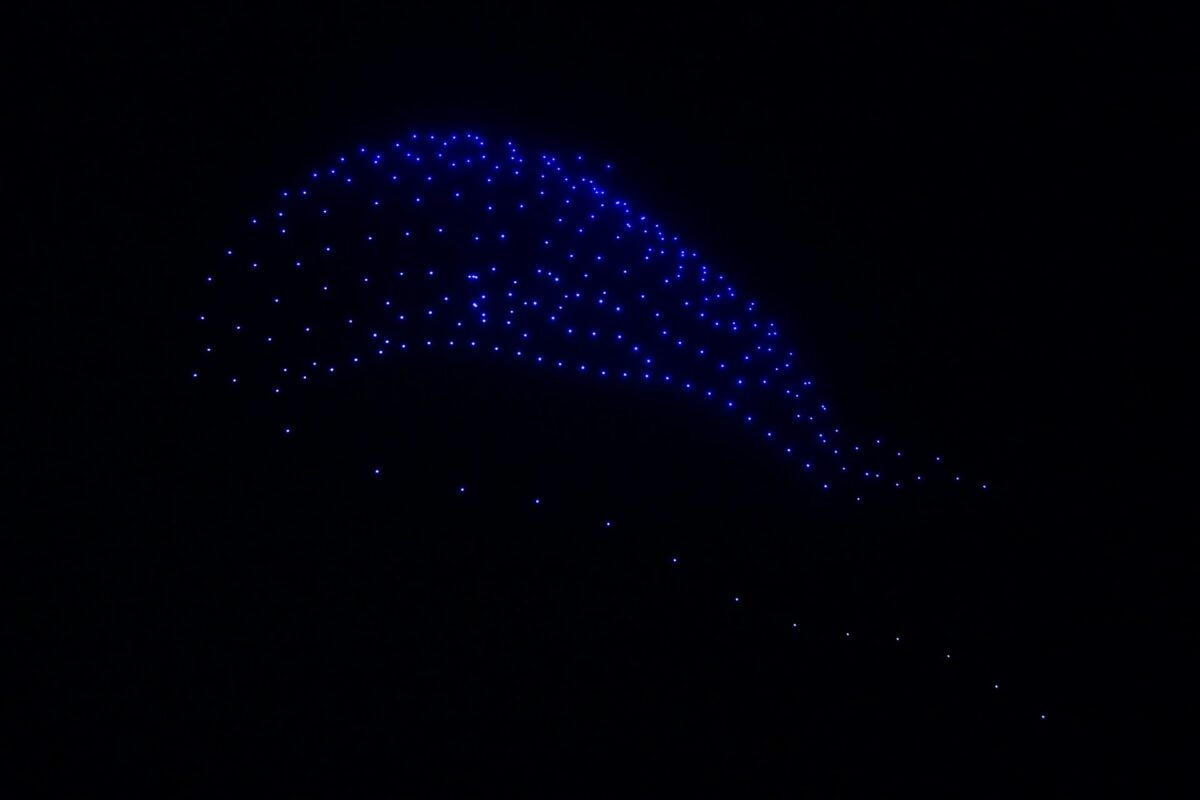
Hundreds of drones can now operate as a single coordinated unit, making collective decisions about flight patterns, task distribution, and obstacle avoidance without any human input. These swarm systems use algorithms borrowed from studies of bird flocks and insect colonies, allowing individual drones to respond to local conditions while maintaining group coordination.
The result is aerial choreography that looks organic despite being entirely artificial.
Weather monitoring drones fly directly into hurricanes
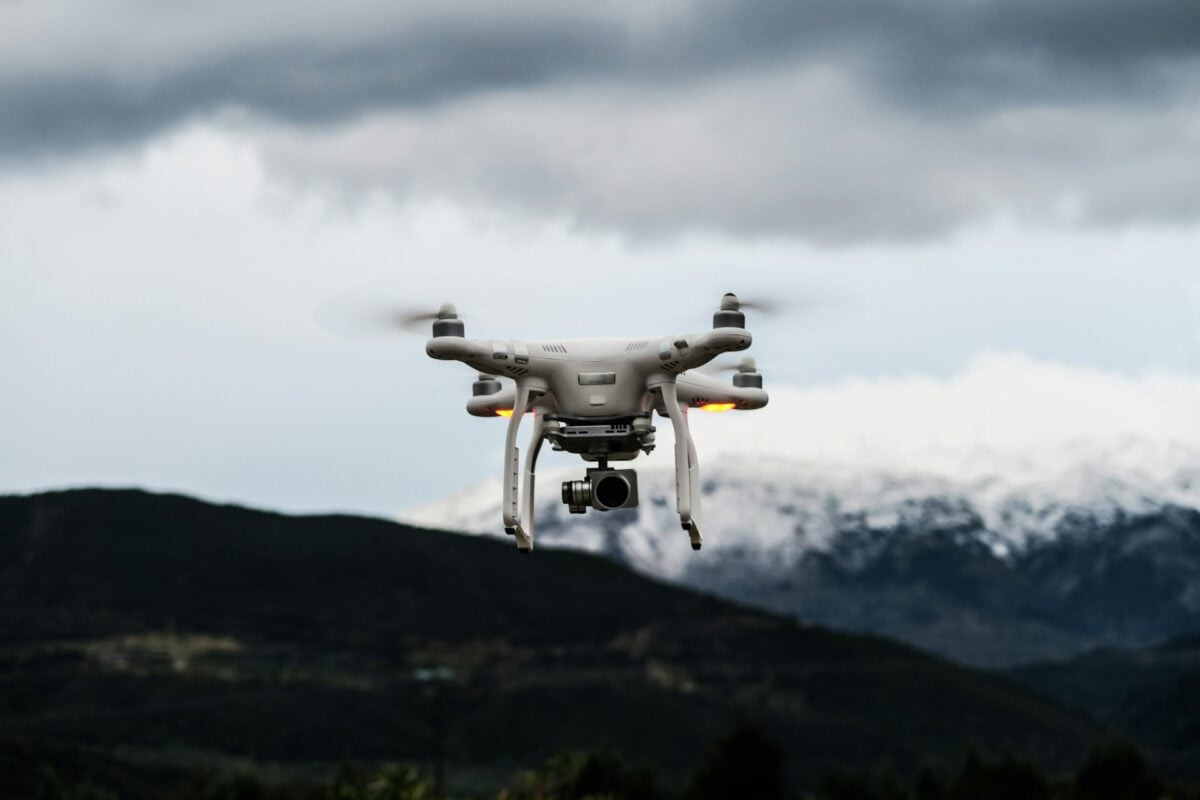
While human pilots avoid flying into severe weather, specialized weather drones are designed specifically to penetrate hurricanes, tornadoes, and other dangerous storms that would destroy conventional aircraft. These machines collect real-time data from inside storm systems, measuring wind speeds, pressure changes, and temperature variations that help meteorologists predict storm behavior with unprecedented accuracy.
The drones are essentially expendable — built to survive as long as possible in conditions that would be fatal to human pilots.
The sky isn’t the limit anymore
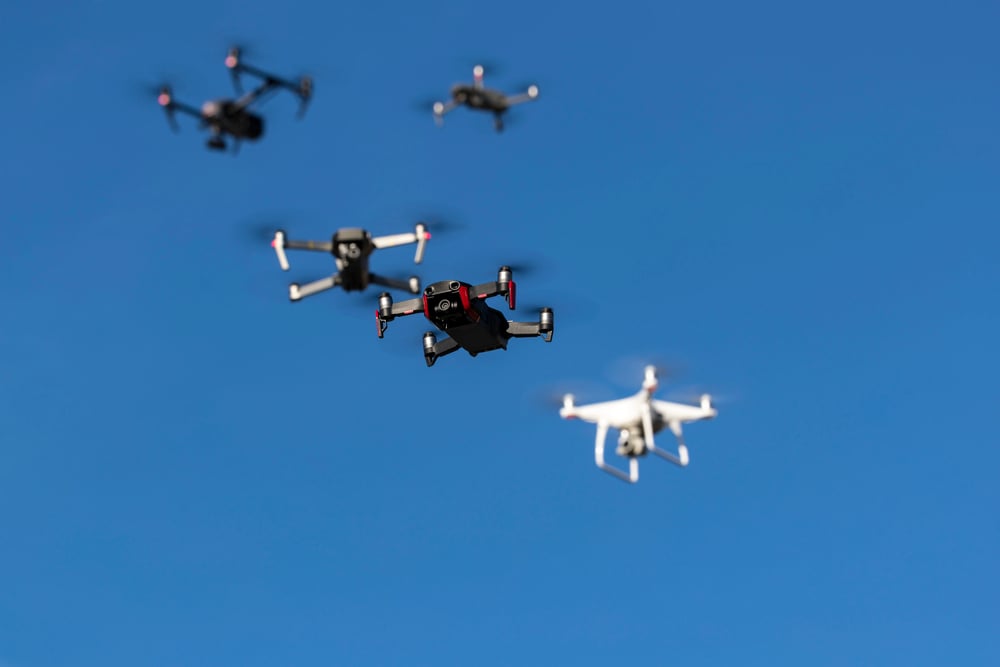
Drones have quietly become more capable and more integrated into daily life than most people realize, operating in roles that extend far beyond the hobbyist aircraft buzzing around parks on weekends. From forests being replanted by machines to lives being saved by automated medical deliveries, these flying robots are reshaping how work gets done in ways that feel both futuristic and surprisingly practical.
The technology has moved past the novelty phase and into genuine utility — which somehow makes it more impressive than when it was just an expensive toy.
More from Go2Tutors!

- The Romanov Crown Jewels and Their Tragic Fate
- 13 Historical Mysteries That Science Still Can’t Solve
- Famous Hoaxes That Fooled the World for Years
- 15 Child Stars with Tragic Adult Lives
- 16 Famous Jewelry Pieces in History
Like Go2Tutors’s content? Follow us on MSN.