17 Rare Historical Documents Collectors Seek
Food means way more than just fuel for our bodies – it carries stories, beliefs, and traditions that have been passed down for thousands of years. Across different cultures, certain foods hold deep symbolic meaning that connects people to their ancestors, their faith, and their community identity. These aren’t just ingredients on a plate, they’re edible pieces of history that continue to shape how people celebrate, mourn, and mark important life moments.
Here’s a list of 15 symbolic foods that carry profound meaning in traditions around the world.
Rice in Asian cultures
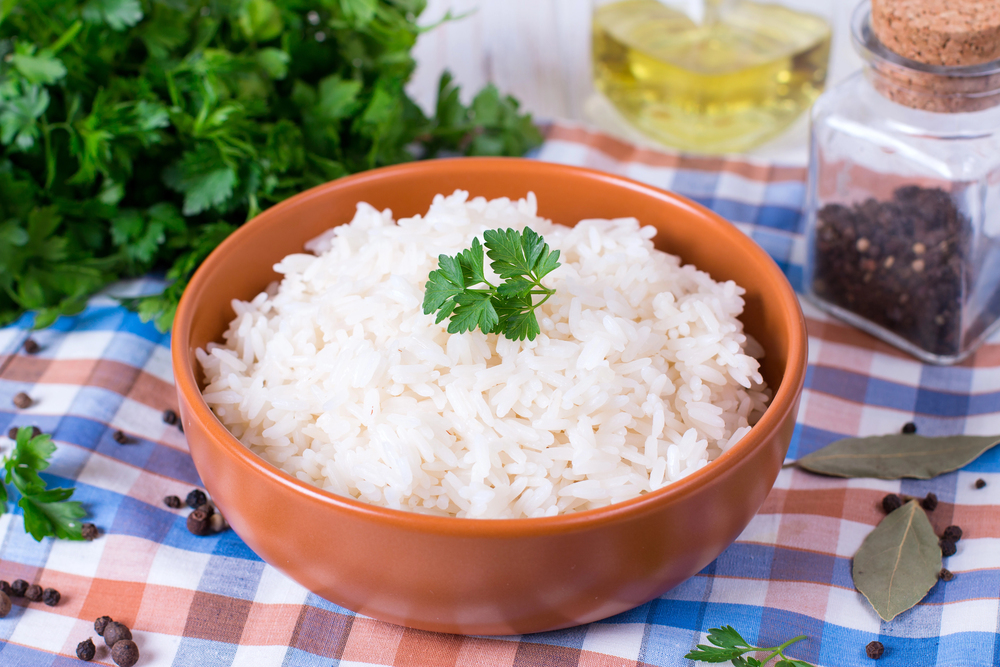
Rice represents life itself across most of Asia, symbolizing fertility, prosperity, and abundance in countries like China, Japan, and Thailand. Throwing rice at weddings isn’t just for fun – it’s meant to shower the couple with wishes for a fertile, prosperous marriage.
In many Asian households, wasting even a single grain of rice is considered disrespectful because this humble grain feeds more people worldwide than any other food.
Bread in Christianity
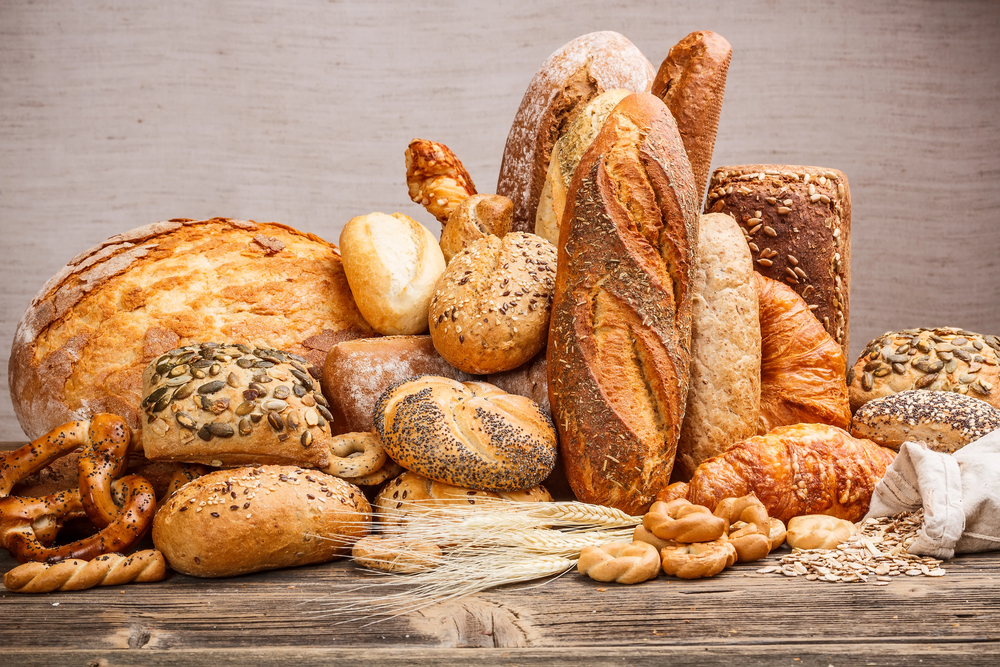
Breaking bread together has represented unity and sharing since ancient times, but Christianity elevated bread to sacred status through communion. The simple combination of flour and water becomes a symbol of Christ’s body, making every shared loaf a reminder of sacrifice and community.
From the Last Supper to modern church services, bread connects Christians to their faith in the most basic, essential way possible.
Like Go2Tutors’s content? Follow us on MSN.
Corn in Native American traditions
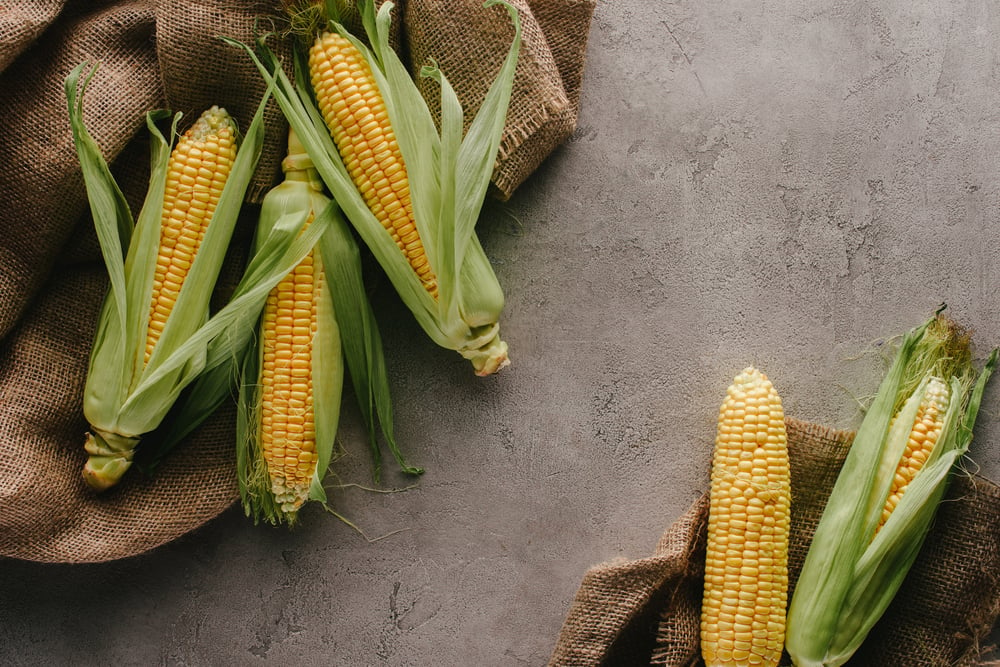
Corn holds sacred status for many Native American tribes, often called one of the ‘Three Sisters’ along with beans and squash. The Hopi people consider corn their literal ancestor, believing humans were created from corn by the gods.
Many tribes use corn in ceremonies, prayers, and as offerings, treating it not just as food but as a living connection to the earth and their cultural identity.
Pomegranates in Middle Eastern cultures
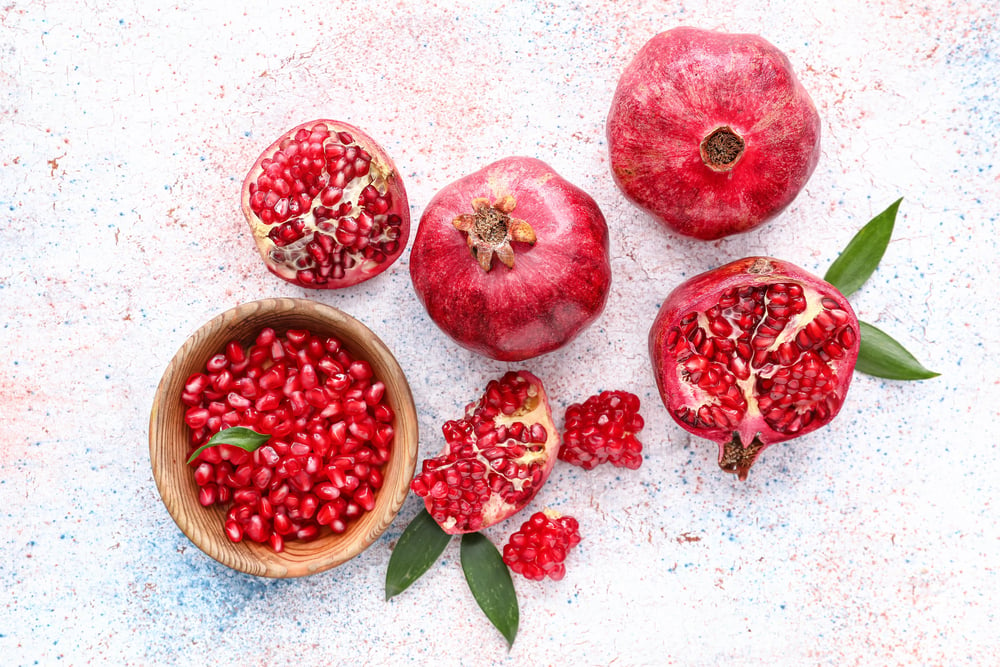
The ruby-red seeds of pomegranates symbolize fertility, abundance, and good fortune across the Middle East, from ancient Persia to modern-day celebrations. Armenian brides traditionally throw pomegranates against walls – the more seeds that scatter, the more children they’ll supposedly have.
In Jewish tradition, pomegranates represent righteousness because they’re said to contain 613 seeds, matching the number of commandments in the Torah.
Fish in various traditions

Fish swim through countless cultural symbols, representing everything from Christianity (where fish meant secret identification for early believers) to abundance in Chinese culture. Carp specifically symbolizes perseverance and strength in East Asian traditions because they swim upstream against powerful currents.
During Chinese New Year, serving whole fish ensures the family will have abundance year-round – but you’d better not finish the entire fish or you’ll eat up all your luck.
Like Go2Tutors’s content? Follow us on MSN.
Apples in Celtic and European folklore
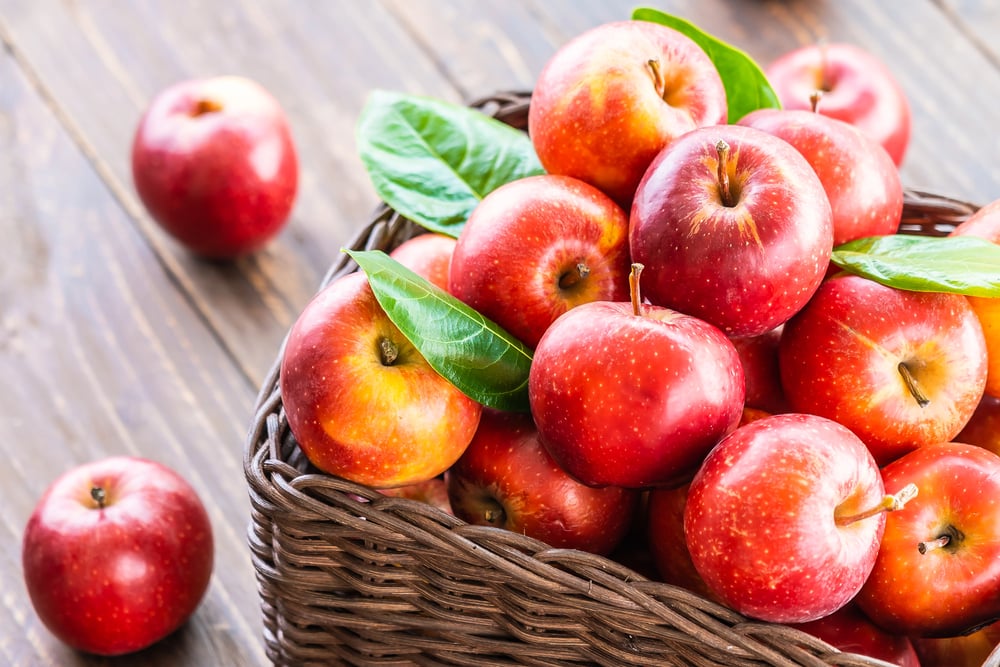
Apples carry more symbolic weight than almost any other fruit, representing knowledge, temptation, and immortality across European cultures. Celtic mythology describes the Otherworld as having magical apple trees that grant eternal youth, while Norse legends tell of golden apples that keep the gods young forever.
Even today, giving someone an apple suggests offering knowledge – though teachers might not realize they’re continuing an ancient tradition of wisdom-sharing.
Grapes in Mediterranean traditions
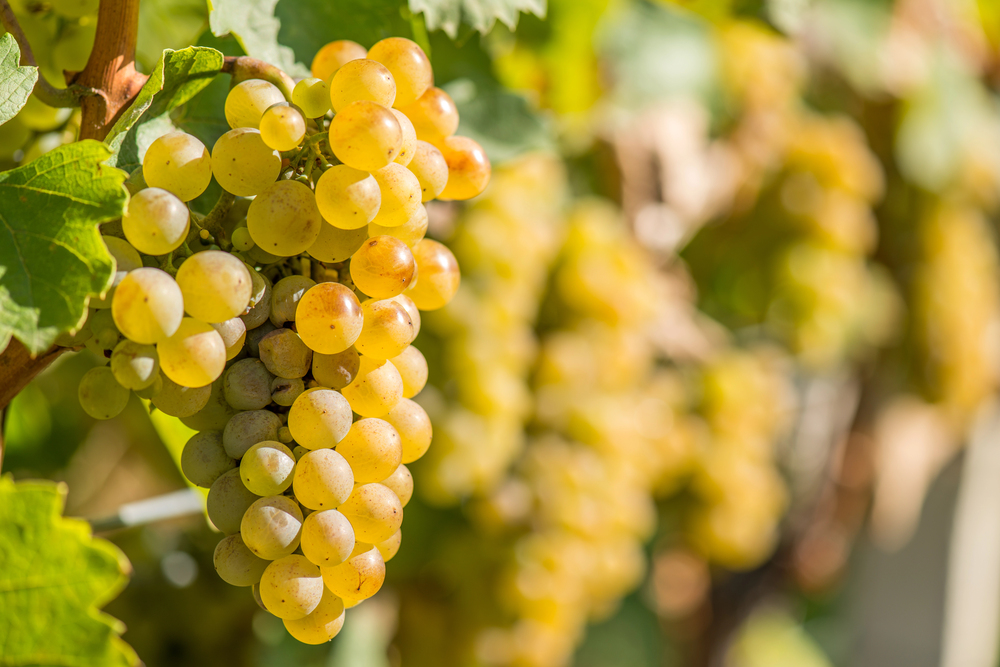
Grapes and wine have symbolized celebration, transformation, and divine blessing throughout Mediterranean history, from ancient Greek festivals to modern-day toasts. The process of turning grapes into wine mirrors spiritual transformation in many traditions – something ordinary becoming something extraordinary through time and patience.
In Greek and Roman cultures, sharing wine wasn’t just socializing, it was participating in the gifts of the gods themselves.
Dates in Islamic culture

Dates hold special significance in Islam because Prophet Muhammad broke his fasts with dates, making them the traditional food for ending Ramadan daily fasts. These sweet fruits symbolize hospitality, sustenance, and spiritual nourishment throughout the Middle East and North Africa.
Date palms also represent resilience and survival in harsh desert conditions, making them perfect symbols for enduring faith and community strength.
Like Go2Tutors’s content? Follow us on MSN.
Chocolate in Mesoamerican traditions

Long before chocolate became candy, the Aztecs and Mayans considered cacao beans so valuable they used them as currency and offered them to gods. Chocolate was literally called ‘food of the gods’ and reserved for nobility and religious ceremonies, believed to provide wisdom and spiritual insight.
The bitter drink made from cacao was nothing like modern chocolate – it was spicy, intense, and considered a bridge between the human and divine worlds.
Tea in East Asian philosophy

Tea represents harmony, respect, and mindfulness in Chinese, Japanese, and Korean cultures, transforming a simple drink into a meditation practice. The Japanese tea ceremony turns brewing and serving tea into an art form that teaches patience, attention to detail, and appreciation for simple beauty.
In Chinese culture, offering tea to guests shows respect and creates bonds between people – refusing tea can actually be considered insulting.
Honey in ancient civilizations

Honey symbolized immortality and divine sweetness for ancient Egyptians, Greeks, and Romans, who believed it was literally food from heaven. Egyptian pharaohs were buried with pots of honey to sustain them in the afterlife, and the stuff never spoiled – archaeologists have found 3,000-year-old honey that’s still edible.
Greek mythology describes honey as the food that kept baby Zeus alive, making it a symbol of divine protection and nurturing.
Like Go2Tutors’s content? Follow us on MSN.
Coconut in Hindu traditions
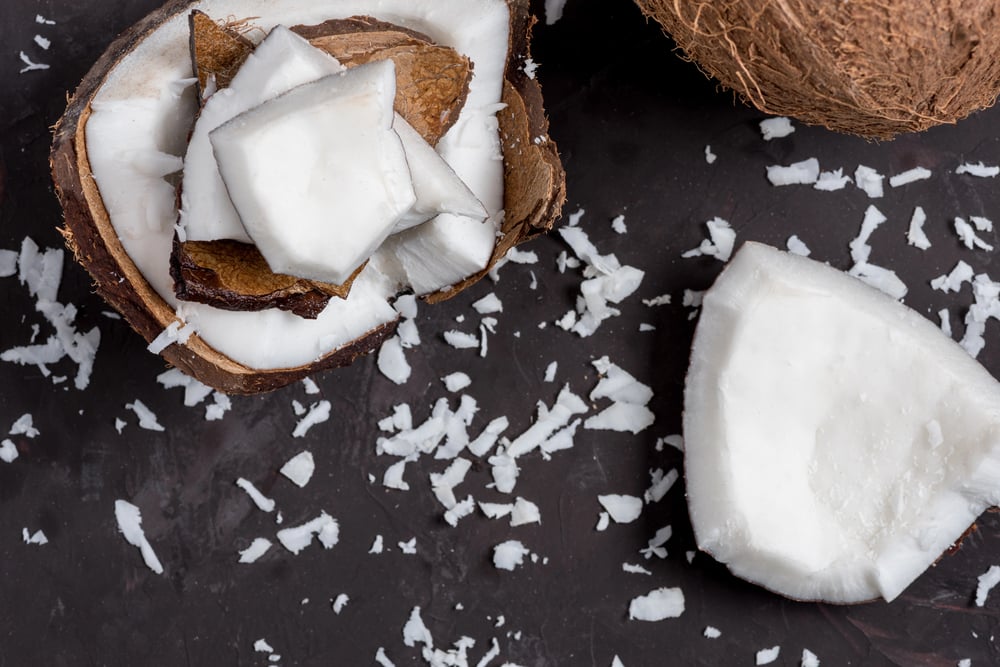
Coconuts represent selfless service and purity in Hindu culture because every part of the coconut palm serves humanity – the water, meat, oil, and even the husks have uses. Breaking a coconut at temples symbolizes breaking the ego and offering oneself completely to the divine.
The three eyes of a coconut are said to represent the three eyes of Lord Shiva, making this tropical fruit a sacred object as much as food.
Maize in Mexican culture

Corn isn’t just food in Mexican culture – it’s the substance from which humans were created, according to ancient Mayan beliefs that still influence modern traditions. The Popol Vuh, the Mayan creation story, describes gods molding humans from corn dough after earlier attempts with clay and wood failed.
Today, making tortillas by hand connects Mexican families to thousands of years of tradition and cultural identity.
Wheat in European agricultural societies
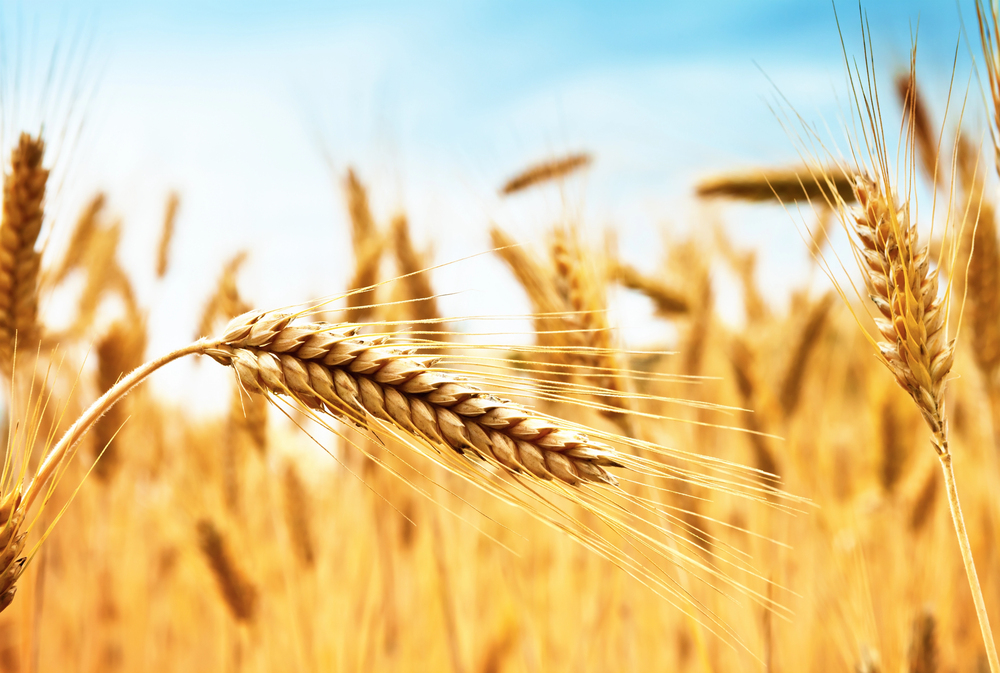
Wheat represents the cycle of life, death, and rebirth across European agricultural traditions, symbolizing how communities depend on the earth’s seasonal rhythms. Harvest festivals celebrating wheat have marked the end of summer and preparation for winter since ancient times, creating bonds between neighbors who helped each other bring in crops.
Braided wheat decorations still appear in homes today, carrying forward the hope that next year’s harvest will be just as abundant.
Like Go2Tutors’s content? Follow us on MSN.
Milk and dairy in pastoral cultures

Milk symbolizes maternal care, abundance, and the sacred relationship between humans and animals in cultures from India to Ireland. In Hindu tradition, cows are considered sacred partly because they provide life-sustaining milk, making dairy products like ghee essential for religious ceremonies.
The phrase ‘land of milk and honey’ exists in multiple cultures because these two foods represent the ultimate in natural abundance and divine blessing.
How food connects us across time
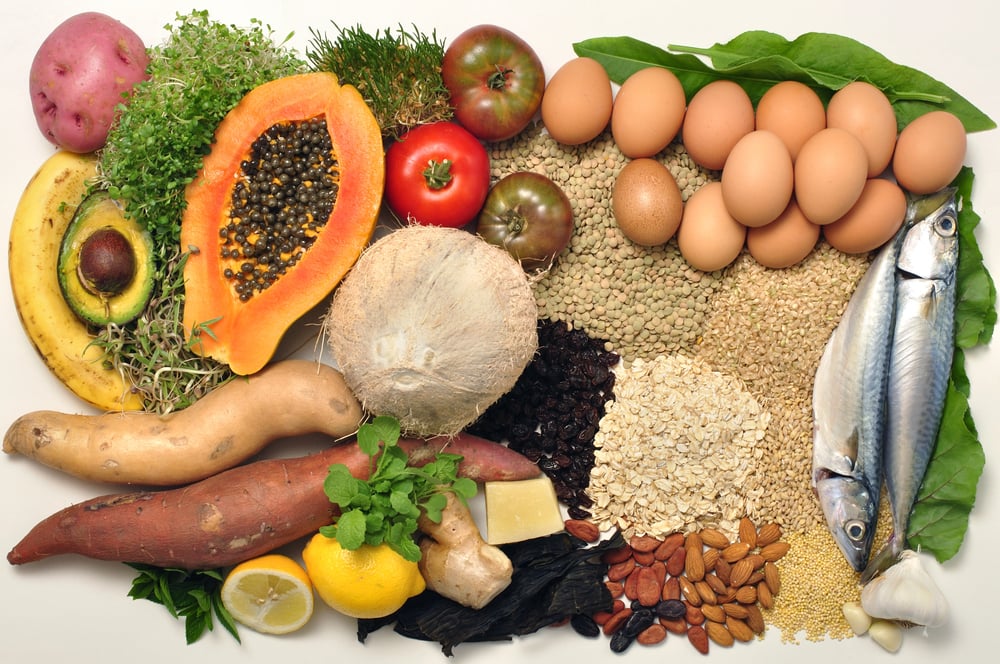
These symbolic foods prove that eating has never been just about nutrition – it’s about connecting to something bigger than ourselves, whether that’s family, faith, or cultural identity. Every time someone breaks bread, shares tea, or offers fruit to guests, they’re participating in traditions that stretch back thousands of years and link them to countless other people who’ve found meaning in the same simple acts.
The foods we consider sacred or symbolic reveal what we value most: community, abundance, transformation, and the mysterious connection between the physical and spiritual worlds.
More from Go2Tutors!

- 16 Historical Figures Who Were Nothing Like You Think
- 12 Things Sold in the 80s That Are Now Illegal
- 15 VHS Tapes That Could Be Worth Thousands
- 17 Historical “What Ifs” That Would Have Changed Everything
- 18 TV Shows That Vanished Without a Finale
Like Go2Tutors’s content? Follow us on MSN.