Celebrity Cameos in Vintage Music Videos
Music videos in the 1980s and 1990s had budgets that rivaled small films. Directors could afford to hire actual movie stars, supermodels, and comedians for brief appearances.
Sometimes these cameos made sense for the song. Other times, you wondered what agent made that phone call.
Either way, seeing unexpected faces pop up in music videos became part of the MTV experience.
Christopher Walken Dancing His Way Through “Weapon of Choice”

— Photo by SamAronov
Fatboy Slim’s 2001 video for “Weapon of Choice” featured Christopher Walken doing something nobody expected—dancing. Not just swaying or nodding, but full choreographed routines including flips and flying through the air on wires.
Walken was 57 years old and had built a career on intense, slightly unsettling performances. Then he showed up in an empty hotel, dancing alone for three and a half minutes.
The video won multiple awards and became more famous than the song itself. Director Spike Jonze originally wanted a different actor, but scheduling didn’t work out.
Walken agreed to do it and apparently enjoyed himself. The combination of Walken’s deadpan expression and genuine dancing skills created something weird and captivating. You couldn’t look away.
Macaulay Culkin’s Brief Appearance in “Black or White”

Michael Jackson’s 1991 video for “Black or White” featured the biggest child star in the world at that moment. Macaulay Culkin appeared for about 30 seconds, watching the events unfold and eventually joining the final dance sequence.
Culkin had just starred in “Home Alone,” which made him instantly recognizable worldwide. His cameo added cultural relevance and star power without overshadowing Jackson himself.
The video premiered simultaneously on multiple networks, reaching hundreds of millions of viewers. The controversial morphing sequence at the end got more attention than any celebrity cameo.
People talked about the faces transforming from one race to another. Culkin’s appearance became a footnote in a video that sparked broader conversations about race and identity.
Alicia Silverstone’s Trilogy with Aerosmith

Before “Clueless” made her a household name, Alicia Silverstone starred in three Aerosmith videos—”Cryin’,” “Amazing,” and “Crazy.” These videos told loosely connected stories featuring Silverstone as a rebellious teenager.
Director Marty Callner gave Silverstone significant screen time and actual character development across these videos. She wasn’t just eye candy standing near the band.
The videos had plots, emotional arcs, and showcased Silverstone’s screen presence before Hollywood noticed her. “Cryin'” showed her dealing with a breakup and eventually bungee jumping off a bridge.
“Amazing” featured her running away from home. “Crazy” showed her and Liv Tyler going on a wild adventure.
These videos helped launch Silverstone’s film career and became some of MTV’s most-played content.
Naomi Campbell in “In the Closet”
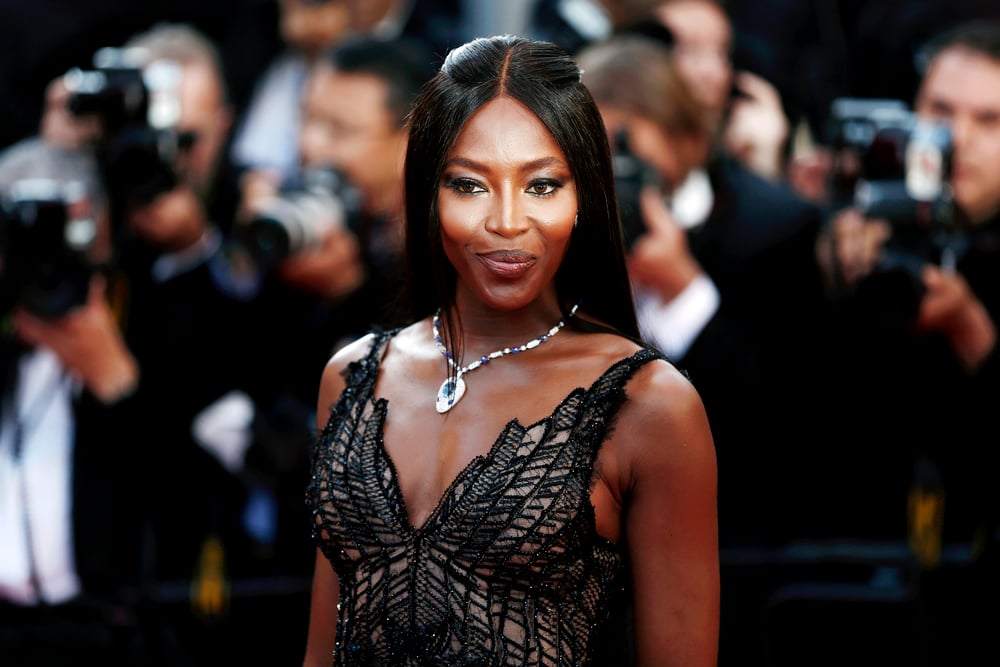
Michael Jackson recruited Naomi Campbell for the 1992 video “In the Closet,” which featured intense choreography between Jackson and the supermodel.
Campbell matched Jackson’s dance moves and created genuine chemistry on screen. The video was directed by Herb Ritts and shot in black and white, emphasizing movement and form over narrative.
Campbell’s modeling background meant she understood how to work with the camera. The choreography pushed boundaries for mainstream music videos at the time.
Princess Stéphanie of Monaco originally recorded vocals for the song but remained uncredited. Campbell’s visual presence became the defining element of the video.
She held her own against one of the most famous performers in the world.
Ben Stiller as the Angry Dad
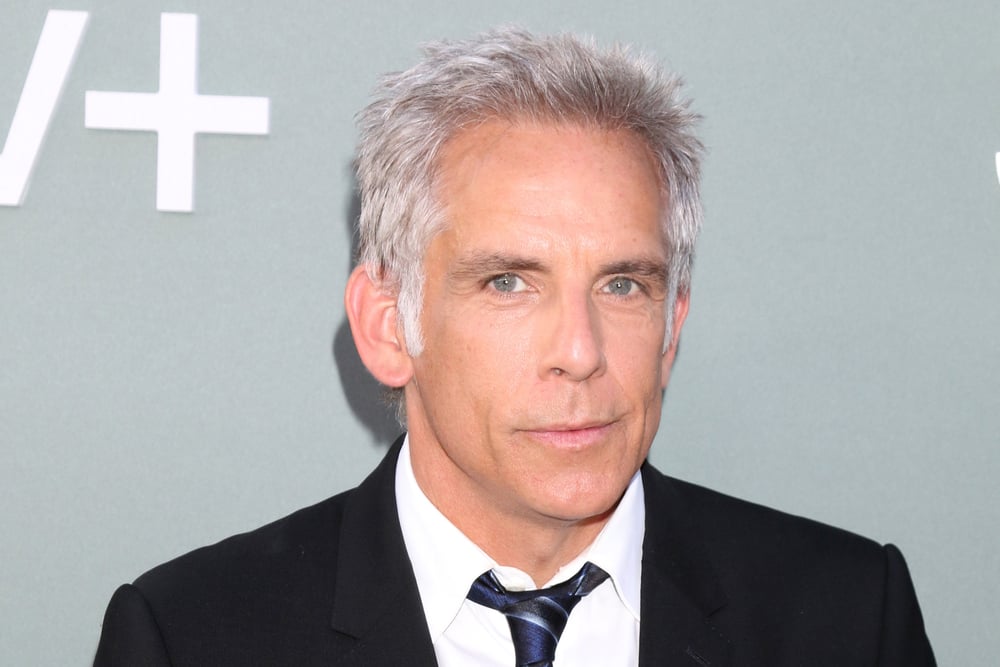
Ben Stiller appeared in Michael Jackson’s “Black or White” video as an angry father watching his son play music too loud. Stiller throws the kid and his guitar through the roof, launching the video’s journey around the world.
This was 1991, and Stiller was still building his career. He had done some television work and small film roles, but wasn’t yet the comedy star he would become.
The cameo lasted less than a minute, but his exaggerated performance matched the video’s over-the-top energy. Stiller’s appearance added comedy to what became a serious video about racial unity.
The opening scene provided a lighthearted entry point before the video shifted tones entirely. His bit got cut from some broadcast versions due to time constraints.
Pamela Anderson in the Grunge Era

Pamela Anderson appeared in several music videos during her peak fame years. Her appearance in Warrant’s “Cherry Pie” in 1990 helped launch her career.
Then she showed up in Mötley Crüe’s “Girls, Girls, Girls” and other rock videos. Anderson brought undeniable charisma and knew exactly how the camera worked.
Directors used her recognizability to attract viewers. MTV played these videos constantly, and Anderson’s appearances guaranteed attention.
The casting reflected the era’s approach to featuring attractive women in rock videos. Anderson played along with the image, understanding it helped her career.
She transitioned from music video appearances to “Baywatch” and became one of the most photographed women of the 1990s.
George Michael’s Supermodel Summit

“Freedom! ’90” featured five supermodels lip-syncing George Michael’s lyrics while he refused to appear in the video at all. Linda Evangelista, Christy Turlington, Naomi Campbell, Tatjana Patitz, and Cindy Crawford represented the pinnacle of modeling at that moment.
Director David Fincher created a video that commented on fame, image, and authenticity. Michael was fighting with his record label over creative control and rejected becoming a manufactured pop image.
Using supermodels to represent him made a statement about the artificiality of celebrity. The video cost $500,000 and featured the burning of iconic items from Michael’s earlier videos.
The supermodels gave the video glamour while Michael’s absence made a point. It worked perfectly, becoming one of the most memorable videos of the era.
Eddie Murphy’s Egyptian Adventure
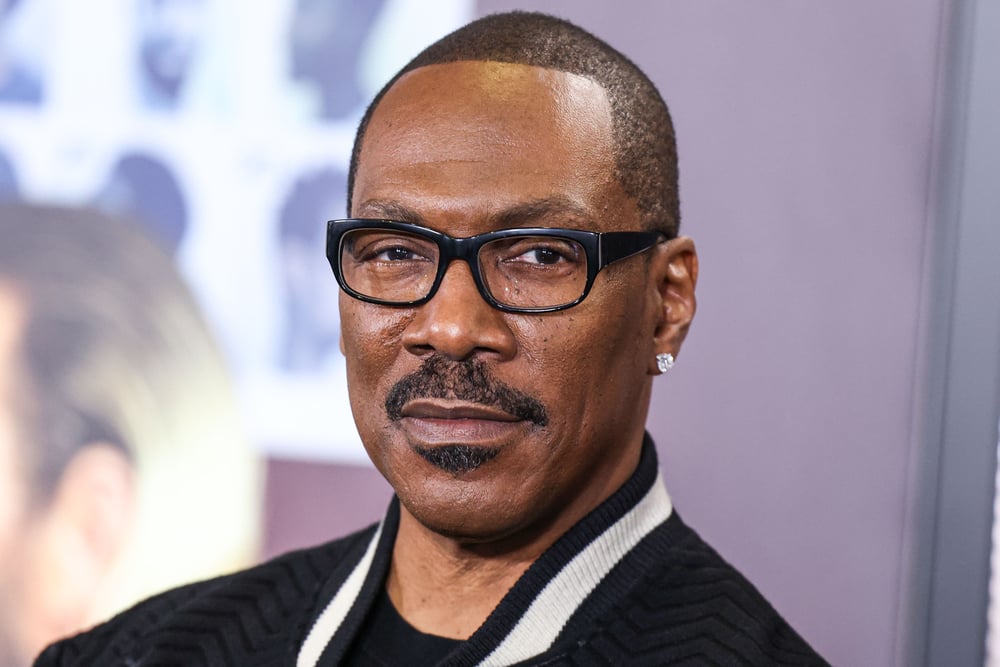
Michael Jackson’s “Remember the Time” video transported viewers to ancient Egypt with Eddie Murphy playing the Pharaoh. Murphy was at the height of his film career, and his appearance added comedic star power to an ambitious production.
Magic Johnson also appeared in the video, along with Iman as the Queen. The video had a narrative structure showing performers trying to entertain the royal court.
Murphy’s scenes gave the video celebrity weight before Jackson appeared. Director John Singleton created an expensive, elaborate production that looked like a short film.
The star-studded cast elevated the project beyond a typical music video. Murphy’s involvement helped generate buzz and guaranteed media coverage.
Twisted Sister’s Comedian Cameos

Dee Snider recruited established comedians for Twisted Sister videos, creating mini-comedies around the songs. “We’re Not Gonna Take It” featured Mark Metcalf reprising his “Animal House” character, screaming at his son for playing loud music.
“I Wanna Rock” brought in several comedians including Ben Stiller’s father J. Stiller, playing a teacher who gets his comeuppance from rebellious students. These videos told stories instead of just showing the band performing.
The comedy approach helped Twisted Sister reach audiences beyond metal fans. The videos got massive MTV rotation and became cultural touchstones.
Snider understood that humor and star power could make his band memorable beyond their music alone.
Jeff Goldblum in Multiple Video Universes

Jeff Goldblum appeared in several music videos throughout the 1990s, bringing his distinctive energy to each appearance. His role in Earth, Wind & Fire’s “Let’s Groove” remake showed him dancing with the same quirky confidence that defined his film roles.
Goldblum’s appearances often featured him doing unexpected things—dancing, acting silly, or just being Jeff Goldblum in unusual contexts. Directors cast him because he brought personality and unpredictability.
You never knew what he might do. His music video work reflected the era’s approach to celebrity cameos.
Famous actors would show up for a day of filming, add their presence to a video, and move on. Goldblum seemed to enjoy the opportunity to be weird in ways mainstream films wouldn’t allow.
Keanu Reeves Goes Traditional

Paula Abdul’s 1991 video for “Rush Rush” featured Keanu Reeves in a “Rebel Without a Cause” homage. The video recreated scenes from the classic James Dean film with Abdul and Reeves playing the romantic leads.
Reeves had recently starred in “Point Break” and was becoming a leading man. The video capitalized on his rising fame and his ability to channel that 1950s rebel image.
The chemistry between Abdul and Reeves felt genuine, helping sell the romantic storyline. The video took itself seriously, treating the source material with respect rather than making it ironic or campy.
Reeves committed to the role, giving a real performance instead of just showing up for a paycheck. The earnestness made it work.
Bruce Willis’s Musical Ambitions
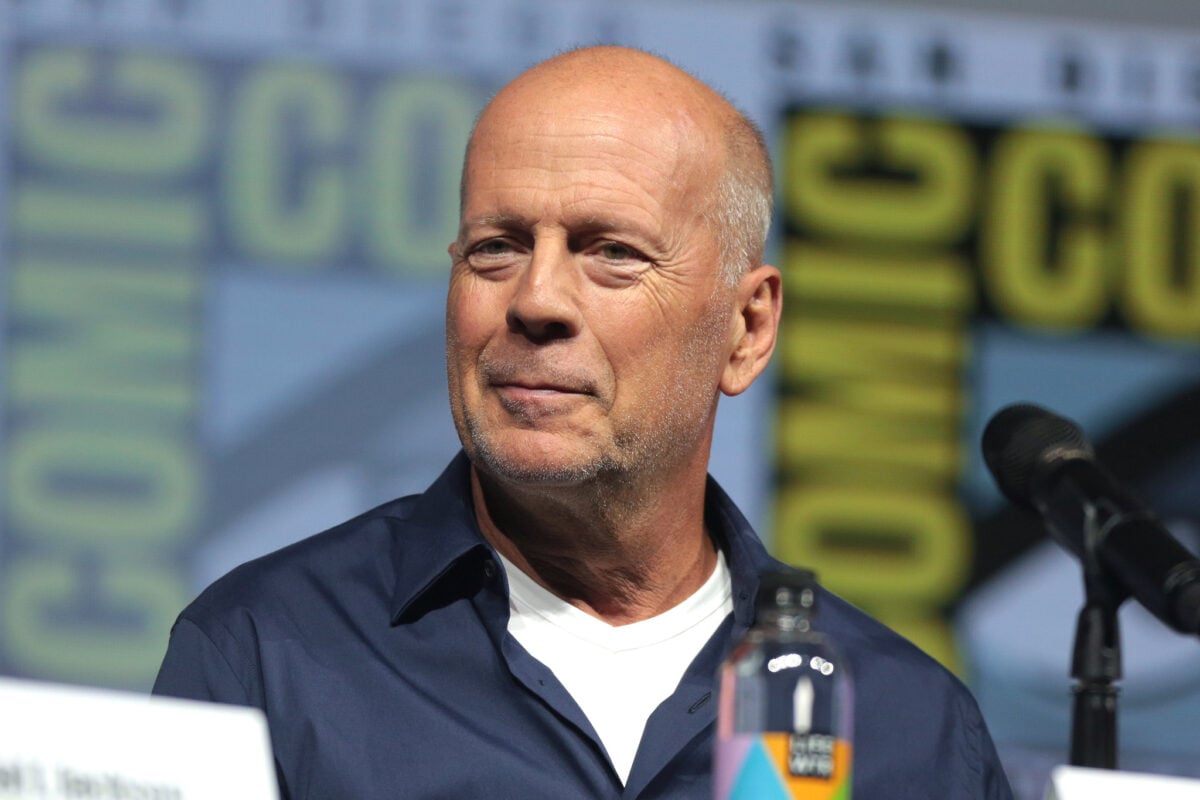
Music came naturally to Bruce Willis, who once dropped a full album alongside self-made clips. Yet he didn’t stop there – guest spots in others’ videos followed.
Sometimes laughter lit up the screen when he showed up. Other times, it was pure movie-style intensity that filled the scene.
What played out depended entirely on the mood waiting for him. Music never seemed to fit Willis at first – people expected punches, not piano chords.
Yet he kept recording while skeptics called it a celebrity distraction. Flashy sets marked his clips, occasionally lit up by famous faces dropping in.
Even so, the tunes didn’t match his movie fame, yet he treated them seriously. Back then, big-screen faces often stepped into music clips – Willis was part of that flow.
Clips by singers started needing performers, opening doors just like that.
When Music Videos Needed Movie Stars

Movies on fast-forward ruled TV screens when record companies opened their wallets wide. Money poured into studios because standing out meant survival during afternoon playlists.
A familiar face popping up could steal headlines across gossip columns the next day. Music videos sat somewhere near movies, yet close to TV shows too.
Because of that spot, quick appearances made sense. Pulling bits from each world helped shape a form all its own.
Paying an actor for just one day fits neatly into a short clip. Big films required those same actors for much longer stretches.
Catching Lightning in Three Minutes

Once upon a time, seeing stars on screen stopped everything – music videos mattered. MTV played them constantly.
When a new one arrived, it meant something. Spotting celebrities in those scenes? That was a real presence, always.
At this moment, the footage captures lives caught between shifts. Not yet famous, Macaulay Culkin lived a different kind of childhood.
Well ahead of her first script reading, Alicia Silverstone moved through days unnoticed. Quiet moments defined Ben Stiller, far from punchlines.
With an odd grace, Christopher Walken danced through scenes no one saw coming. Somehow those moments stood out more than expected.
He showed up regularly, familiar but never distant, always ready to spend long stretches filming. That openness made strange matches work, even when sense suggested otherwise.
People still talk about Walken gliding through scenes smoother than anything else he did then. The rhythm gave a small part staying power beyond its size.
Quiet hangs around in dusty recordings of surprise celebrity visits. Worlds collided without warning – film lights crossed paths with song legends during clumsy collisions.
Music crashing into movies made sparks nobody planned. Now those seconds seem truer than back when they aired live.
Time passed, something changed anyway. Streaming slipped in quietly, reshaping how tunes travel across days.
More from Go2Tutors!

- The Romanov Crown Jewels and Their Tragic Fate
- 13 Historical Mysteries That Science Still Can’t Solve
- Famous Hoaxes That Fooled the World for Years
- 15 Child Stars with Tragic Adult Lives
- 16 Famous Jewelry Pieces in History
Like Go2Tutors’s content? Follow us on MSN.