17 luxury trains from a forgotten era
There was a time when traveling by train meant something far more elegant than cramming into a cramped airplane seat or grinding through highway traffic. From the 1880s through the 1960s, luxury trains represented the pinnacle of sophisticated travel, offering passengers rolling palaces complete with fine dining, plush sleeping quarters, and service that made five-star hotels look ordinary.
These magnificent locomotives didn’t just transport people from one place to another—they created experiences that wealthy travelers would plan their entire vacations around. Think of them as floating hotels that happened to roll on steel rails, complete with barbershops, libraries, observation lounges, and even nightclubs.
Here’s a list of 17 luxury trains that defined the golden age of rail travel before airlines and highways made them relics of a more gracious era.
Orient Express
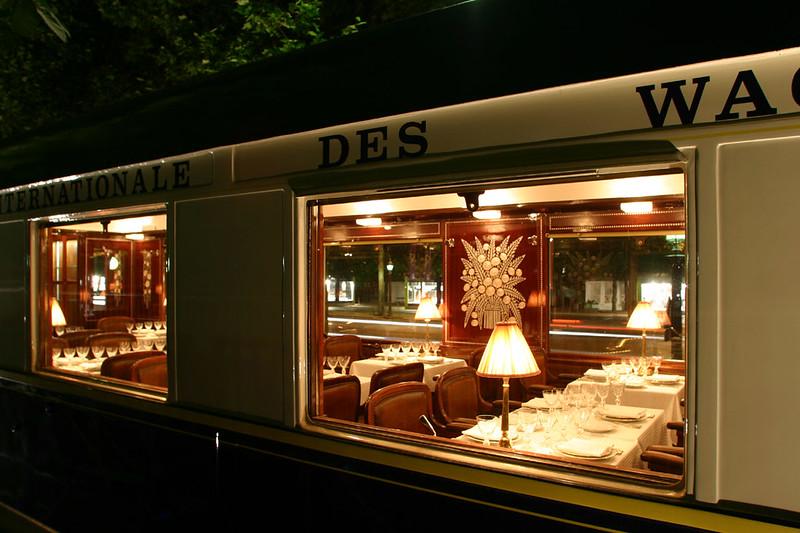
The launch of the Orient Express in October 1883 provided a pivotal moment in the development of the luxury train concept. Georges Nagelmackers created what would become Europe’s most legendary train service, linking Paris to Constantinople in less than 76 hours. A veritable “rolling palace”, the Orient-Express showed travelers the splendor of its decor: precious wood marquetry, glass panels, fabrics, refined leather and pillows and bedding that guaranteed a good night’s rest. The train became so culturally significant that Agatha Christie set her famous murder mystery aboard it, cementing its place in popular imagination forever.
20th Century Limited
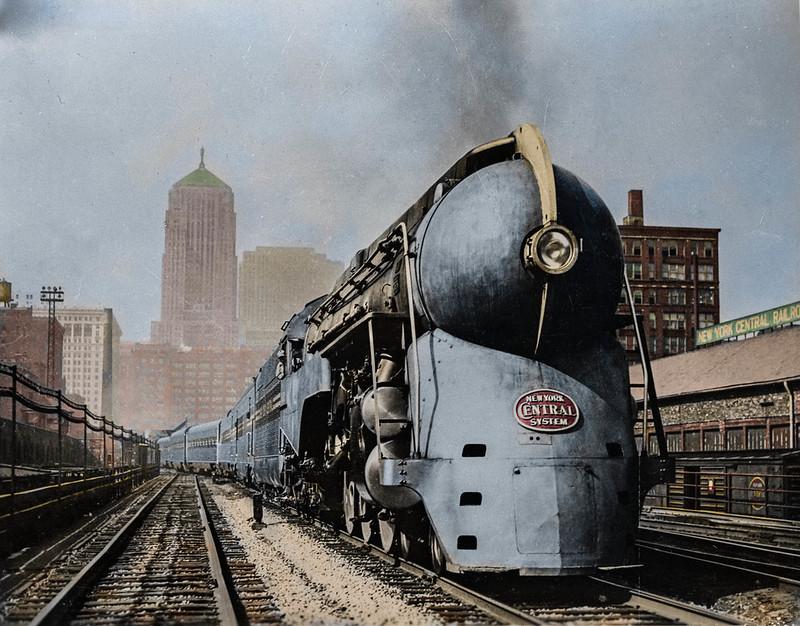
The 20th Century Limited was an express passenger train on the New York Central Railroad (NYC) from 1902 to 1967. This legendary American train connected Grand Central Terminal in New York City to LaSalle Street Station in Chicago, earning the nickname ‘The Most Famous Train in the World.’ This touch of hospitality is the origin of the action “walk the red carpet” and the phrase “the red carpet treatment,” both of which entered the lexicon as fans gathered to watch celebrities disembark. The train featured barbershops, secretarial services, and eventually transformed its dining cars into the ‘Café Century’ nightclub after evening meals.
Venice Simplon-Orient-Express
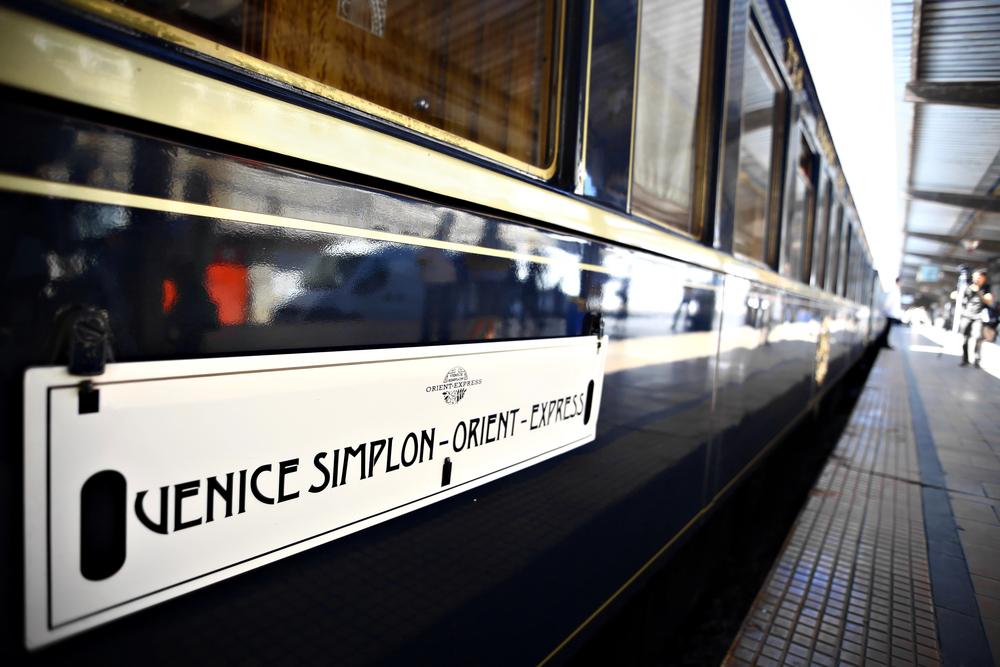
The Venice Simplon-Orient Express (VSOE) is the world’s most authentic luxury train. Its 1920s-vintage Art Deco cars, sparkling in their navy and gold livery and snowy white roof, take your breath away. This modern incarnation of the original Orient Express was acquired 2 of the carriages at an auction in 1977. Over the subsequent years, he invested millions in procuring and restoring 35 original vintage carriages, culminating in the rebirth of the Orient Express in 1982. Today, it continues to offer the same level of opulence that made the original famous.
Blue Train (South Africa)
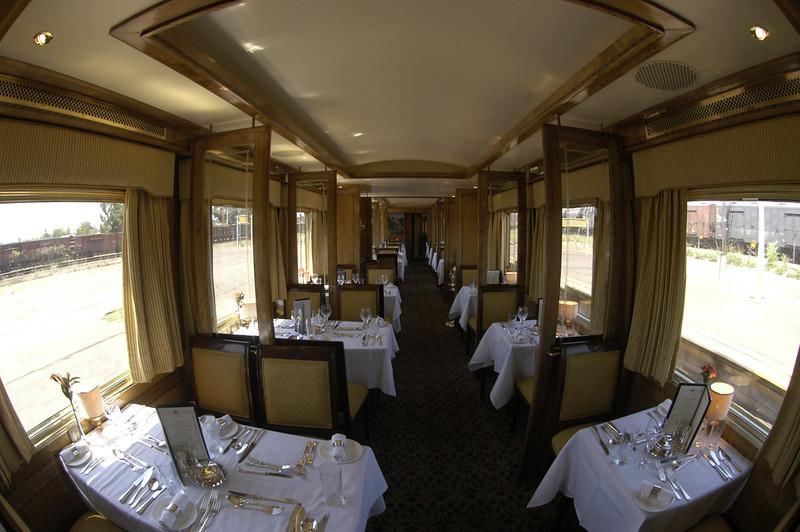
The Blue Train, running from Cape Town to Pretoria, is one of the world’s most luxurious train journeys, with a history linked to the Witwatersrand Gold Rush of the early 20th century. Originally built to transport gold miners, the service evolved into luxury travel when wealthy elites demanded better accommodations. In 1927 new luxury coaches were introduced, boasting hot and cold running water, electric lighting, a sumptuously appointed dining car, and an observation coach at the back of the train where guests could enjoy unobstructed views of the passing countryside. Local people began calling it ‘those blue trains,’ and the name stuck.
Royal Scotsman
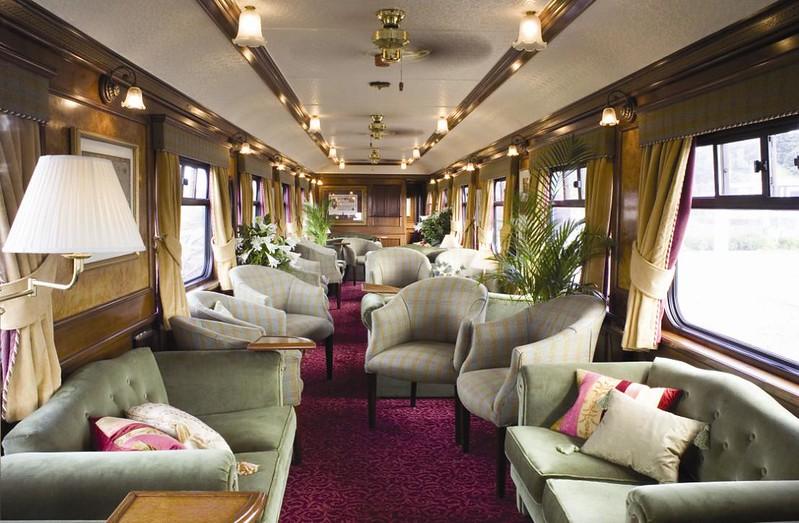
Belmond Royal Scotsman is a perfect way to explore Scotland in an intimate, luxury setting with gourmet, five-star dining, wine-pairing and superior service. This train captures the romance of Scottish Highland travel with mahogany-paneled observation cars and traditional tartan furnishings. Passengers enjoyed some of the most spectacular scenery in Europe while dining on locally sourced cuisine and fine Scottish whisky.
Blue Pullmans
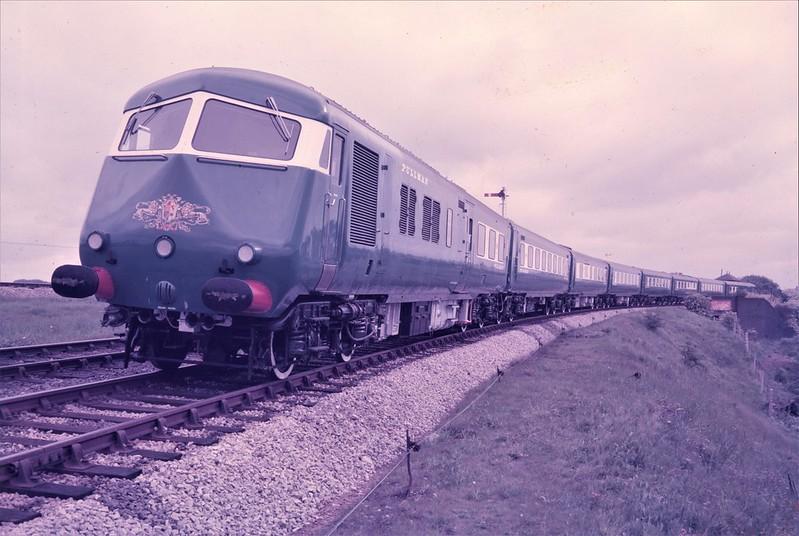
The Blue Pullmans were luxury trains used from 1960 to 1973 by British Rail. They were the first Pullman diesel multiple units, incorporating several novel features. These trains represented Britain’s attempt to compete with emerging air travel and automobile transportation. Named after their original Nanking blue livery, the trains were conceived under the 1955 Modernisation Plan to create luxury diesel express trains aimed at competing with the motor car and the emerging domestic air travel market. Though ultimately unsuccessful, they demonstrated advanced engineering for their time.
British Pullman
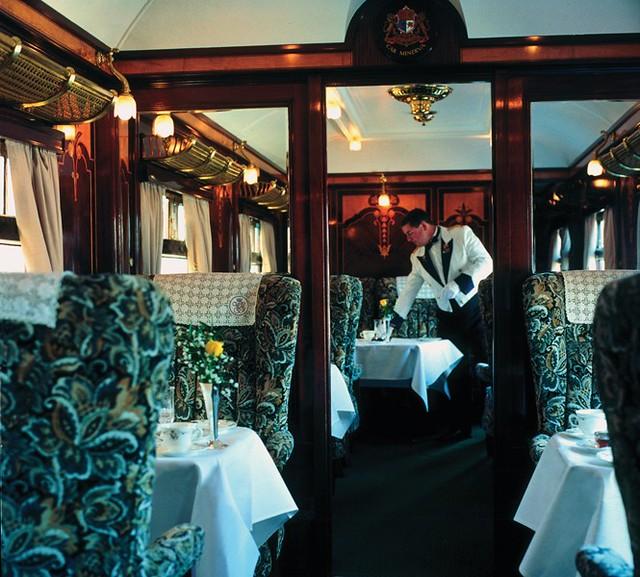
The Belmond British Pullman is a luxury, vintage train which operates a full array of day trips and weekend breaks throughout Britain, many of them with themes such as castles, gardens, historic houses, romance and Christmas. These trains featured the distinctive Pullman comfort that had made the brand famous worldwide. Each car was individually named and decorated, creating intimate spaces that felt more like private clubs than public transportation.
Golden Eagle Trans-Siberian Express
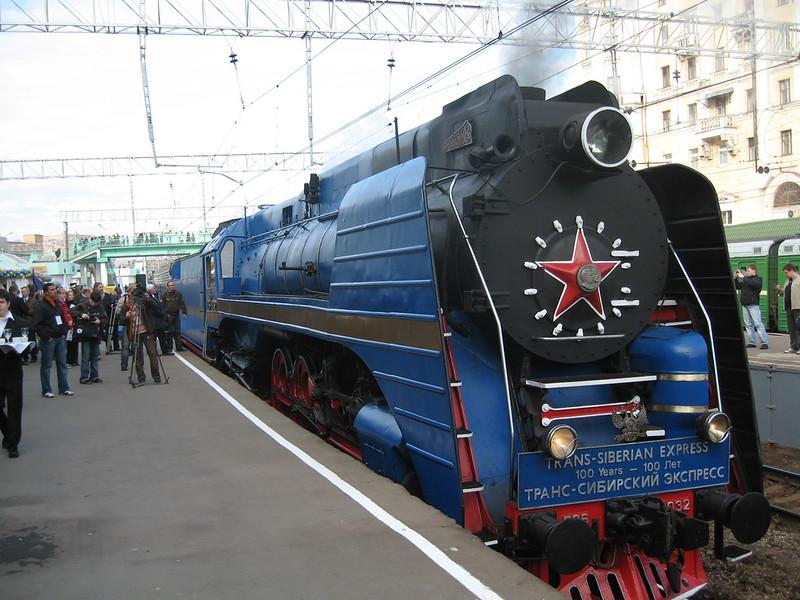
The Golden Eagle Trans-Siberian Express began operation in April 2007 and takes passengers on a 6,000-mile (9,656 km) trip (the world’s longest train journey) across two continents and eight time zones. This modern luxury train follows the historic Trans-Siberian Railway route that connected Moscow with the Russian Far East. While contemporary, it recreates the grandeur of Imperial Russian rail travel with lavishly appointed cabins and dining cars that rival any luxury hotel.
Pennsylvania Railroad’s Broadway Limited
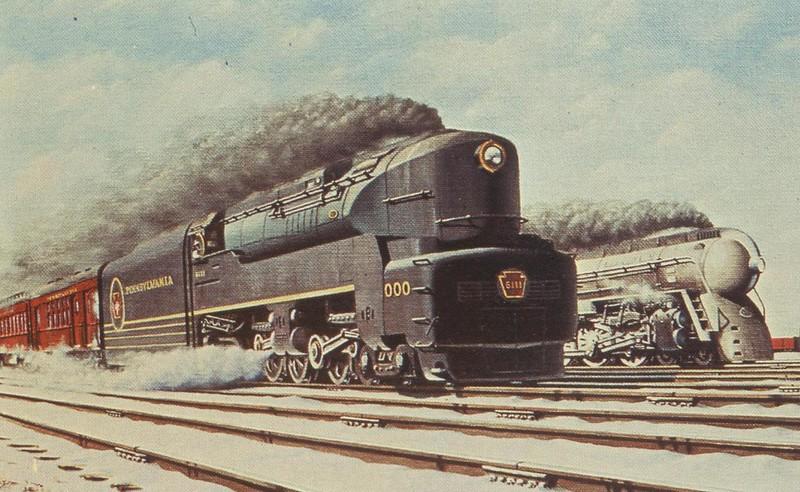
The Broadway Limited was the Pennsylvania Railroad’s answer to the 20th Century Limited, offering equally luxurious service between New York and Chicago. Both the PRR and NYC misread the boom in WWII traffic and spent millions of dollars upgrading their respective passenger fleets as rail travel began its slow recession in the 1950s. The train featured all-Pullman accommodations and competed directly with its New York Central rival for the most prestigious passengers traveling between America’s two largest cities.
Maharajas’ Express
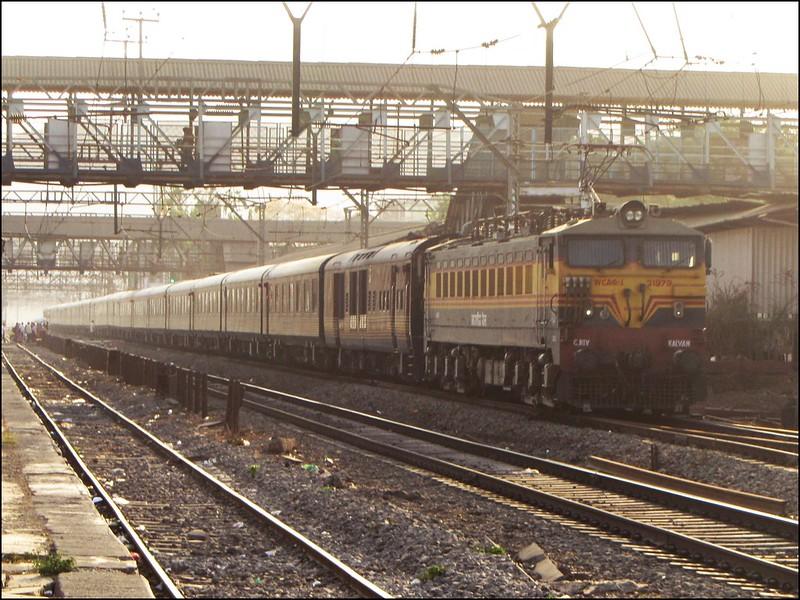
The Maharajas’ Express was custom-built to be the most luxurious train in India, offering state-of-the-art facilities and amenities. This train brought palace-level luxury to Indian rail travel, with elaborately decorated cars that reflected the opulent lifestyle of Indian royalty. Belmond has a portfolio of six trains, including two in Peru and one exploring Southeast Asia, though none matches the VSOE for luxury. The train featured private suites, gourmet dining, and stops at India’s most spectacular historical sites.
Rocky Mountaineer
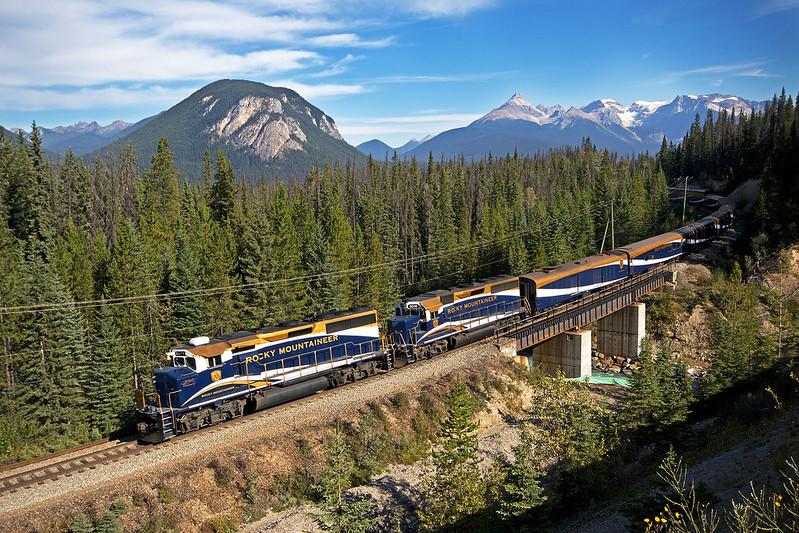
Rocky Mountaineer is a Canadian company that operates trains touring the Canadian Rockies and the northwestern U.S. This train service showcased some of North America’s most breathtaking mountain scenery through glass-domed observation cars. The Rocky Mountaineer has been on our World’s Top 25 Trains list since it started. It was awarded the right to operate routes in the Canadian Rockies and purchase VIA Rail’s equipment in 1990 by the Canadian government. Passengers dined on locally sourced cuisine while watching towering peaks and pristine wilderness roll past their windows.
Seven Stars in Kyushu
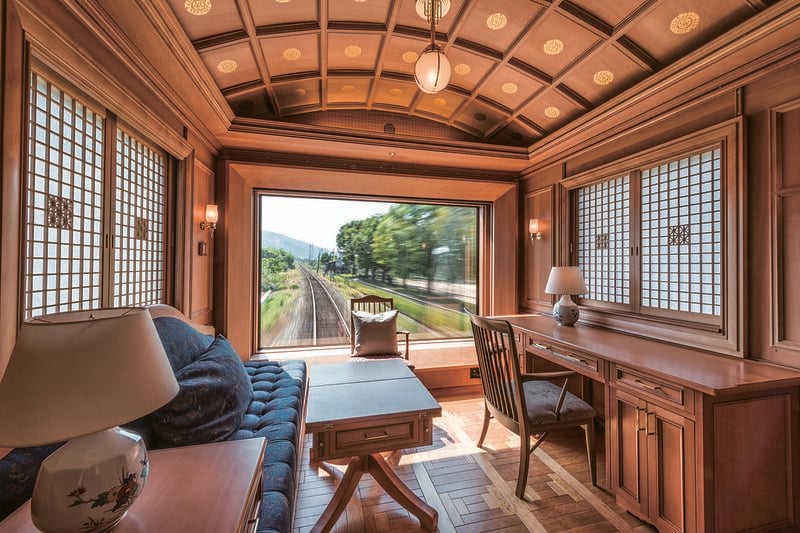
Seven Stars in Kyushu is a deluxe sleeping-car excursion train that has toured the island of Kyushu since October 2013. This Japanese luxury train exemplifies the country’s attention to detail and craftsmanship. Since its inception in 2013, the Kyushu Seven Stars, Japan’s very first luxury train, has been selling space based on a lottery system to account for the overwhelming demand for this exclusive and utterly unique rail travel experience. The train features traditional Japanese design elements combined with modern luxury amenities.
The Ghan (Australia)
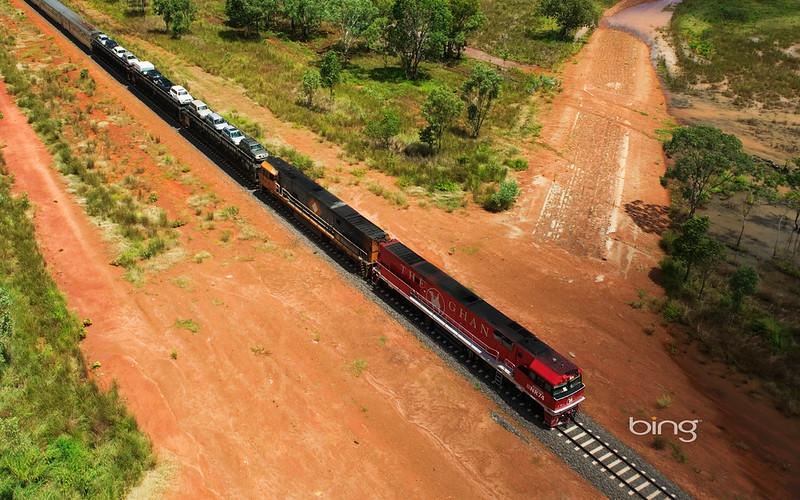
The Ghan traverses the heart of Australia, from Darwin to Adelaide–a 3-day journey. Named after Afghan camel drivers who once traversed the same route, this train crosses some of the world’s most remote desert landscapes. The journey offered passengers a unique way to experience the Australian Outback in comfort, with observation lounges providing panoramic views of the endless red desert stretching to the horizon.
El Transcantábrico
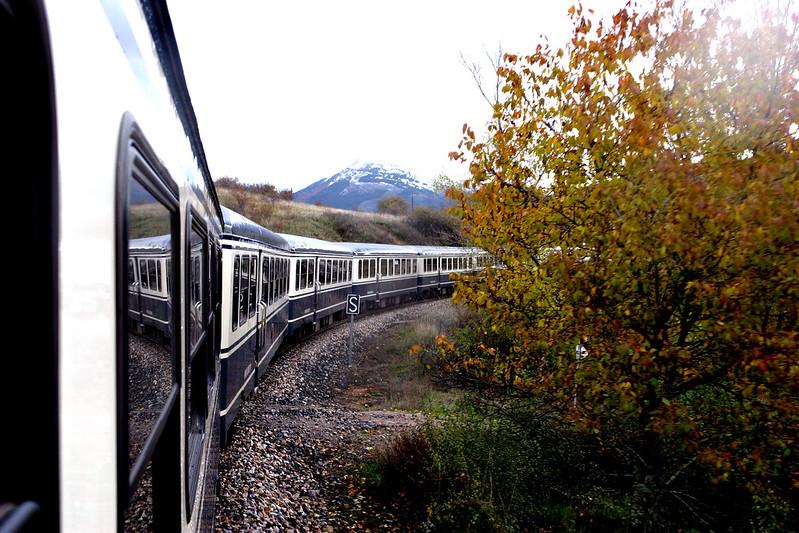
El Transcantabrico Gran Lujo slowly plies the narrow-gauge rails in Northern “Green” Spain, between Santiago and San Sebastián. This Spanish luxury train travels through the lush landscapes of Spain’s northern coast, offering passengers a leisurely way to explore the region’s stunning scenery and historic towns. The train’s narrow-gauge tracks wind through mountain valleys and coastal areas that larger trains couldn’t access.
Eastern & Oriental Express
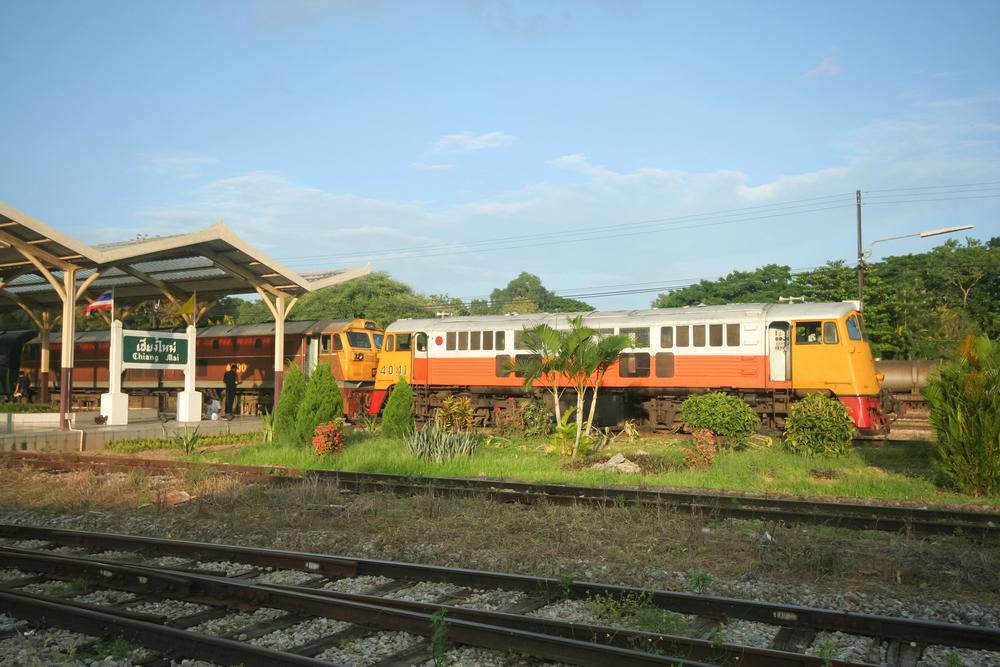
The Eastern & Oriental Express runs 1,262 miles between Singapore, Malaysia and Bangkok, Thailand. This train brought Orient Express-style luxury to Southeast Asia, combining colonial elegance with Asian hospitality. Passengers enjoyed panoramic views of tropical landscapes, from bustling cities to remote jungle areas, while dining on cuisine that blended Eastern and Western culinary traditions.
Al-Andalus
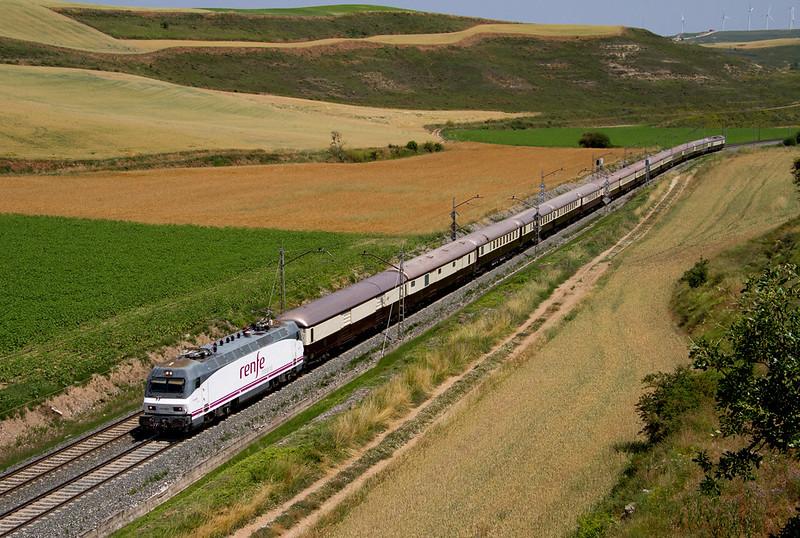
Southern Spain’s opulent, broad-gauge Al-Andalus returned to the rails May, 2012, with its 1920s-era cars newly renovated. The Al-Andalus includes a bar, tea-room and two dining cars, as well as all-en suite cabins. This Spanish train showcased Andalusian culture and history while traveling through Spain’s most picturesque southern regions. The train’s design reflected Moorish architectural influences, creating an atmosphere that transported passengers back to Spain’s romantic past.
Rovos Rail’s Pride of Africa
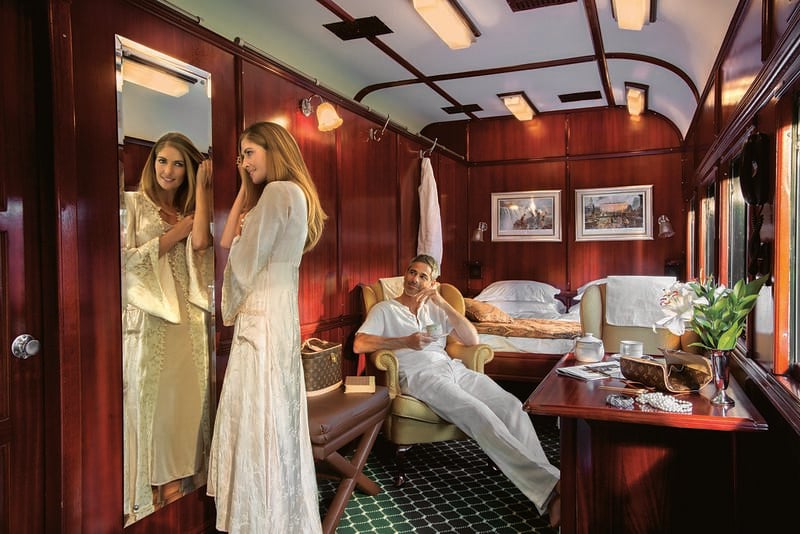
Rovos Rail’s Pride of Africa offers an old-world elegance and luxury to a degree that was never equaled in the 1920s. Many seasoned IRT Society travelers consider it their favorite train experience. This South African luxury train recreates the golden age of rail travel with meticulously restored vintage carriages and impeccable service. The train travels through some of Africa’s most spectacular landscapes, from wine country to wildlife reserves, offering passengers a unique way to experience the continent’s natural beauty.
When Luxury Ruled the Rails
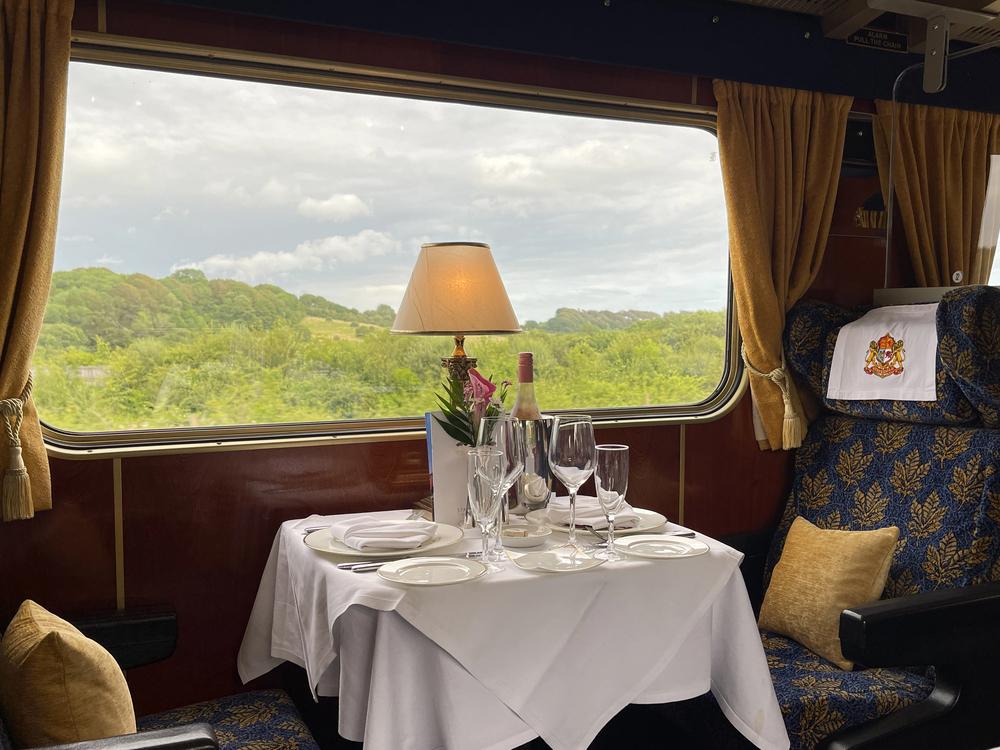
These magnificent trains represented more than just transportation—they embodied an entire philosophy of travel that prioritized experience over speed, comfort over efficiency. After World War II, railroads geared up for a boom that didn’t happen. What spelled doom for the great passenger trains? The rise of commercial aviation and the interstate highway system eventually made these rolling palaces economically unfeasible, but their legacy lives on in the luxury train services that still operate today, offering modern travelers a taste of what travel was like when the journey itself was the destination.
More from Go2Tutors!

- 16 Historical Figures Who Were Nothing Like You Think
- 12 Things Sold in the 80s That Are Now Illegal
- 15 VHS Tapes That Could Be Worth Thousands
- 17 Historical “What Ifs” That Would Have Changed Everything
- 18 TV Shows That Vanished Without a Finale
Like Go2Tutors’s content? Follow us on MSN.