16 Adaptive Robots Powered by AI
Robots aren’t what they used to be. A few years back, you programmed them to do one thing and that was it. Now? They’re learning, adapting, and making decisions. It’s honestly kind of wild when you think about it.
The change happened fast too. Companies started throwing AI into everything, and robots suddenly got smart. Really smart. They watch what’s happening around them and figure out how to respond. Sometimes they mess up, learn from it, then do better next time.
Here is a list of 16 adaptive robots powered by AI that are making waves across industries worldwide.
Atlas by Boston Dynamics

Boston Dynamics created something special with Atlas. This robot moves in ways that shouldn’t be possible, and in factories it handles heavy parts without constant supervision.
Tesla Optimus Gen Two
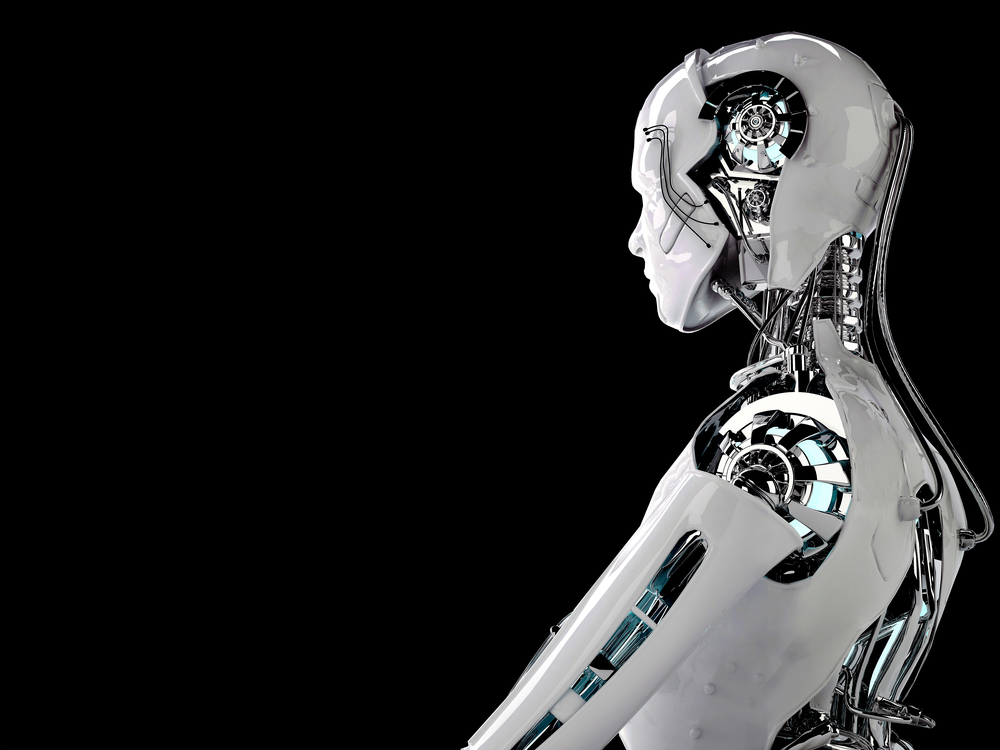
Tesla built Optimus with the same mindset as their cars, aiming for practicality and scalability. It learns by watching people and improves through repeated attempts until it masters the task.
Like Go2Tutors’s content? Follow us on MSN.
Figure Two
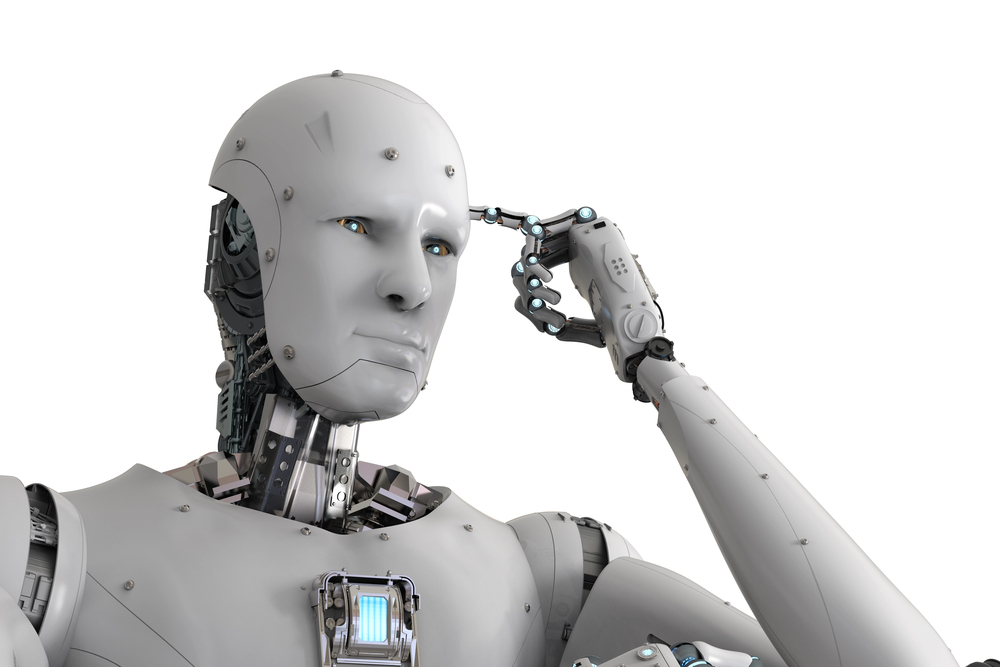
Figure Two worked for an entire hour organizing packages on its own. That level of independent precision marked a breakthrough in humanoid robotics.
Standard Bots RO One
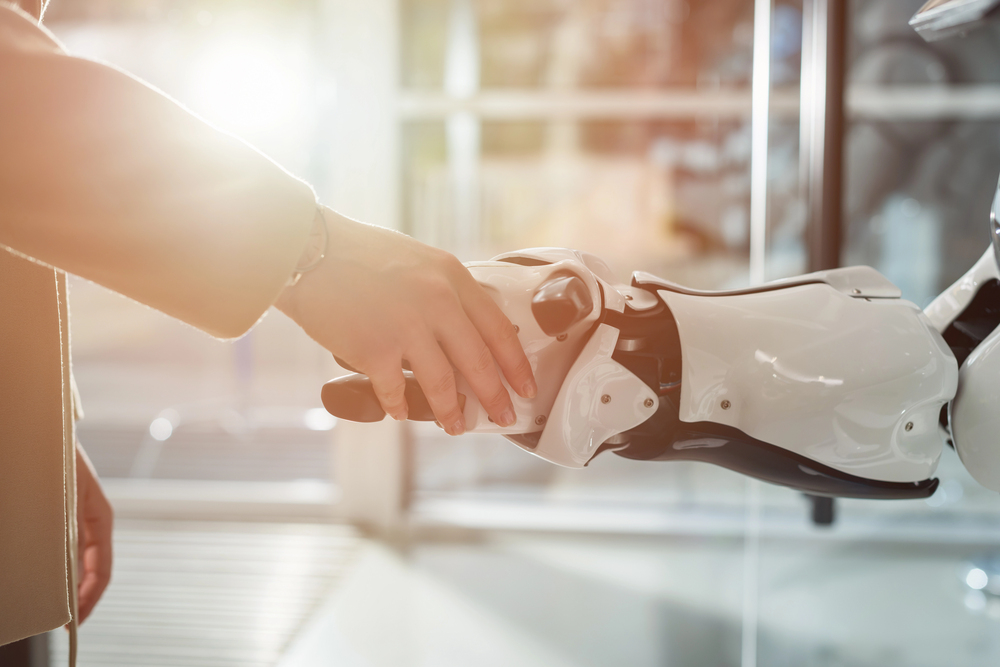
This robot arm delivers extraordinary accuracy at a surprisingly low cost. It arrives ready to work the same day without the long setup usually required in manufacturing.
ABB YuMi
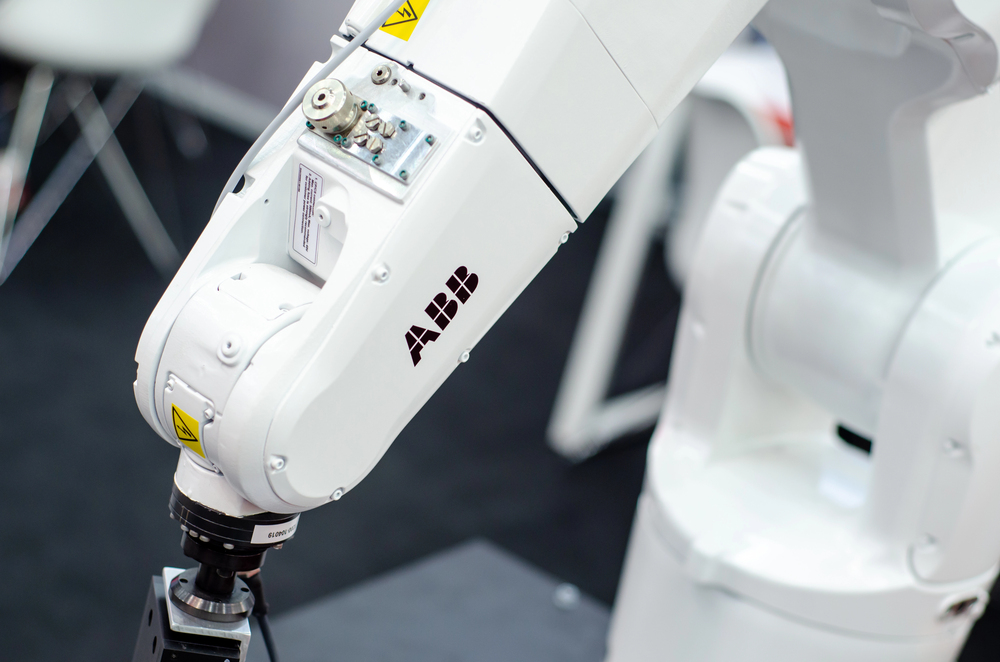
YuMi was designed to work safely right beside people without barriers. It handles repetitive tasks while humans focus on creative or complex work.
Like Go2Tutors’s content? Follow us on MSN.
Universal Robots UR Fifteen
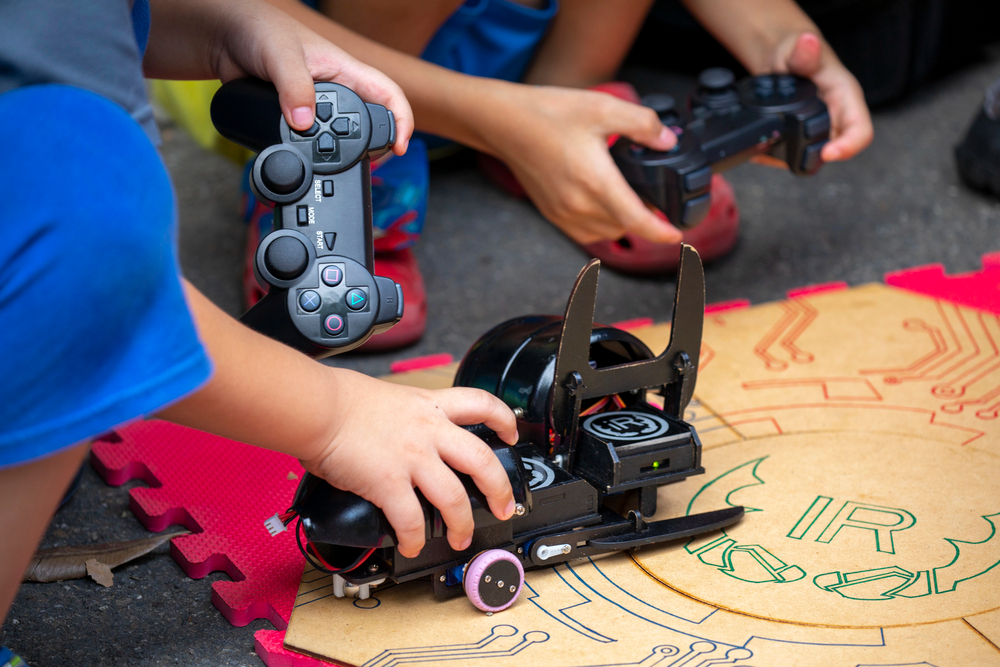
UR Fifteen runs on advanced AI that lets it adapt its behavior in real time. It can execute tasks thoughtfully rather than just following rigid instructions.
Unitree G One
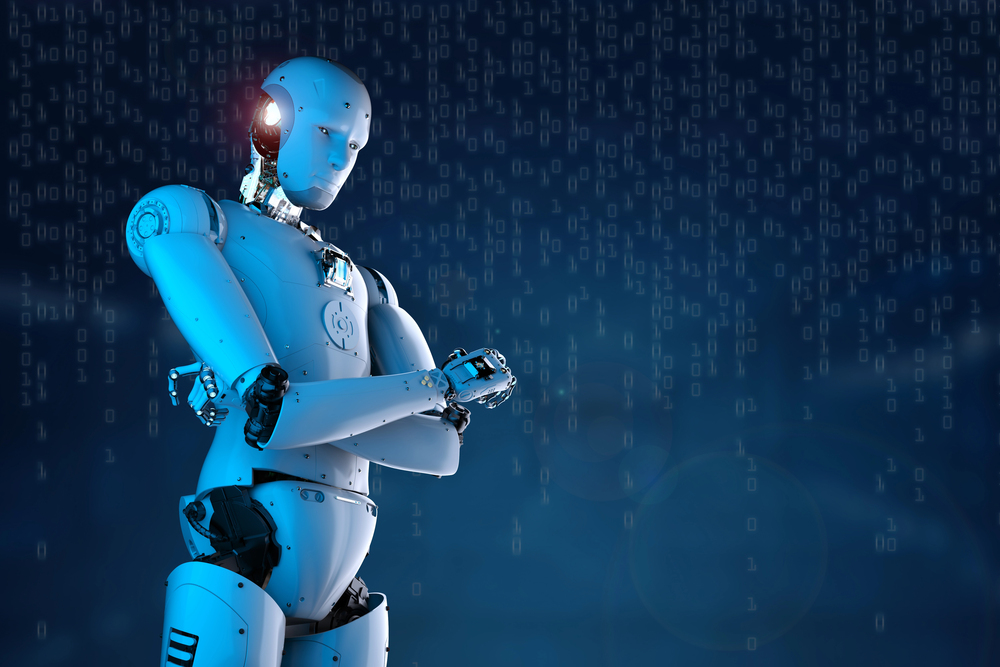
The G One learns by observing human actions and practicing until it succeeds. Its affordability makes humanoid robots accessible to small businesses for the first time.
FANUC CRX Series
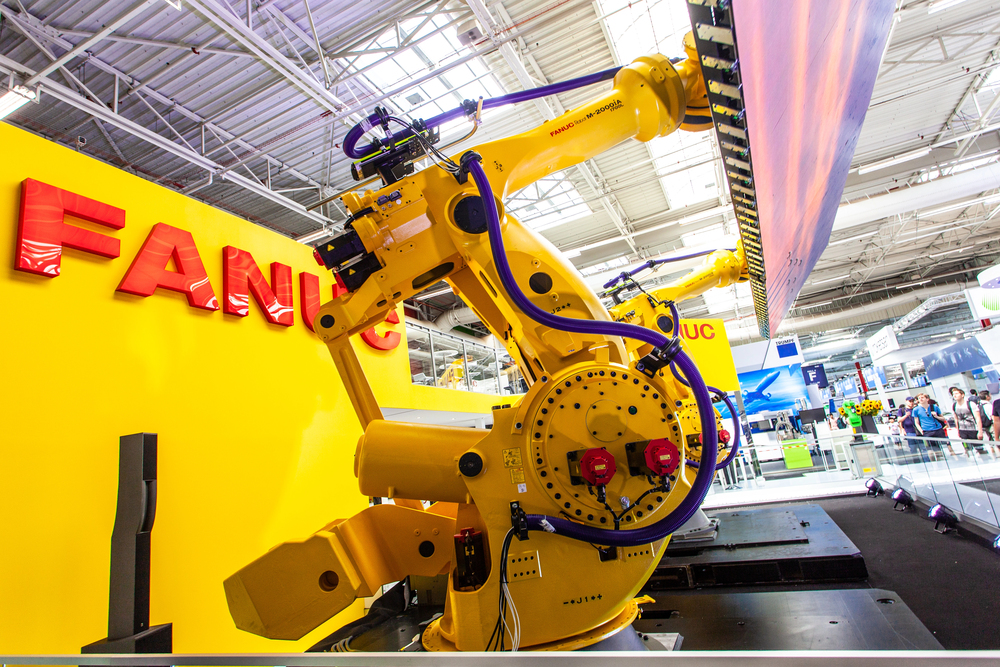
These robots use vision systems to track moving parts on assembly lines. The technology keeps production flowing smoothly without costly stoppages.
Like Go2Tutors’s content? Follow us on MSN.
Agility Robotics Digit
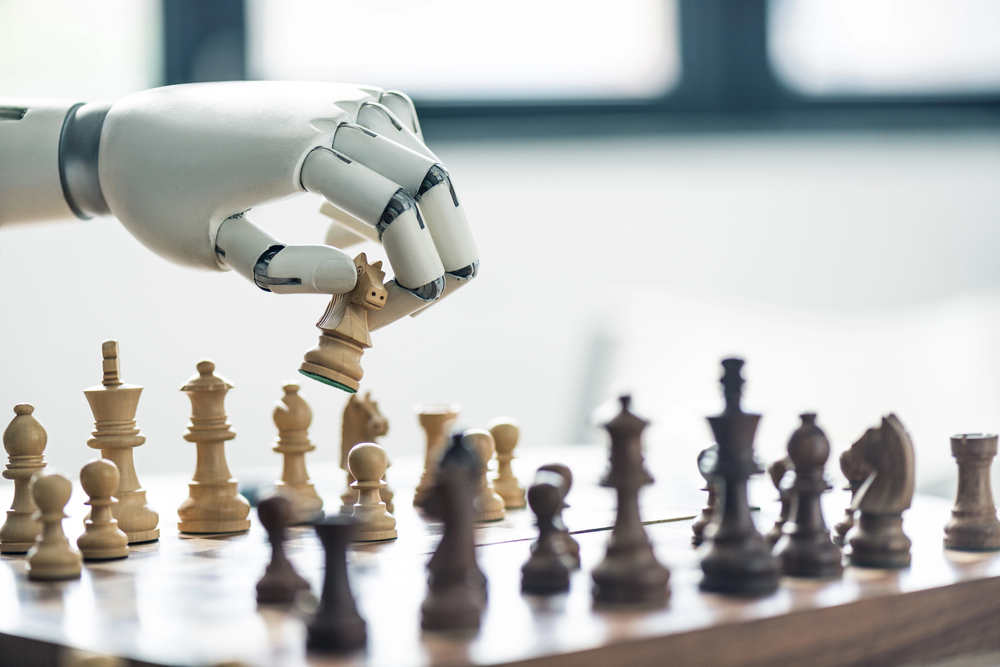
Digit walks like a human and can navigate environments built for people. Its ability to handle stairs and uneven surfaces makes it useful for delivery and warehouse work.
KUKA iiQKA
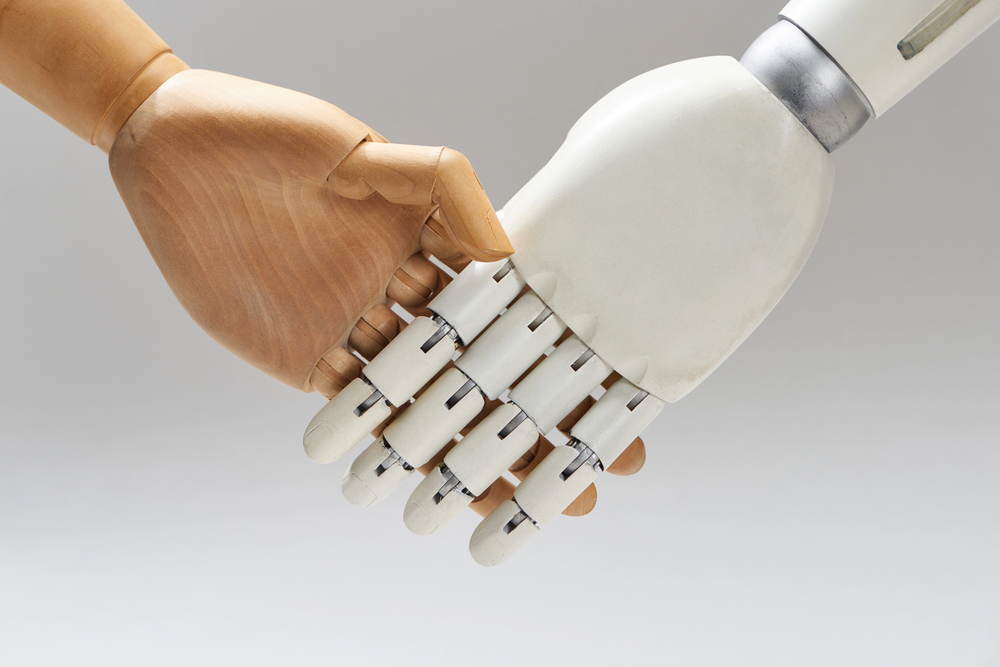
KUKA’s system lets robots practice tasks virtually before doing them in real life. This simulation-based learning reduces training time from weeks to hours.
Sanctuary AI Phoenix
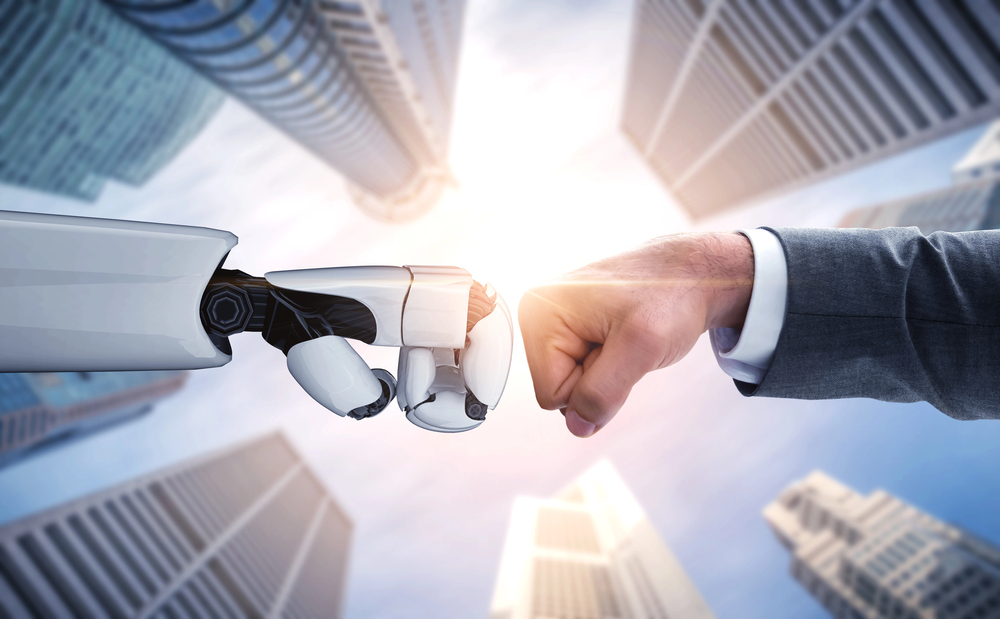
Phoenix combines delicate assembly skills with the ability to interact naturally with people. It adapts its approach depending on whether it is handling parts or communicating with humans.
Like Go2Tutors’s content? Follow us on MSN.
NEURA Robotics FourNE One
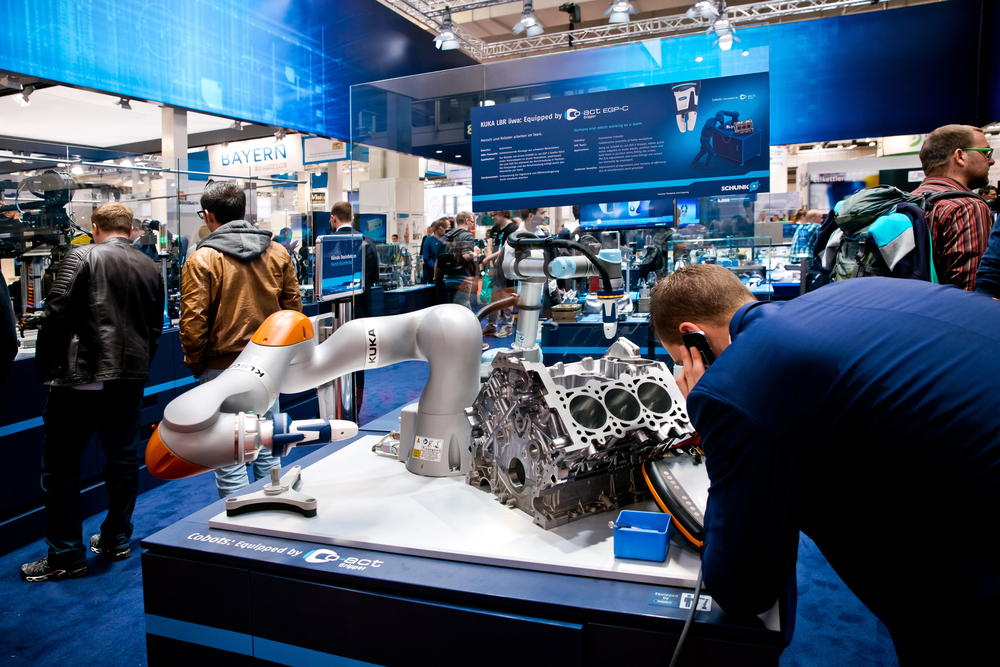
This robot reads social cues and adjusts its actions to match the situation. It is particularly effective in office environments where social awareness is essential.
Doosan Robotics Collaborative Arms
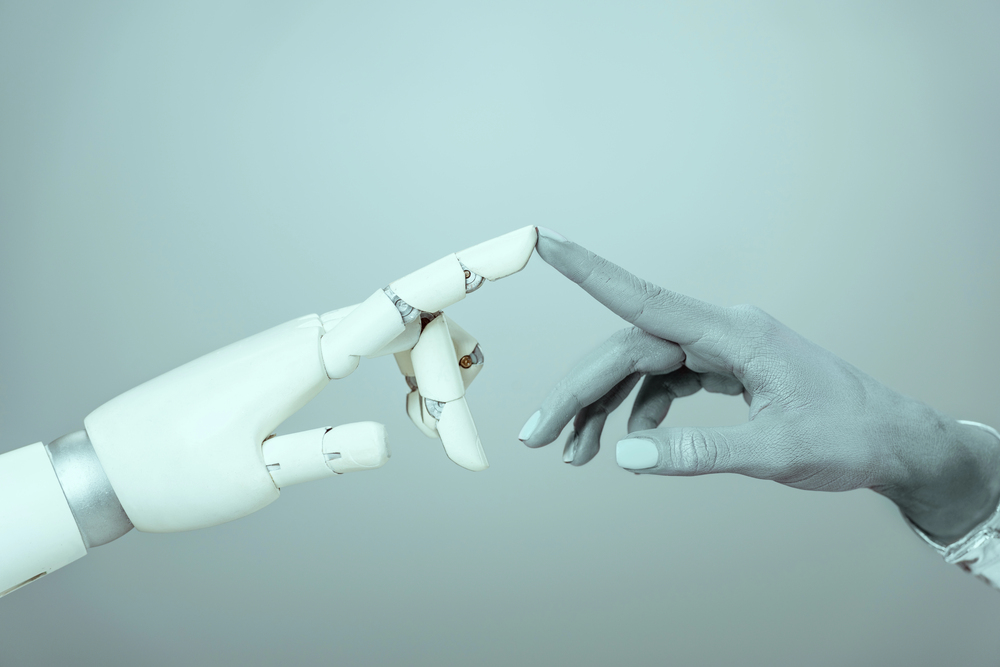
Doosan trains its robots in simulations before deploying them to factories. This method cuts down on costs and speeds up the adoption of new tasks.
Hexagon AEON
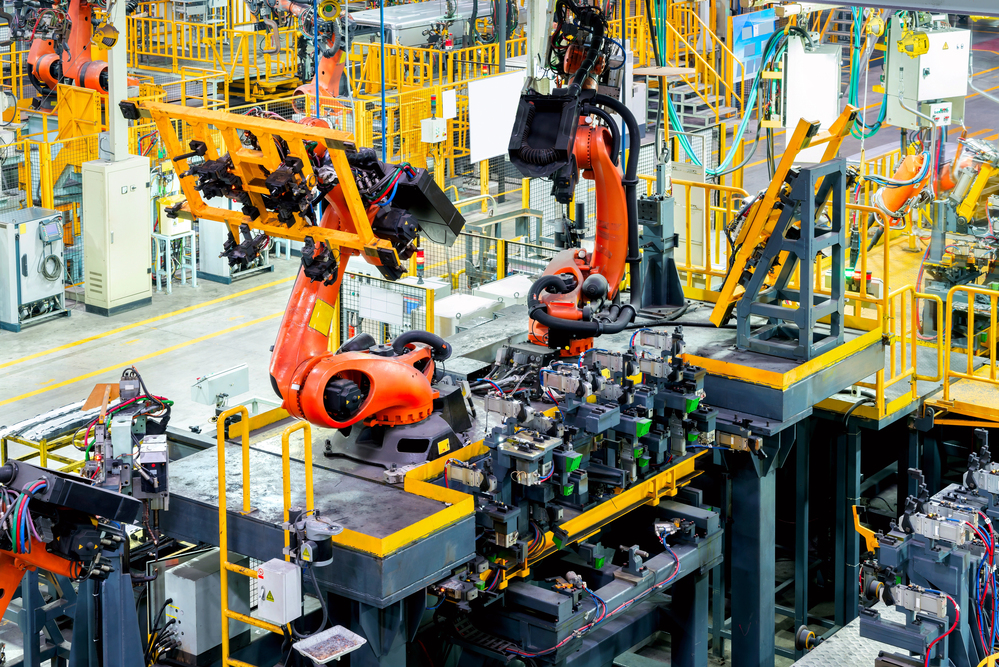
AEON combines advanced walking abilities with powerful sensors for industrial use. It constantly adapts its strategies to meet safety and environmental demands.
Like Go2Tutors’s content? Follow us on MSN.
Stretch by Boston Dynamics
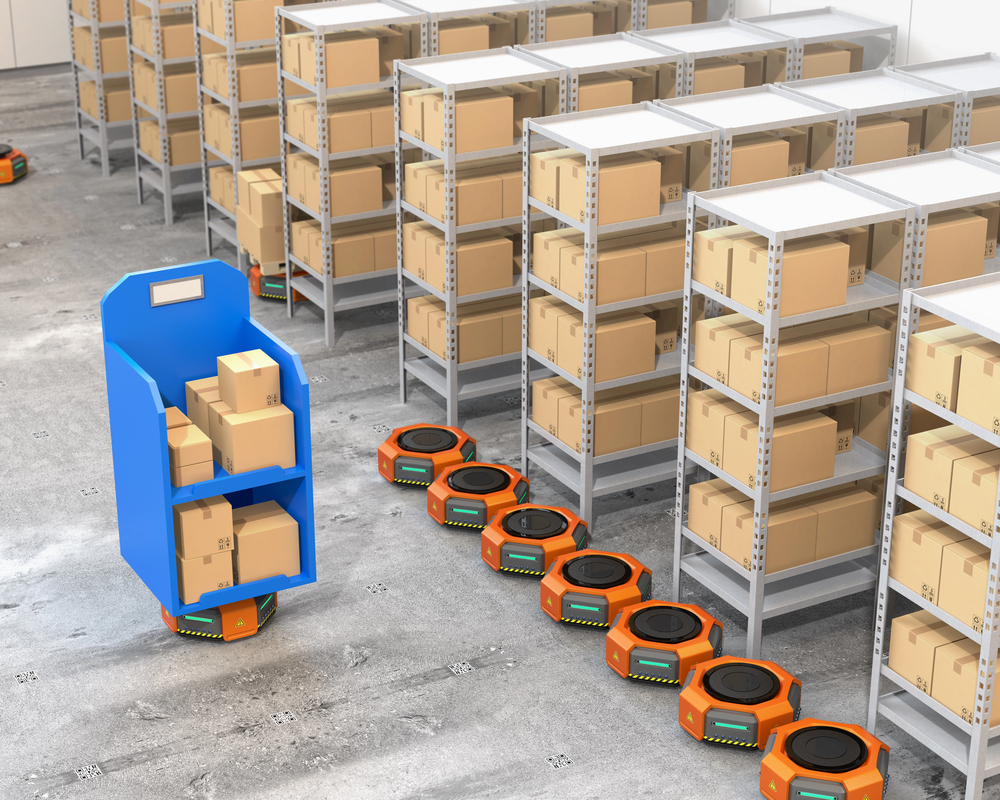
Stretch robots share knowledge with one another, so improvements spread instantly across the fleet. New units begin working with the benefit of experience gathered by older ones.
Franka Research Three with Isaac GR Zero Zero T
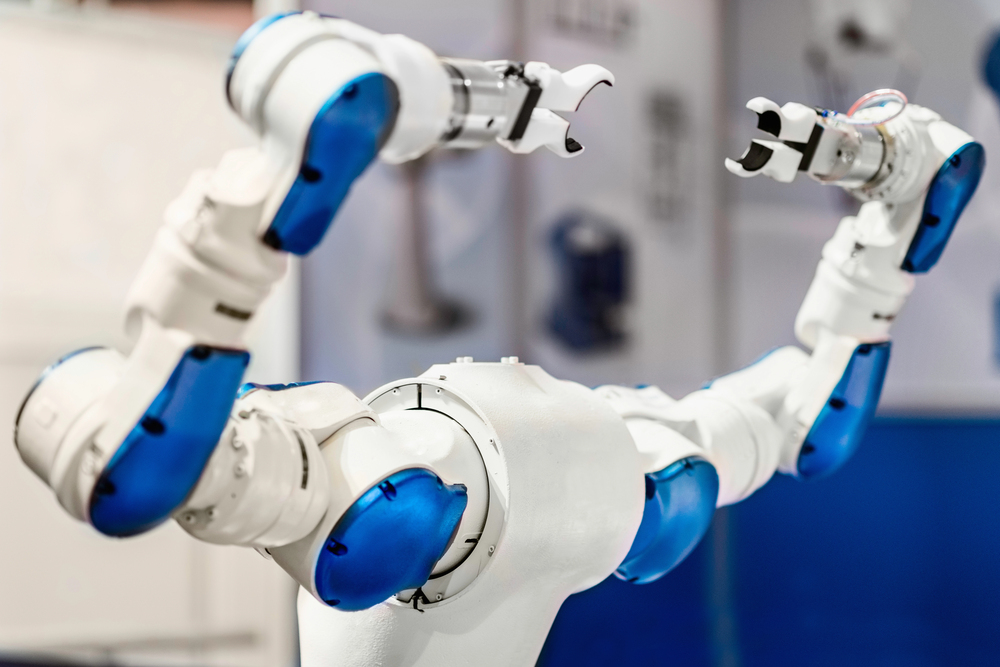
This robot uses both observation and historical data to decide the best way to complete a task. It learns delicate manipulations without needing specialized programming.
The Shift Nobody Saw Coming

These robots represent a move from rigid automation to flexible intelligence. They adapt to humans instead of forcing humans to adapt to them, marking a true transformation in how we work with machines.
Like Go2Tutors’s content? Follow us on MSN.
More from Go2Tutors!

- 16 Historical Figures Who Were Nothing Like You Think
- 12 Things Sold in the 80s That Are Now Illegal
- 15 VHS Tapes That Could Be Worth Thousands
- 17 Historical “What Ifs” That Would Have Changed Everything
- 18 TV Shows That Vanished Without a Finale
Like Go2Tutors’s content? Follow us on MSN.


