17 Desert Animals That Get Water From Food Only
Deserts are some of Earth’s most unforgiving environments, where water is scarce and survival demands extraordinary adaptation. While humans can barely last three days without water, many desert creatures have evolved remarkable abilities to extract every drop of moisture they need from their food alone.
These master survivors never need to seek out traditional water sources like rivers, lakes, or even morning dew. From tiny insects to large mammals, these animals have developed fascinating physiological tricks to thrive in environments where most life would quickly perish.
Here is a list of 17 desert animals that survive entirely on water obtained from their food sources.
Kangaroo Rat
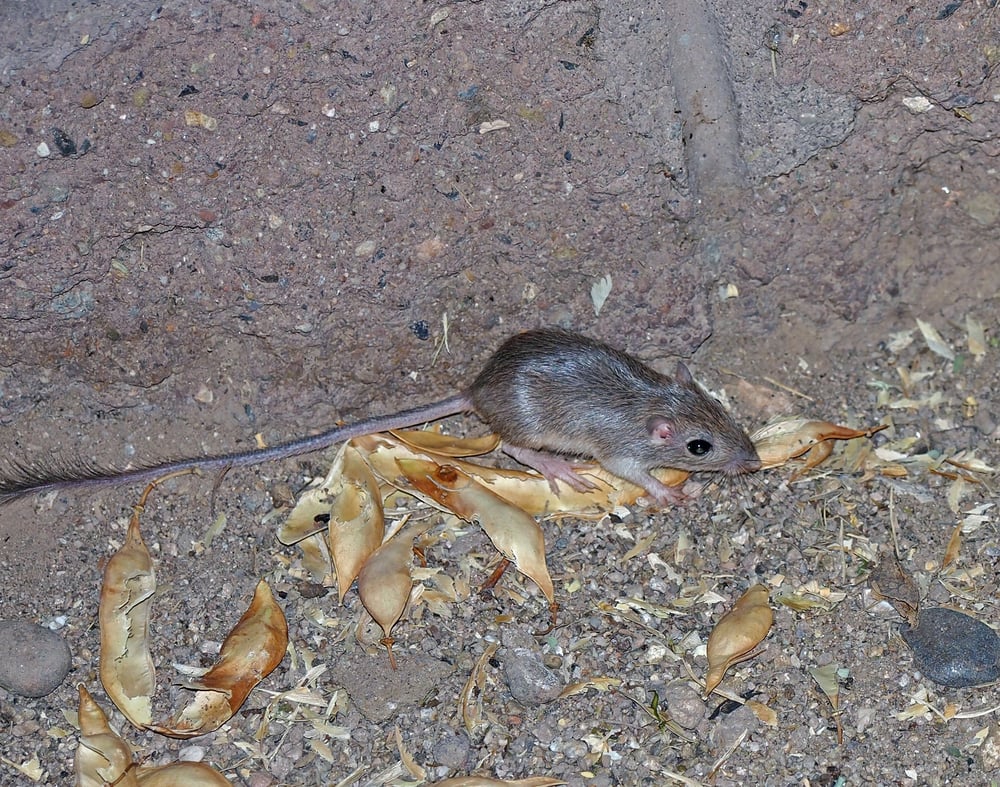
The kangaroo rat stands as perhaps the ultimate desert survivor — it can live its entire life without ever drinking water. These tiny rodents extract all necessary moisture from seeds and dry plant matter through incredibly efficient kidneys that concentrate urine to an extreme degree.
Their specialized metabolism actually produces water as a byproduct of digesting carbohydrates, essentially creating their own hydration system.
Fennec Fox
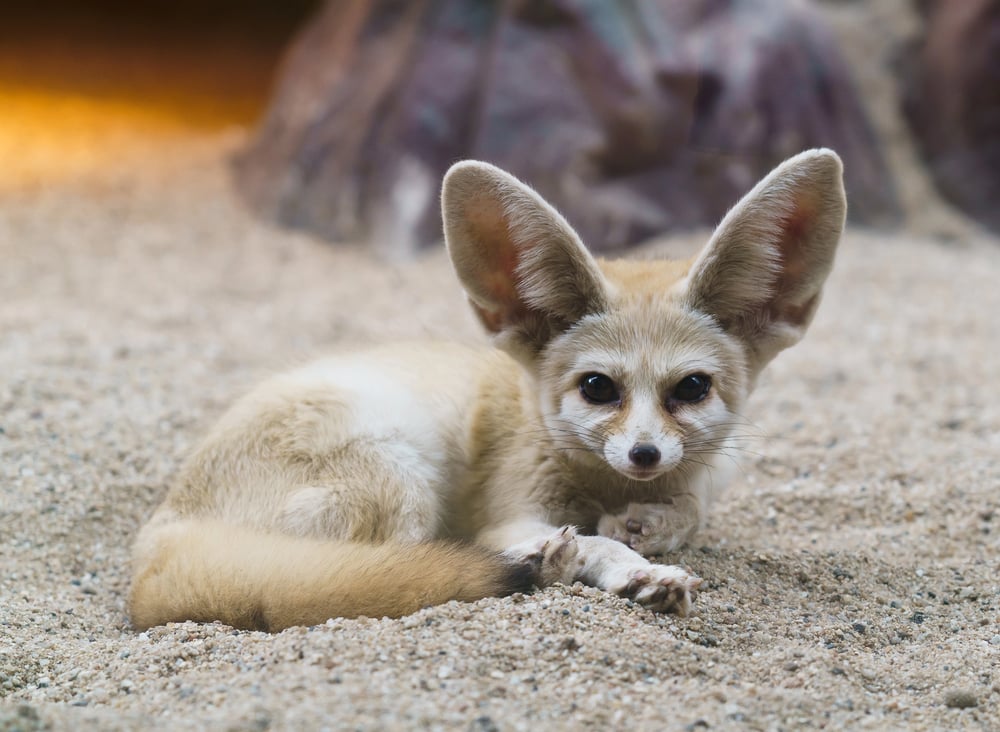
Africa’s smallest fox has mastered desert living through remarkable adaptations that include extracting water entirely from prey and vegetation. Their oversized ears help regulate body temperature while reducing water loss through panting.
Fennec foxes can obtain sufficient moisture from insects, small mammals, and desert plants — never requiring access to drinking water.
Like Go2Tutors’s content? Follow us on MSN.
Desert Tortoise
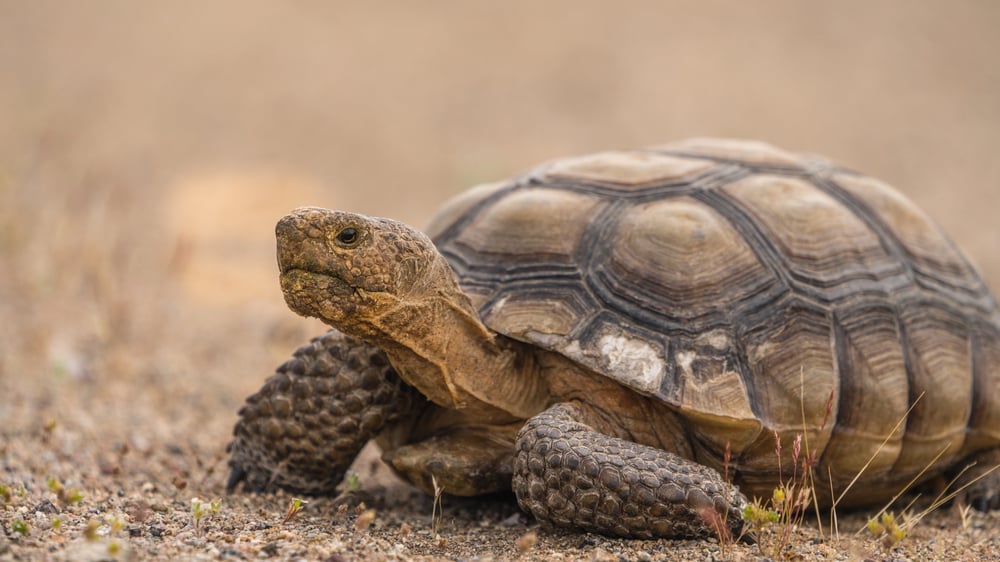
This slow-moving reptile can survive for over a year without drinking water by storing moisture in its bladder and extracting every possible drop from cacti and wildflowers. Desert tortoises have evolved highly efficient kidneys that recycle water multiple times before excretion.
During drought periods, they can reabsorb water from their own urine — a remarkable biological recycling system.
Gila Monster
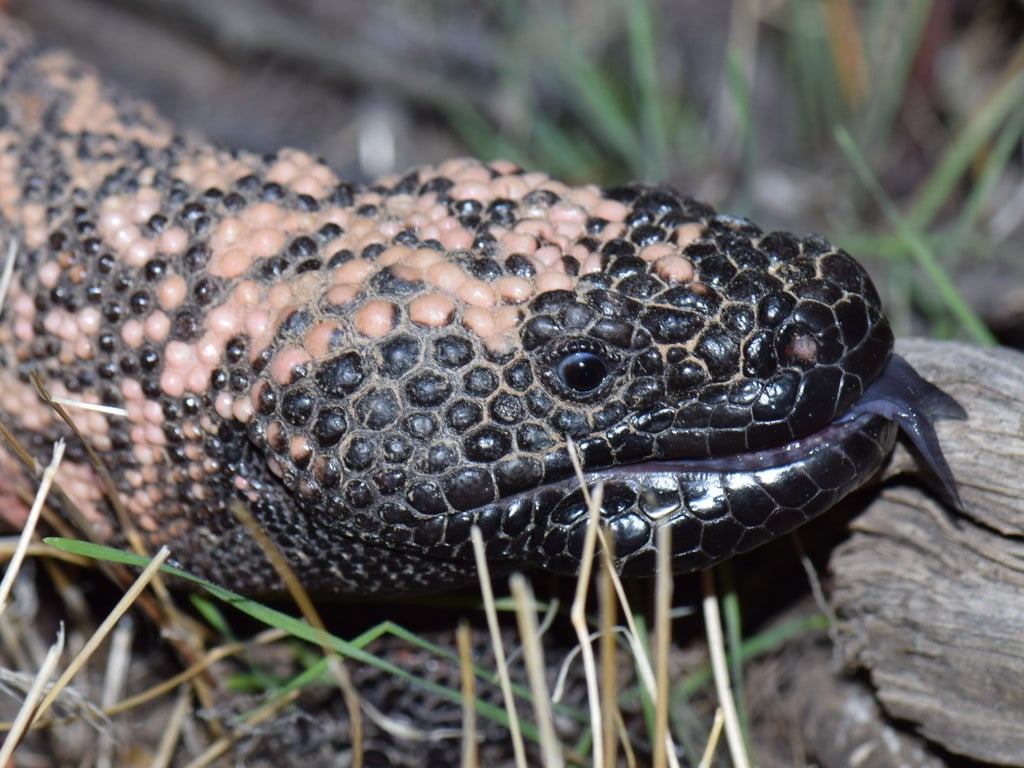
North America’s only venomous lizard obtains all its water from prey like bird eggs, nestlings, and small mammals. These hefty reptiles store fat in their tails, which can be metabolized to produce water when food becomes scarce.
Gila monsters also have incredibly slow metabolisms that minimize water loss through reduced breathing and activity.
Sand Cat
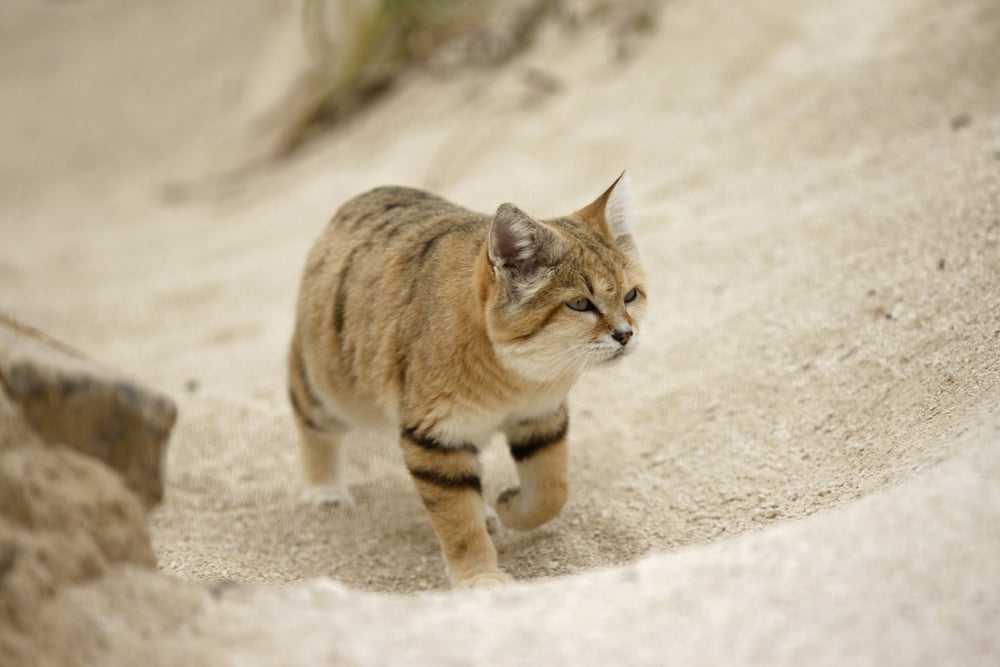
These adorable wild cats survive in some of the world’s harshest deserts by getting moisture exclusively from their prey. Sand cats have developed specialized kidneys that produce highly concentrated urine, while their thick fur protects against both heat and cold.
They can go weeks without food or water by relying solely on the body fluids of rodents, birds, and insects they hunt.
Like Go2Tutors’s content? Follow us on MSN.
Addax Antelope
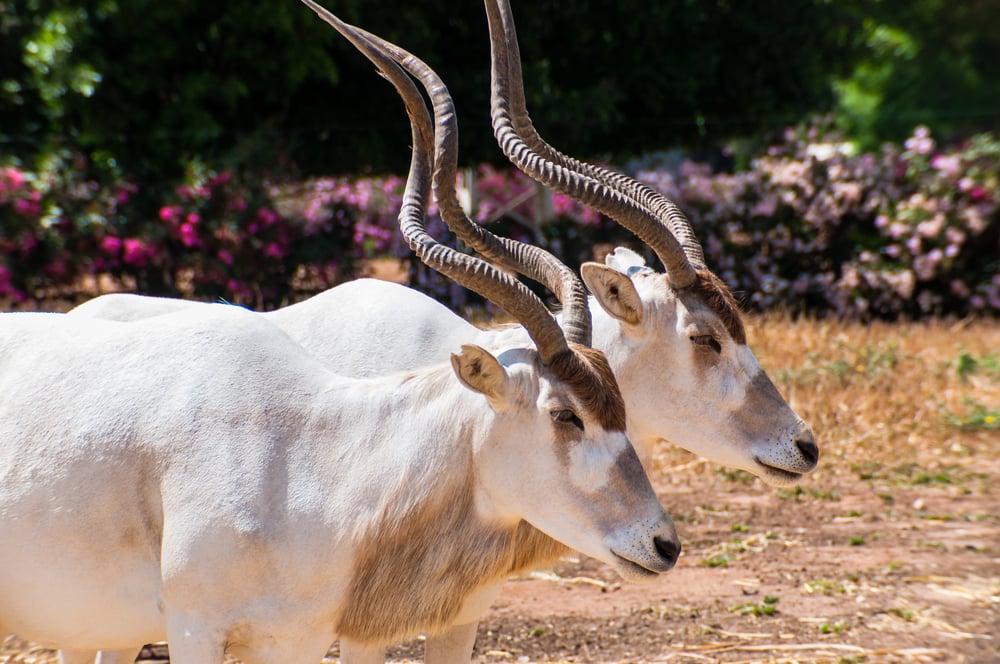
Once widespread across the Sahara, the addax has evolved to extract water from sparse desert vegetation like grasses and herbs. These antelopes can survive without drinking water for months — even years — by efficiently processing moisture from plants.
Their light-colored coat reflects heat while specialized nasal passages cool incoming air and reduce water loss through breathing.
Jerboa
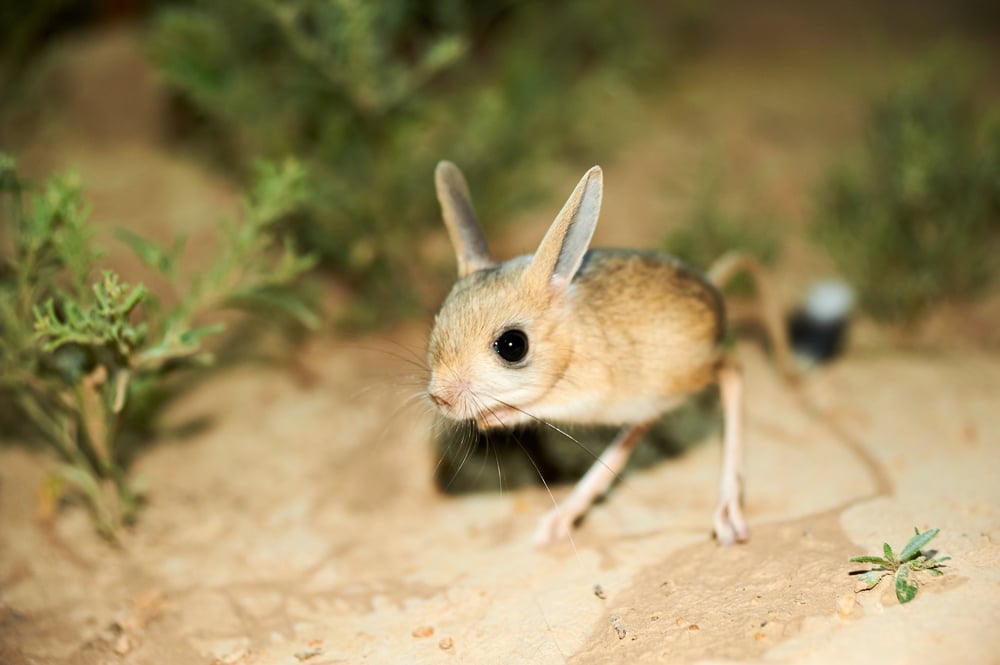
These tiny hopping rodents resemble miniature kangaroos but possess even more impressive water conservation abilities. Jerboas extract all necessary moisture from seeds and plant material while producing extremely concentrated urine that minimizes water waste.
Their efficient kidneys can concentrate urine to levels that would be toxic to most mammals.
Thorny Devil
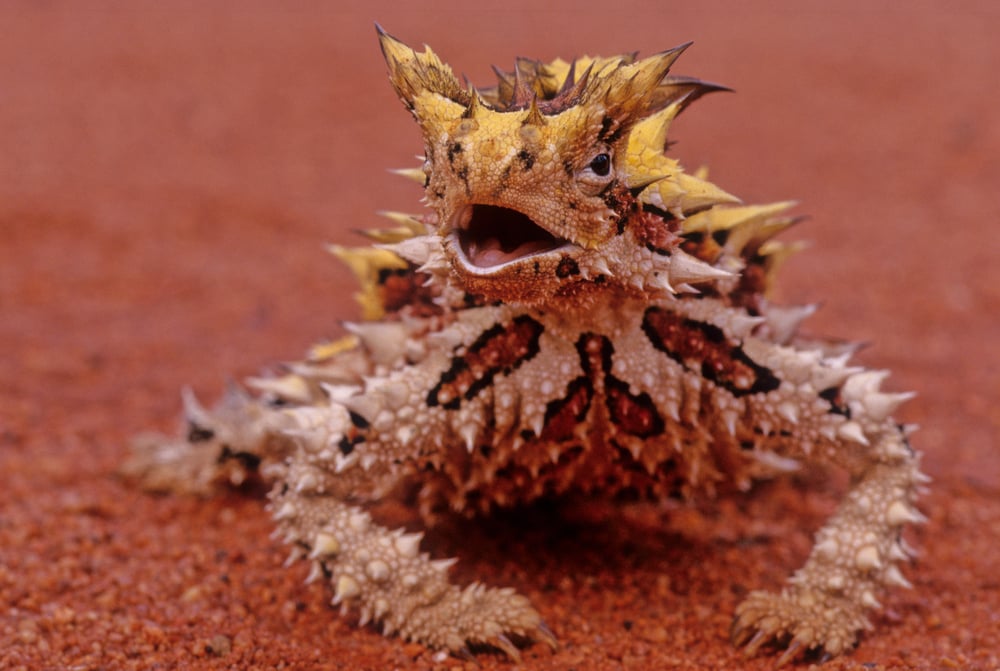
Australia’s remarkable thorny devil has developed one of nature’s most ingenious water collection systems — channeling moisture from any source directly to its mouth through specialized skin grooves. While they primarily obtain water from ants and other insects, their skin can also collect tiny amounts of moisture from fog or rare rainfall.
This lizard essentially wears a built-in water harvesting system across its entire body.
Like Go2Tutors’s content? Follow us on MSN.
Camel Spider
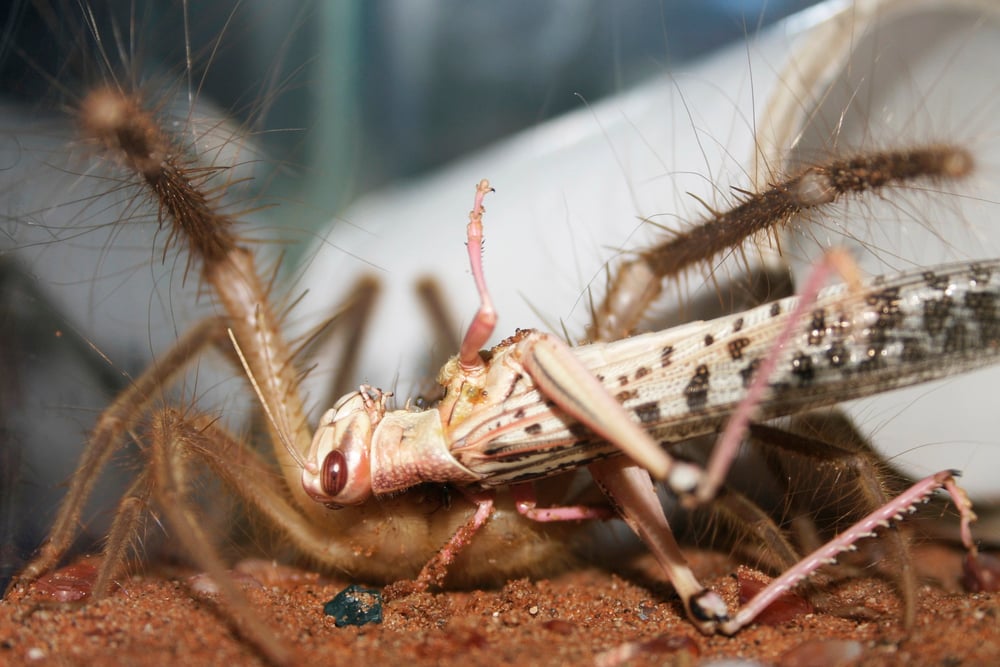
Despite their fearsome appearance, camel spiders (actually arachnids, not true spiders) survive entirely on moisture extracted from their prey. These desert predators can go months without encountering any water source while hunting insects, small reptiles, and rodents.
Their efficient metabolism and ability to remain dormant during extreme heat help conserve every drop of water obtained from food.
Bighorn Sheep
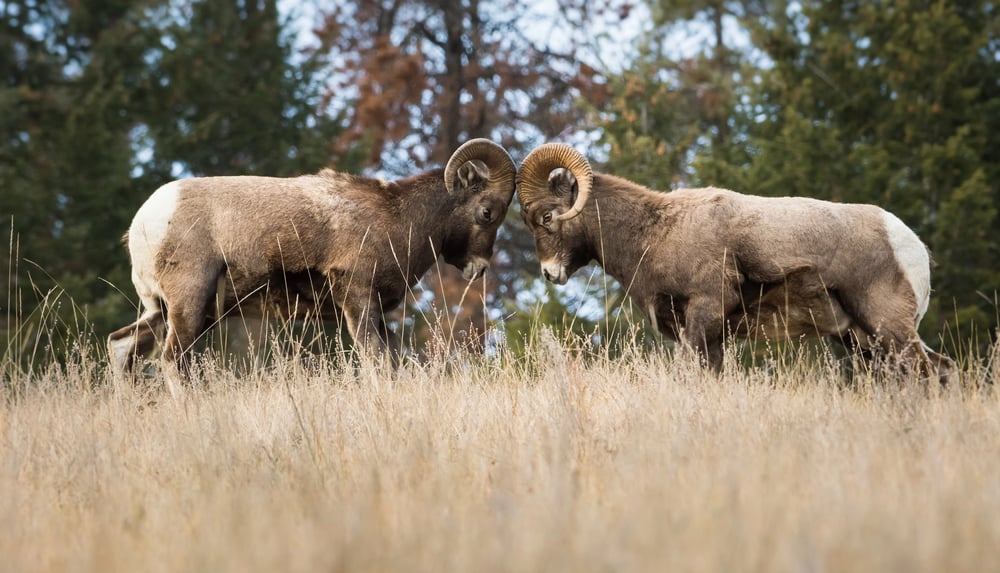
Desert bighorn sheep have adapted to extract water from cacti, dry grasses, and shrubs found in southwestern American deserts. These impressive climbers can survive for weeks without drinking water by efficiently processing moisture from vegetation.
Their specialized digestive systems break down tough plant material while extracting maximum water content from seemingly dry desert plants.
Kit Fox
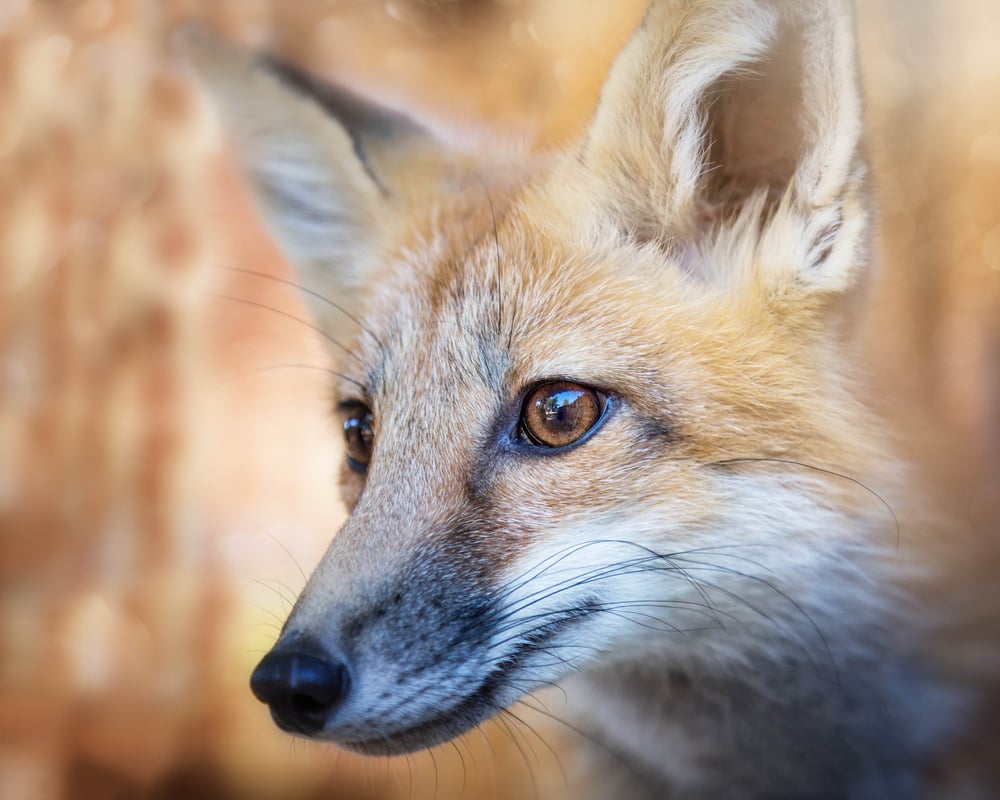
America’s smallest fox species thrives in desert environments by obtaining all necessary water from prey like rodents, rabbits, and insects. Kit foxes have developed highly efficient kidneys and concentrated urine production that conserves water effectively.
Their nocturnal hunting habits also reduce water loss by avoiding the desert’s scorching daytime temperatures.
Like Go2Tutors’s content? Follow us on MSN.
Roadrunner
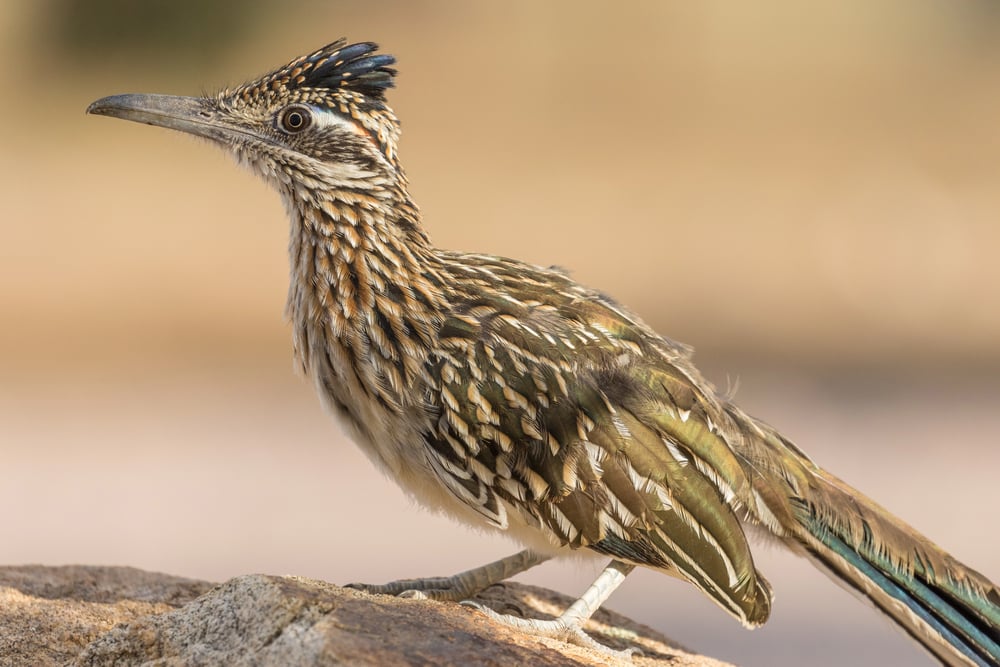
This iconic desert bird gets all its water from lizards, snakes, insects, and small mammals it hunts throughout the day. Roadrunners have developed specialized salt glands that allow them to process saltier foods while conserving fresh water.
These efficient predators can survive in areas where other birds would quickly succumb to dehydration.
Antelope Ground Squirrel
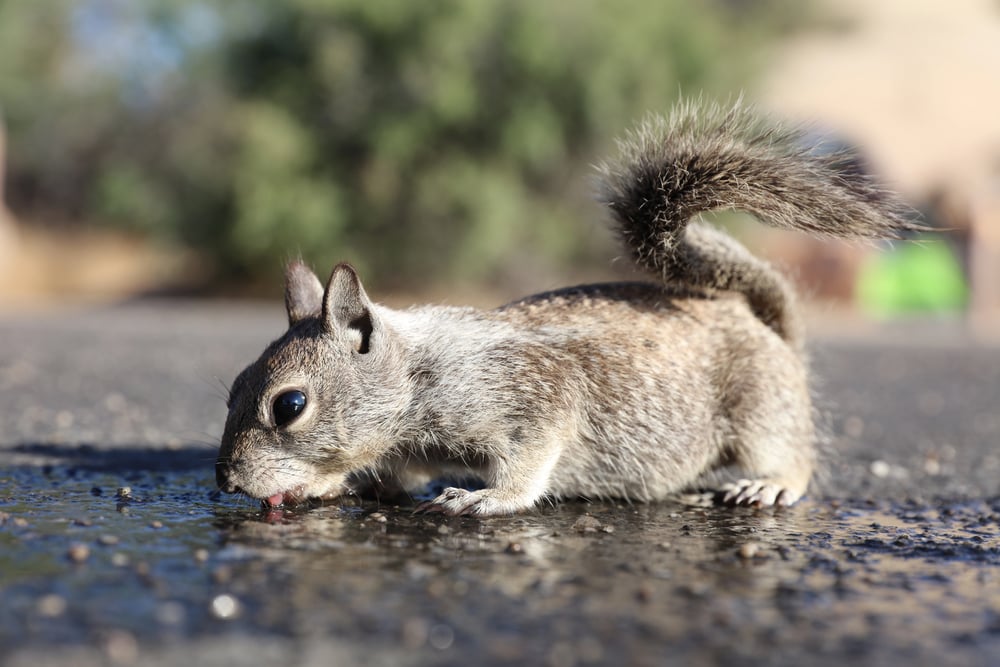
These energetic rodents obtain water exclusively from seeds, green vegetation, and cached plant materials they’ve stored underground. Antelope ground squirrels can tolerate higher body temperatures than most mammals, reducing their need for water-based cooling mechanisms.
Their efficient kidneys produce highly concentrated urine while their behavior patterns minimize exposure to dehydrating desert heat.
Sidewinder Rattlesnake
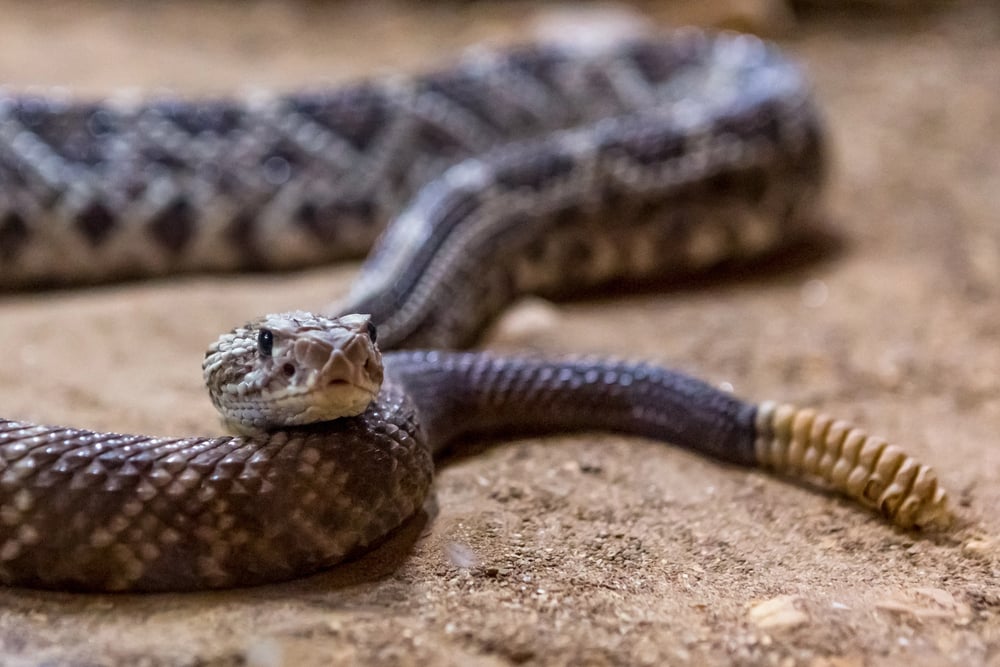
The sidewinder’s unique locomotion isn’t just for moving across sand — it’s part of a water conservation strategy that includes getting moisture entirely from prey. These rattlesnakes can survive months between meals while extracting necessary water from rodents and small mammals.
Their efficient metabolism and ability to remain motionless for extended periods help conserve precious water resources.
Like Go2Tutors’s content? Follow us on MSN.
Desert Hedgehog
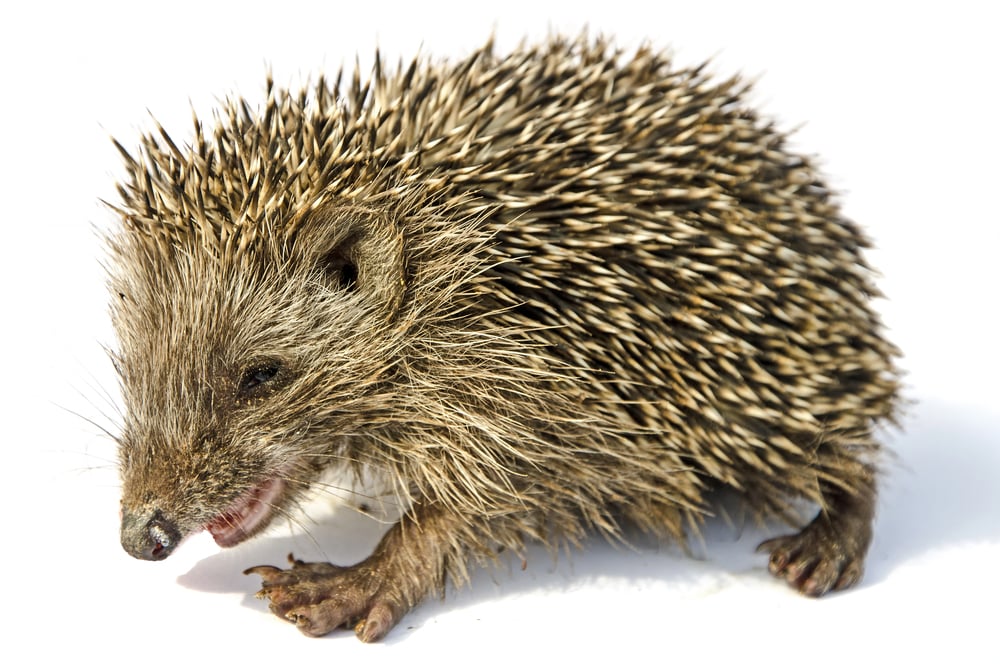
Africa’s smallest hedgehog species survives by extracting water from insects, eggs, and small vertebrates found in arid environments. Desert hedgehogs have evolved efficient kidneys that concentrate urine while their spiny coat provides insulation against temperature extremes.
These nocturnal hunters can go weeks without encountering traditional water sources while maintaining proper hydration levels.
Pocket Mouse
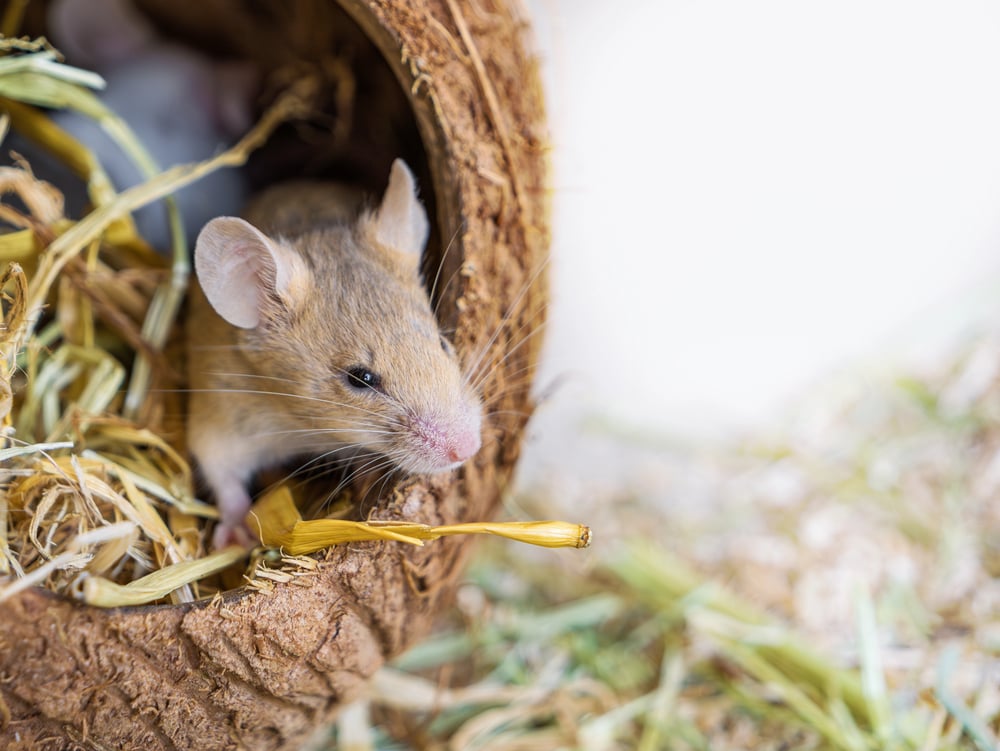
These tiny rodents, weighing less than a quarter, survive entirely on water extracted from seeds and dried plant material. Pocket mice have proportionally enormous kidneys that produce extremely concentrated urine while recycling water multiple times through their system.
Their small size actually becomes an advantage in water conservation since they require minimal moisture to maintain proper hydration.
Arabian Oryx
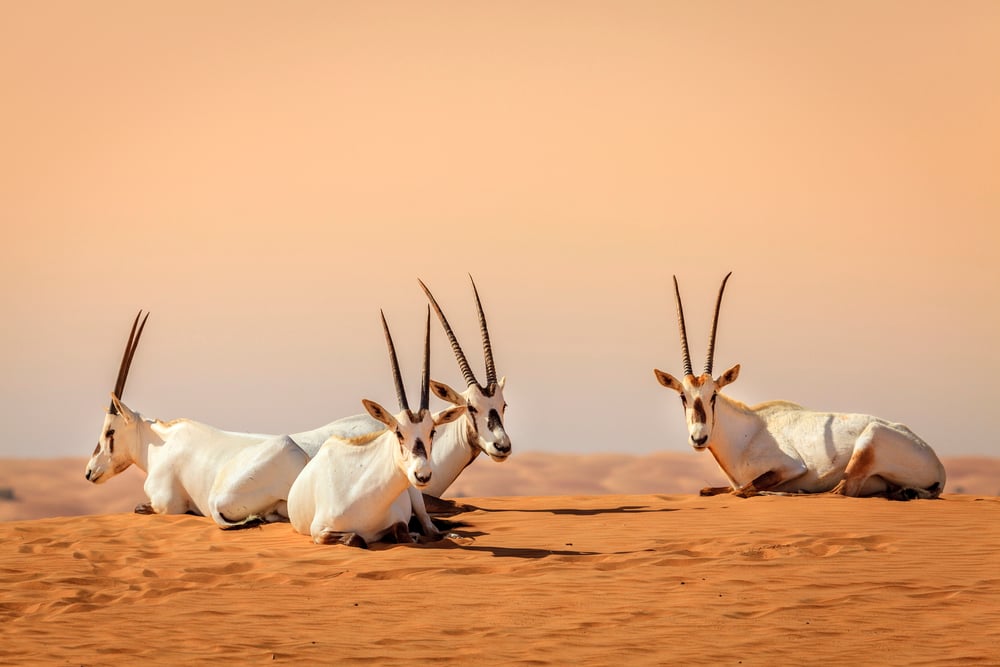
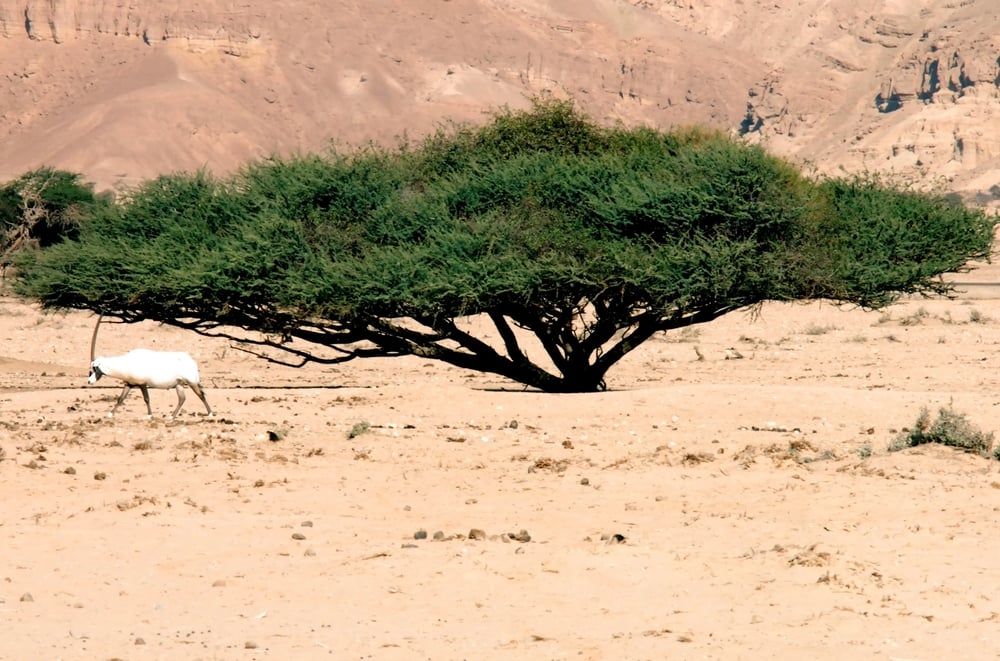
This magnificent antelope was once extinct in the wild but has been successfully reintroduced to Arabian deserts where it survives without drinking water. Arabian oryx extract all necessary moisture from grasses, herbs, and shrubs while their white coat reflects desert heat efficiently.
These antelopes can detect rainfall from miles away and will travel great distances to reach areas with fresh vegetation containing higher water content.
Like Go2Tutors’s content? Follow us on MSN.
Masters of Moisture
These remarkable creatures prove that life finds extraordinary ways to flourish even in Earth’s most challenging environments. Through millions of years of evolution, they’ve developed physiological marvels that would seem impossible to engineers trying to design water-efficient systems.
As climate change continues altering global weather patterns and expanding desert regions, studying these natural water conservation experts becomes increasingly valuable for understanding survival strategies that might inform human technology and conservation efforts.
More from Go2Tutors!

- 16 Historical Figures Who Were Nothing Like You Think
- 12 Things Sold in the 80s That Are Now Illegal
- 15 VHS Tapes That Could Be Worth Thousands
- 17 Historical “What Ifs” That Would Have Changed Everything
- 18 TV Shows That Vanished Without a Finale
Like Go2Tutors’s content? Follow us on MSN.