History of Famous Brand Mascots and Their Fate
There was a time when brand mascots weren’t just logos or cartoon characters — they were part of everyday life.
Some became household names, showing up in TV commercials, cereal boxes, and store shelves like familiar friends.
But while some mascots stuck around and evolved, others faded out or vanished completely.
Let’s look back at some of these well-known brand faces and find out where they are now, and why they either lasted or disappeared.
Ronald McDonald
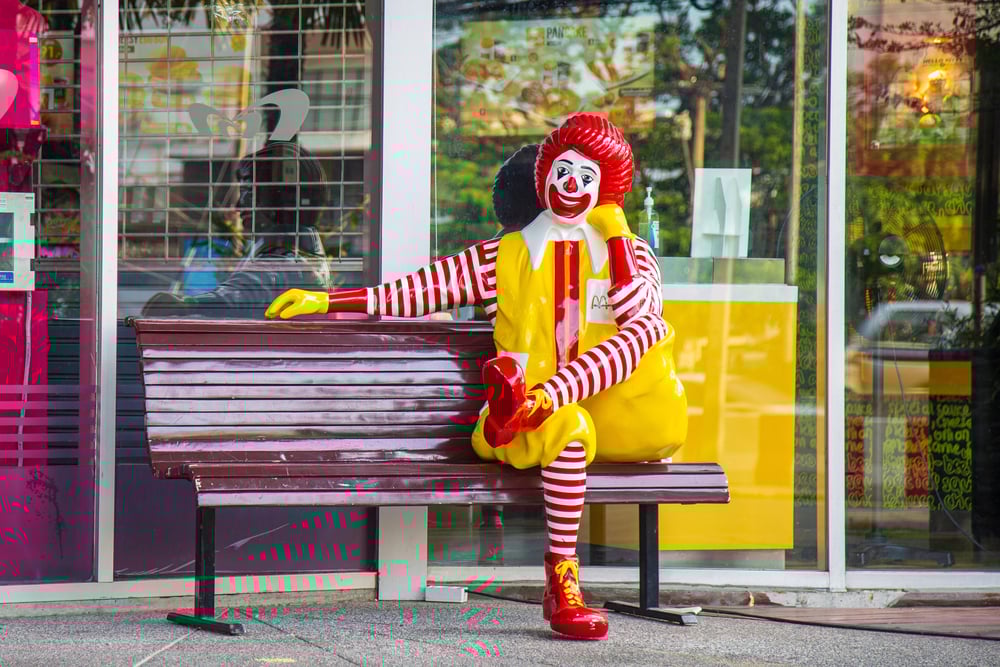
Ronald McDonald once ruled the world of fast food advertising.
He had his own TV commercials, playlands, and even a charity named after him.
But over the years, McDonald’s began stepping away from the clown due to shifting public views.
Some parents found clowns unsettling, and others wanted more focus on healthier eating.
While Ronald still shows up for charity work, he’s mostly missing from mainstream ads now.
The Kool-Aid Man

The Kool-Aid Man’s loud entrances through brick walls made him a hit in the 80s and 90s.
His giant jug body and catchphrase “Oh yeah!” were hard to miss.
He faded a bit as sugary drinks fell out of favor, but he never fully left.
Kool-Aid brought him back in digital ads and even video games, giving him a modern refresh.
He’s still around, just not smashing through walls on TV as often.
Tony the Tiger

Tony the Tiger has stayed strong for decades as the face of Frosted Flakes.
His “They’re grrreat!” catchphrase is still used today.
Over time, his voice and look have been updated, but not too much.
The brand kept him relevant by staying close to sports and fitness themes, appealing to both kids and parents.
Tony remains a solid example of how to evolve without losing what works.
The California Raisins

These singing and dancing raisins were everywhere in the late 80s.
They had music albums, toys, and even a cartoon show.
But they faded quickly when the novelty wore off and production costs ran high.
While they made a few nostalgic returns, they never regained their old popularity.
Today, they’re mostly remembered through memes and retro merchandise.
Chester Cheetah

Chester Cheetah started out as a cool, smooth-talking character for Cheetos snacks.
His attitude and humor clicked with teens in the 90s.
Over time, his look changed to a more modern 3D design, and his style got even bolder.
Chester is still active in ads and social media, often doing wild and funny things.
He’s one of the few that got cooler with age.
The Noid

Domino’s introduced the Noid in the 80s as a villain who tried to ruin pizza deliveries.
He was quirky and strange, and people either loved or hated him.
After a serious incident unrelated to the brand, Domino’s pulled him from ads.
But in recent years, the Noid made a surprise comeback in online campaigns.
He now shows up in games and digital ads, mainly as a throwback.
Cap’n Crunch

Cap’n Crunch has kept a loyal fan base over the years, especially among cereal lovers.
His naval theme and exaggerated style made him stand out.
While his ads have become less frequent, the character still appears on boxes and online.
The company uses him more subtly now, focusing on nostalgia and longtime fans.
He’s less in-your-face but hasn’t really gone anywhere.
Mr. Peanut

Mr. Peanut, with his top hat and monocle, was always more about style than comedy.
Planters recently made headlines by “killing” him off in a Super Bowl ad, only to introduce Baby Nut afterward.
The move was bold and got people talking, even if it felt odd to some.
Mr. Peanut is technically back now, but his image is still shifting.
It’s a rare case of a mascot trying to reinvent itself entirely.
The Burger King King

The King was strange, silent, and a little creepy to some.
He became popular during the 2000s for his weird and funny commercials.
After some backlash, Burger King pulled him from ads to focus on food.
But the King has made a few short returns, mostly in limited campaigns.
He remains one of the oddest yet most recognizable fast food mascots.
The Trix Rabbit

Always trying to steal cereal, the Trix Rabbit was part of one of the longest-running jokes in advertising.
Kids knew the line “Silly rabbit, Trix are for kids!” by heart.
Over time, his role shrank as General Mills reduced cartoon characters in kid-focused ads.
He’s still used occasionally, often in online content or retro-style promotions.
The rabbit’s still silly, just a lot quieter now.
Geoffrey the Giraffe

Geoffrey was the face of Toys “R” Us for years, helping kids dream big.
But when the company went bankrupt, he disappeared almost overnight.
Fans were heartbroken to see him go.
Some efforts to revive the brand brought Geoffrey back, but on a much smaller scale.
For now, he lives on mostly in memories and small relaunch efforts.
Little Caesars’ Caesar

With his “Pizza! Pizza!” line, this character became one of the most recognizable mascots in fast food.
He disappeared for a while in the early 2000s but returned strong with updated ads and animation.
His look stayed pretty simple, and that helped keep him familiar.
The brand used him to highlight low prices and convenience.
He’s a good example of how a mascot can go away and come back without losing impact.
The Michelin Man

Known as Bibendum, the Michelin Man has been around for over 100 years.
His look has changed a lot, becoming slimmer and friendlier over time.
While he’s not always in front of the camera, he shows up in auto shows, safety campaigns, and global events.
His long history helps keep him relevant.
He’s one of the few mascots who’s aged with grace and stayed trusted.
Snap, Crackle, and Pop
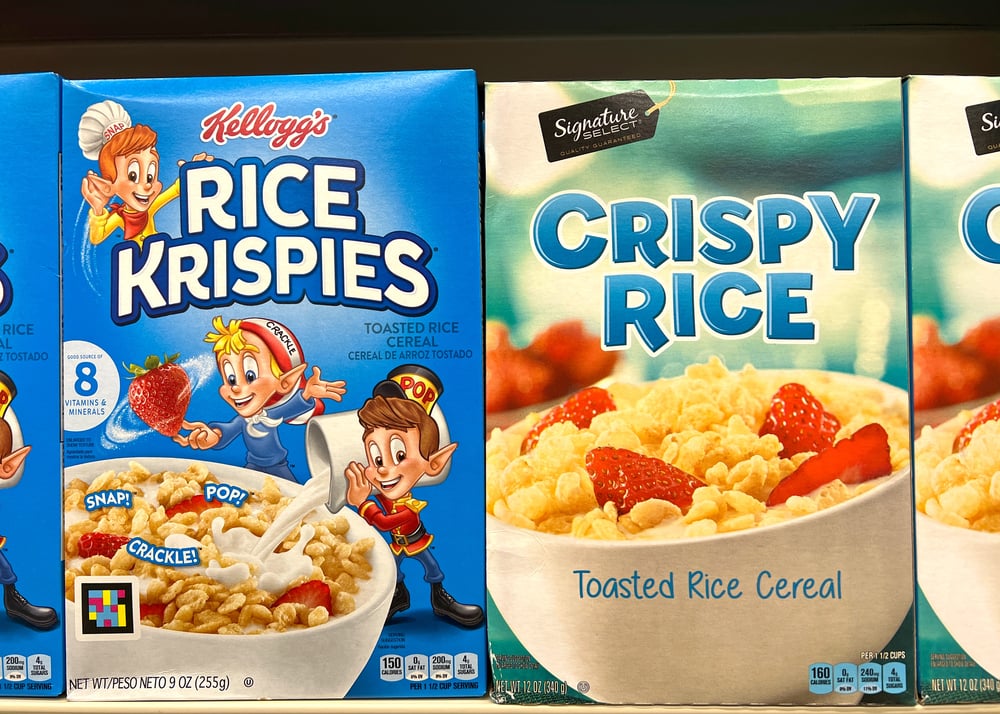
These three cereal elves have been with Rice Krispies since the 1930s.
Their names come from the sounds the cereal makes with milk.
Their look has been modernized a few times, but the basic idea stayed the same.
They’re not as heavily advertised now but still appear on packaging.
They’ve lasted by staying simple and fun.
Green Giant’s Jolly Green Giant

The Jolly Green Giant used to tower over frozen veggie commercials with a deep voice and friendly smile.
Over the years, he’s been used less in ads and more in brand logos.
His size and gentle nature made him memorable, but newer campaigns shifted toward health and recipes.
He’s still part of the brand but now plays more of a background role.
His image remains calm and steady, like the products he represents.
Spuds MacKenzie
Spuds was a dog used by Bud Light in the late 80s to seem more fun and party-friendly.
People loved the dog’s cool outfits and laid-back attitude.
But over time, concerns grew about using a dog to market beer.
The campaign ended, but Spuds made a short comeback years later as a ghost in a holiday ad.
He’s a clear example of a mascot tied to a certain era.
Reflecting on old friends in new times

Many of these mascots were more than just ad tools — they were part of daily life.
Some changed to keep up with new trends, while others quietly left as times shifted.
Whether they made people laugh, feel hungry, or just remember a brand, they left a lasting mark.
Today, brands rely more on social media and influencers, but those old characters still carry weight.
They remind us that good stories, even silly ones, never really go out of style.
More from Go2Tutors!

- 16 Historical Figures Who Were Nothing Like You Think
- 12 Things Sold in the 80s That Are Now Illegal
- 15 VHS Tapes That Could Be Worth Thousands
- 17 Historical “What Ifs” That Would Have Changed Everything
- 18 TV Shows That Vanished Without a Finale
Like Go2Tutors’s content? Follow us on MSN.