16 Jobs That Were Deadly in the 1800s
The 1800s marked a brutal chapter in working history when industrial progress came at an enormous human cost. Workers faced daily dangers that would horrify modern safety inspectors, with little to no protection from employers who viewed accidents as simply the price of doing business. Death rates in some industries reached staggering levels, with coal mining alone killing 300 out of every 100,000 workers annually by 1900.
These dangerous occupations weren’t just risky—they were often fatal. Here’s a list of 16 jobs from the 1800s that were so hazardous they essentially amounted to death sentences for many who took them on.
Coal Mining
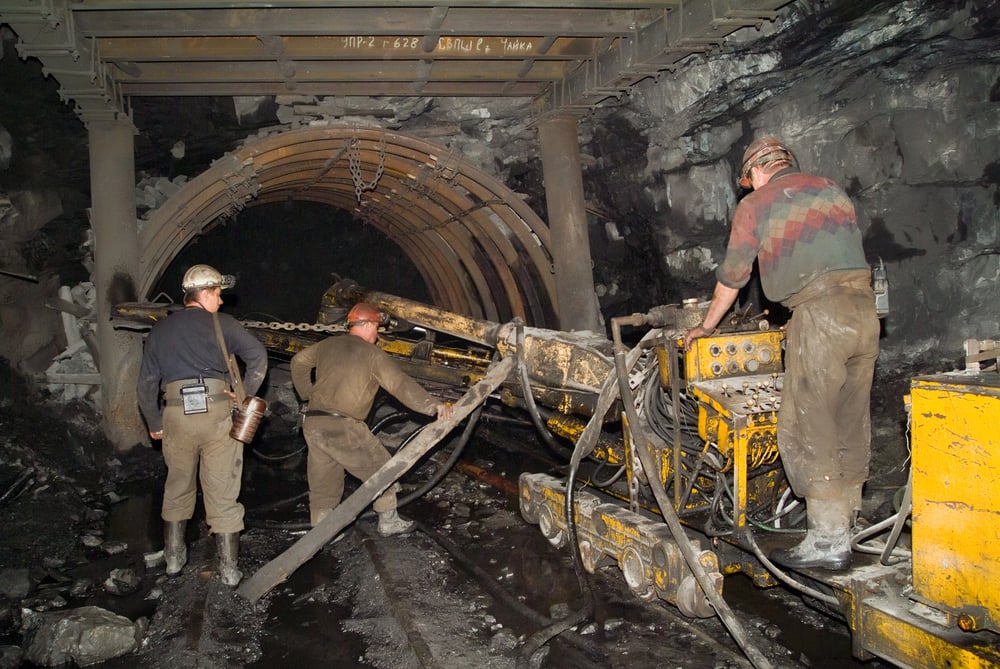
Coal mining claimed about 300 out of every 100,000 miners each year around 1900, making it one of the deadliest professions of the era. Cave-ins trapped workers underground with little hope of rescue, while poisonous gases like methane and carbon monoxide turned mines into death chambers. A single spark? Game over for dozens of men.
Underground conditions were nightmarish even on good days. Miners worked in cramped, poorly ventilated spaces where the air was thick with coal dust that destroyed their lungs over time, and many developed ‘black lung disease’ from breathing this toxic environment day after day.
Chimney Sweeping

Children as young as four were sent up narrow chimneys, where they often became stuck and suffocated or burned to death. The job required crawling through spaces just 9 inches wide, with soot filling their lungs and scraping their skin raw—picture trying to squeeze through a mail slot while someone throws dirt at you. Master sweeps sometimes lit fires below to force terrified children to climb faster, leading to horrific burns.
Those who survived long enough developed ‘chimney sweeps’ carcinoma,’ a painful cancer of the scrotum that typically killed them in their teens. The children slept on soot sacks, were rarely washed, and worked from before dawn until late at night with only one day off per year.
Factory Work
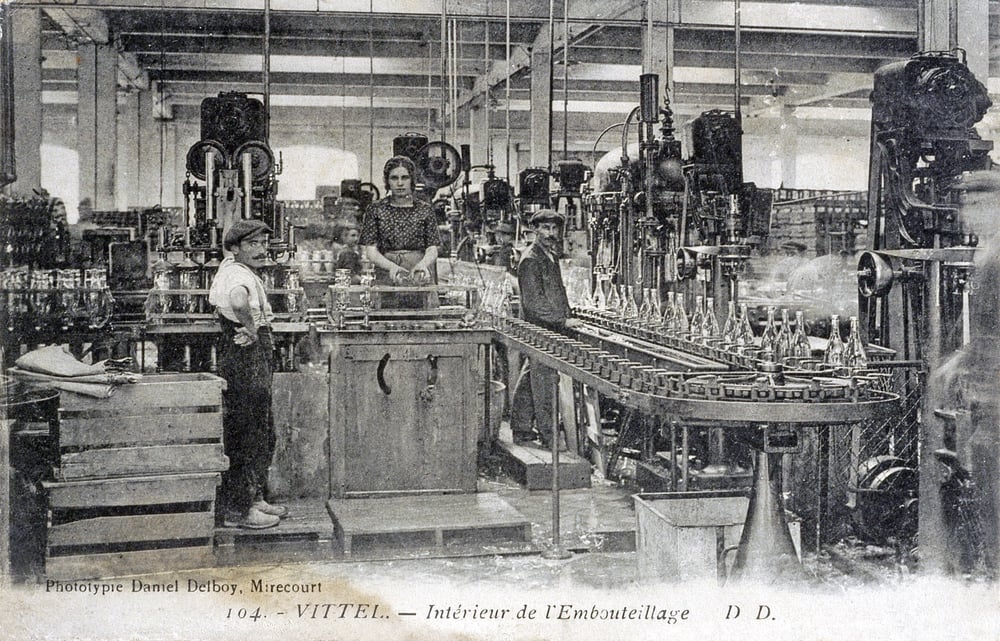
The Industrial Revolution turned factories into death traps where machinery accidents could lead to burns, arm and leg injuries, amputation of fingers and limbs, and death. Workers operated dangerous equipment with no safety guards or emergency stops, and getting caught in moving belts or gears meant certain mutilation or death.
Factory floors were overcrowded and poorly lit, increasing the chances of fatal accidents. A machinist got his arm caught in a rapidly moving belt, which jerked it from its socket before he fell 50 feet to the floor—his fellow workers ran in panic at his shrieks. Such gruesome accidents were reported regularly, with children being particularly vulnerable to the spinning machinery they crawled under to collect cotton scraps.
Railroad Work
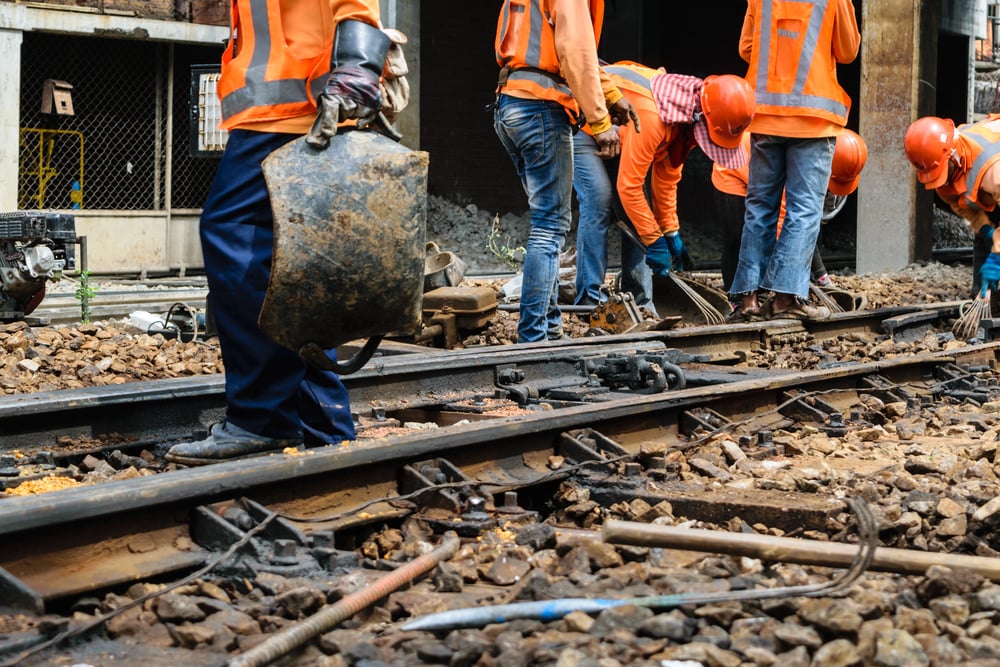
before serving at State Railway of Thailand.
— Photo by PongMoji
In 1910 alone, 3,383 railroad workers were killed and another 95,000 were seriously injured in what was considered normal business operations. Workers faced crushing between train cars, derailments, and explosions from faulty boilers, while the primitive coupling systems required workers to stand between moving cars to connect them, leading to countless deaths from being crushed.
Railroad construction was equally deadly. Workers blasted through mountains and laid track across treacherous terrain, facing bridge collapses and tunnel cave-ins as regular workplace hazards, and workers had no compensation for injuries that left them unable to work.
Steel Production
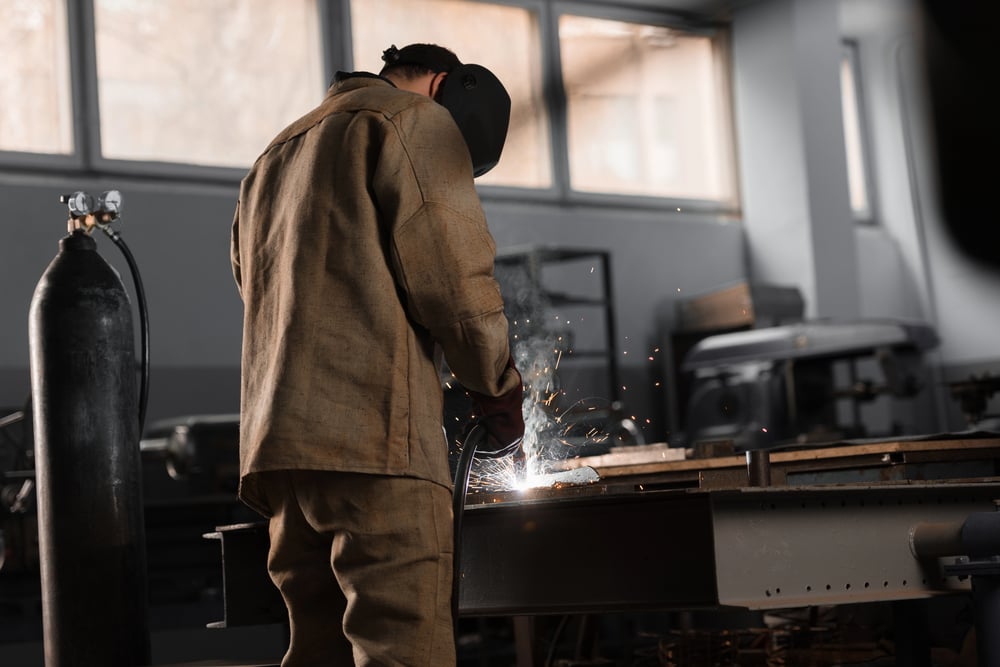
Steel mills were furnaces of death where workers faced molten metal, toxic gases, and crushing machinery. From 1906 to 1910, accident rates for immigrants at steel works were double those for English-speakers, with about one-fourth of immigrant workers killed or injured each year. The extreme heat from blast furnaces could kill workers who ventured too close, while poisonous carbon monoxide gas created invisible death traps.
Workers described how staying near the furnaces for even a short time could make you ‘drunk’ from gas exposure. Stay longer? Certain death. The combination of inexperience and language barriers made immigrant workers especially vulnerable to these industrial hazards.
Textile Mills
— Photo by PixHound
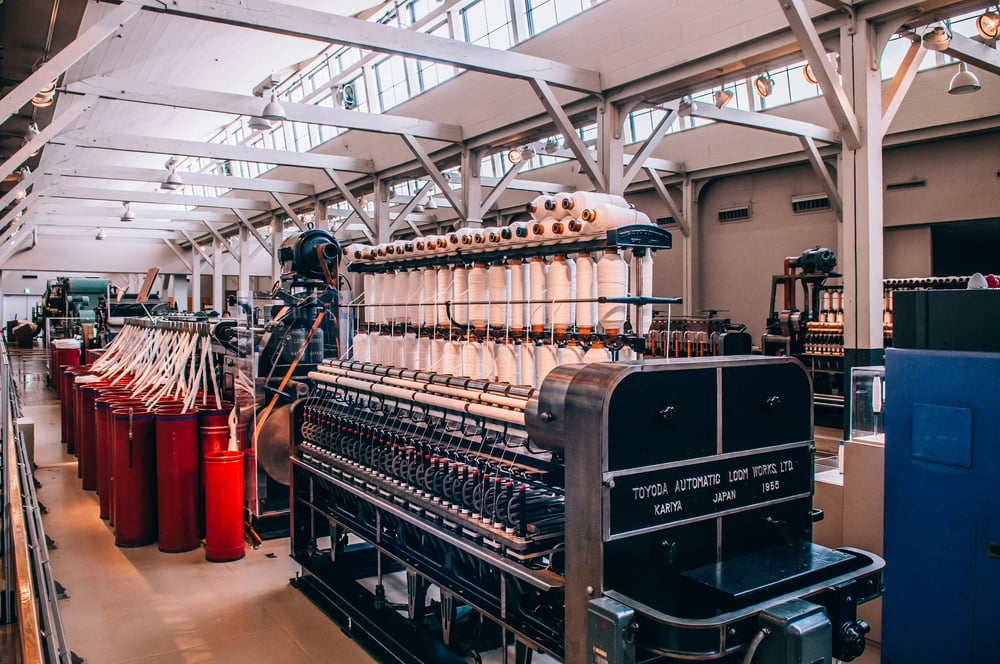
Cotton mills filled the air with lint and dust that workers inhaled constantly, leading to respiratory diseases like ‘mill fever.’ The air was thick with lint, causing breathing problems, while dangerous machinery posed threats with no safety guards or emergency stops—think of trying to work next to a giant blender with no lid. Workers, including many children, operated spinning machines that could easily catch clothing or hair, dragging victims into the mechanisms.
The deafening noise from looms caused permanent hearing loss. The humid conditions necessary for cotton processing created perfect breeding grounds for disease, and child workers were especially vulnerable, with many suffering stunted growth and deformities from the demanding physical labor.
Logging
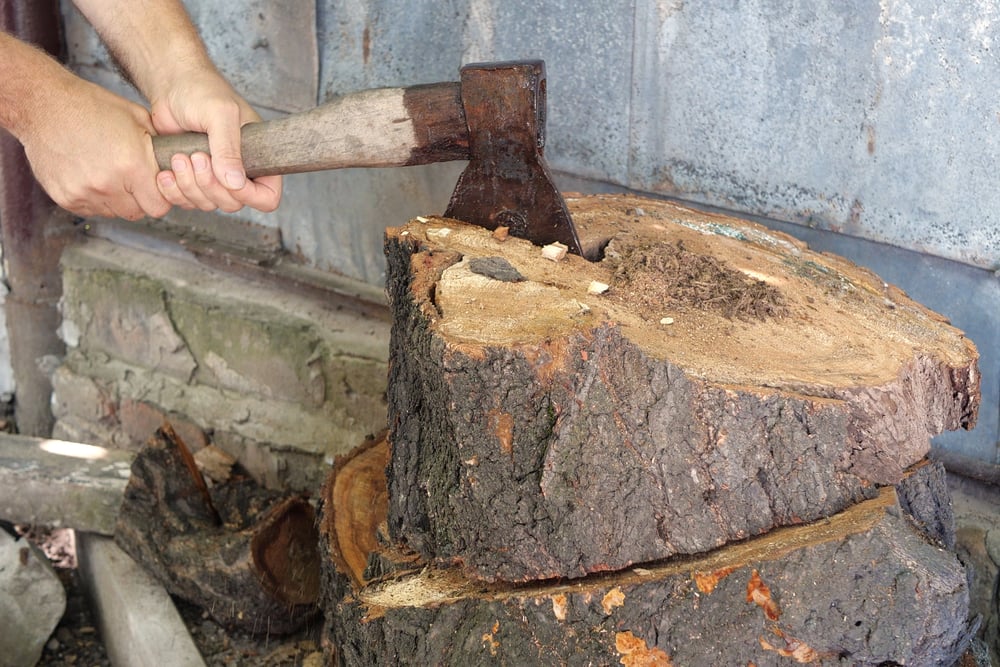
Loggers worked in dense forests where massive trees could fall unpredictably, crushing anyone in their path. A single miscalculation during tree felling could lead to fatal accidents, and the remote locations meant help was often hours away. Workers used hand tools and primitive equipment to fell giant trees, with no way to control exactly where they would fall.
River driving, where loggers guided cut timber downstream, was particularly treacherous. Men walked on floating logs in rushing water, and a single misstep could mean drowning or being crushed by tons of moving timber.
Shipbuilding
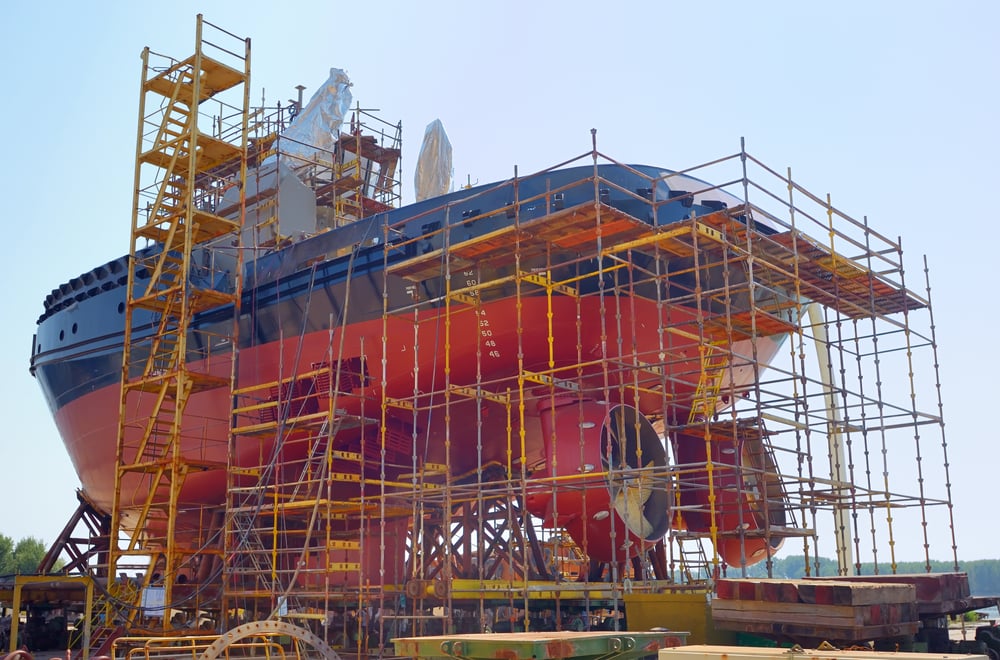
Constructing massive ships required working at significant heights, where falls were a constant danger. Workers climbed rickety scaffolding and walked on narrow beams high above the ground with no safety harnesses or nets to catch them if they fell, while the shipyards were chaotic environments with heavy materials being moved by primitive cranes and hoists.
Riveting work exposed men to extreme heat and dangerous tools. The confined spaces inside ship hulls became death traps when accidents occurred, and workers faced burns from red-hot metal, crushing injuries from falling materials, and drowning when partially completed vessels took on water.
Fishing

Fishermen braved unpredictable and violent weather in small, poorly constructed boats that could capsize during storms. They ventured into treacherous waters without adequate safety equipment, navigation tools, or communication devices, so when storms hit, entire crews could be lost without anyone on shore knowing their fate.
The primitive boats offered little protection from the elements, and hypothermia claimed many lives in cold northern waters. Fishing nets and lines posed additional dangers, with workers frequently tangled in equipment and dragged overboard to drown.
Match Making
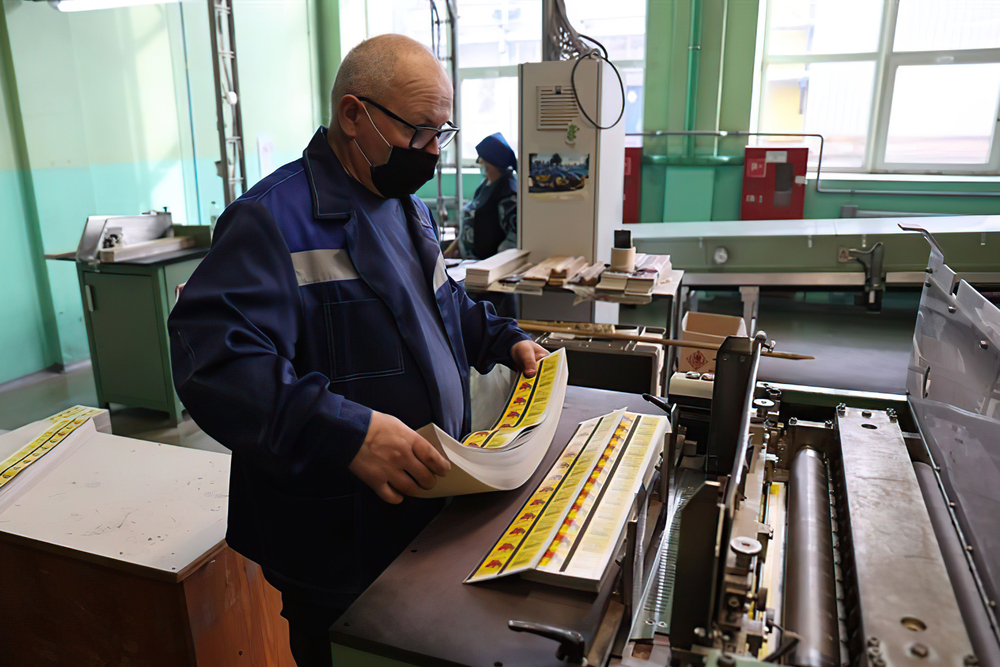
Match factory workers, mostly women, faced a horrifying occupational disease called ‘phossy jaw.’ Workers dipped match heads into tanks of phosphorus, and inhaling the fumes caused a horrible disease with terrible pain in their jaw and teeth, eventually leading to disfigurement, brain damage, and death—the phosphorus literally caused bone and tissue to die and rot away, creating foul odors and disgusting discharge.
The disease was completely preventable with proper ventilation and safety measures. Still, factory owners ignored the dangers to maximize profits, and workers who developed symptoms were often fired rather than treated.
Glass Making
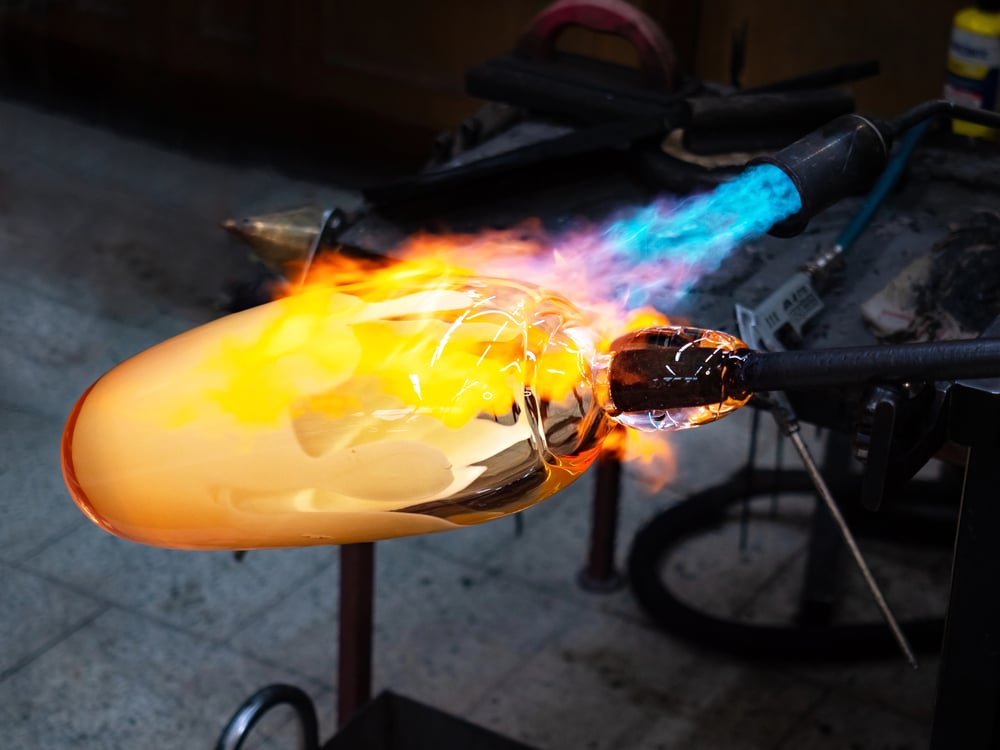
Glass workers regularly suffered burns, sometimes severe, and too many became blind from the intense heat of the furnaces. They worked with molten glass at temperatures exceeding 2,000 degrees Fahrenheit, with no protective equipment beyond basic aprons, while the constant exposure to extreme heat caused permanent eye damage and frequently led to total blindness.
Workers also faced cuts from broken glass, burns from molten material, and lung damage from inhaling glass particles and furnace fumes. The combination of heat, sharp materials, and toxic gases made glass factories among the most dangerous workplaces of the era.
Meat Packing
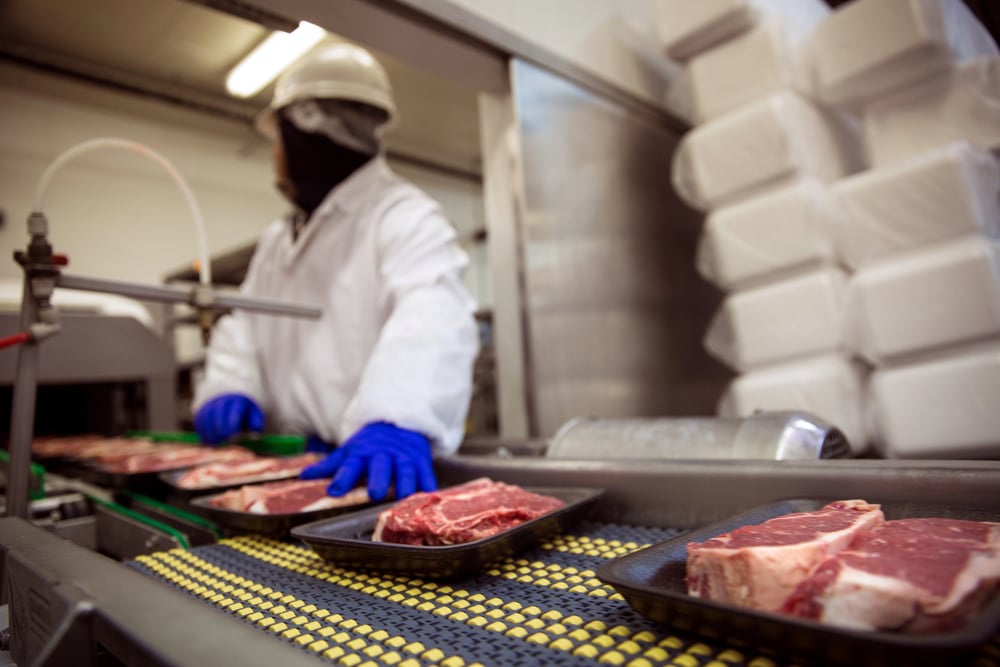
Workers assigned to pickle rooms frequently developed nasty infections from constantly handling cold meat, as preservation methods before refrigeration involved harsh chemicals and unsanitary conditions. Sharp knives, slippery floors, and fast-paced work led to frequent cuts and amputations, while workers stood for hours in cold, damp conditions that promoted disease and infection.
The primitive preservation chemicals used in pickle rooms caused skin irritation and respiratory problems. The unsanitary conditions spread diseases throughout the workforce, and many workers developed chronic health problems from exposure to these harsh working conditions.
Candle Making

Candle factories exposed workers to toxic fumes from burning wax and chemicals, causing respiratory damage and poisoning. The hot wax posed constant burn risks, while the repetitive dipping process in scalding materials led to frequent accidents—workers faced long hours in poorly ventilated spaces filled with dangerous vapors.
The lead wicks used in many candles created additional health hazards. Workers developed lead poisoning from constant exposure, and factory fires were common due to the combustible materials, trapping workers in buildings with inadequate exits.
Pottery Work

Potter workers faced lead poisoning from glazes that contained high concentrations of the toxic metal. The lead caused neurological damage, kidney failure, and death over time, while workers had no understanding of the invisible danger they faced daily. The pottery kilns reached extreme temperatures that caused burns and heat exhaustion.
Clay dust filled the air in pottery workshops, causing lung disease similar to that suffered by miners. The combination of toxic materials, extreme heat, and poor ventilation made pottery work a slow death sentence for many craftsmen.
Tanning
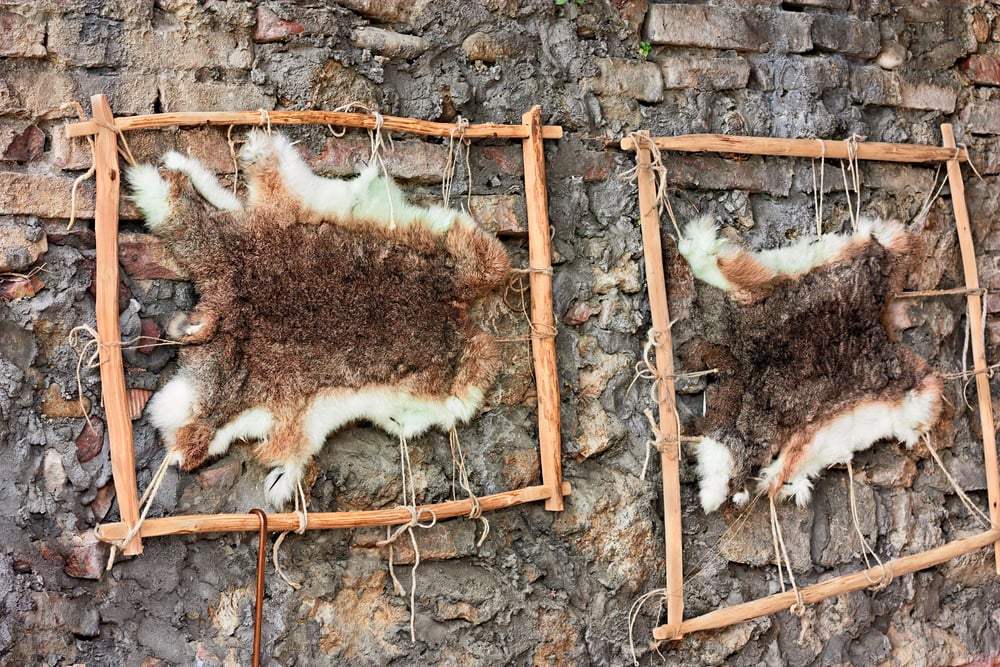
Leather tanning exposed workers to dangerous chemicals including arsenic, mercury, and caustic lime solutions that burned skin and damaged organs. The process required workers to handle animal hides treated with toxic substances, leading to chemical burns and poisoning, while tanners often developed chronic illnesses from exposure to these hazardous materials.
The work involved standing in chemical baths that could cause severe skin damage and respiratory problems. Many tanners suffered from what was called ‘tanner’s disease,’ a collection of symptoms including kidney damage, nerve problems, and skin conditions that frequently proved fatal.
Blacksmithing
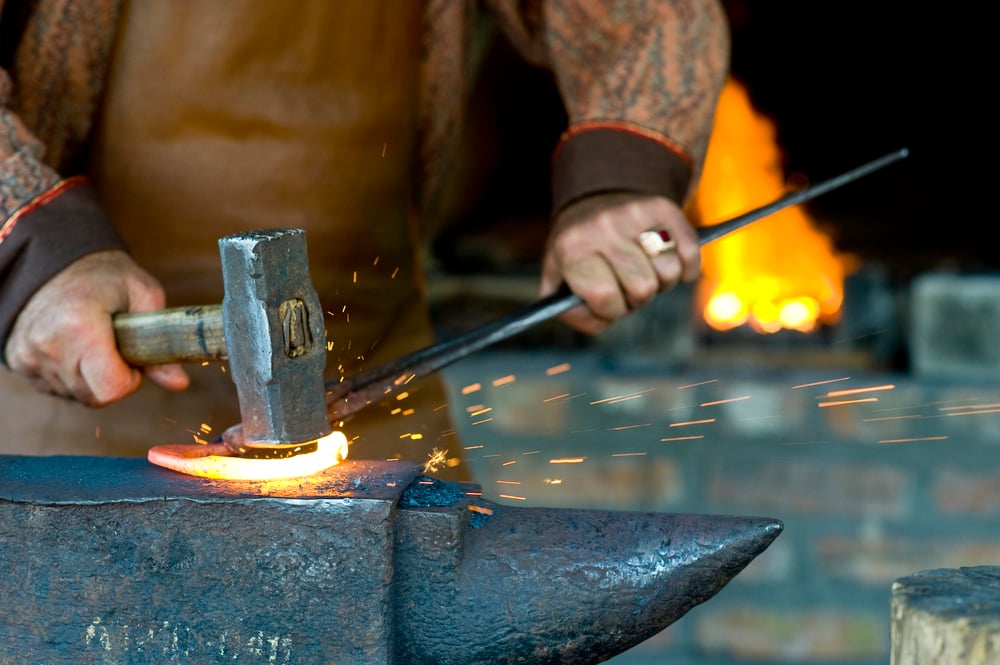
Blacksmiths worked with red-hot metal and open flames that could cause severe burns or set clothing ablaze. The constant exposure to extreme heat led to exhaustion and dehydration, while flying sparks and hot metal fragments posed risks to eyes and skin—the physical demands of hammering hot metal caused repetitive strain injuries and joint problems.
Carbon monoxide from forge fires created invisible dangers in poorly ventilated workshops. The risk of explosion from faulty bellows or improper fuel handling could kill workers instantly, and many blacksmiths suffered permanent injuries from burns, cuts, and crushing accidents involving heavy hammers and anvils.
From Workplace Carnage to Modern Safety

The staggering death toll from these 1800s occupations eventually sparked the safety revolution that protects workers today. The horrific conditions and preventable deaths couldn’t be ignored forever, especially as survivors began organizing and demanding basic protections. What started as a century marked by industrial brutality gradually transformed into an era where worker safety became a legal and moral obligation rather than an afterthought.
More from Go2Tutors!

- 16 Historical Figures Who Were Nothing Like You Think
- 12 Things Sold in the 80s That Are Now Illegal
- 15 VHS Tapes That Could Be Worth Thousands
- 17 Historical “What Ifs” That Would Have Changed Everything
- 18 TV Shows That Vanished Without a Finale
Like Go2Tutors’s content? Follow us on MSN.