15 Famous Buildings That Were Built Over Something Much Older and Forgotten
Modern cities often stand on layers of history, with new construction literally rising from the foundations of the past. What we see today frequently conceals older structures that were demolished, abandoned, or simply built over as urban landscapes evolved through centuries.
Here is a list of 15 famous buildings around the world that were constructed on top of much older and largely forgotten structures, revealing fascinating stories of architectural palimpsests.
The Basilica of St. Peter
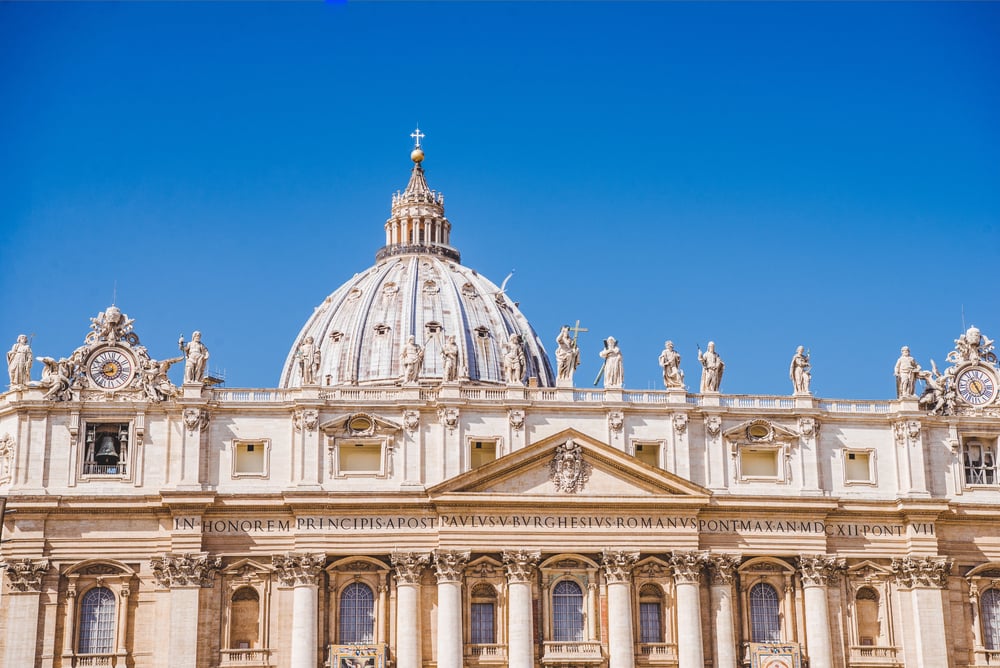
The magnificent St. Peter’s Basilica in Vatican City sits directly above the original 4th-century basilica commissioned by Emperor Constantine. When Pope Julius II ordered the reconstruction in the 16th century, the new building was deliberately positioned to cover the old church’s footprint.
Beneath the basilica lies the Vatican Necropolis, containing tombs dating back to the 1st century, including what many believe to be the burial site of St. Peter himself.
Mexico City Metropolitan Cathedral

The remains of the Templo Mayor, the main temple of the Aztec city Tenochtitlan, are now the site of this magnificent colonial church. Following their conquest of the Aztec Empire in 1521, Spanish conquistadors demolished the enormous pyramid temple and used many of its stones to construct the cathedral.
Large portions of the old temple complex were discovered during archeological digs in the 1970s; these can currently be seen next to the cathedral.
The Louvre Museum
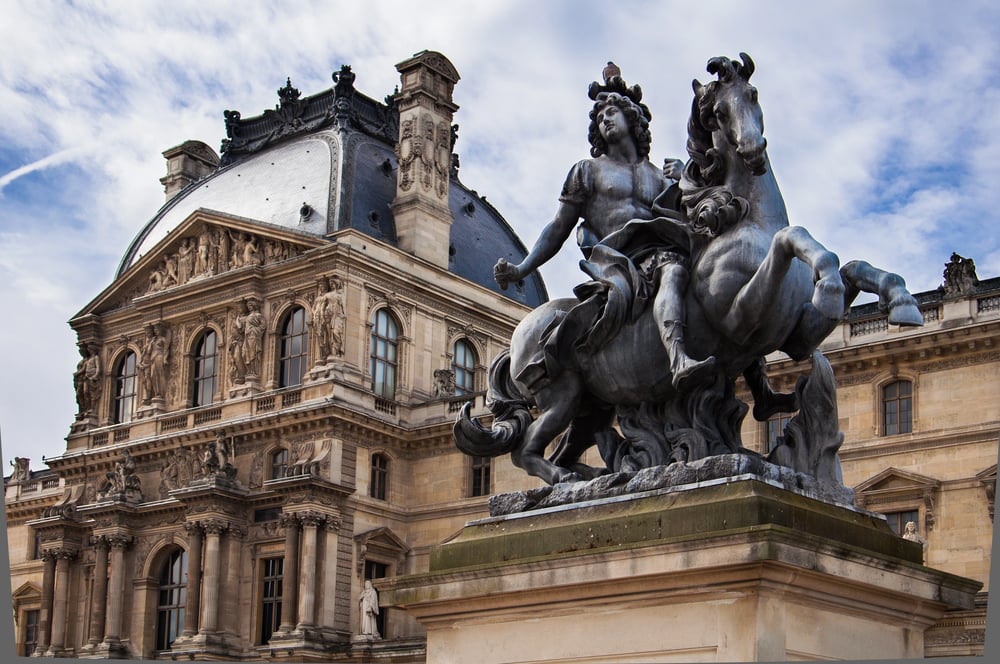
Before becoming one of the world’s greatest art museums, the Louvre was a medieval fortress built by King Philip II in the late 12th century. As Paris expanded, the fortress was converted into a royal residence and eventually the museum we know today.
Visitors can still explore the remnants of the original fortress in the Louvre’s basement level, complete with the moat and foundation walls that once protected the medieval city.
Istanbul’s Hagia Sophia
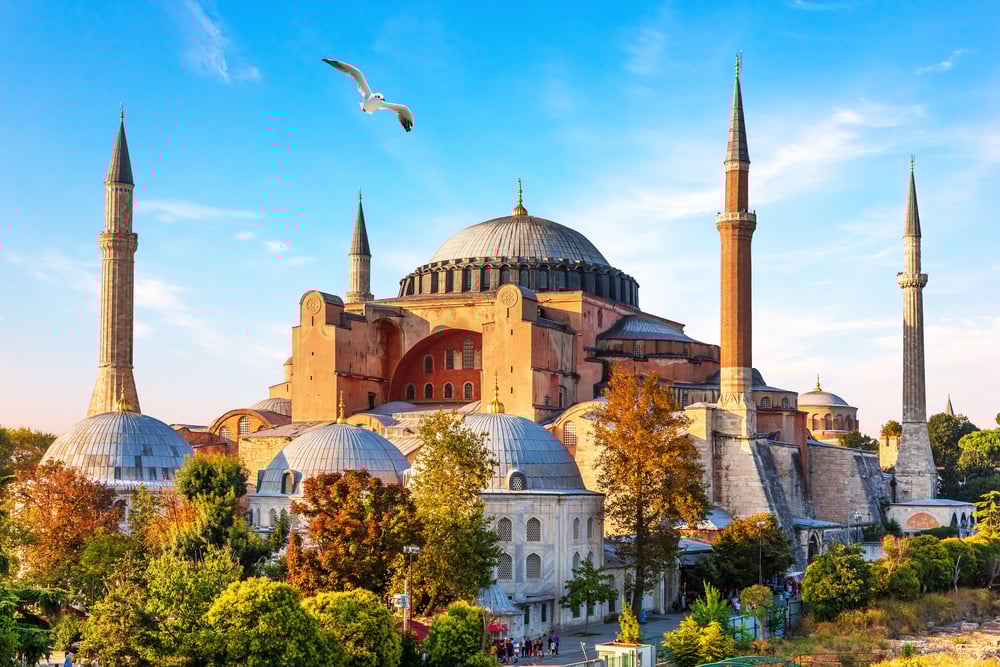
This architectural wonder has been used as a museum, an Ottoman mosque, a Byzantine church, and now a mosque once more. Many people are unaware that the present building, which was constructed in 537 CE, actually rests on the foundations of two earlier churches.
Emperor Justinian built the larger building that still stands today after the first, built by Emperor Constantine in 360 CE, was destroyed in riots and the second was destroyed by fire during the Nika Revolt in 532 CE.
Westminster Abbey
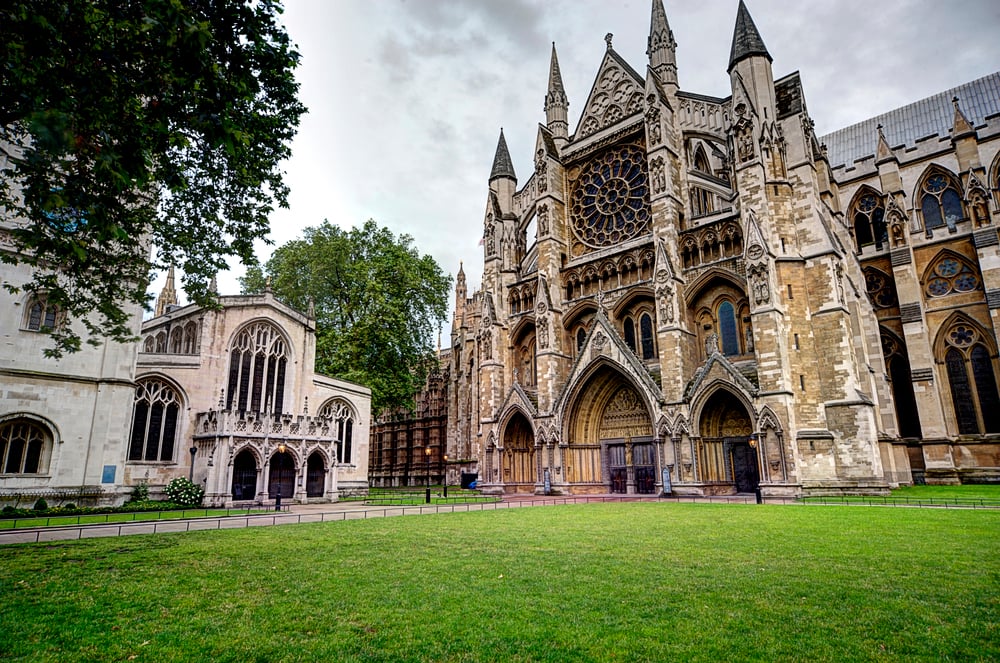
London’s iconic Gothic church stands on a site with religious significance dating back over a thousand years. The present abbey was started by Henry III in 1245, but it replaced a Norman church built by Edward the Confessor in the 1060s.
That church, in turn, had replaced a Saxon monastery established in the 960s. Archaeological evidence suggests the site may have held religious significance even before Christianity arrived in Britain.
The Pantheon in Rome

The perfectly preserved Roman temple with its remarkable dome was actually built on the site of an earlier temple commissioned by Marcus Agrippa around 25 BCE. That original structure burned down, and Emperor Hadrian rebuilt the current version around 126 CE.
Recent ground-penetrating radar studies have revealed that the Pantheon’s foundation extends much deeper than previously thought, suggesting even earlier structures might lie beneath.
The Seville Cathedral
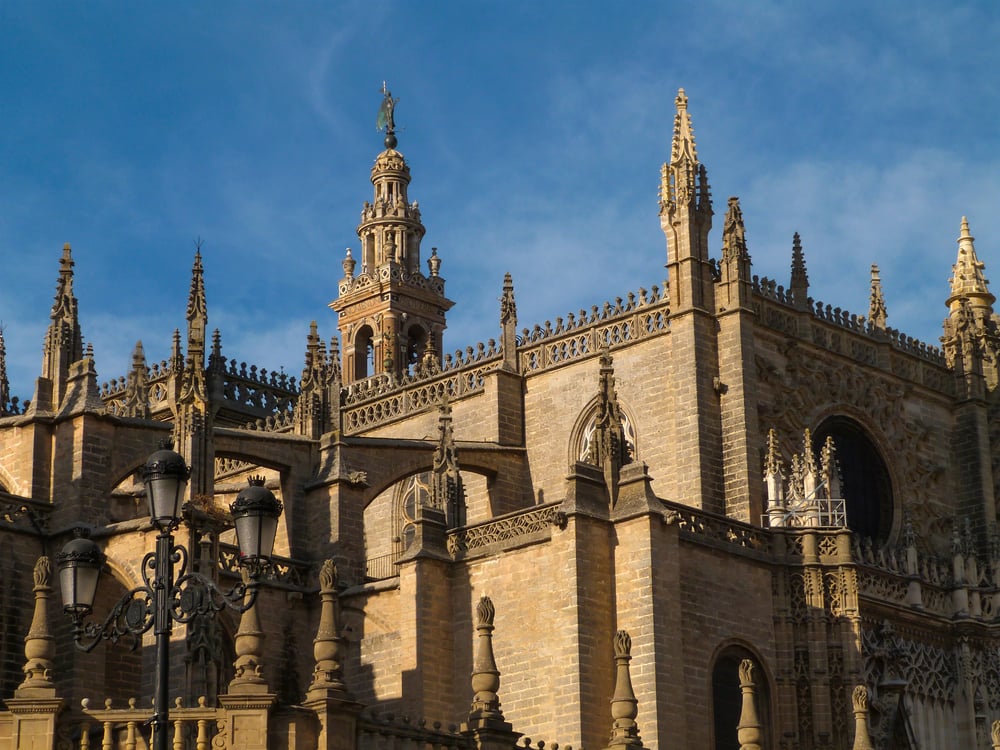
This massive Gothic cathedral in Spain was built directly on top of the Almohad Mosque that occupied the site during Muslim rule. When Christians reconquered Seville in 1248, they initially used the mosque for worship, but eventually demolished most of it to build the cathedral beginning in 1401.
The mosque’s minaret was preserved and converted into the cathedral’s bell tower, known as La Giralda, and the Patio de los Naranjos (Court of Oranges) from the original mosque also remains.
Edinburgh Castle
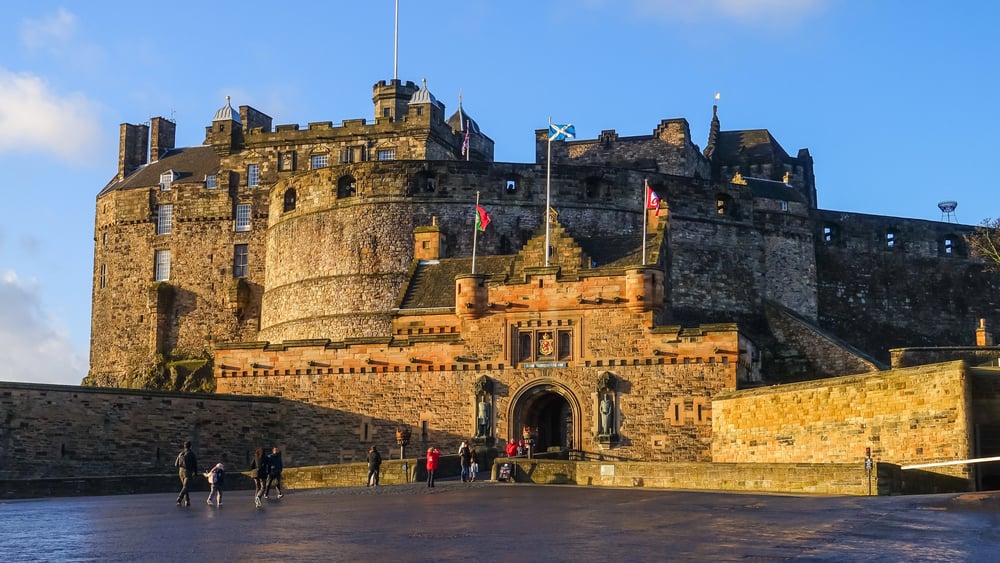
Perched dramatically on Castle Rock, Edinburgh Castle sits atop layers of history spanning thousands of years. Archaeological evidence shows human occupation of the site dating back to the Iron Age, around 900 BCE.
The oldest surviving building within the castle complex is the 12th-century St. Margaret’s Chapel, but beneath the visible structures lie the remains of earlier fortifications, dwellings, and possibly even prehistoric settlements.
St. Paul’s Cathedral, London
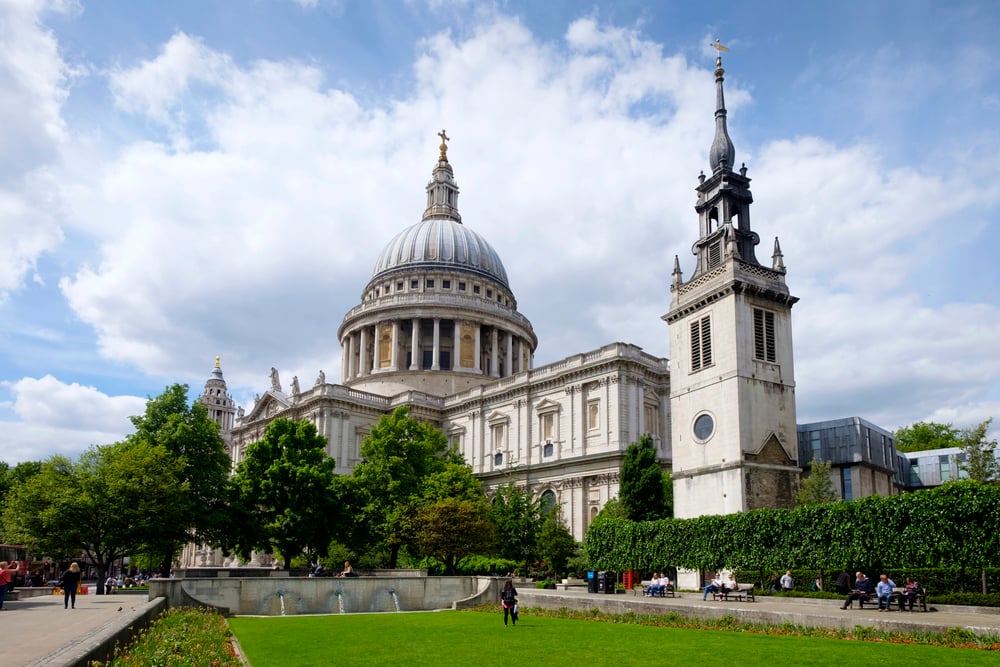
Sir Christopher Wren’s masterpiece was built after the Great Fire of London destroyed the previous medieval cathedral in 1666. That medieval structure, dating from the 11th century, was itself the fourth church on the site.
Recent archaeological work has uncovered remains of the original 7th-century Anglo-Saxon church and evidence of Roman occupation beneath the cathedral floor, including a possible pagan temple dedicated to Diana.
The Forbidden City
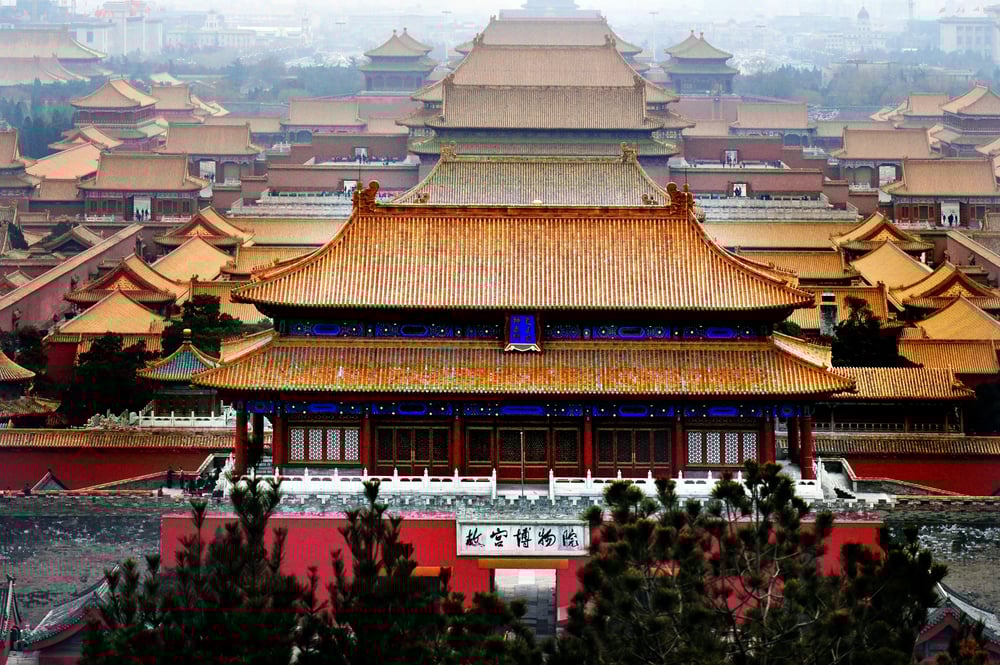
China’s imperial palace complex in Beijing was constructed in the early 15th century during the Ming Dynasty. However, the site had imperial significance long before that.
It was built over the Yuan Dynasty palace called Tadu, which was largely destroyed when the Ming overthrew the Yuan. Archaeological excavations have revealed foundation elements of these earlier structures beneath the current buildings, showing how each dynasty literally built upon the achievements of its predecessors.
The Sagrada Família
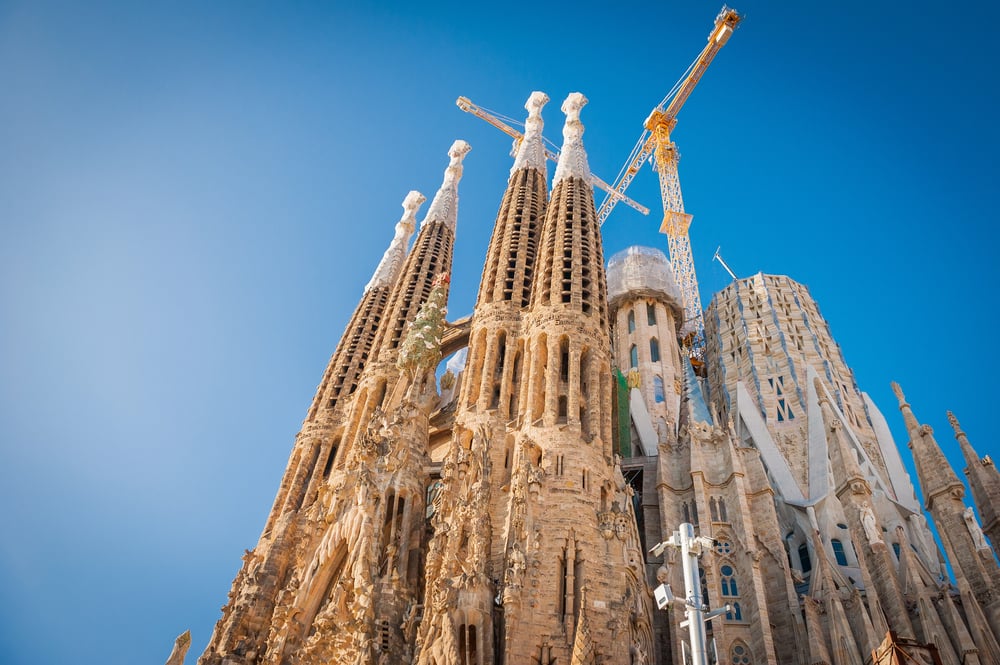
Antoni Gaudí’s unfinished masterpiece in Barcelona sits on the site of the former Hospital de la Santa Creu. When construction began in 1882, the old hospital building was demolished to make way for the ambitious church project.
During excavations for the foundation, workers discovered medieval burials from the hospital’s cemetery, reminding modern visitors that Barcelona’s growth has continually built upon its past.
The Jewish Quarter in Jerusalem
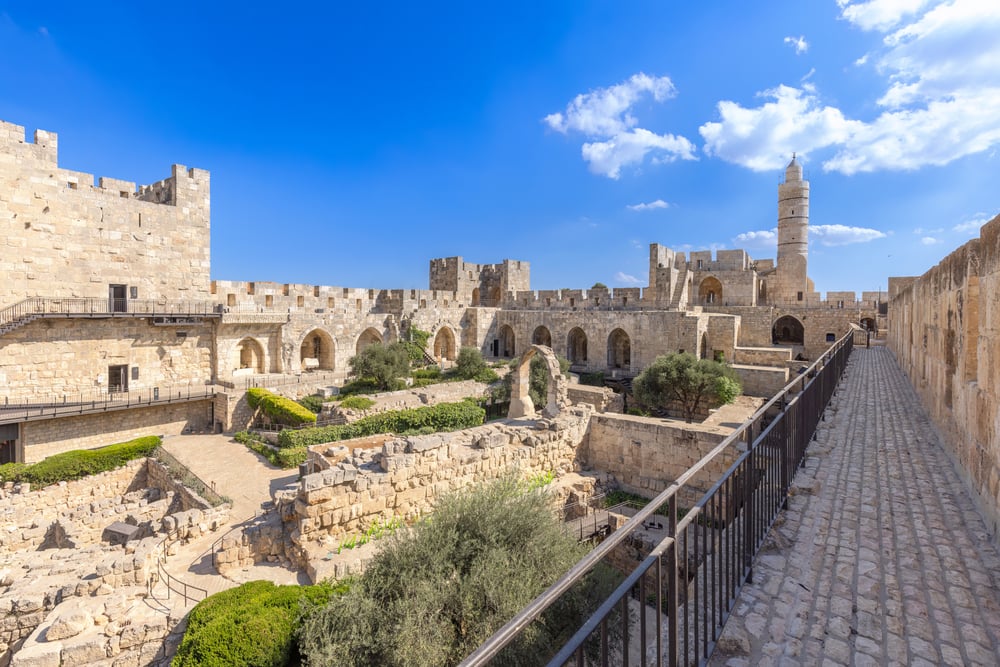
Much of Jerusalem’s Jewish Quarter was rebuilt after 1967, but archaeological excavations beneath many buildings have revealed multiple layers of history. The Hurva Synagogue, for instance, stands above remains from the Byzantine, Roman, and Hasmonean periods.
Throughout the quarter, modern buildings often incorporate ancient walls or sit directly above structures dating back thousands of years, creating a vertical timeline of Jerusalem’s complex history.
Cologne Cathedral
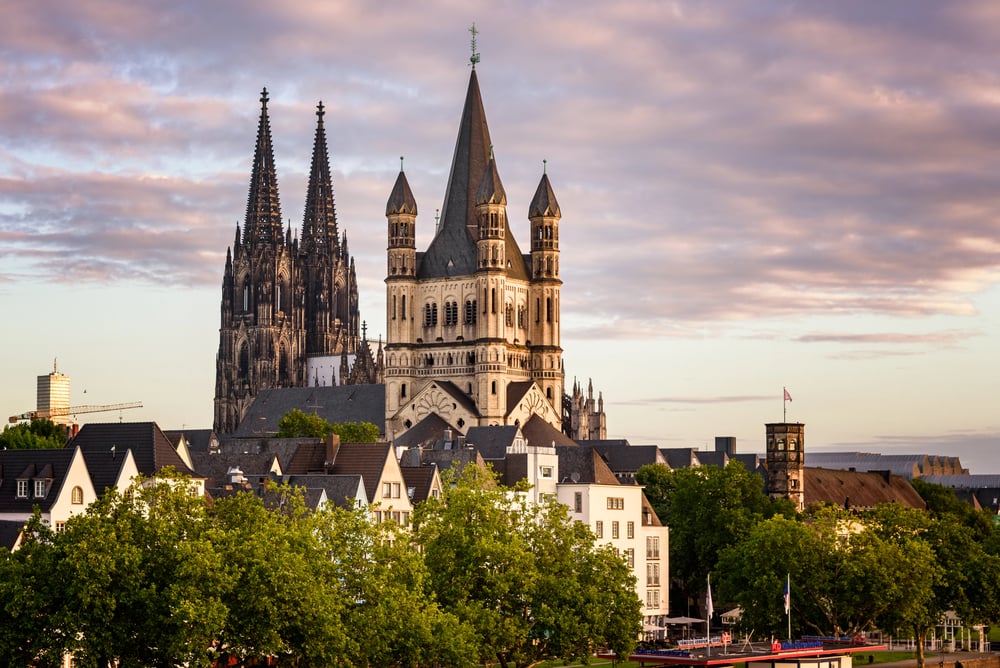
Germany’s largest cathedral took over 600 years to complete and stands on a site with religious significance dating back to Roman times. Archaeological excavations under the cathedral floor have uncovered remains of Roman homes, early Christian churches from the 4th century, and subsequent Carolingian and Ottonian cathedrals that preceded the current Gothic structure.
The foundations incorporate elements from all these earlier buildings.
The Alhambra

This stunning Moorish palace complex in Granada, Spain, was largely constructed during the Nasrid dynasty in the 13th and 14th centuries. However, it was built over earlier fortifications dating to the 9th century, and some evidence suggests Roman structures existed on the hill before that.
The name Alhambra itself derives from the Arabic ‘al-Hamra,’ meaning ‘the red one,’ referring to the reddish clay used in the older structures that form its foundations.
Mexico’s Metropolitan Tabernacle
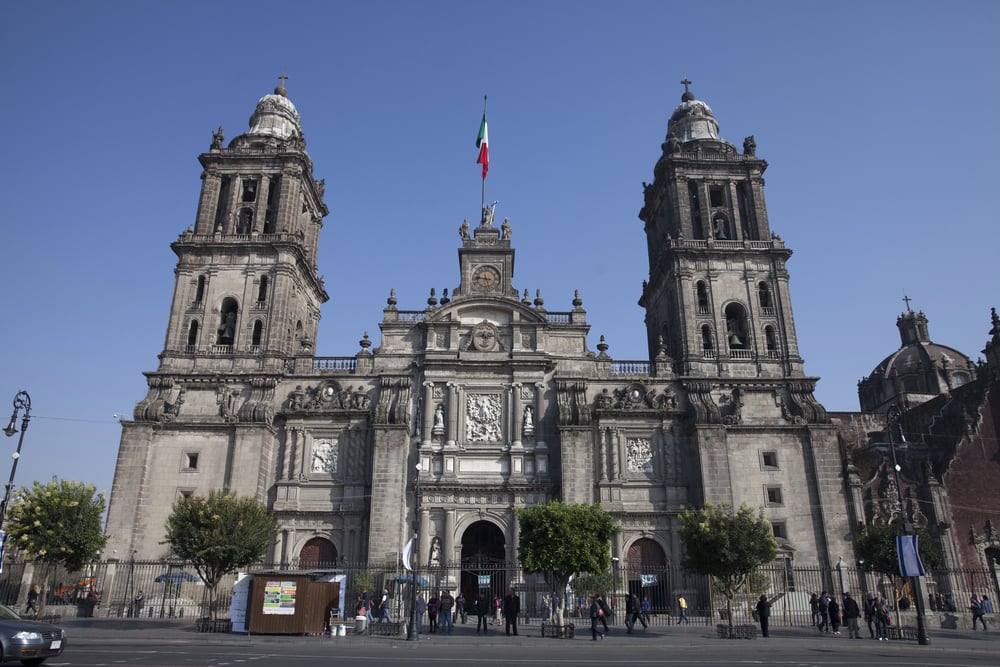
This 19th-century church in Mexico City was built directly over a pre-Hispanic pyramid dedicated to the god Ehécatl, a manifestation of Quetzalcoatl, the feathered serpent deity. Construction workers discovered the ancient temple in the 1960s while renovating the church.
Now, visitors can actually enter the archaeological site beneath the functioning church, where the curved walls of the temple dedicated to the wind god remain remarkably well-preserved.
The Past Beneath Our Feet
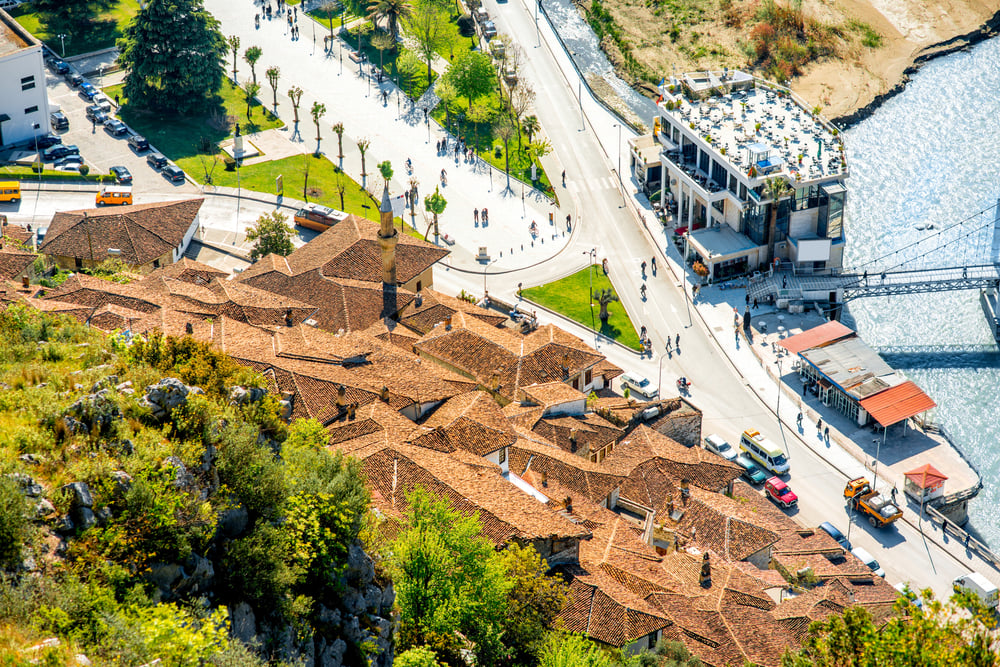
These layered architectural sites serve as a reminder that our cities are historical timelines that extend vertically beneath the earth, not just physical places. Every generation builds on the accomplishments, mistakes, and abandoned buildings of its predecessors, sometimes preserving the past and other times erasing it entirely.
The next time you go to a prominent structure, think about what might be beneath your feet—the historical pillars that support our contemporary world.
More from Go2Tutors!

- The Romanov Crown Jewels and Their Tragic Fate
- 13 Historical Mysteries That Science Still Can’t Solve
- Famous Hoaxes That Fooled the World for Years
- 15 Child Stars with Tragic Adult Lives
- 16 Famous Jewelry Pieces in History
Like Go2Tutors’s content? Follow us on MSN.