Cheating Scandals in Ancient Sports
Ancient athletes weren’t always the paragons of virtue that marble statues make them out to be. The same competitive drive that pushed them to train relentlessly also tempted some to bend the rules when victory seemed just out of reach.
These weren’t just minor infractions either—some cheating scandals rocked entire empires and made headlines that lasted for centuries. Let’s dig into what people actually ate when money was tight and grocery stores looked pretty bare.
The Zanes: Bronze Monuments To Shame
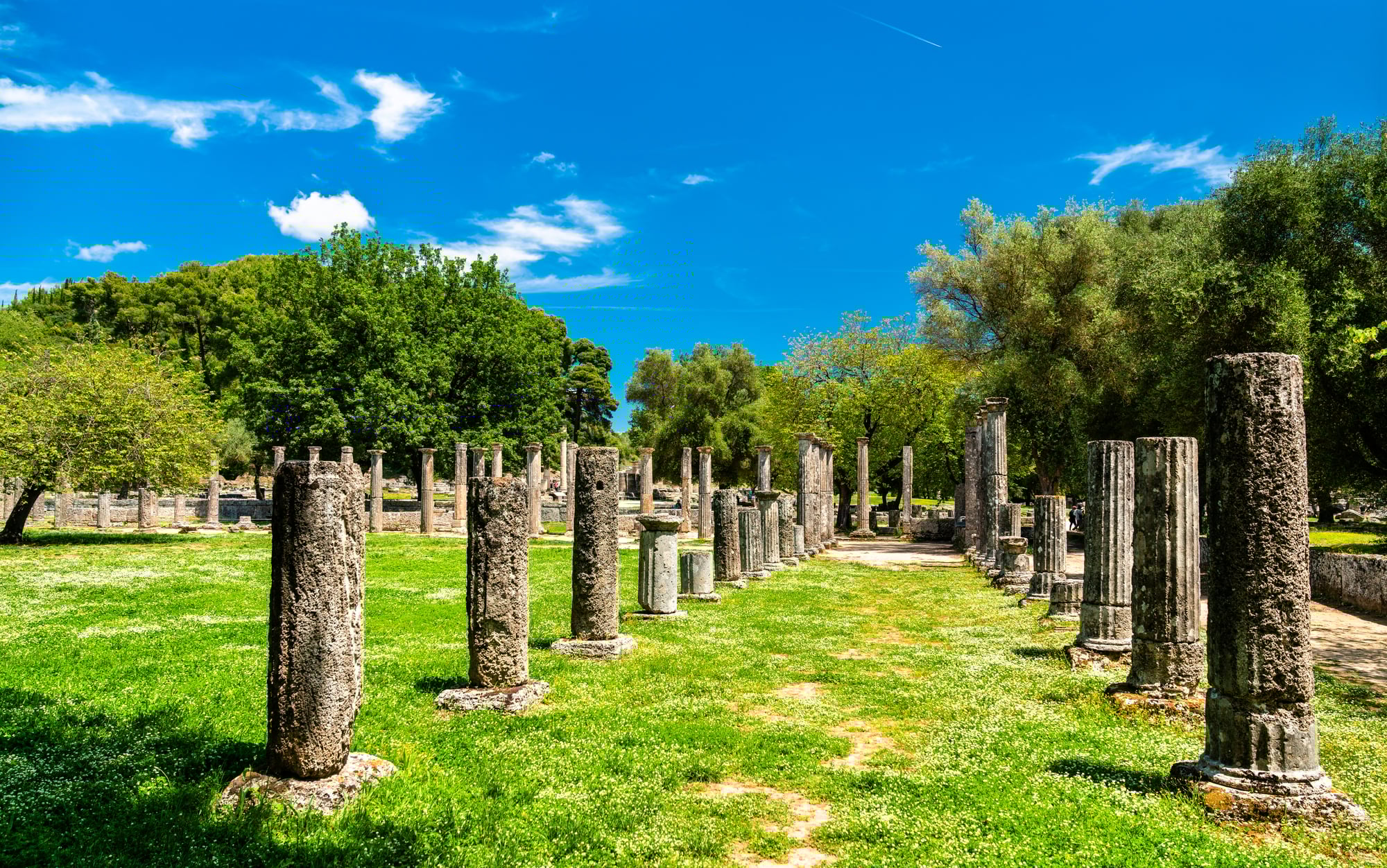
Walk into ancient Olympia, and you’d pass a row of bronze statues called zanes. But these weren’t tributes to champions.
They were funded entirely by fines paid by cheaters, with each statue bearing an inscription naming the athlete who’d been caught and what they’d done. The Greeks understood public humiliation.
These statues lined the path to the stadium, forcing every competitor to walk past them and remember what happened when you got caught.
Bribery At The Games

Money talks, and it talked plenty in ancient Greece. In 388 BCE, a boxer named Eupolus from Thessaly paid off three opponents to take a dive.
The scandal broke wide open when someone talked, and all four men faced massive fines. Their punishment funded six zanes, a reminder that lasted generations.
But Eupolus wasn’t alone. Athletes regularly attempted to buy victories, especially in boxing and wrestling where one well-placed loss could secure an easy path to the finals.
The temptation was simple: lose one match, get paid, and avoid serious injury. For many athletes, that deal proved too good to resist.
Nero’s Olympic Fantasy
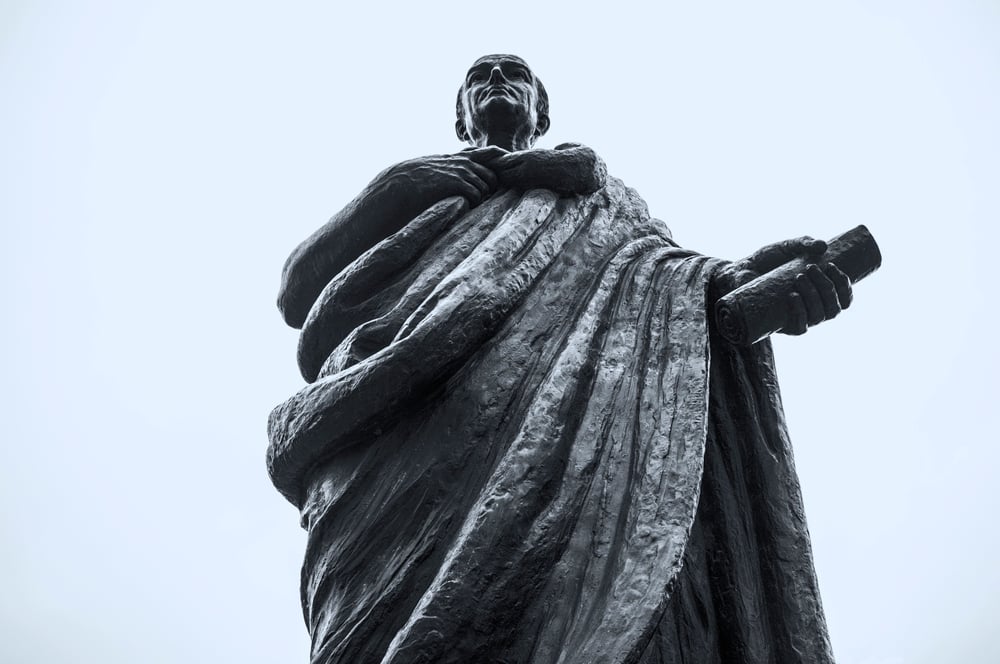
Emperor Nero took cheating to an entirely different level. In 67 CE, he entered the Olympic Games and declared himself victor in every event he entered—including a chariot race he didn’t even finish.
He fell off his chariot partway through but still got the crown. The judges weren’t about to argue with an emperor who controlled their lives.
Nero also competed in artistic competitions, which he added to the Olympic program just for himself. He won every singing contest, every lyre competition, and every dramatic performance.
The entire Games became a stage for his vanity, and everyone played along because refusing would have been dangerous.
The Chariot Racing Underground
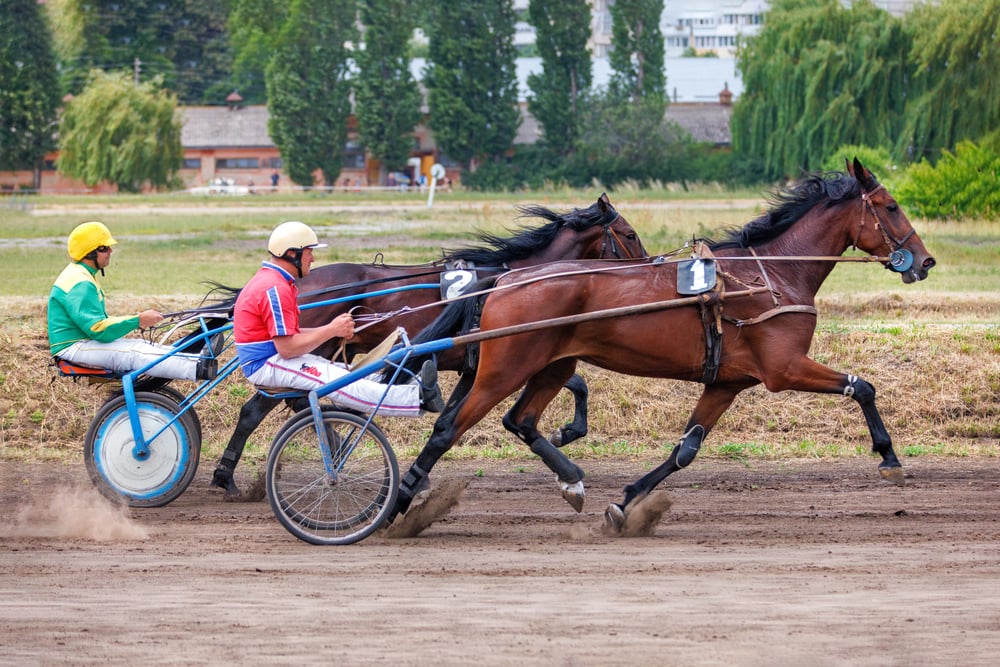
Roman chariot racing made modern horse racing look tame. The four main factions—the Blues, Greens, Reds, and Whites—operated like organized crime syndicates.
They bribed competitors, sabotaged chariots, and even poisoned horses.
Curse tablets found buried at circus grounds reveal just how far people would go. These lead tablets, inscribed with spells meant to injure or slow down rival teams, were common practice.
Fans and team owners alike commissioned them, asking gods and demons to cripple the opposition. The curses got specific too, naming individual horses and drivers, detailing exactly what injuries they hoped would occur.
False Starts And Deliberate Delays

Greek runners figured out early that false starts could wear down faster opponents. Some athletes would deliberately jump the start multiple times, forcing resets until their rivals tired or lost focus.
The Greeks eventually added harsh penalties for repeated false starts, but the tactic persisted because it was hard to prove intent.
Wrestlers and boxers had their own version. They’d stall, refuse to engage, or drag matches out for hours hoping their opponent would exhaust themselves or simply give up.
Officials tried to enforce time limits, but without clocks, enforcement was inconsistent at best.
Training Camp Corruption

The road to Olympic glory started months before the Games, and that’s where some of the most insidious cheating took place. Athletes were required to train for ten months before competing, with the final month spent at official training camps in Elis, near Olympia.
Trainers sometimes took bribes to give easier regimens to certain athletes or to provide banned substances that might enhance performance. The Greeks knew about various herbs and concoctions that could boost strength or endurance temporarily.
While nothing compared to modern performance enhancers, these ancient potions were still considered cheating and were technically prohibited.
Equipment Fraud

Greek boxers didn’t wear padded gloves. They wrapped their hands in leather straps called himantes, which were supposed to be standard issue.
But some fighters modified them, adding metal bits or treating the leather to make it harder. A well-placed punch with doctored hand wraps could crack bone.
Wrestlers sometimes oiled their bodies excessively, making themselves nearly impossible to grip. While some oil was allowed and expected, going overboard crossed into cheating territory.
Referees had to make judgment calls about how slippery was too slippery, and those calls didn’t always go fairly.
The Pentathlon Problem

The pentathlon combined five events: running, jumping, discus, javelin, and wrestling. This created unique opportunities for collusion.
An athlete strong in three events might convince a rival to throw one contest in exchange for returning the favor in another.
The complexity of scoring made pentathlon results harder to verify. Unlike single events where the winner was obvious, pentathlon victories sometimes came down to technical decisions by judges.
That created opportunities for corruption that single-event competitors didn’t have.
Kallipateira’s Deception

Not all ancient sports scandals involved performance cheating. Some challenged the rules themselves.
Women were banned from Olympic competition and even from watching the men’s events on penalty of death. But in 404 BCE, Kallipateira disguised herself as a male trainer to watch her son compete.
She succeeded until her son won, and in her excitement, she jumped up and exposed herself. The judges faced a dilemma: technically, she deserved execution, but her father, brothers, and son were all Olympic champions.
They let her live but made a new rule: all trainers had to appear in the arena without clothes, just like the athletes. That made future deceptions significantly harder.
Roman Gladiator Fixes
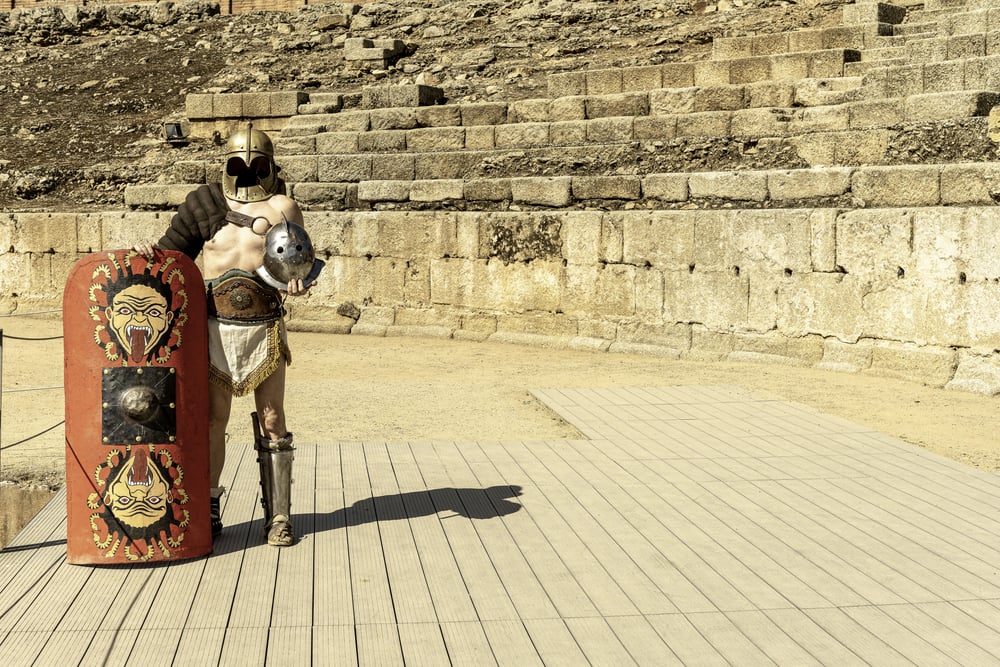
Gladiatorial combat wasn’t technically a sport, but Romans treated it like one, complete with betting and scheduled matches. And where there’s betting, there’s fixing.
Some gladiators, especially the famous ones, had deals with organizers to ensure survival through staged combat.
Matches could be predetermined, with both fighters knowing who would “win” and how the fight would go. The crowd wanted blood and drama, not necessarily death, so skilled performers could put on a convincing show while following a script.
Bettors who knew the outcomes in advance made fortunes, while the unsuspecting public lost theirs.
Accusations And Politics

Fights over fairness often hid deeper agendas. One state would accuse another’s winner of foul play, hoping to tarnish their success.
Truth rarely mattered – since proof slipped through fingers like sand. Accusations stuck easiest when facts stayed out of reach.
Truth rarely stood a chance when one city blamed another’s runner for breaking rules or taking forbidden aids. In reply, the targeted place fired back with charges of its own.
Noise drowned out facts, yet names still took hits either way. Victories on track soon tied themselves to old tensions between regions – grudges far removed from race times or finish lines.
The Punishment Hierarchy

Fines followed small mistakes – money pouring into the making of bronze statues that stood as warnings. When someone broke rules badly, whips came out under open skies where people gathered to watch.
Punishment depended on how bad it was, also who did it. Harsh penalties made noise across the fields and stayed longer in memory.
Banned forever from the Games – that hit harder than any prison. For a Greek runner or wrestler, it tore away their place in society.
Winning gold once could fill your streets with cheers, your pockets with coins. Cut off from that world, you faded – known only for failure now.
Shame stuck like dust on old stone, never washing clean. A few city-states even scratched names from tablets, as if they had never run at all.
Why They Did It

Big wins brought big rewards. Homecoming heroes got lifelong pay, never paid for food, skipped lines in court, even earned respect close to worship.
Stone figures rose in city squares showing their faces. Songs in honor of them echoed through festivals.
Their relatives carried a name people remembered long after they were gone.
Huge payoffs made dishonesty feel like a smart bet to certain competitors. Slip through undetected, and your future stayed safe.
Even if discovered, your body remained intact, able to start fresh where nobody recognized the scandal. To plenty – particularly those raised with little – the chance felt reasonable enough.
Echoes Through Time
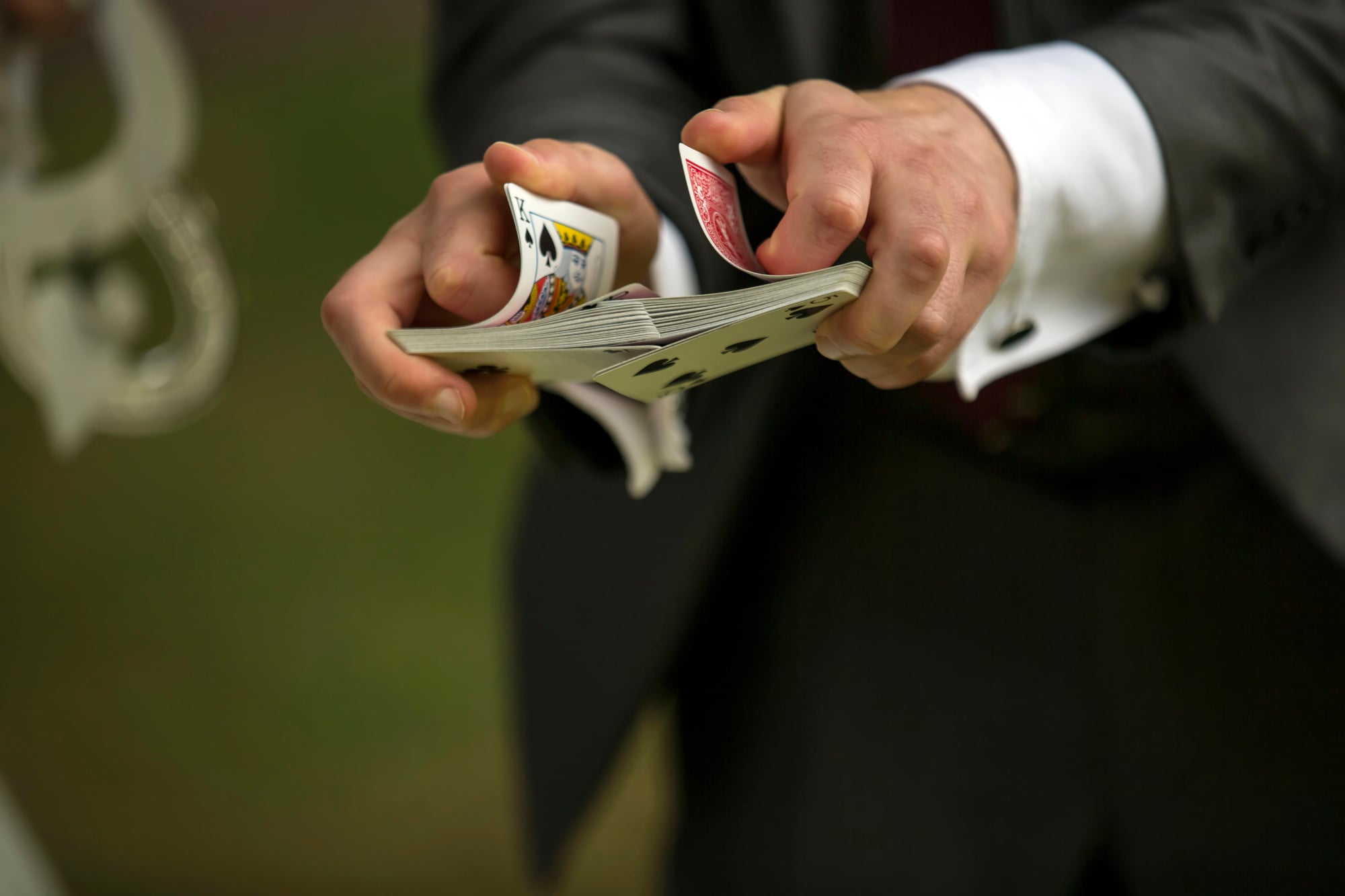
Cheating shows up everywhere, even back when chariots raced under dusty skies. Long before labs made potions, runners slipped herbs to go faster.
Victory weighed heavy then too – enough to twist rules without blinking. Some carved their shame into stone instead of hiding it online.
What looks new usually has old fingerprints. Names shift. Tricks evolve.
Hunger for glory? That never retires.
More from Go2Tutors!

- The Romanov Crown Jewels and Their Tragic Fate
- 13 Historical Mysteries That Science Still Can’t Solve
- Famous Hoaxes That Fooled the World for Years
- 15 Child Stars with Tragic Adult Lives
- 16 Famous Jewelry Pieces in History
Like Go2Tutors’s content? Follow us on MSN.



