18 Facts About Garlic
Garlic has always been more than just a seasoning—it’s a plant woven into medicine, myth, and daily meals for thousands of years. Revered in some places, feared in others, its story is as layered as the cloves inside its bulb. Here’s a list of 18 fascinating facts about garlic, showing how this sharp little ingredient has influenced history, health, and culture.
Ancient Origins
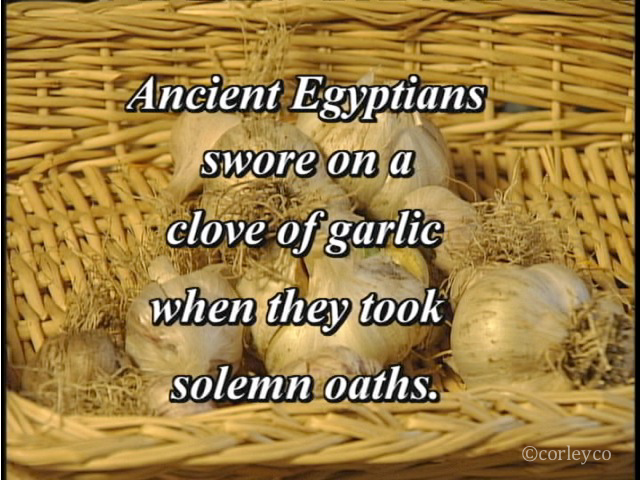
Garlic has been cultivated for more than 5,000 years. Egyptians, Babylonians, and Chinese saw it as essential for health and ritual purposes—a humble plant with a surprisingly powerful reputation.
Egyptian Pyramids
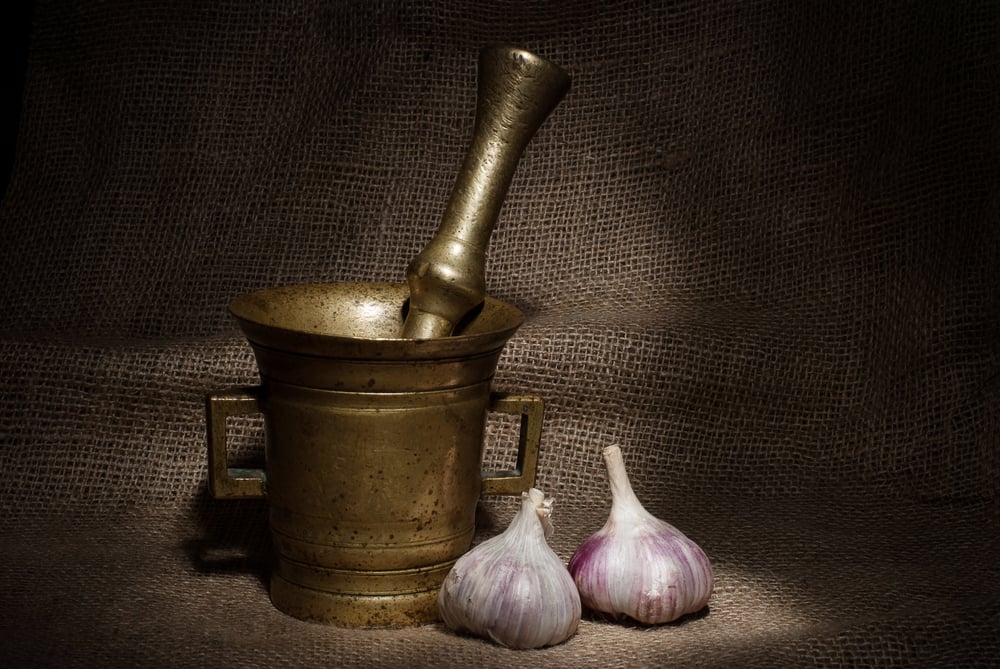
Pyramid builders ate garlic every day for stamina. It was simple fuel—cheap, pungent, and effective during long, punishing shifts under the desert sun.
Greek Athletes
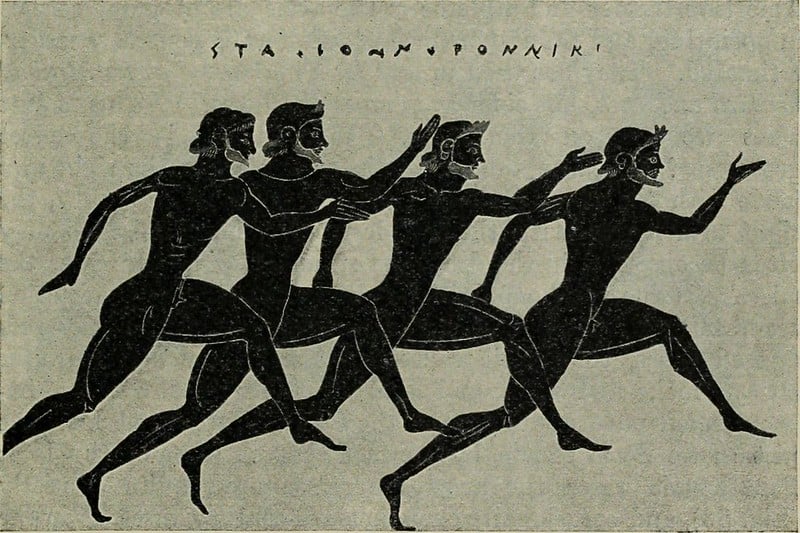
Greek Olympians chewed raw garlic before competing. They believed it boosted courage and stamina. Odd by modern standards, yet it became part of their ritual.
Roman Soldiers
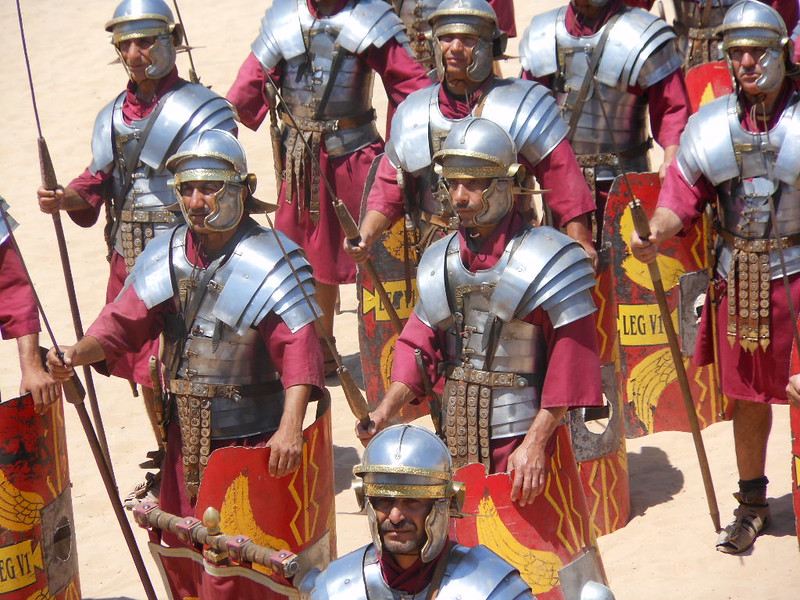
Roman legions carried garlic with them on campaigns—it was thought to ward off illness and strengthen the body. Weapons, shields, armor, garlic. A soldier’s full kit.
Medieval Medicine
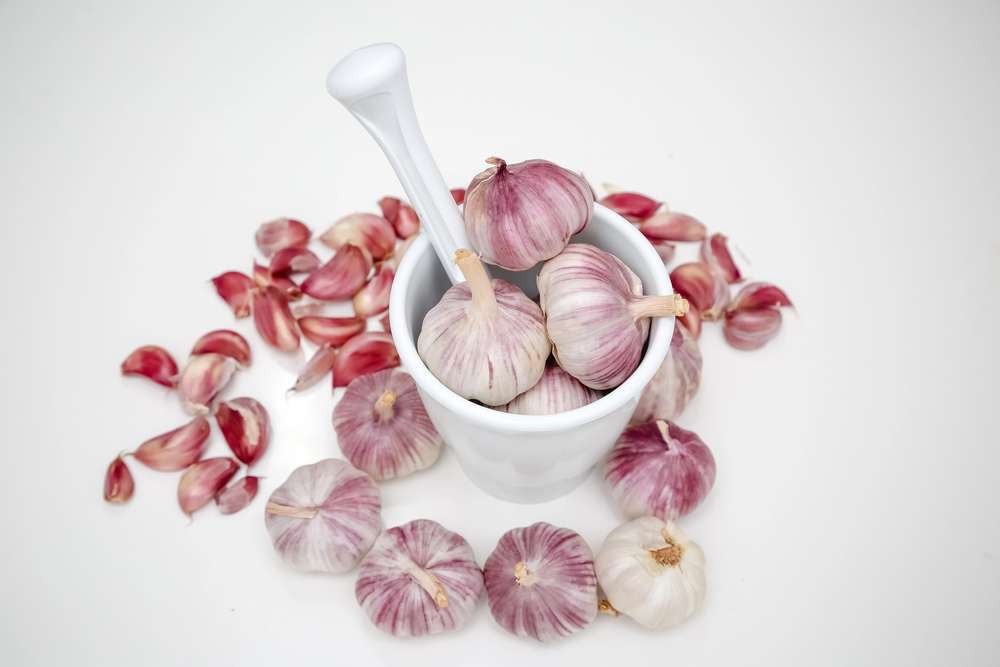
In the Middle Ages, garlic was prescribed for stomach problems, parasites, and infections. It didn’t always work, still it became a trusted household remedy across much of Europe.
The Black Death

During the plague, people wore garlic around their necks or rubbed it onto skin, hoping for protection. Desperation had a strong scent—and it clung everywhere.
Vampires and Folklore
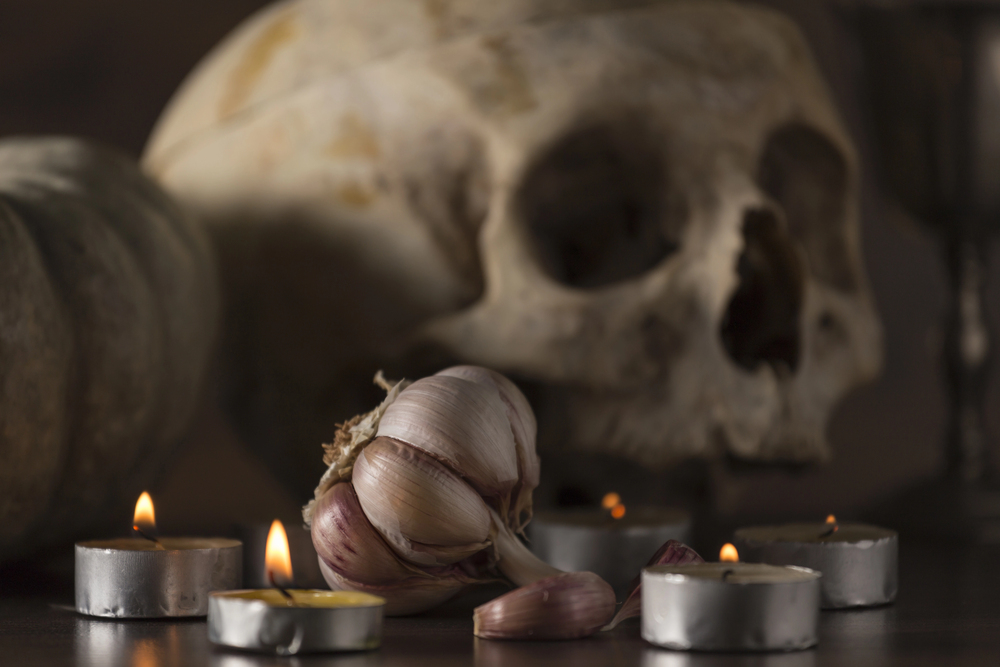
Folklore across Europe gave garlic a starring role as a defense against vampires and spirits. Its odor was believed to keep evil at bay, and maybe neighbors too.
Nutritional Punch

Garlic is low in calories yet rich in vitamin C, vitamin B6, and manganese. Small, sharp, and nutritious—it offers more than first appearances suggest.
Allicin Power
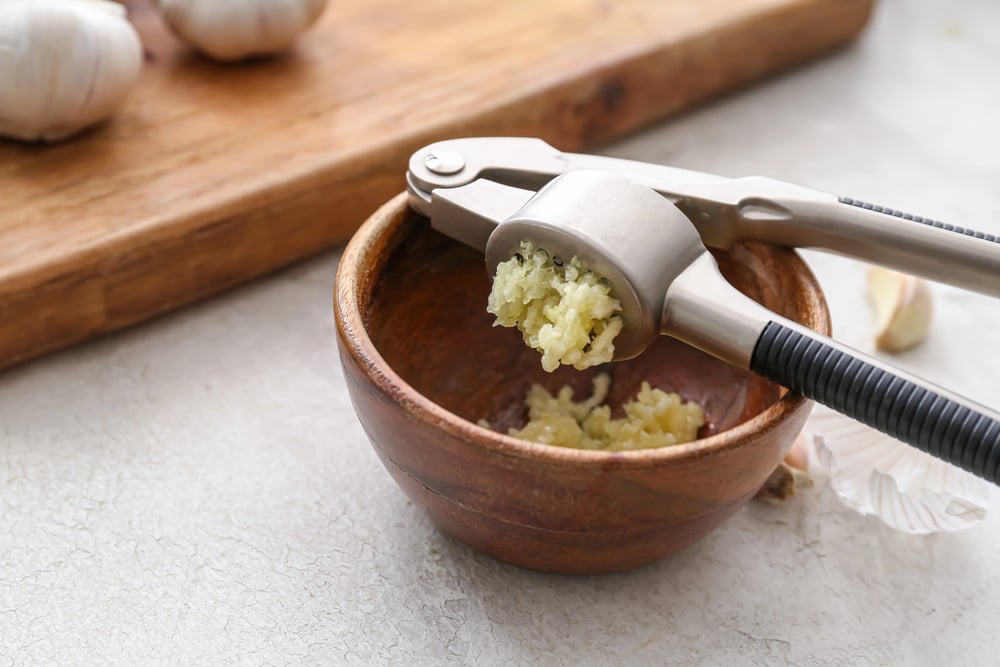
Crushing garlic releases allicin, a compound tied to antibacterial and antioxidant effects. The effect fades fast, so timing is crucial in cooking.
Heart Health
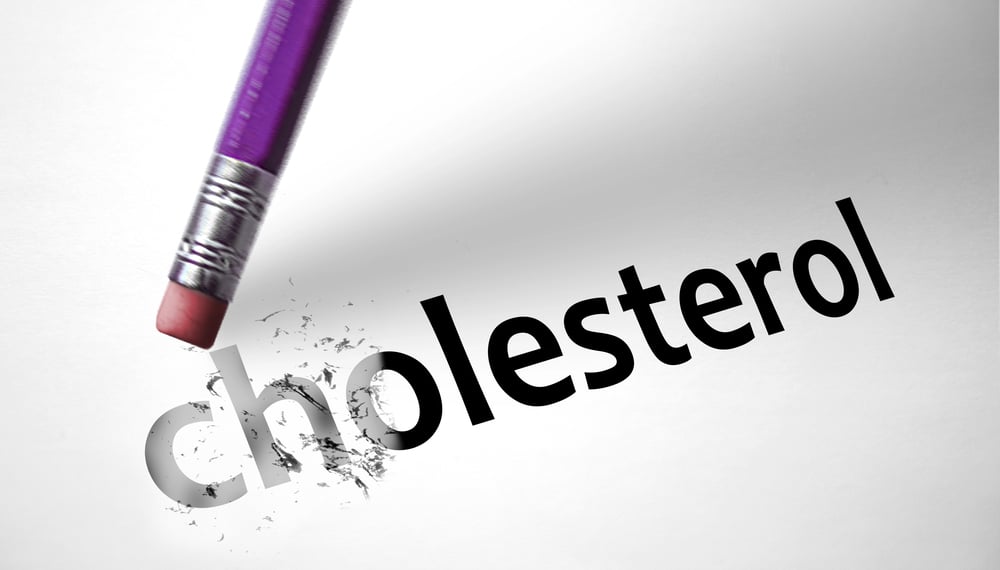
Research indicates garlic may help lower cholesterol while supporting healthy blood pressure. It isn’t a miracle cure, though steady use may benefit the heart.
Natural Antibiotic
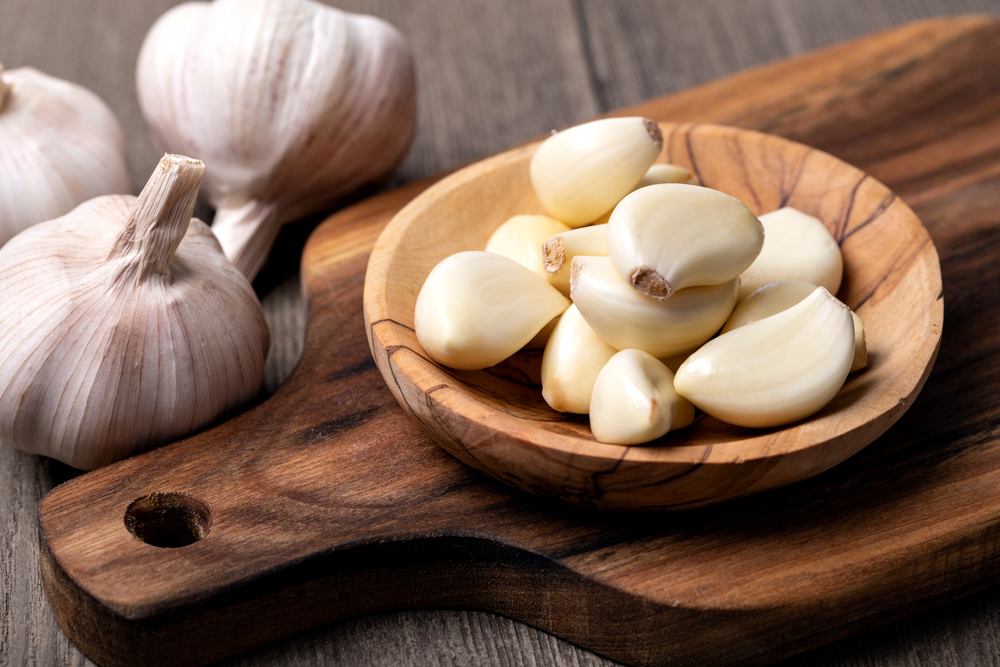
Before modern medicine, garlic was used as a natural antibiotic. In both World Wars, cloves were even applied to wounds when supplies ran short. Rough, but often effective.
Garlic Breath
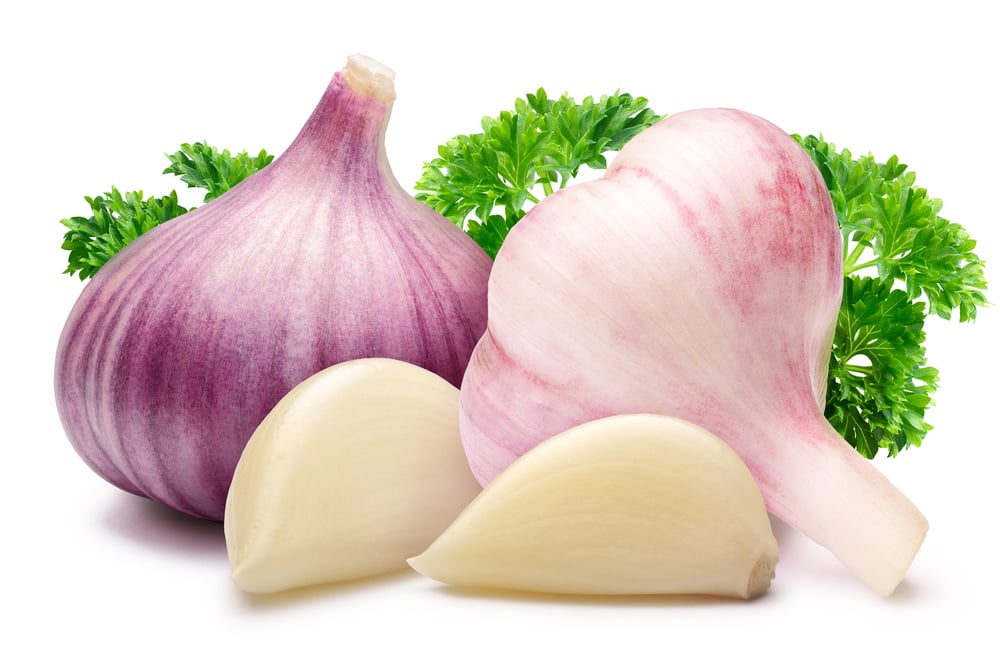
Sulfur compounds create garlic’s punch and its infamous after-effect. Brushing helps a little, parsley helps more. Some accept it—part of the price of flavor.
Culinary Staple
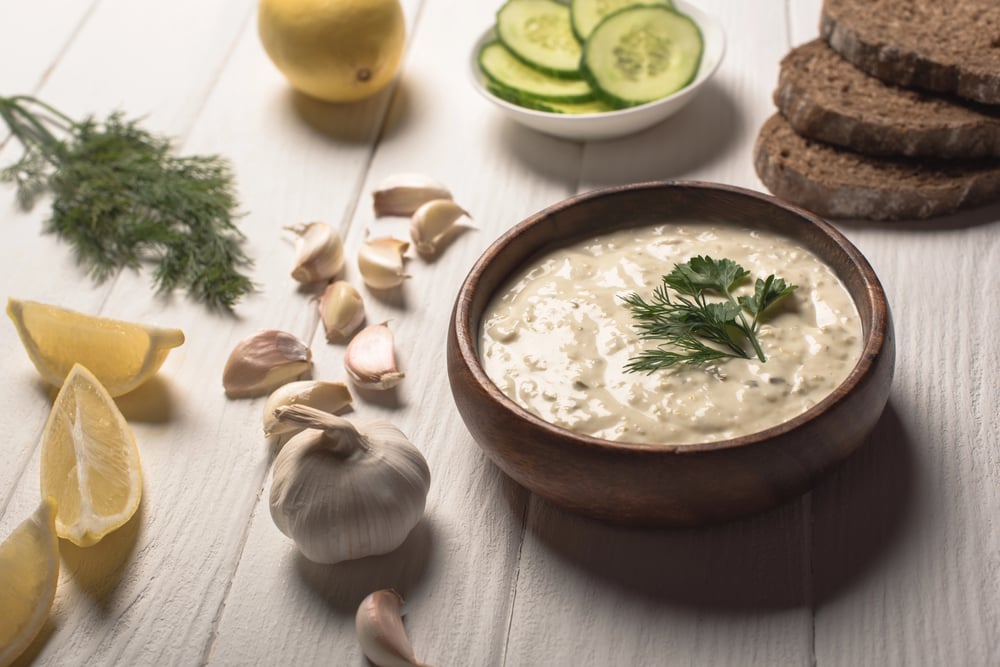
Garlic is a foundation of global cuisine. Italian sauces, Indian curries, Korean kimchi—one clove can transform a dish. Burn it, though, and the taste turns harsh.
Elephant Garlic
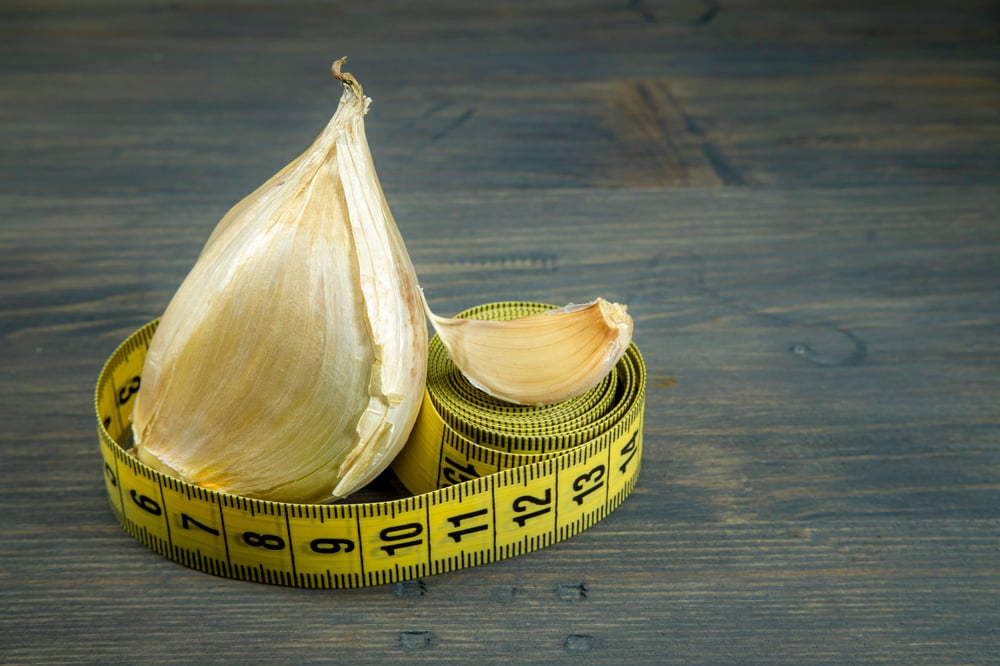
Despite its name, elephant garlic is closer to leeks than to true garlic. Its giant cloves deliver a mild flavor, less bite and more sweetness.
Black Garlic
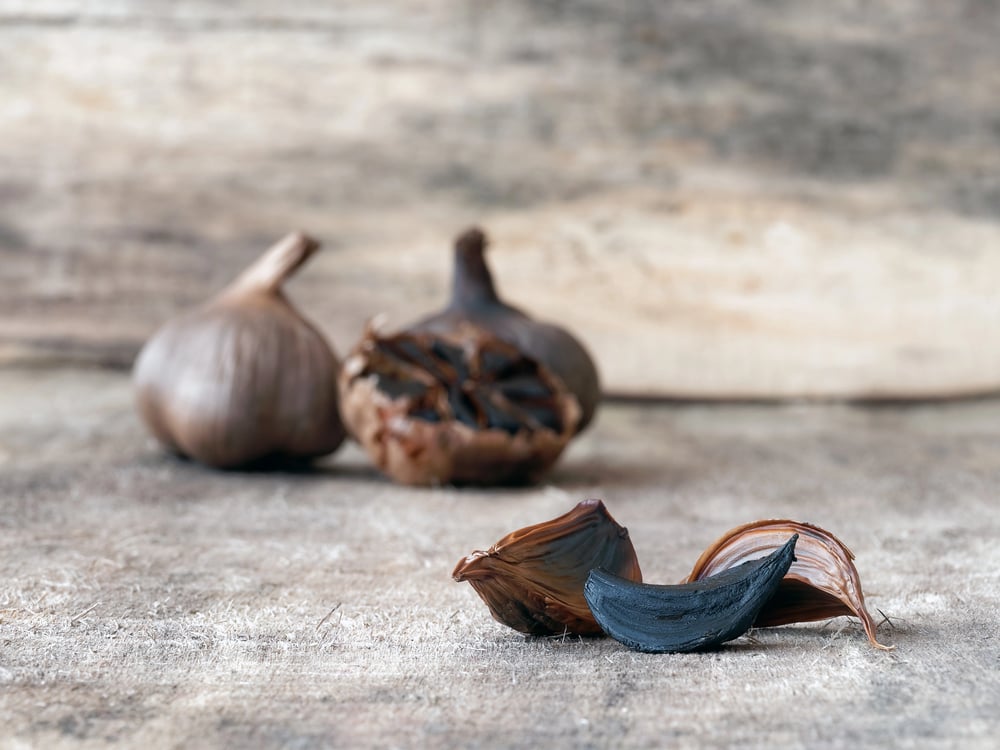
Slowly aged under controlled heat and humidity, garlic turns black, sticky, and sweet. The taste shifts to something closer to balsamic than raw cloves.
Global Leader

— Photo by LeeSnider
China produces over two-thirds of the world’s garlic. Vast farms supply markets around the globe, making it the undeniable leader in production.
Long Storage
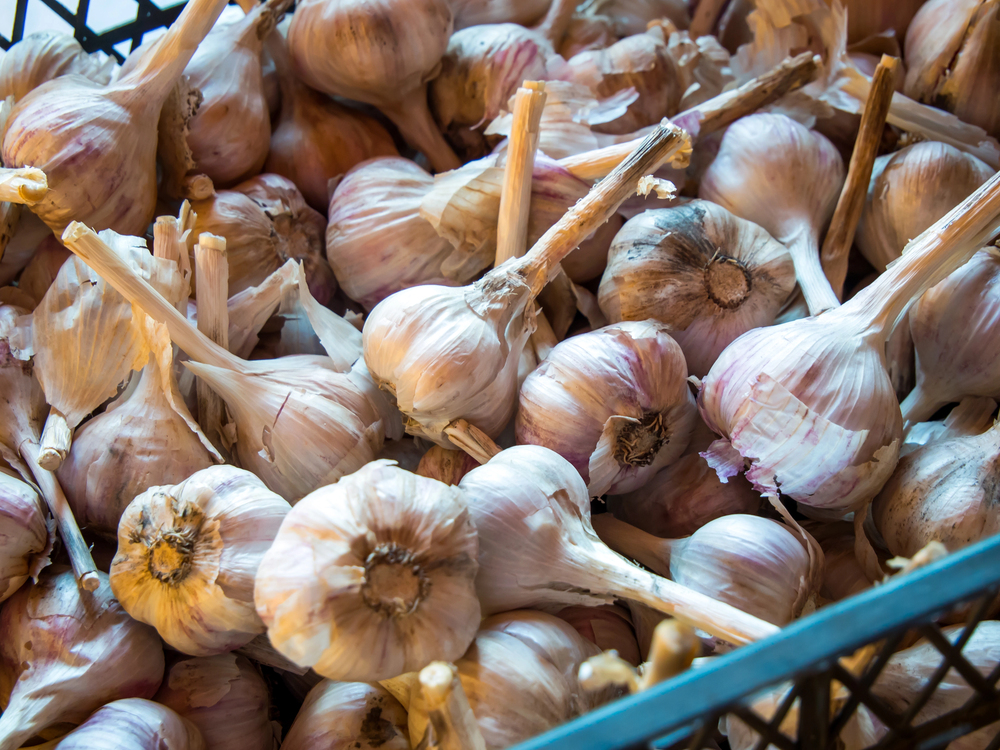
Whole bulbs last months when kept in a cool, dry place. Once broken into cloves, freshness fades quickly, so they’re best used soon after.
Symbol of Protection
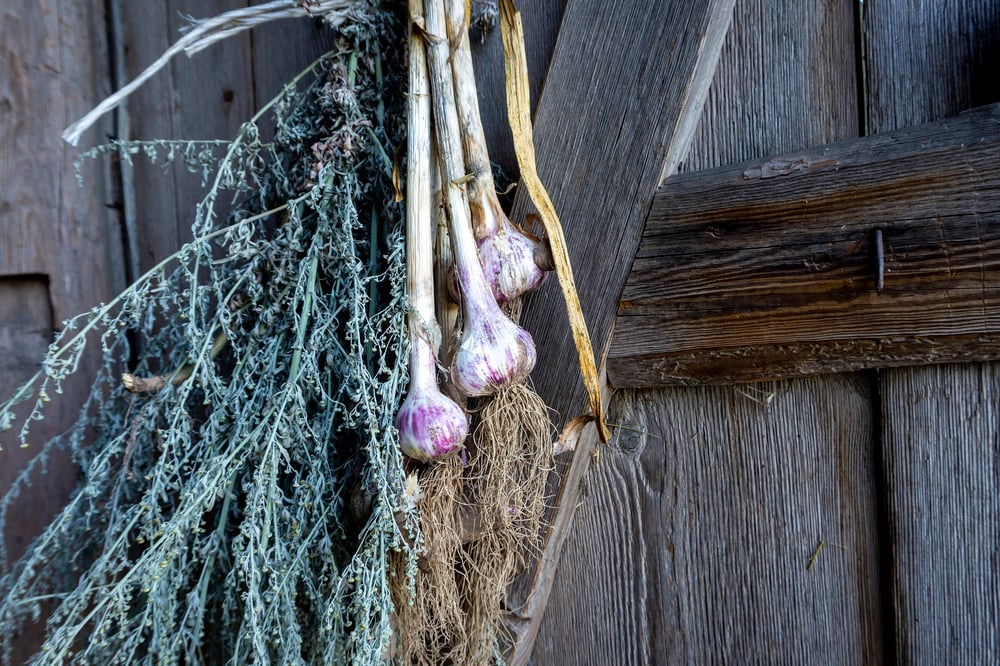
Across cultures, garlic has been seen as a safeguard. Hung in doorways, worn as charms, or placed in cribs, it was thought to shield against illness and unseen dangers alike.
More Than Just Flavor

Garlic isn’t only about taste—it’s a thread running through folklore, healing, and food. Sharp on the tongue, rich in history, and impossible to forget, it’s a plant that has endured across centuries.
More from Go2Tutors!

- 16 Historical Figures Who Were Nothing Like You Think
- 12 Things Sold in the 80s That Are Now Illegal
- 15 VHS Tapes That Could Be Worth Thousands
- 17 Historical “What Ifs” That Would Have Changed Everything
- 18 TV Shows That Vanished Without a Finale
Like Go2Tutors’s content? Follow us on MSN.