17 Phrases Originating From Shipboard Life
Maritime culture has left an indelible mark on the English language through centuries of seafaring history. Sailors needed specialized vocabulary to survive the harsh realities of ocean travel. Their colorful expressions eventually drifted into everyday speech, where they’ve remained anchored despite most people never setting foot on a traditional sailing vessel. These nautical terms weren’t just colorful slang – they provided crucial ways to communicate in life-or-death situations where clarity mattered more than poetry.
Here’s a collection of 17 everyday phrases that began life at sea before washing ashore into our conversations. You probably use several without realizing their salty origins.
Above Board
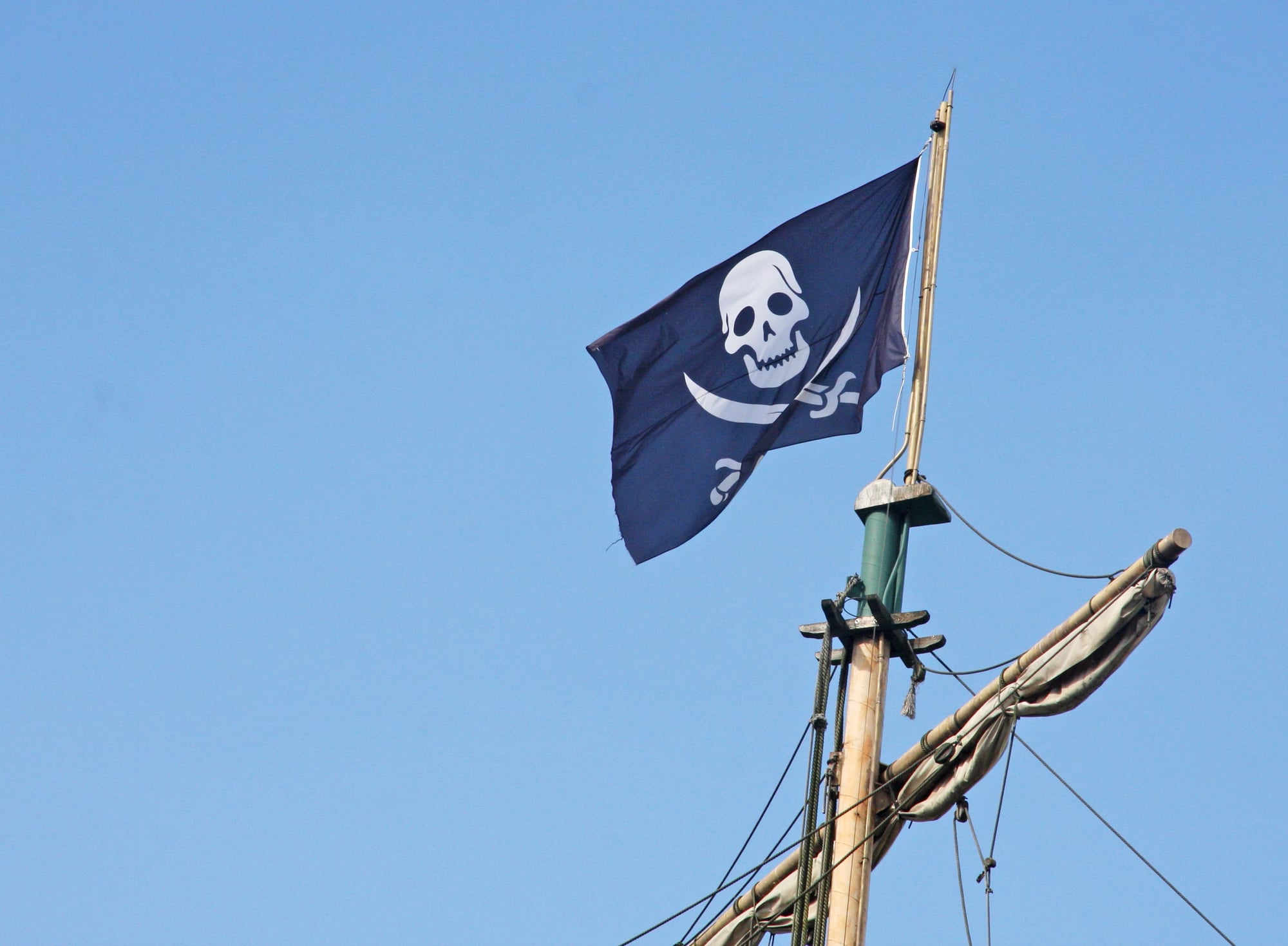
Pirates typically hid extra crew below deck until the moment of attack – a sneaky tactic that gave them the element of surprise. Legitimate vessels, however, conducted business with sailors visible on the open deck – “above board.”
The expression stuck around because it perfectly captures the concept of transparency. Nothing hidden, nothing shady. Companies nowadays strive to keep operations above board – though corporate pirates still lurk in plenty of boardrooms.
By and Large
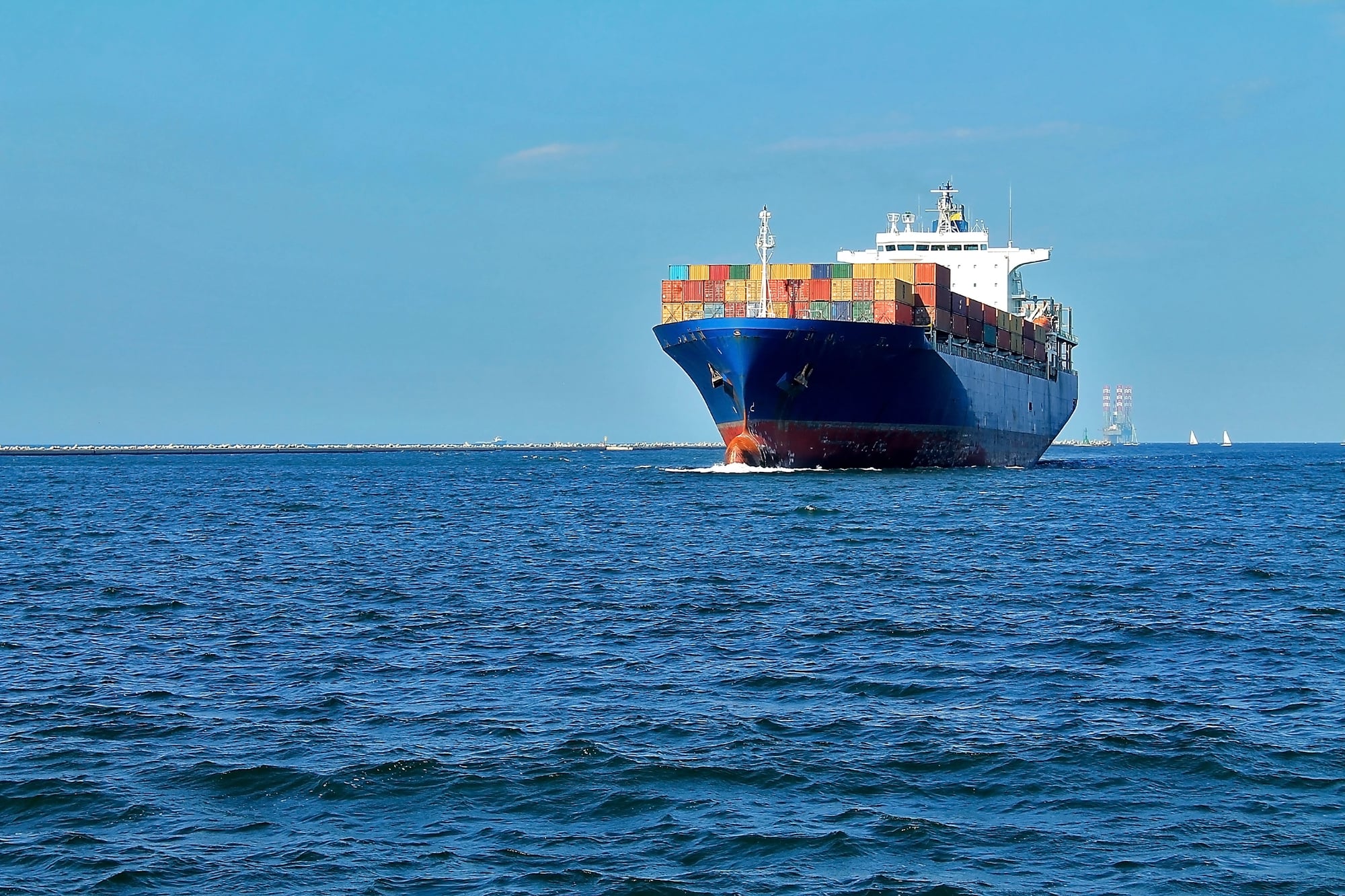
Ships could sail “by the wind” – close to wind direction – or “large” (with wind at their backs). Good vessels performed decently under both conditions – they sailed well “by and large.”
That’s why we use this phrase to mean “generally speaking” or “for the most part.” Concert reviews might mention that, by and large, the performance satisfied the audience – despite a few sour notes.
Like Go2Tutors’s content? Follow us on MSN.
Clean Slate
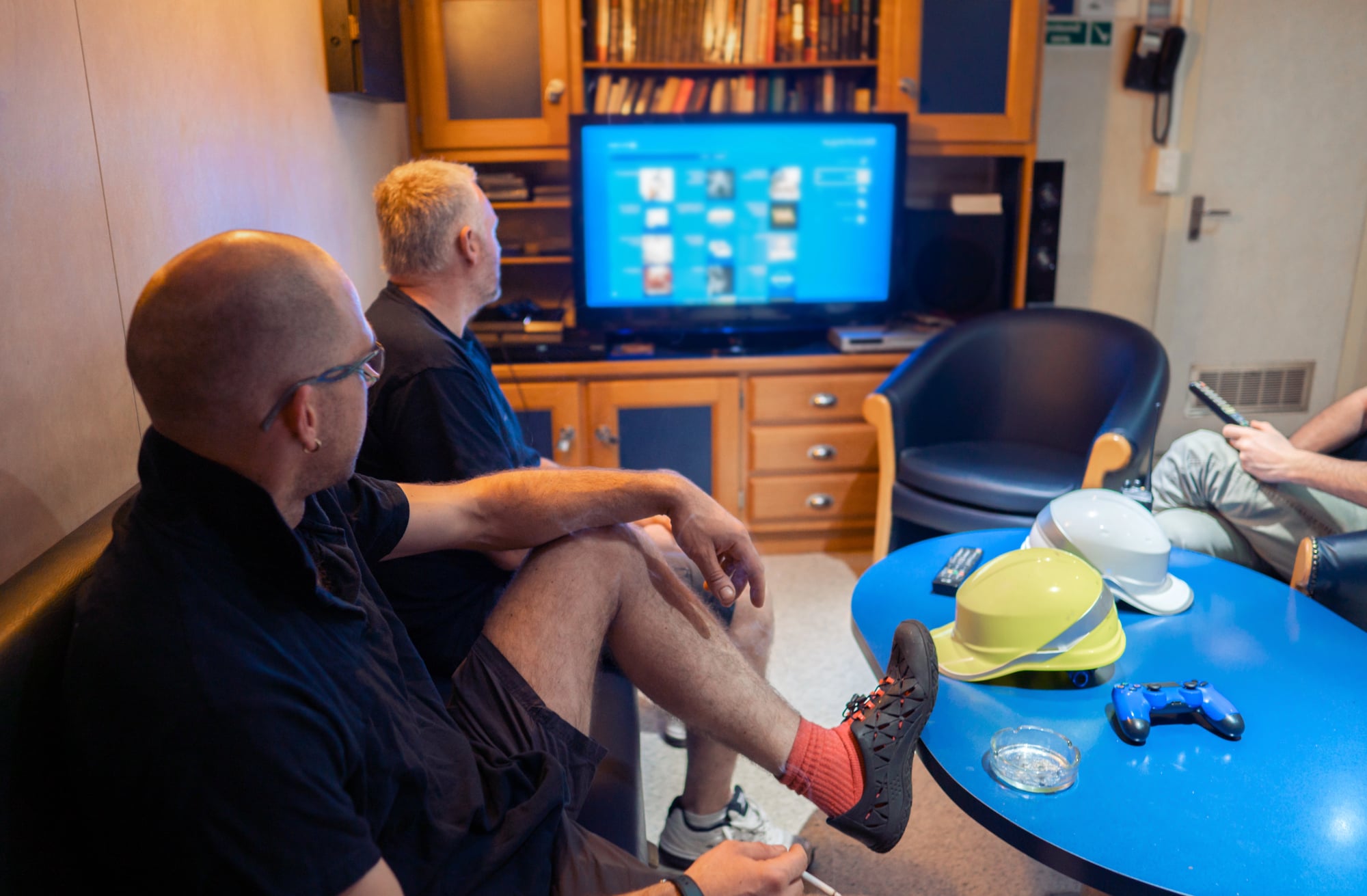
Ship officers recorded navigation details, weather conditions, and significant events on slate tablets during their watch. When the next watch began – boom, they’d wipe everything clean.
Starting fresh became symbolized by the “clean slate.” Politicians love promising voters a clean slate, though their records rarely stay pristine for long.
Feeling Blue
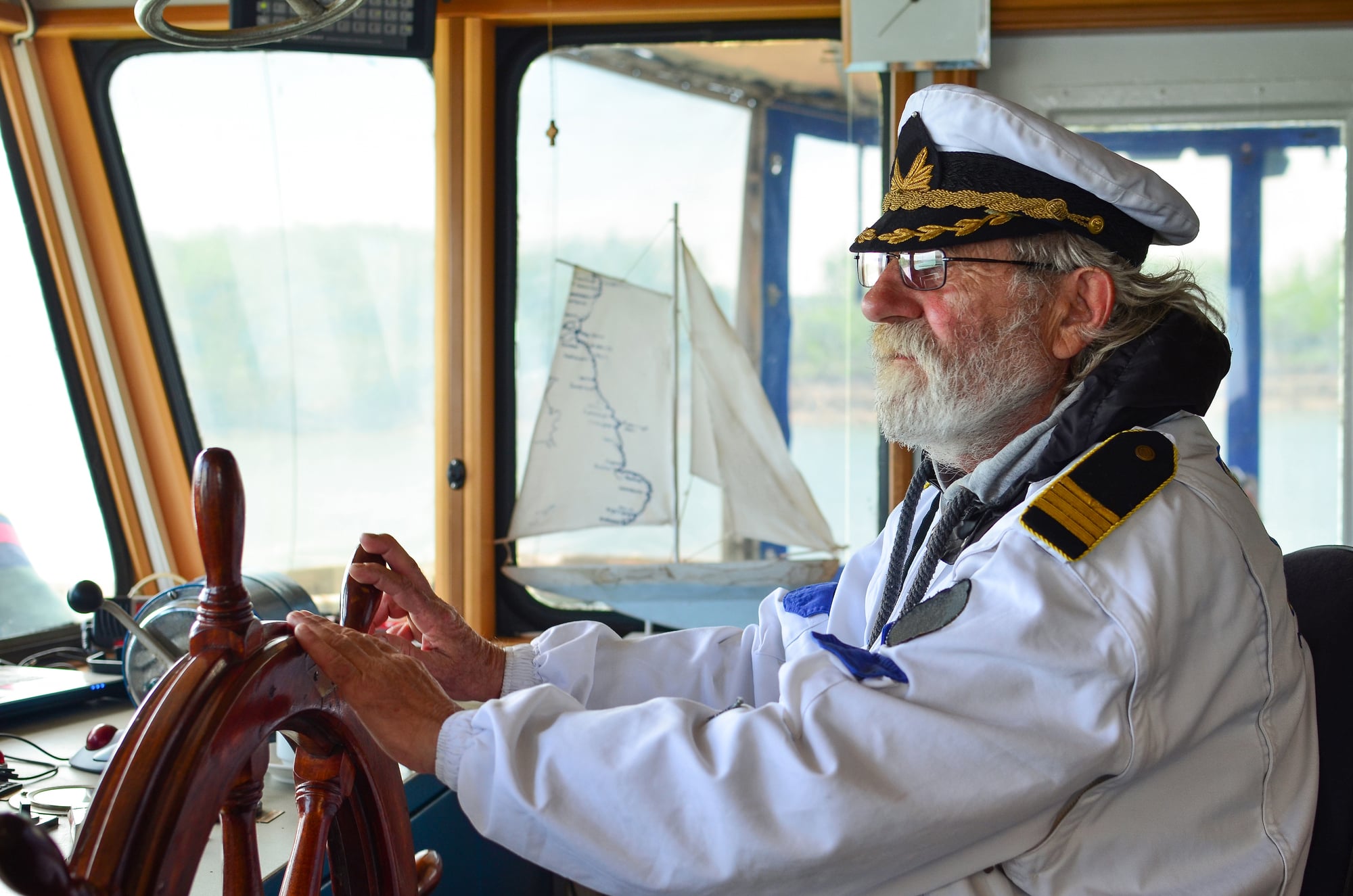
When a vessel lost its captain or officer during a voyage – a sadly common occurrence – the crew would fly blue flags and paint a blue band along the hull as visual signals of mourning. The association between the color and melancholy mood took root.
These days “feeling blue” simply means experiencing sadness or depression. The funerary practice has vanished, yet the emotional shorthand sails on – proving how language preserves cultural echoes long after their original contexts fade away.
Fathom It Out

Sailors measured water depth using a weighted line marked at six-foot intervals – each interval representing one “fathom.” They’d literally “fathom the depth” by counting markers as the line sank.
This crucial safety procedure gave us a perfect metaphor for deeply understanding something. When someone takes time to “fathom out” a complex situation, they’re doing the mental equivalent of measuring unknown depths.
Like Go2Tutors’s content? Follow us on MSN.
Footloose
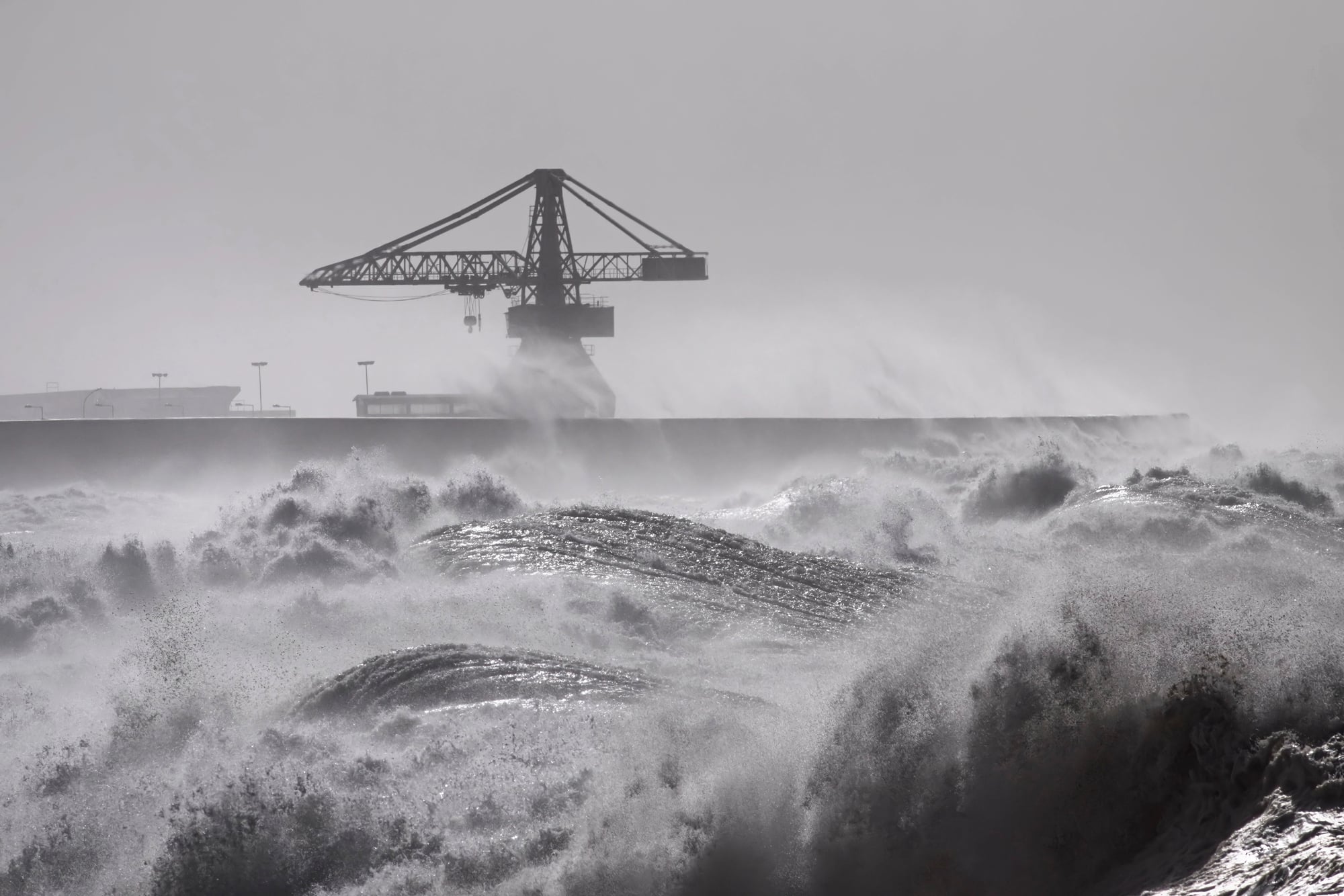
The bottom edge of a sail – called the “foot” – needed proper securing. A “footloose” sail flapped dangerously in the wind, creating chaos and requiring immediate attention.
Ironically, this nautical emergency eventually described carefree people unburdened by responsibility. The 1984 movie “Footloose” cemented this association – kids dancing wildly like untethered sails.
Hand Over Fist
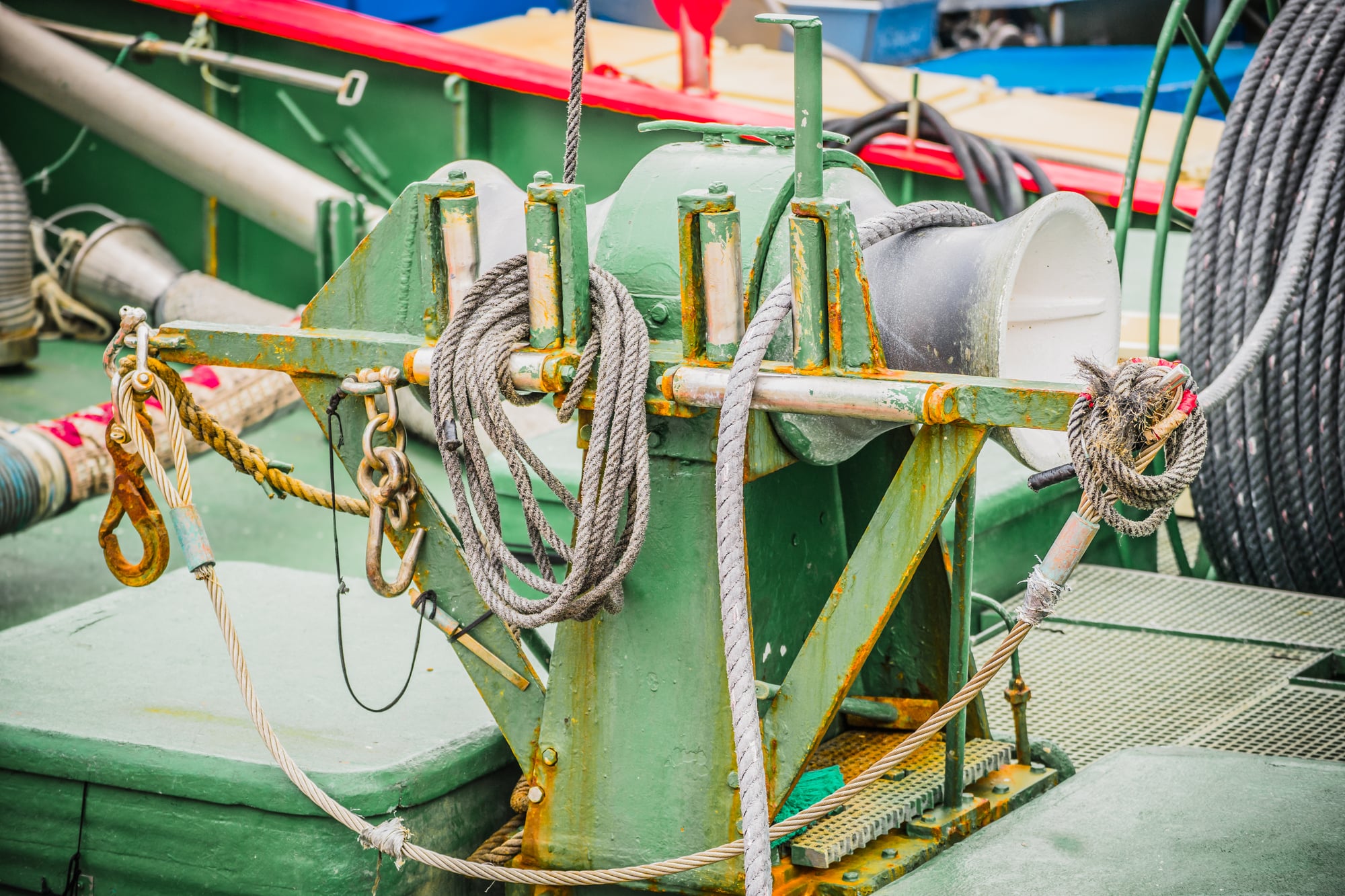
Watching sailors climb rigging revealed a distinctive motion – rapidly placing one hand over the other to ascend quickly. This same movement appeared when hauling rope during sail adjustments.
The phrase evolved to describe making money rapidly – climbing the financial rigging, as it were. Wall Street traders dream of profits accumulating “hand over fist.”
Know the Ropes
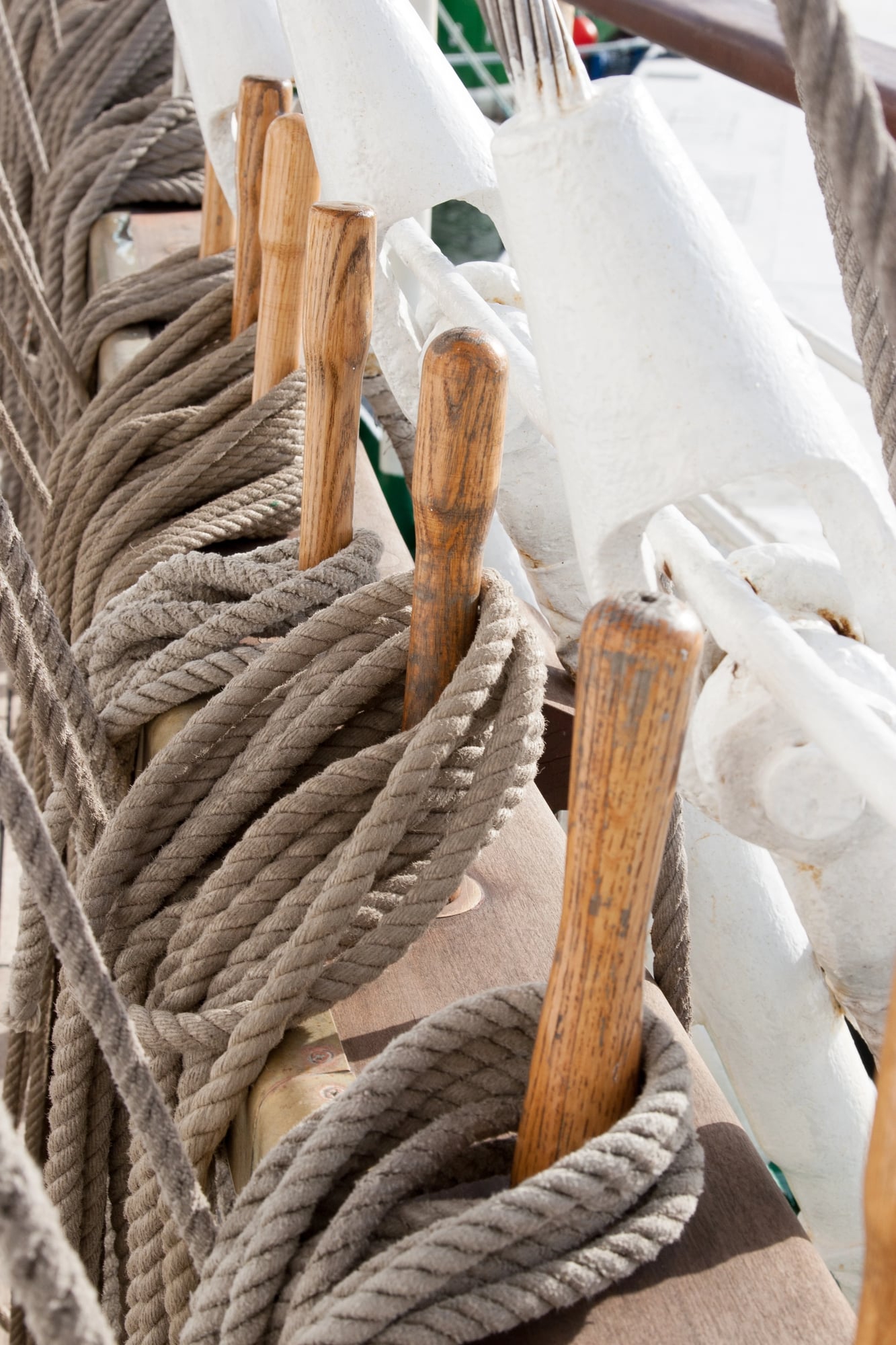
Sailing vessels contained bewildering arrays of ropes – each controlling specific equipment. New crew members faced steep learning curves mastering this complex system.
“Knowing the ropes” meant achieving competence through practical experience – not just theoretical knowledge. Tech companies still use this phrase when describing employees who understand workplace systems.
Like Go2Tutors’s content? Follow us on MSN.
Loose Cannon
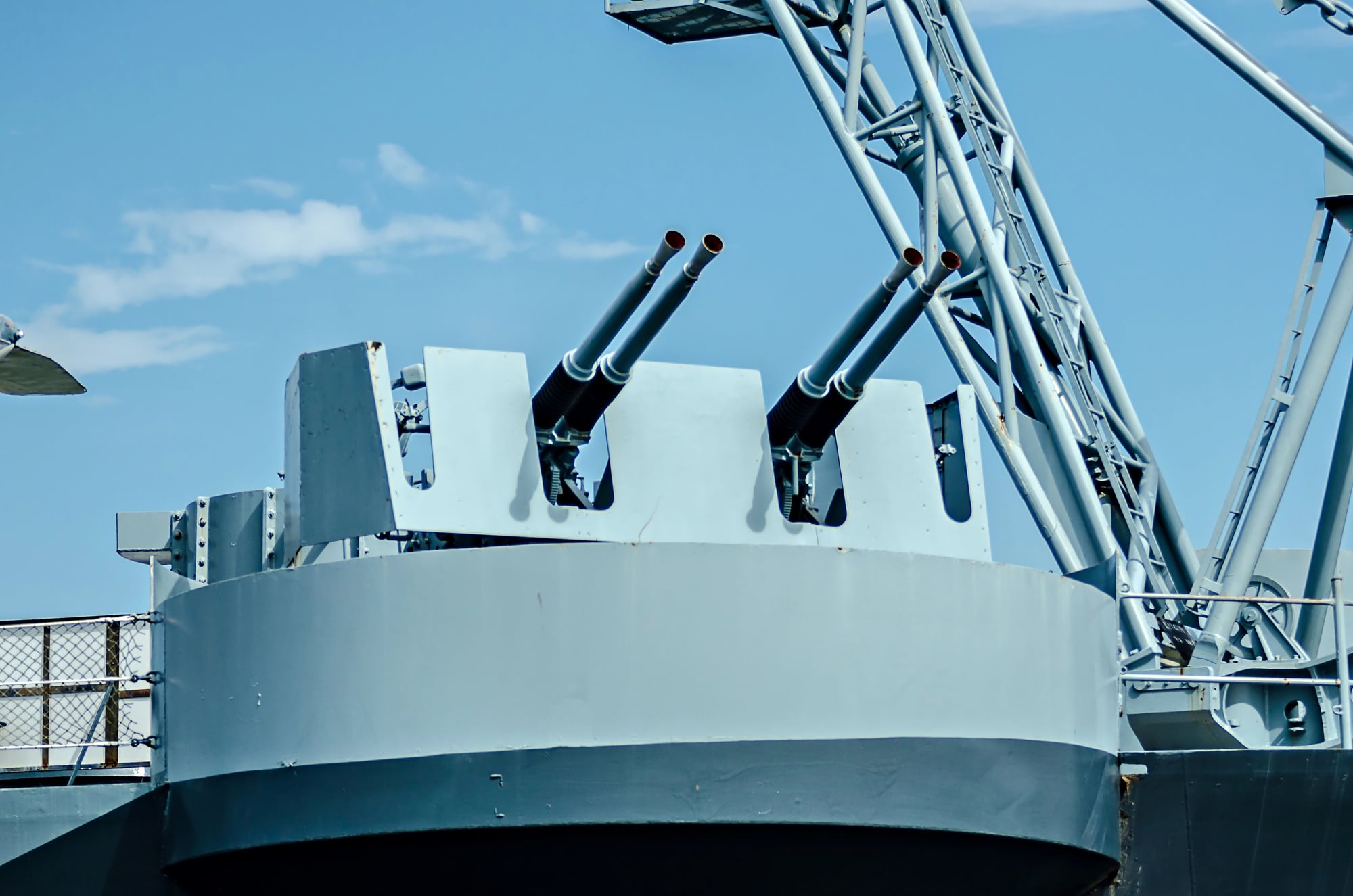
Naval cannons weighed thousands of pounds and required secure anchoring to the ship’s deck. A cannon breaking free during rough seas – this massive metal weapon rolling wildly across the deck – created a terrifying scenario.
The phrase perfectly describes unpredictable people whose actions endanger organizations. Political parties disavow “loose cannon” candidates whose unfiltered comments threaten campaign messaging.
No Room to Swing a Cat
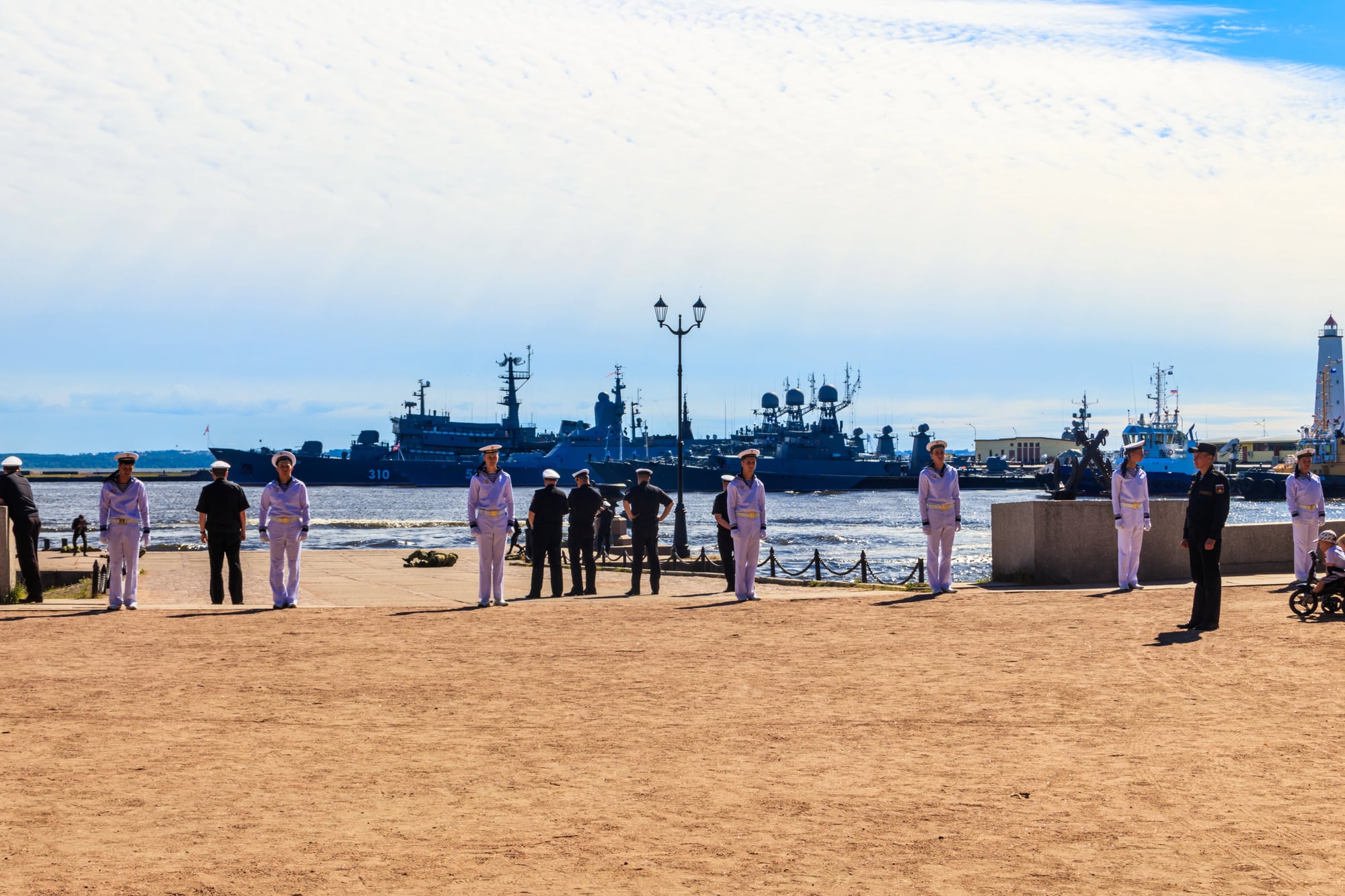
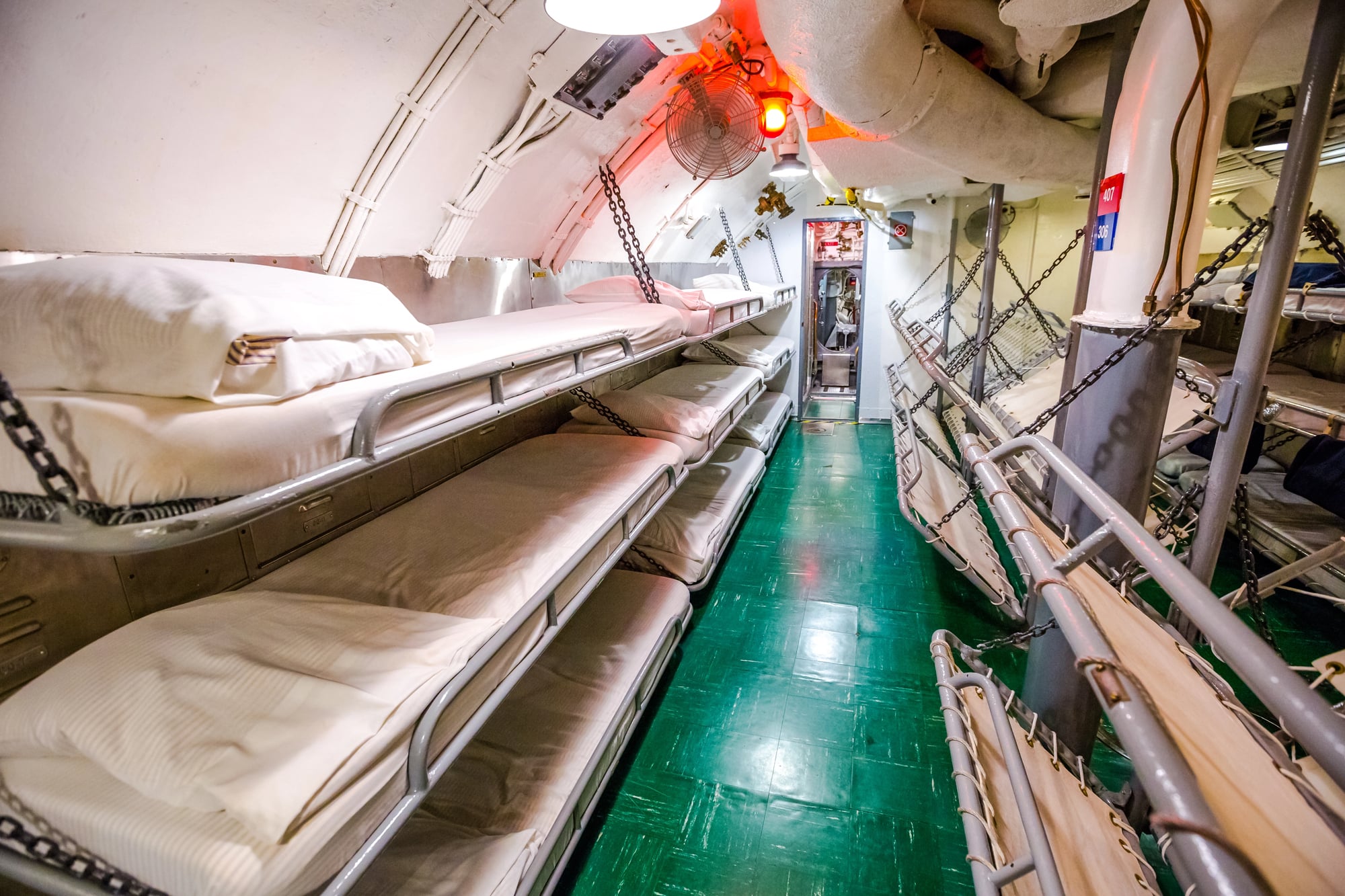
Despite appearances, this phrase doesn’t reference felines but rather the “cat-o’-nine-tails” – a nasty multi-tailed whip used for punishment in naval discipline. Floggings happened on deck where there was adequate space to swing the whip.
Cramped areas had “no room to swing a cat.” The expression now just means extremely tight quarters, though mercifully without the brutal connotations.
Pipe Down
Boatswain’s whistles – small yet piercing instruments – cut through shipboard noise to signal specific commands. The “pipe down” signal indicated quiet hours had begun.
Parents ordering rowdy kids to “pipe down” are unknowingly channeling naval authority structures. Unlike many nautical phrases that changed meaning over time, this one maintains its original intent.
Like Go2Tutors’s content? Follow us on MSN.
Square Meal
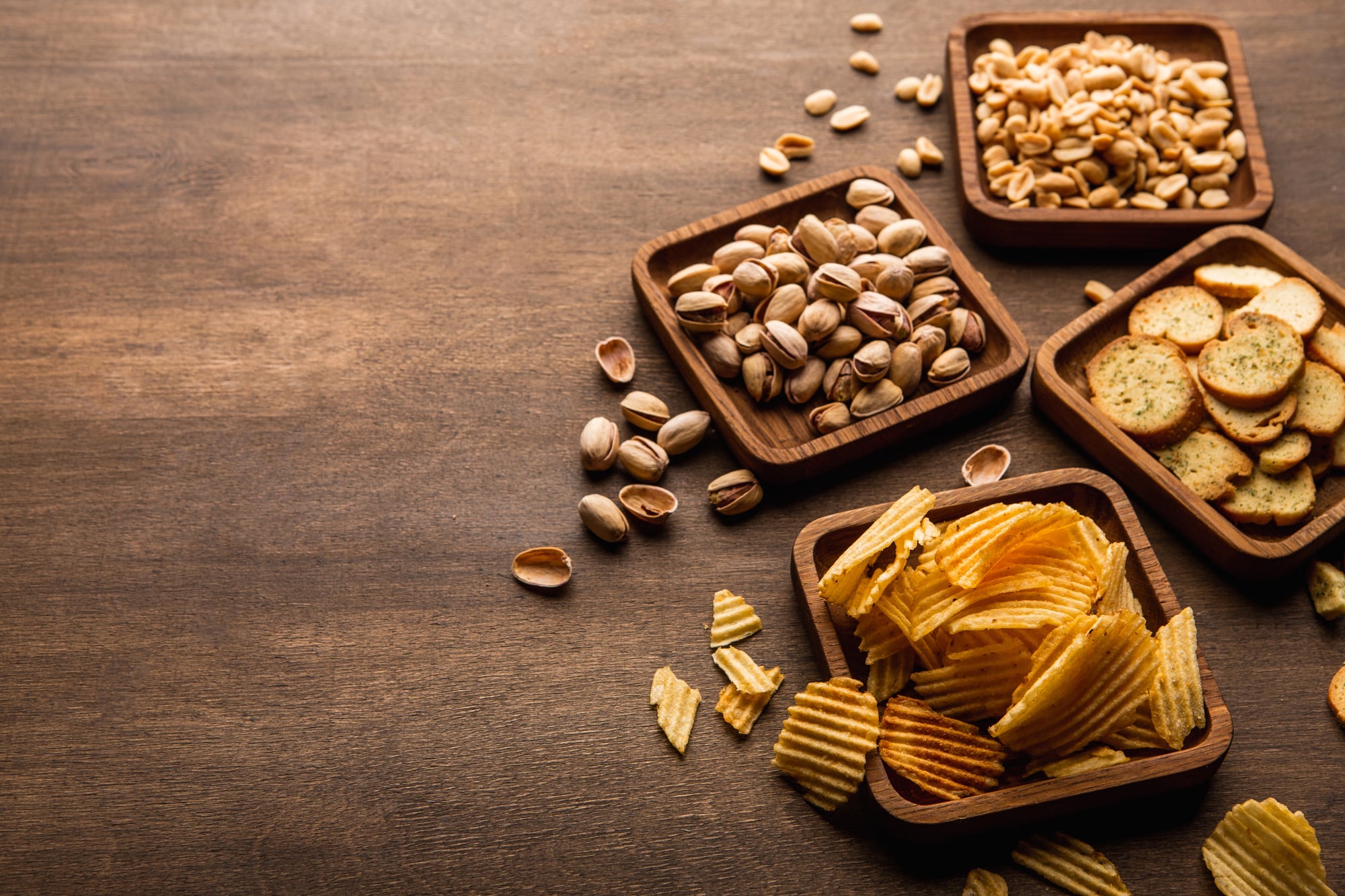
Sailors ate from square wooden plates that wouldn’t slide during rough seas – practical dinnerware for unpredictable conditions. These “square meals” needed to provide sufficient calories for men performing physically demanding labor.
The phrase now simply means proper, nutritionally balanced eating. Health experts recommend three square meals daily, though few realize they’re echoing maritime dining solutions.
Three Sheets to the Wind
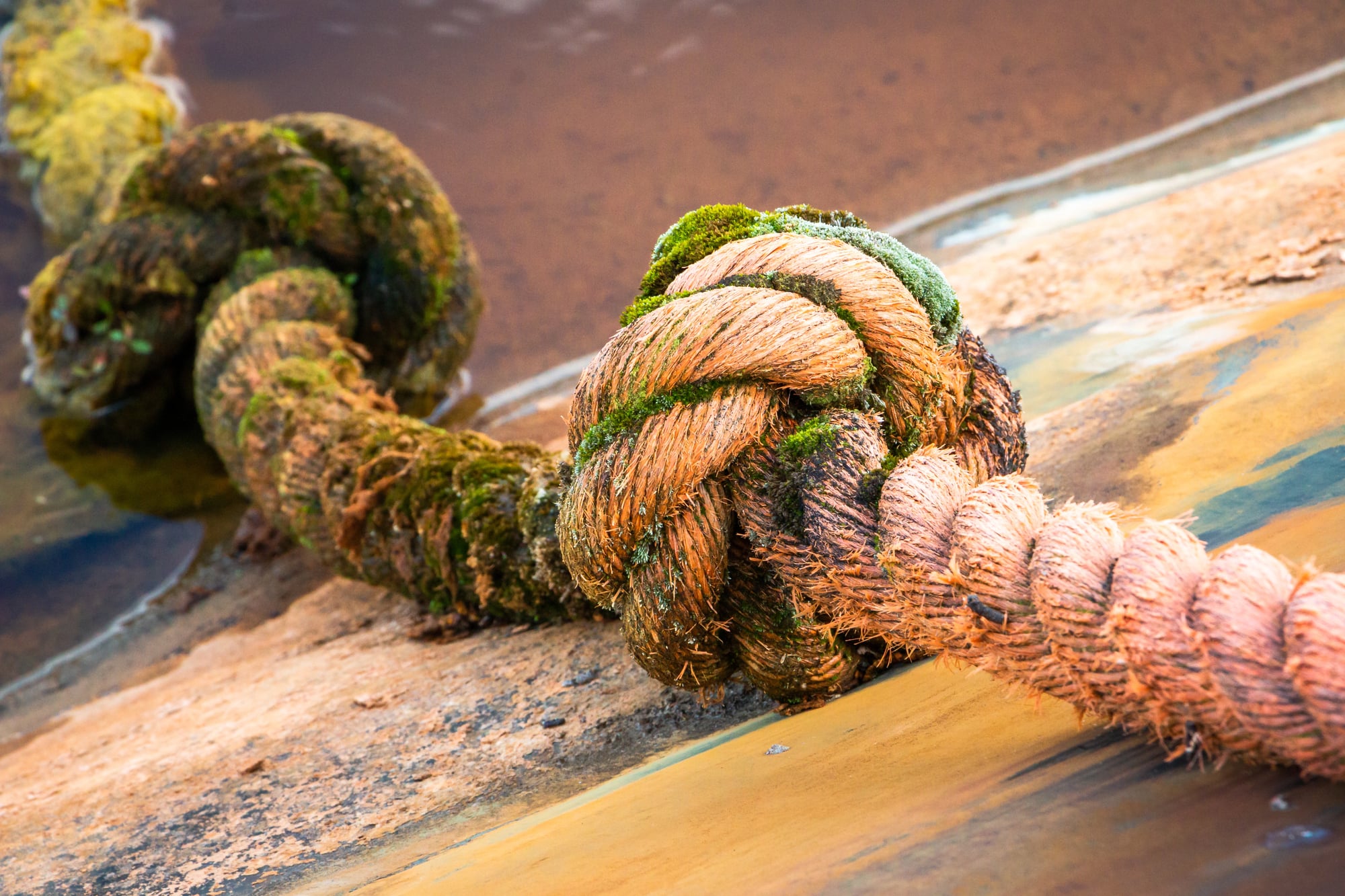
Confusion often surrounds this phrase because “sheets” in sailing terminology aren’t sails but rather the ropes controlling them. If three sheets came loose, sails would flap uncontrollably.
This caused the ship to lurch erratically. The comparison to intoxicated stumbling proved irresistible.
Taken Aback
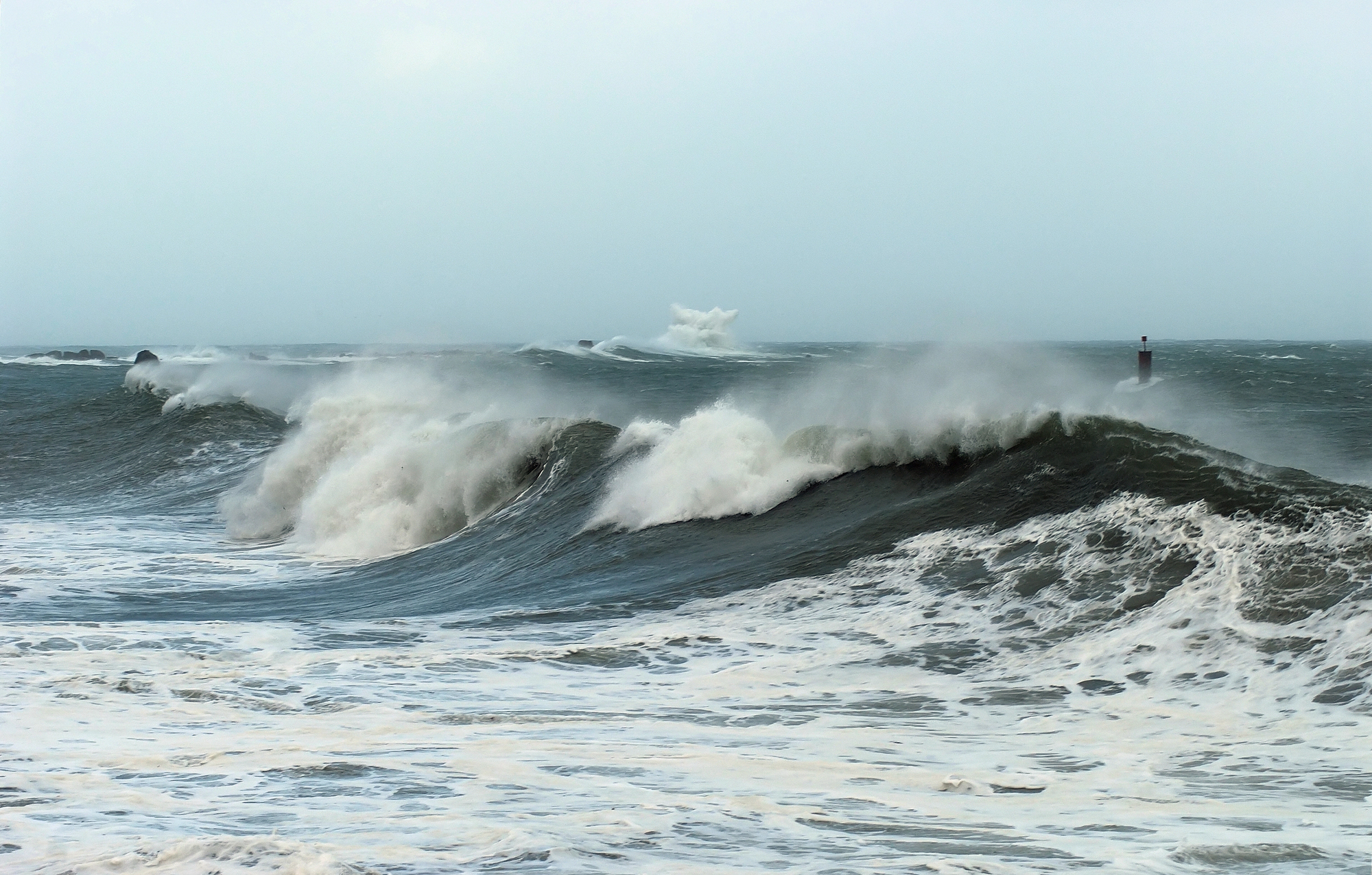
When sudden wind shifts hit sailing vessels from the front, sails would press against the masts rather than filling properly. This dangerous position – being “taken aback” – stopped forward progress.
It required immediate action. The expression perfectly captures the feeling of surprised immobility that accompanies unexpected news.
Like Go2Tutors’s content? Follow us on MSN.
Touch and Go

Ships navigating shallow waters sometimes briefly contacted the bottom before floating free again. These nerve-wracking moments – where disaster loomed but didn’t quite materialize – were described as “touch and go.”
Medical professionals still use this phrase for uncertain patient outcomes, preserving both the tension and potential for either disaster or relief from its nautical origin.
Under the Weather

Ships positioned seasick sailors on the vessel’s leeward (downwind) side during storms, providing some shelter from the worst effects. These ailing crew members were literally “under the weather.”
The phrase naturally extended to describe anyone feeling slightly ill. People calling in “under the weather” to work probably aren’t suffering from seasickness.
Windfall
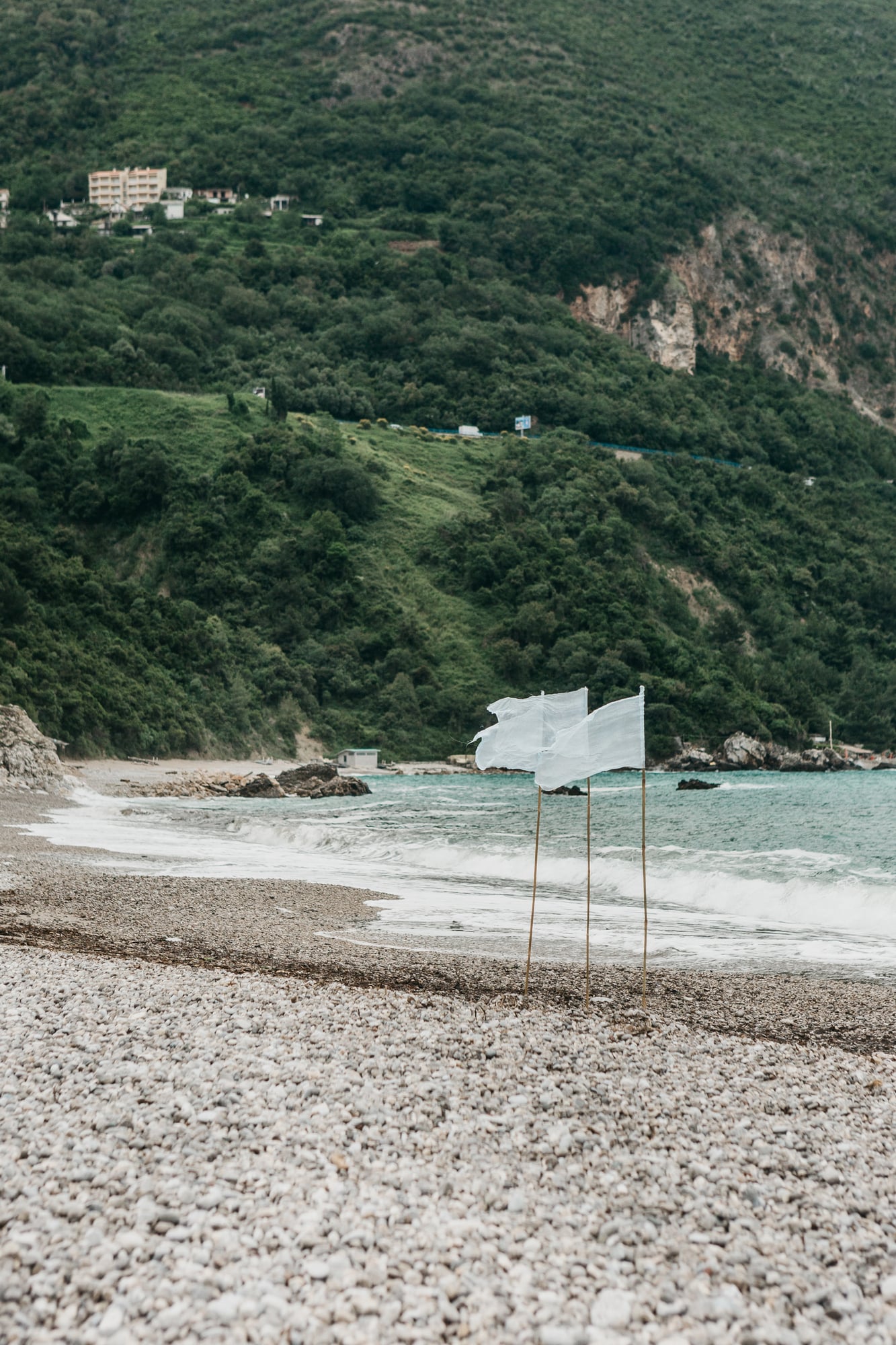
Coastal sailors occasionally benefited when strong winds blew fruit from shoreline trees, providing unexpected treats without climbing or harvesting. This natural bounty gave us “windfall” as shorthand for unexpected good fortune.
Lottery winners receive windfalls, as do beneficiaries of surprise inheritances. The pleasant surprise of naturally harvested fruit perfectly captures the essence of unearned yet welcome abundance.
Like Go2Tutors’s content? Follow us on MSN.
Enduring Maritime Legacy
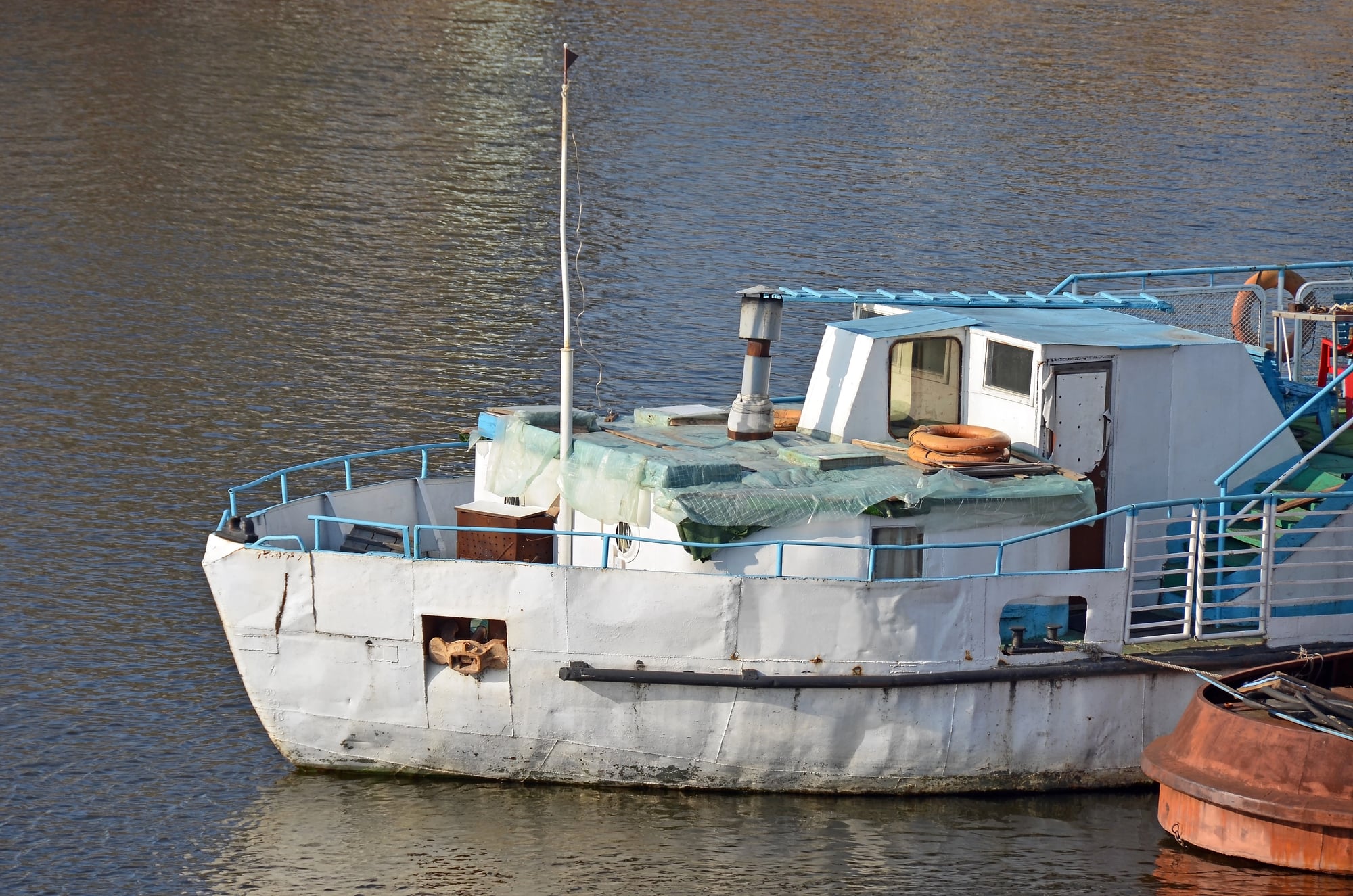
These seafaring expressions demonstrate language as living archaeology – preserving echoes of experiences most speakers will never personally encounter. Maritime terminology infiltrated common speech over centuries when shipping represented cutting-edge technology and national power.
Today’s digital innovators create fresh jargon, but nautical expressions maintain remarkable staying power. These phrases connect modern speakers with generations of sailors who faced ocean challenges using only wind, wood, and human ingenuity.
More from Go2Tutors!

- 16 Restaurant Chains That Went Too Fast
- 12 Things Sold in the 80s That Are Now Illegal
- 15 Strange Things People Have Tried to Ban (And Failed)
- 16 Collectibles People Tossed Out Too Soon
- 17 Myths from Your Childhood That Were Actually Based on Real Things
Like Go2Tutors’s content? Follow us on MSN.