Dog Facts Every Pet Lover Should Know
Dogs have been our faithful companions for thousands of years, yet they continue to surprise us with their amazing abilities and quirky behaviors. From their incredible senses to their unique ways of communicating, these four-legged friends are far more complex and fascinating than most people realize. Whether you’ve shared your life with dogs for decades or you’re considering welcoming your first furry family member, understanding these creatures better can deepen the bond you share.
Ready to discover some truly mind-blowing facts about our canine companions? Let’s dive into the wonderful world of dog knowledge that will change how you see your pet forever.
Dogs can smell your emotions
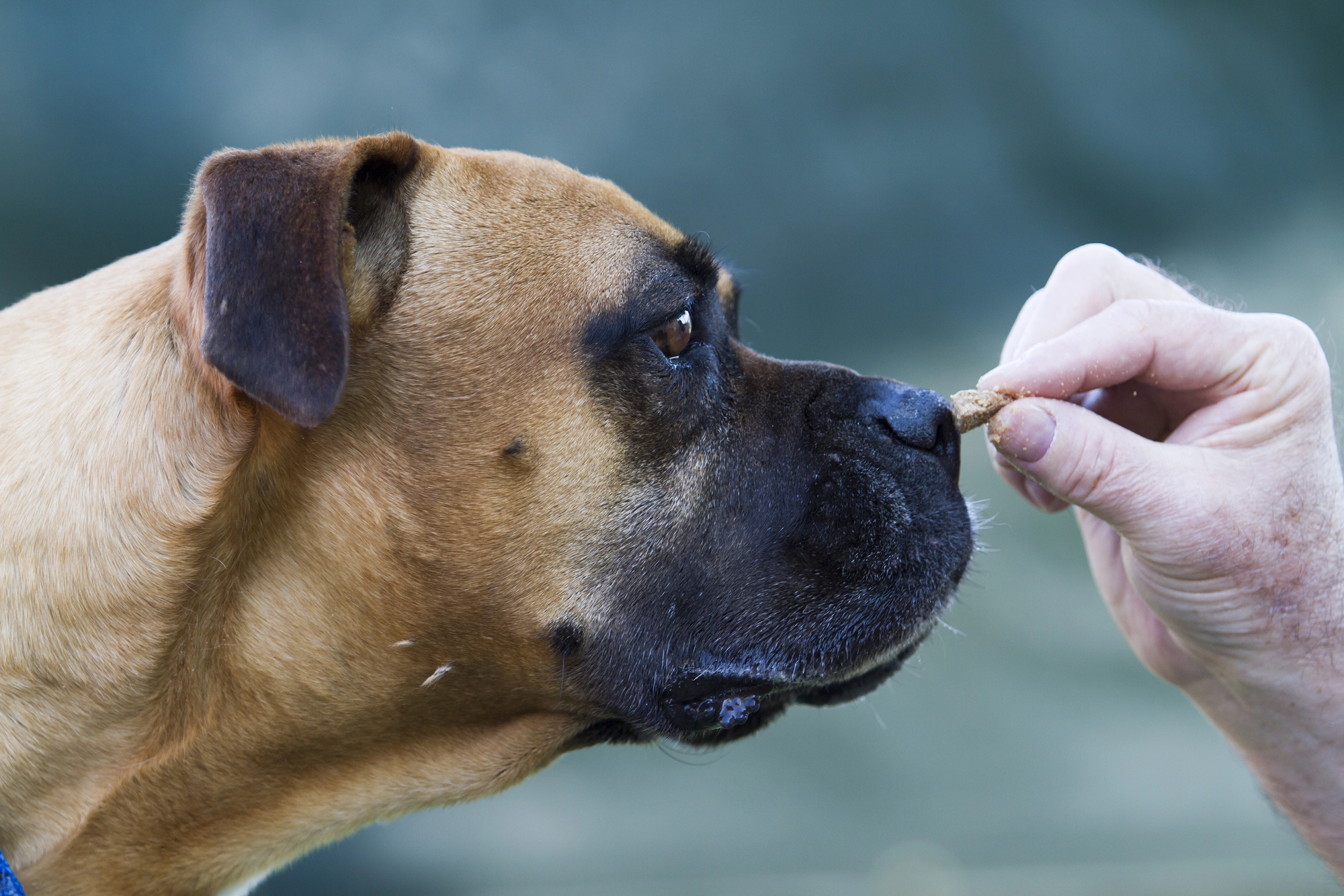
Your dog is aware of your emotions before you are. They can detect the chemical changes in your body when you experience different emotions because their sense of smell is so strong.
Your dog detects the stress hormones you release when you’re under stress. Your pet will also recognize the various scents that are created during happy moments.
Puppies are born completely helpless

Many pet owners may be surprised to learn how vulnerable newborn puppies are when they first come into the world. During the first few weeks of life, they are unable to see, hear, or even control their own body temperature.
Their hearing develops around the same time that their eyes open, which is around two weeks of age. They are completely dependent on their mother for protection, sustenance, and warmth during this crucial time.
Every dog has a unique nose print

Just like human fingerprints, no two dogs share the same nose print pattern. The ridges and creases on a dog’s nose create a one-of-a-kind identifier that remains consistent throughout their life.
Some organizations have even started using nose prints as a way to identify lost or stolen pets. The texture and pattern are so distinct that they can be used for official identification purposes.
Dogs dream just like humans do

Watch a sleeping dog closely and you might notice their legs twitching or hear soft barks and whimpers. This happens because dogs experience REM sleep, the same stage where humans have vivid dreams.
Research suggests that dogs likely dream about familiar activities like playing, running, or interacting with their owners. Smaller dogs tend to dream more frequently than larger breeds, but bigger dogs usually have longer dream sessions.
Chocolate is dangerous for dogs

Most pet owners know chocolate is bad for dogs, but many don’t understand just how serious this can be. Dogs process a compound called theobromine much slower than humans do, which means it builds up to toxic levels in their system.
Dark chocolate and baking chocolate contain the highest amounts of this dangerous substance. Even small amounts can cause vomiting, diarrhea, and in severe cases, heart problems or worse.
Dogs have three eyelids
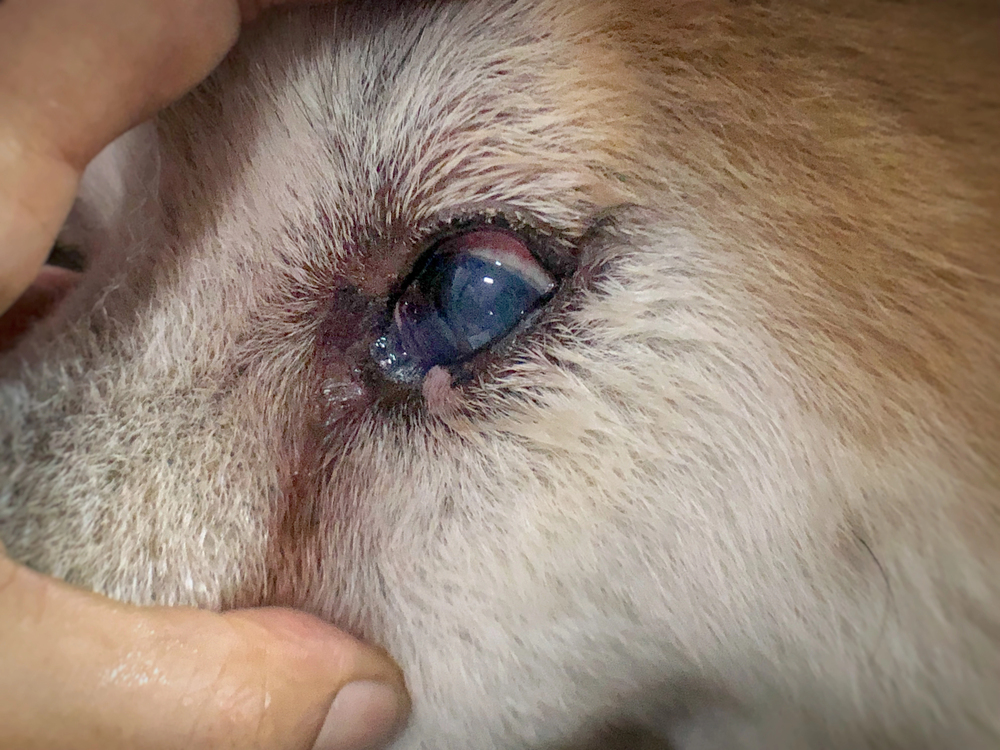
While humans make do with just two eyelids, dogs come equipped with an extra one that most people never notice. This third eyelid, called a nictitating membrane, sits in the corner of each eye and helps protect the eye from debris and injury.
It also produces tears that keep the eye moist and healthy. Sometimes you might catch a glimpse of this pink or white membrane when your dog is waking up or feeling unwell.
Dogs can learn over 150 words

The average dog can understand and respond to about 150 different words and signals. Some exceptionally bright dogs have been documented learning over 1,000 words, rivaling the vocabulary of a young child.
Border Collies tend to be among the best at word recognition, but dogs of all breeds can learn impressive amounts. They’re particularly good at learning words associated with things they care about, like food, toys, and activities.
Sweating happens through their paws

Unlike humans who sweat through their skin, dogs only have sweat glands in their paw pads. This means those little pink pads between their toes are actually their primary cooling system through sweating.
Most of their body temperature regulation happens through panting, which helps moisture evaporate from their tongue and respiratory system. On hot days, you might notice damp paw prints on smooth surfaces.
Their hearing is incredibly sharp
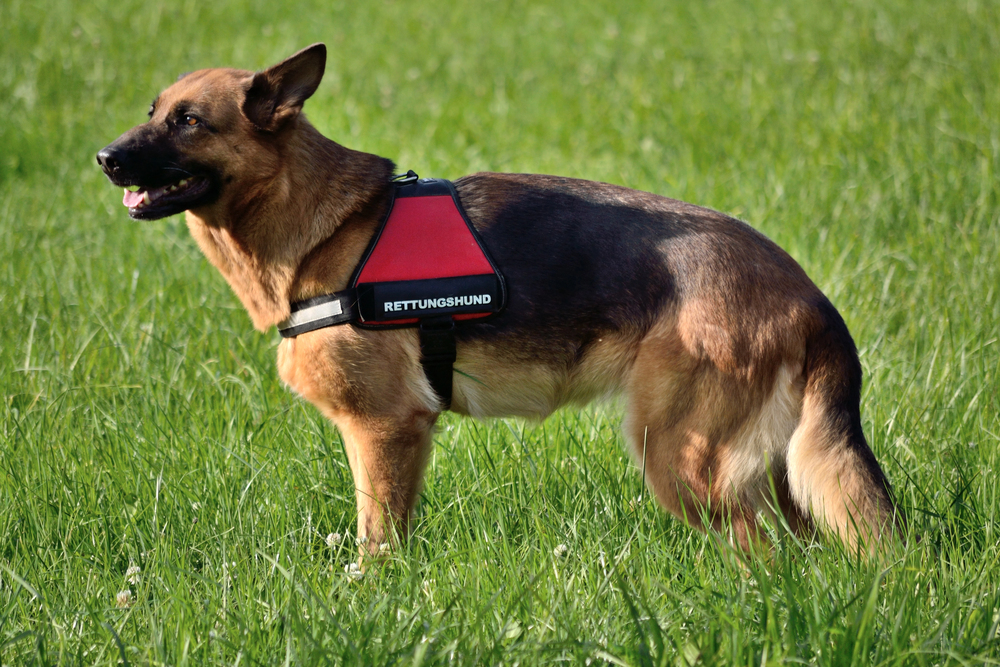
Dogs can hear sounds at frequencies much higher than humans can detect, which explains their reactions to things we can’t perceive. They can pick up sounds at frequencies up to 65,000 Hz, while humans max out around 20,000 Hz.
This super hearing allows them to detect the high-pitched whine of electronics, distant sirens, or even the approach of certain vehicles long before we notice. Their ears can also move independently to pinpoint exactly where sounds are coming from.
Dogs age differently than the popular belief
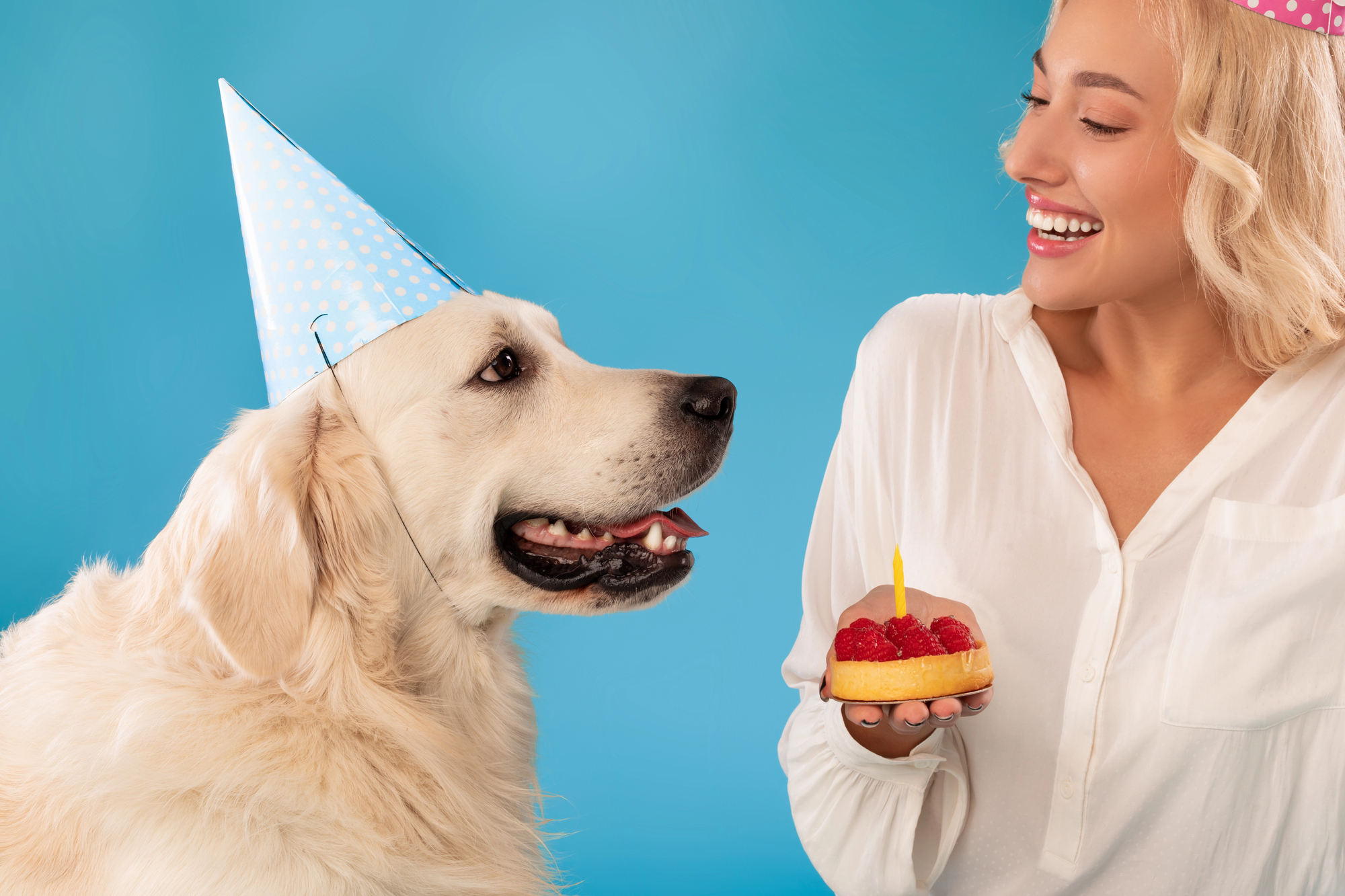
The old rule of multiplying a dog’s age by seven to get their human equivalent age is actually quite inaccurate. Dogs mature much faster in their early years, then the aging process slows down compared to humans.
A one-year-old dog is roughly equivalent to a 15-year-old human in terms of development. By age two, they’re closer to a 25-year-old human.
They can be left or right-pawed
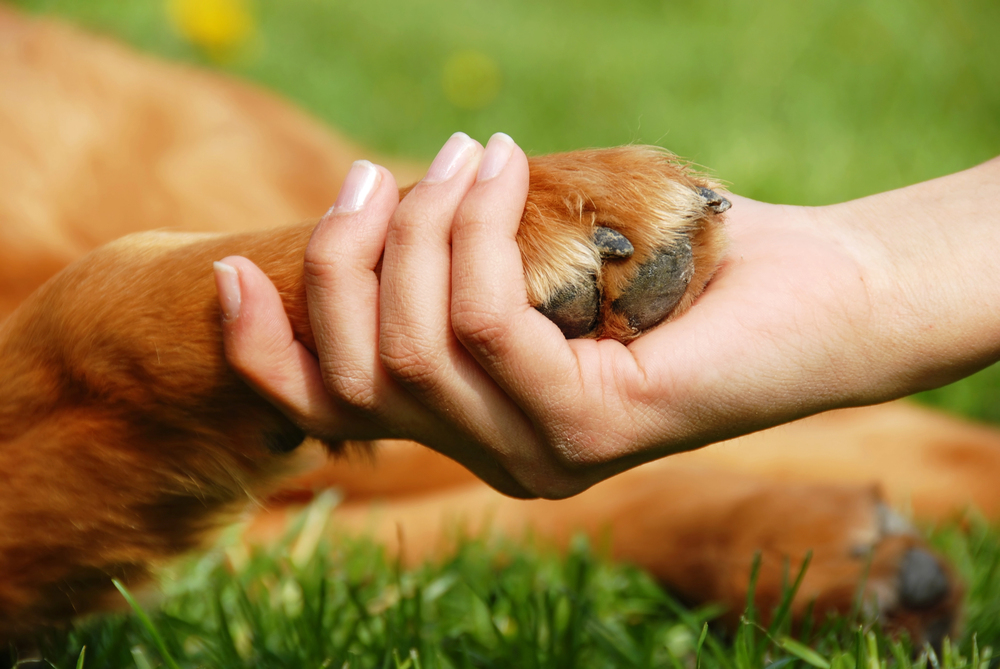
Just like humans favor one hand over the other, dogs often prefer using one paw more than the other for various tasks. You can test this by observing which paw your dog uses first when trying to reach for something or step down from a height.
Studies suggest that female dogs tend to be right-pawed more often, while males show a slight preference for their left paw. This preference becomes more obvious during complex tasks that require coordination.
Their tail wagging has different meanings
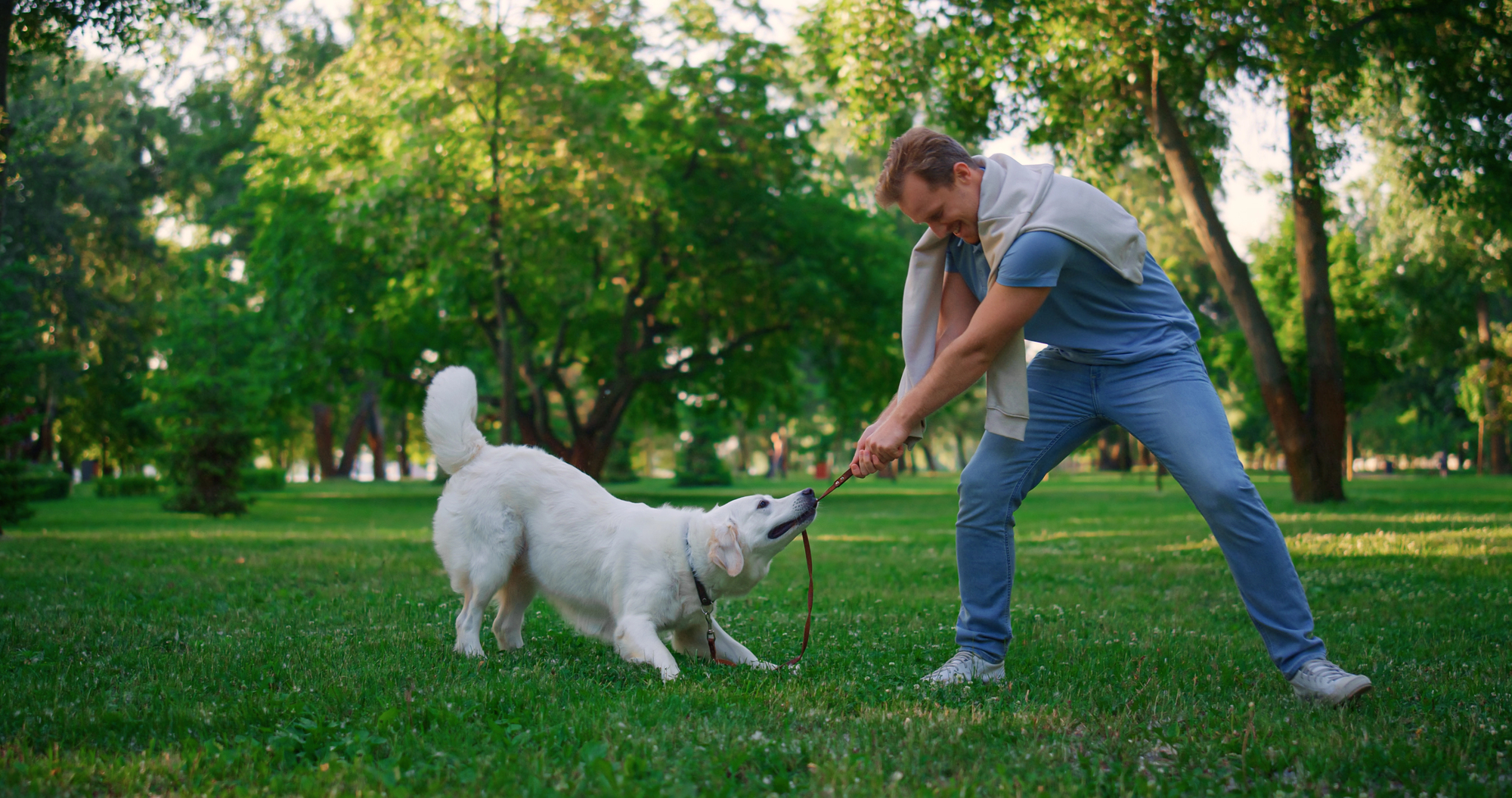
A wagging tail doesn’t always mean a happy dog, contrary to popular belief. The position, speed, and direction of the wag all communicate different messages.
A high, fast wag usually indicates excitement or happiness, while a low, slow wag might suggest uncertainty or submission. Tails that wag more to the right side often show positive emotions, while left-side wagging can indicate more negative feelings.
Dogs can detect diseases in humans
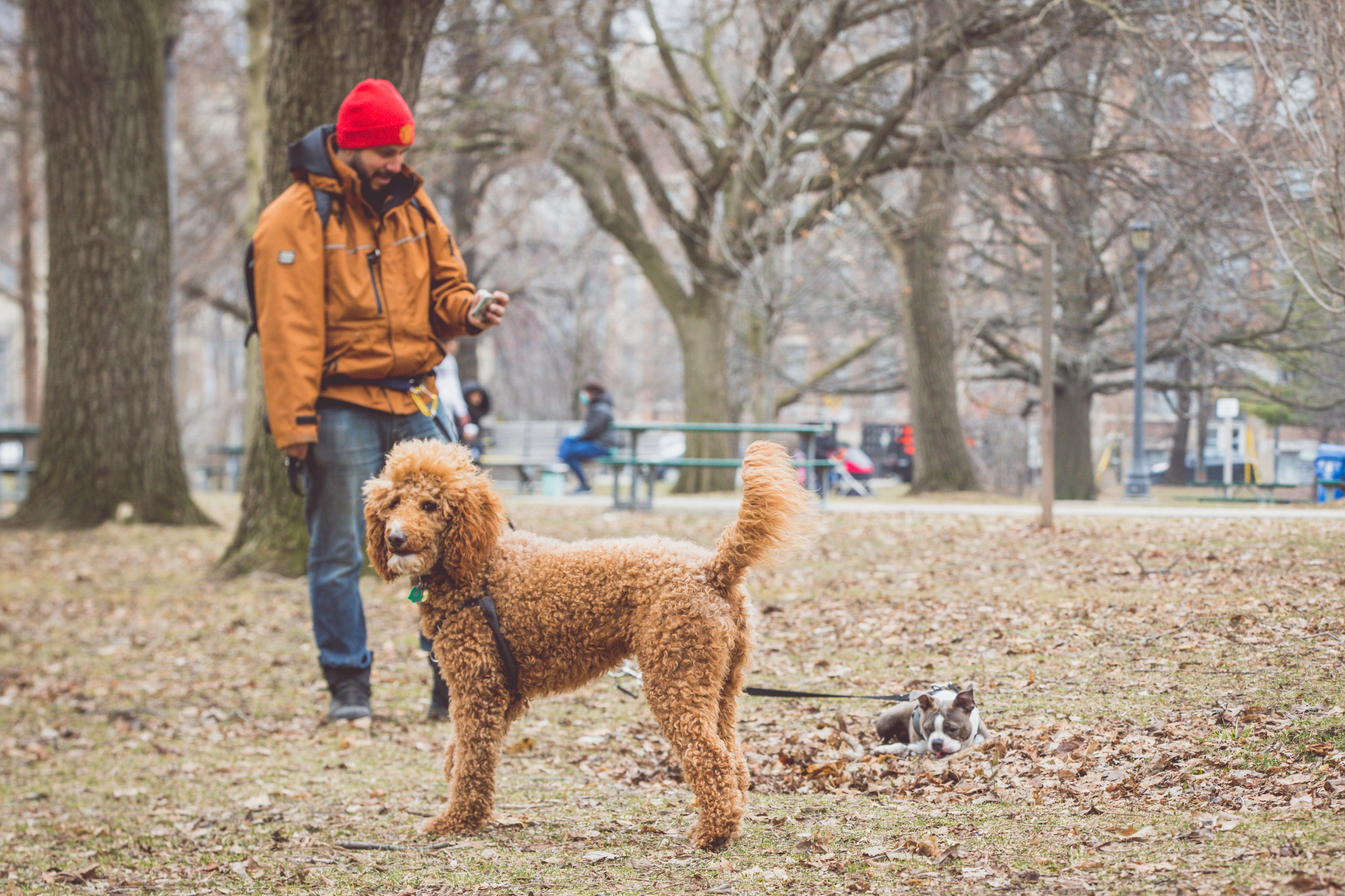
Some dogs possess an almost supernatural ability to detect certain medical conditions in their human companions through scent. They can identify changes in blood sugar levels, helping people with diabetes manage their condition.
Certain dogs have been trained to detect seizures before they happen, giving their owners crucial warning time. Some can even detect certain types of cancer by identifying specific odors that cancerous cells produce.
Their mouth bacteria is different from ours

The common saying that a dog’s mouth is cleaner than a human’s mouth is misleading because they contain completely different types of bacteria. Dogs have their own unique oral microbiome that’s adapted to their diet and lifestyle.
Some bacteria in their mouths can actually be harmful to humans, which is why dog bites can lead to serious infections. However, they also have some bacteria that might be beneficial.
Dogs understand fairness
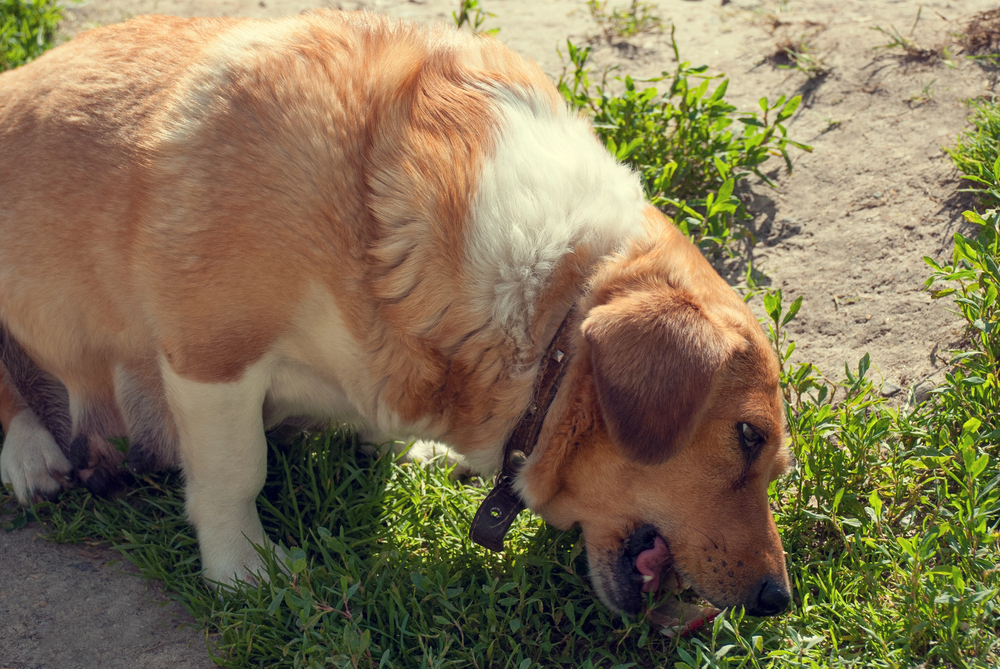
Research has shown that dogs have a basic understanding of fairness and can get upset when they perceive unequal treatment. If one dog receives a treat for performing a trick while another dog doing the same trick gets nothing, the unrewarded dog often shows signs of frustration or stops participating.
This sense of fairness extends beyond just treats to attention, toys, and other resources. Dogs living in multi-pet households often develop complex social rules about sharing and taking turns.
They can read human facial expressions

Because they have lived with people for thousands of years, dogs have developed an extraordinary ability to read and interpret human facial expressions. They are able to discern human facial expressions such as happiness, anger, sadness, and surprise.
Because of how well-developed this ability is, dogs frequently react correctly to facial cues even in the absence of spoken instructions. They can frequently predict behavior based on facial cues and are especially skilled at reading the expressions of their favorite humans.
Each breed was designed for specific jobs
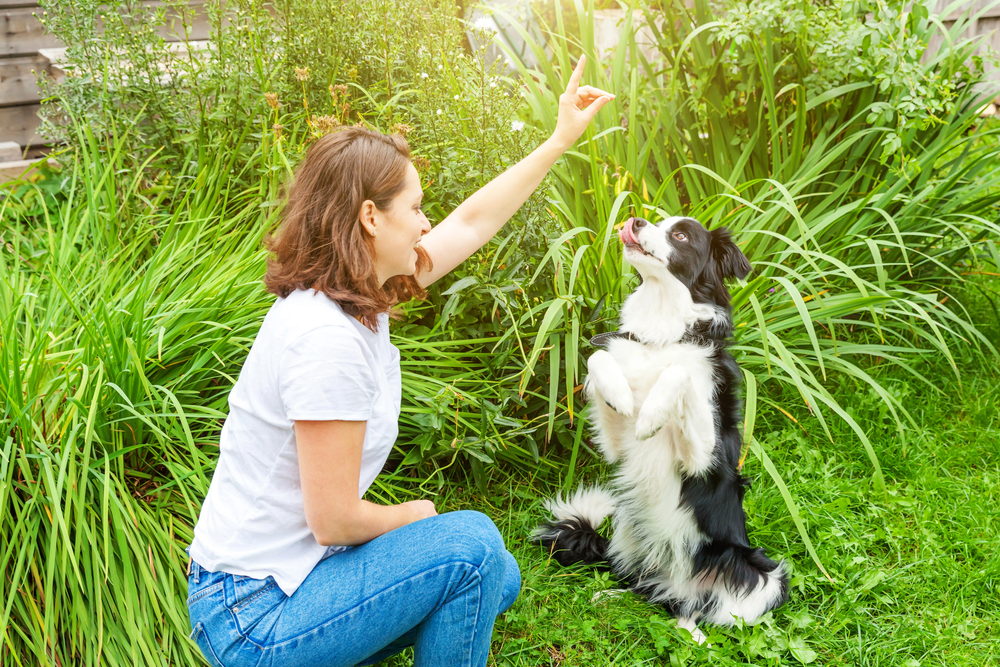
Humans purposefully selected for specific traits that would aid in specific tasks or environments, which is why there are different dog breeds. Australian Shepherds and Border Collies are examples of herding breeds that were created to manage livestock with little human oversight.
To track, point, or retrieve game in a variety of environments, hunting breeds were developed. Breeds of guards were chosen for their intimidating appearance and protective nature.
From ancient companions to modern family members

These remarkable creatures have evolved alongside humans for over 15,000 years, transforming from wild wolves into the diverse, loving companions we know today. Each fact about dogs reveals how perfectly adapted they’ve become to sharing our lives, from reading our emotions to understanding our daily routines.
The bond between humans and dogs continues to strengthen as we learn more about their incredible abilities and unique personalities. This evolution from working animals to beloved companions shows just how special the relationship between humans and dogs truly is.
More from Go2Tutors!

- The Romanov Crown Jewels and Their Tragic Fate
- 13 Historical Mysteries That Science Still Can’t Solve
- Famous Hoaxes That Fooled the World for Years
- 15 Child Stars with Tragic Adult Lives
- 16 Famous Jewelry Pieces in History
Like Go2Tutors’s content? Follow us on MSN.