16 Food Traditions That Started as Survival Tactics
Many of the foods we consider cultural delicacies today actually began as desperate attempts to avoid starvation. What we now celebrate as traditional cuisine often represents the ingenious ways our ancestors transformed scraps, preserved perishables, and made the most of whatever nature provided during harsh times. These survival strategies became so embedded in daily life that they evolved into cherished cultural practices passed down through generations.
From fermented vegetables to cured meats, countless beloved dishes trace their origins to the basic human need to survive famines, long winters, and food scarcity. Here is a list of 16 food traditions that started as survival tactics.
Cheese Making
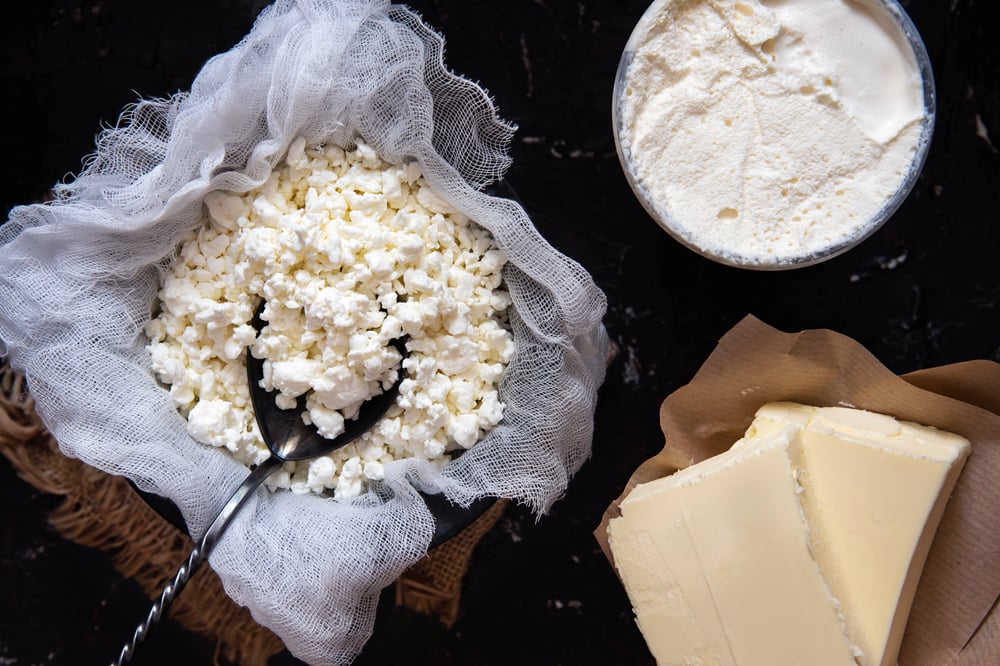
Ancient peoples discovered cheese by accident when milk stored in pouches made from animal stomachs curdled during long journeys. The natural enzymes in the stomach lining combined with the motion and heat to create a preserved protein source that wouldn’t spoil like fresh milk.
This happy accident became essential for surviving winters when fresh milk was scarce, allowing communities to store dairy nutrition for months.
Sauerkraut and Kimchi

Fermenting cabbage emerged independently across different cultures as a way to preserve vegetables through harsh winters when fresh produce was impossible to find. The fermentation process not only prevented spoilage but also increased the nutritional value by creating beneficial bacteria and vitamin C.
Sailors later discovered that fermented vegetables prevented scurvy during long ocean voyages, making these preservation techniques crucial for exploration and trade.
Like Go2Tutors’s content? Follow us on MSN.
Jerky and Dried Meat

Native American tribes developed jerky as a concentrated protein source that could last for months without refrigeration during nomadic hunting seasons. The process removed moisture that bacteria need to multiply, creating a lightweight food that provided essential nutrients during long migrations.
This preservation method allowed hunters to venture farther from their home base while carrying enough sustenance for extended expeditions.
Sourdough Bread

Sourdough starters became prized possessions during the California Gold Rush because they provided reliable leavening when commercial yeast was unavailable in remote areas. Miners would share their starters like precious cargo, understanding that losing this living culture meant reverting to flat, dense bread that was harder to digest.
The wild yeasts in sourdough also helped break down grains more completely, making nutrients more accessible during times when food variety was limited.
Pickled Vegetables
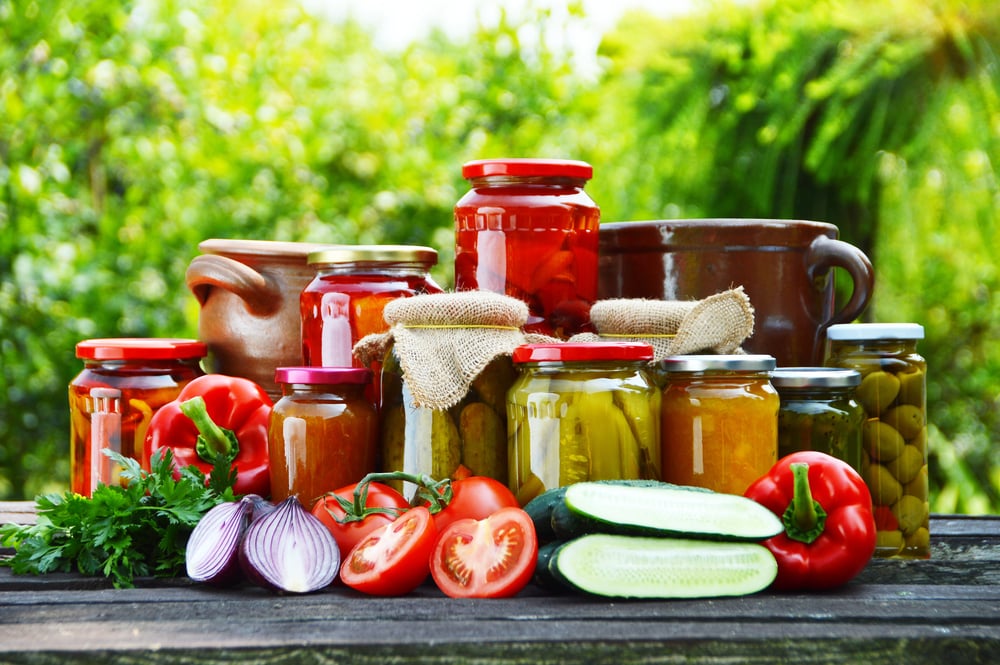
Pickling developed as a method to preserve the harvest bounty for consumption during winter months when fresh vegetables were nonexistent. The acidic environment prevented harmful bacteria from growing while maintaining much of the original nutritional content.
Sailors and explorers relied heavily on pickled foods to prevent vitamin deficiencies during long journeys when fresh produce would rot within days.
Like Go2Tutors’s content? Follow us on MSN.
Fish Sauce and Fermented Fish

Ancient civilizations discovered that letting fish ferment in salt created a protein-rich liquid that could enhance the flavor of bland staple foods. This process transformed otherwise inedible fish scraps and small catches into a concentrated source of umami that made rice and vegetables more satisfying.
The fermentation also broke down proteins into amino acids that were easier for malnourished bodies to absorb and utilize.
Hardtack and Ship Biscuits

These incredibly dense, flour-based crackers became the backbone of naval nutrition because they could survive months at sea without spoiling in humid conditions. While nearly inedible when dry, sailors would soak hardtack in coffee or stew to soften it into something resembling actual food.
The simple combination of flour, water, and salt created a shelf-stable carbohydrate source that kept crews alive during extended voyages.
Blood Sausage

Using animal blood in sausage making ensured that absolutely nothing from a slaughtered animal went to waste during times when protein was precious. Blood is rich in iron and protein, making it a valuable nutritional resource that would otherwise be discarded.
This practice became especially important during harsh winters when communities needed to stretch every bit of nutrition from their limited livestock.
Like Go2Tutors’s content? Follow us on MSN.
Salted and Cured Fish

Before refrigeration existed, salt-curing was the only way to preserve fish catches large enough to feed communities through lean periods. The salt drew out moisture and created an environment hostile to bacteria, allowing protein to be stored for months.
Coastal communities developed elaborate curing techniques that became cultural signatures, but they all started from the basic need to avoid protein spoilage.
Pemmican
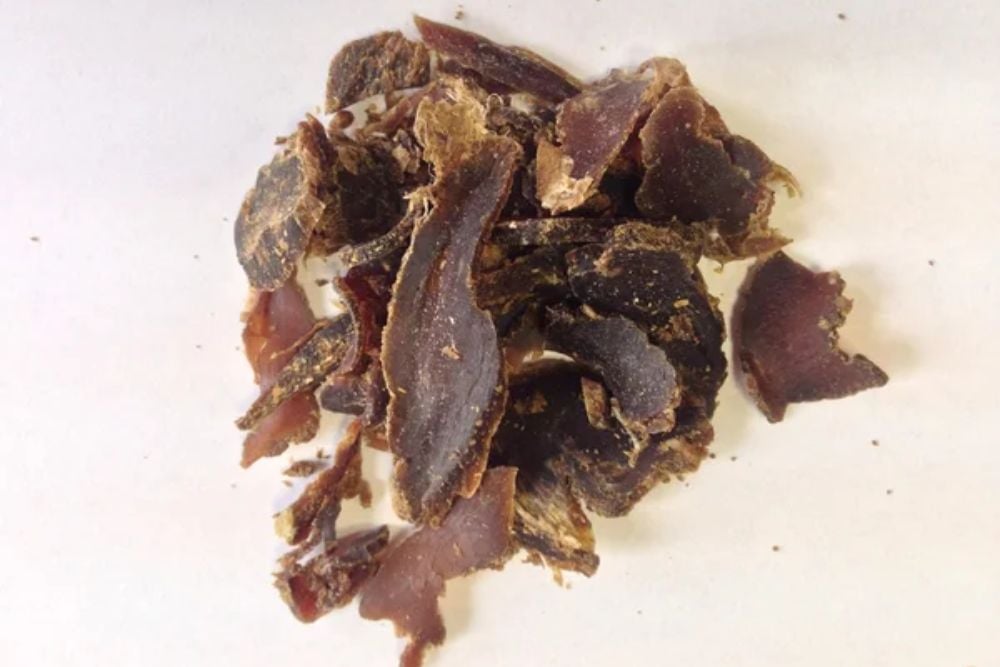
This concentrated mixture of dried meat, fat, and berries became the ultimate survival food for Plains Indians because it provided complete nutrition in a compact, long-lasting form. The fat provided essential calories and helped the body absorb vitamins from the other ingredients, while the berries added vitamin C to prevent nutritional deficiencies.
A small amount of pemmican could sustain a person for days during emergency situations or long hunting expeditions.
Root Cellars and Fermented Vegetables
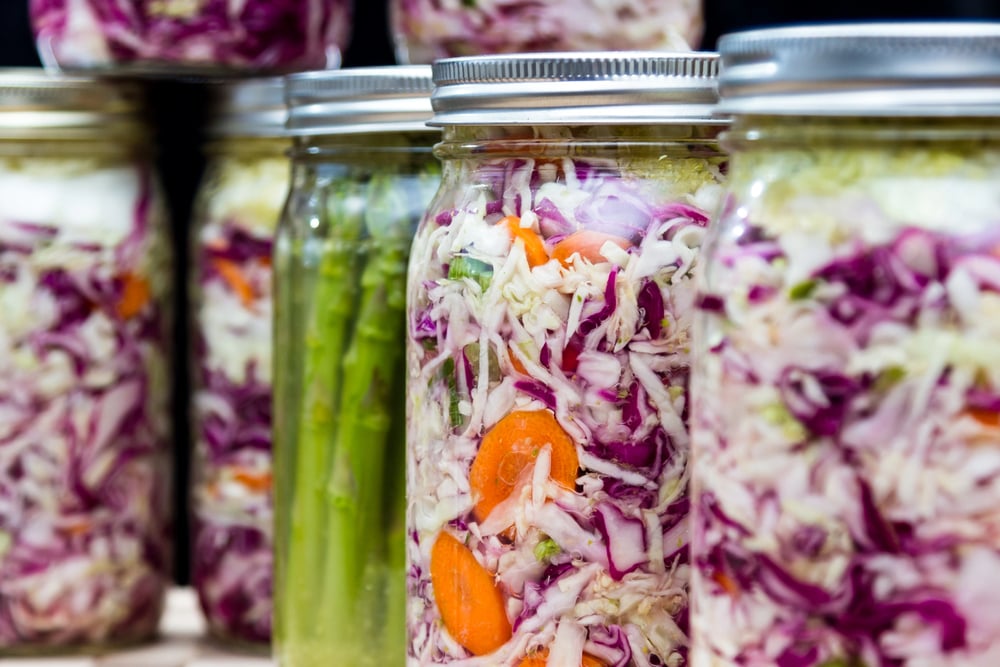
Storing root vegetables in underground cellars kept them from freezing while maintaining the cool, humid conditions needed to prevent spoilage through the winter months. Communities would layer vegetables with sand, straw, or sawdust to regulate moisture and temperature without any external energy source.
This storage method allowed families to eat fresh vegetables months after the last harvest, preventing malnutrition during the longest winters.
Like Go2Tutors’s content? Follow us on MSN.
Bone Broth and Marrow

Extracting every possible nutrient from animal bones became crucial during times when meat was scarce and communities couldn’t afford to waste any protein source. Long, slow cooking released minerals, collagen, and remaining proteins from bones that would otherwise be discarded.
The resulting broth provided essential nutrients and helped stretch limited food supplies by creating filling, nutritious meals from scraps.
Dried Beans and Legumes

Drying beans allowed agricultural communities to store protein-rich foods for years without spoilage, creating a reliable backup food source during crop failures. Legumes also provided essential amino acids that complemented grain-based diets, preventing protein deficiency when meat was unavailable.
This preservation method was so effective that dried beans often became currency in societies where food security was uncertain.
Salted Pork and Bacon
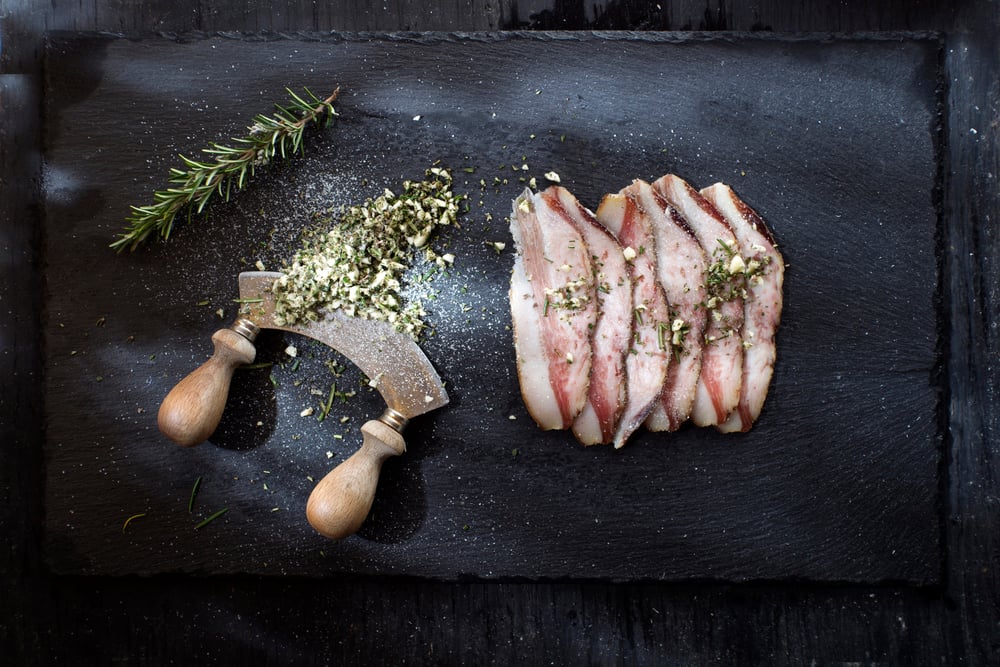
Salt-curing pork became essential for providing fat and protein during the winter months when fresh meat was impossible to preserve safely. The high salt content prevented bacterial growth while the fat provided concentrated calories needed to survive cold weather.
Pioneer families would cure entire pigs in the fall, creating a protein source that would last through spring when fresh hunting opportunities returned.
Like Go2Tutors’s content? Follow us on MSN.
Fermented Dairy Products
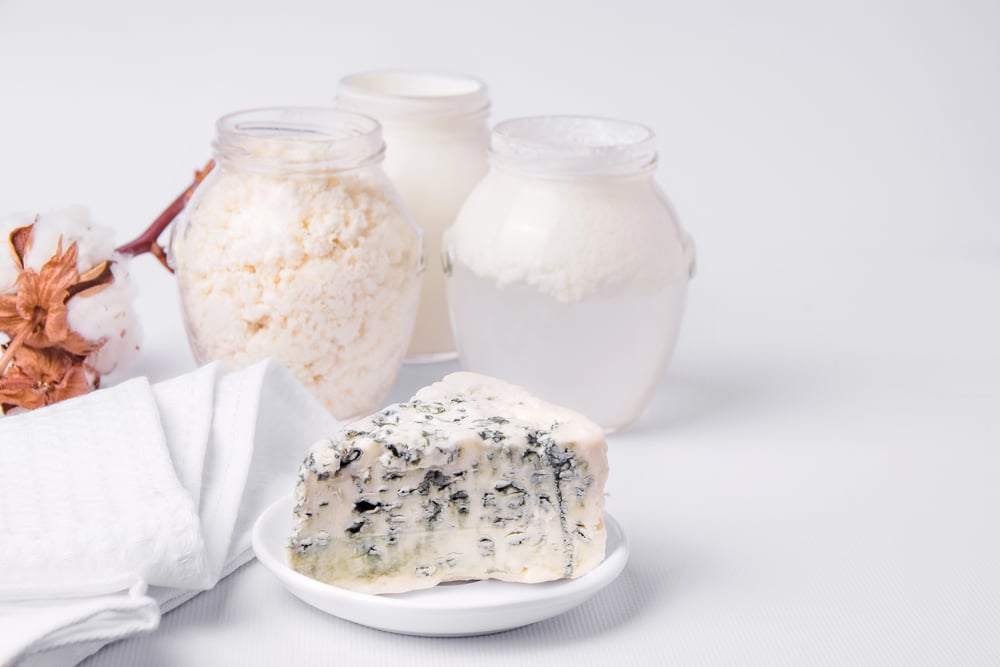
Cultures around the world independently developed fermented dairy products like yogurt and kefir as ways to preserve milk’s nutrition when refrigeration was impossible. The beneficial bacteria in these products actually improved digestibility and increased certain vitamins while preventing harmful bacteria from taking hold.
These fermented foods also provided probiotics that helped maintain gut health during times when dietary variety was extremely limited.
Preserved Fruit and Jam

Converting seasonal fruit into jams and preserves allowed communities to access vitamin C and natural sugars throughout the winter months when fresh fruit was unavailable. The high sugar concentration prevented spoilage while maintaining much of the fruit’s nutritional value for months after harvest.
This preservation method became especially important in northern climates where fresh fruit was only available for a few months each year.
From Desperation to Celebration
These survival-born food traditions remind us that human creativity flourishes under pressure, transforming necessity into culinary art. What began as desperate measures to avoid starvation evolved into the comfort foods and cultural celebrations that define communities today.
The next time you enjoy a piece of aged cheese or a bowl of kimchi, remember that you’re participating in food traditions that literally kept your ancestors alive through their darkest times. These techniques didn’t just preserve food—they preserved entire civilizations, allowing cultures to survive and thrive through centuries of uncertainty.
Like Go2Tutors’s content? Follow us on MSN.
More from Go2Tutors!

- 16 Restaurant Chains That Went Too Fast
- 12 Things Sold in the 80s That Are Now Illegal
- 15 Strange Things People Have Tried to Ban (And Failed)
- 16 Collectibles People Tossed Out Too Soon
- 17 Myths from Your Childhood That Were Actually Based on Real Things
Like Go2Tutors’s content? Follow us on MSN.