Words in English that break dictionary records
English doesn’t just bend rules — sometimes it shatters them. A handful of words are so extreme they’ve become records in their own right, whether for length, brevity, or sheer oddity. Here’s a list of record-breaking words that push the limits of what English can hold.
Pneumonoultramicroscopicsilicovolcanoconiosis

The undisputed heavyweight. At 45 letters, it names a lung disease caused by inhaling fine silica dust. Medical experts rarely use it — shorter terms are easier in practice — but the word lingers because of its sheer size. Try saying it aloud without losing breath. Almost impossible.
Smiles
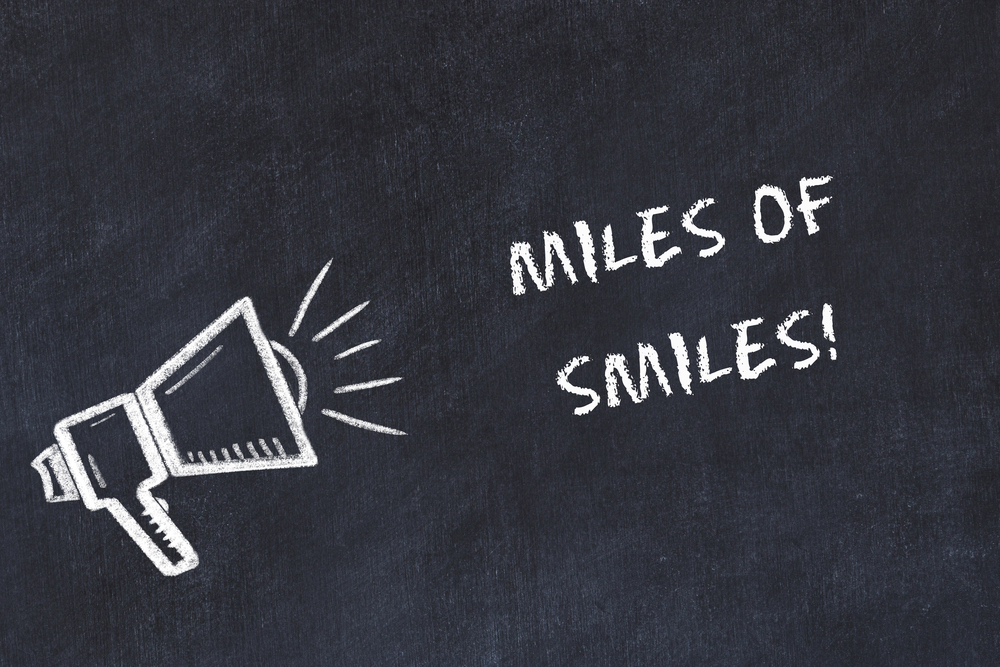
At first glance, nothing unusual. Yet trivia buffs point out it’s the “longest” word in English because there’s a mile between the first and last letters. A playful record, more of a linguistic wink than a serious achievement. Still, it’s one of those facts that sticks once you’ve heard it.
Eunoia
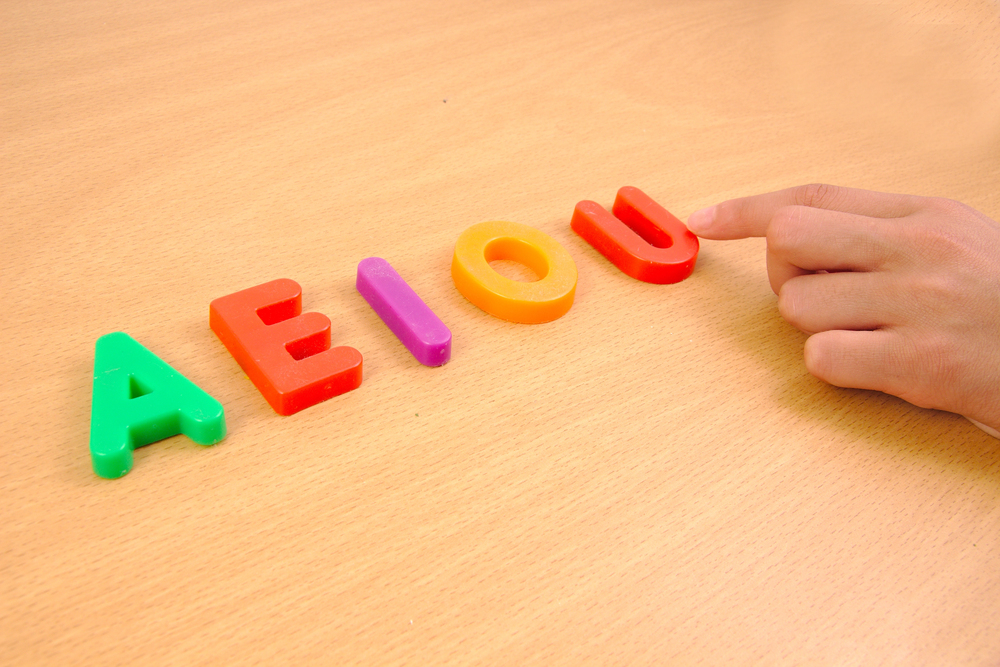
This compact, six-letter word means “beautiful thinking” or goodwill. Its claim to fame? It’s the shortest word containing all five vowels. Elegant, balanced, and rarely spotted in daily conversation. A small gem tucked away in the dictionary.
Strengths
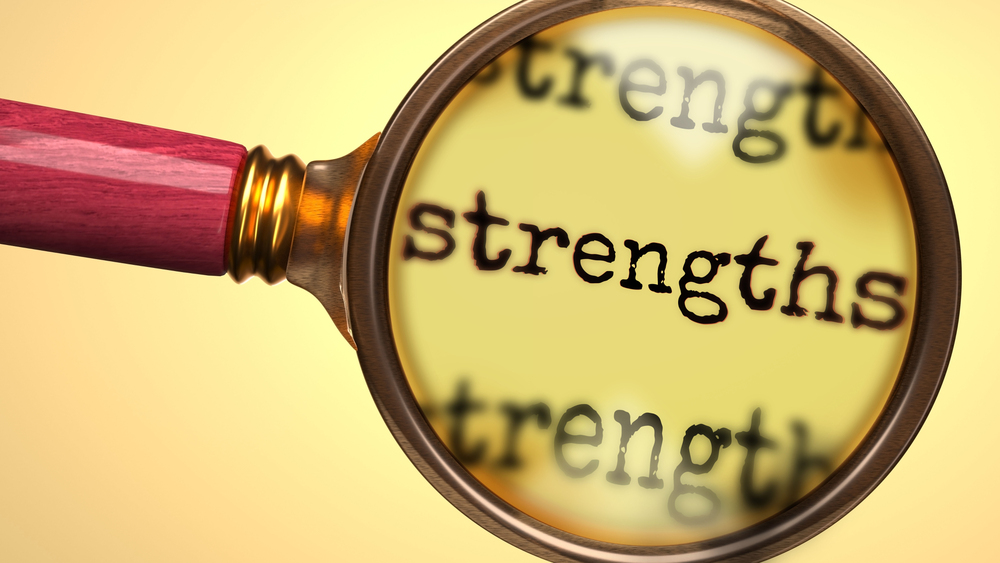
Nine letters, just one vowel. The rest is a dense wall of consonants, giving the word a kind of muscular weight. Saying it feels like flexing your jaw. And writing it — all those clustered consonants — almost looks like the word is flexing on the page.
Queue
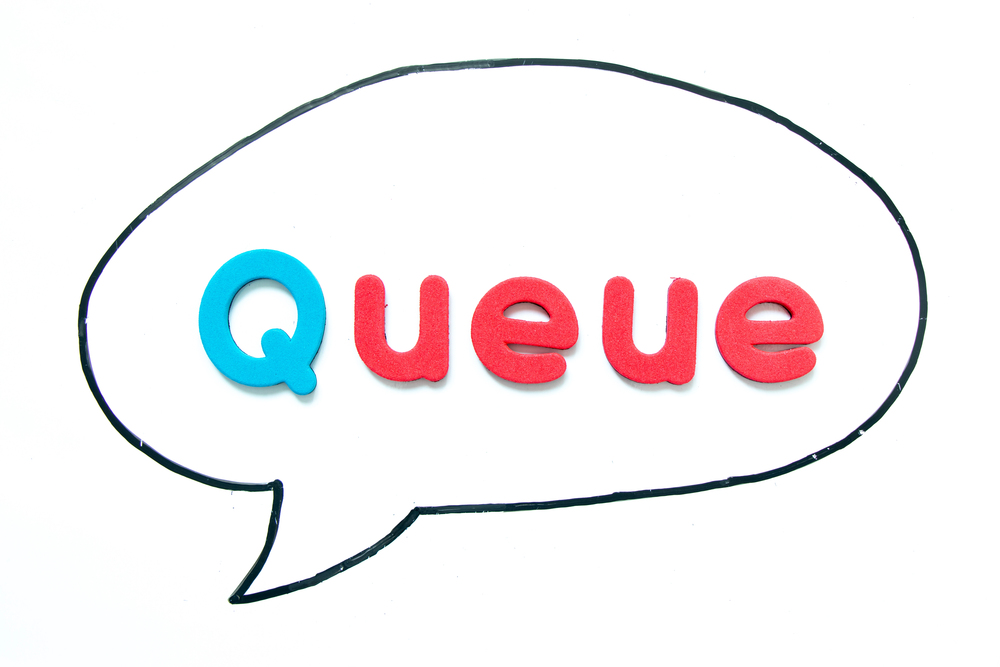
Five letters long, four of them identical. Remove the last four and it’s still pronounced the same way. That’s rare. The word itself means “line,” and its spelling is, quite literally, a line of repeating letters. Neat bit of symmetry.
Sesquipedalian
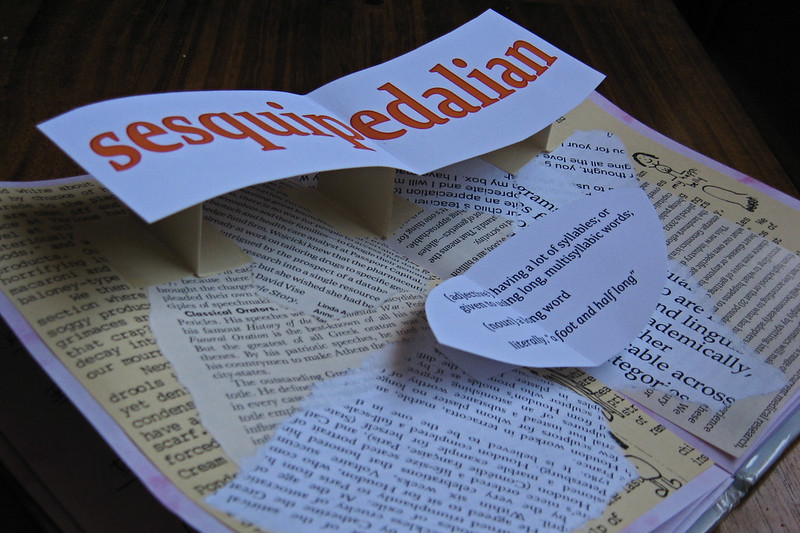
This one doesn’t win for length, but it does for irony. It means “fond of using long words,” and it happens to be a long word itself. So the very act of saying it proves its definition. A sly joke hiding in plain sight.
Honorificabilitudinitatibus
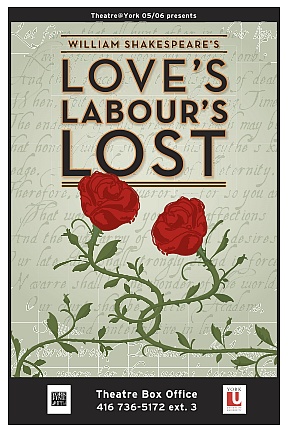
Shakespeare’s longest word — 27 letters of tongue-twisting Latin. It appears in Love’s Labour’s Lost and means “the state of being able to achieve honors.” Hard to fit into conversation. Or onto a Scrabble board. Yet it shows how wordplay wasn’t confined to modern times.
Tsktsk

This isn’t a typo. It’s the sound of disapproval stretched into six letters. No vowels, just consonants stacked together like clicks of the tongue. Reading it almost makes one want to sigh. Or worse, actually tsk.
Go

Two letters. That’s all. Among the shortest complete verbs in English, it carries an outsized meaning: movement, command, action. A single syllable that’s lasted through centuries unchanged. Small, but powerful.
Words that Test the Limits
Records don’t always belong to people or events. Sometimes, they hide inside language — in playful constructions, ancient borrowings, or words stretched to absurd length. English keeps testing its own limits, proving that even the dictionary isn’t immune to a little mischief.
More from Go2Tutors!

- The Romanov Crown Jewels and Their Tragic Fate
- 13 Historical Mysteries That Science Still Can’t Solve
- Famous Hoaxes That Fooled the World for Years
- 15 Child Stars with Tragic Adult Lives
- 16 Famous Jewelry Pieces in History
Like Go2Tutors’s content? Follow us on MSN.



