20 Etiquette Rules That Actually Still Matter
Etiquette might seem like something your grandmother worried about, but don’t be fooled — good manners are having a moment. Sure, we’re not curtsying or writing calling cards anymore, though the basic idea behind politeness hasn’t changed much. Modern life throws us together in elevators, coffee shops, and Zoom calls where a little consideration goes a long way.
Social media has definitely shaken up how people interact, yet certain courtesies remain surprisingly useful for navigating daily life smoothly. Here is a list of 20 etiquette rules that still hold their weight in today’s world.
Say Please and Thank You
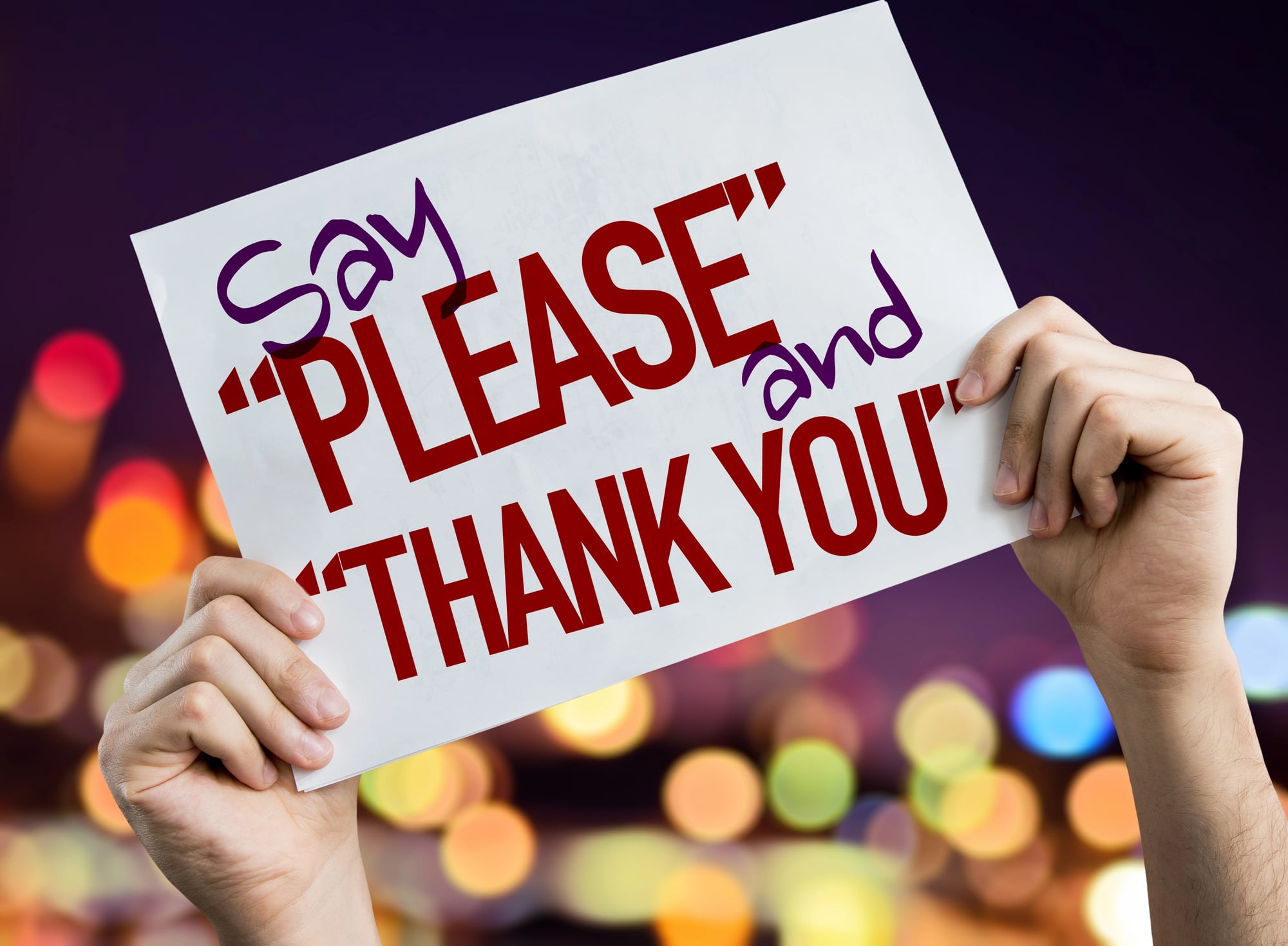
These two phrases pack serious power — whether you’re grabbing lunch or asking your boss for time off. They acknowledge that people are choosing to help you rather than just doing their job like robots.
In our rush-everywhere culture, a genuine ‘thanks’ can turn a routine transaction into a pleasant moment that brightens someone’s entire shift.
Put Your Phone Away During Conversations

Checking Instagram while someone’s telling you about their weekend sends a crystal-clear message: they’re boring you. Your notifications will survive a ten-minute chat — but relationships might not survive constant digital interruption.
This has gotten trickier since phones became extensions of our hands, though the principle remains solid.
Like Go2Tutors’s content? Follow us on MSN.
Hold Doors for Others

Door-holding isn’t about chivalry anymore — it’s about noticing when someone could use a hand. Maybe they’re juggling grocery bags or wrestling with a stroller.
The trick is reading the situation correctly rather than creating those awkward moments where someone has to sprint to catch a door you’re holding from twenty feet away.
Don’t Interrupt People

Jumping into conversations before others finish their thoughts basically announces that your ideas matter more than theirs. Good dialogue works like a dance — you wait for the music to pause before taking your turn.
Enthusiasm is great, but patience often leads to much richer exchanges than verbal bulldozing.
Arrive on Time

Showing up late repeatedly tells people their schedules don’t matter as much as yours does. Traffic jams happen and trains break down — but chronically tardy folks are essentially borrowing time from others without permission.
Punctuality shows you respect the fact that everyone’s day has value.
Like Go2Tutors’s content? Follow us on MSN.
Use Your Indoor Voice

Restaurant conversations shouldn’t double as entertainment for neighboring tables. Your phone call about work drama doesn’t need to provide a soundtrack for the entire waiting room.
Volume awareness demonstrates that you understand sharing space with others who might be trying to concentrate, decompress, or enjoy their own company.
Cover Your Mouth When You Cough or Sneeze

Basic hygiene became front-page news recently, but it was always good manners to contain your germs. Using your elbow instead of your palm prevents spreading whatever you’ve got through handshakes and high-fives.
This simple habit protects everyone around you while showing basic consideration for their health.
Write Thank You Notes
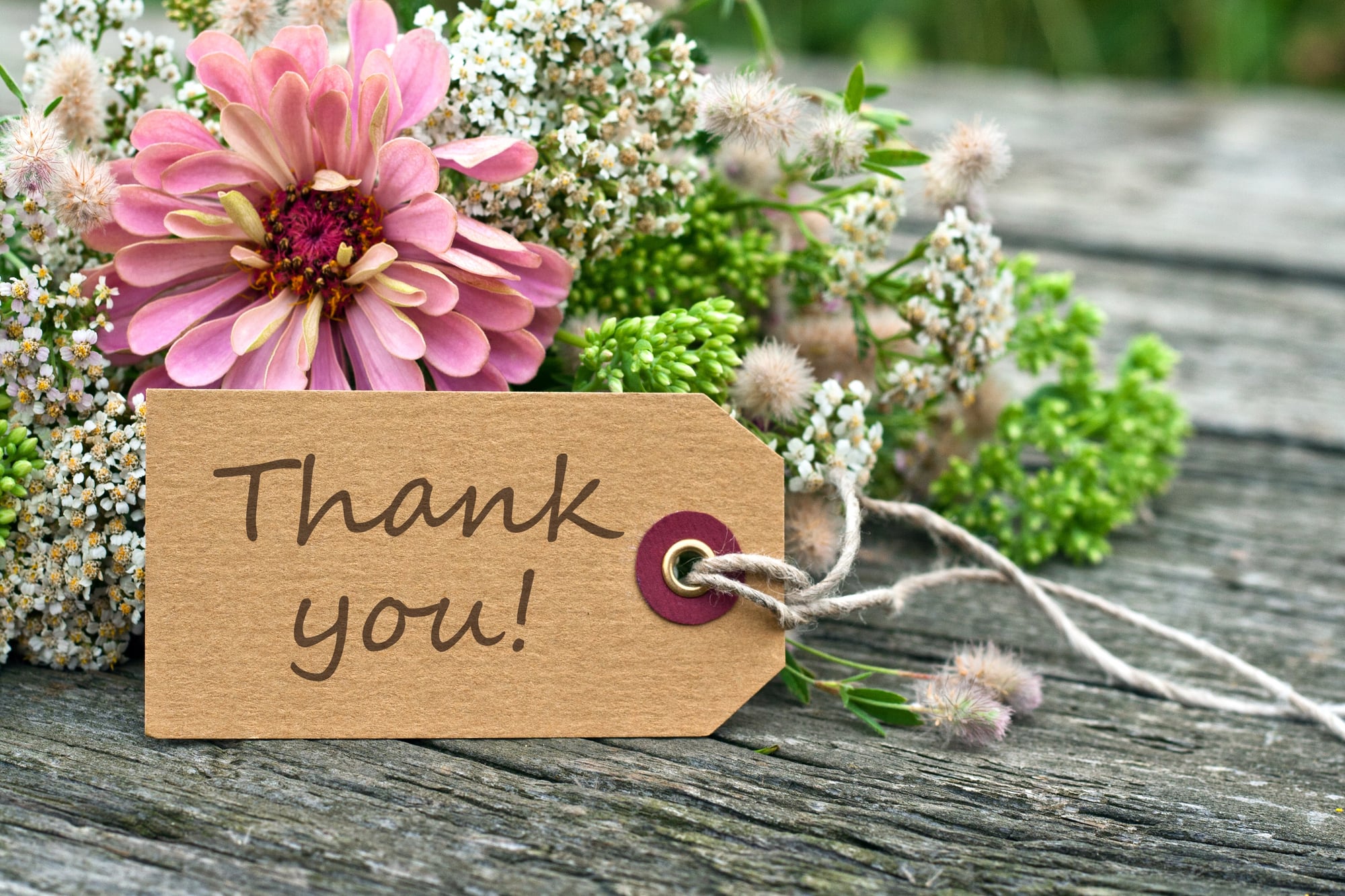
Texts work fine for everyday favors — but meaningful gifts or significant kindnesses deserve something more substantial. A handwritten note requires actual effort, which makes it feel more genuine than a quick emoji response.
The time investment shows you truly appreciated what someone did for you.
Like Go2Tutors’s content? Follow us on MSN.
Listen More Than You Talk
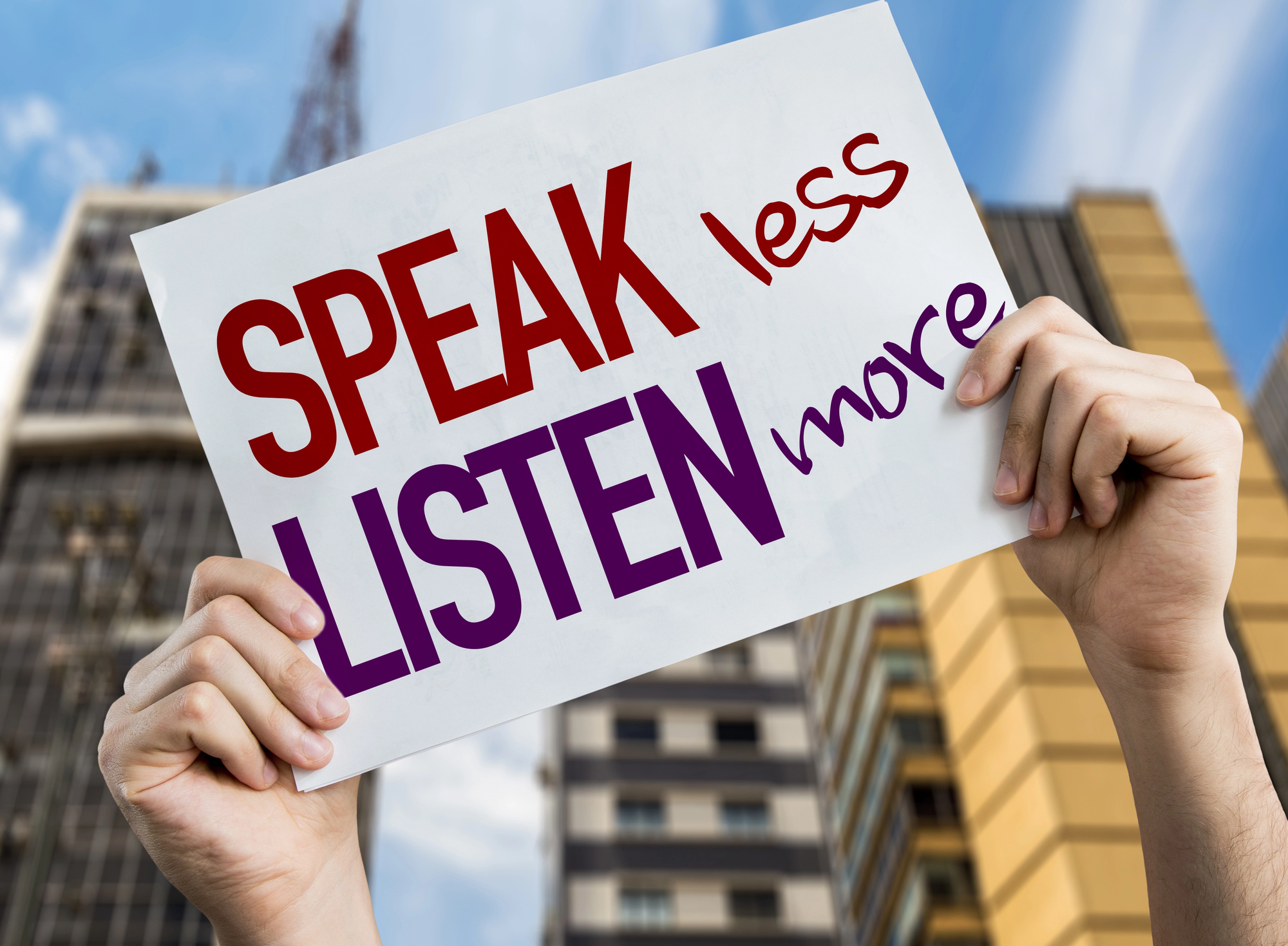
Great conversationalists understand that curiosity beats self-promotion every time. Ask questions about details people share — remember their kids’ names or their vacation plans.
This approach transforms mundane small talk into genuine connection, though it requires paying attention instead of just waiting for your turn to speak.
Dress Appropriately for the Occasion

Understanding dress codes isn’t about fashion — it’s about showing respect for events and the people hosting them. Flip-flops work perfectly at beach parties but send the wrong message at job interviews.
When you’re unsure, slightly overdressed usually beats underdressed since you can always lose the blazer.
Don’t Talk with Your Mouth Full

This rule exists for practical reasons beyond just appearances. It prevents choking while making your words actually comprehensible to others.
Take manageable bites and finish chewing before joining conversations. Your dining companions will appreciate not having to decode muffled speech or dodge flying crumbs.
Like Go2Tutors’s content? Follow us on MSN.
Offer Your Seat to Those Who Need It
Public transportation etiquette goes beyond obvious situations like pregnant passengers or elderly riders. Someone juggling multiple bags, parents with restless toddlers, or people dealing with invisible disabilities might all benefit from your seat.
The key is staying alert to those around you rather than getting lost in your phone.
Don’t Gossip Maliciously

There’s a big difference between sharing interesting news and spreading damaging rumors about people’s private lives. Consider whether your words might hurt someone’s reputation or relationships before you speak.
Celebrating others’ successes builds community, while tearing people down usually reflects poorly on the gossiper.
Respect Personal Space

Everyone has different comfort levels when it comes to physical proximity, and these boundaries deserve recognition. Some folks are natural huggers while others prefer handshakes or just friendly waves.
Watch for social cues and don’t take it personally if someone steps back or seems uncomfortable with close contact.
Like Go2Tutors’s content? Follow us on MSN.
Turn Off Notification Sounds in Quiet Spaces
Libraries, theaters, and meetings aren’t appropriate venues for chirping phones and buzzing tablets. Even vibration can disrupt others when devices sit on hard surfaces.
Silent mode shows consideration for people trying to concentrate, enjoy performances, or participate in important discussions without electronic interference.
Don’t Point or Stare

Obvious pointing and prolonged staring make people uncomfortable, whether they’re strangers on the subway or colleagues across the conference room. If you need to indicate something or someone, use subtle gestures or descriptive language instead.
Everyone deserves to move through public spaces without feeling like they’re under intense scrutiny.
Practice Good Table Manners

Basic dining etiquette helps you feel confident during any meal that matters, from business lunches to holiday dinners. Keep elbows off the table, chew with your mouth closed, and wait for everyone to receive their food before starting.
These habits become second nature with practice and prevent embarrassing moments.
Like Go2Tutors’s content? Follow us on MSN.
Be Gracious About Gifts

Whether you adore or secretly hate what someone gives you, respond with genuine appreciation for their thoughtfulness. Focus on thanking them for remembering you rather than critiquing their selection.
Gift-giving is fundamentally about relationships between people, not the price tags or personal preferences involved.
Don’t Use Speakerphone in Public

Private conversations shouldn’t become free entertainment for everyone within hearing distance. Speakerphone calls in restaurants, waiting areas, or public transportation force strangers to become unwilling participants in your personal business.
Use headphones or find somewhere private if you need hands-free calling.
Clean Up After Yourself
Taking responsibility for your own messes demonstrates consideration for others who share those spaces with you. This applies everywhere from office break rooms to movie theaters to public restrooms.
Leaving areas cleaner than you found them shows respect for whoever uses the space next.
Like Go2Tutors’s content? Follow us on MSN.
Why Manners Still Matter
These etiquette guidelines endure because they’re fundamentally about treating people with respect and consideration. Technology might change how we communicate and connect, but underlying principles of kindness and awareness remain remarkably consistent.
Good manners aren’t about memorizing complicated rules — they’re about making daily interactions more pleasant for everyone involved. People who practice these courtesies regularly often find that others respond with similar respect, creating positive cycles that benefit entire communities.
More from Go2Tutors!

- 18 Unexpectedly Valuable Collectibles You Might Have Lying Around
- 20 Little-Known Historical Battles That Had Huge Consequences
- 20 Historical Artifacts That Scientists Can’t Explain
- 15 Inventions That Were Immediately Banned After Being Created
- 20 Actors Who Were Almost Cast in Iconic Roles
Like Go2Tutors’s content? Follow us on MSN.