31 Monuments Torn Down By The Same Regimes That Built Them
History has a peculiar way of consuming its own monuments. The same hands that once laid foundations and carved inscriptions later return with sledgehammers and dynamite.
These aren’t acts of vandalism by opposing forces or conquering armies — they’re deliberate erasures by the very regimes that commissioned the stone and bronze in the first place. Political winds shift, ideologies evolve, and yesterday’s heroes become today’s embarrassments.
Stalin Monument, Budapest
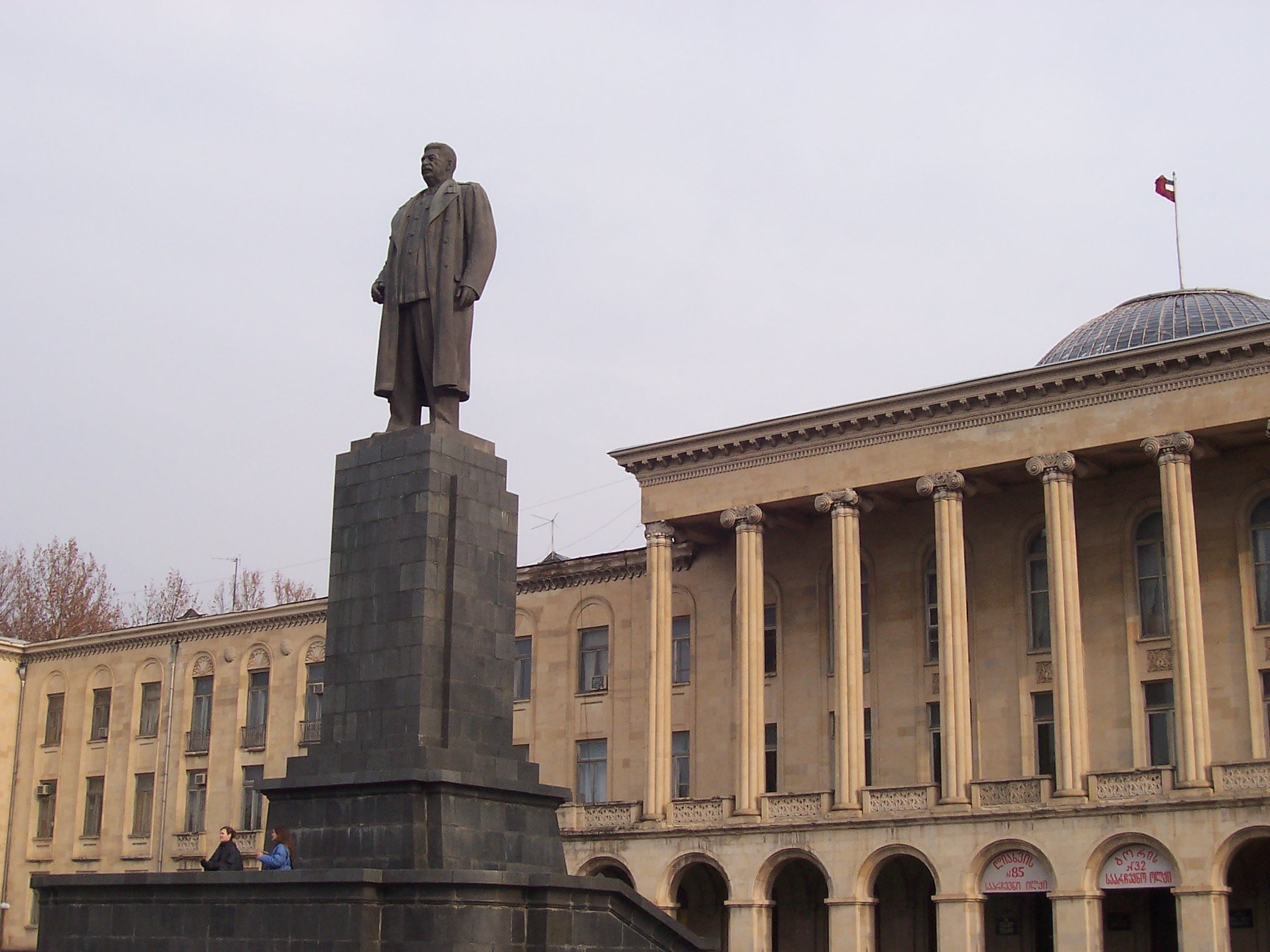
The Hungarian government erected this 25-foot bronze colossus in 1951 to honor their Soviet patron. Stalin stood confidently above the city, boots planted firmly on Hungarian soil.
But when the same Communist Party decided Stalin had become a liability in 1956, they quietly removed it before the Hungarian Revolution even began — a preemptive strike against their own propaganda.
Saddam Hussein’s Victory Arch, Baghdad
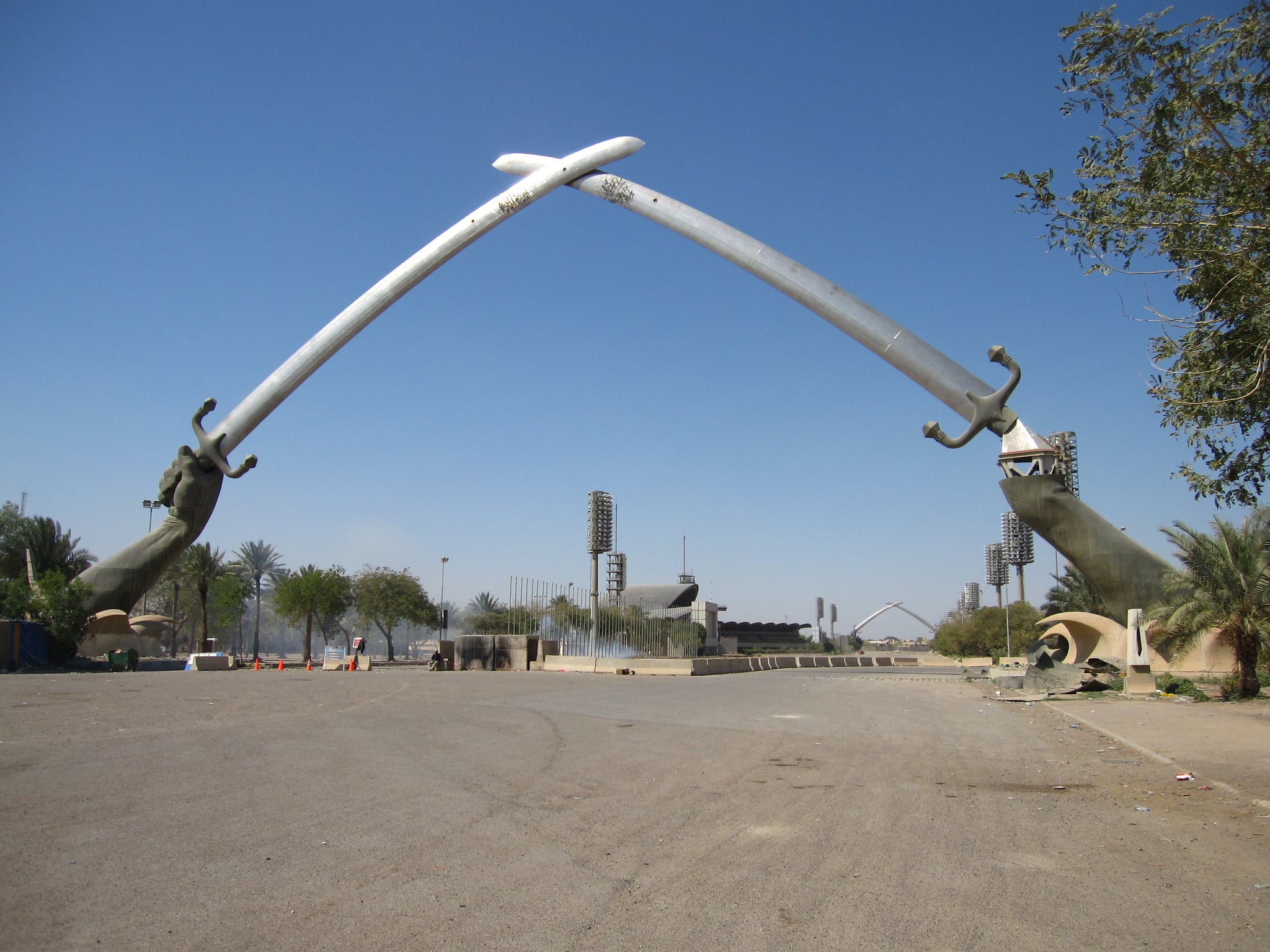
Saddam commissioned these crossed swords in 1989 to celebrate Iraq’s supposed victory over Iran (which wasn’t actually a victory, but facts were negotiable). The monument featured actual weapons from fallen Iranian soldiers melted down for the bronze.
The Iraqi government itself demolished portions in 2007, deciding that celebrating a pyrrhic war wasn’t the best look for a struggling democracy.
Lenin Statues, Soviet Union
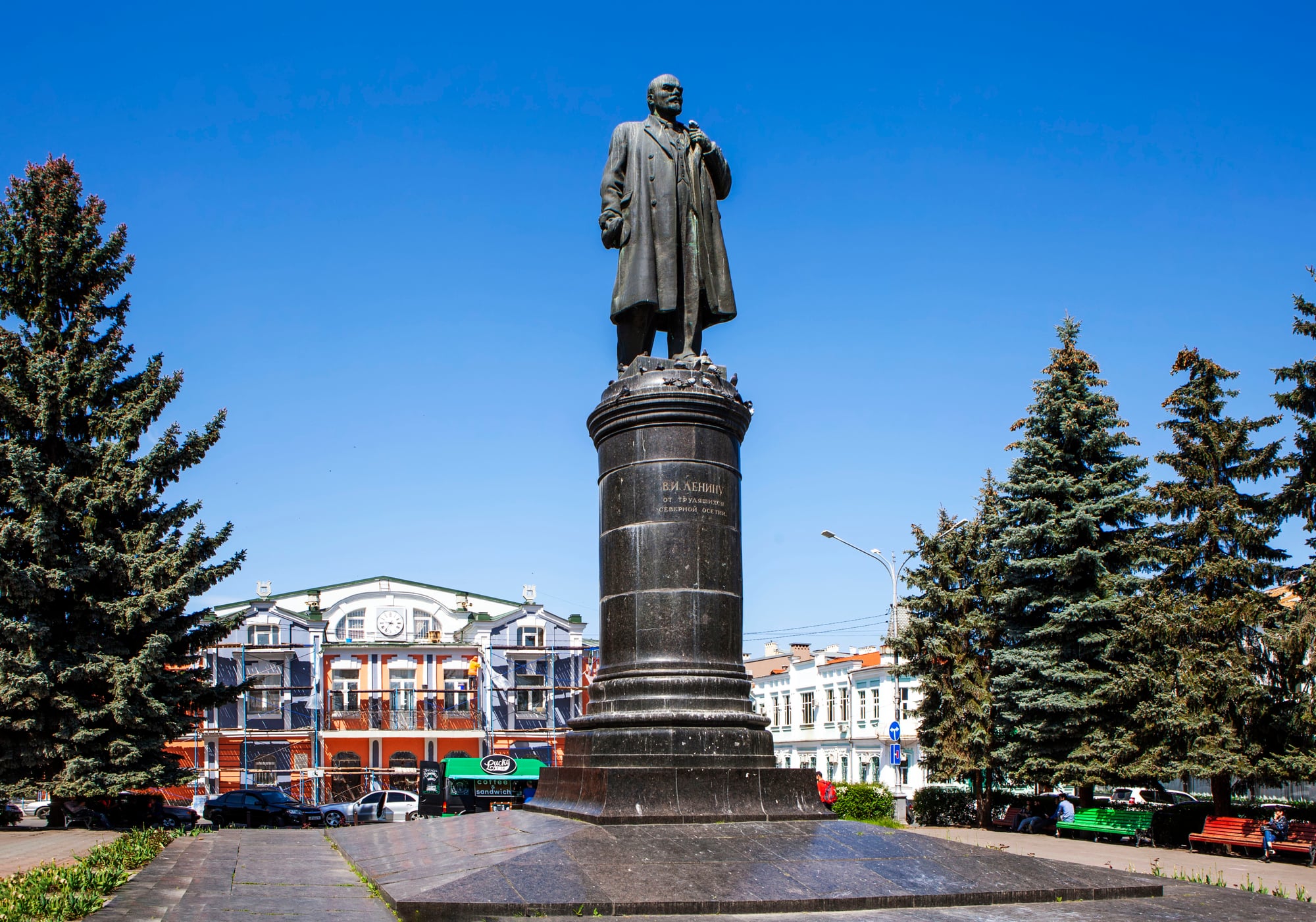
The Soviet state spent seven decades erecting Lenin monuments across their territory — over 7,000 statues by most counts. Then in 1991, the same government (now calling itself the Russian Federation) began systematically removing them.
Turns out revolutionary fervor has a shelf life, and even Lenin couldn’t survive the bureaucracy he helped create.
Monument To The Victims Of Fascism, East Germany
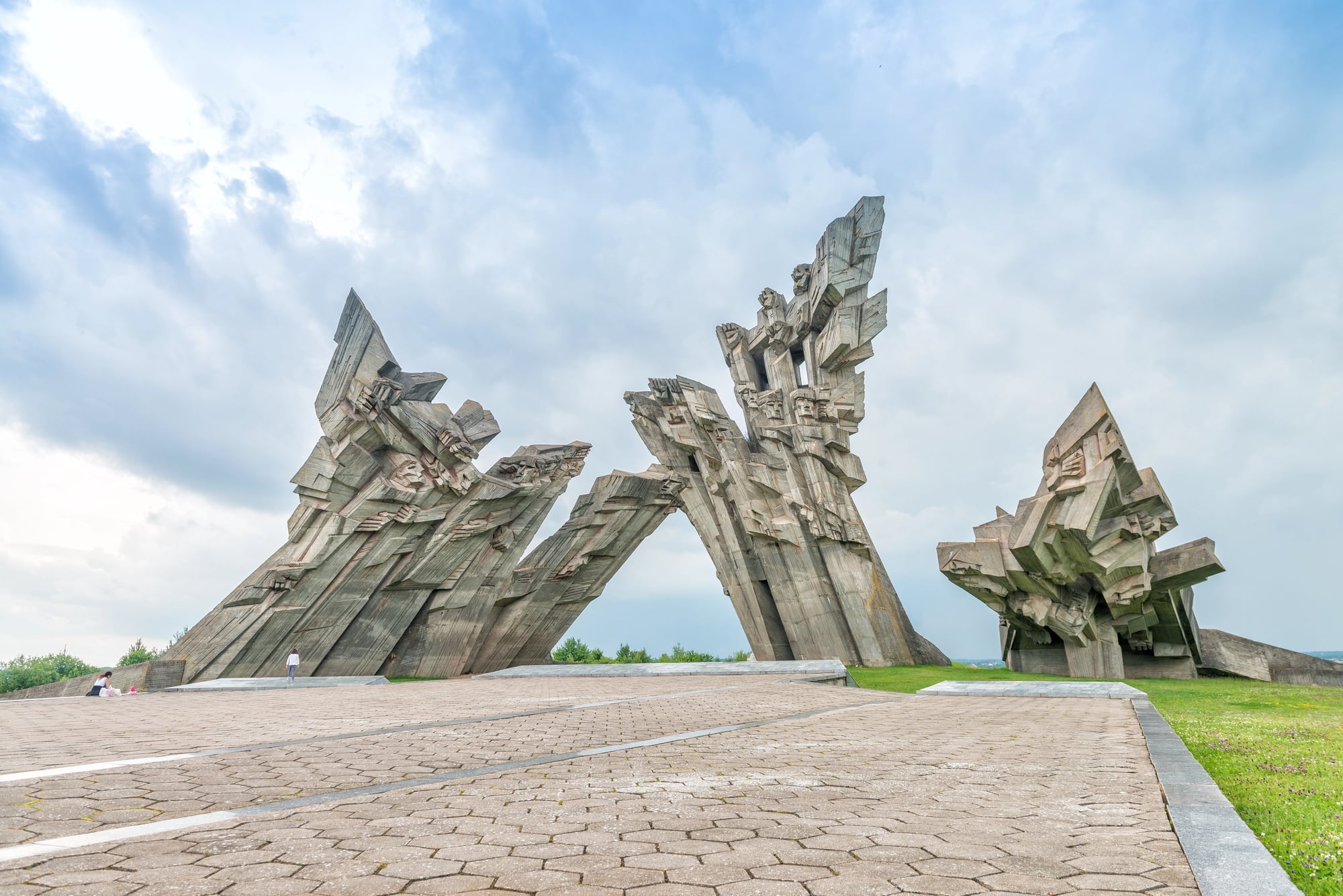
East German authorities built this memorial in 1958 to commemorate anti-fascist resistance fighters. The irony cut deep when the same German Democratic Republic tore it down in 1989 (right before reunification) because too many visitors were drawing uncomfortable parallels between Nazi and Communist oppression.
Sometimes monuments tell truths their creators never intended.
Chiang Kai-shek Memorial Hall, Taiwan
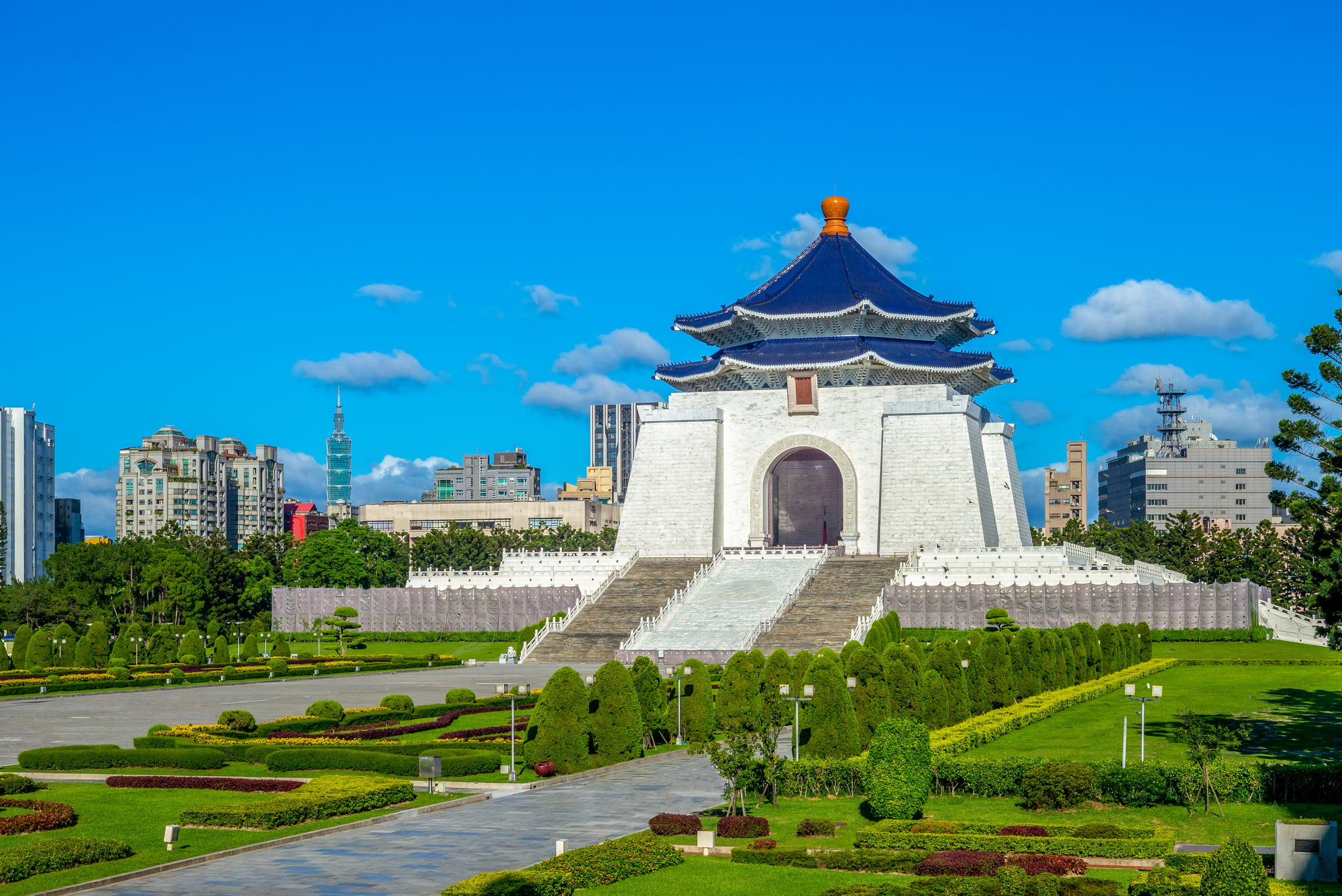
The Kuomintang government constructed this massive memorial in 1980 to honor their founding father and longtime dictator. But democracy arrived in Taiwan, and with it came inconvenient questions about Chiang’s human rights record.
The same political party quietly began removing his statues and plaques starting in the 1990s — though they kept the building and just renamed it.
Enver Hoxha Monuments, Albania
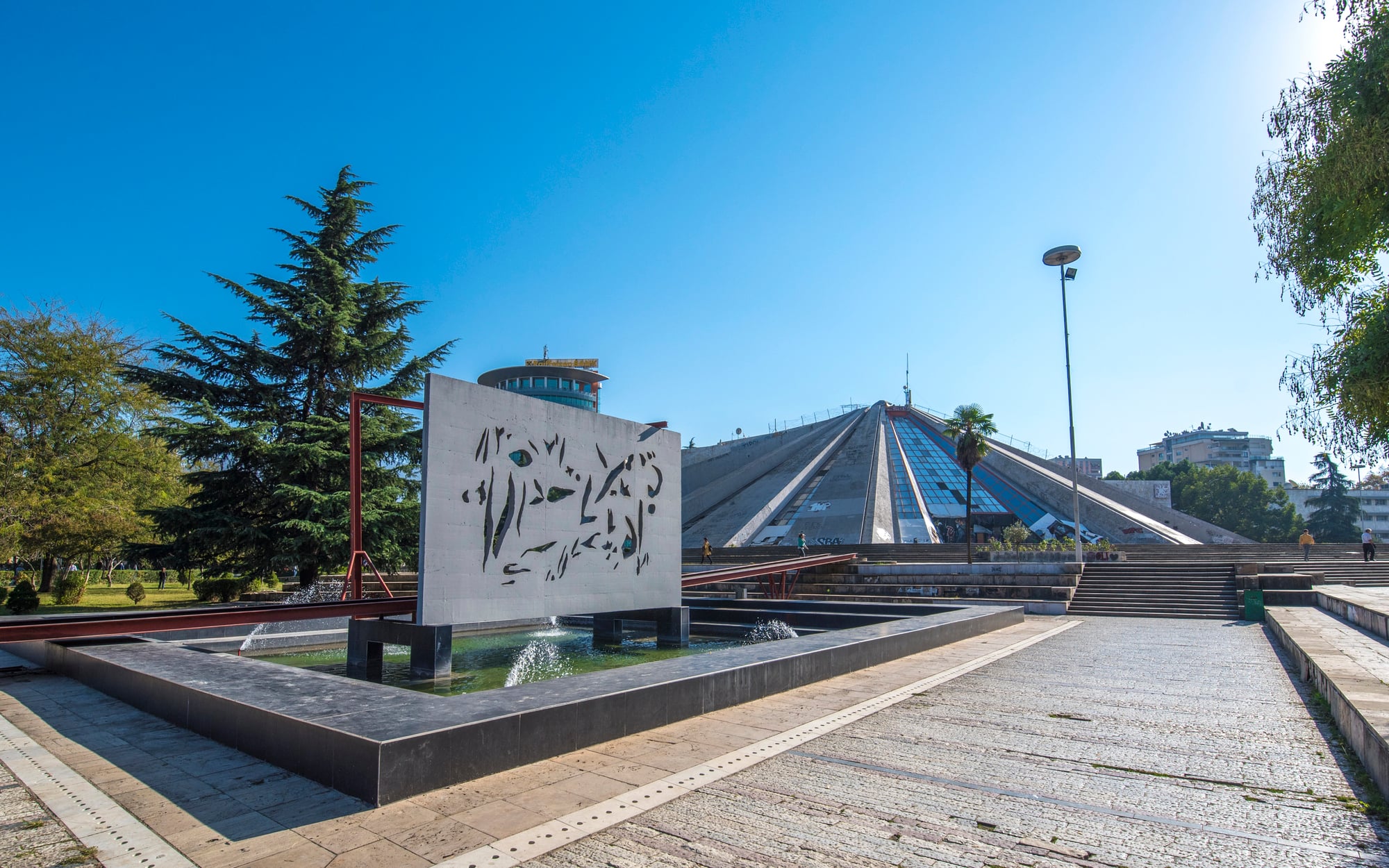
Albania’s Communist regime erected hundreds of statues honoring their paranoid dictator between 1946 and 1985. Hoxha’s bronze likeness watched over every major square and intersection.
When the same Albanian government pivoted toward democracy in 1991, they demolished every single one within months — apparently deciding that a cult of personality wasn’t compatible with representative government.
Mao Zedong Statues, China
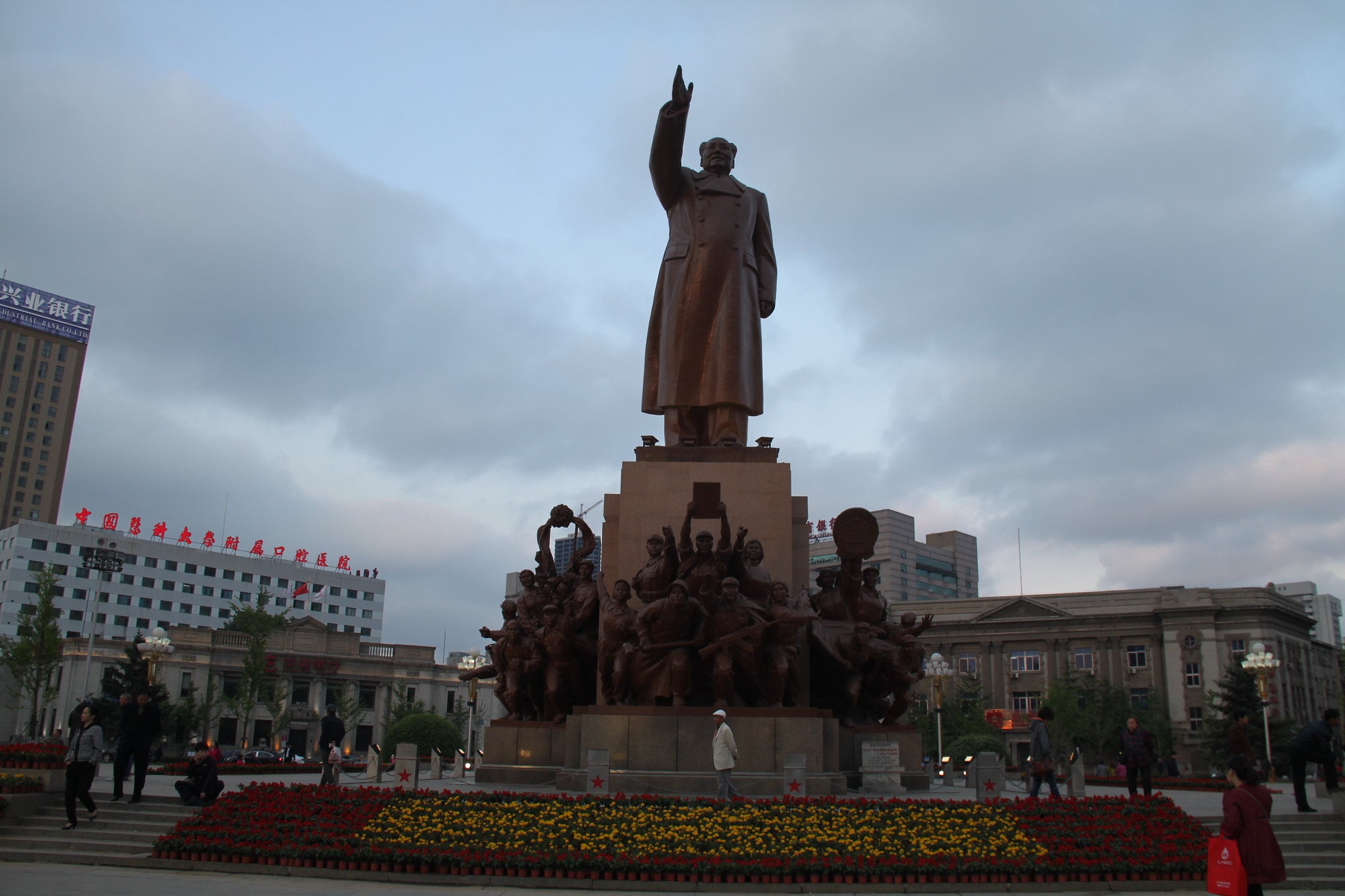
The Communist Party of China installed thousands of Mao statues during the Cultural Revolution, each one a testament to the Chairman’s infallibility. Yet starting in the 1980s, the same Party began quietly removing most of them as they shifted toward market economics (while keeping Mao’s portrait on their currency, because consistency is overrated).
Even revolutionary icons need to adapt to changing business climates.
Francisco Franco Monuments, Spain
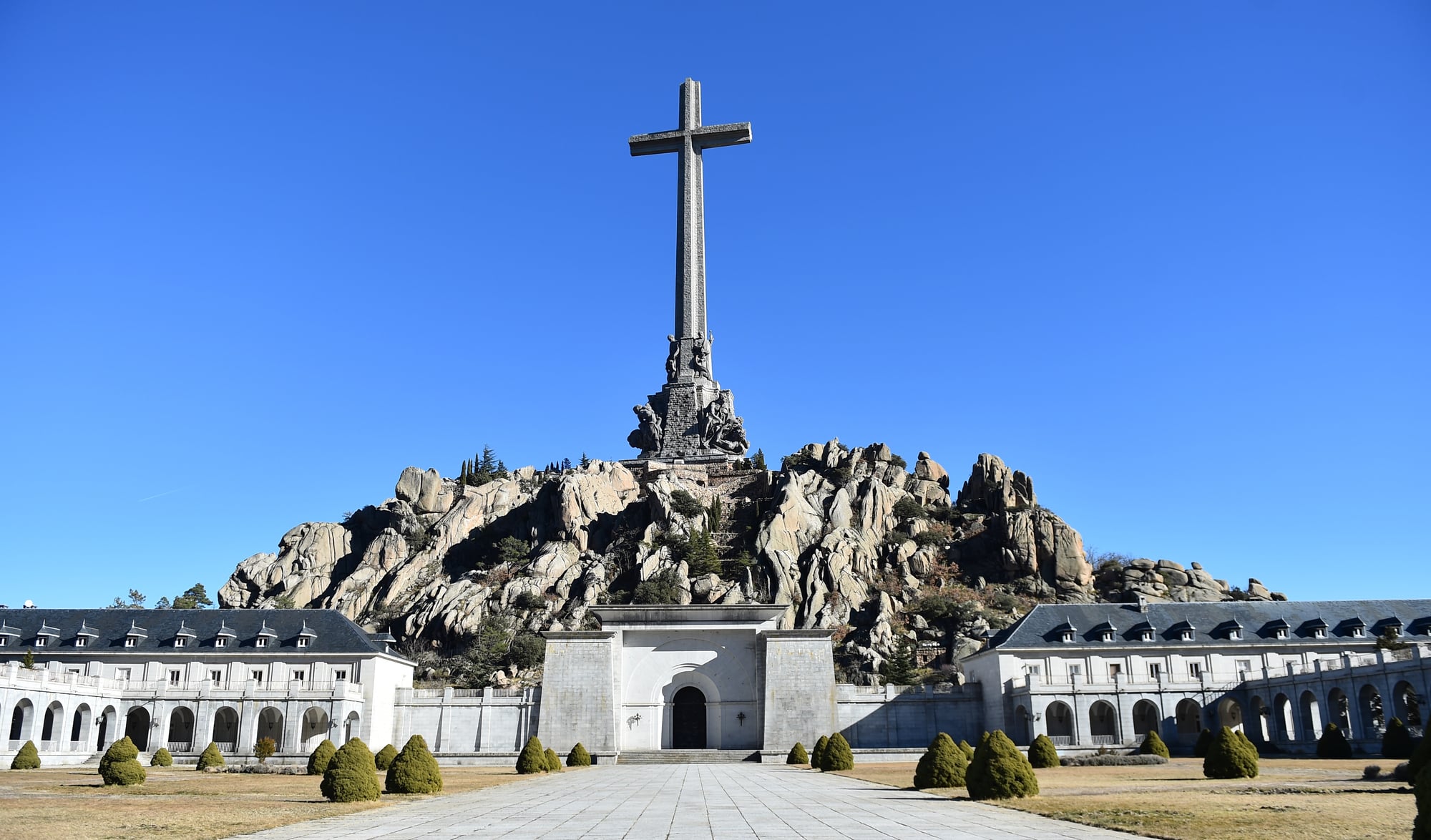
Franco’s Falangist regime spent 40 years covering Spain with monuments to their Generalissimo — statues, street names, plaques celebrating his “crusade” against republicanism. But when Franco’s handpicked successor, King Juan Carlos, transitioned Spain to democracy in the 1970s, the dismantling began.
The same governmental structure Franco created methodically erased his legacy, one monument at a time.
Ceaușescu’s Palace Of The Parliament, Romania
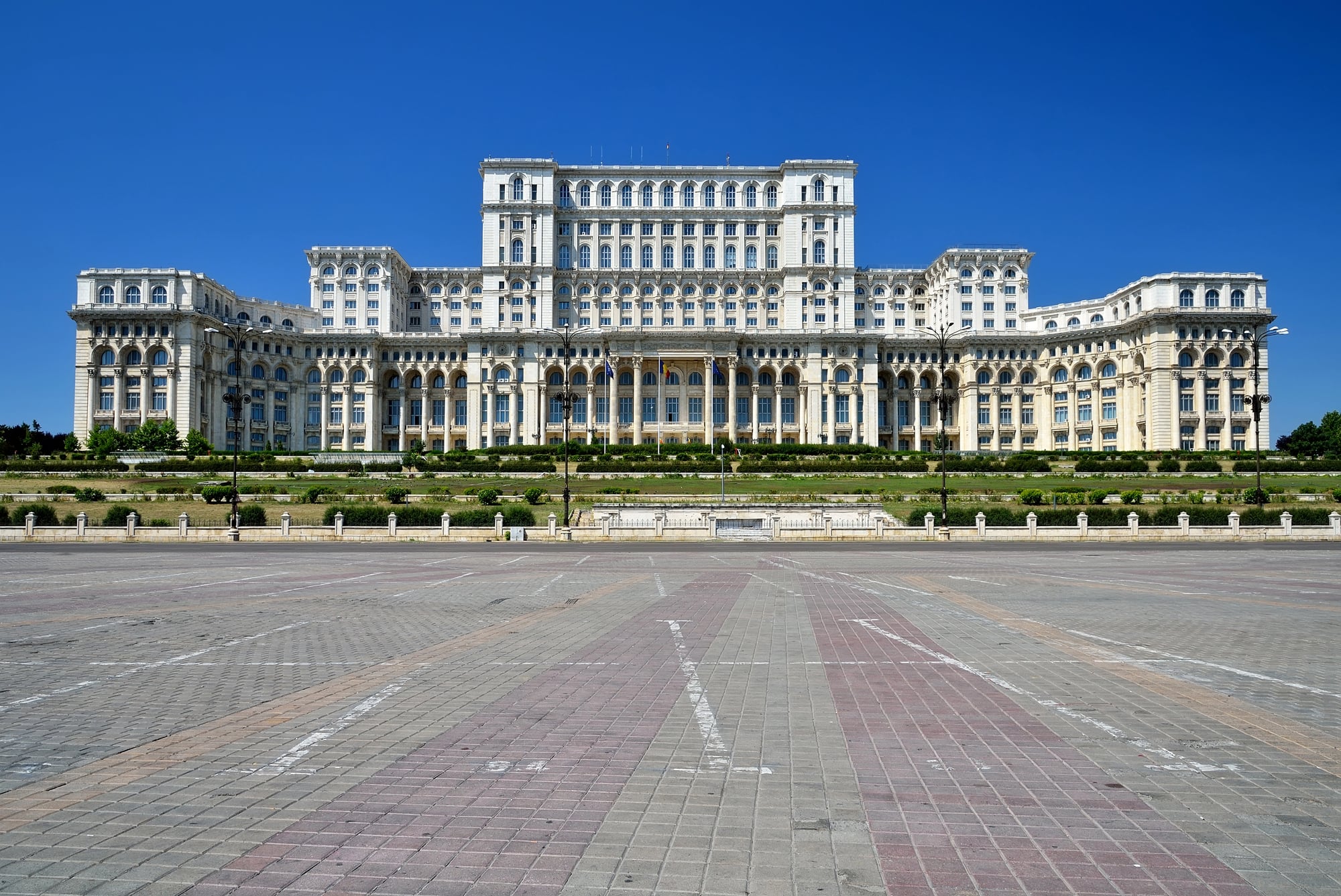
Ceaușescu demolished a quarter of historic Bucharest to build this monument to his own ego — the second-largest administrative building in the world after the Pentagon. When his own Communist Party executed him in 1989, they inherited this white elephant and couldn’t figure out what to do with it (they still use it today as their parliament building, which must make for awkward committee meetings).
Kim Il-sung Statues, North Korea
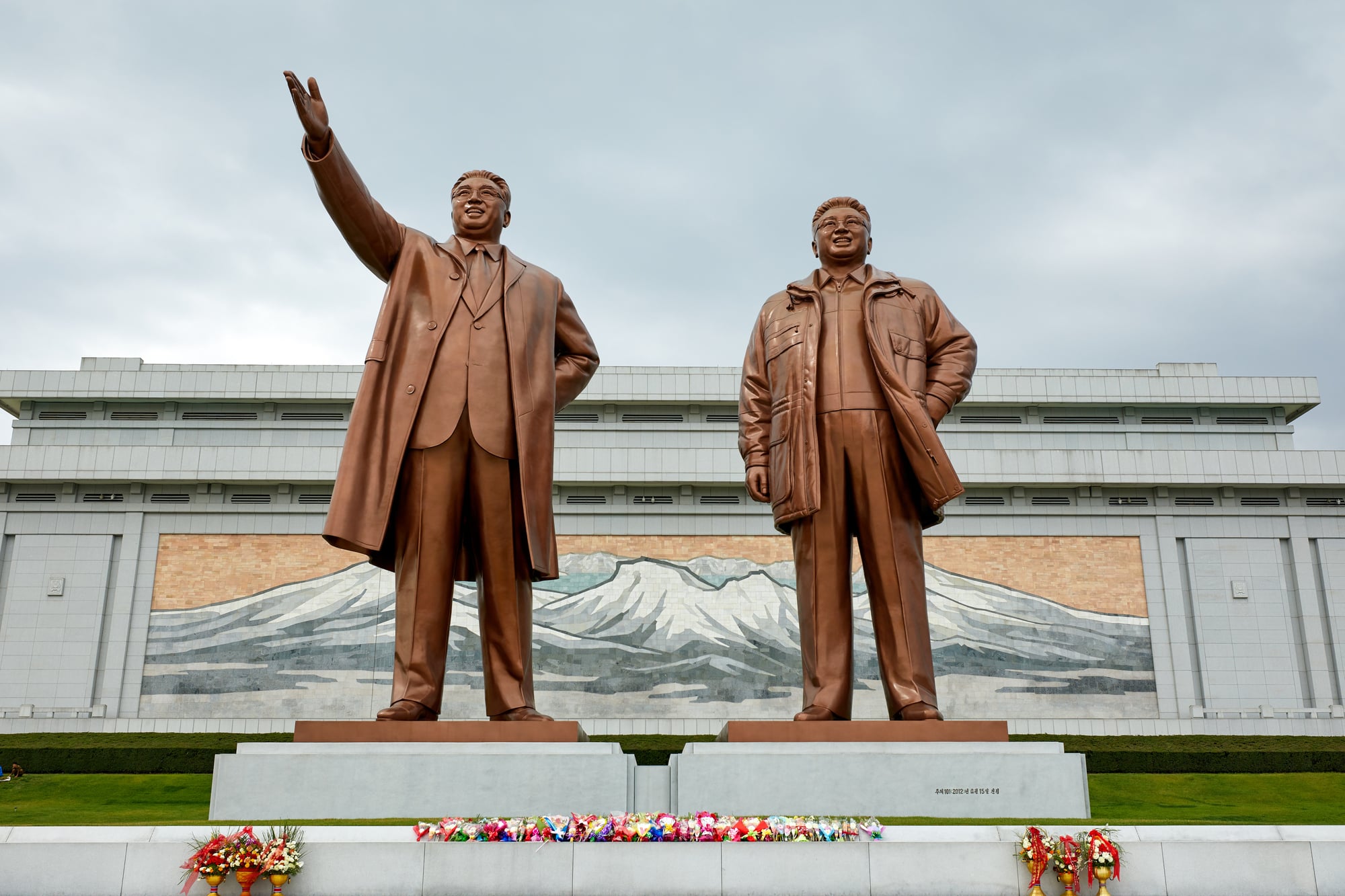
North Korea erected massive bronze statues of their “Eternal President” throughout the country during his 45-year reign. After Kim Jong-il took power in 1994, he began selectively removing some of the smaller ones — not out of disrespect, but because maintaining a personality cult is expensive and even totalitarian regimes have budgets to consider.
Mussolini Monuments, Italy
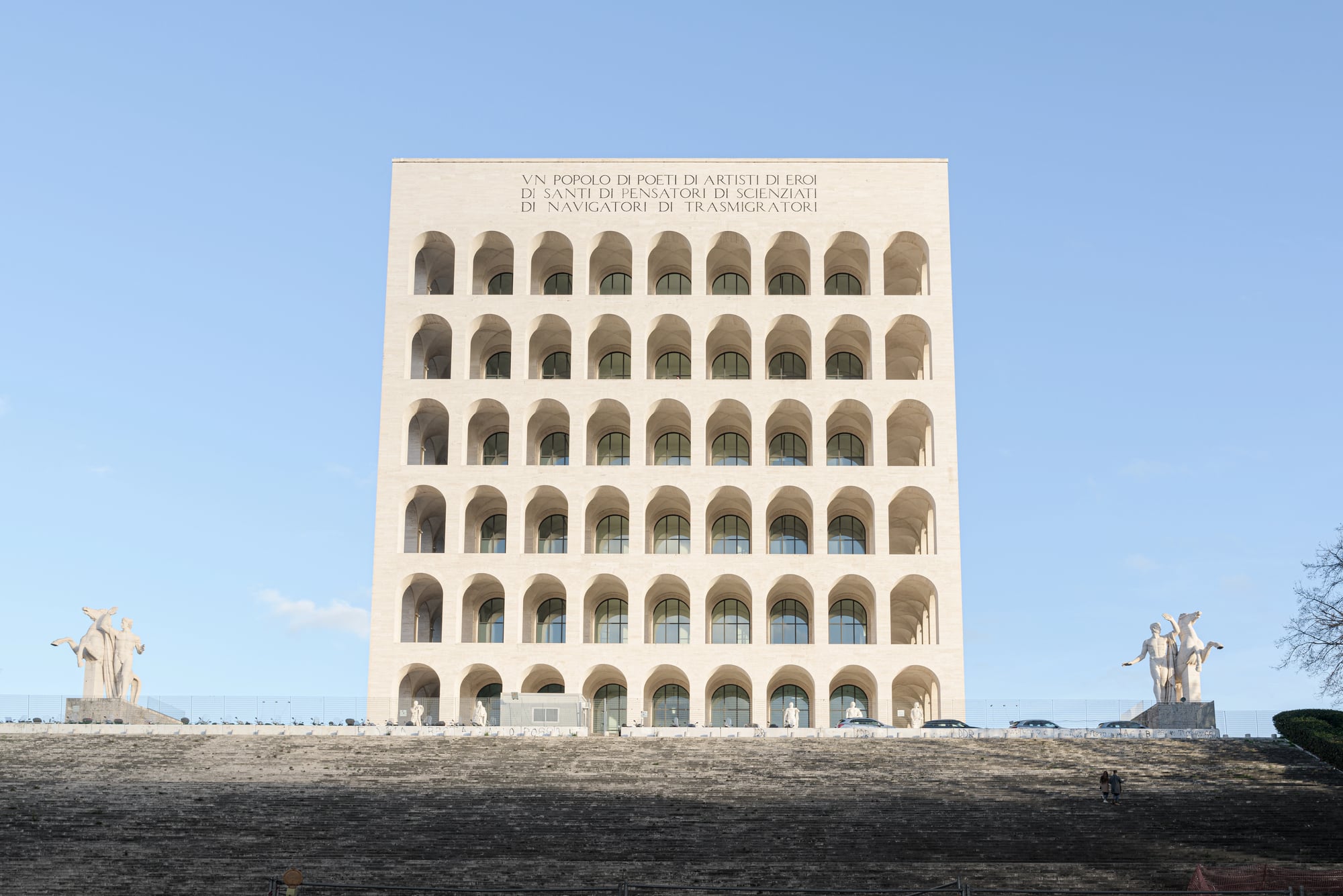
Fascist Italy built dozens of monuments celebrating Il Duce’s march on Rome and his imperial ambitions in Africa. The same Italian government (minus Mussolini, who was hanging upside down from a gas station) systematically removed them after 1943.
Turns out losing a world war makes you reconsider your public art choices.
Alexander III Monument, Russia
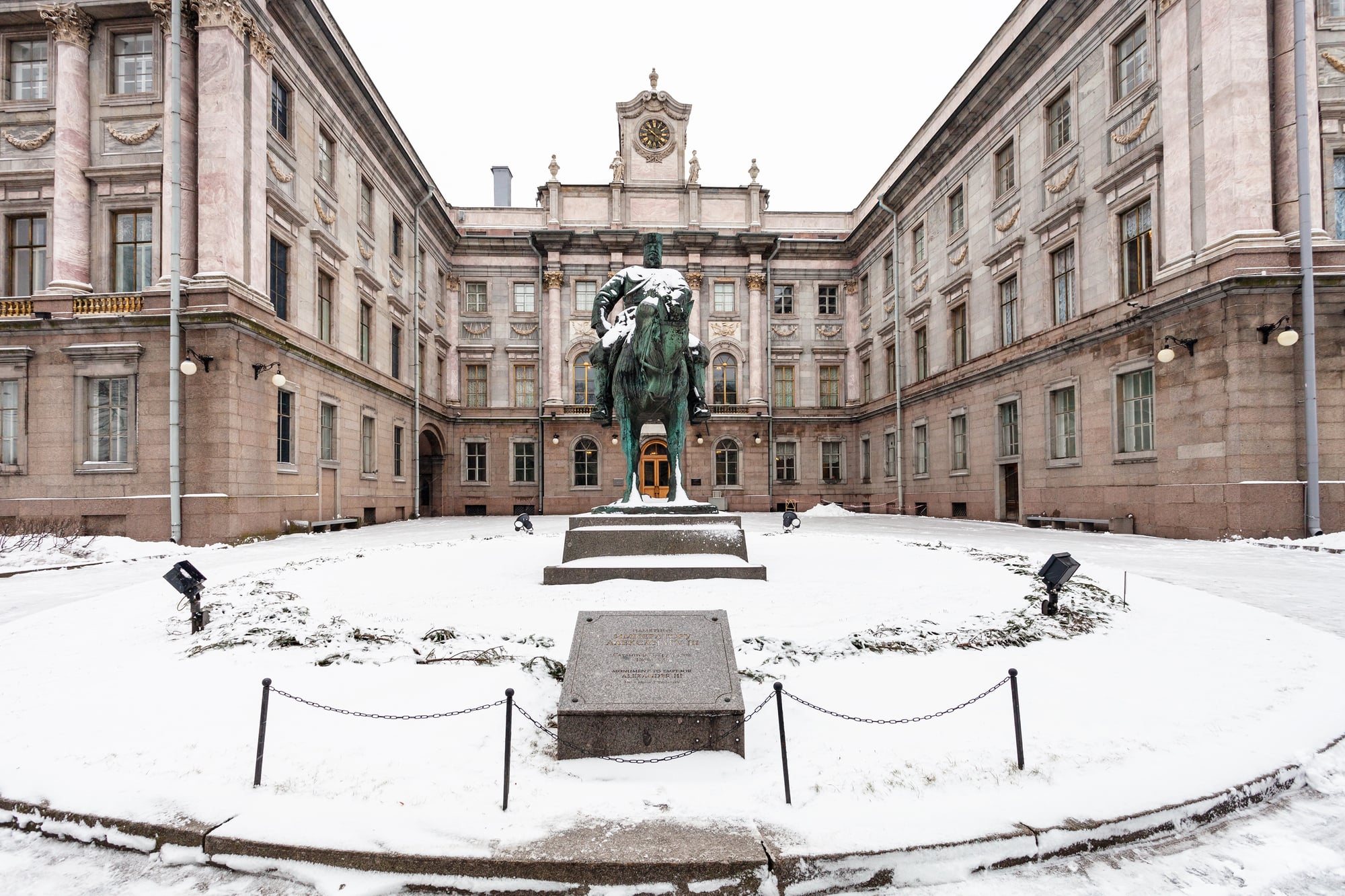
The Romanov dynasty commissioned this imposing statue of Tsar Alexander III in 1909, celebrating autocratic rule and Orthodox values. But when the same Russian state (now under different management) decided monarchy was outdated in 1918, they moved it to storage.
It sat there until 2017, when Putin’s government quietly reinstalled it because authoritarian nostalgia never really goes out of style.
Hafez al-Assad Statues, Syria
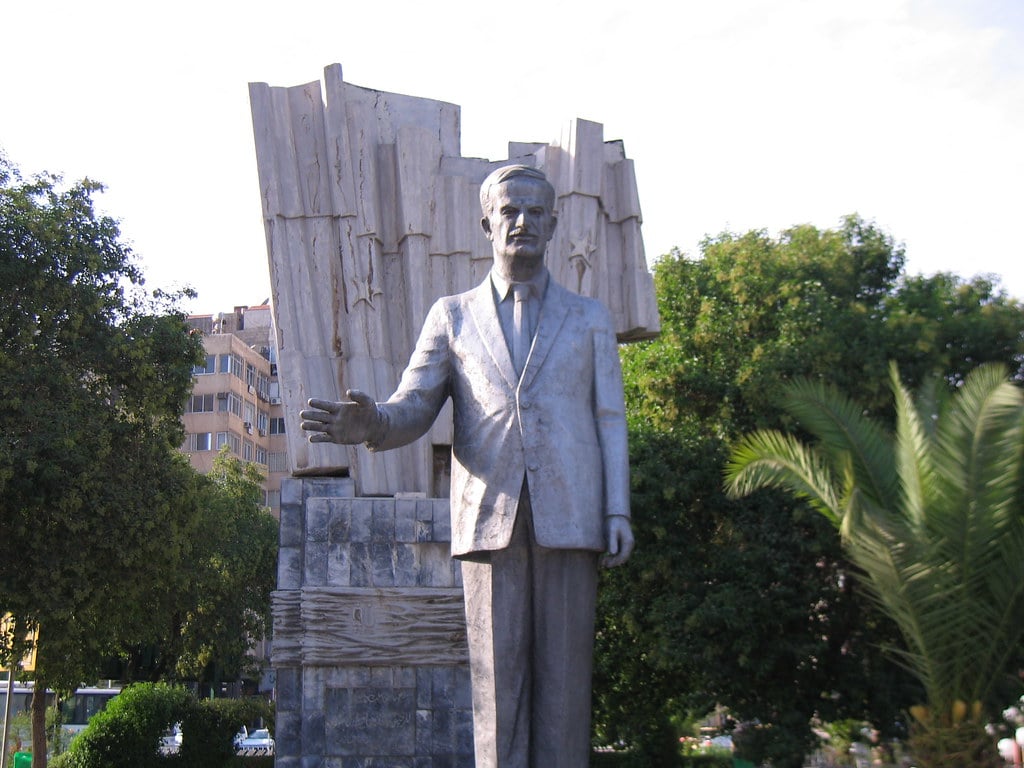
Syria’s Ba’ath Party erected statues of their longtime dictator throughout the country during his 30-year rule. When his son Bashar took power in 2000, he removed many of them as part of his “modernization” campaign (though he kept the police state infrastructure, because some traditions are worth preserving).
Family businesses require delicate rebranding.
Pol Pot Monuments, Cambodia
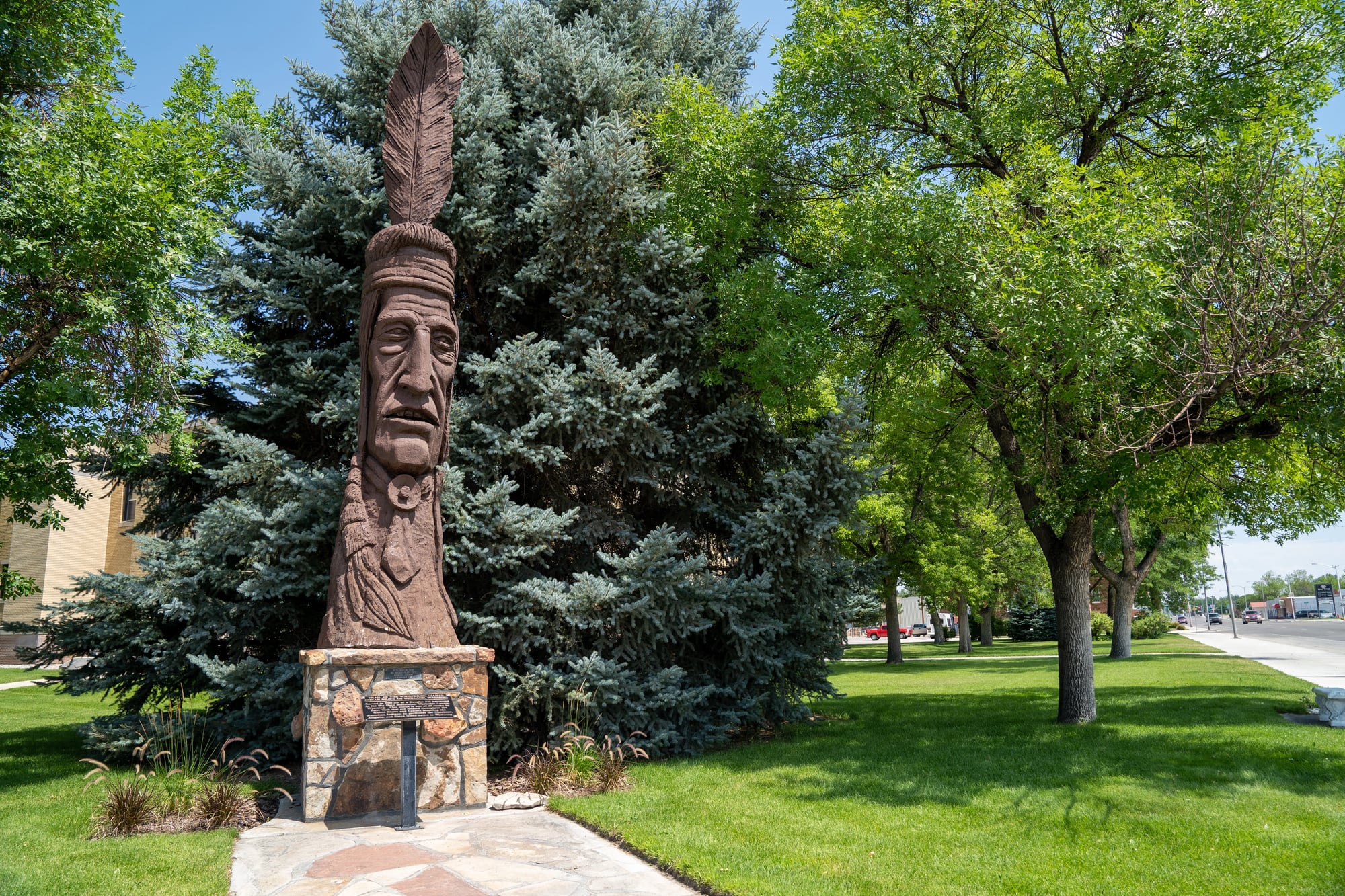
The Khmer Rouge built monuments to their agrarian revolution and its architect, Pol Pot, during their brief but devastating rule from 1975 to 1979. When the same Communist movement fractured and Pol Pot fell from power within their own ranks, they destroyed the monuments themselves.
Apparently deciding that celebrating genocide wasn’t great for international relations.
Haile Selassie Statues, Ethiopia
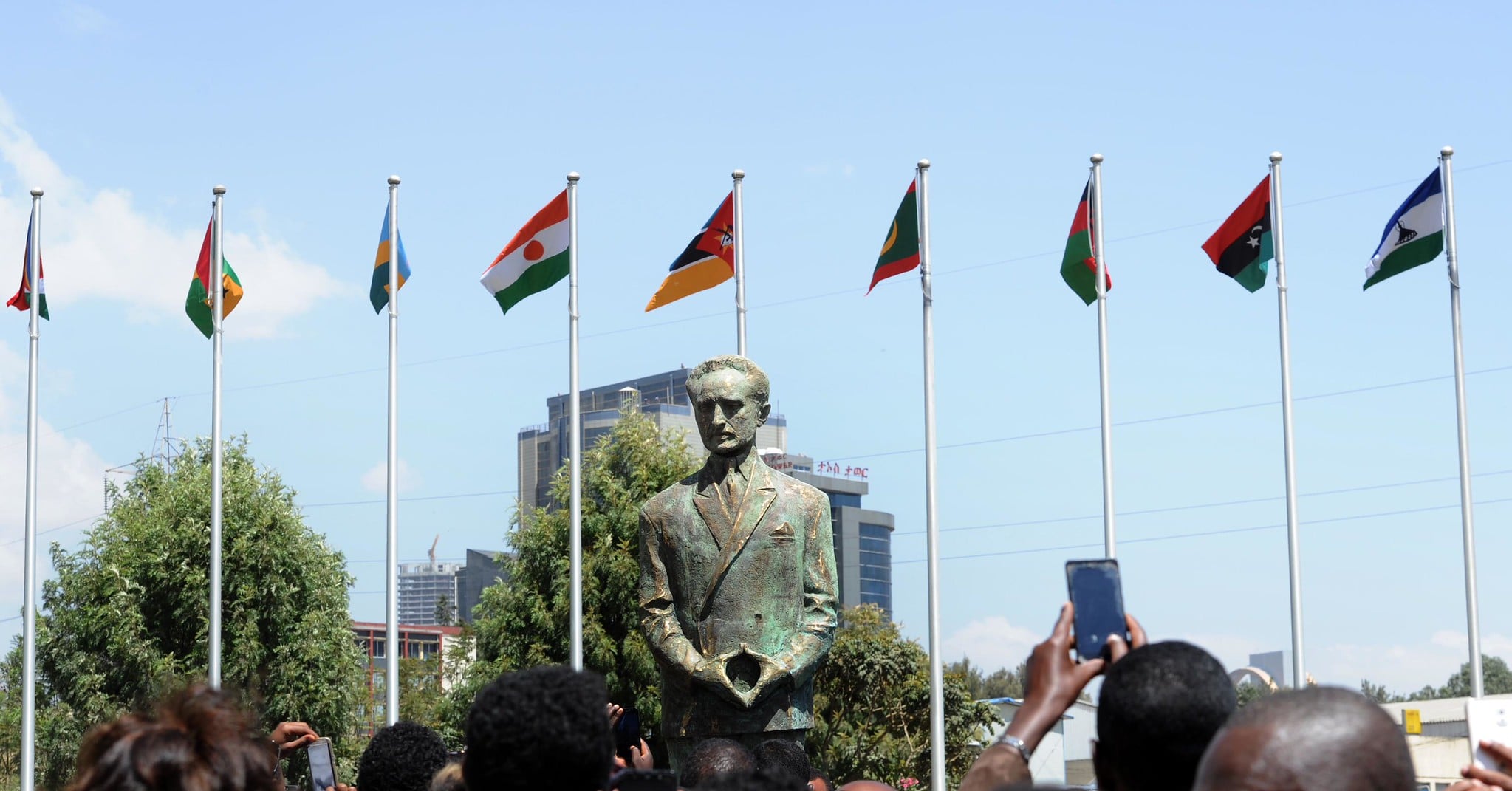
Ethiopia’s imperial government erected numerous statues honoring their emperor, who claimed direct descent from King Solomon and the Queen of Sheba. But when military officers within the same Ethiopian state decided monarchy was an anachronism in 1974, they toppled Selassie’s statues along with his government.
Though they kept his palace as a museum because even revolutionaries appreciate good architecture.
Atatürk Monuments, Turkey
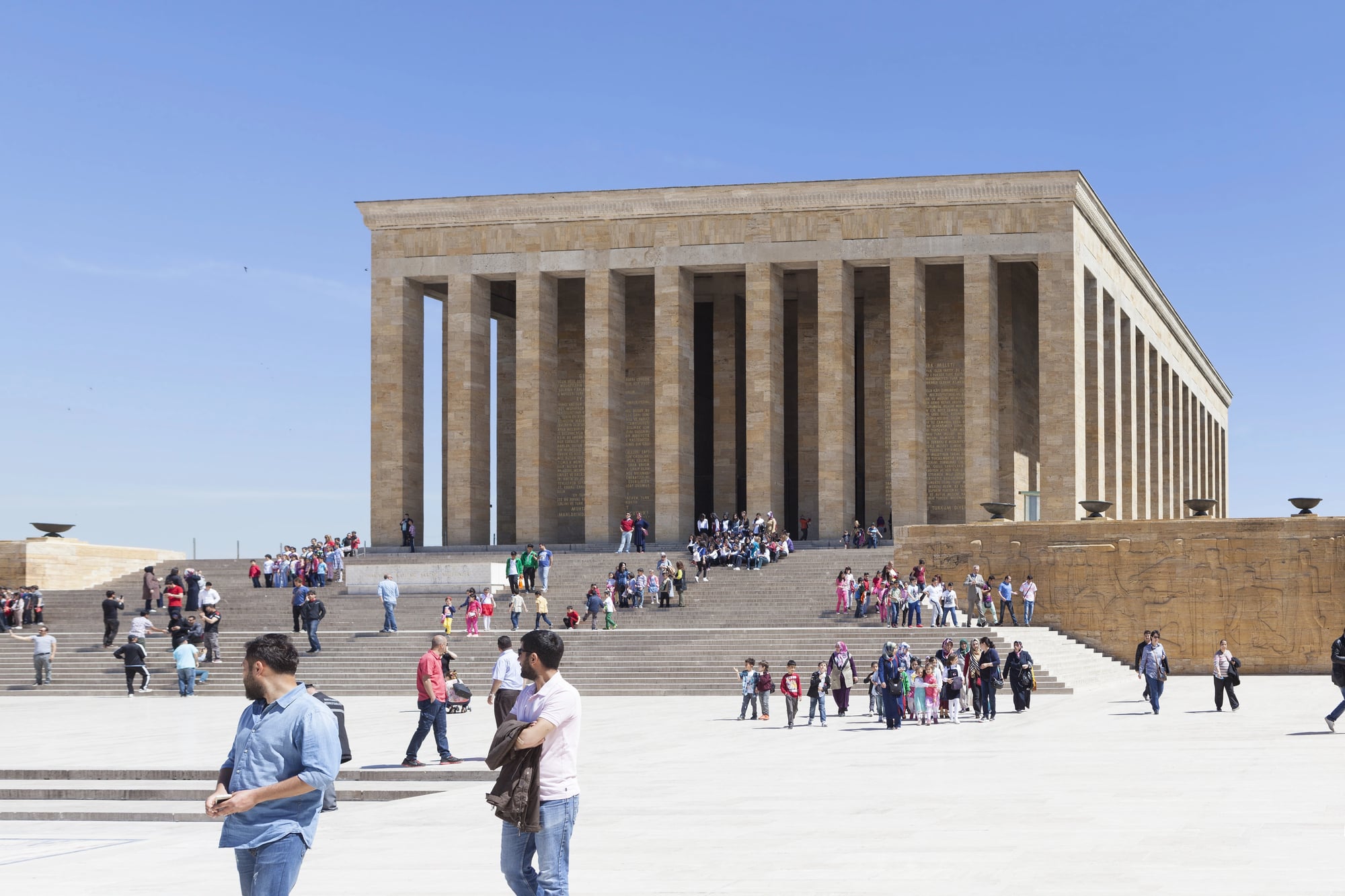
Turkey built thousands of statues honoring Mustafa Kemal Atatürk, the founder of their secular republic. While most remain, Erdoğan’s government has quietly removed some of the more prominently placed ones since 2002 as part of their Islamic revival — the same Turkish state slowly editing its own founding mythology.
Pinochet Monuments, Chile
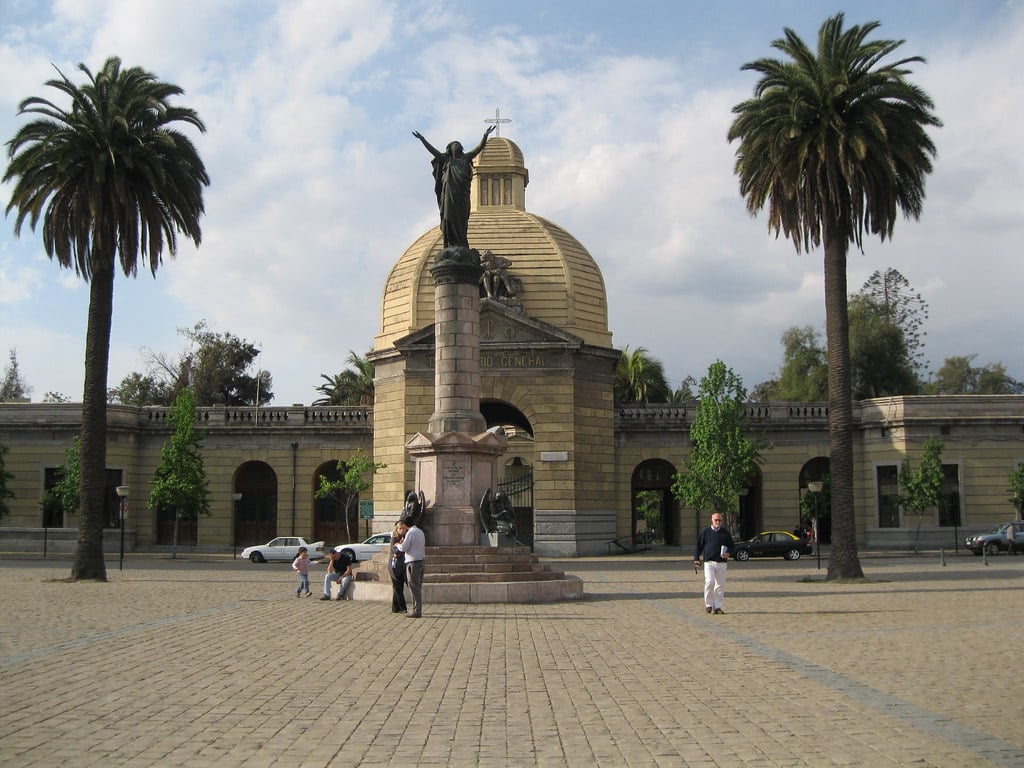
Chile’s military junta erected several monuments to General Pinochet during his 17-year dictatorship, celebrating his “salvation” of the country from Marxism. When the same Chilean state transitioned to democracy in 1990, they began removing them.
Though the process took decades because even democracies move slowly when dealing with their own uncomfortable pasts.
Tito Monuments, Yugoslavia
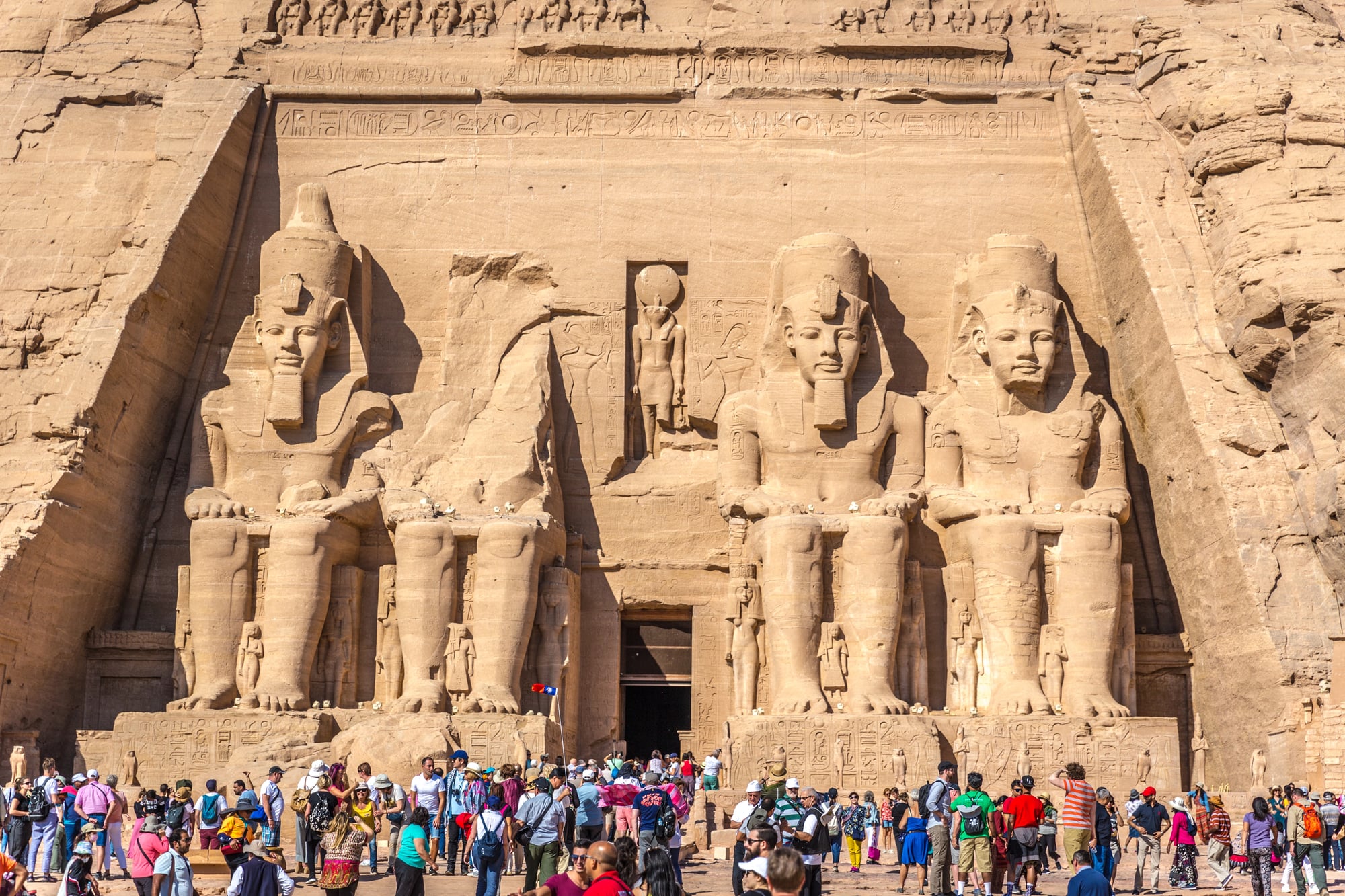
The Yugoslav government spent 35 years building monuments to Josip Broz Tito, their charismatic president-for-life who held the country together through sheer force of personality. When Yugoslavia began dissolving in the 1980s, the successor governments (Serbia, Croatia, Slovenia) systematically removed them.
Each nation decided that celebrating unity wasn’t compatible with nationalism.
Nasser Monuments, Egypt
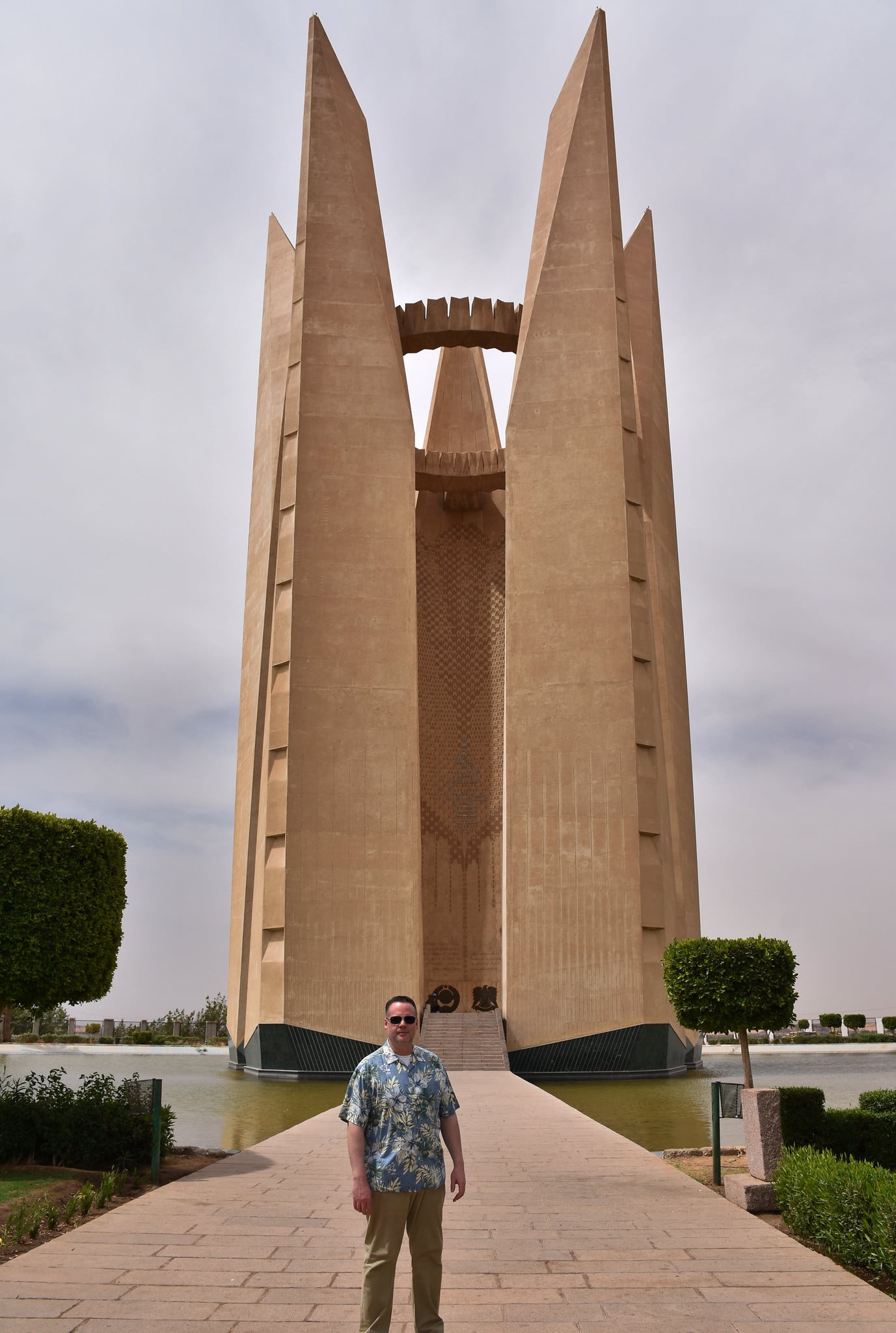
Egypt’s Free Officers movement built numerous monuments to Gamal Abdel Nasser, their charismatic leader who promised Arab socialism and pan-Arab unity. But when Anwar Sadat took power in 1970 and pivoted toward capitalism and peace with Israel, he quietly removed many of them.
The same revolutionary government editing its own ideology in real time.
Shah Monuments, Iran
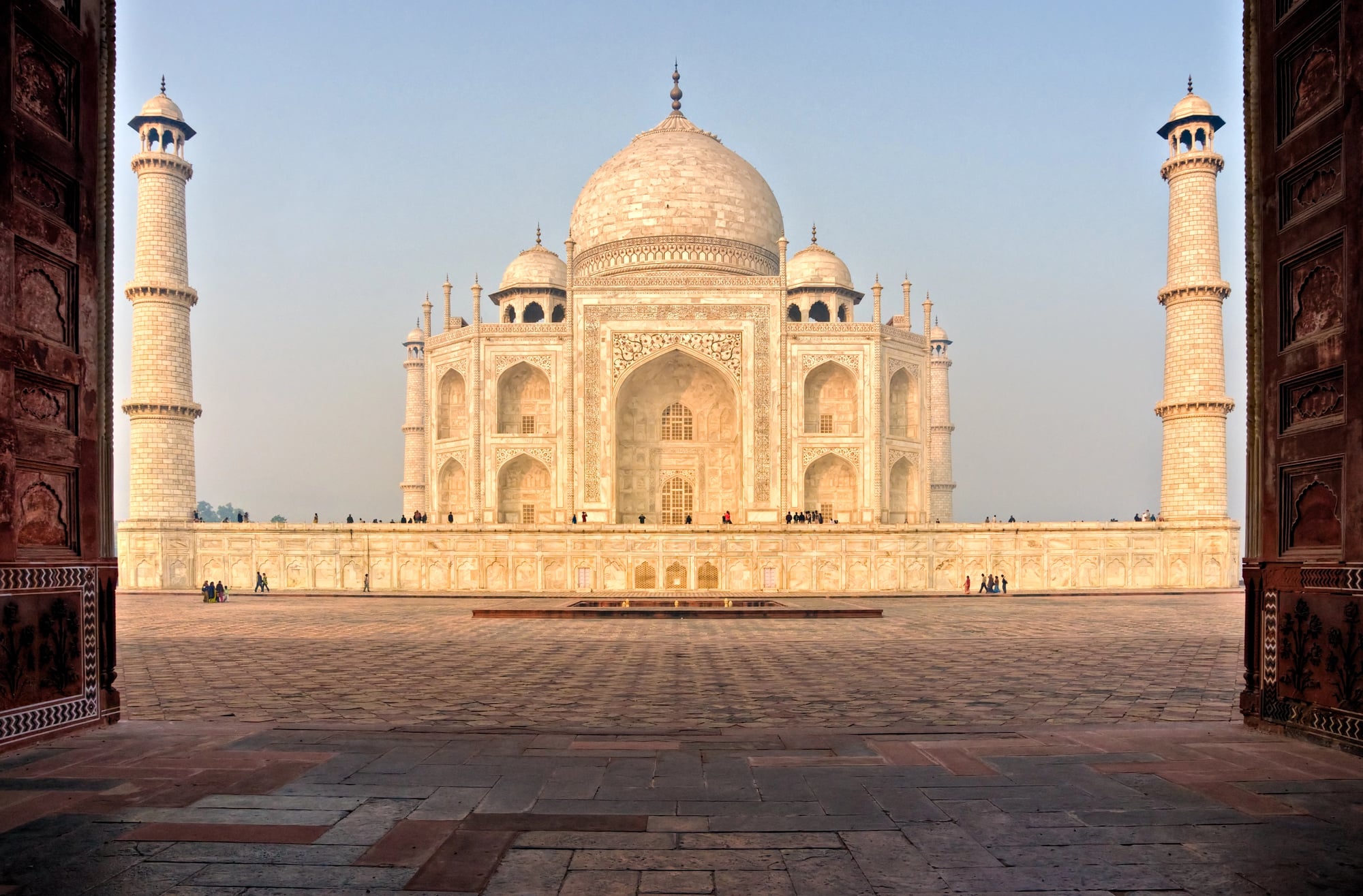
The Pahlavi dynasty commissioned hundreds of monuments celebrating the Shah’s “White Revolution” and Iran’s pre-Islamic heritage — ancient Persian kings, modern development projects, the royal family itself. When the 1979 Islamic Revolution overthrew the monarchy, they destroyed most of them.
Many of the revolutionaries had worked within the same governmental bureaucracy they were now dismantling.
Somoza Monuments, Nicaragua
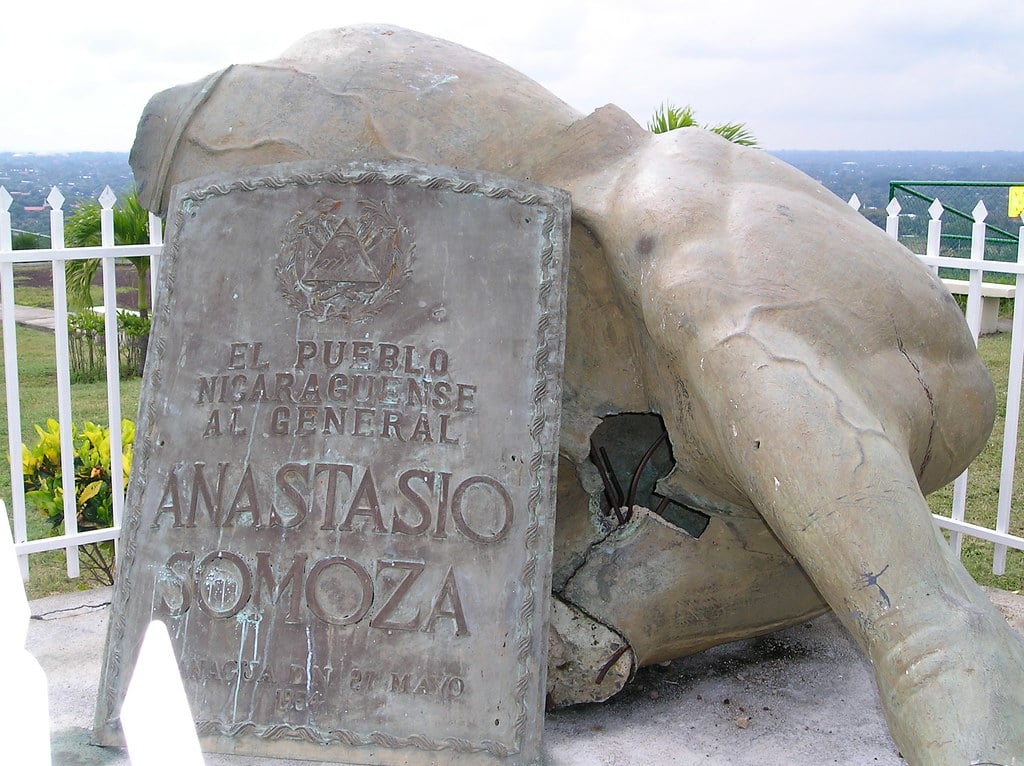
The Somoza family dynasty built monuments to themselves throughout their 43-year rule over Nicaragua, celebrating their role as guardians against Communism. When the Sandinistas overthrew them in 1979, they demolished every statue.
Though ironically, some of the rebels had once worked for the same Nicaraguan state they were now revolutionizing.
Marcos Monuments, Philippines
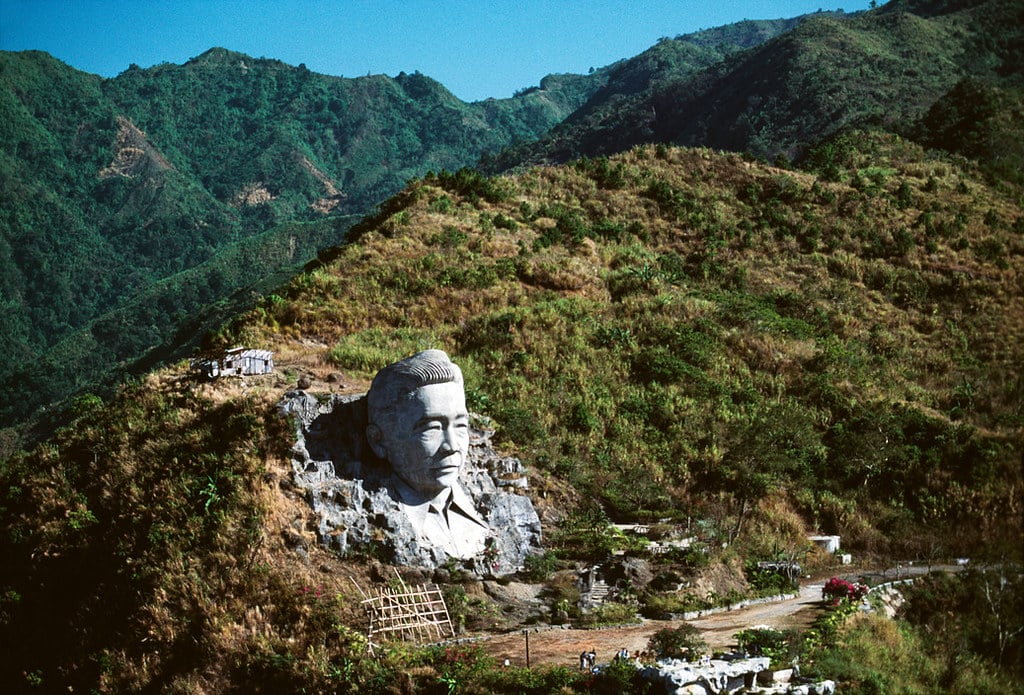
Ferdinand Marcos filled the Philippines with monuments to his “New Society” and the Marcos family legacy during his 20-year rule. When the People Power Revolution forced him from office in 1986, the same Philippine government began removing them.
Though Imelda kept a few in storage, because you never know when political winds might shift again.
Stroessner Monuments, Paraguay
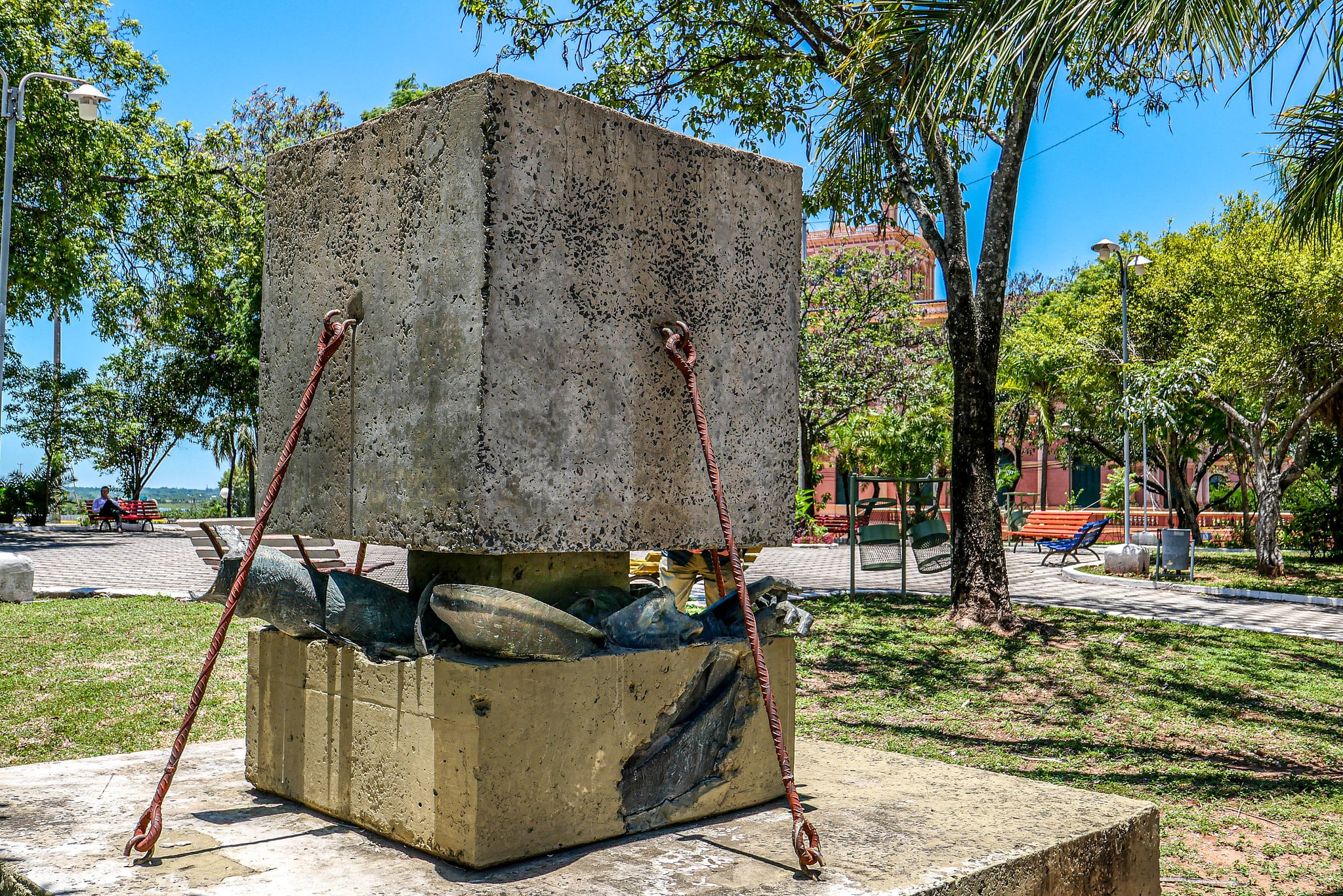
Paraguay’s Colorado Party erected monuments to General Alfredo Stroessner throughout his 35-year dictatorship, celebrating his role in modernizing the country and fighting Communism. When the same Colorado Party decided Stroessner was a liability in 1989, they overthrew him and quietly removed his statues.
Authoritarian movements are surprisingly pragmatic about their own survival.
Duvalier Monuments, Haiti
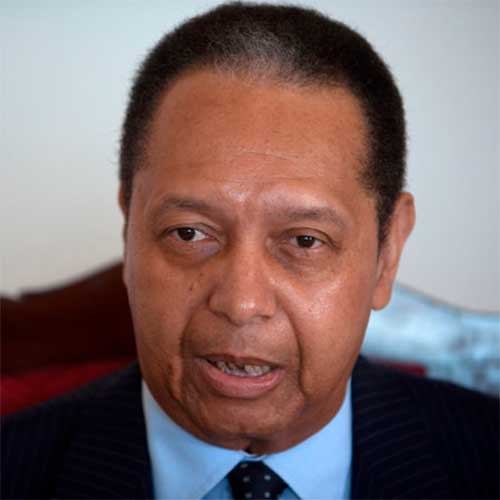
The Duvalier dynasty (Papa Doc and Baby Doc) commissioned monuments to their rule throughout their 29-year dictatorship, mixing Haitian nationalism with personality cult worship. When Jean-Claude Duvalier fled in 1986, the same Haitian state apparatus began dismantling them.
Though corruption is harder to monument than autocracy, so some problems persisted beyond the bronze.
Mobuto Monuments, Zaire
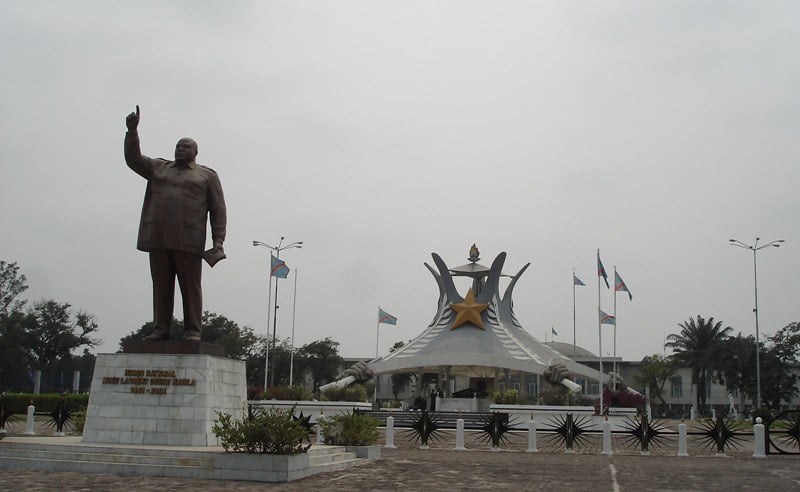
Mobutu Sese Seko filled Zaire with monuments celebrating his authenticity movement and 32-year rule as the country’s “Guide.” When his own military abandoned him in 1997, the newly renamed Democratic Republic of Congo removed his statues.
The same governmental structure, just under new management and with a more honest name.
Banda Monuments, Malawi
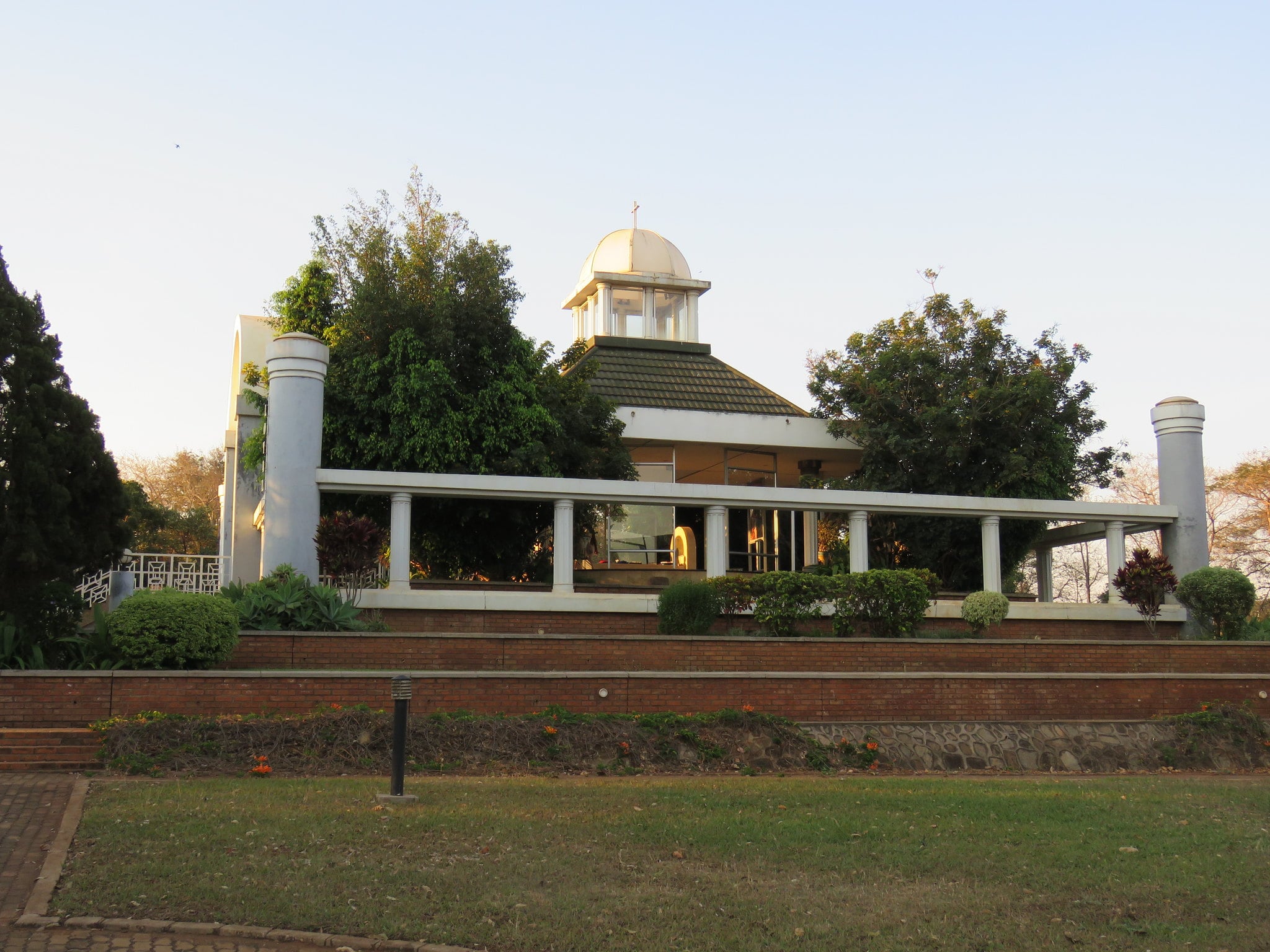
Hastings Banda’s Malawi Congress Party built monuments to their “President for Life” throughout his 30-year rule, celebrating his role in achieving independence and maintaining stability. When the same party decided multiparty democracy was inevitable in 1994, they quietly removed Banda’s statues.
Even one-party states eventually read polling data.
Mengistu Monuments, Ethiopia
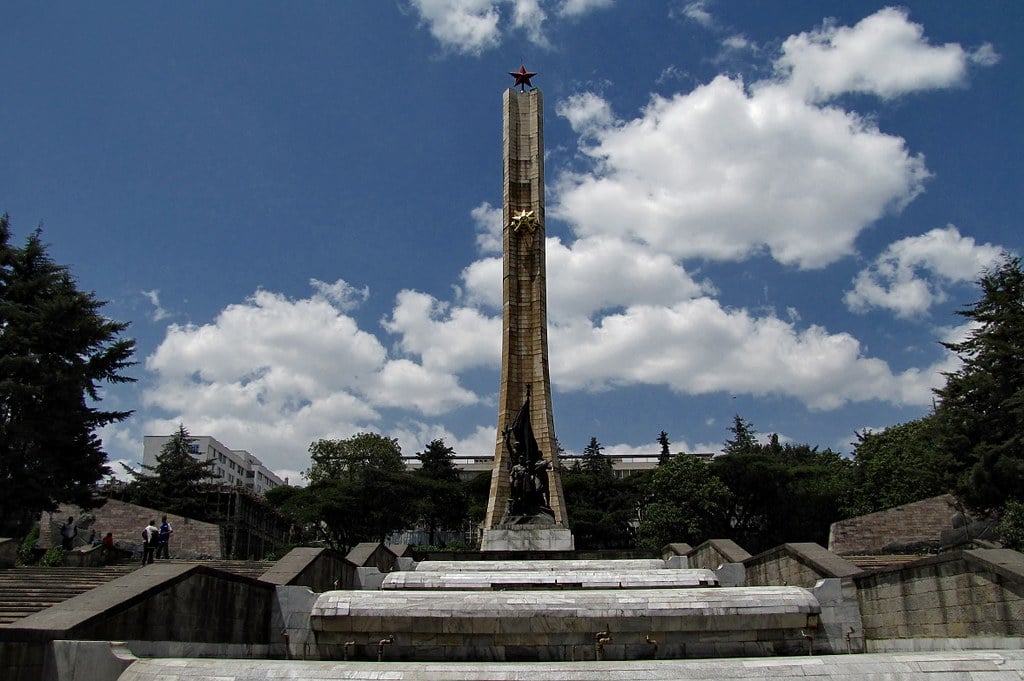
The Derg military junta erected monuments to Mengistu Haile Mariam and their Marxist revolution during their 17-year rule of Ethiopia. When the same socialist government collapsed in 1991 (largely due to economic failure), the successor regime removed them.
Even Communist monuments need sustainable financing to survive.
Bokassa Monuments, Central African Empire
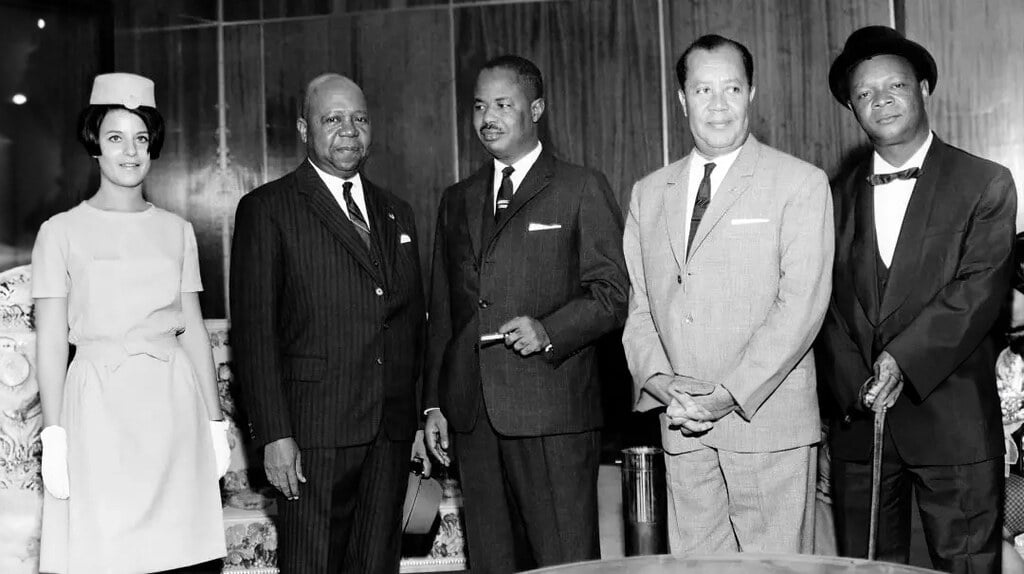
Jean-Bédel Bokassa commissioned monuments to his self-proclaimed empire during his brief reign as “Emperor” of the Central African Republic from 1976 to 1979. When the French decided his cannibal reputation was bad for business and helped restore the republic, the same Central African government removed his imperial monuments.
Though they kept some of the infrastructure because roads are roads, regardless of who built them.
Amin Monuments, Uganda
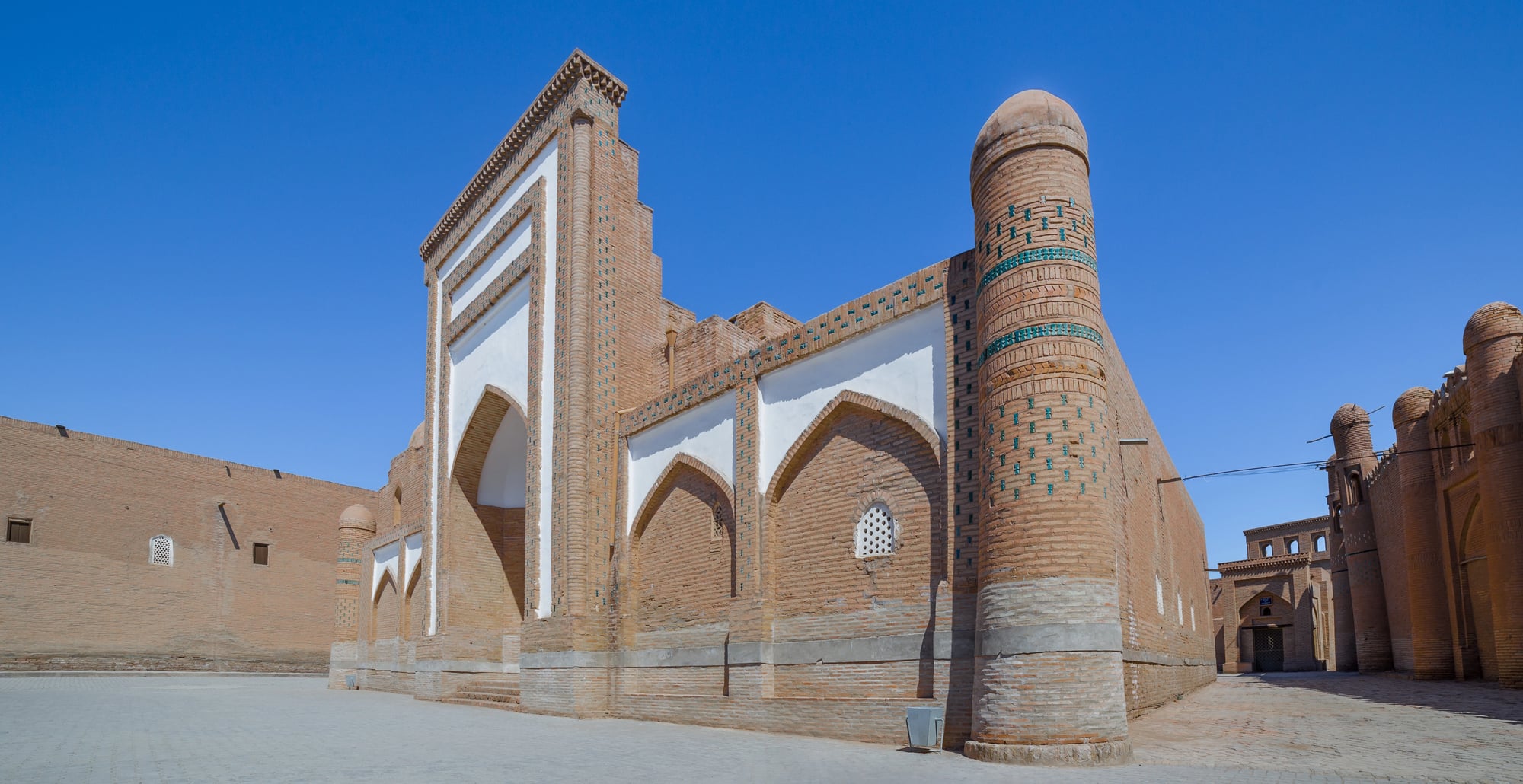
Idi Amin built monuments celebrating his role as Uganda’s liberator from British colonialism during his chaotic 8-year rule. When his own military turned against him in 1979 (with help from Tanzania), the successor Ugandan government destroyed them.
Though Amin’s economic policies had already destroyed most of the country’s ability to maintain monuments anyway.
Doe Monuments, Liberia
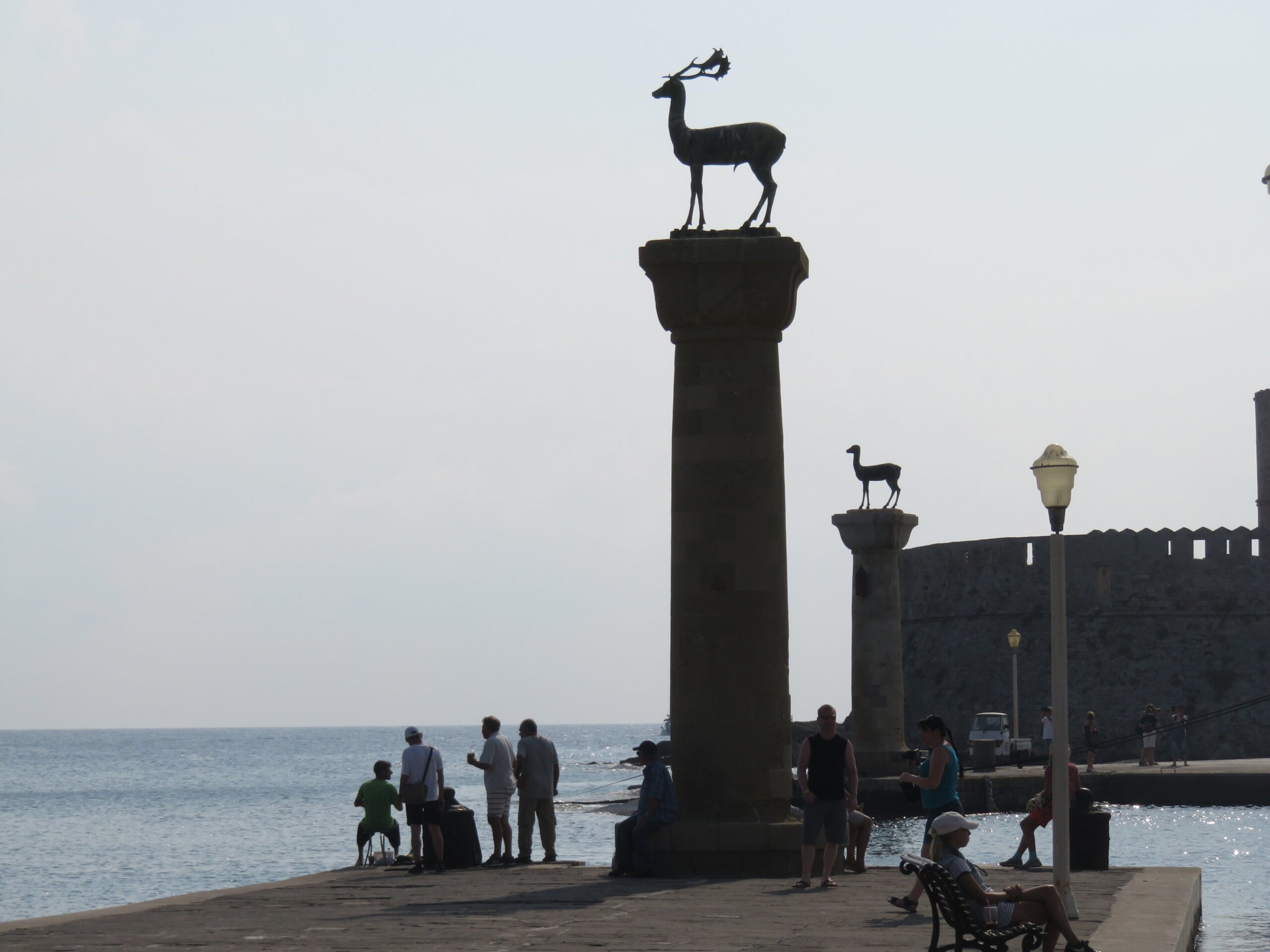
Samuel Doe’s People’s Redemption Council erected monuments to their 1980 coup and liberation of Liberia from Americo-Liberian rule. When Doe’s own government fractured during the civil war in 1990, rival factions destroyed his monuments.
The same military structure he had created ultimately consuming its own founder.
Taylor Monuments, Liberia
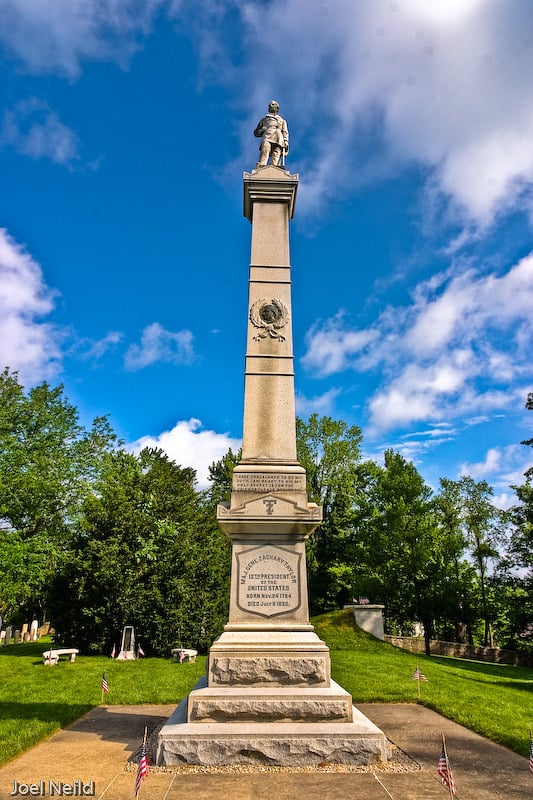
Charles Taylor built monuments to his role in “liberating” Liberia during his presidency from 1997 to 2003, celebrating his victory in the civil wars he had helped start. When the same Liberian state finally decided Taylor was more liability than asset, they facilitated his exile and removed his monuments.
Though war crimes tribunals are more effective than bronze removal for dealing with dictators.
Looking Back At What We Choose To Remember
The pattern reveals something uncomfortable about power and memory. These weren’t monuments destroyed by conquering armies or revolutionary movements — they were deliberate acts of forgetting by the same institutions that once demanded remembrance.
Governments, it turns out, are remarkably good at editing their own histories when political survival demands it. The bronze and marble may crumble, but the bureaucratic instinct for self-preservation remains constant across every regime change.
More from Go2Tutors!

- The Romanov Crown Jewels and Their Tragic Fate
- 13 Historical Mysteries That Science Still Can’t Solve
- Famous Hoaxes That Fooled the World for Years
- 15 Child Stars with Tragic Adult Lives
- 16 Famous Jewelry Pieces in History
Like Go2Tutors’s content? Follow us on MSN.



