Places with the Highest Population Growth
Other regions of the world are seeing population booms that would make a rabbit jealous, while other nations are concerned about aging populations and dropping birth rates. These fast-growing regions are experiencing population growth rates that have the potential to double in a single generation, posing enormous opportunities as well as formidable challenges for governance, infrastructure, and resources.
Different factors contribute to population growth; some regions have high birth rates and better healthcare, which prolongs life expectancy, while other regions draw large influxes of migrants in search of better prospects. Both elements are frequently combined in the fastest-growing areas, resulting in demographic pressure cookers that completely transform entire regions. We can gain insight into the future of global economics, urbanization, and resource distribution by identifying the areas where population growth is most rapid.
From vibrant African cities to entire countries where half of the population is under 15, these locations are seeing the most significant population growth. These 12 locations have populations that are growing at remarkably rapid rates.
Niger
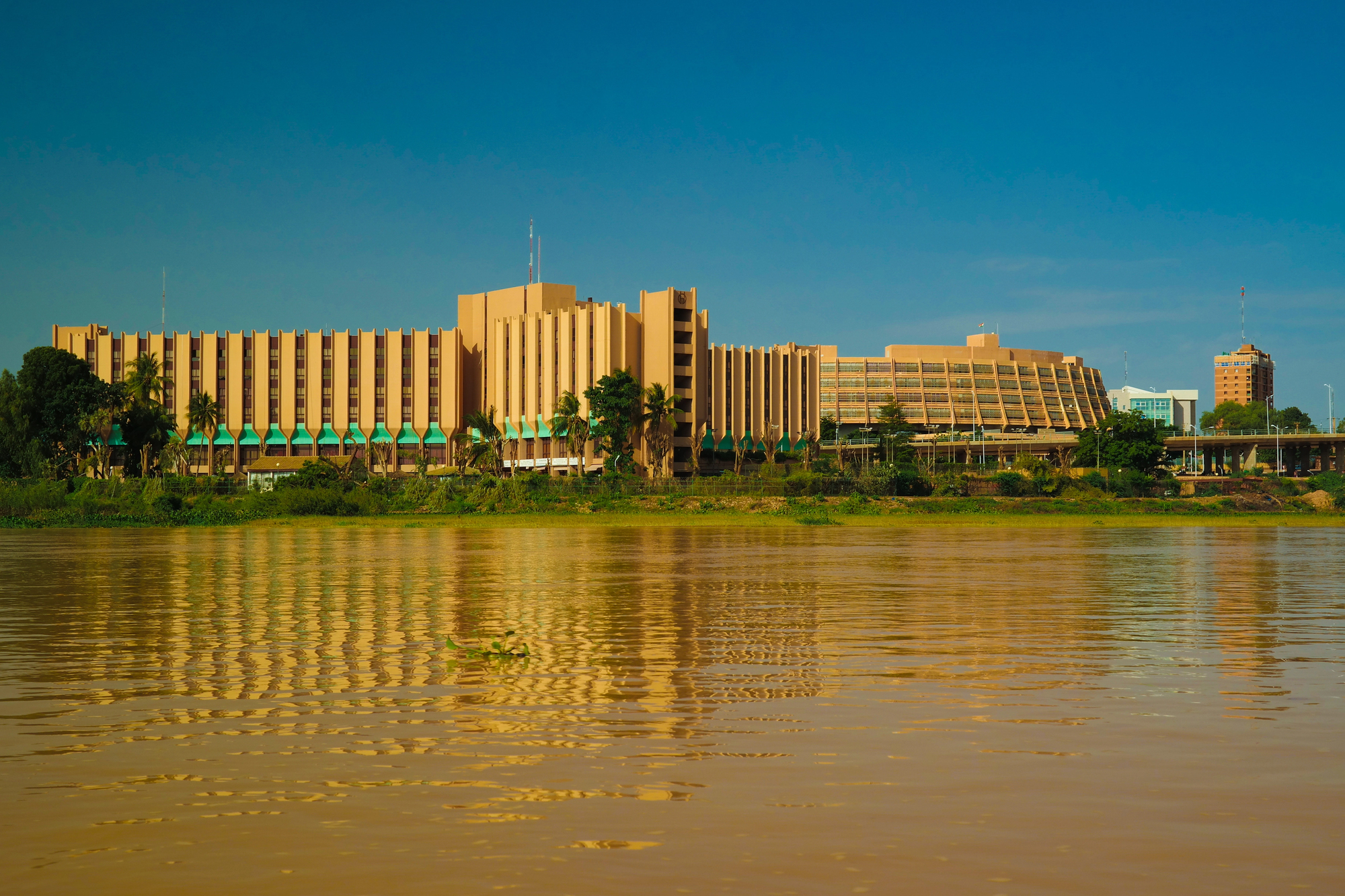
Niger leads the world in population growth rate at around 3.8% annually, meaning the country doubles its population roughly every 18 years. With a median age of just 15 years, Niger has one of the youngest populations on Earth, creating a demographic momentum that keeps pushing numbers higher.
The country’s population has grown from about 3 million in 1960 to over 26 million today, and projections suggest it could reach 65 million by 2050.
Angola
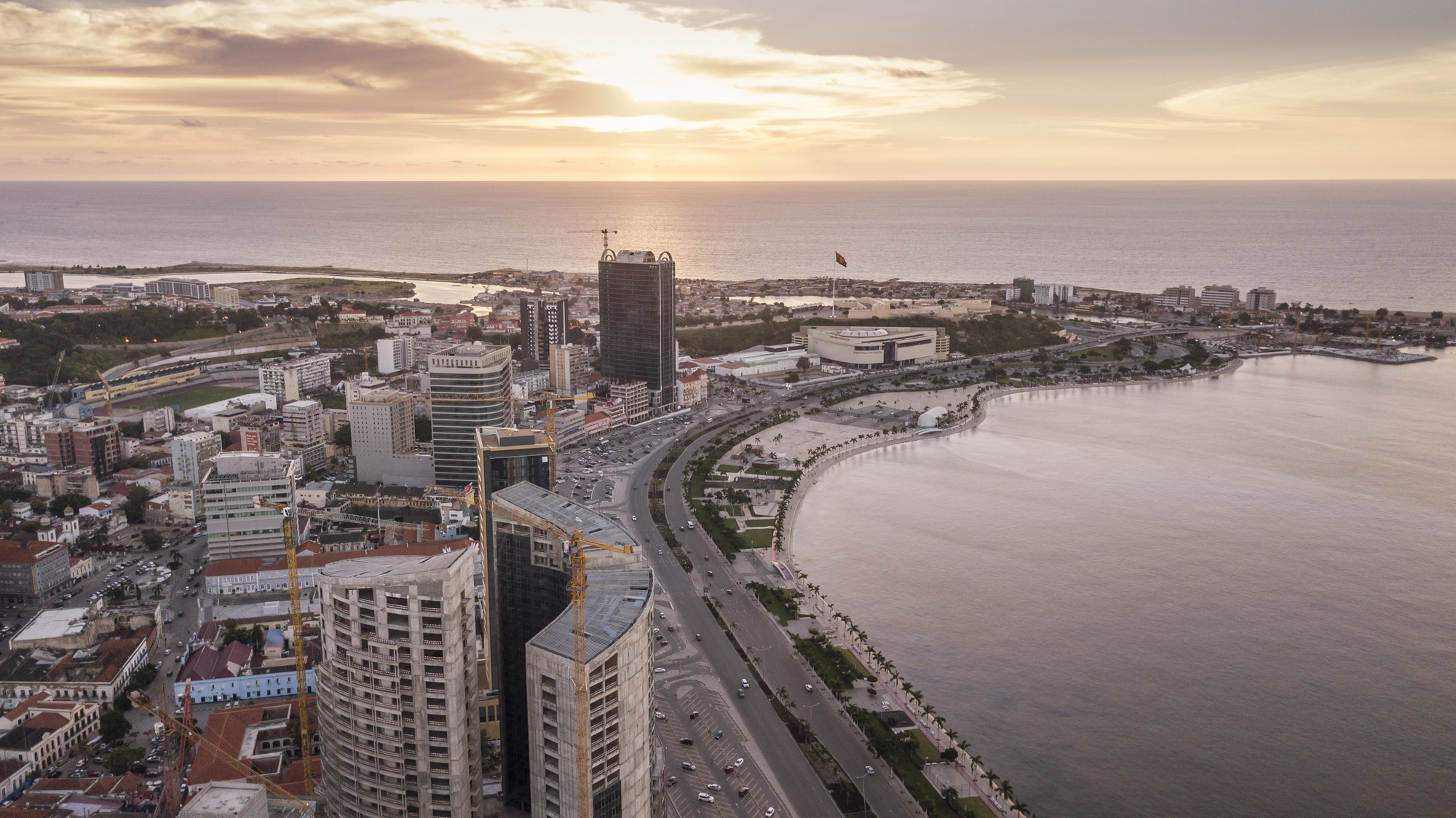
Angola maintains one of Africa’s highest growth rates at approximately 3.1% per year, fueled by both high birth rates and improving living conditions after decades of civil war. The country’s oil wealth has helped reduce infant mortality while birth rates remain high, creating a perfect storm for rapid population expansion.
Angola’s population has more than tripled since 1980, and this former Portuguese colony now adds roughly 800,000 new people every year.
Like Go2Tutors’s content? Follow us on MSN.
Chad
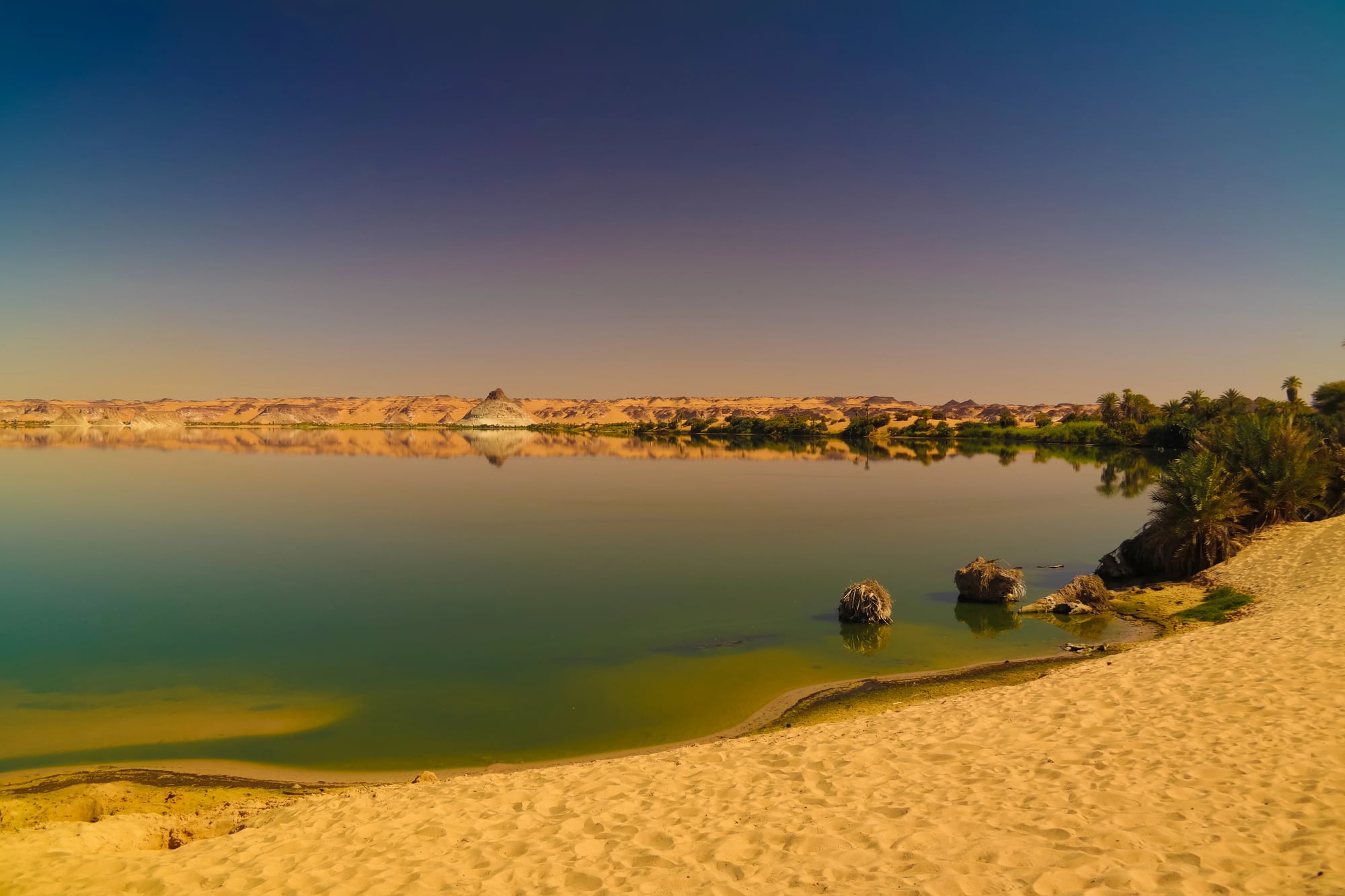
Chad grows at about 3.1% annually despite facing significant economic and environmental challenges in the heart of Africa. The country’s population is incredibly young, with over 47% of people under age 15, creating built-in momentum for continued growth.
Chad has grown from roughly 3 million people in 1970 to over 17 million today, with much of this growth concentrated in and around the capital, N’Djamena.
Mali
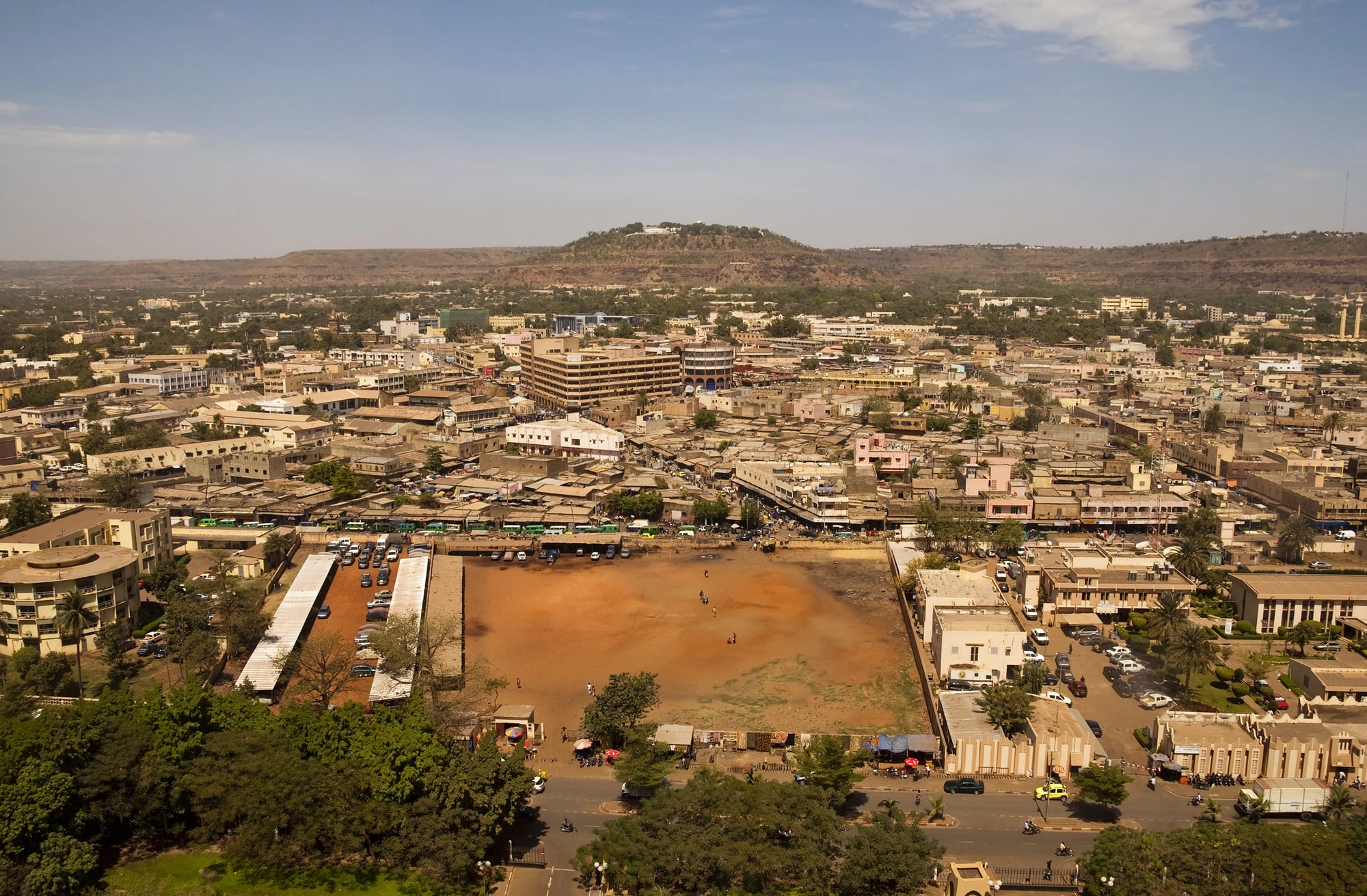
Mali expands at approximately 2.9% per year, driven by traditional cultural values that favor large families and improving healthcare that keeps more children alive to adulthood. The country’s population has quadrupled since independence in 1960, growing from about 5 million to over 22 million people.
Mali’s growth is particularly notable in urban areas like Bamako, which has transformed from a modest river town into a sprawling metropolis.
Lagos, Nigeria
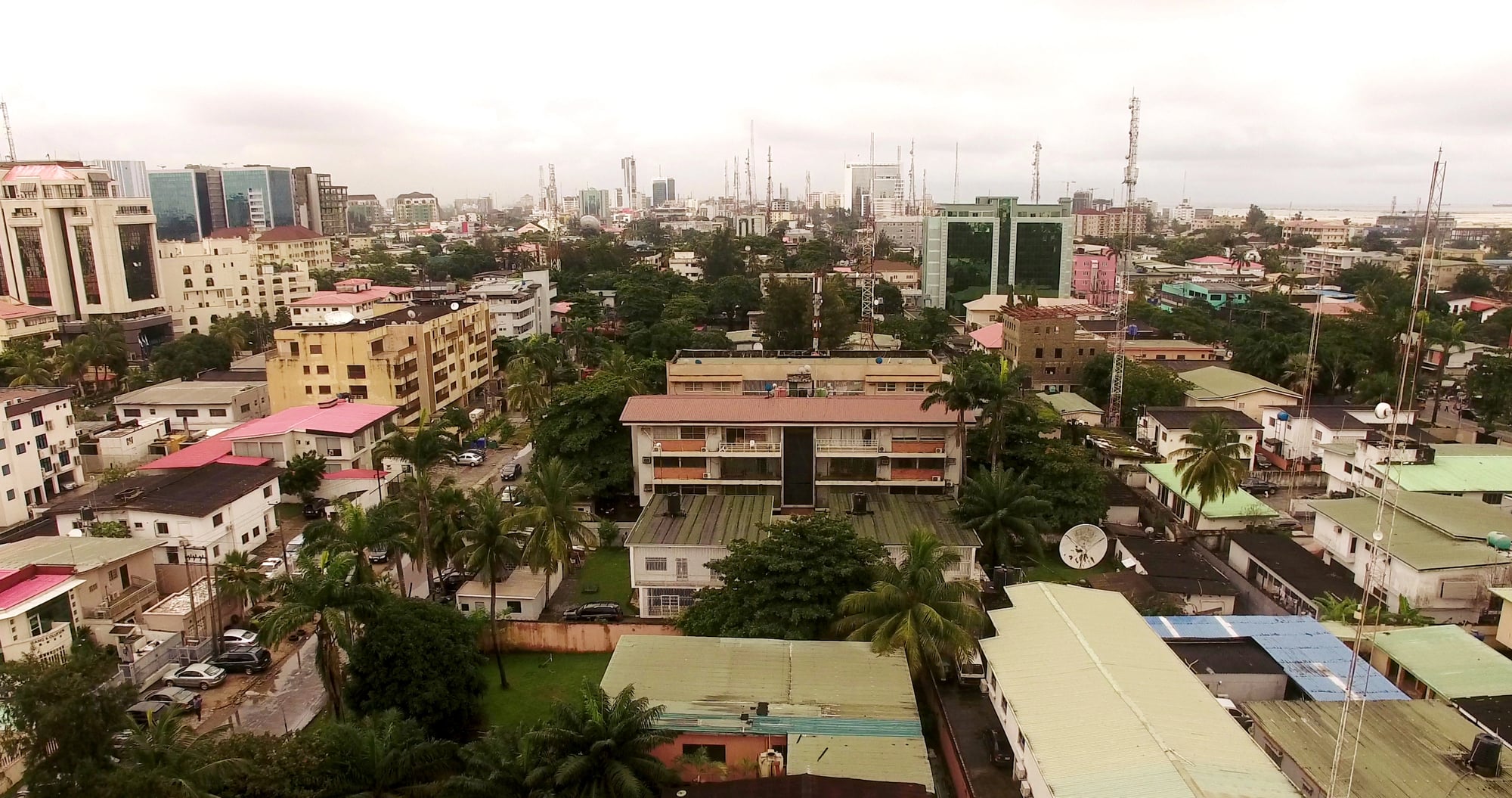
Lagos represents one of the world’s fastest-growing megacities, adding roughly 350,000 new residents every year as it transforms into Africa’s commercial capital. The city’s metropolitan area has exploded from about 1 million people in 1970 to over 22 million today, making it larger than many entire countries.
Lagos attracts migrants from across West Africa seeking economic opportunities, while its existing population maintains high birth rates that compound the growth.
Like Go2Tutors’s content? Follow us on MSN.
Uganda
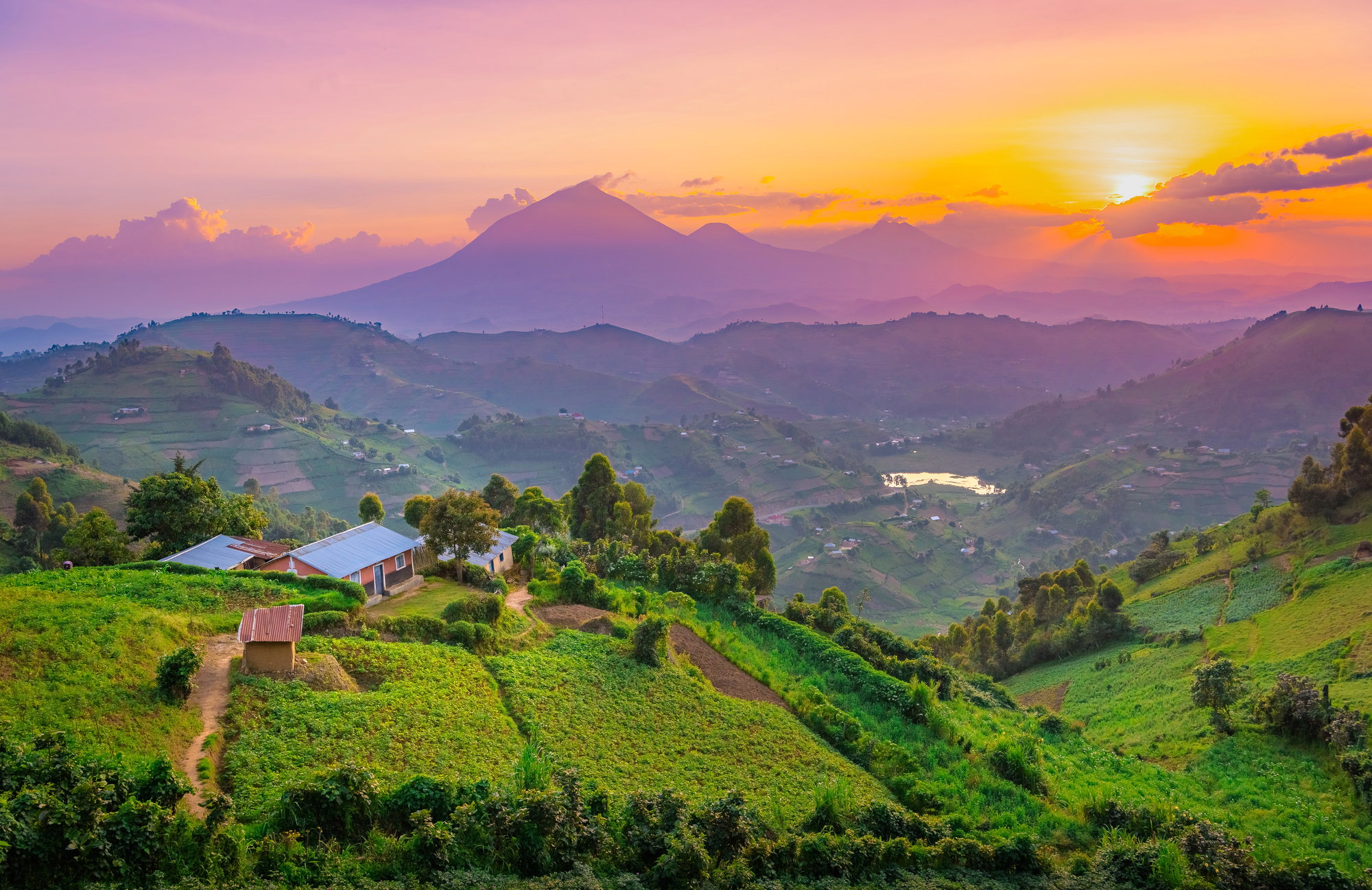
Uganda sustains a growth rate of about 3.0% annually, making it one of the fastest-growing countries globally. The nation’s population has increased from 7 million in 1960 to over 47 million today, with projections suggesting it could reach 100 million by 2050.
Uganda’s growth stems from both high fertility rates and declining child mortality, creating a population where nearly half of all people are under 15 years old.
Dhaka, Bangladesh
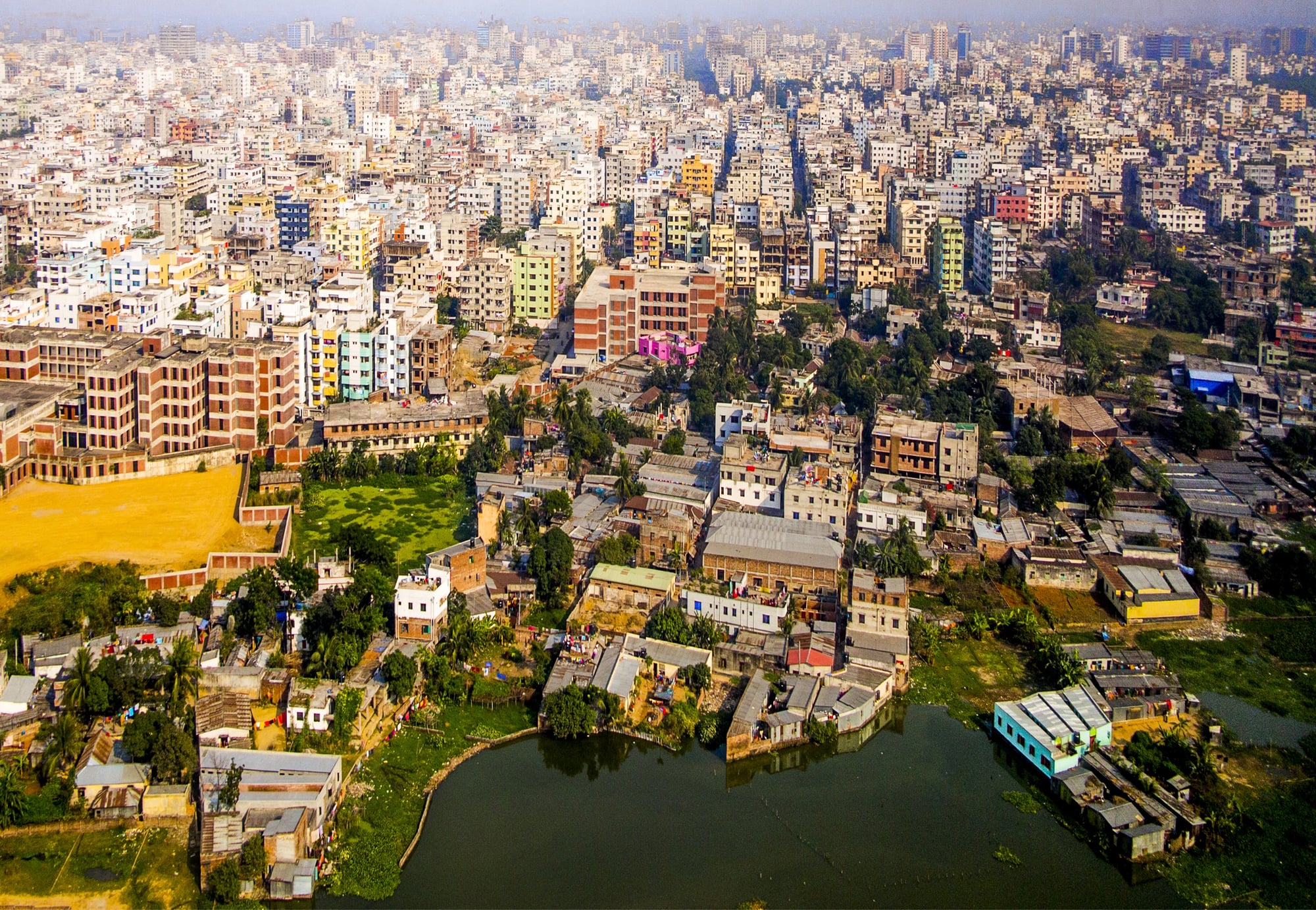
Dhaka ranks among the world’s fastest-growing major cities, swelling by roughly 250,000 people annually as rural Bangladeshis migrate to the capital seeking work. The city’s population has grown from about 1 million in 1970 to over 22 million in the greater metropolitan area today.
Dhaka’s growth reflects Bangladesh’s broader economic transformation from agriculture to manufacturing, drawing people to textile factories and other urban industries.
Democratic Republic of Congo
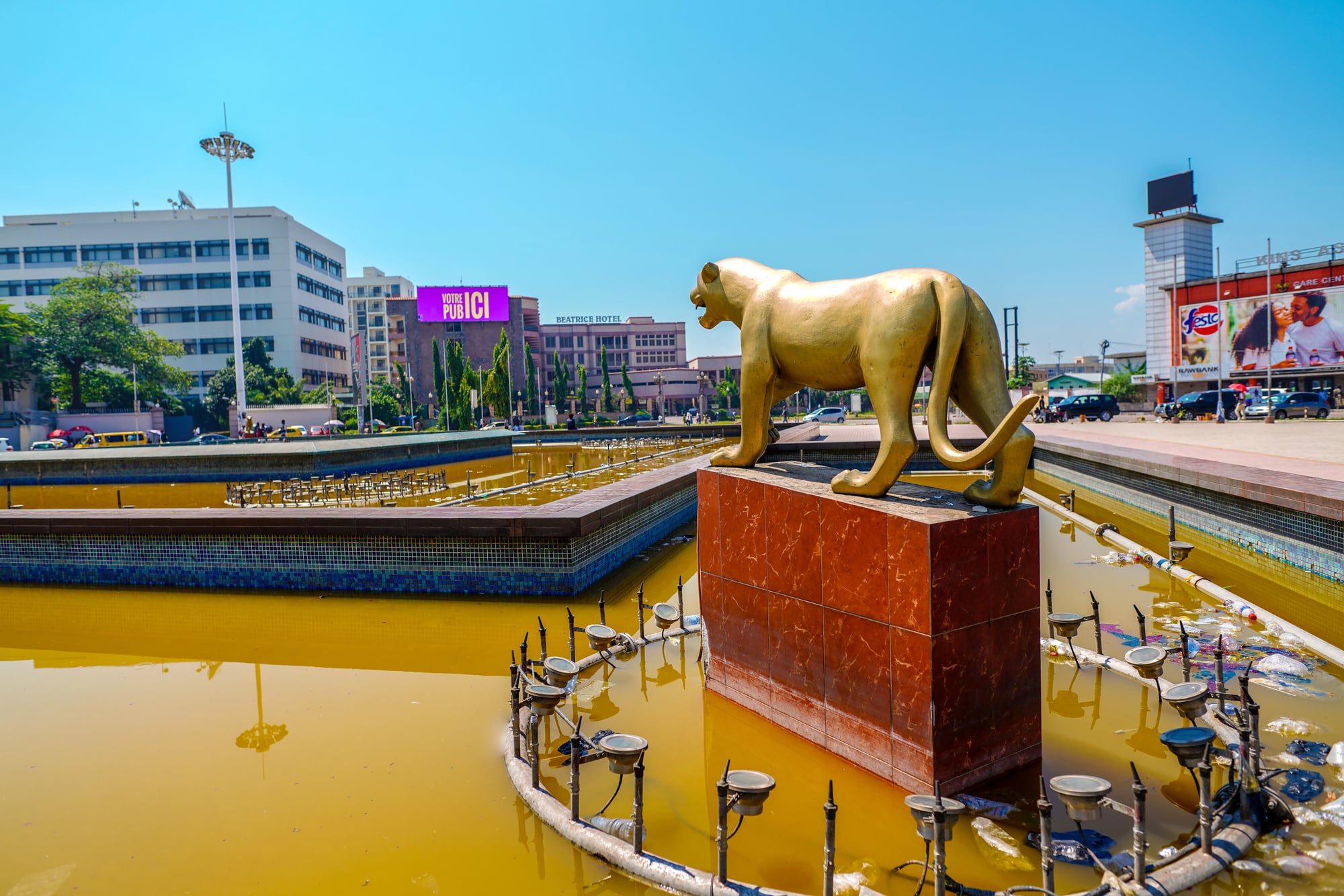
The Democratic Republic of Congo grows at approximately 3.2% per year, adding about 2.5 million new people annually to become Africa’s most populous French-speaking country. The nation’s population has grown from 15 million in 1960 to over 95 million today, despite decades of conflict and political instability.
Congo’s vast size and young population create enormous potential, but also strain the country’s limited infrastructure and resources.
Like Go2Tutors’s content? Follow us on MSN.
Tanzania
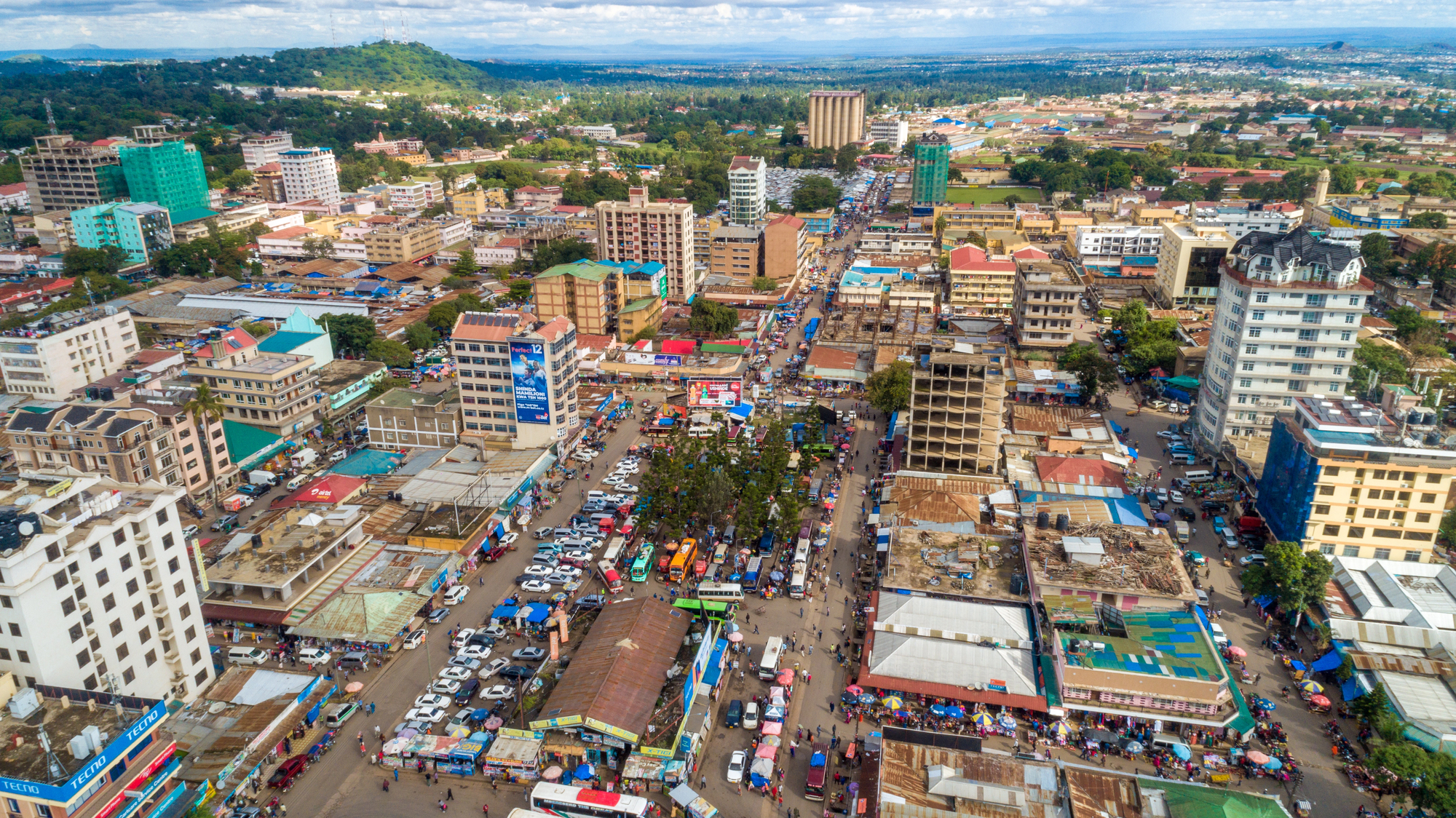
Tanzania maintains steady growth of about 3.0% annually, with its population increasing from 10 million in 1960 to over 62 million today. The country benefits from political stability and improving healthcare while maintaining high birth rates, particularly in rural areas.
Tanzania’s growth is distributed between expanding cities like Dar es Salaam and rural regions where large families remain economically advantageous for farming communities.
Zambia
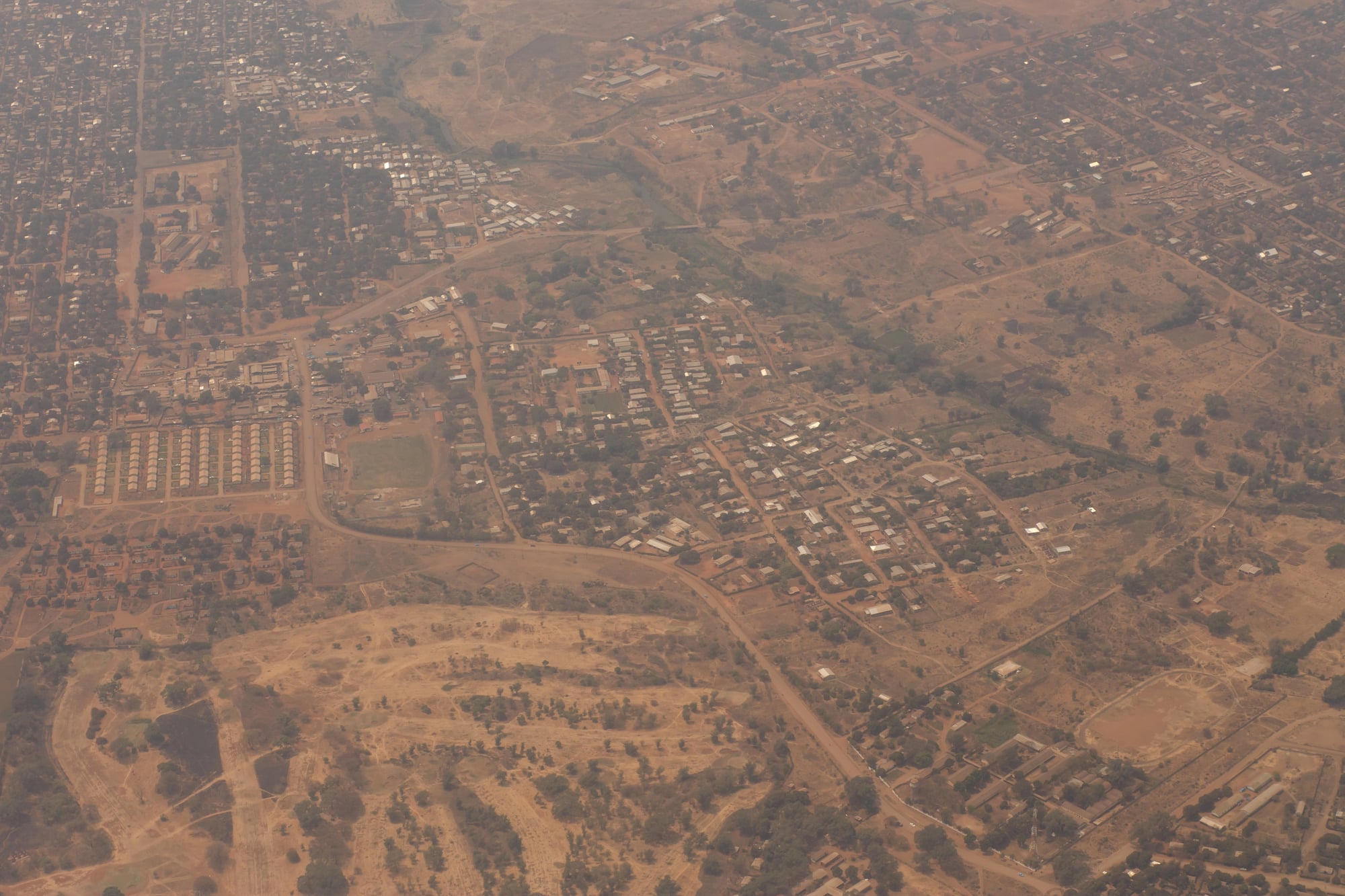
Zambia maintains growth of about 3.0% per year, with its population increasing from 4 million in 1970 to over 19 million today. The country’s copper mining industry attracts workers to cities like Lusaka and the Copperbelt region, while rural areas maintain high birth rates.
Zambia’s growth creates both opportunities in its expanding economy and challenges for providing education and healthcare to rapidly growing communities.
Addis Ababa, Ethiopia
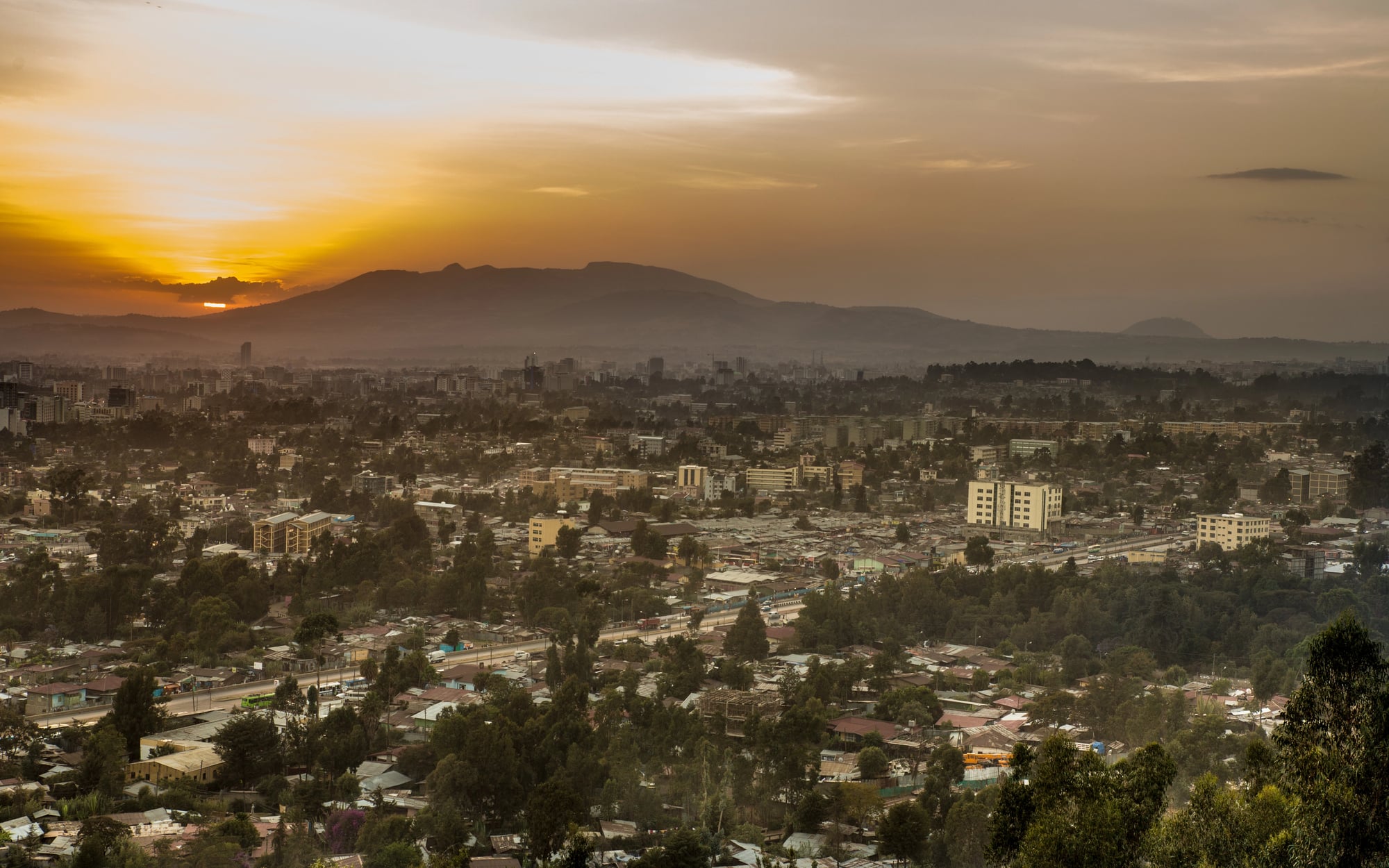
Addis Ababa serves as both Ethiopia’s capital and the headquarters of the African Union, growing by roughly 225,000 people annually as it becomes East Africa’s political and economic center. The city has expanded from about 400,000 people in 1960 to over 6 million today, with the greater metropolitan area approaching 7 million inhabitants.
Addis Ababa’s growth reflects Ethiopia’s role as a regional power and its economic development in recent decades.
Like Go2Tutors’s content? Follow us on MSN.
Bamako, Mali
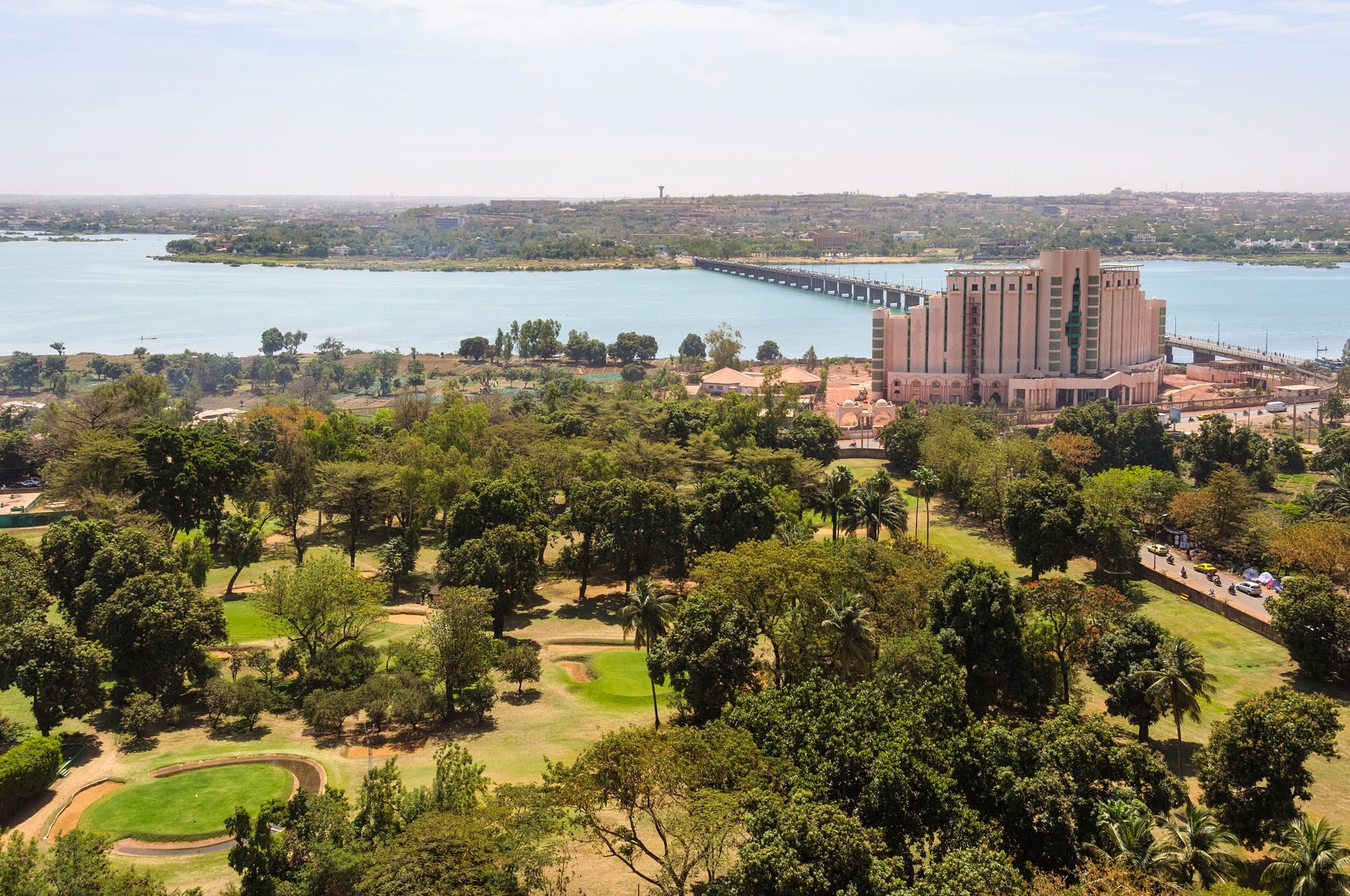
Bamako exemplifies African urban growth, expanding from a traditional trading post of 100,000 people in 1960 to a bustling metropolis of over 2.8 million inhabitants today. The city grows by roughly 110,000 people annually, making it one of the world’s fastest-growing capitals relative to its size.
Bamako’s expansion reflects Mali’s broader demographic trends and the city’s role as West Africa’s cultural and commercial crossroads.
The Future Takes Shape Today
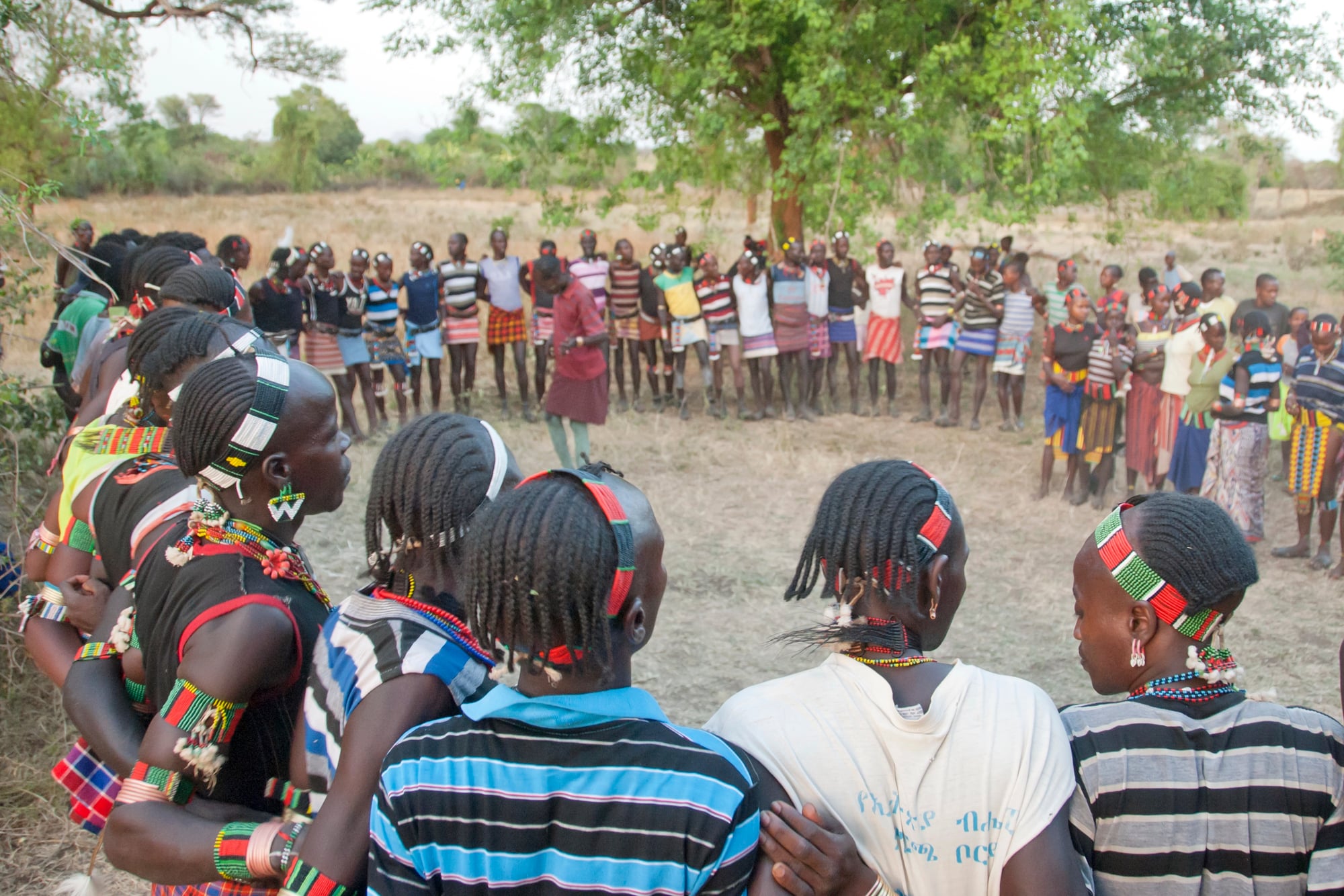
These quickly expanding regions are literally changing the demographics of the world, establishing new hubs of political and economic power, and upending long-held beliefs about how the world is developing. The youthful populations propelling this expansion are a huge source of potential energy; they have the ability to become the leaders, innovators, and entrepreneurs who shape the course of the next century of human development.
Massive investments in infrastructure, education, and economic opportunities that can fully utilize all of this human potential are necessary to convert the fast population growth into prosperity. Cities and nations that successfully navigate this shift will probably become important actors on the global scene, while those that struggle might experience severe social and economic pressures in the decades to come.
More from Go2Tutors!

- 16 Historical Figures Who Were Nothing Like You Think
- 12 Things Sold in the 80s That Are Now Illegal
- 15 VHS Tapes That Could Be Worth Thousands
- 17 Historical “What Ifs” That Would Have Changed Everything
- 18 TV Shows That Vanished Without a Finale
Like Go2Tutors’s content? Follow us on MSN.