20 Most Spiciest Dishes Around the World
Heat in meals splits people sharply. Some chase the burn – that rising fire, the test of endurance.
Others care less for power, more for taste, with kick lifting the dish without stealing focus. Still, fiery plates usually come from long-held traditions, built with precision over time.
Heat alone does not define a spicy dish. How the burn builds matters just as much – slow, sharp, sudden, or steady.
Balance plays a role too, working alongside flavor, texture, timing. Some kitchens amplify fire; others shape it to enhance depth.
In Thailand, chili cuts through sweetness like sunlight through mist. Mexico layers smoke and fruit into its heat using dried peppers ground fresh.
India crafts warmth that spreads wide, built in stages with toasted seeds and ginger. Ethiopia uses berbere – a blend where spice wraps around earthiness like old vines on stone.
Japan brings wasabi’s quick sting, gone almost as soon as it arrives. Each region treats heat differently – not just more, but how.
Fire can highlight sourness, lift aroma, even mimic salt if used right. Control separates sensation from chaos.
A well-made spicy meal never shocks without reason. The best ones make you forget what your tongue is doing until it’s already happened.
Here’s a closer look at some of the spiciest dishes from around the globe.
Phaal Curry
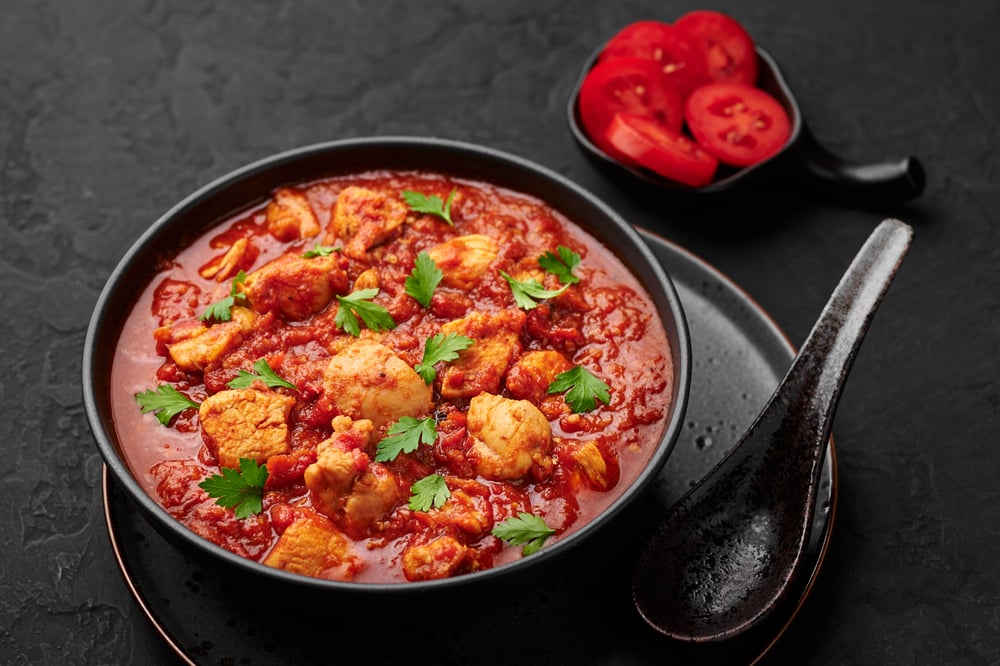
Born in Britain yet shaped by Indian cooking traditions, phaal curry carries a reputation for extreme heat. Chilies drive its fire – often blended from some of the world’s fiercest strains.
Heat hits fast, stays longer, turns eating into something closer to challenge than comfort. Yet underneath all that burn, layers of deep, intricate taste manage to show through.
Sichuan Hot Pot
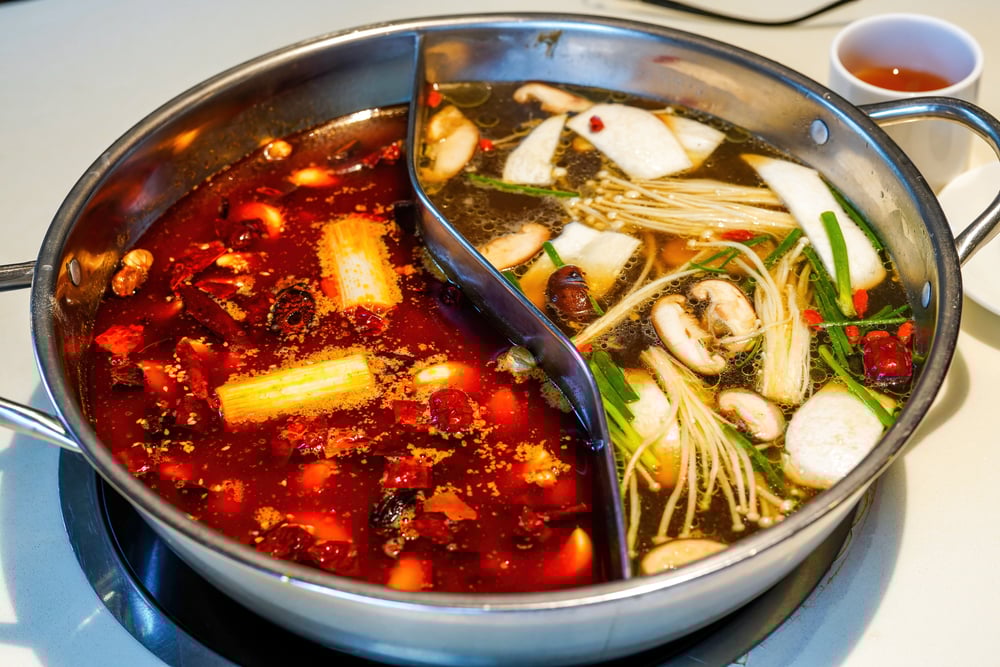
A staple of Chinese cuisine, Sichuan hot pot is known for its numbing and spicy broth. The use of Sichuan peppercorns creates a tingling sensation that’s different from typical heat.
Combined with chili oil, garlic, and spices, the result is layered and immersive. The communal style of eating adds to the experience.
Vindaloo
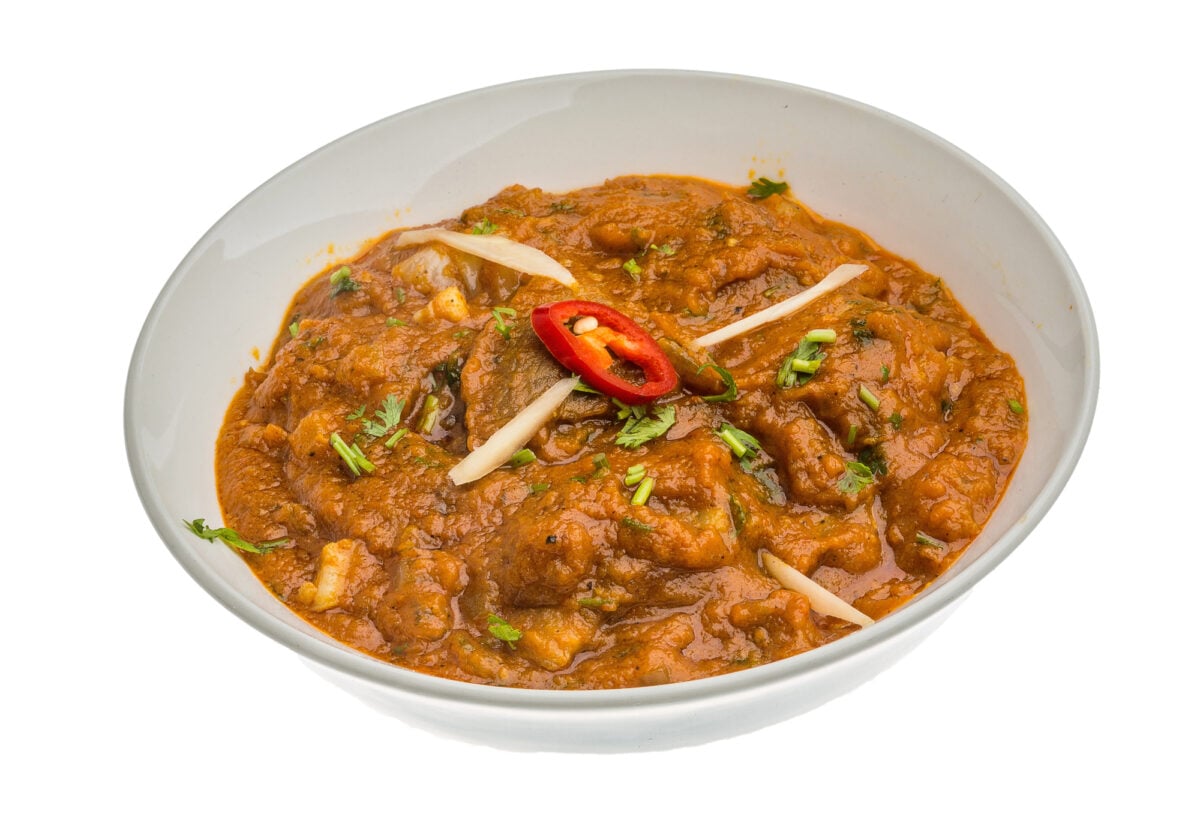
The classic Indian vindaloo is famous for its bold use of spices and chili. Originally influenced by Portuguese cooking, it evolved into a dish known for its heat.
The combination of vinegar, garlic, and spices gives it a sharp, distinctive flavor. While often associated with extreme heat, traditional versions focus on balance.
Kimchi Jjigae
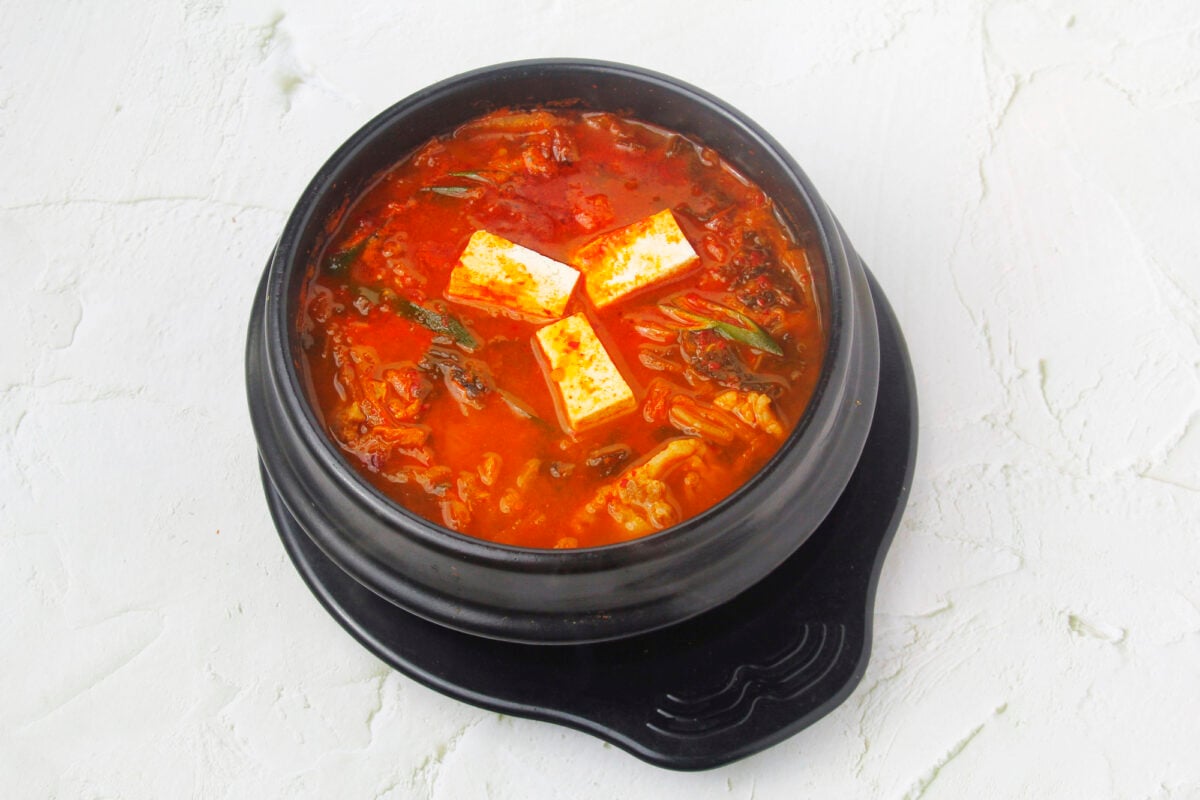
This Korean stew brings together fermented kimchi, chili paste, and various proteins into a deeply flavorful dish. The spice comes not just from heat, but from fermentation, which adds depth.
It’s warming, intense, and comforting all at once. The longer it cooks, the richer the flavor becomes.
Jerk Chicken
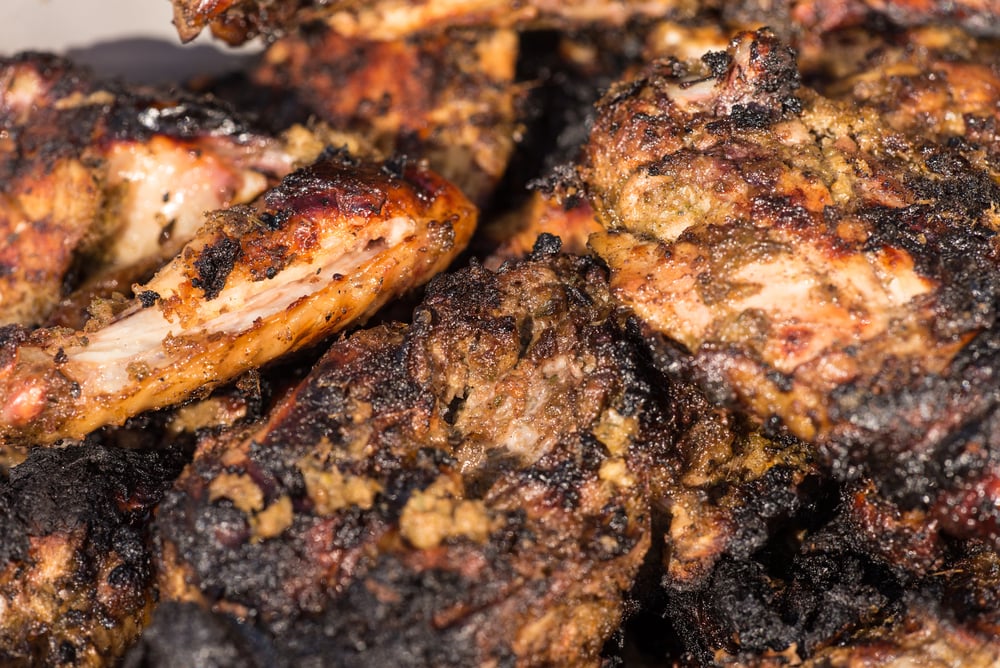
From Jamaica, jerk chicken is defined by its marinade, which includes Scotch bonnet peppers. These peppers bring a sharp, fruity heat that stands out.
Combined with spices like allspice and thyme, the result is bold and aromatic. The cooking process, often over open flame, adds another layer of flavor.
Mapo Tofu
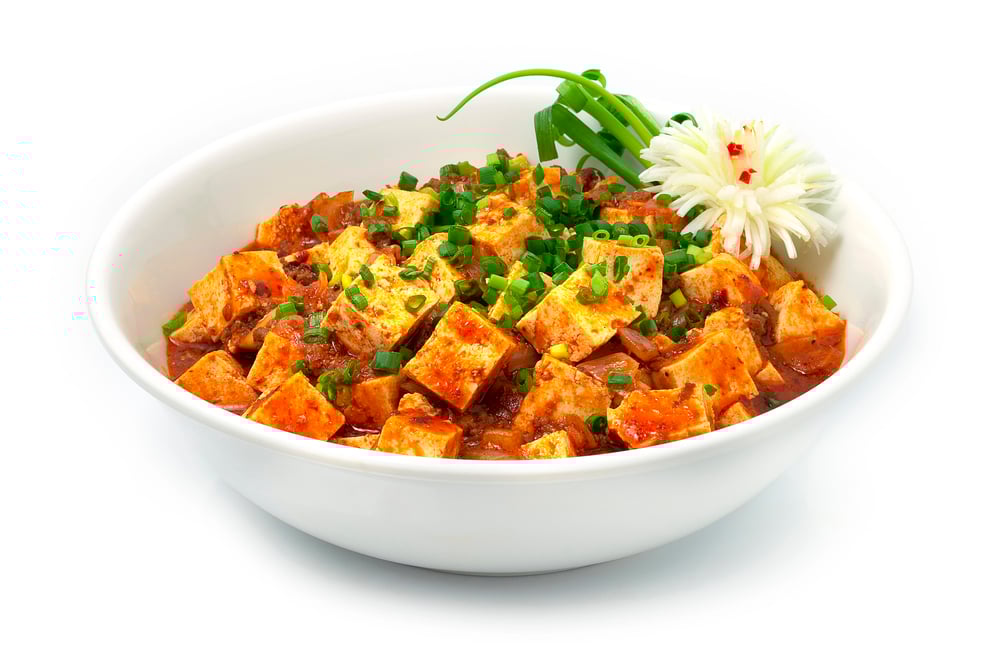
A Sichuan classic, mapo tofu combines soft tofu with a spicy, oily sauce made from chili bean paste. The heat is balanced by the texture of the tofu, creating contrast in every bite.
The dish also features the numbing effect of Sichuan peppercorns. It’s intense but carefully structured.
Som Tam
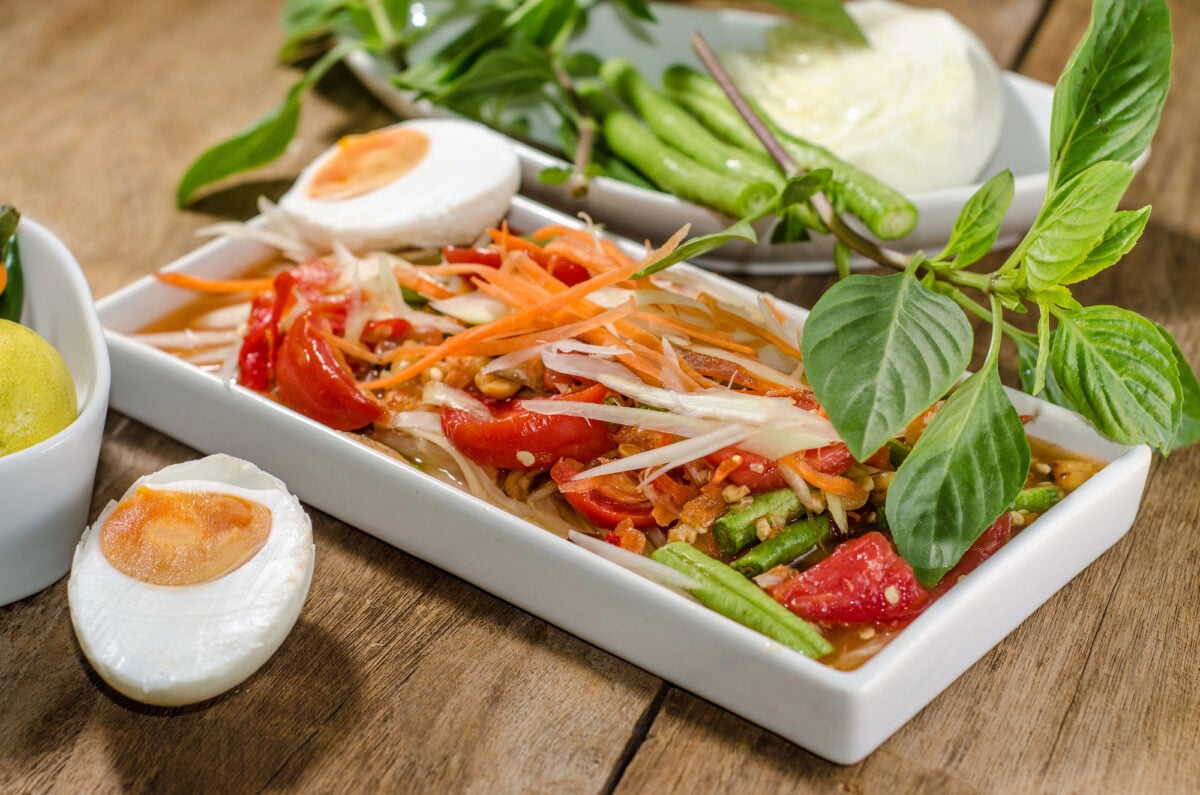
This Thai green papaya salad may look light, but it carries a surprising level of heat. Fresh chilies are pounded into the dressing, releasing their full intensity.
The combination of sour, sweet, salty, and spicy flavors makes it dynamic. It’s refreshing and fiery at the same time.
Ayam Rica-Rica
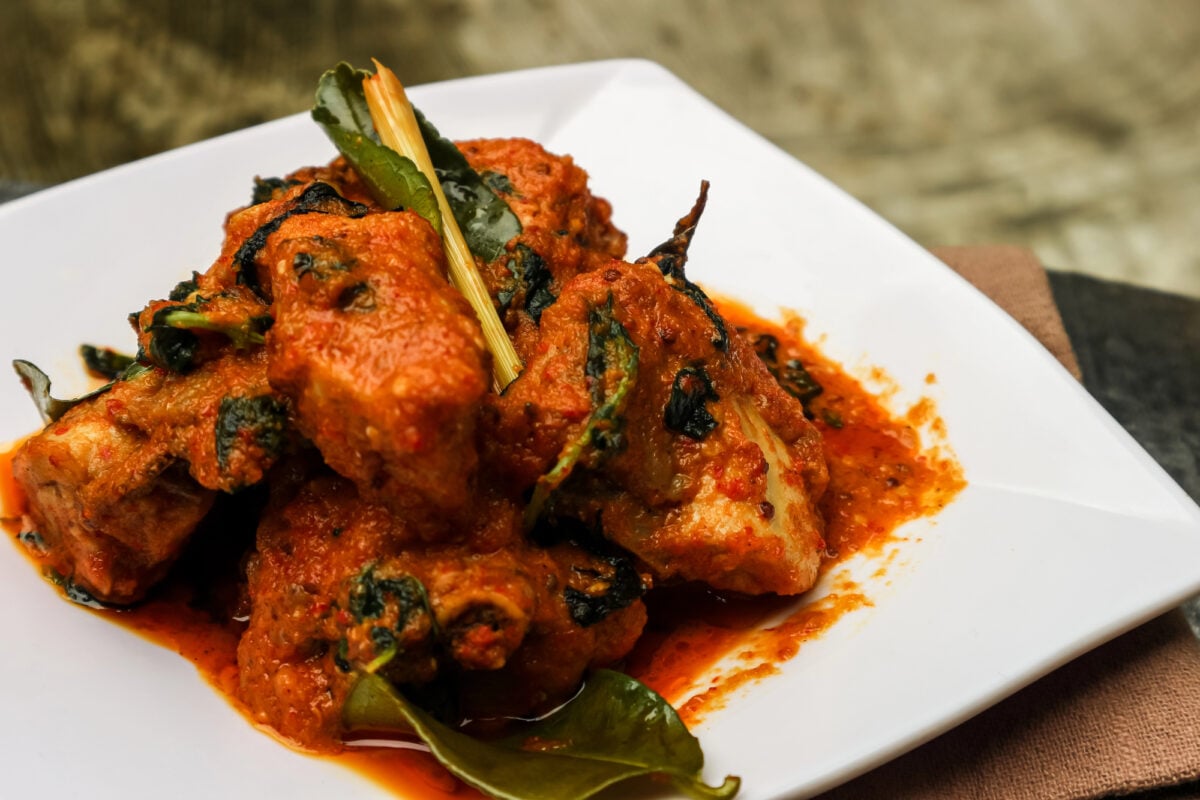
From Indonesia, ayam rica-rica is a chicken dish known for its heavy use of chili and aromatic herbs. The sauce is vibrant, with a heat that builds gradually.
Ingredients like lemongrass and lime leaves add brightness. The result is both spicy and fragrant.
Chili Wings
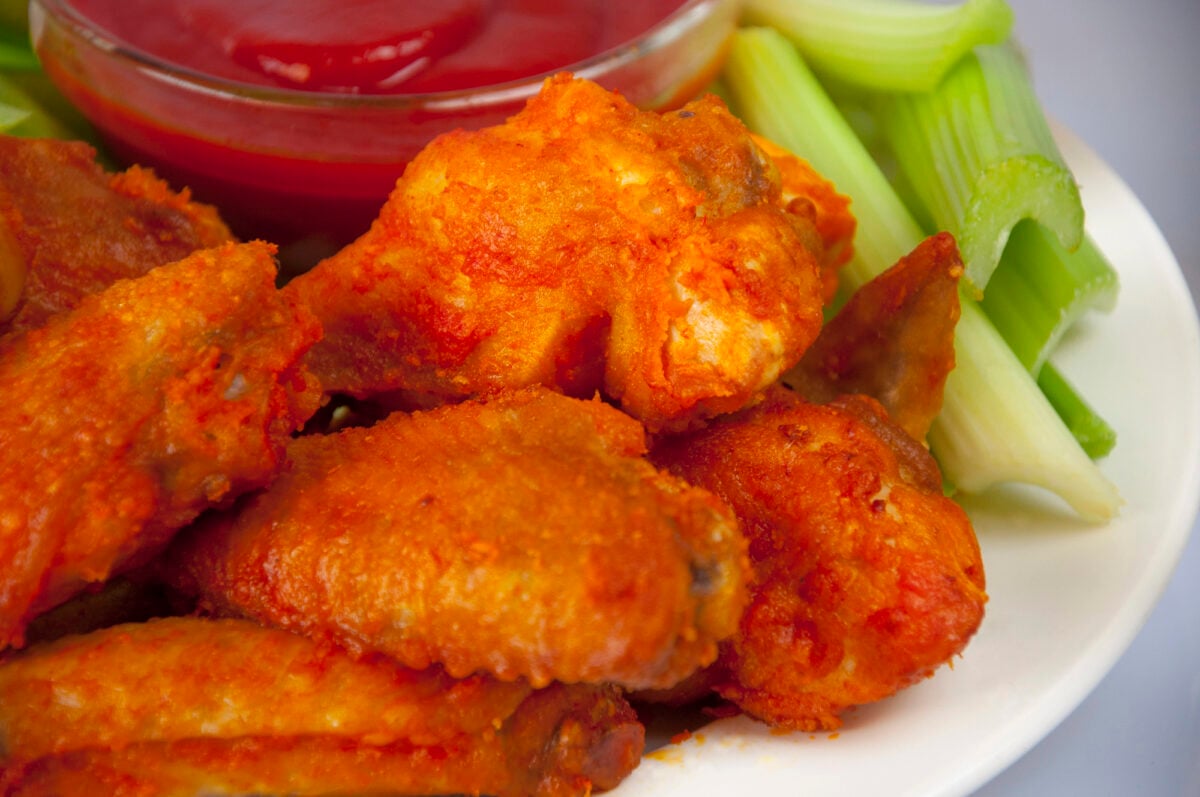
Popular in the United States, these chicken wings are coated in extremely hot sauces. Often made with concentrated chili extracts, they are designed to push limits.
The heat can be immediate and intense. They’re less about subtlety and more about impact.
Shakshouka With Harissa
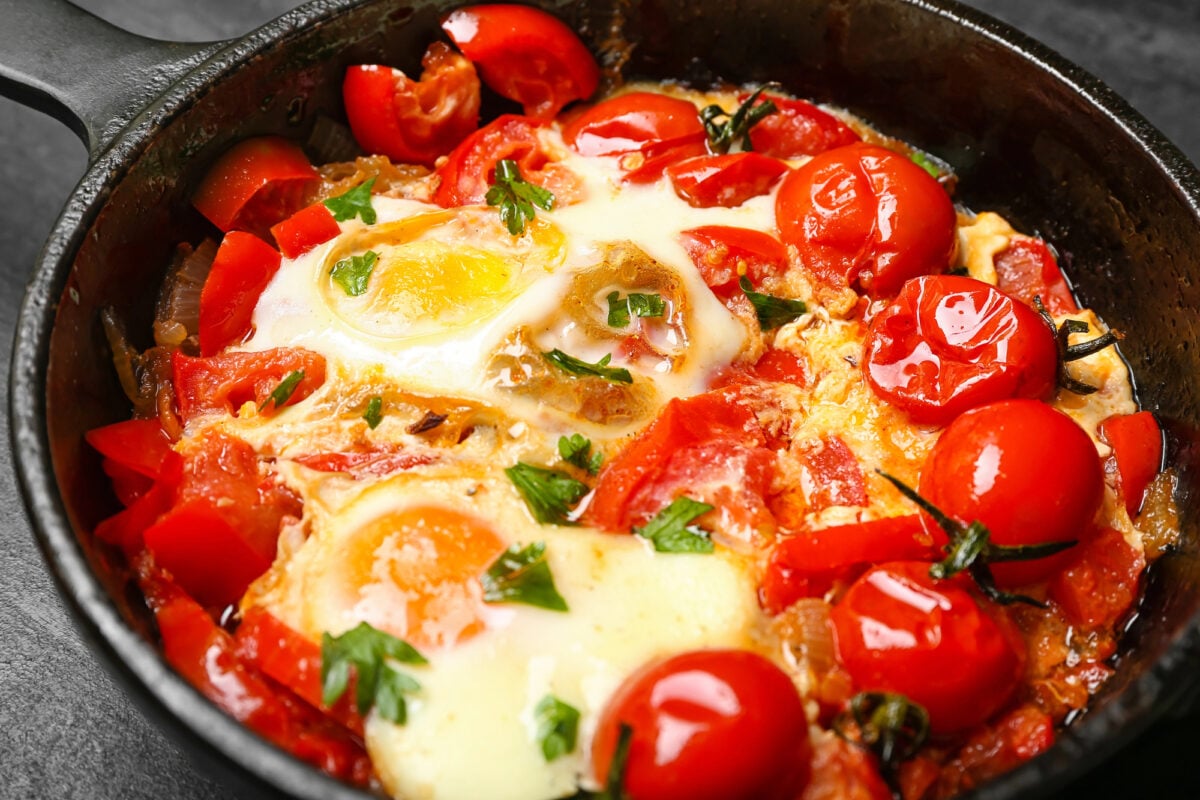
This North African dish combines eggs with a spicy tomato and pepper sauce. The addition of harissa paste brings a smoky heat that complements the richness of the eggs.
It’s bold without being overwhelming. The balance makes it widely appealing.
Tom Yum Soup
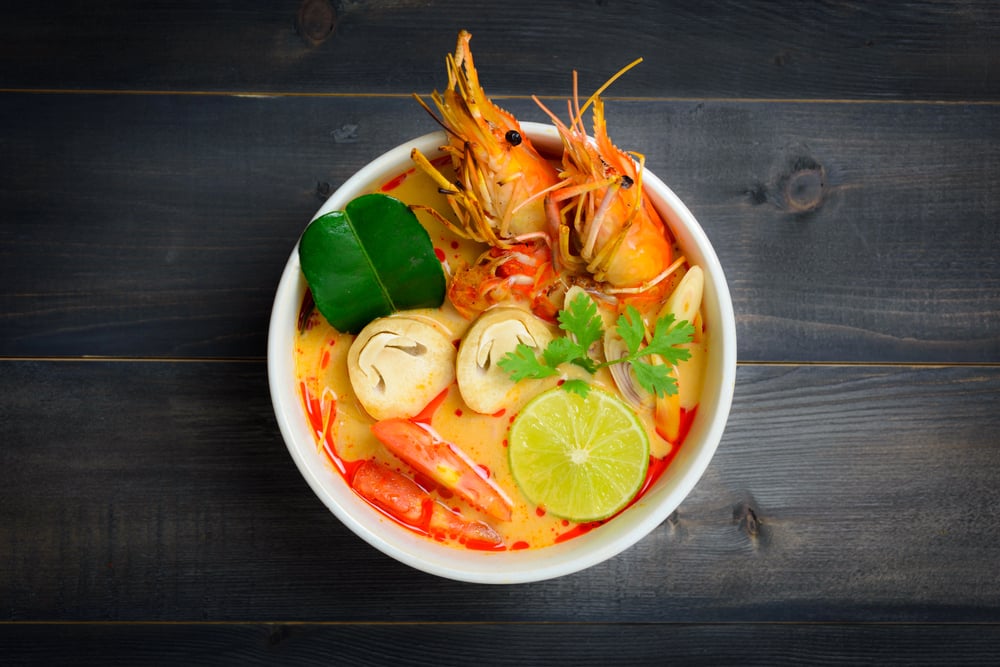
A Thai favorite, tom yum soup blends spicy chilies with sour lime and aromatic herbs. The heat is sharp but balanced by the broth’s brightness.
Ingredients like lemongrass and galangal add complexity. It’s a dish that feels both invigorating and comforting.
Gochujang Stew
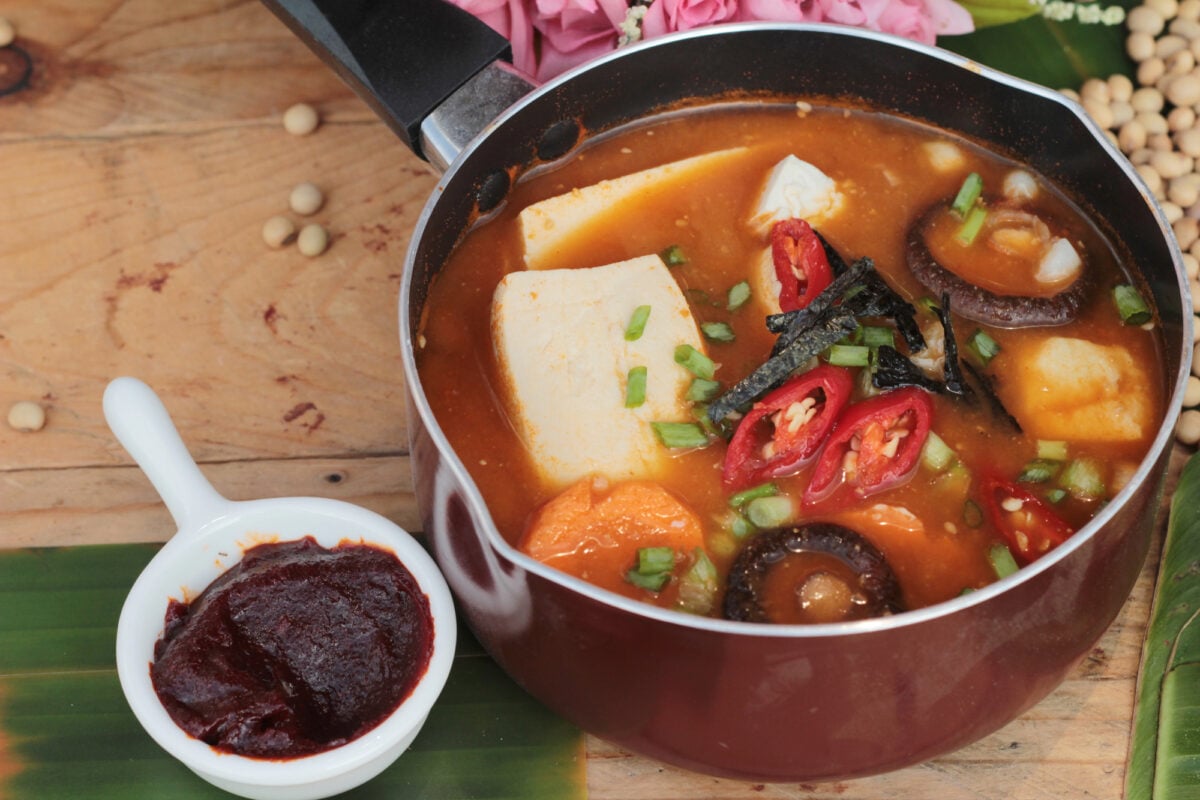
Korean stews made with gochujang paste offer a deep, fermented heat. The spice is less immediate but builds over time.
Combined with vegetables, tofu, or meat, the dish becomes rich and layered. It’s a slow, steady kind of intensity.
Peri-Peri Chicken

Originating from Africa and popularized globally, peri-peri chicken uses chili-based marinades for a sharp, tangy heat. The peppers used bring both intensity and flavor.
Grilling enhances the overall profile. It’s spicy, but also bright and balanced.
Laal Maas
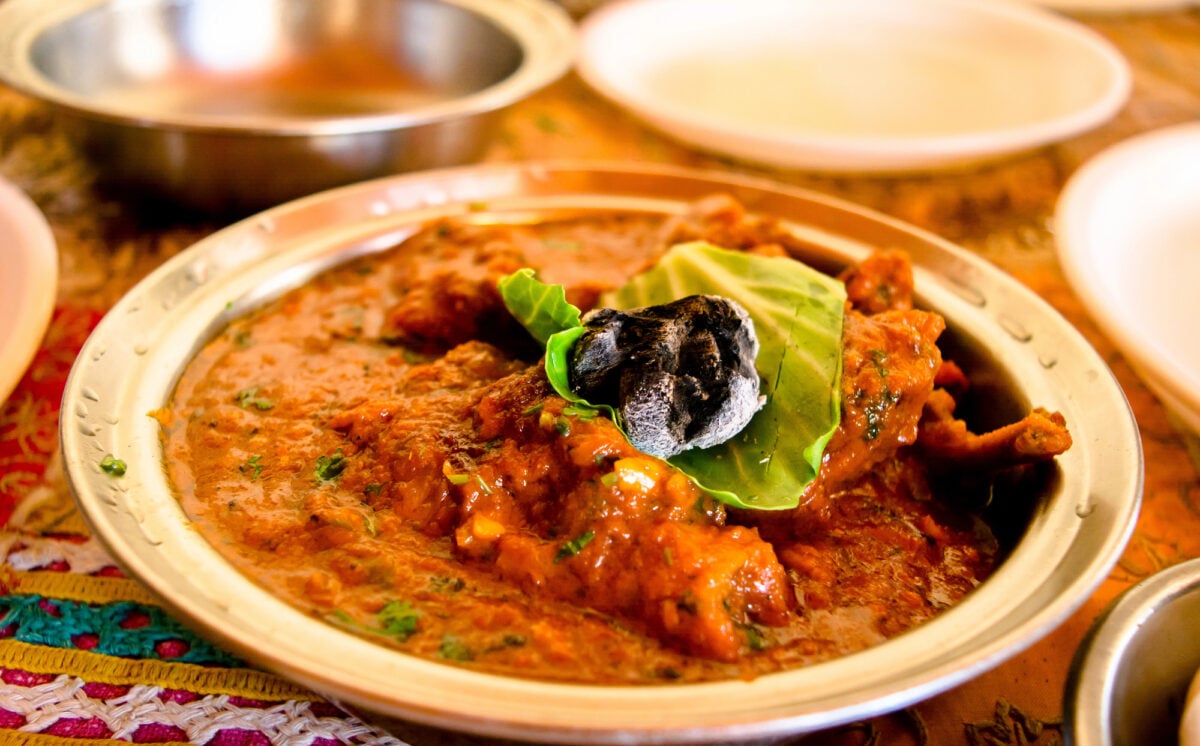
This Rajasthani dish is known for its deep red color and intense heat. Made with a generous amount of red chilies, it delivers a strong, direct spice.
The slow cooking process helps develop depth. It’s bold and unapologetic in its intensity.
Sambal Stingray
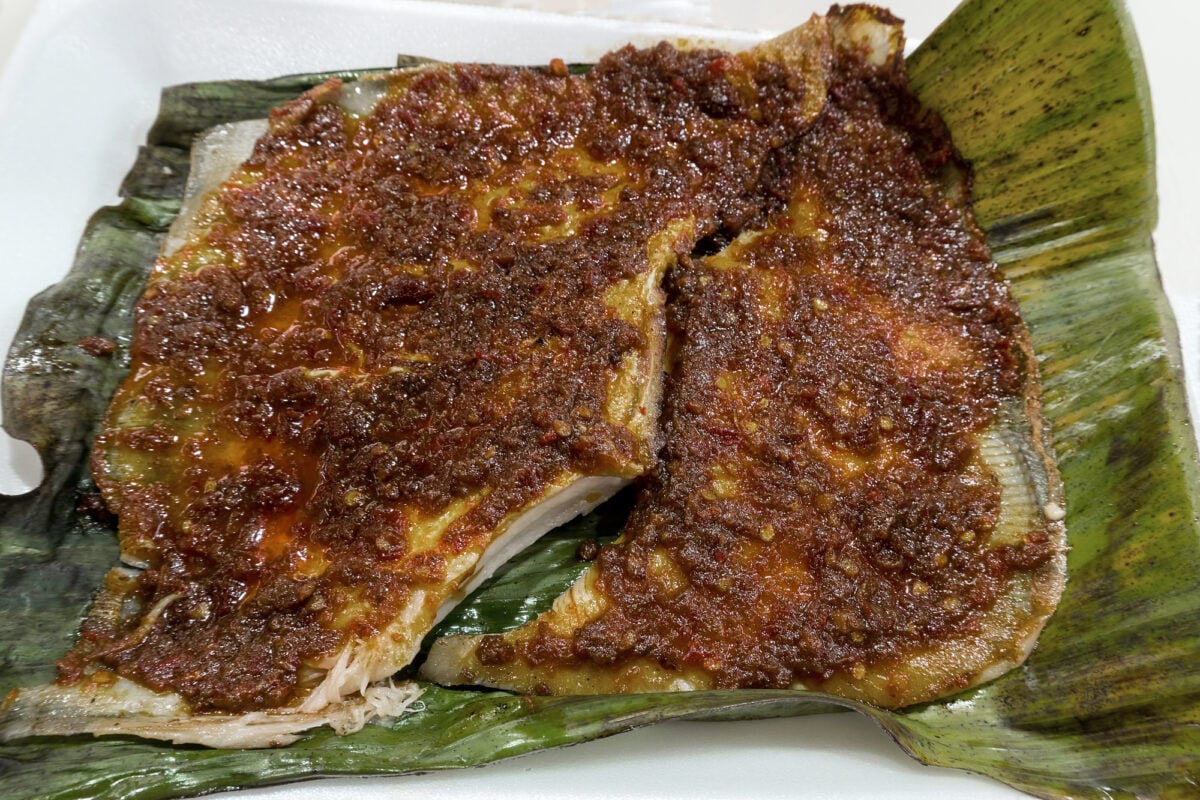
A Southeast Asian dish, sambal stingray is coated in a chili-based paste before being grilled. The sambal brings a layered heat with hints of sweetness and acidity.
The grilling process enhances the flavors. It’s a dish that feels both rustic and refined.
Buffalo Wings (Extra Hot)
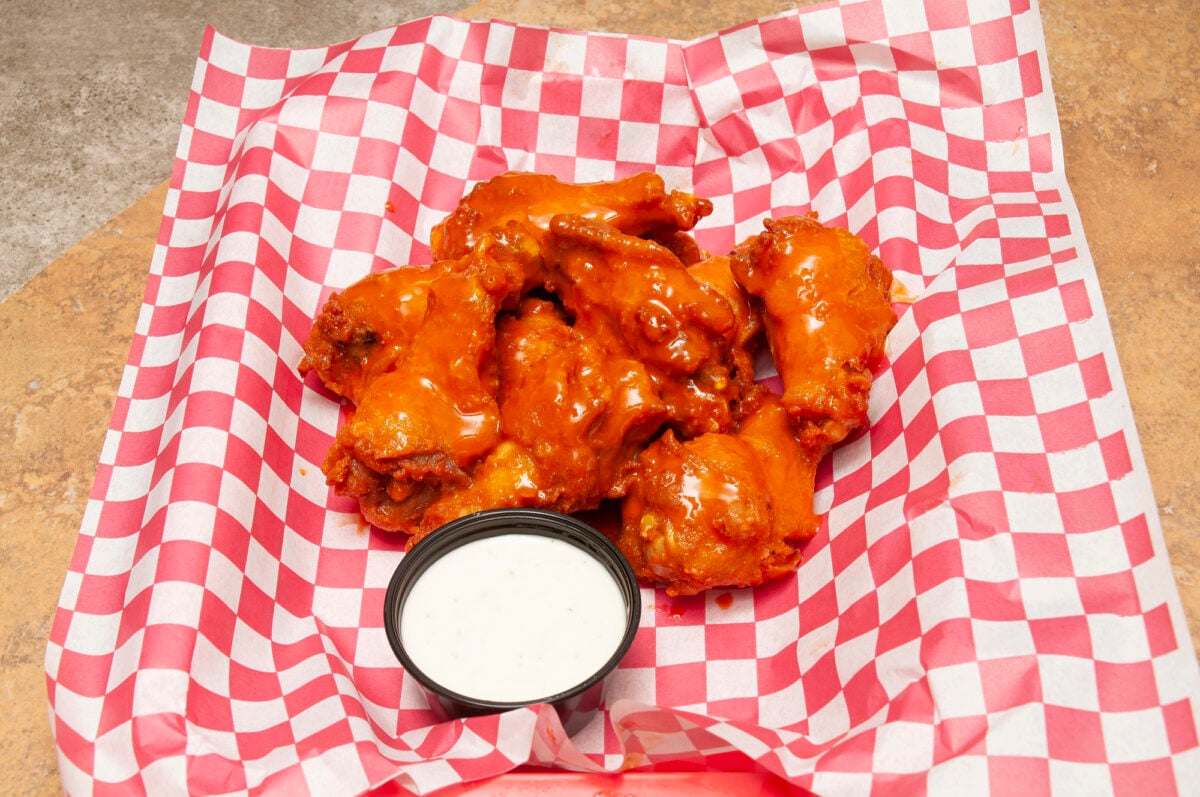
An American classic, buffalo wings can reach extreme levels of heat depending on the sauce. Extra hot versions use concentrated chili blends.
The spice hits quickly and lingers. They’re simple in concept but intense in execution.
Green Curry
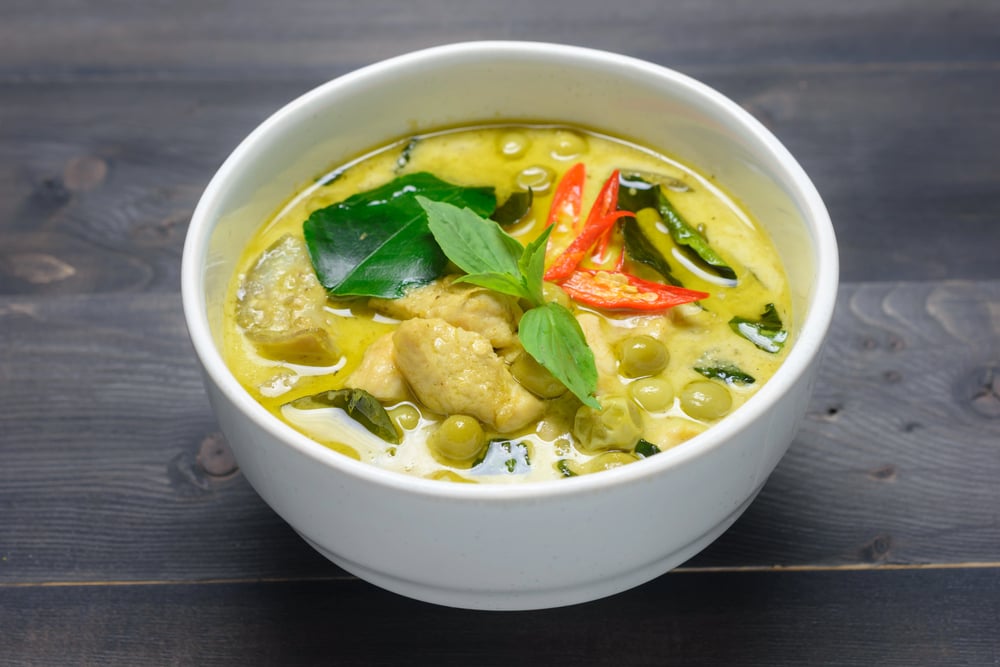
Thai green curry uses fresh green chilies to create a vibrant, spicy base. Coconut milk softens the heat slightly, creating balance.
The result is rich, aromatic, and layered. It’s a dish where spice and flavor work together.
Chili Crab
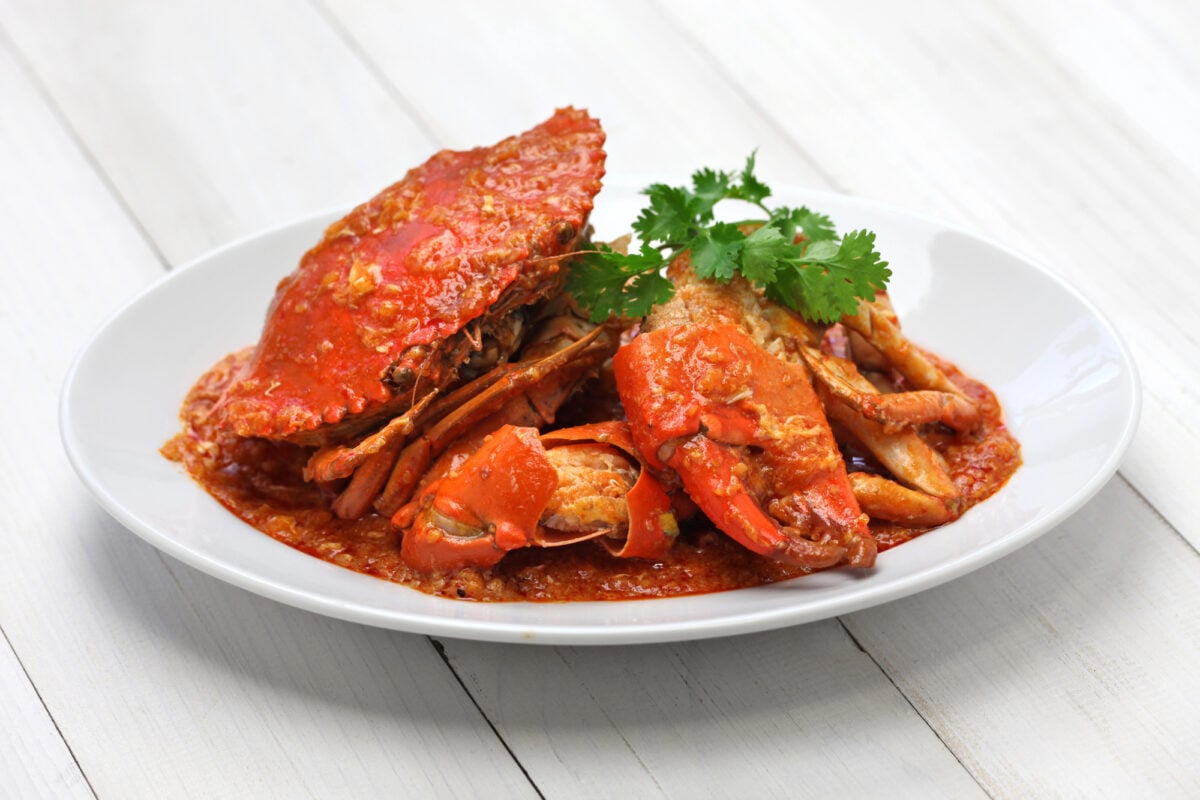
A popular dish in Singapore, chili crab combines sweet, savory, and spicy elements. The sauce is thick and rich, with a noticeable kick.
The heat is present but not overpowering. It’s more about depth than pure intensity.
Doro Wat
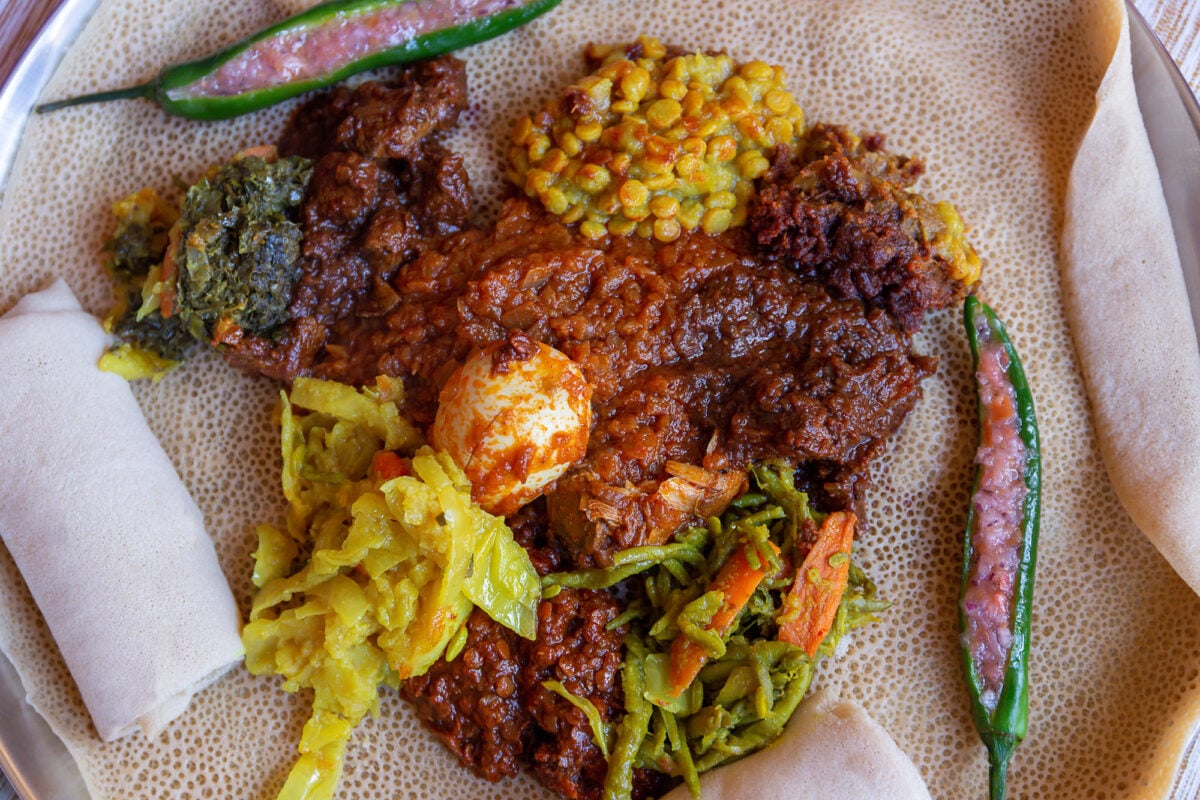
An Ethiopian stew, doro wat uses berbere spice blend to create a deep, warming heat. The spice builds gradually, supported by slow cooking.
The result is rich and complex. It’s a dish that emphasizes flavor as much as heat.
Wasabi Dishes
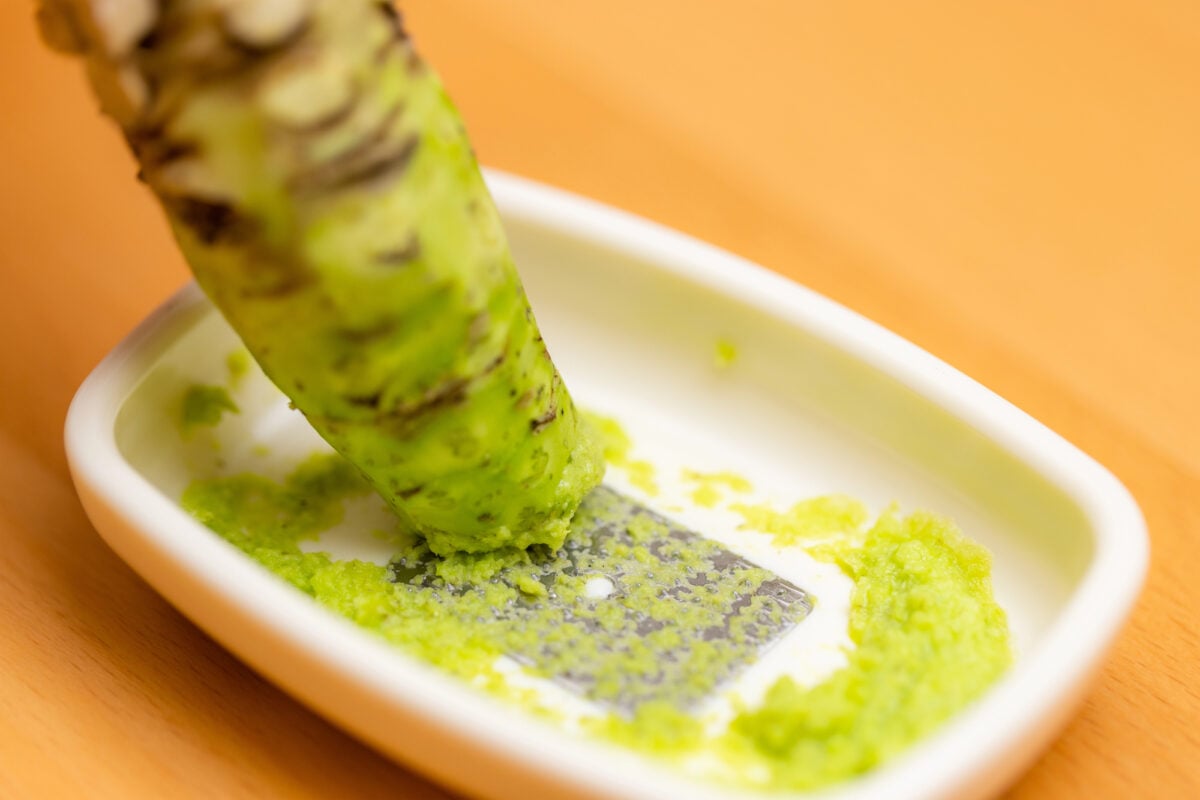
Spice in Japan often wears a green face. Sharpness arrives fast, aimed at your nostrils instead of staying on the taste buds.
Unlike peppers, it does not burn long. A sudden punch stands out even if it fades quickly.
Why Spice Means Different Things Everywhere
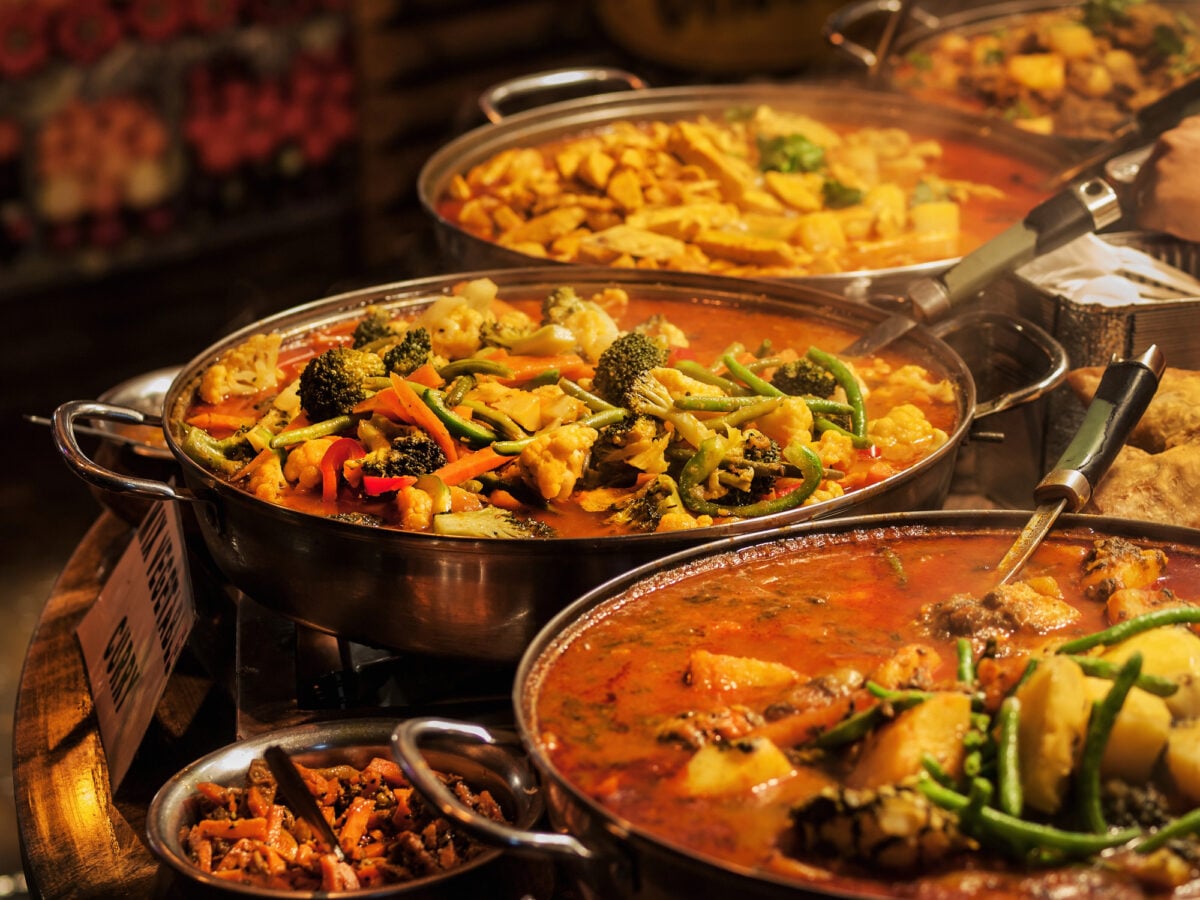
Heat shifts shape based on place and practice. Where one kitchen warms your tongue step by step, another strikes fast without warning.
Balance might guide a dish here, whereas boldness takes charge there. Flavor unfolds differently each time.
Spicy dishes stay exciting because they never repeat themselves. Not simply about burning your tongue, instead warmth plays a role alongside taste, old ways, and skill.
What matters is how fire dances with memory and method, not just intensity alone.
More from Go2Tutors!

- The Romanov Crown Jewels and Their Tragic Fate
- 13 Historical Mysteries That Science Still Can’t Solve
- Famous Hoaxes That Fooled the World for Years
- 15 Child Stars with Tragic Adult Lives
- 16 Famous Jewelry Pieces in History
Like Go2Tutors’s content? Follow us on MSN.