15 Ancient Cures That Were More Harm Than Help
Throughout history, humans desperately sought cures for ailments that plagued them — often with tragic results. Before the scientific method and modern medicine, healers relied on superstition, limited observations, and sometimes pure guesswork to treat patients.
While these practitioners had good intentions, their remedies frequently made conditions worse or created entirely new health problems. Here is a list of 15 ancient medical treatments that prove good intentions don’t always lead to good outcomes.
Mercury for Everything

Ancient physicians prescribed mercury as a cure-all for conditions ranging from constipation to melancholy — though they didn’t realize they were poisoning their patients with one of Earth’s most toxic substances. Doctors would have patients drink liquid mercury, apply it to skin, or even inhale mercury vapors as treatment.
The resulting mercury poisoning caused tremors, kidney failure, and neurological damage that often proved far worse than the original complaint.
Bloodletting for Every Illness

For over 2,000 years, doctors believed that draining blood from sick patients would restore their natural balance and cure virtually any disease. Physicians used leeches, sharp instruments, or cupping techniques to remove what they considered ‘bad blood’ from the body.
Yet this practice actually weakened already ill patients — making recovery nearly impossible and likely killing more people than it ever helped.
Trepanation for Headaches
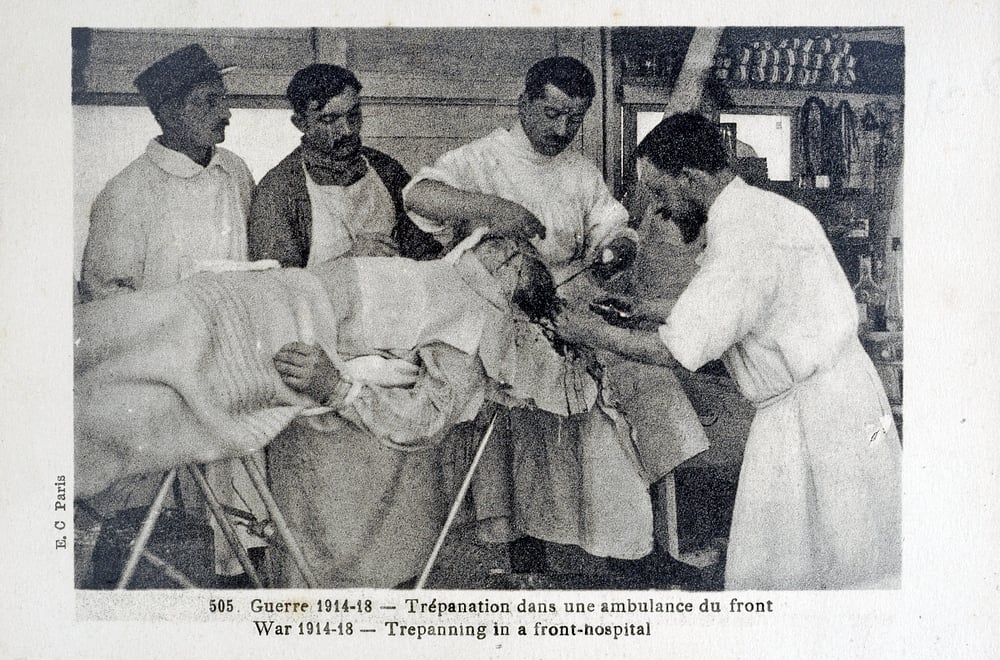
Ancient surgeons would drill actual openings in patients’ skulls to treat headaches, mental illness, and epilepsy — believing it would release evil spirits or restore proper brain function. This stone-age brain surgery was performed without anesthesia or sterile conditions, using crude tools like sharpened stones or metal implements.
Archaeological evidence shows that while some patients survived the procedure, many died from infection, brain damage, or simply the trauma of having their skull punctured.
Lead-Based Cosmetics and Medicine

Romans regularly used lead-based compounds in makeup, wine sweeteners, and medicines — unknowingly poisoning themselves with every application. Lead acetate was particularly popular as a face powder and hair dye among wealthy Romans who could afford these ‘luxury’ beauty products.
The chronic lead poisoning that resulted caused infertility, organ failure, and neurological problems that may have contributed to the decline of Roman civilization itself.
Radium Water as Health Tonic

In the early 1900s, people drank radium-infused water believing that radioactivity would boost their energy and cure various ailments. Companies marketed products like ‘Radithor’ as miracle cures — with wealthy customers paying premium prices for these glowing health drinks.
The radioactive poisoning caused jaw deterioration, anemia, and bone cancer, leading to agonizing deaths for those who consumed these products regularly.
Antimony Pills for Purging

Medieval doctors prescribed antimony pills as powerful laxatives — not knowing that antimony is a toxic metal that can cause severe poisoning. These ‘everlasting pills’ were so named because they could be retrieved from chamber pots, washed off, and reused by multiple family members.
The antimony poisoning caused violent vomiting, diarrhea, and organ damage that often proved fatal to already weakened patients.
Cocaine for Depression and Pain

Late 19th-century physicians enthusiastically prescribed cocaine as a wonder drug for depression, fatigue, and various pains — including giving it to children for toothaches. Sigmund Freud famously promoted cocaine as a miracle cure and personally used it to treat his own ailments.
The highly addictive nature of cocaine created countless addicts and caused heart problems, mental instability, and social destruction that far outweighed any temporary pain relief.
Arsenic for Skin Conditions

Victorian-era doctors prescribed arsenic compounds to treat skin problems — believing small doses would improve complexion and cure various dermatological issues. Patients would take arsenic pills or apply arsenic-based creams to achieve the pale, translucent skin that was fashionable at the time.
The cumulative arsenic poisoning caused hair loss, organ failure, and eventual death — making patients literally die for beauty.
Calomel for Digestive Issues
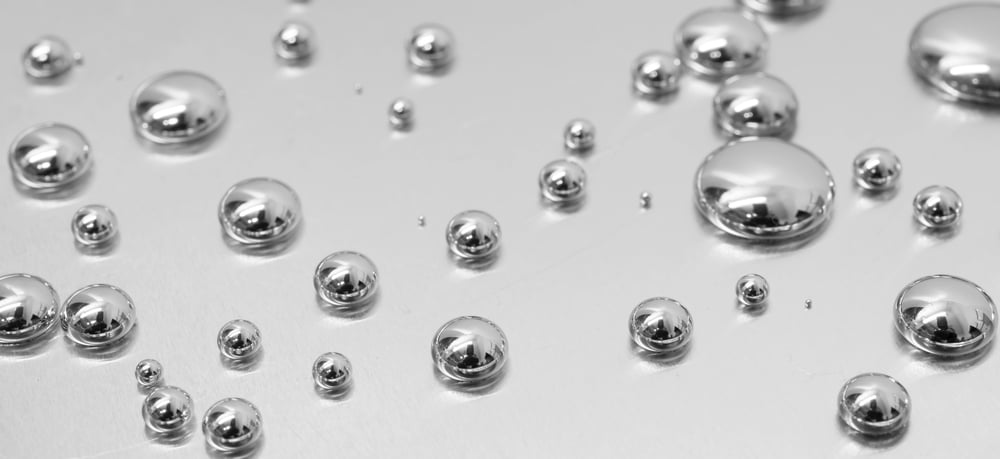
Physicians widely prescribed calomel (mercurous chloride) as a remedy for digestive problems — not realizing they were giving patients another form of deadly mercury poisoning. This white powder was so commonly used that it became known as the ‘universal medicine’ and was given to patients of all ages.
The mercury accumulation caused tooth loss, kidney damage, and neurological problems that were often irreversible.
Lobotomy for Mental Illness

Mid-20th-century psychiatrists performed lobotomies by severing connections in the brain’s frontal lobe — believing this would cure mental illness and behavioral problems. The procedure involved inserting sharp instruments through the eye socket or drilling through the skull to damage brain tissue.
While some patients became more docile, most were left with severe cognitive impairment, personality changes, or became completely incapacitated.
Opium for Infant Teething

Parents routinely gave opium-based soothing syrups to teething babies, though they didn’t understand they were giving powerful narcotics to developing children. Products like ‘Mrs. Winslow’s Soothing Syrup’ were marketed as safe remedies for fussy infants and were widely available without prescription.
The opium poisoning caused respiratory depression and addiction in babies, leading to countless infant deaths from what parents thought was helpful medicine.
Crocodile Dung Contraception

Ancient Egyptian women used crocodile dung mixed with honey as a contraceptive, inserting this mixture internally before intimate relations. The acidic nature of the dung was thought to prevent pregnancy, yet it actually caused severe infections and internal injuries.
This practice spread bacterial contamination throughout the reproductive system, resulting in infertility, sepsis, and death from what was supposed to be birth control.
Electric Shock Therapy for Everything

Early electrical enthusiasts believed that electric shocks could cure almost any ailment, from arthritis to depression to digestive problems. Patients would receive painful electrical treatments using crude devices that delivered uncontrolled voltage to various body parts.
However, the electrical burns, cardiac problems, and neurological damage that resulted were often permanent, leaving patients worse off than before treatment.
Plant Smoke Enemas

Colonial-era doctors literally blew medicinal plant smoke into patients’ rectums to treat drowning, respiratory problems, and various internal ailments. Special bellows and tubes were designed specifically for this purpose, and the practice was so common that ‘blowing smoke up your rear’ became a popular expression.
The plant alkaloid poisoning combined with the trauma of the procedure caused more harm than any possible benefit.
Heroin as Cough Medicine

The Bayer pharmaceutical company marketed heroin as a non-addictive cough suppressant and pain reliever from 1898 to 1910. Doctors prescribed heroin to adults and children alike, believing it was safer than morphine and effective for respiratory ailments.
Yet the highly addictive nature of heroin created widespread addiction problems, while the respiratory depression it caused actually made breathing problems worse rather than better.
Learning from Medical Mistakes

These misguided treatments remind us that good intentions without scientific evidence can lead to catastrophic results. What seemed logical to ancient healers — draining bad blood, opening skull pressure, or using ‘powerful’ substances like mercury — often violated basic principles of human biology that weren’t yet understood.
Modern medicine’s emphasis on clinical trials, peer review, and evidence-based treatment exists precisely because our ancestors paid such a heavy price for medical guesswork. Their suffering wasn’t in vain if we remember that healing requires both compassion and rigorous science working together.
More from Go2Tutors!

- The Romanov Crown Jewels and Their Tragic Fate
- 13 Historical Mysteries That Science Still Can’t Solve
- Famous Hoaxes That Fooled the World for Years
- 15 Child Stars with Tragic Adult Lives
- 16 Famous Jewelry Pieces in History
Like Go2Tutors’s content? Follow us on MSN



