Most Amazing Extinct Animals
The Earth has been home to some truly incredible creatures that would seem like fantasy beasts if we encountered them today. From massive predators with bone-crushing jaws to gentle giants that towered over forests, our planet’s history is filled with animals that push the limits of what seems possible.
These creatures lived, thrived, and eventually disappeared, leaving behind only fossils and our imagination to piece together their stories. Think about it this way: every fossil tells a story of life that once walked, swam, or flew where we now stand.
Tyrannosaurus rex

This famous predator needs no fancy introduction because everyone knows the name that strikes fear into hearts. T. rex stood as tall as a giraffe and stretched longer than a school bus, with teeth the size of bananas.
The powerful jaws could crush a car with ease, delivering a bite force stronger than any creature that ever lived. Despite tiny arms that people love to joke about, these dinosaurs ruled their world for millions of years.
Recent discoveries show they might have had feathers, which would have made them look quite different from movie versions.
Woolly mammoth
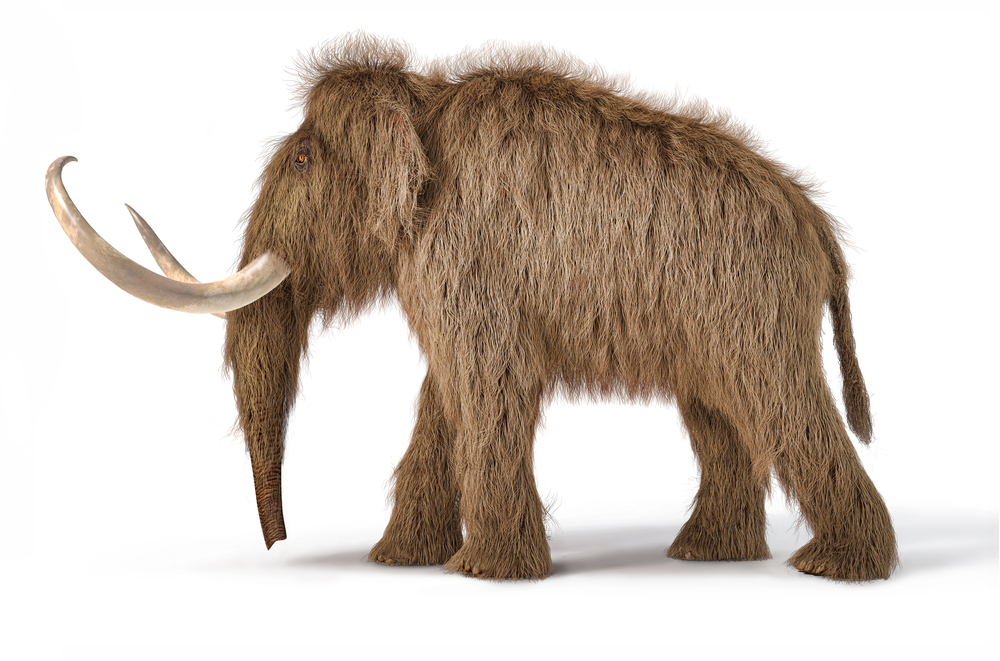
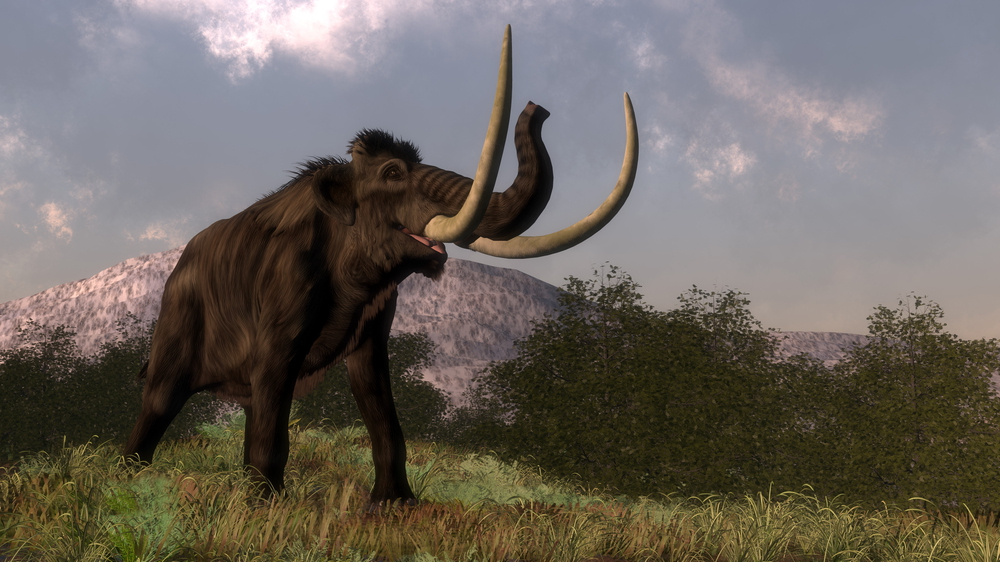
Picture an elephant covered in thick, shaggy fur that could survive freezing temperatures. These giants roamed the frozen lands during the Ice Age, using their curved tusks to sweep snow away from plants.
Their tusks could grow up to 15 feet long and weighed as much as a small car. Woolly mammoths had special blood that worked better in cold weather than regular elephant blood.
Some were so well preserved in ice that scientists still find them with their last meals in their stomachs.
Like Go2Tutors’s content? Follow us on MSN.
Saber-toothed cat

The most famous member of this group, Smilodon, had canine teeth that grew like deadly daggers from their upper jaw. These cats were built like bodybuilders, with incredibly muscular shoulders and necks to deliver powerful killing bites.
They hunted large prey like giant ground sloths and early horses in North and South America. Their hunting style was more like a wrestling match than a chase, using their strength to overpower victims.
The famous teeth were actually quite fragile and could break easily if used wrong.
Therizinosaurus
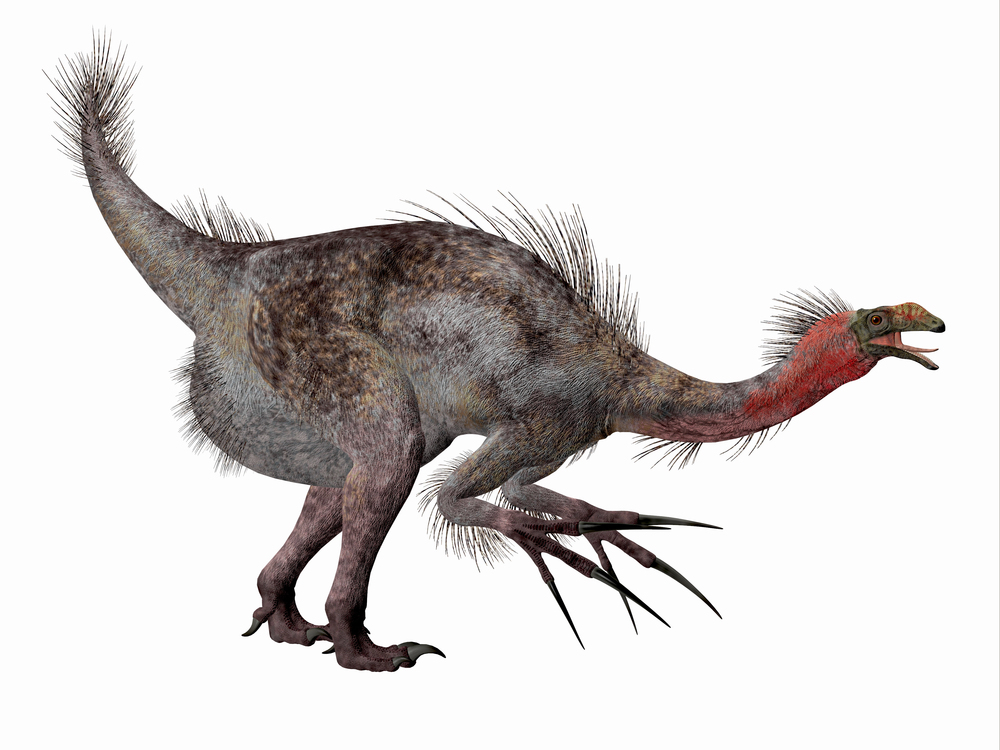
Imagine a dinosaur that stood three stories tall but ate plants instead of other dinosaurs. Therizinosaurus had claws longer than baseball bats on each hand, making them look like terrifying predators.
These gentle giants used their massive claws to pull down tree branches and strip leaves for food. They walked on two legs like T. rex but had long necks like giraffes to reach high vegetation.
Their claws were so big that early scientists thought they belonged to a giant turtle.
Irish elk

Despite the name, these deer lived across Europe and Asia, not just Ireland. The males carried antlers that spanned 12 feet from tip to tip and weighed as much as a full-grown person.
Every year, they had to grow these massive antlers from scratch, which took enormous amounts of energy and nutrients. The antlers were used for fighting other males and showing off to females during mating season.
These deer were actually closer in size to a moose than a regular elk.
Like Go2Tutors’s content? Follow us on MSN.
Dodo

This flightless bird from an island near Africa became the poster child for extinction caused by humans. Dodos were about the size of a turkey but much rounder, with tiny wings that couldn’t lift their heavy bodies off the ground.
They had no natural predators on their island home, so they never learned to fear other animals. When sailors arrived with dogs, pigs, and rats, the dodos couldn’t adapt quickly enough to survive.
They disappeared less than 200 years after humans first discovered them.
Giant ground sloth
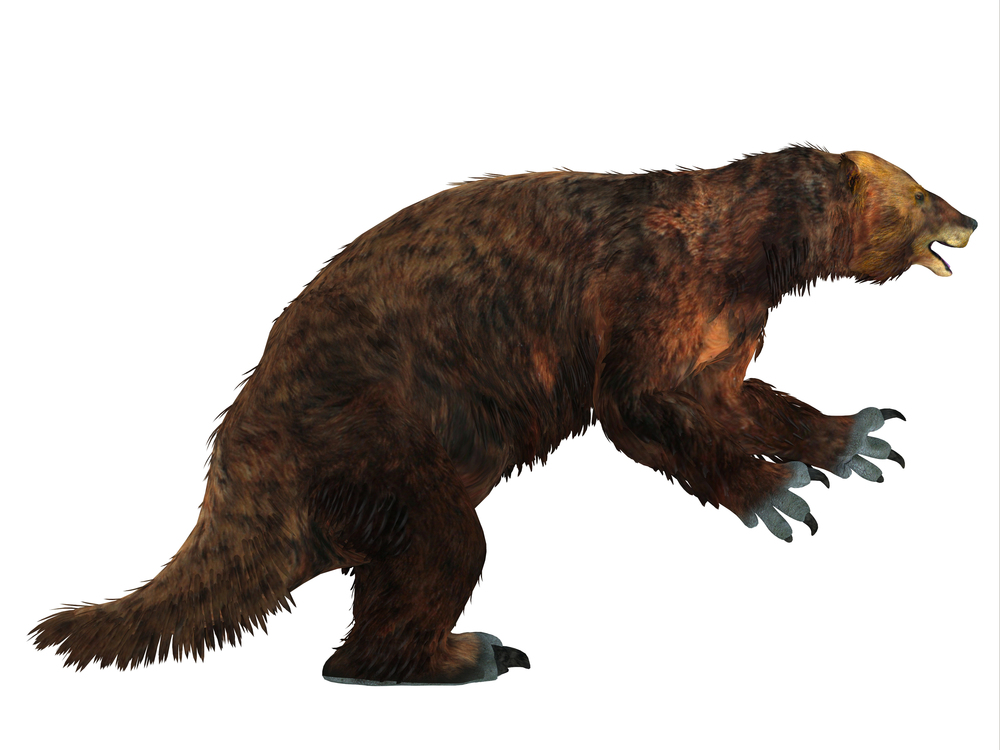
These slow-moving giants were nothing like the tiny tree sloths we know today. Some species stood as tall as elephants and had claws like garden tools for digging and defense.
They lived in both North and South America, from forests to grasslands. Ground sloths could rear up on their hind legs to reach tree branches 20 feet off the ground.
Early humans probably hunted these creatures, and some cave paintings show people interacting with giant sloths.
Tasmanian tiger
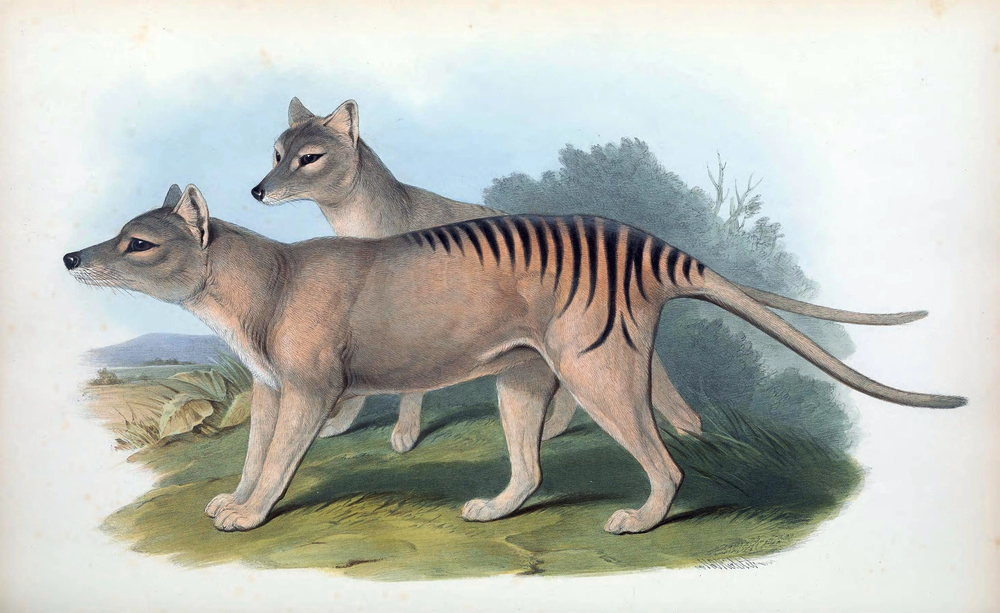
Also called the thylacine, this striped predator was actually a marsupial that carried its babies in a pouch. They lived in Australia and Tasmania, hunting at night with their powerful jaws and sharp teeth.
The stripes across their back end made them blend into shadows and tall grass while stalking prey. European settlers feared they would kill livestock, leading to bounties that drove them to extinction.
The last known Tasmanian tiger died in a zoo in 1936, though some people still claim to see them in remote areas.
Like Go2Tutors’s content? Follow us on MSN.
Cave bear
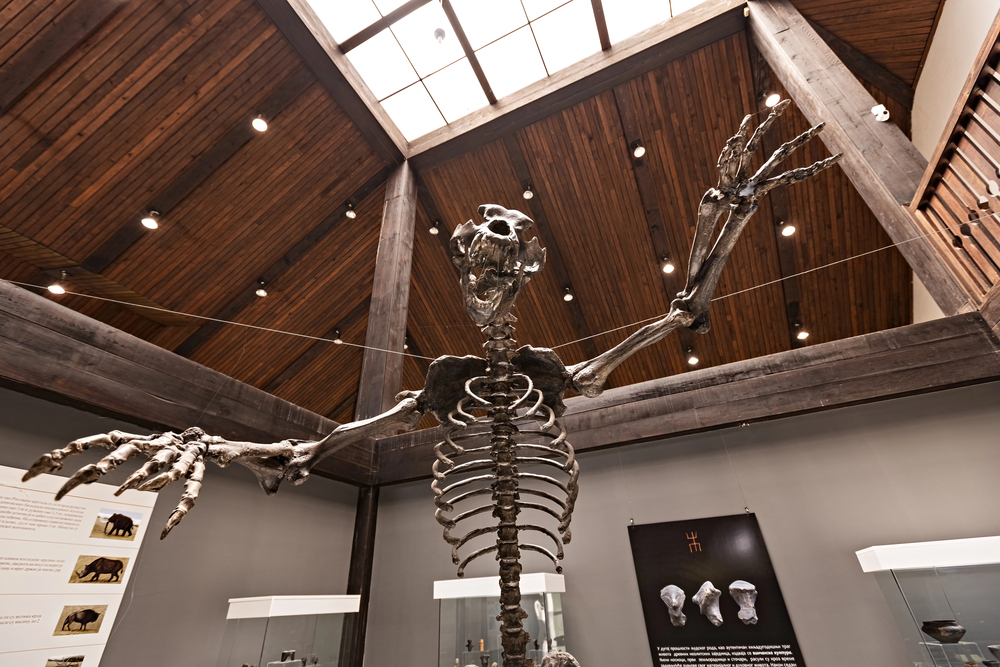
Much larger than modern bears, cave bears spent winters sleeping in European caves for thousands of years. They were mostly plant-eaters despite their fearsome size, using their powerful jaws to crush tough vegetation.
Cave bear skulls show they had poor eyesight but an excellent sense of smell for finding food. Early humans often competed with these bears for the same cave shelters during harsh winters.
Their bones are commonly found in caves throughout Europe, sometimes stacked several feet deep.
Glyptodon
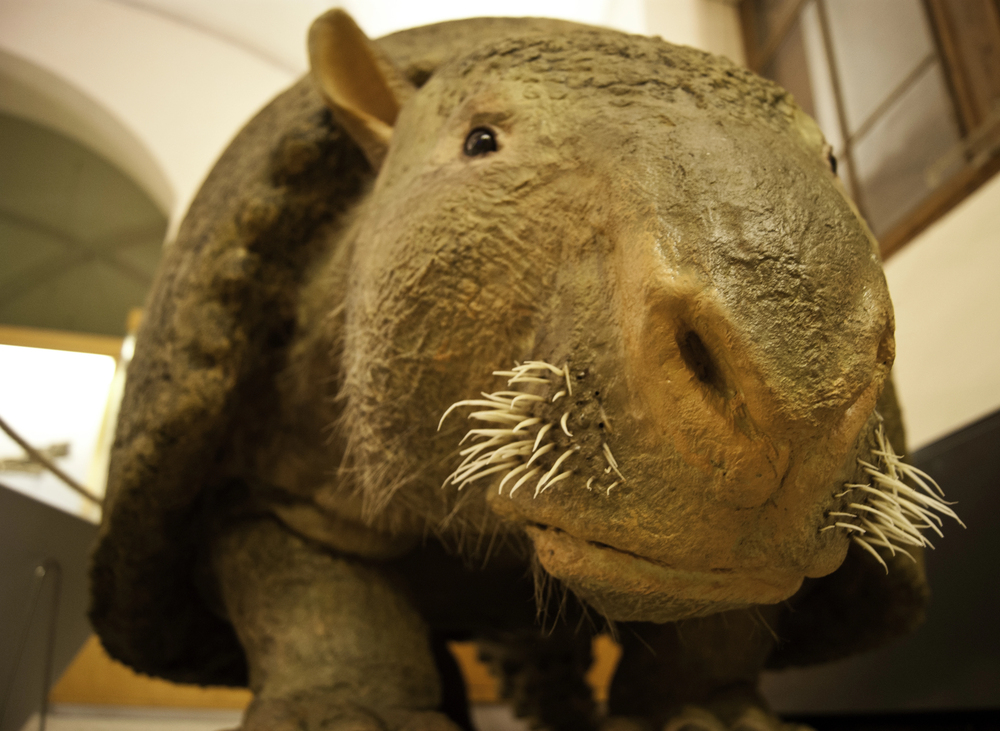
Picture an armadillo the size of a small car, and that describes this heavily armored mammal perfectly. Glyptodon carried a dome-shaped shell made of hundreds of bone plates fused together like natural armor.
They also had spiked clubs on their tails for defense against predators and fighting other Glyptodons. These creatures grazed peacefully across South American grasslands until climate changes and hunting pressure ended their reign.
Their shells were so tough that early humans used them as shelters and burial chambers.
Passenger pigeon
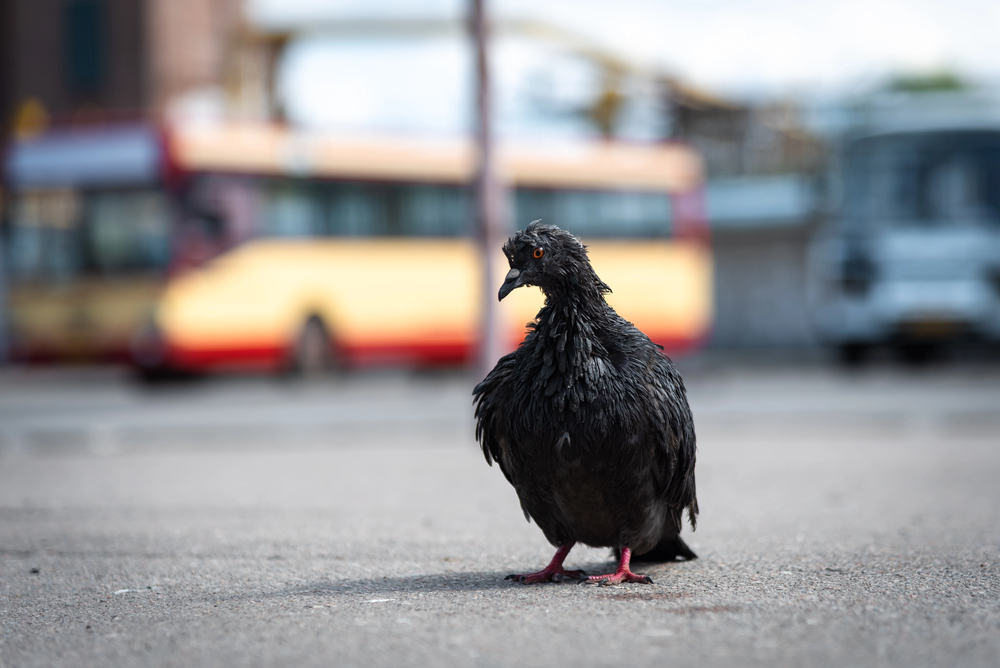
Flocks of these birds once darkened American skies for hours as billions passed overhead during migration. Individual flocks contained more birds than the entire human population of North America at the time.
They nested together in forests so densely that tree branches would break under their weight. Market hunters killed them by the millions for food, shipping barrels of dead pigeons to cities across the country.
The last wild passenger pigeon was shot in 1914, just decades after flocks numbered in the billions.
Like Go2Tutors’s content? Follow us on MSN.
Giant beaver
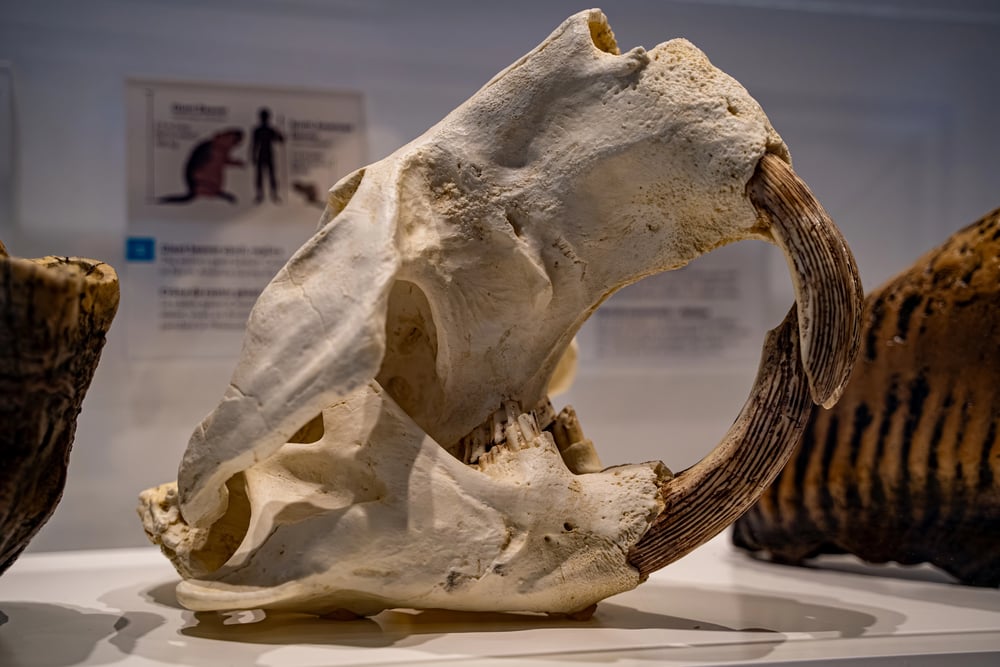
These rodents were the size of black bears, building dams across North American waterways during the Ice Age. Their teeth were proportionally much larger than modern beaver teeth, designed for cutting down bigger trees.
Giant beavers probably didn’t build the same types of stick and mud dams we see today. Instead, they likely dug burrows in riverbanks and created simpler water diversions.
Climate change at the end of the Ice Age eliminated the wetland habitats these creatures needed to survive.
Dire wolf
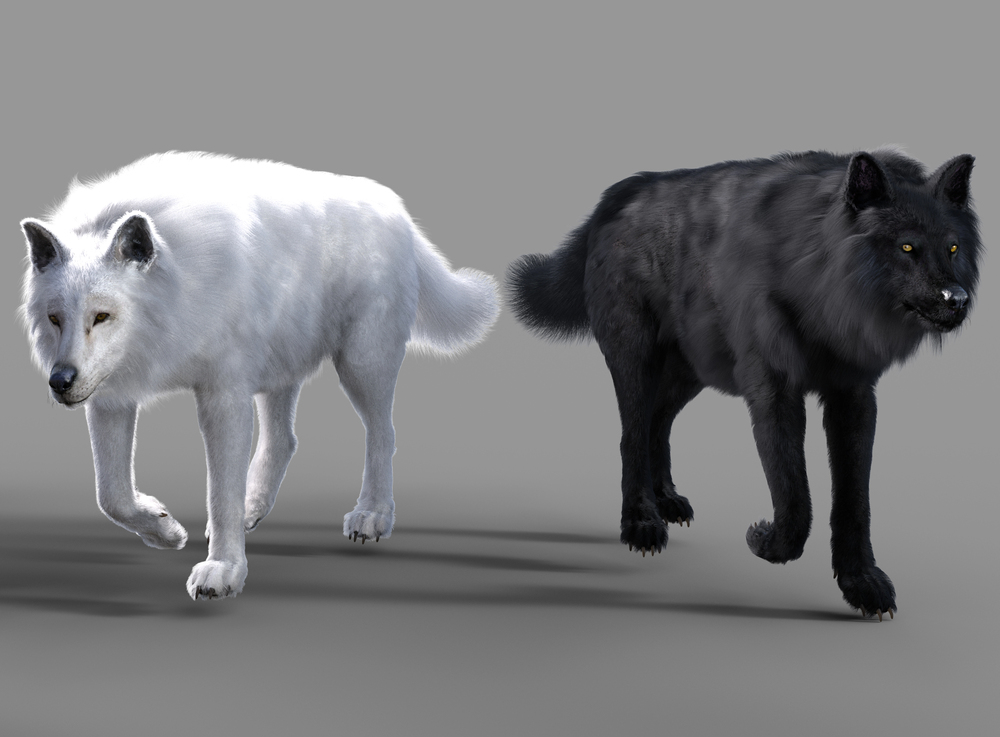
Larger and more powerful than modern wolves, dire wolves hunted in packs across ancient America. They had stronger jaws and bigger teeth than regular wolves, designed for crushing bones and taking down large prey.
Thousands of dire wolf skeletons have been found stuck in tar pits, where they became trapped while hunting other animals. These wolves were heavier and less built for long-distance running than their modern cousins.
They disappeared when their large prey animals went extinct at the end of the Ice Age.
When giants walked among us
Looking back at these incredible creatures reminds us how much our world has changed over time. Many of these animals disappeared naturally as climates shifted and continents moved, while others vanished more recently due to human activities.
Today’s conservation efforts aim to prevent modern species from joining this list of lost wonders. The fossils and stories of these amazing animals help us understand both where life came from and where it might be heading, connecting our present world to the incredible diversity that came before us.
Like Go2Tutors’s content? Follow us on MSN.
More from Go2Tutors!

- 16 Historical Figures Who Were Nothing Like You Think
- 12 Things Sold in the 80s That Are Now Illegal
- 15 VHS Tapes That Could Be Worth Thousands
- 17 Historical “What Ifs” That Would Have Changed Everything
- 18 TV Shows That Vanished Without a Finale
Like Go2Tutors’s content? Follow us on MSN.