Mega Cities Ranked by Metro Size
Getting around a massive city can feel overwhelming. You step off a plane or train and suddenly face a sprawling urban landscape where millions of people somehow navigate daily life.
The answer for many of these places comes underground, or sometimes overhead—metro systems that stretch for hundreds of kilometers, connecting neighborhoods that might otherwise feel worlds apart. These transit networks reveal something about how cities grow and adapt.
Some stretch longer than entire countries are wide. Others pack hundreds of stations into relatively compact areas.
The rankings shift depending on whether you count total track length, number of stations, or daily riders. But what matters most is how these systems shape the cities they serve.
Shanghai’s Sprawling Network
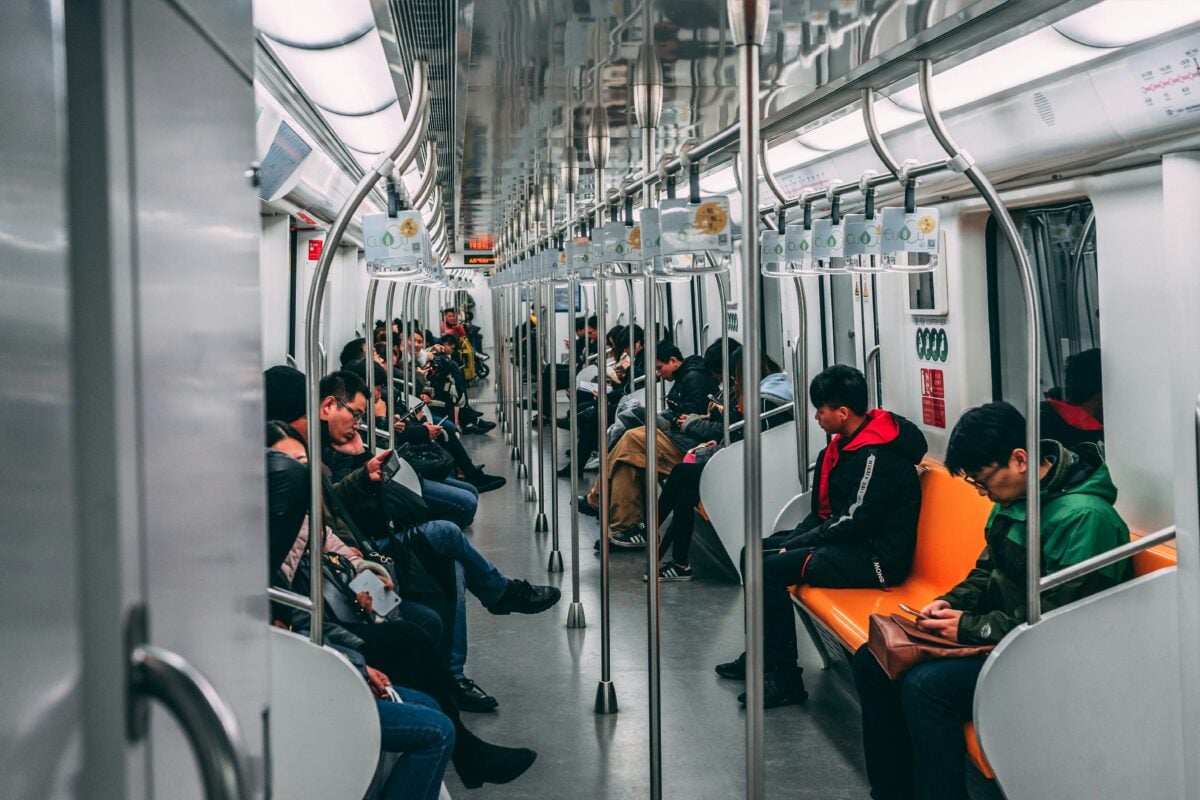
Shanghai Metro claims the title for the world’s longest metro network at 831 kilometers. That’s roughly the distance from New York City to Chicago if you laid all the tracks end to end.
The system operates 20 lines connecting 508 stations, and it moves more than 3.7 billion passengers each year. The network started operations in 1993, making it relatively young compared to its European counterparts.
But the speed of expansion has been remarkable. Daily ridership regularly exceeds 10 million people, with record days pushing past 13 million.
The system keeps growing, with new stations and extensions opening regularly to serve the city’s 25 million residents.
Beijing’s Underground Empire
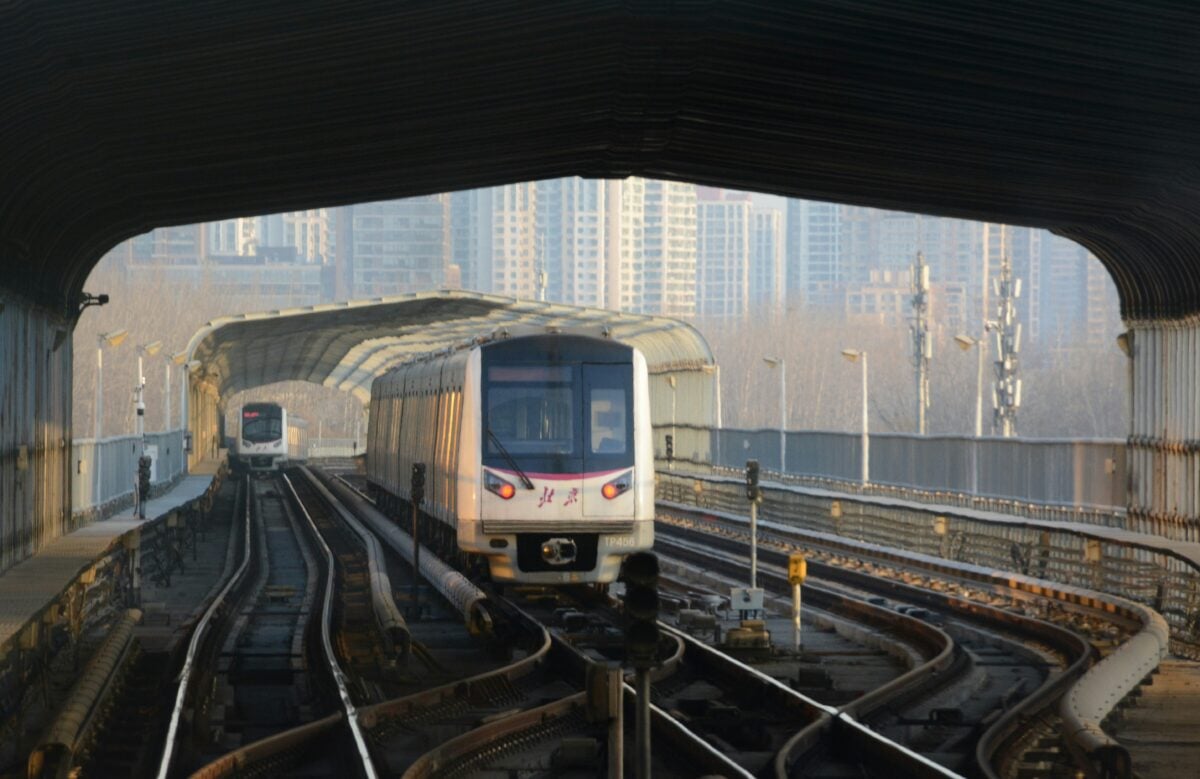
Beijing Subway ranks as the second largest metro system globally, with around 800 kilometers of track and 433 stations. The network started back in 1969, celebrating its 50th anniversary in 2019.
Today it serves as the busiest metro system in the world by annual ridership—more than 3.8 billion trips in recent years. The system handles over 10 million commuters on an average day.
During peak times, platforms can feel impossibly crowded, with passengers squeezing into cars already packed beyond what seems physically possible. Yet the trains keep running, and the network keeps expanding.
Beijing’s government continues investing billions into new lines and station upgrades, recognizing that the metro remains the most efficient way to move people through the sprawling capital.
London’s Historic Tube
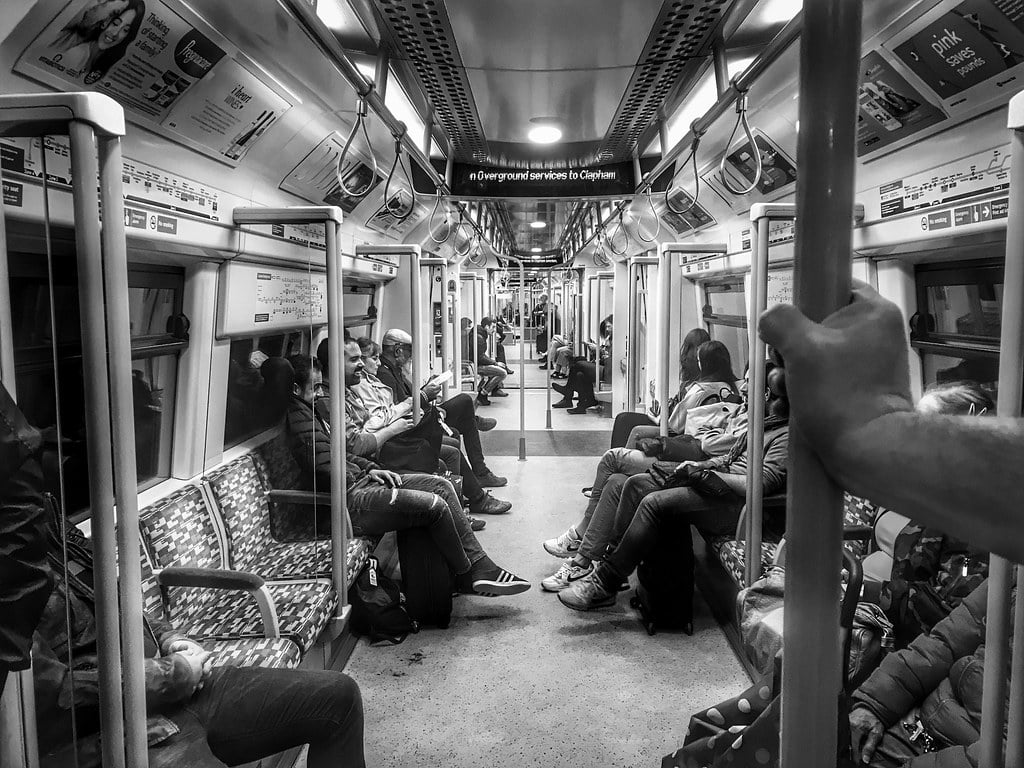
The London Underground holds a special place in transit history as the world’s first underground passenger railway, opening in 1863. Londoners affectionately call it “The Tube,” and the system has become as iconic as Big Ben or Tower Bridge.
With 402 kilometers of track and 272 stations across 11 lines, it ranks among the longest metro networks globally. The system handles about 5 million journeys daily and carries over 1 billion passengers annually.
Almost half the network runs underground through narrow Victorian-era tunnels, while the rest operates above ground in the suburbs. The famous Tube map, with its simplified geometric design, has influenced transit maps worldwide.
Despite its age, the system continues modernizing, adding new trains, upgrading stations, and extending lines to keep pace with London’s growth.
Guangzhou’s Rapid Growth

Guangzhou Metro opened in 1997, making it one of the newer major systems. But what it lacks in age, it makes up for in ambition.
The network now stretches 478 kilometers with 257 stations, ranking as the third-longest metro system in the world. Daily ridership averages around 8 million trips, with peak days reaching over 10 million.
The metro connects Guangzhou with neighboring Foshan through an intercity line, the first underground metro connection between Chinese cities. The southern Chinese metropolis keeps building, with plans to extend the network beyond 600 kilometers by the mid-2020s.
Construction cranes dot the city, working on new stations and tunnel boring machines carving routes through the earth beneath busy streets.
New York’s Station Champion

The New York City Subway opened in 1904 and has become as much a part of the city’s identity as yellow cabs and hot dog stands. With 424 stations, it operates more stops than any other metro system on Earth.
The total route length measures 394 kilometers across 24 lines, making it the sixth longest network globally. What sets New York apart is its 24-hour operation. While other major metro systems shut down for maintenance each night, the subway keeps rolling through the early morning hours.
The system carries about 1.6 billion riders annually, or roughly 4.5 million on an average day. The oldest cars squeal around curves, graffiti still marks some stations despite cleanup efforts, and delays frustrate commuters.
But the subway remains the backbone of how New York functions.
Seoul’s Technological Marvel

Seoul Metropolitan Subway serves the South Korean capital with 340 kilometers of track and 315 stations. The system opened in 1974 and has grown into one of the most advanced metros in the world.
Annual ridership exceeds 1.9 billion, making it one of the busiest systems globally. Clean platforms, punctual trains, and high-tech features set Seoul’s metro apart.
Wi-Fi works throughout the system. Platform screen doors prevent accidents.
Real-time arrival information appears on multiple screens. Many stations feature shops, restaurants, and even underground shopping centers.
The integration with other transit modes works smoothly, with subway cards also valid on buses. Seoul keeps expanding the network, with new lines planned through the coming decade.
Moscow’s Architectural Palace

Moscow Metro opened in 1935 under Stalin’s rule, and the government spared no expense on grandeur. Many stations resemble palaces more than transit stops, with chandeliers, marble columns, bronze statues, and intricate mosaics.
The system spans 397 kilometers with 236 stations, ranking as the fifth-longest metro network worldwide. More than 2 billion passengers use the metro annually, making it the sixth busiest system globally.
Park Pobedy station sits 84 meters underground, one of the deepest metro stations anywhere. The network connects efficiently with the Moscow Monorail and Moscow Central Circle, creating an integrated transit system.
Despite harsh Russian winters, the metro runs reliably, providing heated stations and frequent service. Expansion continues, with new lines planned to serve growing suburbs.
Tokyo’s Rush Hour Intensity
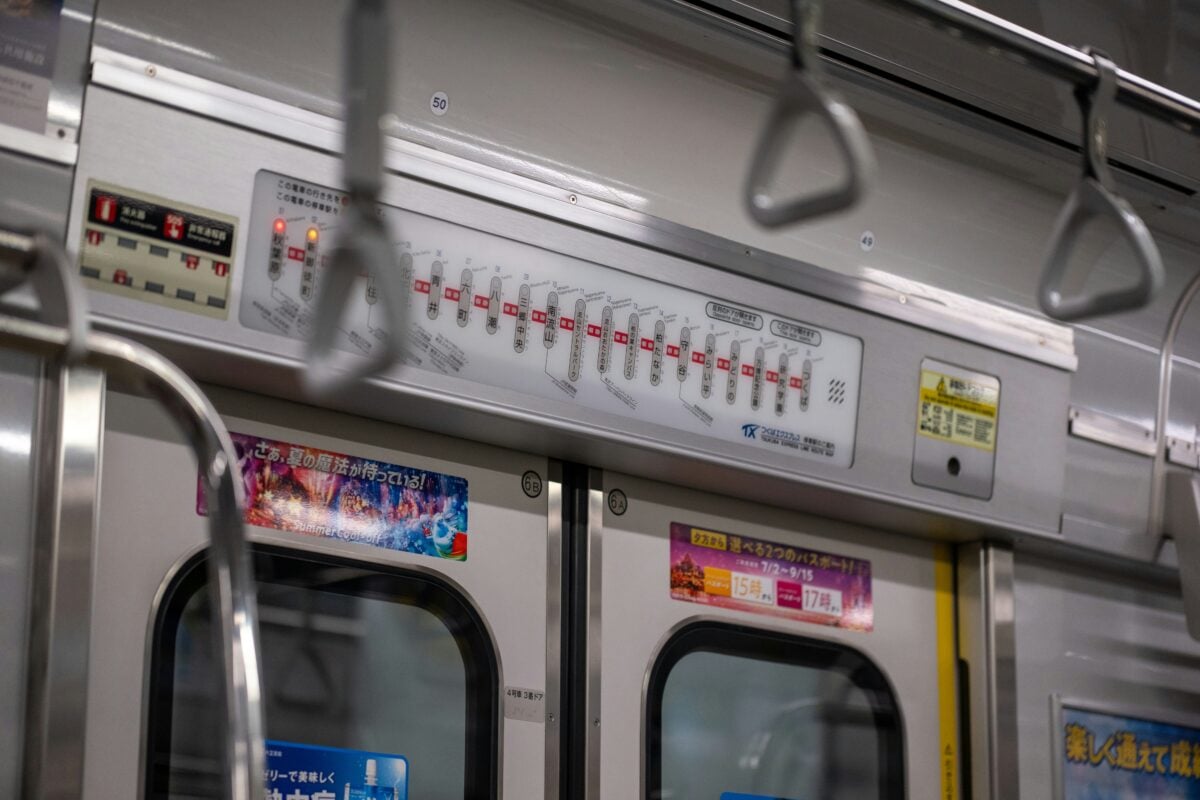
Tokyo’s metro system serves the world’s largest metropolitan area, home to about 37 million people. The network includes multiple operators running different lines, but Tokyo Metro alone operates 195 kilometers of track with 180 stations across 9 lines.
Combined with other operators, the greater Tokyo system handles over 3.3 billion annual trips. The morning rush hour in Tokyo has become legendary.
White-gloved “pushers” at some stations physically pack passengers into cars during peak times. Yet the system runs with remarkable punctuality, with average delays measured in seconds rather than minutes.
The trains arrive on schedule with such reliability that commuters time their journeys to the exact minute. This precision reflects broader Japanese culture and has set standards for metro operations worldwide.
Delhi’s Environmental Pioneer
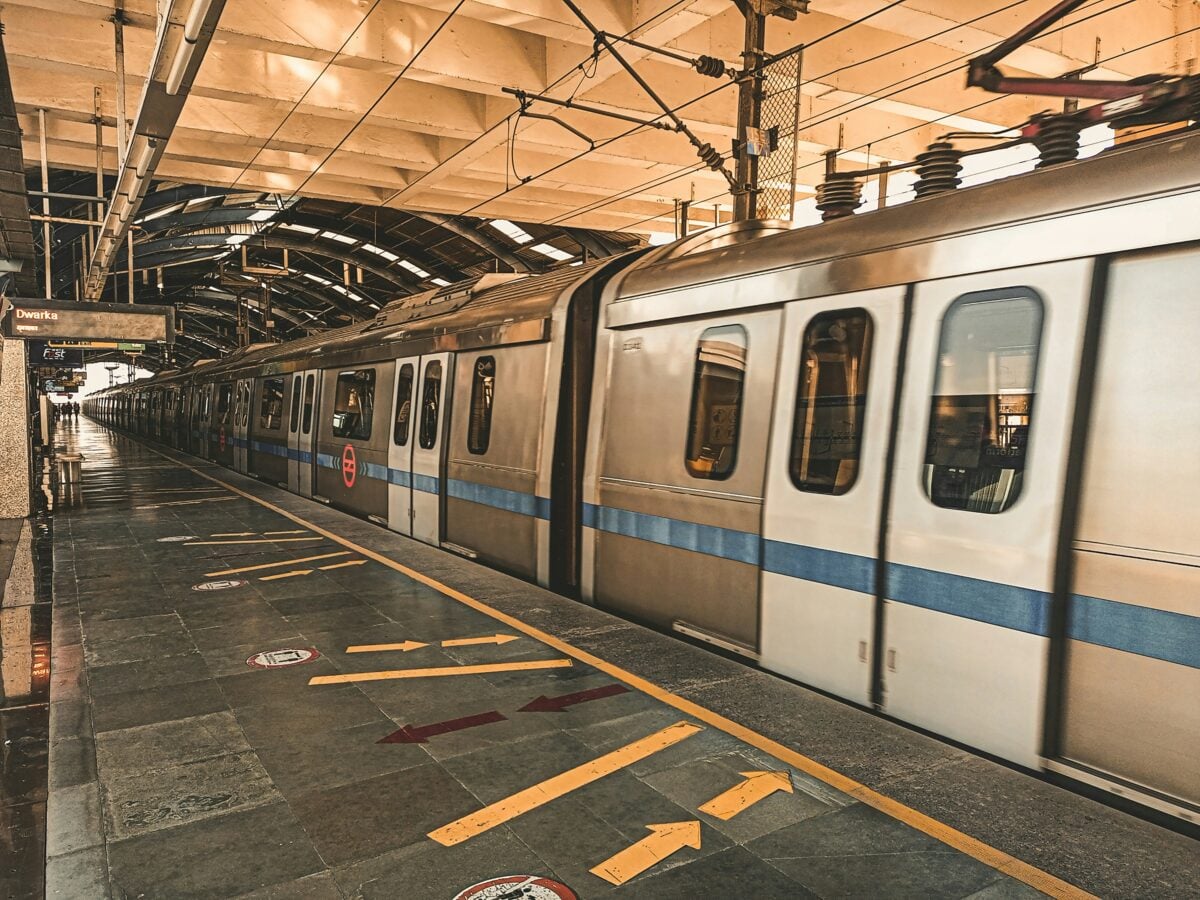
Delhi Metro began operations in 2002 and has grown to 390 kilometers of track with multiple lines crisscrossing the Indian capital. The system became the first metro railway in the world to receive carbon credits from the United Nations in 2011 for reducing greenhouse gas emissions.
Annual ridership reached about 2 billion trips before the pandemic disrupted travel patterns. The metro transformed how Delhi residents move through the city.
Before construction began, traffic congestion had reached crisis levels, with air pollution choking the capital. Buses ran overcrowded and unreliable.
The metro offered an alternative—clean, affordable, and predictable. Construction proceeded remarkably smoothly compared to other major infrastructure projects in India, finishing ahead of schedule and on budget.
The success inspired other Indian cities to build their own metro systems.
Madrid’s Expanding Web
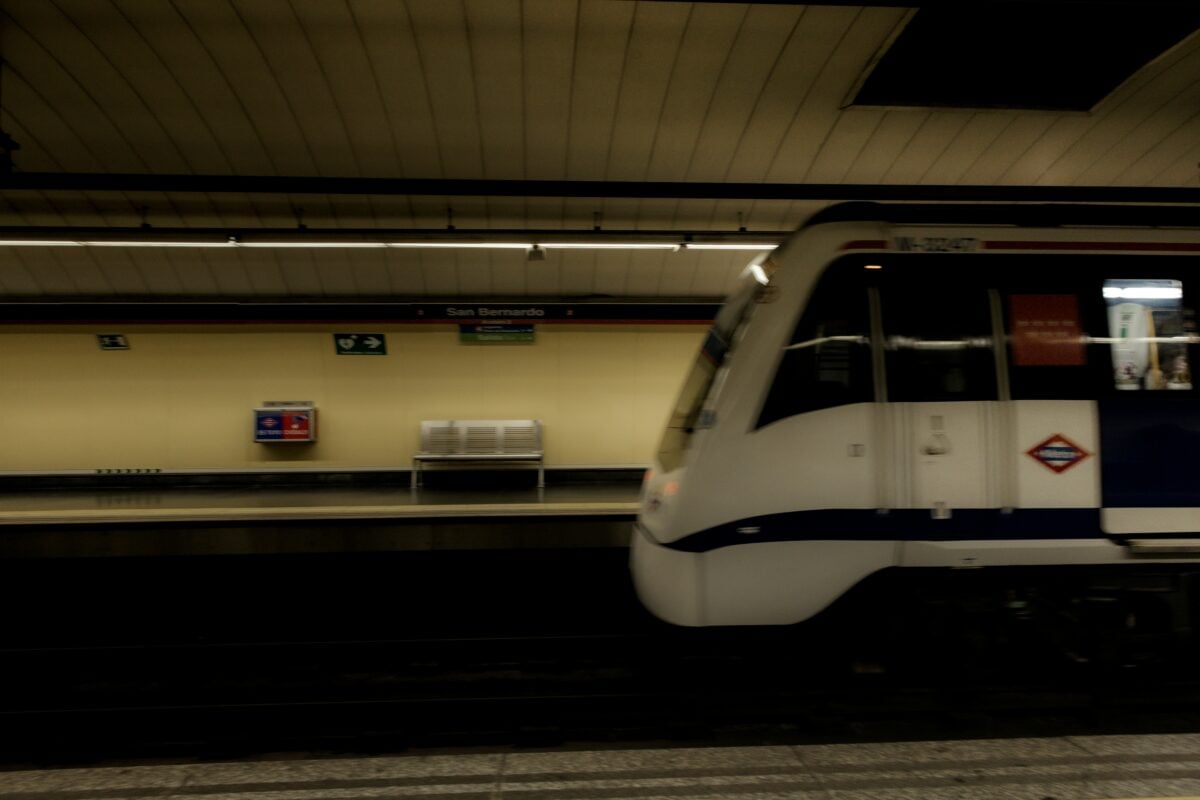
Madrid Metro serves Spain’s capital with 293 kilometers of track, making it the 10th largest metro system in the world. The network started in 1919 and has expanded steadily over the decades.
Modern extensions added in recent years pushed the system deep into the suburbs, connecting previously isolated neighborhoods to the city center. The metro integrates well with Madrid’s other transit options, including commuter rail and buses.
Trains run frequently during peak hours, and the system stays clean and well-maintained. Tourist-friendly features include multilingual signs and maps. The network handles millions of daily trips, easing traffic congestion in a city where narrow medieval streets never anticipated automobile traffic.
Continued expansion remains part of Madrid’s urban planning strategy.
Wuhan’s Ambitious Network

Wuhan Metro has grown rapidly since opening, now spanning 486 kilometers with 12 lines and 300 stations. The system serves one of China’s major inland cities, sitting at the junction of two major rivers.
The network connects the three distinct sections of Wuhan—Wuchang, Hankou, and Hanyang—which previously required bridge or ferry crossings. The metro operates with speed and efficiency, carrying millions of passengers daily.
During the COVID-19 pandemic, Wuhan became globally known as the outbreak’s origin point, and the metro system shut down completely for months. When service resumed, ridership gradually recovered as life returned to normal.
The network continues expanding to serve the city’s growing population, with additional lines under construction.
Paris Metro’s Compact Density

Paris Métro opened in 1900 to coincide with the World’s Fair, and the Art Nouveau station entrances became architectural icons. The system spans 220 kilometers with 302 stations across 16 lines, making it one of the densest metro networks relative to its size.
You can walk to a metro station from almost anywhere in central Paris in about 5 minutes. The metro carries approximately 1.5 billion passengers annually, moving millions through the French capital each day.
The network connects seamlessly with the RER commuter rail system, extending rapid transit far into the suburbs. Current expansion projects, including the massive Grand Paris Express, will add over 200 kilometers of new automated lines in the coming years.
The construction aims to improve suburban access and reduce car dependence.
Chicago’s Elevated Icon

The Chicago “L” began operations in the late 1800s, using elevated steel structures that still define parts of the city’s appearance. The rattling of trains overhead on the Loop has become part of Chicago’s soundtrack.
The system spans about 170 kilometers across 8 lines with numerous stations serving the city and close suburbs. Unlike most major metro systems, the “L” runs 24 hours a day, offering late-night and early-morning service.
The Chicago Tribune named it one of the city’s seven wonders in 2005. The elevated tracks in downtown areas allow natural light to reach the streets below, avoiding the claustrophobic feel of deep underground systems.
Expansion projects continue, though at a slower pace than in Asian mega-cities. The system remains essential for daily commuters and an iconic part of Chicago’s identity.
Berlin’s Two-System Legacy

Berlin operates both the U-Bahn (underground) and S-Bahn (surface rail), creating a comprehensive transit network. The U-Bahn includes 9 lines with 174 stations, covering about 150 kilometers.
About 90% of the stations sit underground. The first U-Bahn line opened in 1902, placing Berlin alongside Paris and New York among the oldest metro systems.
The Cold War split the city and the metro system for decades. Some “ghost stations” in East Berlin remained closed for years, with West Berlin trains passing through without stopping.
After reunification in 1990, the networks reconnected, though the integration took years. Today more than 1.5 million commuters use the U-Bahn daily.
Recent investment plans promise significant upgrades and extensions to both the U-Bahn and S-Bahn networks.
Where Rails Meet Reality

What lies behind the figures often matters more. In Shanghai, an 800-kilometer metro carries a different weight compared to cities like London or New York.
How crowded areas are, the layout of streets and buildings, expenses tied to building underground lines – these play big roles. So does the level of government support driving expansion.
Look how subway systems show what each city values. Deep tracks stretching into distant neighborhoods say one thing matters most: reach.
In another place, trains come every few minutes downtown – timing rules there. Fancy halls with high ceilings? That is where art and transit meet by design.
Elsewhere, stations stay bare bones, cash saved for longer routes and smoother rides. One thing never changes: what matters stays important.
Cities spread wider, worries over warming rise – so riding together gets harder to ignore. Built piece by piece over years, these underground paths are bones beneath streets, guiding city life far ahead.
Numbers climb or drop when tracks extend or habits shift; still, how deeply they fit into daily existence runs deeper each year.
More from Go2Tutors!

- 16 Historical Figures Who Were Nothing Like You Think
- 12 Things Sold in the 80s That Are Now Illegal
- 15 VHS Tapes That Could Be Worth Thousands
- 17 Historical “What Ifs” That Would Have Changed Everything
- 18 TV Shows That Vanished Without a Finale
Like Go2Tutors’s content? Follow us on MSN.



