Animals That Breathe Through Their Skin
Most of us learned in school that lungs are for breathing, gills are for fish, and that’s pretty much the end of the story. But nature has a few tricks up its sleeve that would make any engineer jealous.
Some animals have figured out how to absorb oxygen directly through their skin, turning their entire body into one giant breathing organ.
This process, called cutaneous respiration, works like having thousands of tiny air conditioners built right into your skin. Instead of just regulating temperature, these biological systems pull oxygen from water or air and dump carbon dioxide back out.
Here is a list of animals that have mastered this incredible breathing technique.
American Bullfrog
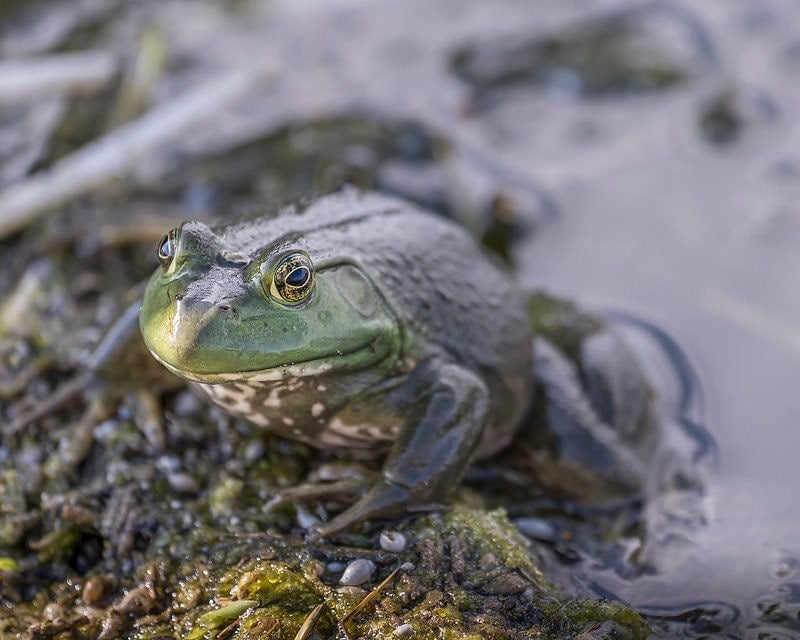
The American bullfrog can hold its breath underwater for up to 20 minutes, but that’s not because it has super lungs. These hefty amphibians can absorb up to 50% of their oxygen directly through their skin, especially when they’re submerged underwater.
Their skin stays moist thanks to special glands, creating the perfect conditions for gas exchange to happen right through their body surface.
Hellbender Salamander
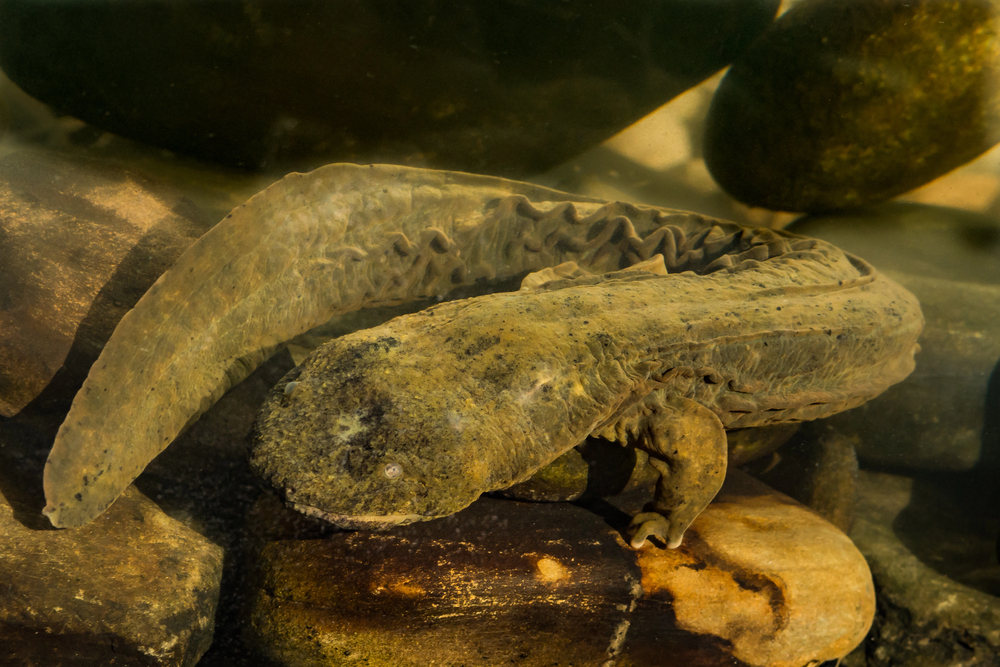
Meet North America’s largest salamander, a creature that looks like it crawled out of a prehistoric swamp. The hellbender can grow up to 2 feet long and relies almost entirely on its wrinkled, floppy skin to breathe underwater.
Those weird skin folds aren’t just for looks – they create extra surface area, like adding more square footage to an apartment, giving the salamander more space to absorb oxygen from the water.
Like Go2Tutors’s content? Follow us on MSN.
European Common Frog
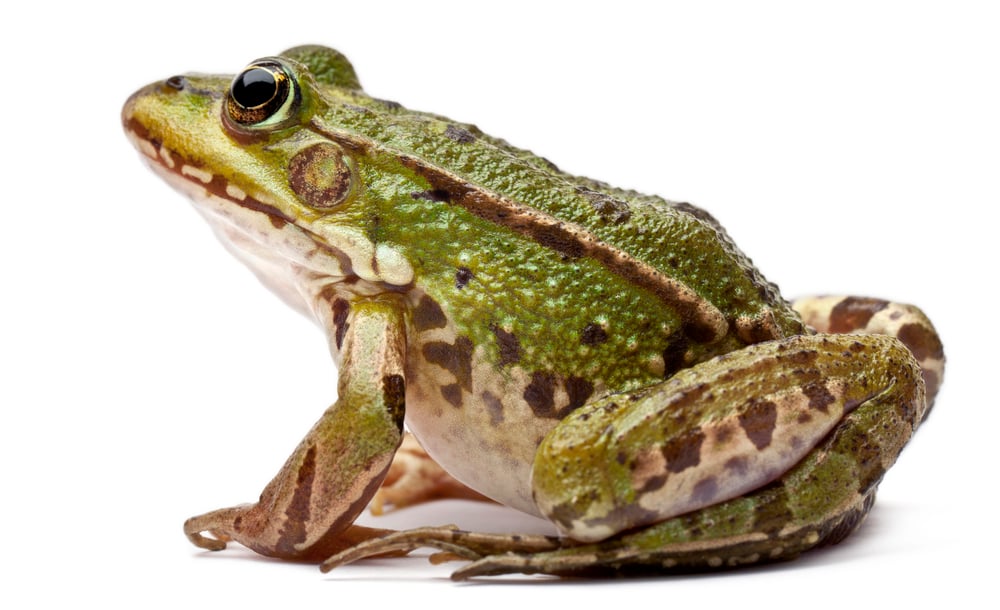
This little hopper has turned skin breathing into an art form, especially during winter. When temperatures drop and these frogs hibernate underwater, their metabolism slows down so much that their skin can handle all their breathing needs.
It’s like switching from a gas-guzzling truck to a super-efficient hybrid car – they need way less oxygen, so their skin can easily keep up with demand.
Mudpuppy
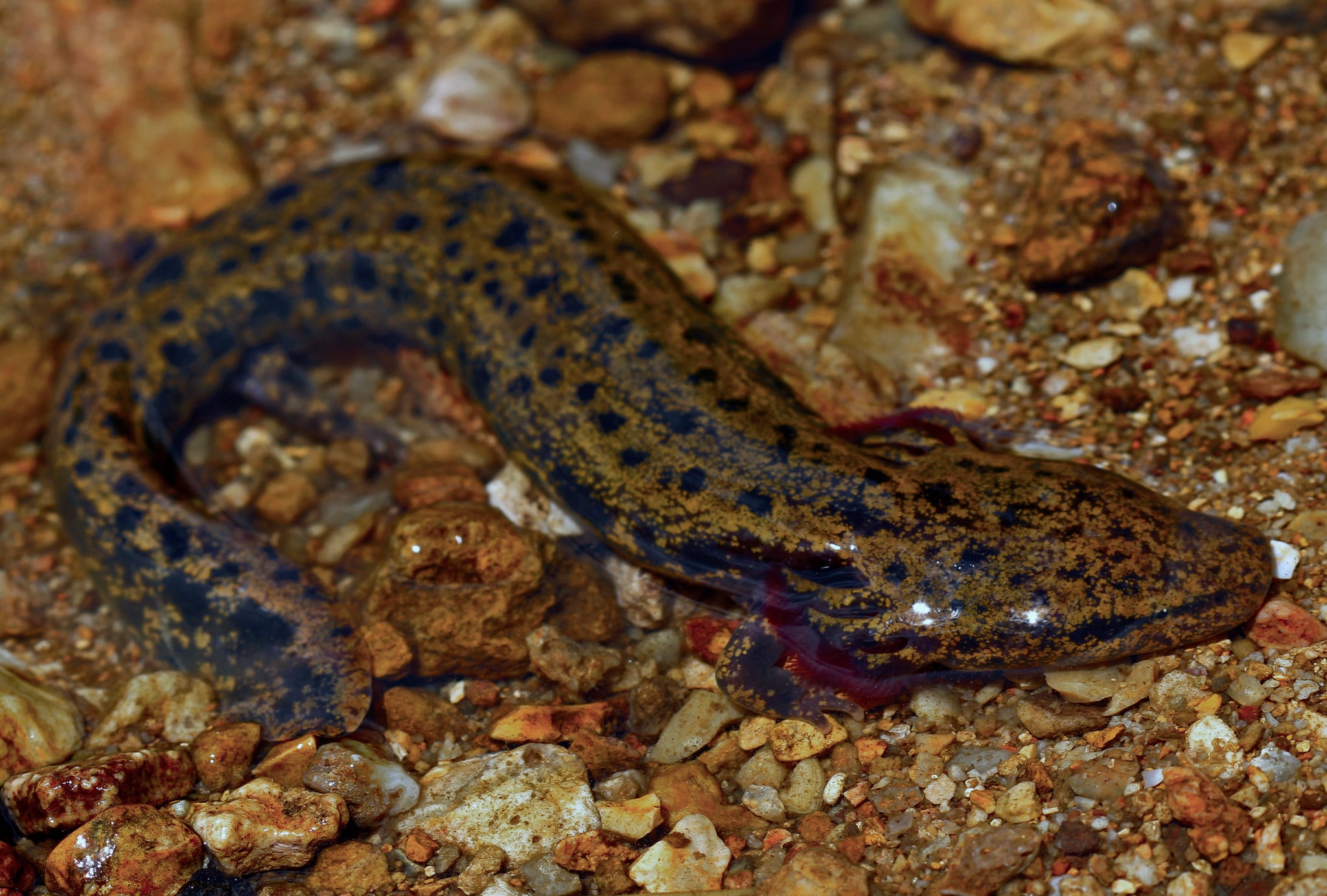
Don’t let the cute name fool you – mudpuppies aren’t actually dogs, but rather large aquatic salamanders with feathery external gills. Even with those fancy gills, they still get a significant portion of their oxygen through their skin.
Think of it as having both central air conditioning and window units running at the same time – double the breathing power for maximum efficiency.
Red-Backed Salamander
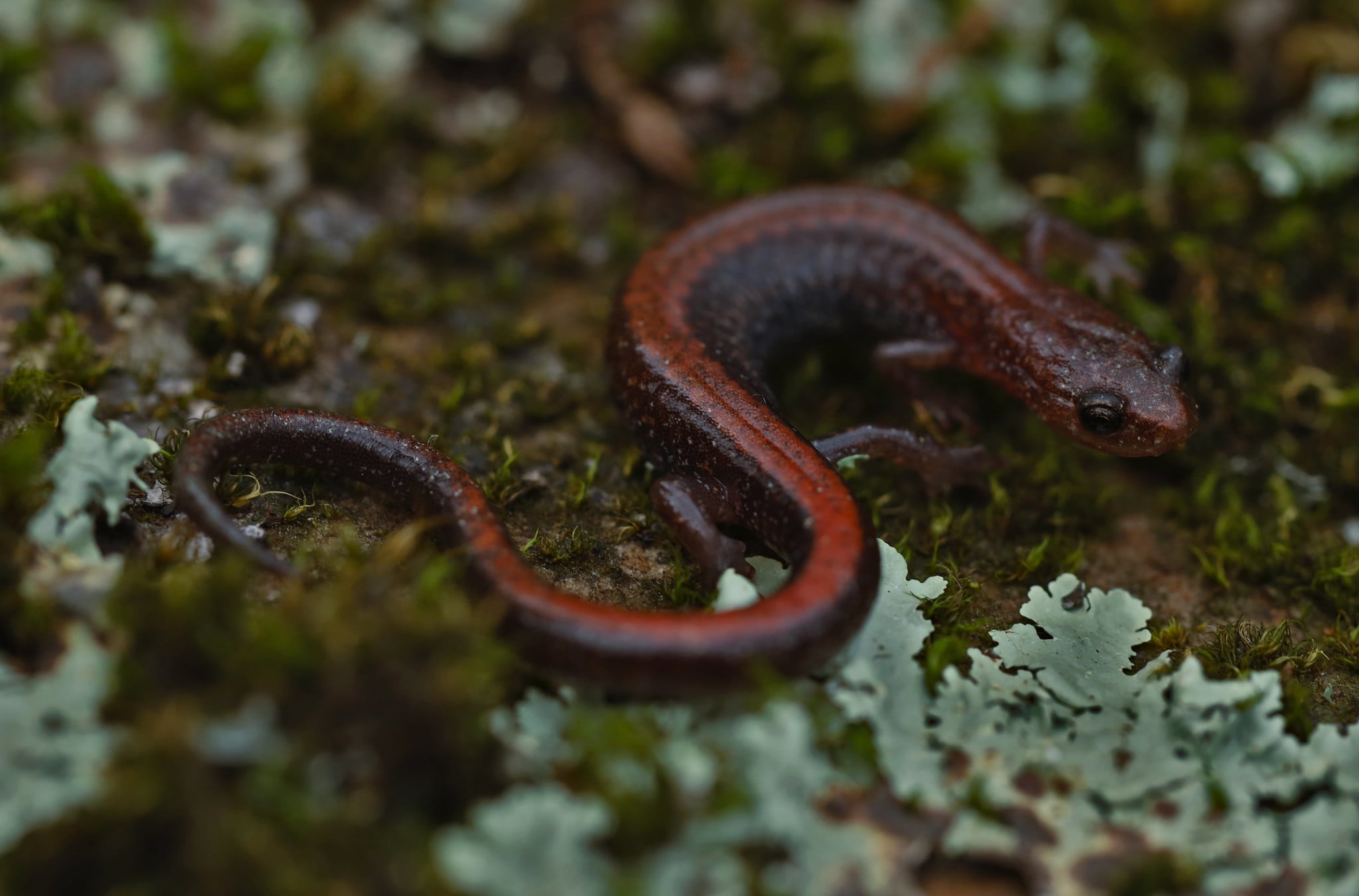
Here’s where things get really wild: the red-backed salamander has completely ditched its lungs. These woodland creatures breathe entirely through their skin and the lining of their mouth.
They’re like the minimalists of the animal kingdom, proving that sometimes less really is more. Their skin needs to stay perfectly moist, which is why you’ll find them hiding under logs and rocks where humidity levels stay high.
Like Go2Tutors’s content? Follow us on MSN.
Smooth Newt
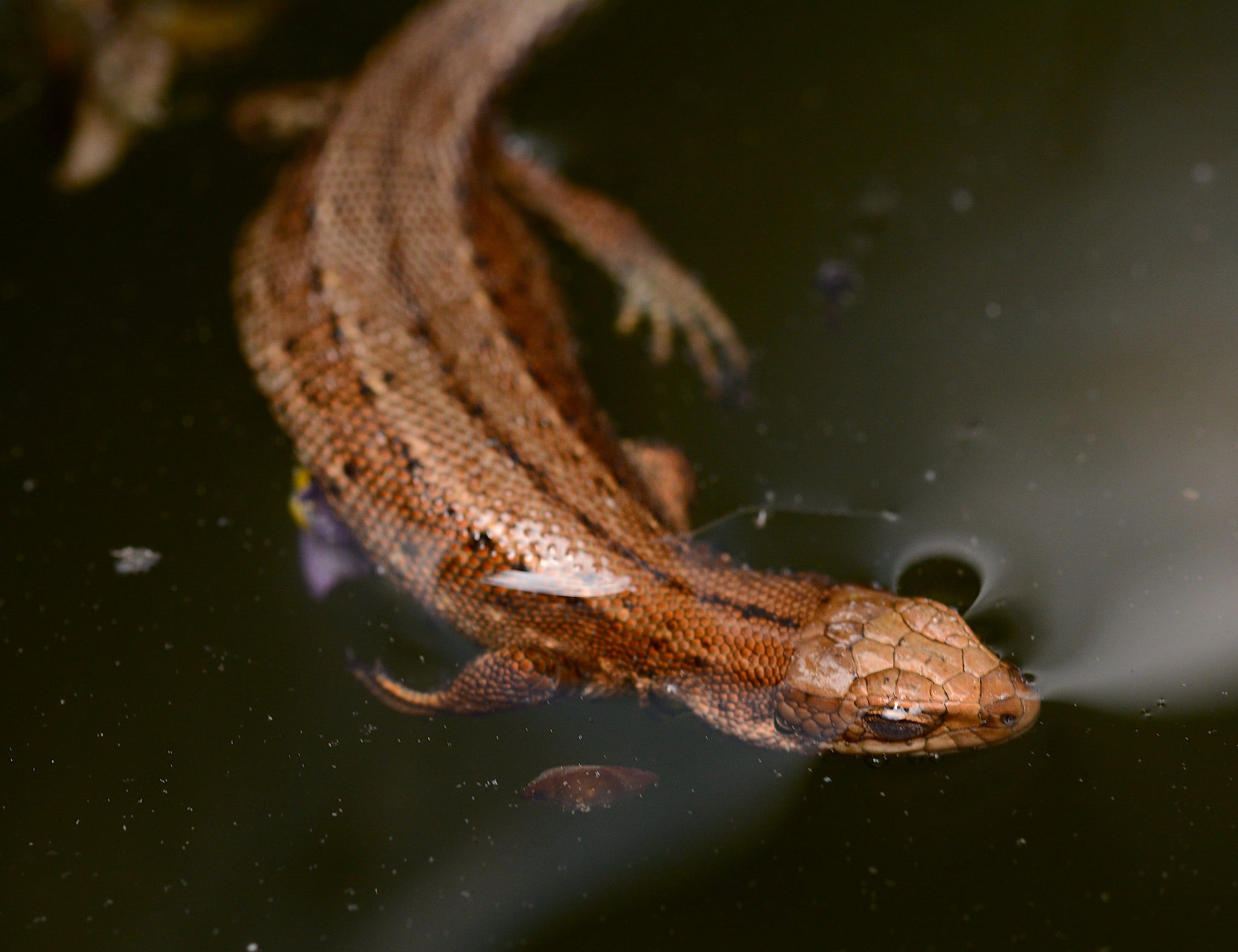
Smooth newts live double lives, spending part of their time on land and part in water. During their aquatic phase, these little amphibians can absorb up to 80% of their oxygen through their skin.
Their skin becomes thin and permeable when they’re in water, almost like switching to a more breathable fabric when you’re working out.
European Eel
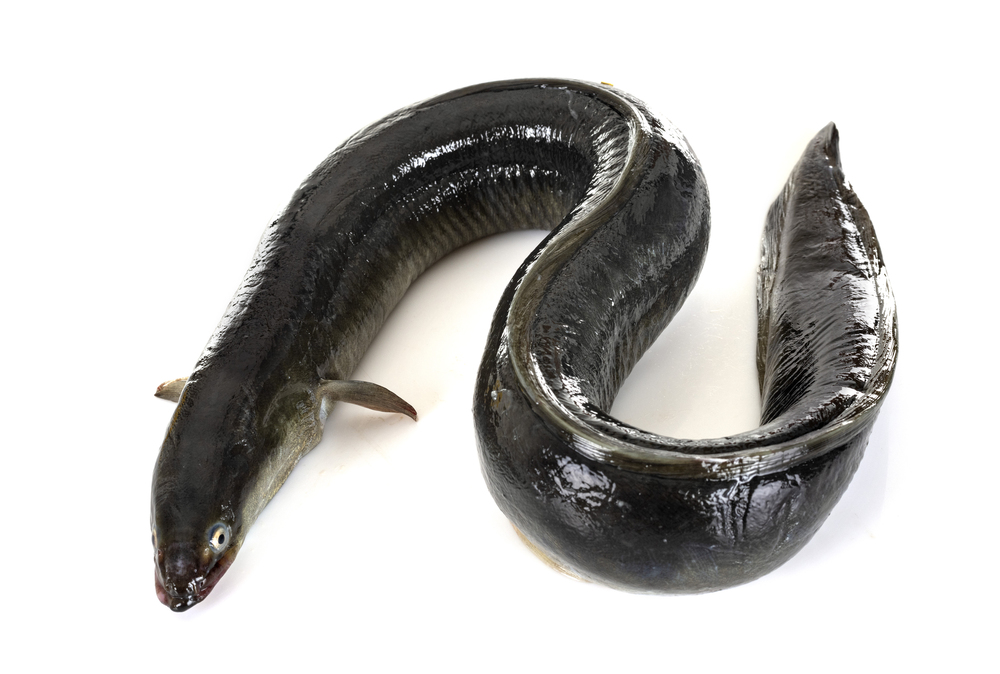
European eels are the marathon runners of the fish world, primarily using their gills but getting supplemental oxygen through their skin when conditions are right. This skin breathing requires moisture, which comes in handy when they’re squirming through shallow water or even across wet grass.
Yes, you read that right – eels can actually travel short distances on land, but they need that moisture to keep their skin breathing working properly.
Earthworm
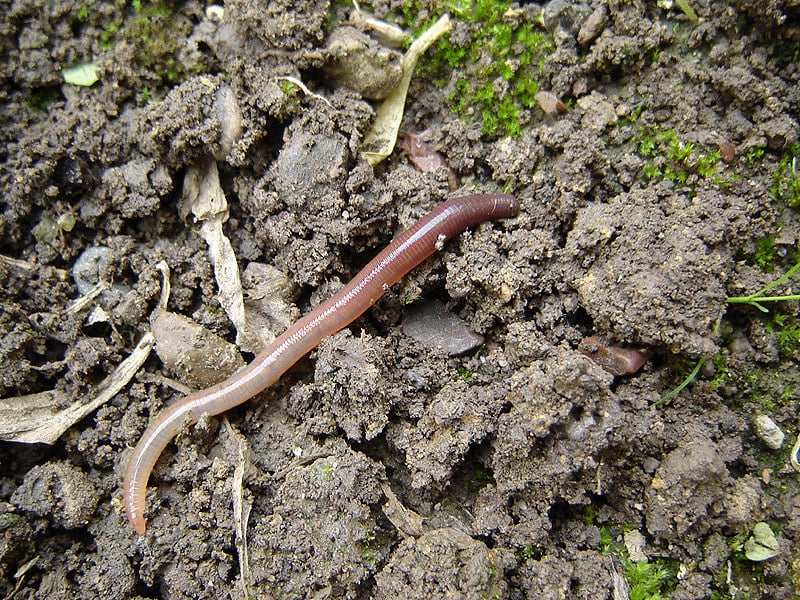
Every gardener’s best friend, the humble earthworm, breathes entirely through its skin. That slimy coating isn’t gross – it’s essential for survival.
The mucus keeps their skin moist and allows oxygen to dissolve and pass into their bloodstream. When it rains heavily, earthworms come to the surface mainly to migrate and disperse to new areas, taking advantage of the wet conditions to travel without drying out.
Like Go2Tutors’s content? Follow us on MSN.
Axolotl
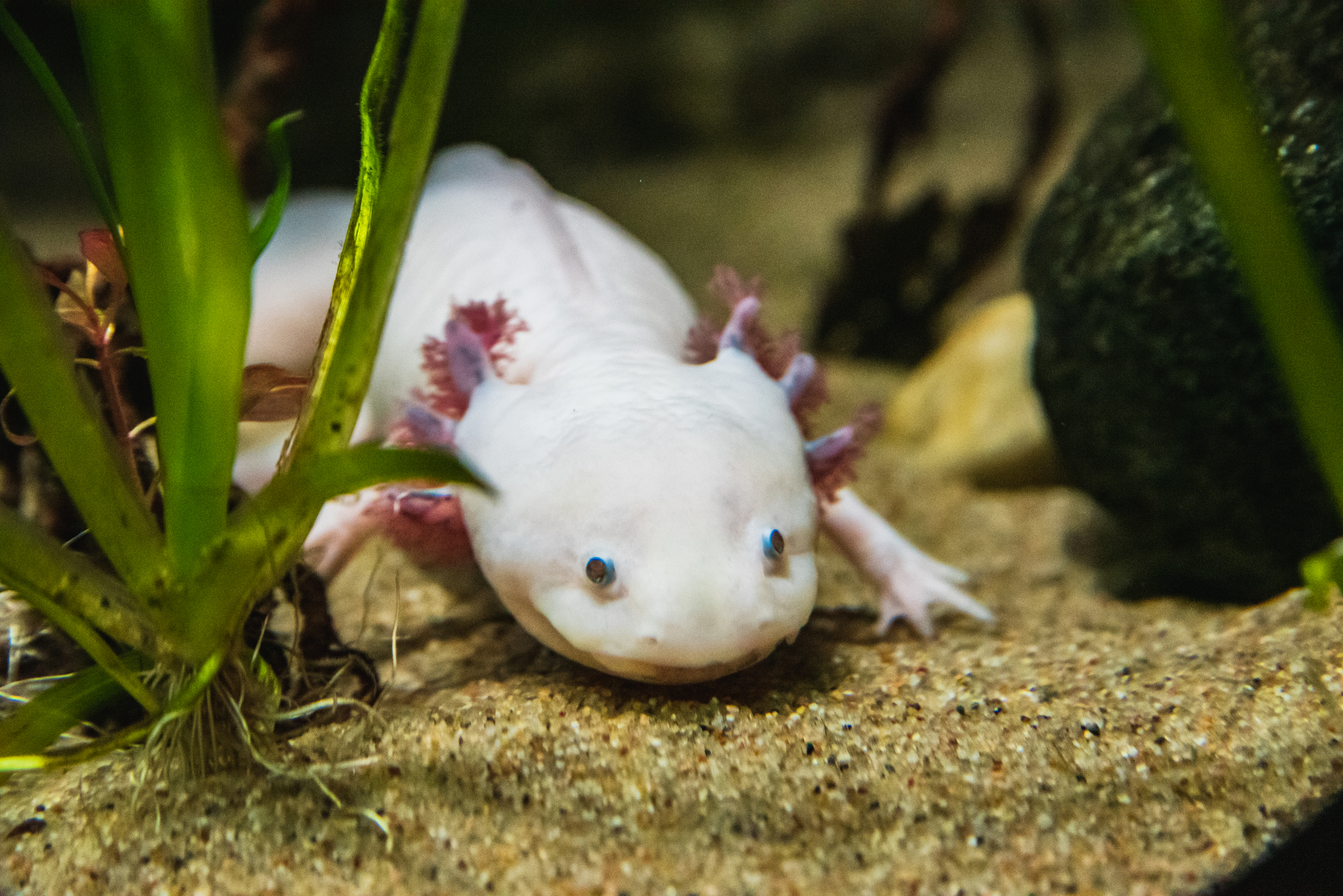
The axolotl, Mexico’s adorable ‘water dog,’ has become an internet sensation, but its breathing abilities are equally impressive. These permanently aquatic salamanders use both their feathery gills and their skin to extract oxygen from water.
Their skin is so thin and permeable that it almost seems see-through, making them incredibly efficient underwater breathers.
Giant Pacific Salamander
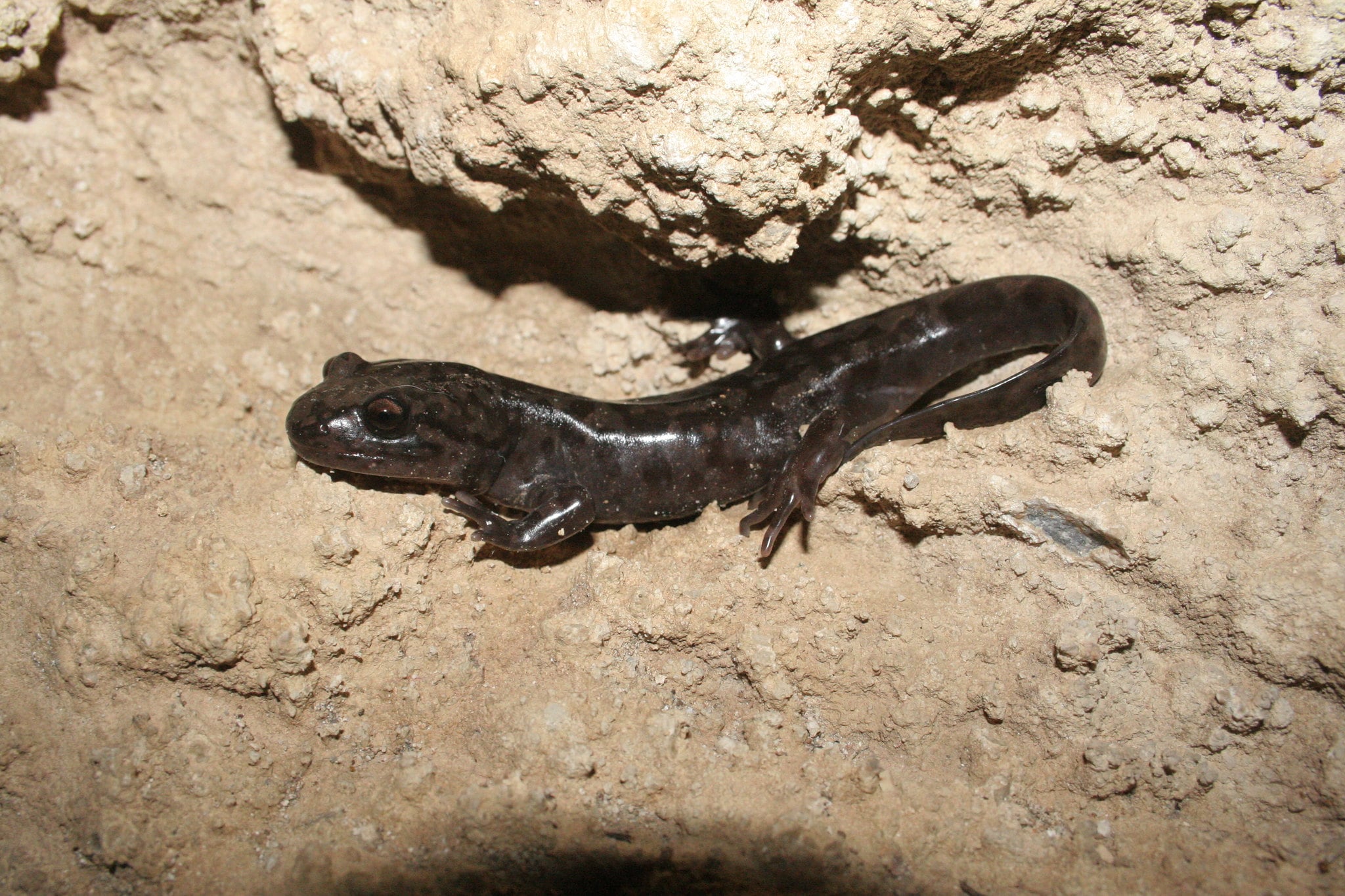
The largest salamander in North America doesn’t mess around when it comes to breathing. Adult Giant Pacific salamanders have both lungs and highly permeable skin working together to meet their oxygen needs.
While larvae are lungless and depend entirely on skin breathing, adults use both systems simultaneously rather than switching between them. It’s like having both a main engine and a turbo booster running at the same time for maximum efficiency.
Northern Two-Lined Salamander
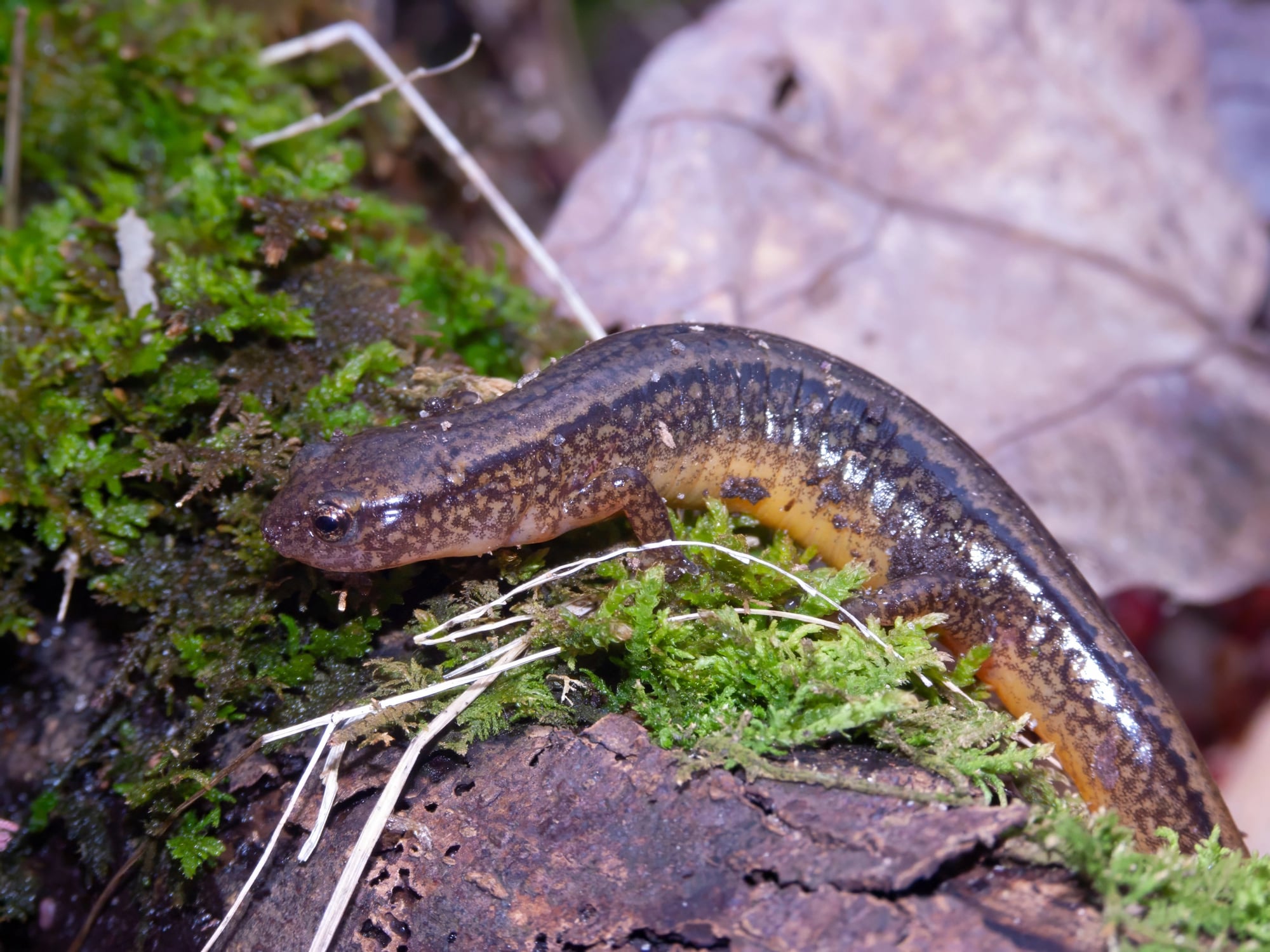
These streamlined salamanders love hanging out near rocky streams, where their skin breathing gives them a major advantage. The constant flow of water over their bodies provides a steady supply of dissolved oxygen.
They’re basically living in nature’s version of a perfectly ventilated room, with fresh air constantly circulating around them.
Like Go2Tutors’s content? Follow us on MSN.
Rough-Skinned Newt
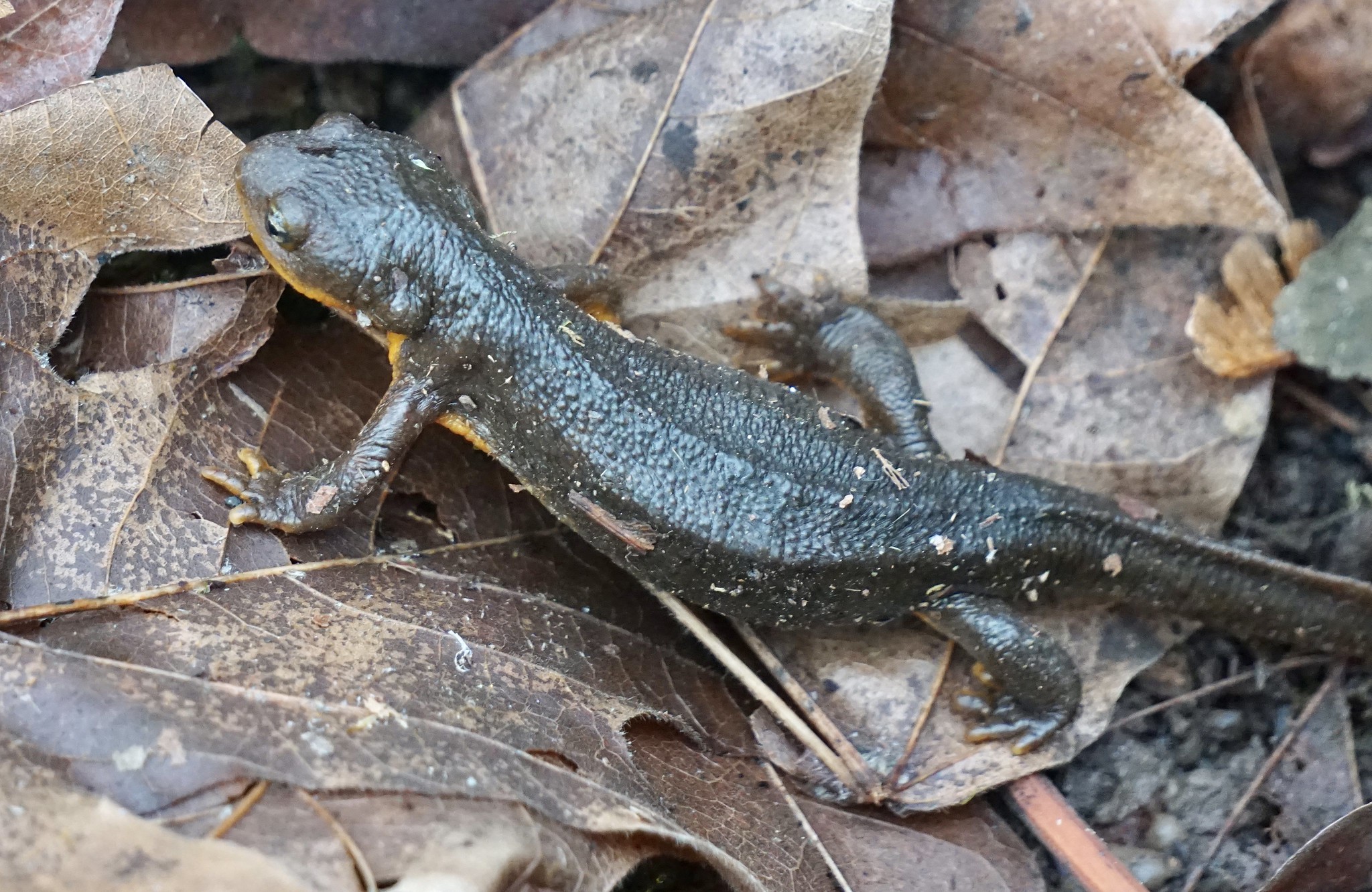
Don’t be fooled by the name – while their skin might look rough, it’s actually perfectly designed for absorbing oxygen. Rough-skinned newts spend most of their adult lives on land, but their skin breathing ability helps them survive in humid environments.
Their skin works like a high-tech moisture-wicking fabric, keeping them hydrated while pulling oxygen from the surrounding air.
Marbled Salamander
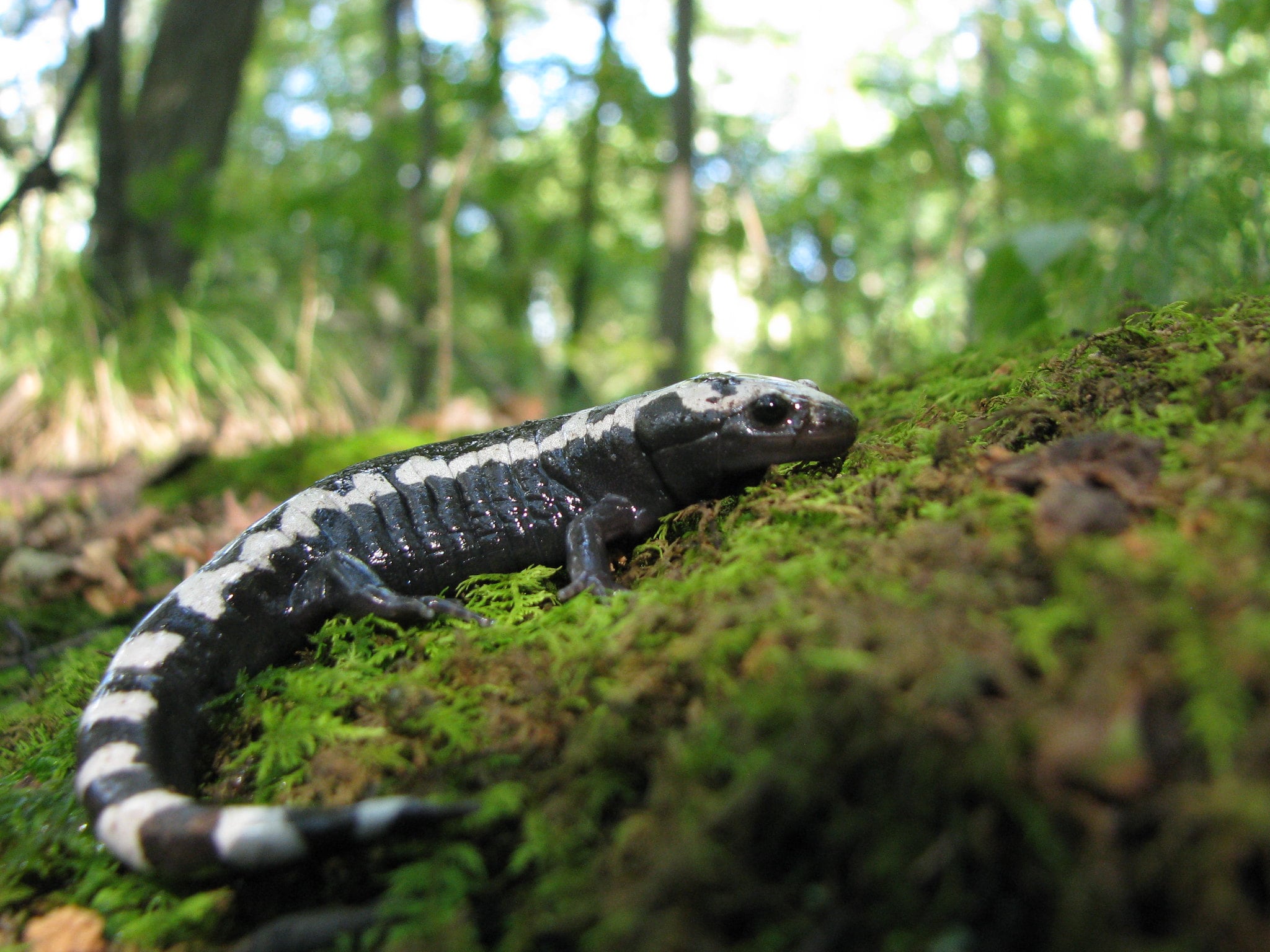
Marbled salamanders are the rebels of the amphibian world, laying their eggs on land instead of in water. While they spend more time on land than many salamanders, they still need moist environments to keep their skin breathing functional.
They absorb moisture and oxygen from humid air in leaf litter and under fallen logs, but they haven’t completely escaped the need for dampness like some people might think.
When Evolution Gets Creative
These 17 animals prove that evolution doesn’t always follow the rulebook we learned in biology class. While most creatures stick to lungs or gills, these innovative species have turned their entire skin into a breathing apparatus.
From tiny salamanders hiding under logs to hefty frogs lounging by ponds, skin breathing has opened up new possibilities for survival in environments where traditional breathing methods might fall short. The next time you see a slimy salamander or a wet frog, remember that you’re looking at one of nature’s most elegant solutions to the challenge of staying alive.
Like Go2Tutors’s content? Follow us on MSN.
More from Go2Tutors!

- 16 Historical Figures Who Were Nothing Like You Think
- 12 Things Sold in the 80s That Are Now Illegal
- 15 VHS Tapes That Could Be Worth Thousands
- 17 Historical “What Ifs” That Would Have Changed Everything
- 18 TV Shows That Vanished Without a Finale
Like Go2Tutors’s content? Follow us on MSN.