Photos Of Street Life in Major US Cities Decades Ago
There’s something about old street photography that pulls you in and won’t let go. A shot from a New York sidewalk in 1955, or a Chicago alley in 1968, captures something a history book never could — the smell of hot asphalt, the blur of people in a hurry, the weight of a particular afternoon.
These images feel lived-in. And looking at them now, it’s hard not to wonder what happened to all those people, and what they’d think if they could see us looking back.
New York City: The Street as Stage
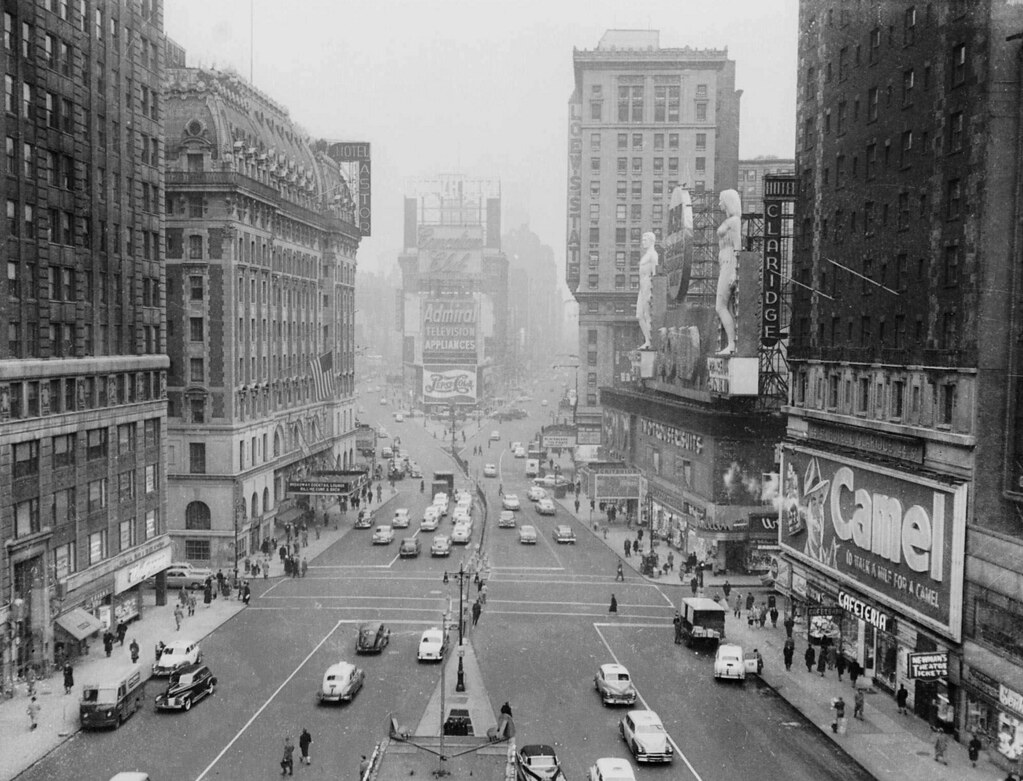
No city lent itself to street photography quite like New York. In the 1940s and 50s, photographers like Vivian Maier and Helen Levitt prowled Manhattan with small cameras tucked close to their bodies.
They caught kids playing on stoops, women in heels navigating broken sidewalks, and men in fedoras standing outside delis with coffee cups the size of small buckets. The streets weren’t just crowded — they were alive in a way that modern cities have largely traded away.
Vendors sold things from carts. Arguments spilled out of windows.
Whole neighborhoods had their own rhythms, and you could feel the shift as you crossed from one block to the next.
Chicago and the Weight of Industry
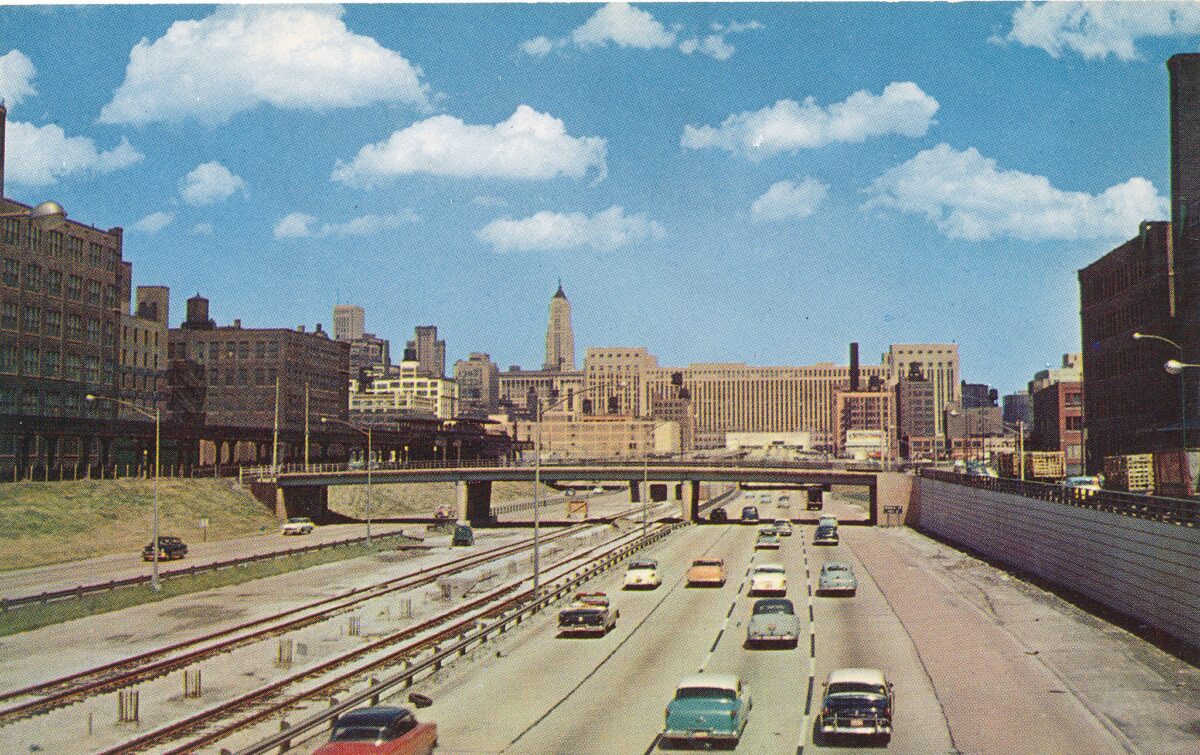
Pictures taken in Atlanta during the late 1950s into the early 60s hold a quiet strain, like streets breathing between changes. Look closely and you see daily routines playing out – people walking, waiting on corners, stepping off buses – yet buildings stand marked by rules no one speaks aloud.
Stillness hides beneath motion. Though sidewalks stay busy, something lingers just below: separation built into doorways, benches, storefronts.
Life moves forward, yes, but shaped by borders drawn long before. Every frame holds both – routine activity, then silence where fairness should be.
Moments freeze without drama, yet say plenty. What looks normal carries weight.
Behind each photo, choices made decades earlier press down. Not loud, never shouted, simply present – part of the pavement almost.
While coats flap in winter wind and cars idle at lights, division stays fixed in brick and glass. Routine covers cracks.
The air feels full even when empty. City sidewalks told stories nobody had to make up.
Atlanta shaped key moments in U.S. street photography, not through chase but by presence. Life unfolded as it did – raw, uninvited scenes built into the pavement and corners where people moved.
What stood out wasn’t forced, just visible to those walking close enough to see.
Seattle Before Tech Changed Everything
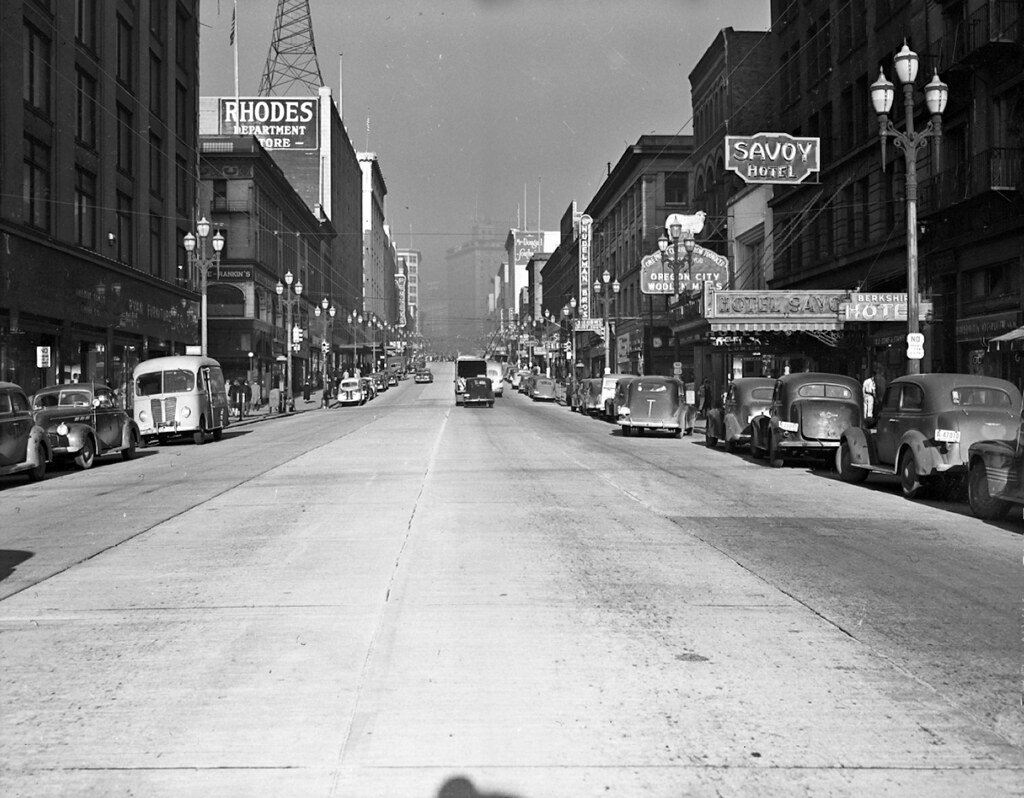
Back then, Seattle hummed with dockworkers and shipbuilders shaping its blue-collar rhythm. Pike Place Market?
Just farmers slinging produce face-to-face – no polished stalls, no camera-toting crowds yet. Down by the water, cranes ruled instead of cafés; work mattered more than views.
Over in Pioneer Square, sidewalks cracked under steady foot traffic, old bricks holding stories no one asked for. Flicking through snapshots from back then, you see a place still figuring itself out – this uncertainty somehow feels truer than the polished looks Seattle wore years afterward.
A quiet honesty lives in those unposed moments, before the city started performing for cameras.
The Bodega The Bus Stop The Fire Escape
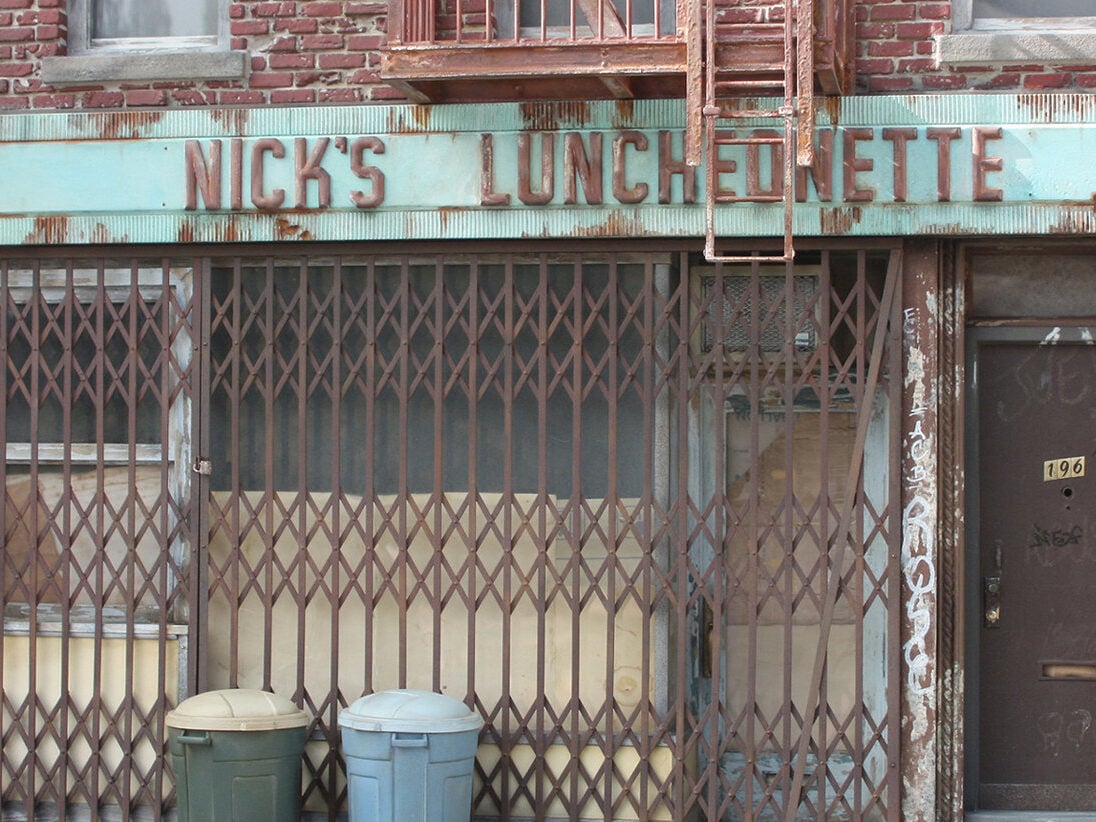
Midway through the day, it stays with you – not polished images, yet those unnamed scenes. Picture someone scanning pages under a faded awning, sack resting close by.
Elsewhere, figures hunched over cards near a corner shop. Up above, young faces peeking from iron stairs, drawn by motion down low.
Out of luck, a lens caught these scenes just as they were. Most folks inside didn’t even notice the click.
Still, years on, the frames stick around – quiet pieces we now treat like common echoes. They show how city streets in America once stood, untouched by posing or pretense.
New Orleans and the Street That Never Slept
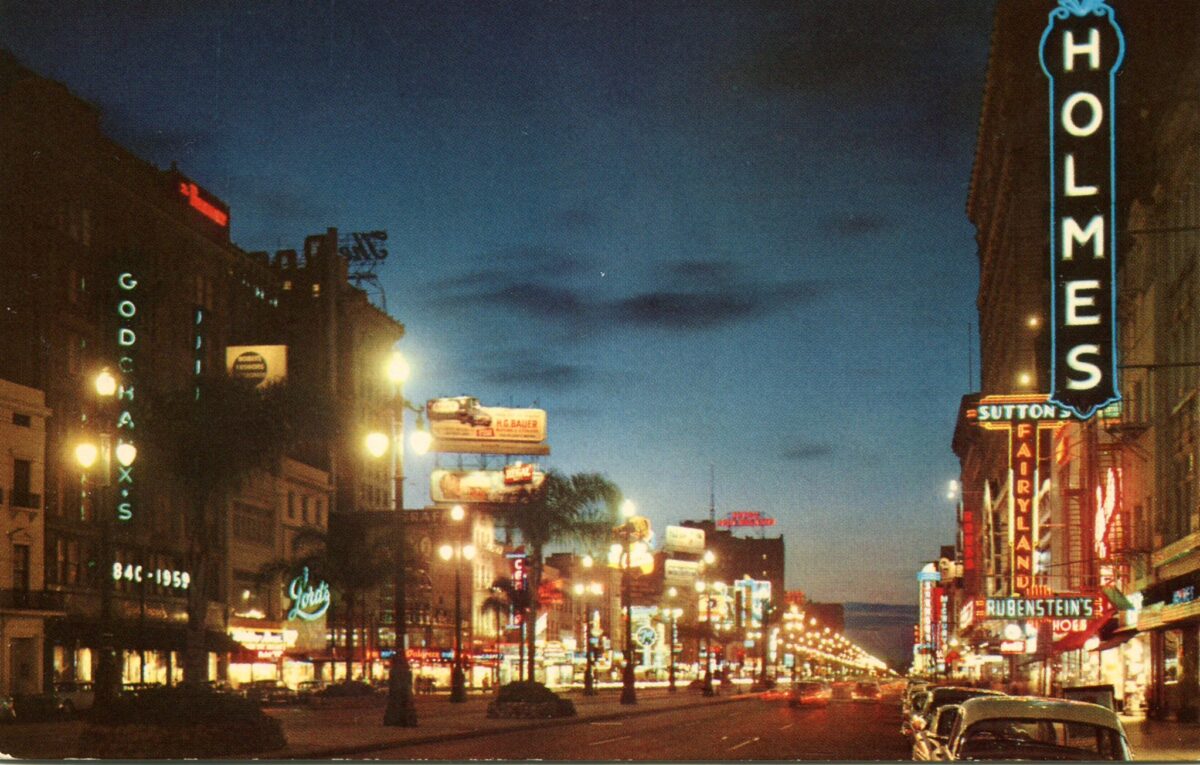
Street photography in New Orleans has always had to contend with the fact that the city refuses to behave like anywhere else. Photos from the French Quarter in the 1950s show a neighborhood that was already old, already a little worn, already performing a version of itself for tourists while also managing to be genuinely itself.
But the most interesting shots tend to come from outside the Quarter — from the Tremé, from the river neighborhoods, from the second-line parades that moved through the streets on Sunday afternoons with a kind of organized joy that is hard to describe if you’ve never seen it.
Boston’s Working-Class Waterfront
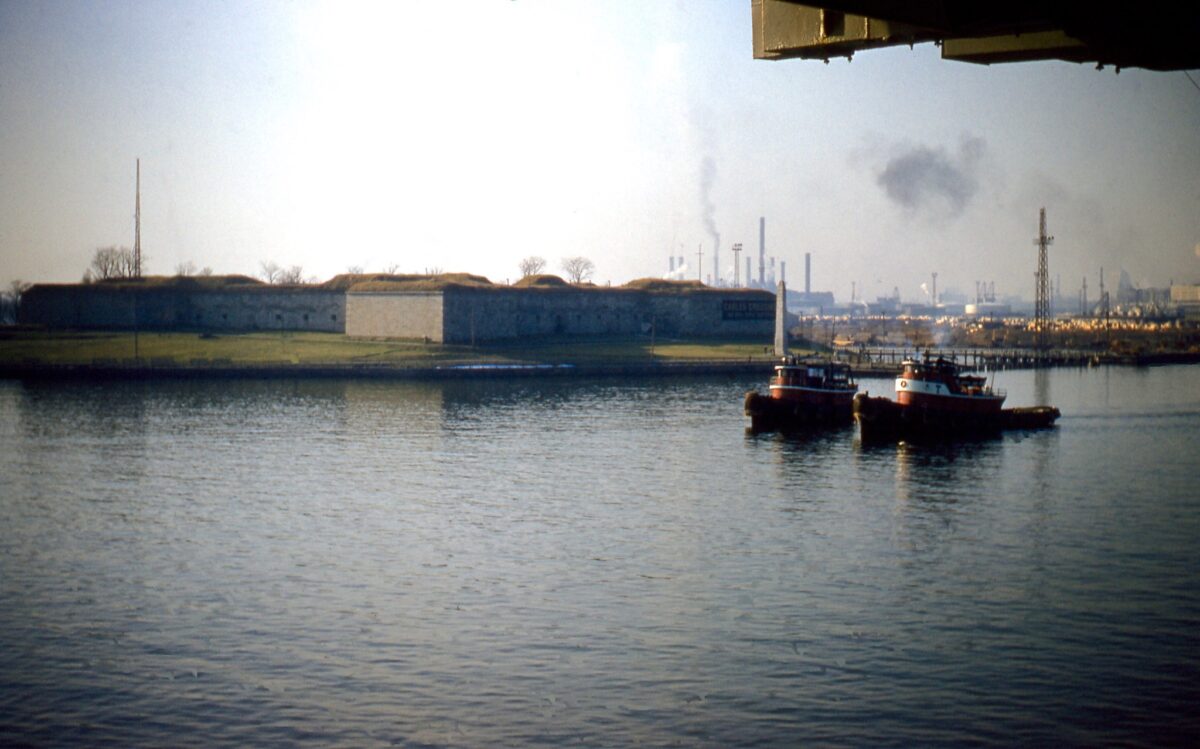
Before the urban renewal projects of the 1950s and 60s reshaped Boston’s waterfront, the city had a working harbor that spilled directly into the streets. Longshoremen walked to work. Warehouses stood shoulder to shoulder.
The North End was still a close-knit Italian neighborhood where people hung their laundry between buildings and ran small shops out of their front rooms. Street photos from this period capture a Boston that is almost unrecognizable today — dense, functional, and not yet dressed up for anyone.
Atlanta and the Civil Rights Era Streets
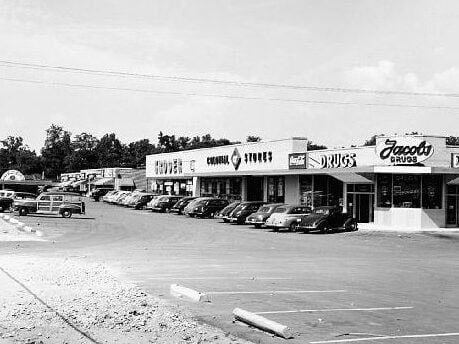
Pictures taken in Atlanta during the late 1950s into the early 60s hold a quiet strain, like streets breathing between changes. Look closely and you see daily routines playing out – people walking, waiting on corners, stepping off buses – yet buildings stand marked by rules no one speaks aloud.
Stillness hides beneath motion. Though sidewalks stay busy, something lingers just below: separation built into doorways, benches, storefronts.
Life moves forward, yes, but shaped by borders drawn long before. Every frame holds both – routine activity, then silence where fairness should be.
Moments freeze without drama, yet say plenty. What looks normal carries weight.
Behind each photo, choices made decades earlier press down. Not loud, never shouted, simply present – part of the pavement almost.
While coats flap in winter wind and cars idle at lights, division stays fixed in brick and glass. Routine covers cracks.
The air feels full even when empty. City sidewalks told stories nobody had to make up.
Atlanta shaped key moments in U.S. street photography, not through chase but by presence. Life unfolded as it did – raw, uninvited scenes built into the pavement and corners where people moved.
What stood out wasn’t forced, just visible to those walking close enough to see.
Seattle Before Tech Changed Everything
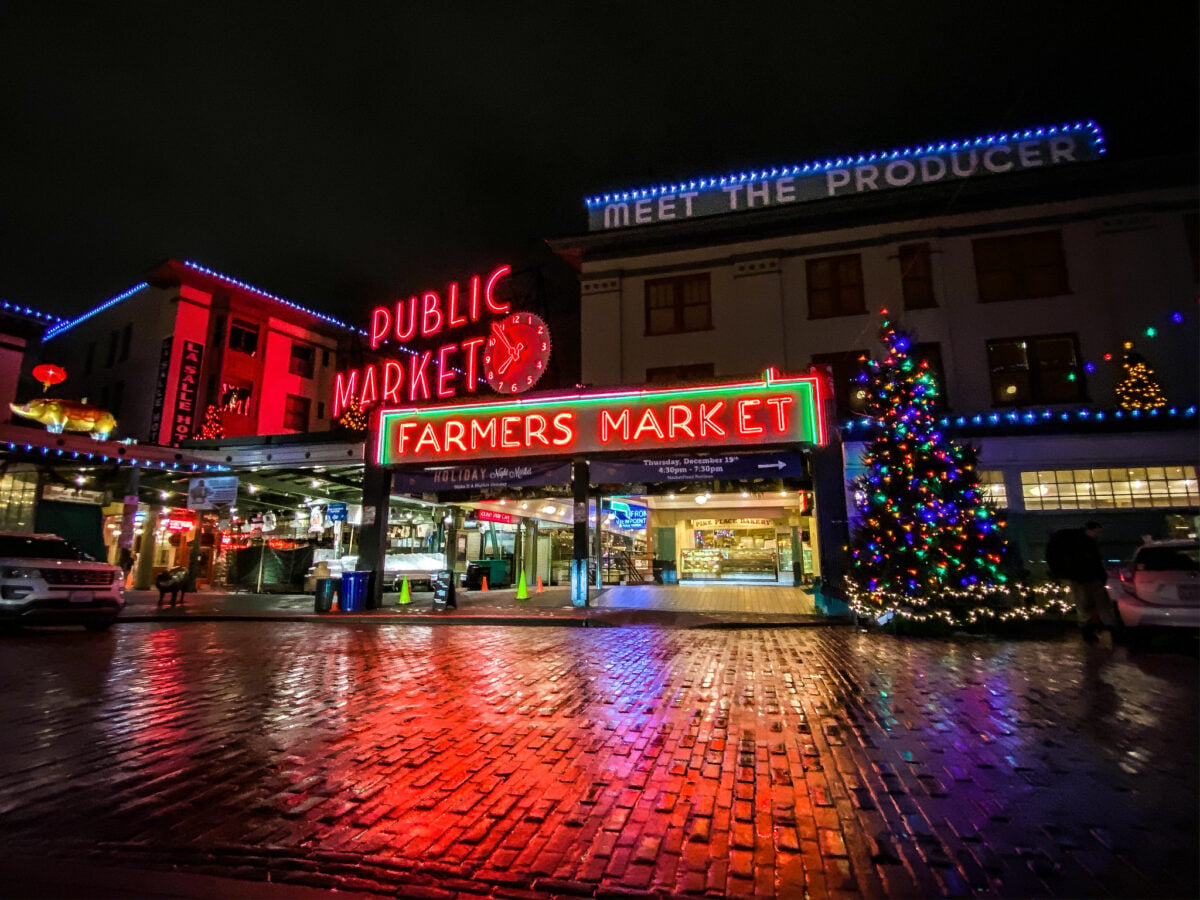
Back then, Seattle hummed with dockworkers and shipbuilders shaping its blue-collar rhythm. Pike Place Market?
Just farmers slinging produce face-to-face – no polished stalls, no camera-toting crowds yet. Down by the water, cranes ruled instead of cafés; work mattered more than views.
Over in Pioneer Square, sidewalks cracked under steady foot traffic, old bricks holding stories no one asked for. Flicking through snapshots from back then, you see a place still figuring itself out – this uncertainty somehow feels truer than the polished looks Seattle wore years afterward.
A quiet honesty lives in those unposed moments, before the city started performing for cameras.
The Bodega The Bus Stop The Fire Escape
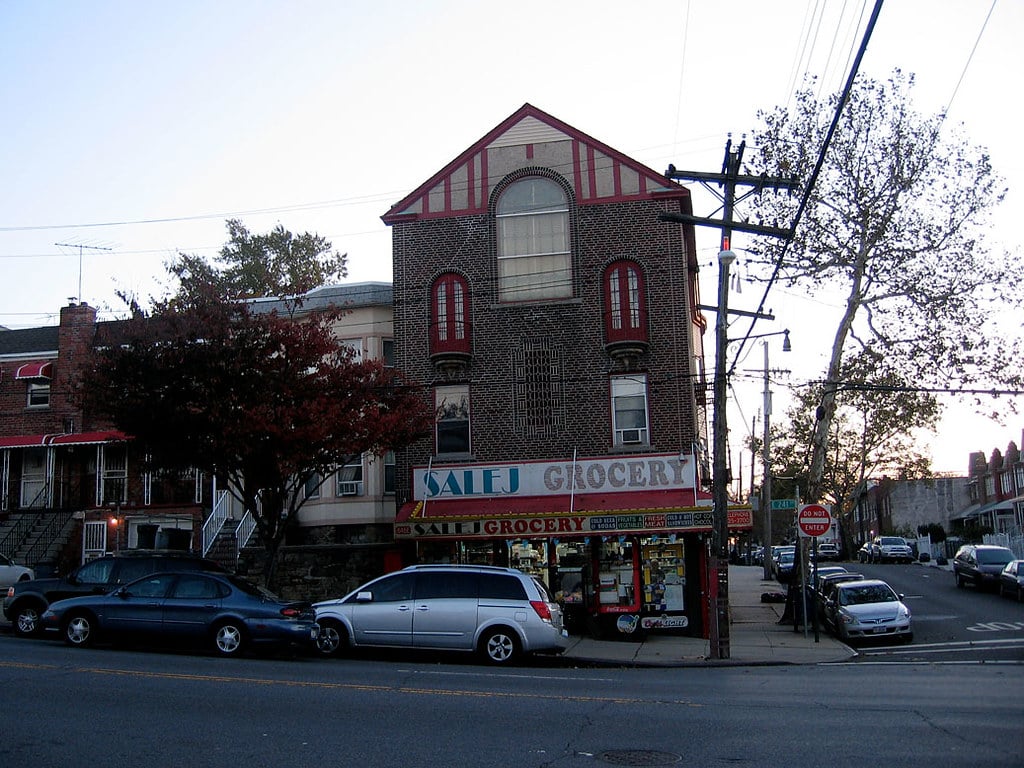
Midway through the day, it stays with you – not polished images, yet those unnamed scenes. Picture someone scanning pages under a faded awning, sack resting close by.
Elsewhere, figures hunched over cards near a corner shop. Up above, young faces peeking from iron stairs, drawn by motion down low.
Out of luck, a lens caught these scenes just as they were. Most folks inside didn’t even notice the click.
Still, years on, the frames stick around – quiet pieces we now treat like common echoes. They show how city streets in America once stood, untouched by posing or pretense.
What The Camera Recorded That Wasn’t Meant To Stay
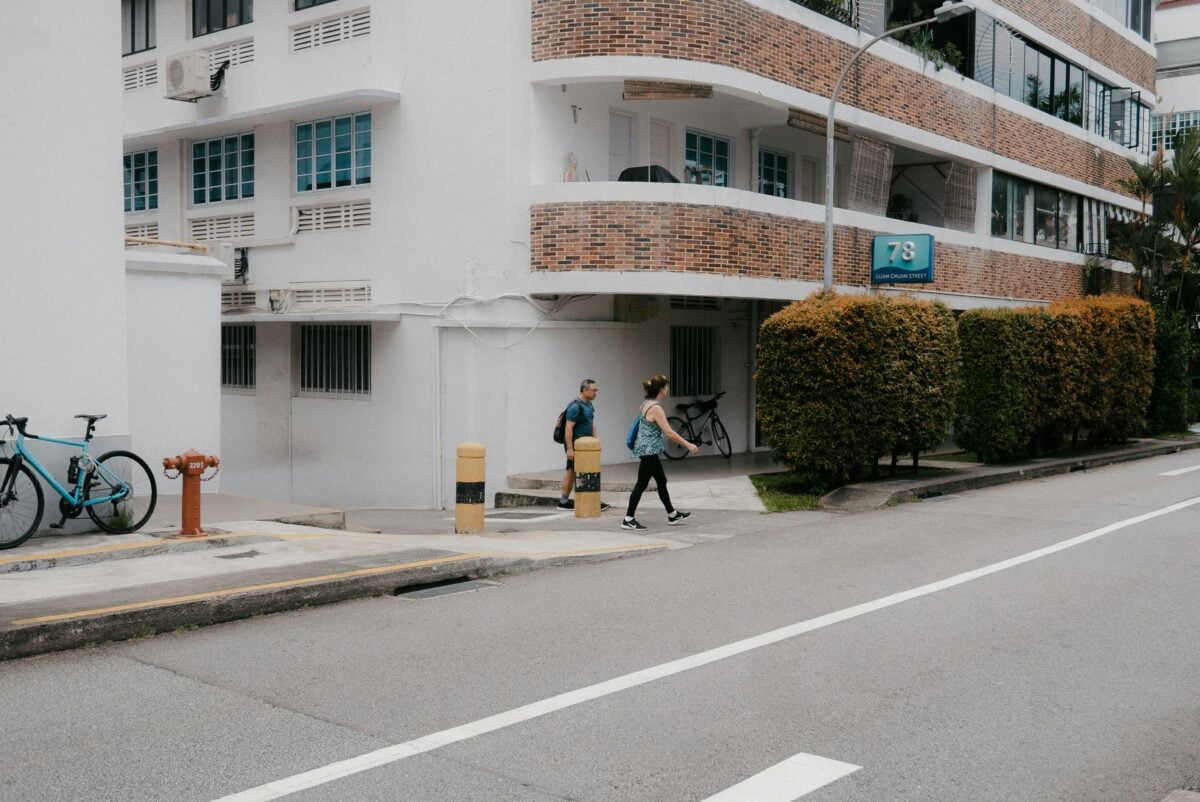
Truth be told, those early street photos weren’t shot for history books. They caught moments as they happened, not as memorials.
Funny how life turns snapshots into relics. These pictures seem distant now, but that distance grew on its own – no one planned it.
Worth staying with, that’s their quiet strength. Built not for archives, but born when eyes caught more than routine – a glance, maybe, or how dusk touched brick one Tuesday.
Places frozen there? Mostly vanished today, swapped out slowly by new shapes wearing old names.
Yet the photos keep that hour alive. Crowds fill the sidewalk, just like before.
For one breath, each person remains – frozen mid-step, caught in place.
More from Go2Tutors!

- The Romanov Crown Jewels and Their Tragic Fate
- 13 Historical Mysteries That Science Still Can’t Solve
- Famous Hoaxes That Fooled the World for Years
- 15 Child Stars with Tragic Adult Lives
- 16 Famous Jewelry Pieces in History
Like Go2Tutors’s content? Follow us on MSN.