Space Facts That Defy Common SenseNASASpace Facts That Defy Common Sense
Space continues to surprise us with truths that challenge everything most people think they know about the universe. The vast emptiness beyond our planet operates by rules so different from Earth that many discoveries sound more like fiction than reality.
Here’s some fascinating facts about space that defy our human logic.
Sound travels nowhere in the vacuum of space
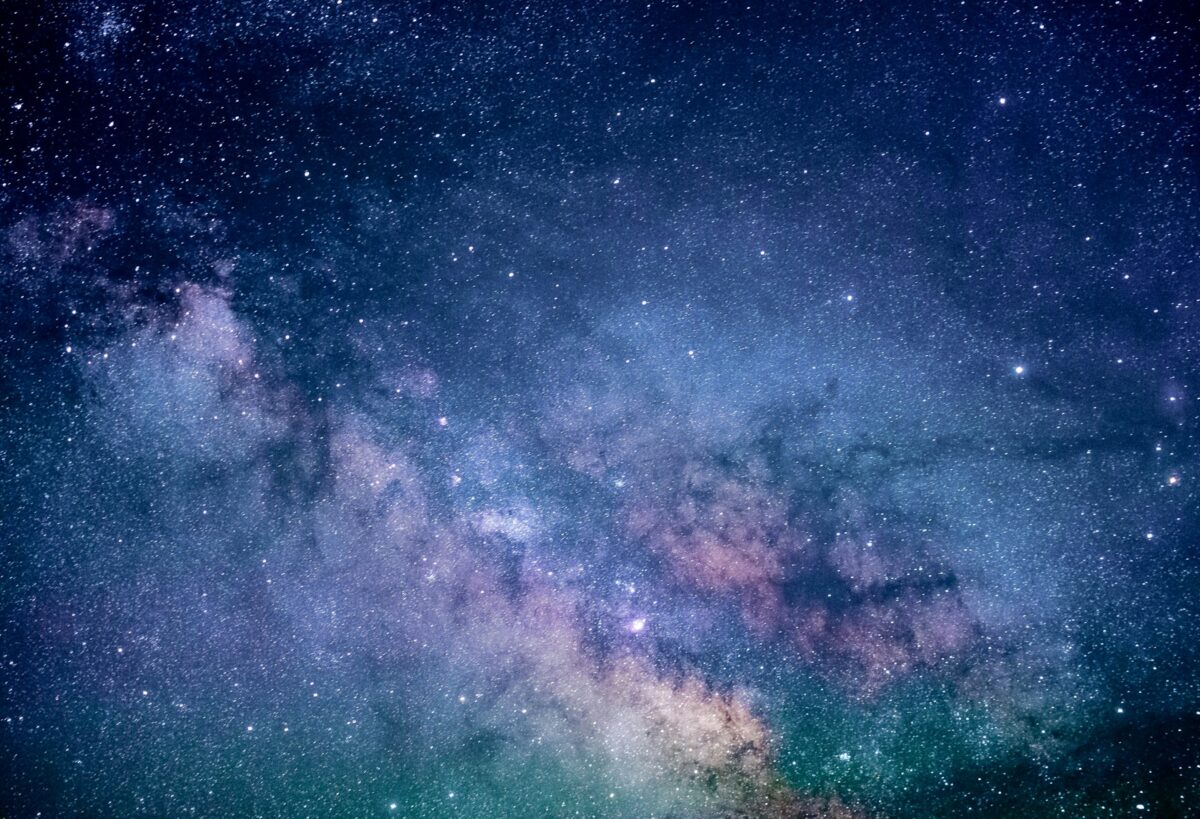
Movies love to show spaceships exploding with thunderous booms, but space remains completely silent. Without air molecules to carry sound waves, even the biggest explosion produces no noise at all.
Astronauts communicate through radio waves instead of shouting to each other. This eerie silence means that if someone could somehow survive in space without a suit, they wouldn’t hear their own screams.
A day on Venus lasts longer than its year
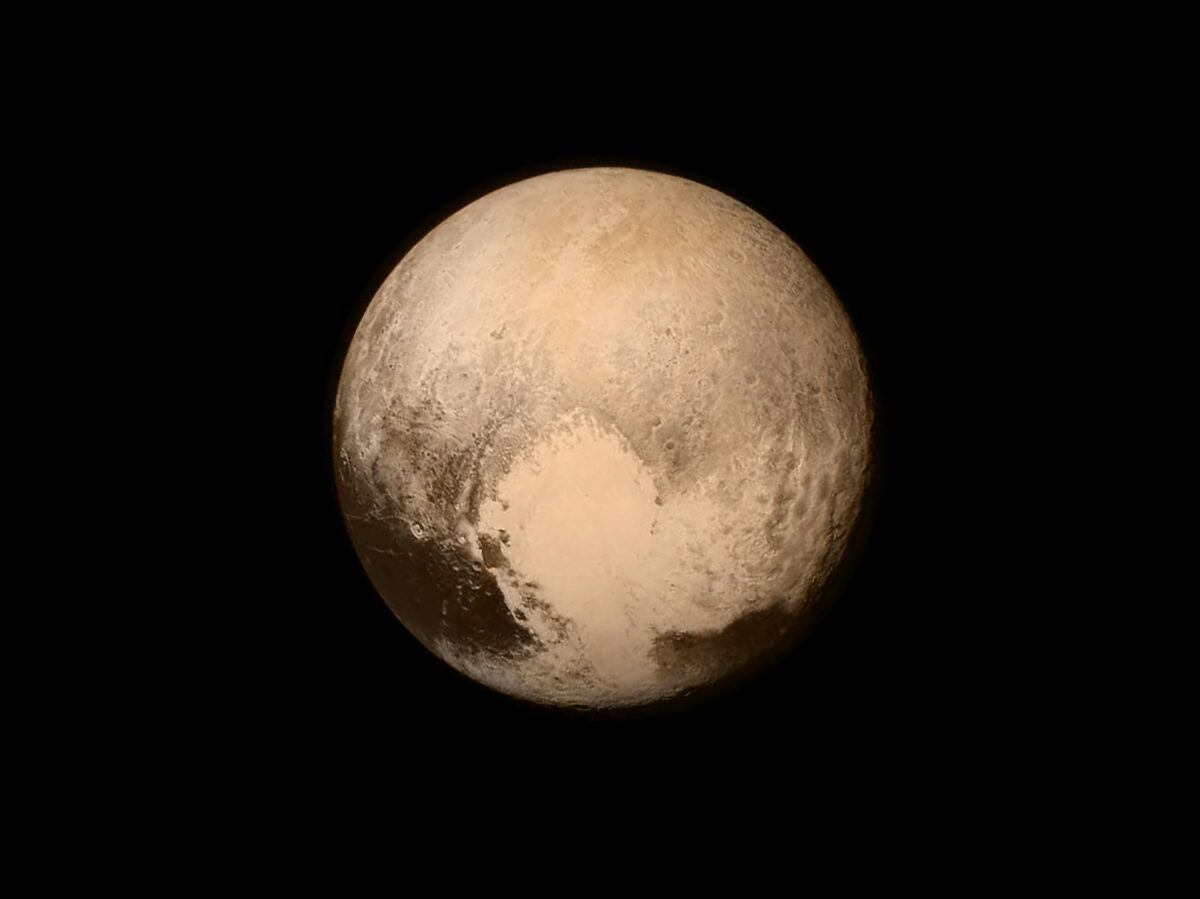
Venus spins so slowly on its axis that one full rotation takes 243 Earth days. However, Venus only needs 225 Earth days to orbit around the sun.
This backward math means that a single day on Venus actually outlasts an entire Venusian year. The planet also spins in the opposite direction compared to most other planets.
Like Go2Tutors’s content? Follow us on MSN.
Neutron stars spin faster than blender blades
These collapsed stars pack more mass than our sun into a sphere just 12 miles wide. Some neutron stars rotate over 700 times per second, making them spin faster than any machine on Earth.
A teaspoon of neutron star material would weigh about 6 billion tons. The surface gravity pulls so hard that mountains on these stars never grow taller than a few millimeters.
Saturn would float in water if there was an ocean big enough
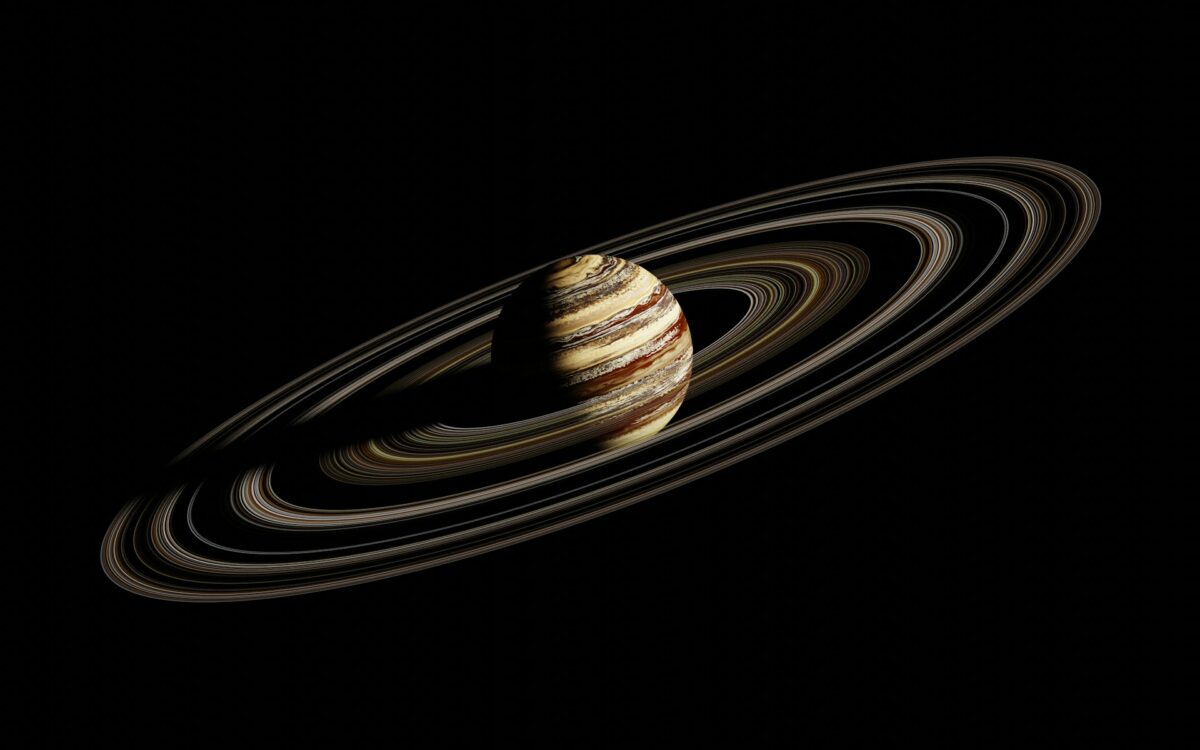
Despite being the second largest planet in our solar system, Saturn has such low density that it would bob like a cork in water. The planet consists mostly of hydrogen and helium gas, making it less dense than water.
Jupiter, Uranus, and Neptune would all sink, but Saturn remains the only planet light enough to float. This fact seems impossible when looking at Saturn’s massive size and beautiful rings.
Space is not completely empty
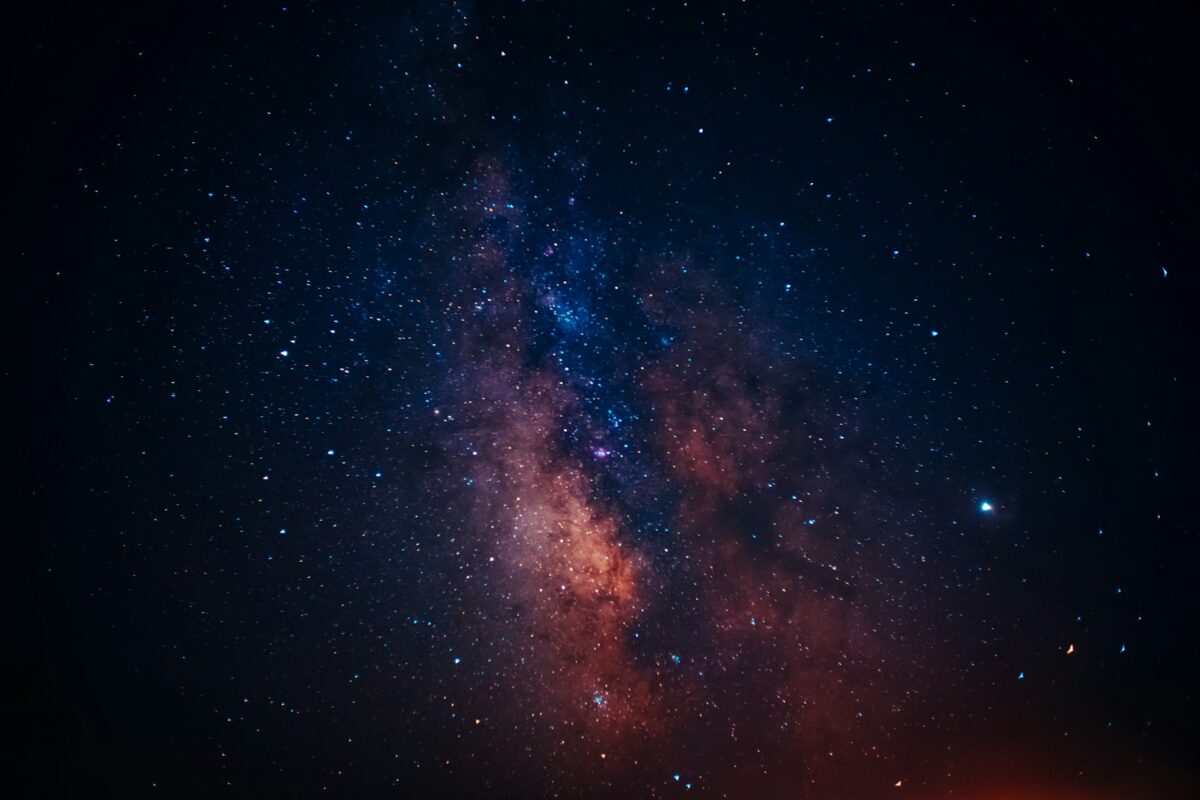
The vacuum of space contains about one atom per cubic centimeter, which sounds empty but isn’t truly nothing. Cosmic rays, electromagnetic radiation, and tiny particles constantly zip through space.
Dark matter and dark energy fill most of the universe, even though scientists can’t see or directly detect these mysterious substances. Even the “emptiest” regions of space contain some form of matter or energy.
Like Go2Tutors’s content? Follow us on MSN.
Astronauts grow taller in space
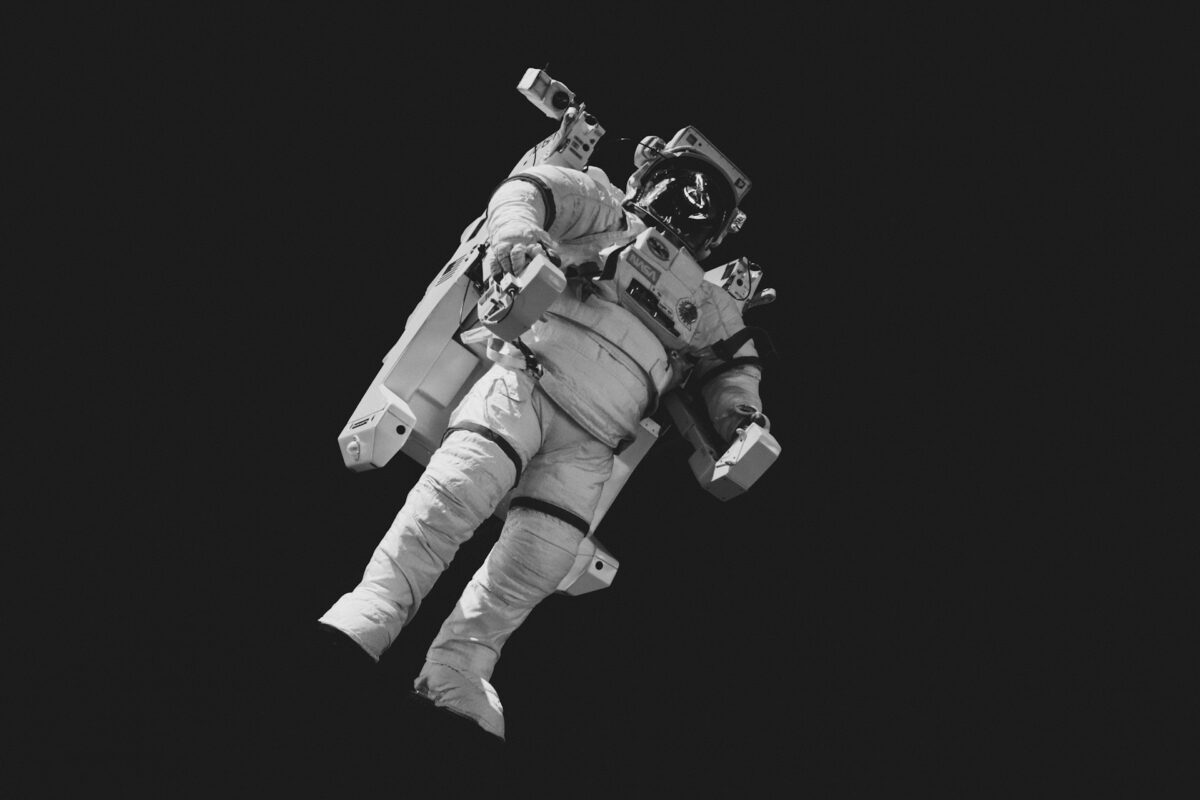
Without gravity constantly compressing their spines, astronauts can grow up to two inches taller during long space missions. The cartilage between vertebrae expands when not pressed down by body weight.
This height increase reverses once astronauts return to Earth and gravity compresses their spines again. Many astronauts also experience back pain as their bodies readjust to Earth’s gravitational pull.
One day on Mercury equals 59 Earth days

Mercury takes nearly two Earth months to complete one full rotation on its axis. However, Mercury’s year only lasts 88 Earth days because it orbits very close to the sun.
The planet experiences extreme temperature swings from 800 degrees Fahrenheit during its long days to minus 300 degrees during its lengthy nights. These dramatic temperature changes happen because Mercury has almost no atmosphere to regulate heat.
Mars has the largest volcano in the solar system

Olympus Mons towers 16 miles high, making it nearly three times taller than Mount Everest. This massive volcano covers an area roughly the size of Arizona and formed because Mars lacks plate tectonics.
Without moving continents to spread volcanic activity around, all the lava kept piling up in the same spot for millions of years. The volcano appears to be dormant now, but scientists aren’t completely certain.
Like Go2Tutors’s content? Follow us on MSN.
Space suits must protect against both freezing cold and burning heat
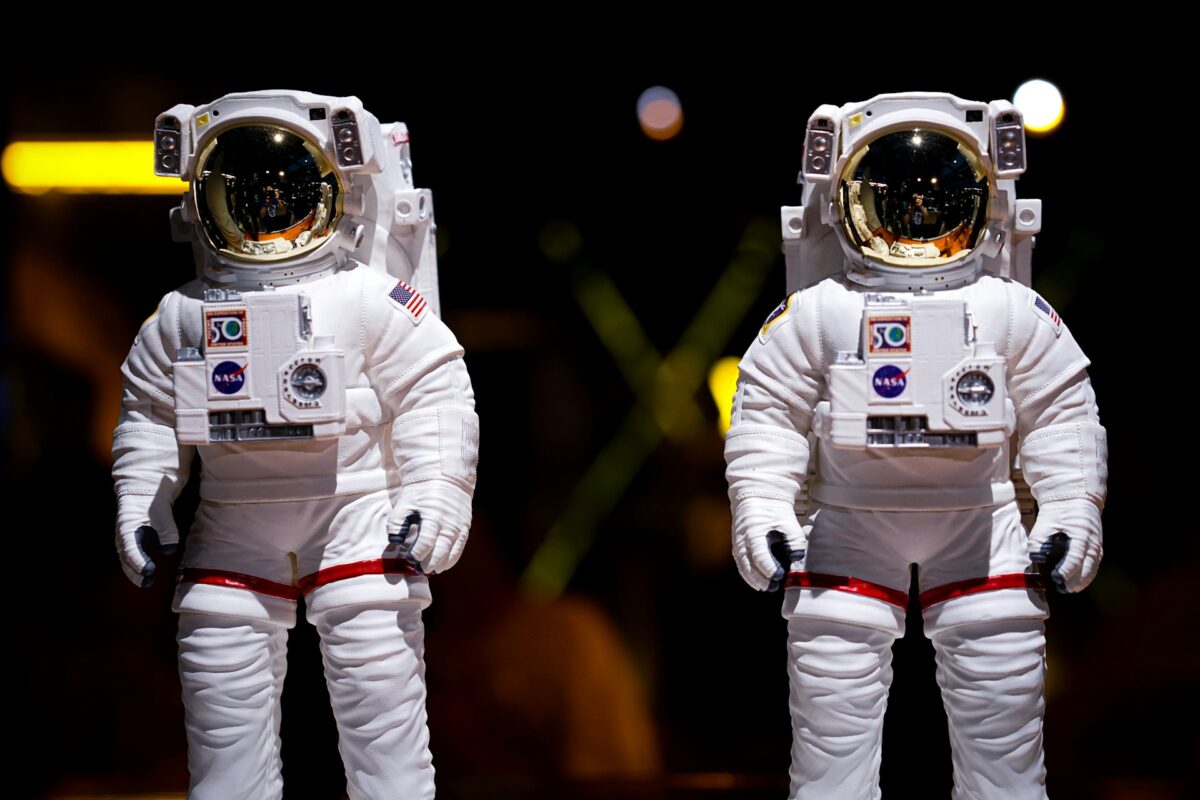
Temperatures in space range from minus 250 degrees Fahrenheit in shadow to plus 250 degrees in direct sunlight. Space suits use multiple layers of insulation and reflective materials to protect astronauts from these extreme temperature swings.
The suits also must maintain proper air pressure since human blood would literally boil in the vacuum of space. Without protection, an astronaut would lose consciousness within 15 seconds and face serious injury within 30 seconds.
Jupiter acts like a cosmic vacuum cleaner
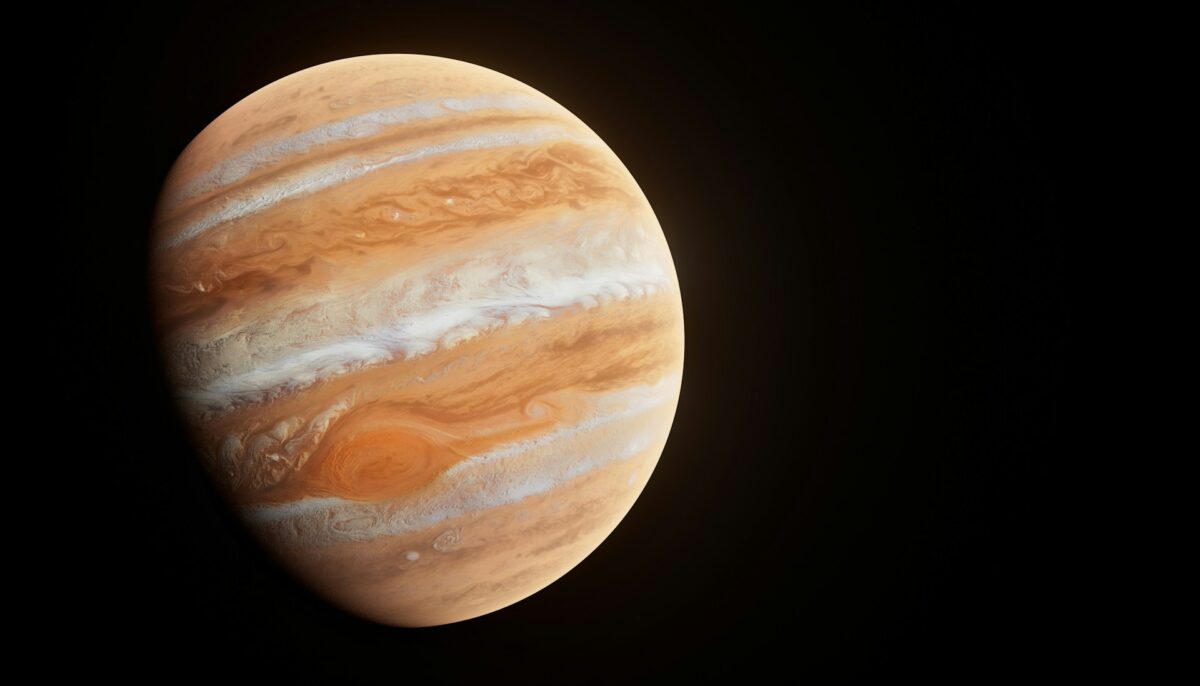
Jupiter’s massive gravity field captures asteroids and comets that might otherwise hit Earth. This giant planet has probably prevented countless impacts on our planet throughout history.
Jupiter’s gravitational influence also affects the orbits of other planets and helps maintain stability in our solar system. Scientists consider Jupiter a “failed star” because it never gathered enough mass to ignite nuclear fusion like the sun.
Light from distant stars shows the past, not the present
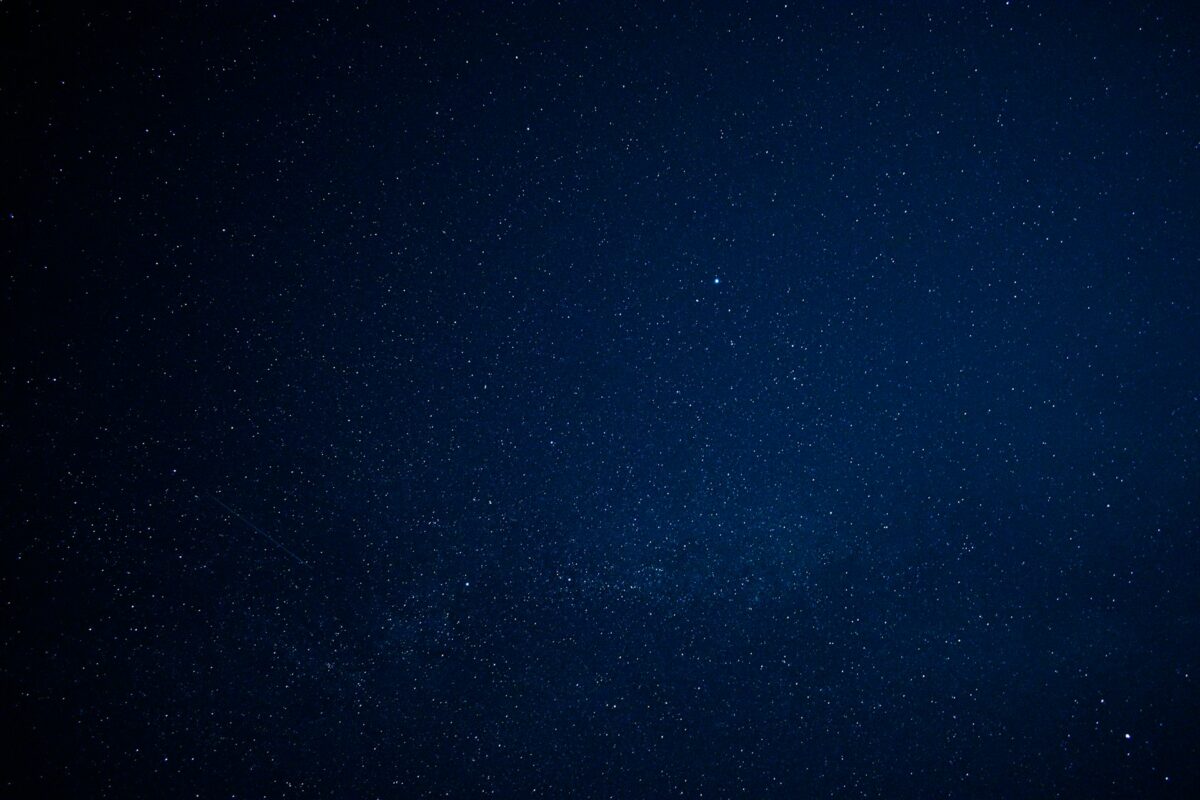
When people look at stars, they see light that left those stars years or even centuries ago. The nearest star beyond our sun sits over four light-years away, meaning its light takes four years to reach Earth.
Some visible stars may have already died, but their light continues traveling through space toward us. Astronomers essentially work as time travelers, studying the universe as it existed in the past.
Like Go2Tutors’s content? Follow us on MSN.
Comets travel in the wrong direction
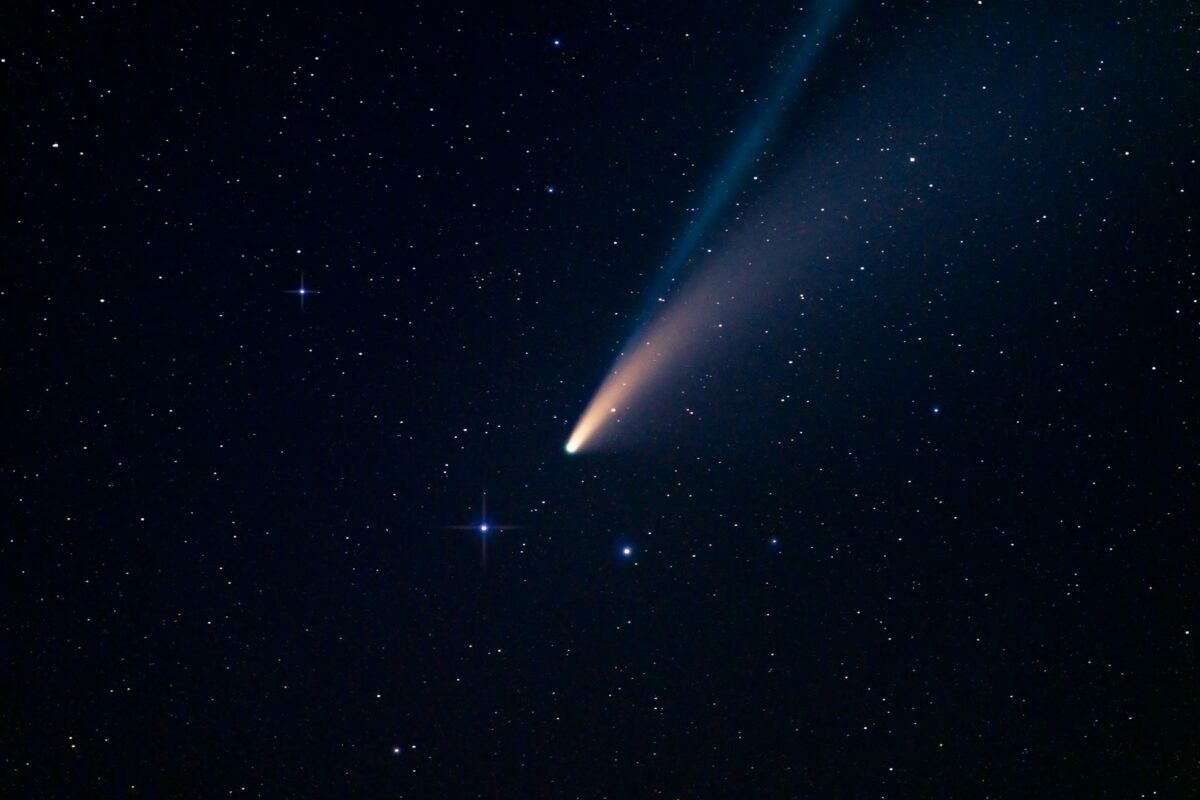
Most comets orbit the sun in the opposite direction compared to planets. These icy visitors come from the Oort Cloud, a sphere of frozen objects surrounding our solar system.
When comets approach the sun, they develop spectacular tails that always point away from the sun regardless of the comet’s direction of travel. The solar wind pushes the comet’s tail behind it, creating these beautiful cosmic displays.
Space contains giant clouds of alcohol
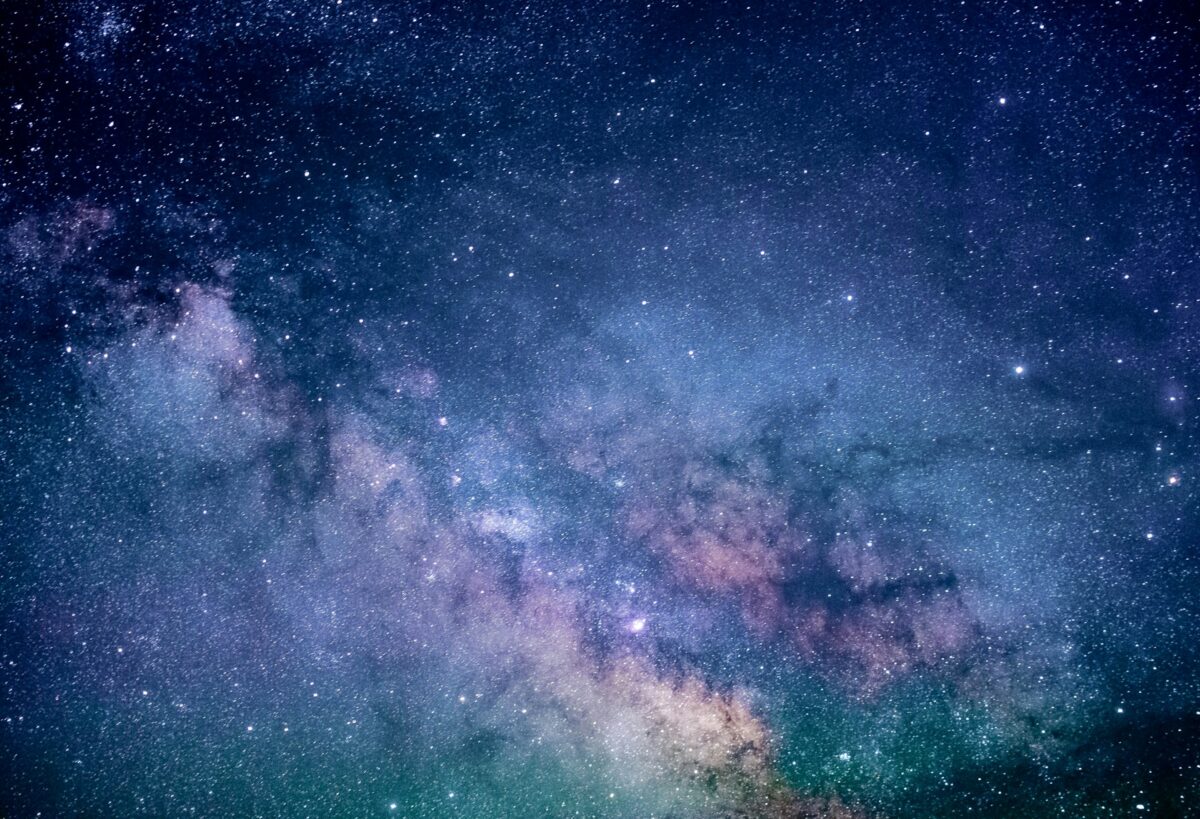
Astronomers have discovered massive clouds of methyl alcohol floating in space near the center of our galaxy. These alcohol clouds span hundreds of billions of miles and contain enough alcohol to fill billions of bottles.
The alcohol forms naturally through chemical reactions in space and exists alongside water and other organic molecules. These discoveries suggest that the ingredients for life might be more common throughout the universe than previously thought.
Gravity on the moon creates strange effects
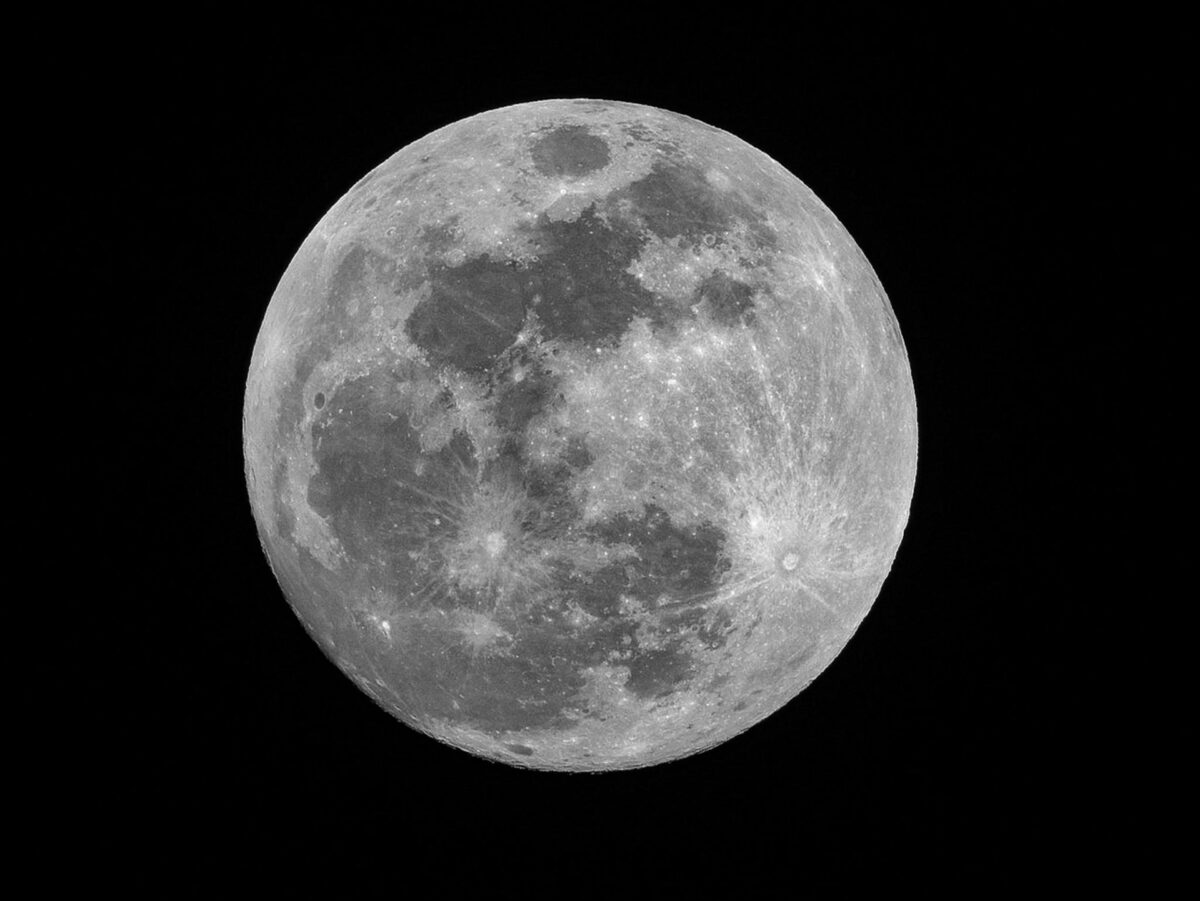
The moon’s gravity is only one-sixth as strong as Earth’s, allowing astronauts to jump incredibly high and far. Dust kicked up by astronauts’ boots travels in perfect arcs without air resistance to slow it down.
Footprints left by Apollo astronauts remain perfectly preserved after more than 50 years because the moon has no weather to erase them. Objects dropped on the moon fall much slower than on Earth, taking longer to hit the ground.
Like Go2Tutors’s content? Follow us on MSN.
Space telescopes see invisible light
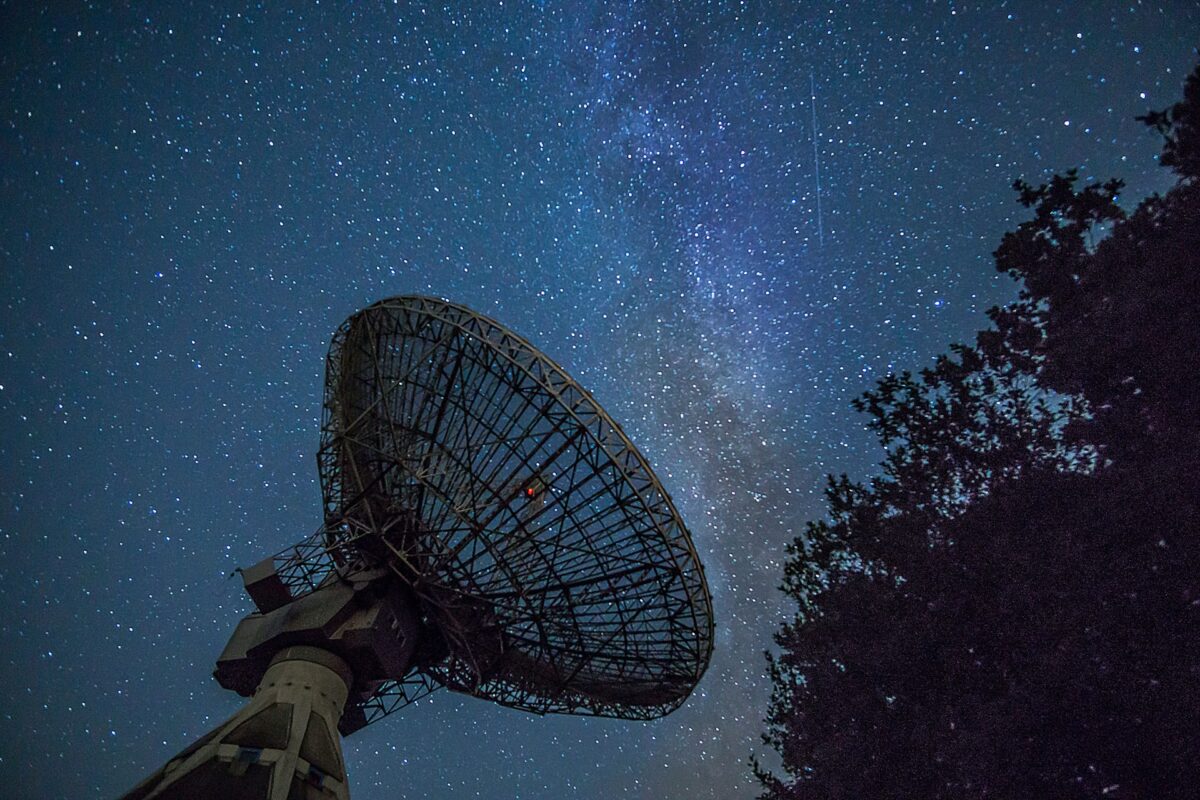
Many space telescopes detect infrared radiation, radio waves, and other forms of light that human eyes cannot see. These invisible wavelengths reveal hidden details about stars, planets, and galaxies that would remain completely invisible to optical telescopes.
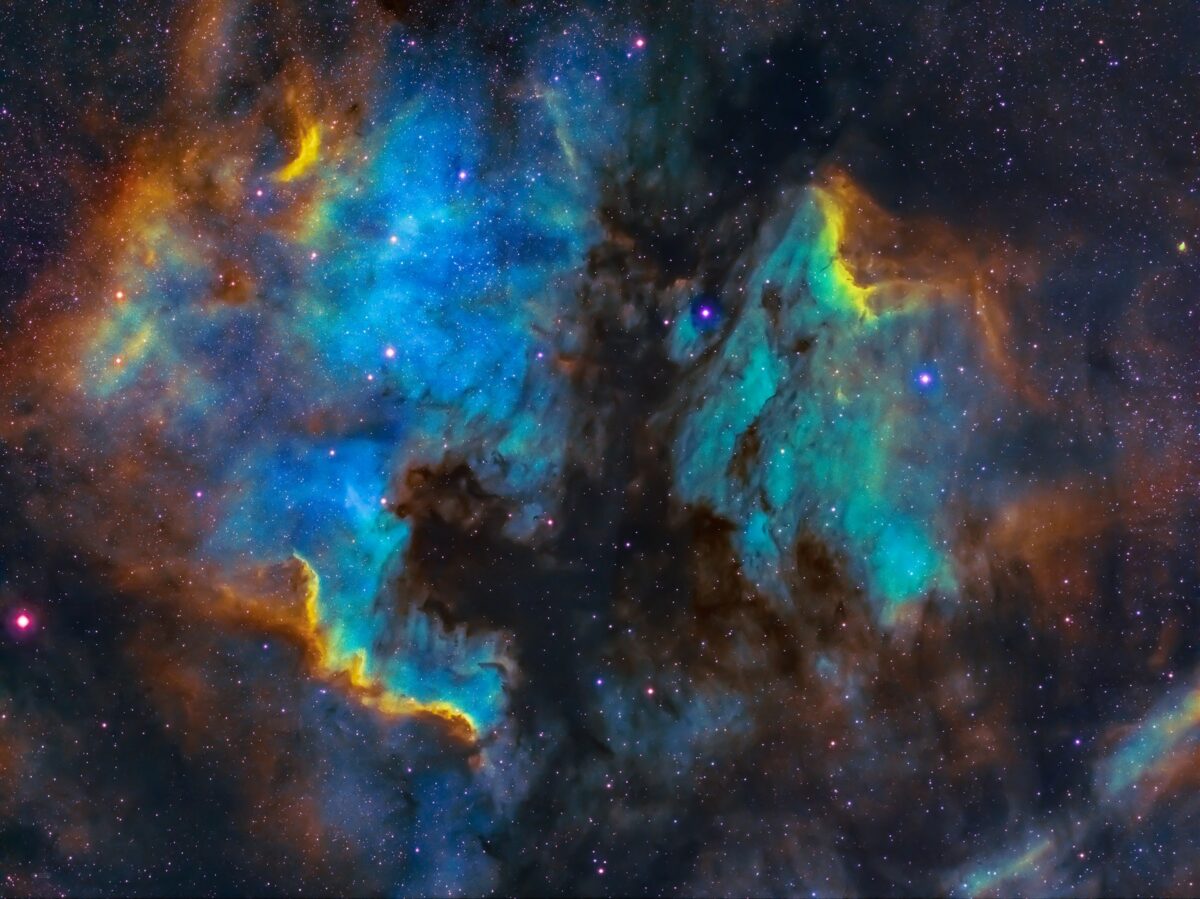
The James Webb Space Telescope uses infrared vision to peer through cosmic dust clouds and see the universe’s earliest galaxies. Different types of invisible light tell astronomers about temperature, chemical composition, and motion of distant objects.
When past meets present through telescopic time machines
These incredible facts remind us that space operates by rules completely different from daily life on Earth. Modern technology allows people to discover and understand phenomena that would have seemed like pure fantasy just decades ago.
The universe continues revealing new surprises that challenge basic assumptions about reality and stretch human imagination. Each new discovery connects us to the vast cosmos while highlighting how much more remains to be learned about our place in this amazing universe.
More from Go2Tutors!

- 16 Historical Figures Who Were Nothing Like You Think
- 12 Things Sold in the 80s That Are Now Illegal
- 15 VHS Tapes That Could Be Worth Thousands
- 17 Historical “What Ifs” That Would Have Changed Everything
- 18 TV Shows That Vanished Without a Finale
Like Go2Tutors’s content? Follow us on MSN.