14 Everyday Things with Secret Histories
We’re surrounded by ordinary objects that we use without giving them a second thought. The coffee cup on your desk, the zipper on your jacket, the bubble wrap in that package—all of these familiar items have fascinating backstories that most people never learn. Many started out as something completely different from what they are today, while others were invented by accident or born out of necessity during wartime.
Here are 14 everyday things whose secret histories might surprise you and change how you look at them forever.
Bubble Wrap

This addictive popping material wasn’t originally meant for packaging at all. In 1957, engineers Alfred Fielding and Marc Chavannes were trying to create a textured wallpaper by sealing two shower curtains together.
When that didn’t work out, they thought maybe it could be greenhouse insulation. The packaging use only came about three years later when IBM needed something to protect their new computers during shipping.
Kleenex

These tissues started life as gas mask filters during World War I. The Kimberly-Clark company developed a cotton substitute called cellucotton that was five times more absorbent than regular cotton and much cheaper to produce.
After the war ended, they had tons of this material sitting around and needed to find a peacetime use for it. They initially marketed it as a makeup remover called Kleenex, but customers kept writing in to say they were using it to blow their noses instead.
Like Go2Tutors’s content? Follow us on MSN.
Duct Tape
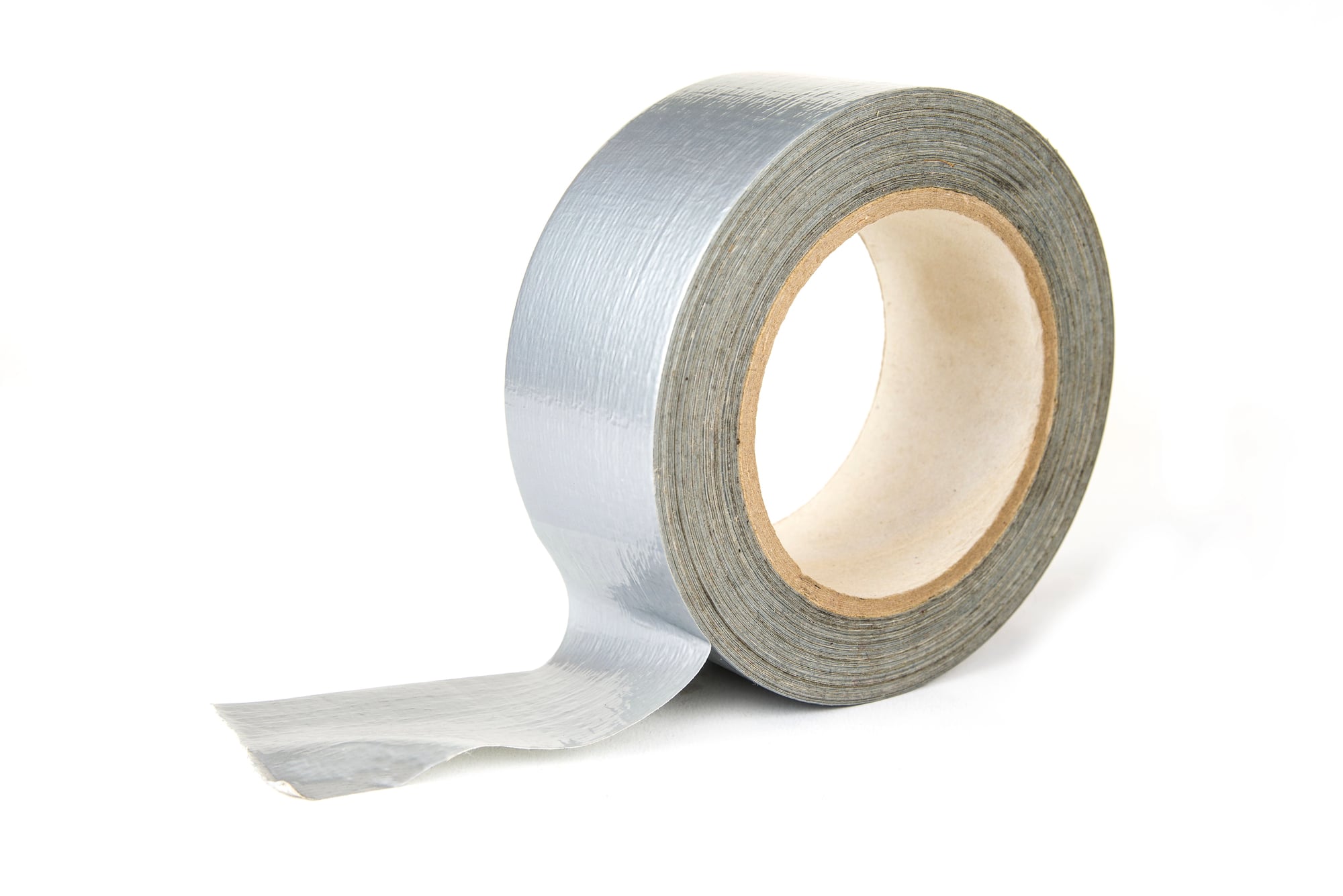
Despite its name, duct tape was never meant for ducts and actually shouldn’t be used on them because the adhesive breaks down in heating and cooling systems. During World War II, Johnson & Johnson created this waterproof tape for ammunition boxes, and soldiers called it ‘duck tape’ because water rolled off it like a duck’s back.
The tape was so useful that troops started using it to fix everything from jeeps to boots. After the war, it became popular in construction and got its current name because people assumed it was meant for ductwork.
Treadmills

Long before anyone thought about using them for exercise, treadmills were punishment devices in British prisons. Invented in 1818 by Sir William Cubitt, these contraptions forced prisoners to climb an endless series of steps that powered mills or water pumps.
Prisoners would spend hours walking nowhere, grinding grain or pumping water for the prison. The treadmill was considered such effective torture that it was eventually banned as cruel and unusual punishment.
Chainsaws

The first chainsaws had nothing to do with cutting down trees—they were medical instruments designed to help with difficult childbirths. In 1830, German orthopedist Bernhard Heine created a small, hand-cranked chainsaw to cut through pelvic bone during complicated deliveries.
These early medical chainsaws were only about 12 inches long and looked more like kitchen appliances than power tools. It wasn’t until the 1920s that someone realized these devices might work well for cutting wood.
Like Go2Tutors’s content? Follow us on MSN.
Play-Doh

This colorful modeling compound was originally a wallpaper cleaner sold to housewives in the 1950s. The putty-like substance was designed to remove soot and dirt from wallpaper before vacuum cleaners became common in homes.
Sales were declining when a teacher noticed that kids in her classroom were playing with the wallpaper cleaner and making sculptures with it. The company removed the detergent from the formula, added bright colors and a pleasant smell, and rebranded it as a children’s toy.
Cornflakes

Dr. John Harvey Kellogg invented cornflakes in 1894 as part of his crusade against what he considered unhealthy desires. He ran a health sanitarium and believed that bland, unseasoned food would suppress people’s urges and promote moral purity.
Cornflakes were specifically designed to be as boring and unappetizing as possible. Kellogg was horrified when his brother Will added sugar to make them taste better and started selling them commercially.
Frisbee

The flying disc toy got its start in the 1870s as pie tins from the Frisbie Pie Company in Connecticut. College students discovered that these empty pie plates flew pretty well when you threw them, and ‘Frisbie-ing’ became a popular campus activity.
Walter Morrison saw students playing with pie tins in the 1940s and realized he could make a better flying disc out of plastic. He called his version the Pluto Platter, but when Wham-O bought the rights in 1957, they renamed it Frisbee.
Like Go2Tutors’s content? Follow us on MSN.
Slinky
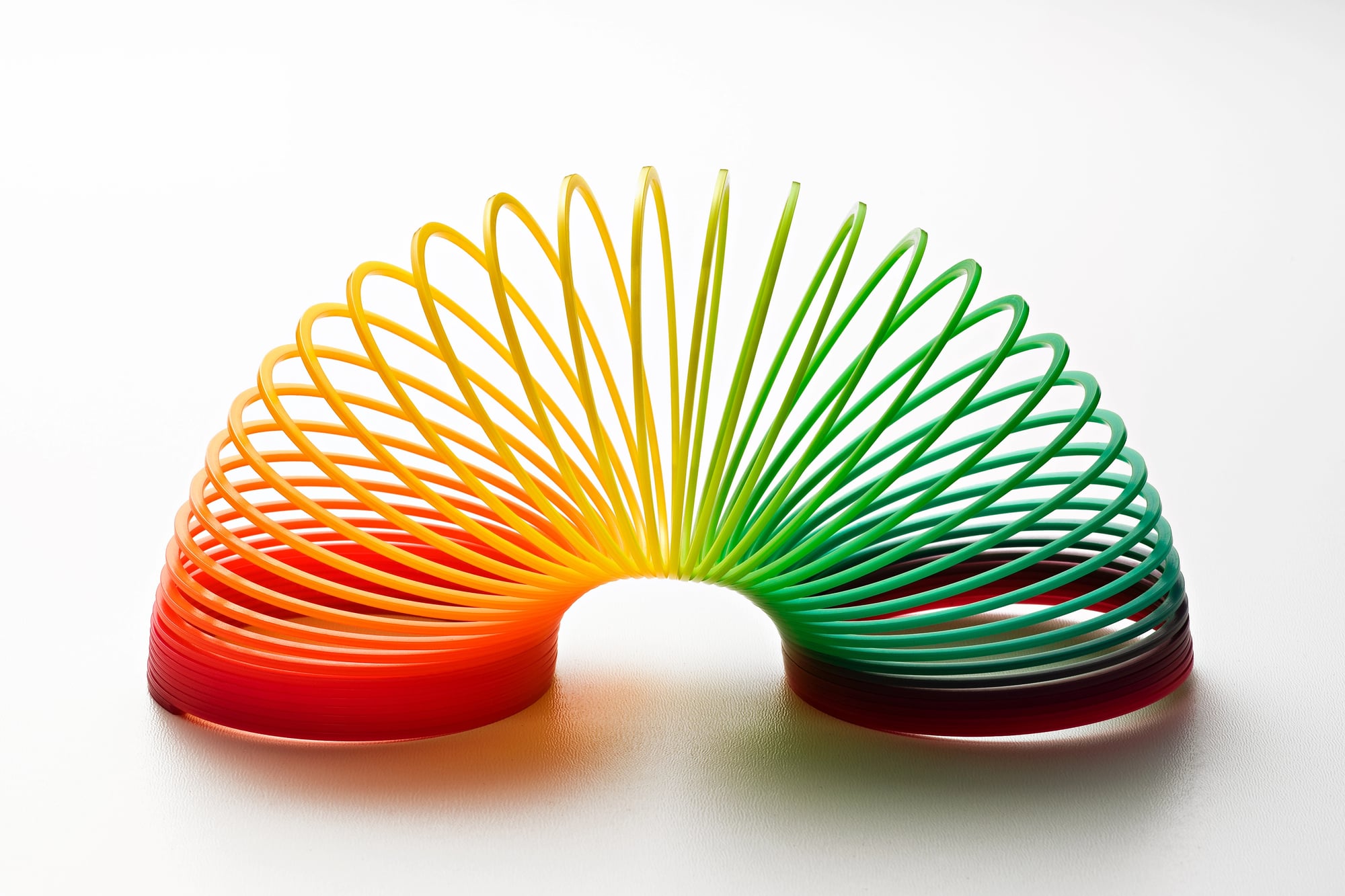
This toy spring was accidentally discovered by naval engineer Richard James in 1943 while he was working on springs for ship instruments. He knocked a tension spring off his workbench and watched in amazement as it ‘walked’ down a stack of books, then across the floor.
James spent two years perfecting the spring’s proportions and figuring out the right type of steel to use. His wife Betty came up with the name Slinky after looking through the dictionary for a word that meant sleek and graceful.
Velcro

Swiss engineer George de Mestral got the idea for Velcro in 1941 after taking his dog for a walk in the woods and noticing how burr seeds stuck to both his pants and his dog’s fur. He examined the burrs under a microscope and saw tiny hooks that grabbed onto fabric loops.
It took him eight years to figure out how to recreate this natural fastening system using nylon, and another few years to convince manufacturers that his ‘zipperless zipper’ was worth producing. NASA’s use of Velcro in space missions finally gave it the credibility boost it needed.
Superglue
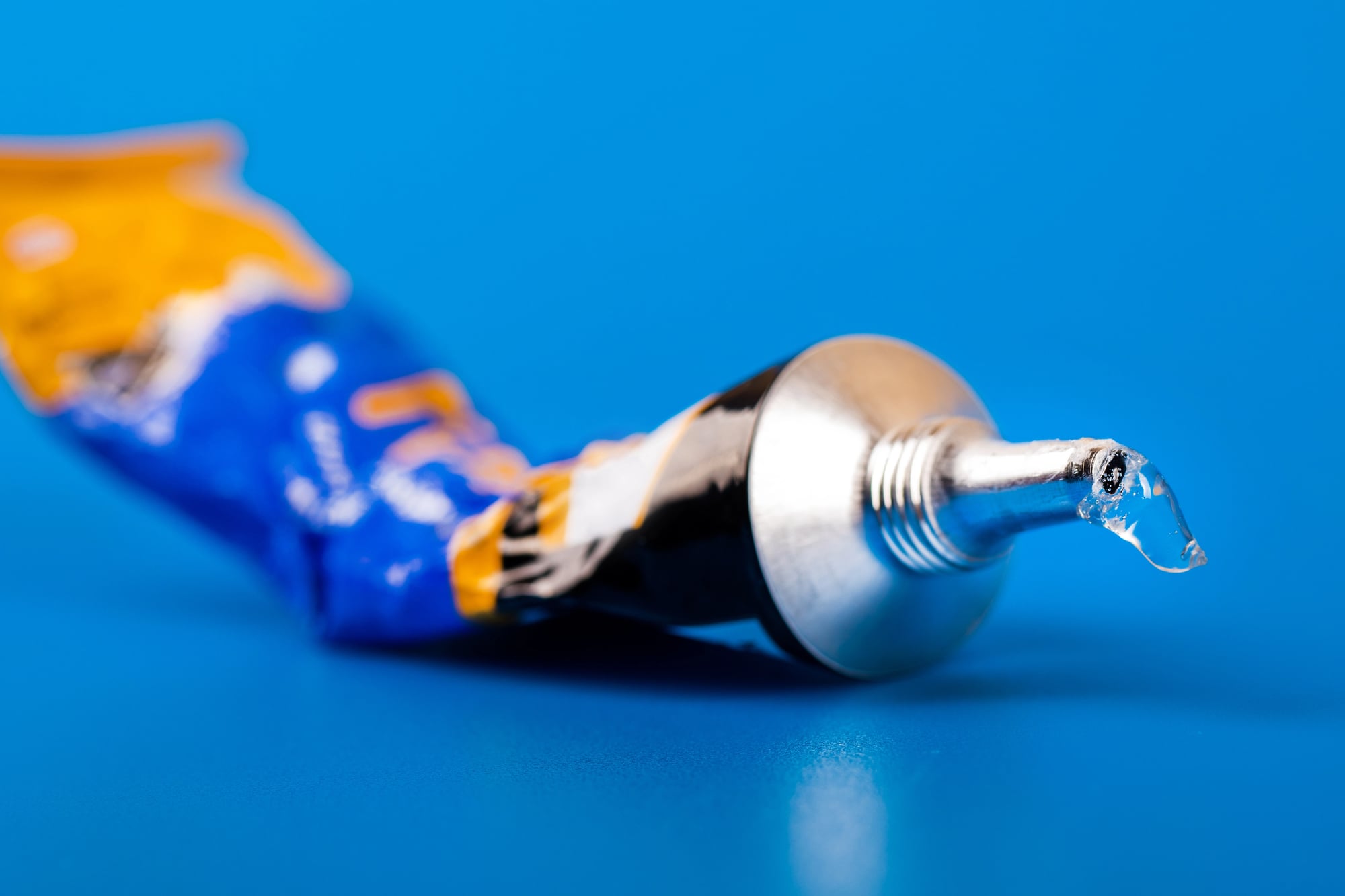
Cyanoacrylate adhesive was discovered twice by accident at Eastman Kodak. In 1942, chemist Harry Coover was trying to make clear plastic gun sights for World War II and created a substance that stuck to everything it touched.
He dismissed it as useless because it was too sticky. Nine years later, Coover was working on heat-resistant jet canopies when he rediscovered the same compound and finally realized its potential as an instant adhesive.
Like Go2Tutors’s content? Follow us on MSN.
Post-it Notes

3M scientist Spencer Silver was trying to develop a super-strong adhesive in 1968 but ended up creating one that was barely sticky at all. For years, he couldn’t find a use for his weak glue that could be removed without leaving residue.
His colleague Art Fry sang in a church choir and was frustrated that his bookmarks kept falling out of his hymnal. Fry remembered Silver’s repositionable adhesive and realized it would be perfect for temporary bookmarks.
Microwave Ovens

Percy Spencer discovered microwave cooking in 1945 while working on radar technology for Raytheon. He was standing near a magnetron when he noticed that a chocolate bar in his pocket had melted.
Curious, Spencer tried the same experiment with popcorn kernels, which promptly popped, and then with an egg, which exploded. He realized that microwave radiation could cook food from the inside out much faster than conventional ovens.
Chewing Gum

Modern chewing gum started with a failed business venture involving Mexican general Antonio López de Santa Anna, the same guy who led the attack on the Alamo. In the 1860s, Santa Anna was living in exile in New York and brought chicle, a natural latex from sapodilla trees.
He partnered with inventor Thomas Adams, but their rubber experiments failed completely. Adams noticed that Santa Anna liked to chew pieces of the chicle, so he decided to market it as a chewing gum instead.
Like Go2Tutors’s content? Follow us on MSN.
From Accidents to Icons

These everyday objects remind us that innovation often comes from the most unexpected places. Some of history’s most useful inventions started as complete accidents, failed experiments, or solutions to entirely different problems.
The next time you’re using any of these common items, you’ll know that you’re holding a piece of history that probably began as someone’s happy mistake or desperate attempt to solve a problem they never anticipated.
More from Go2Tutors!

- 16 Historical Figures Who Were Nothing Like You Think
- 12 Things Sold in the 80s That Are Now Illegal
- 15 VHS Tapes That Could Be Worth Thousands
- 17 Historical “What Ifs” That Would Have Changed Everything
- 18 TV Shows That Vanished Without a Finale
Like Go2Tutors’s content? Follow us on MSN.



