15 Greatest Explorers Who Mapped the Unknown
The world once seemed endless, full of blank spaces and uncharted seas. Courageous men and women stepped into those mysteries, often risking their lives to expand the maps and reveal lands, rivers, and oceans that shaped history.
Here’s a list of explorers whose daring journeys carved pathways into the unknown and left stories that still resonate centuries later.
Marco Polo
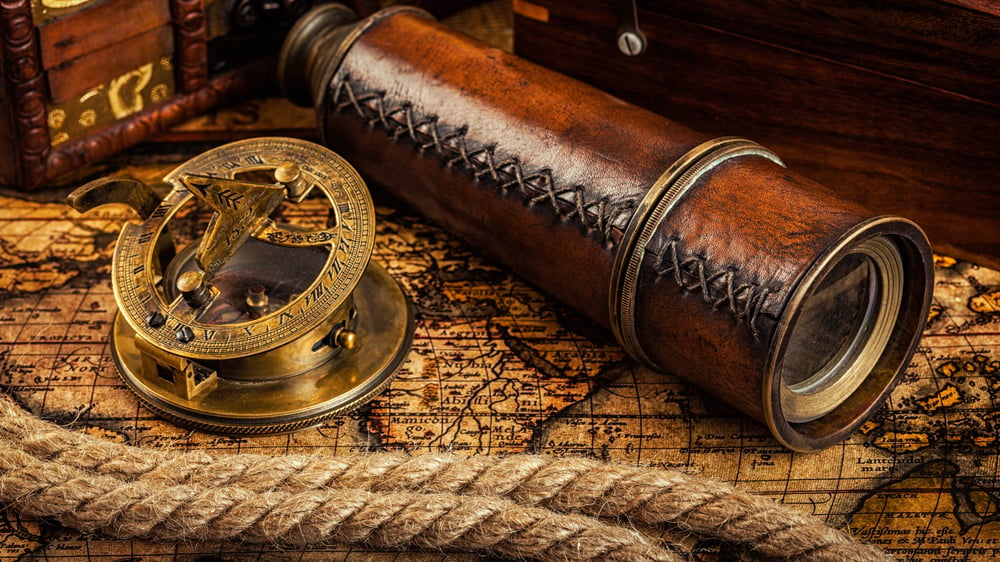
Traveling through Asia in the late 13th century, Marco Polo spent decades exploring the Silk Road and the vast empire of Kublai Khan. His tales introduced Europeans to places, customs, and riches that seemed more myth than reality.
Whether exaggerated or not, his record opened the imagination of the West to lands beyond its reach.
Christopher Columbus
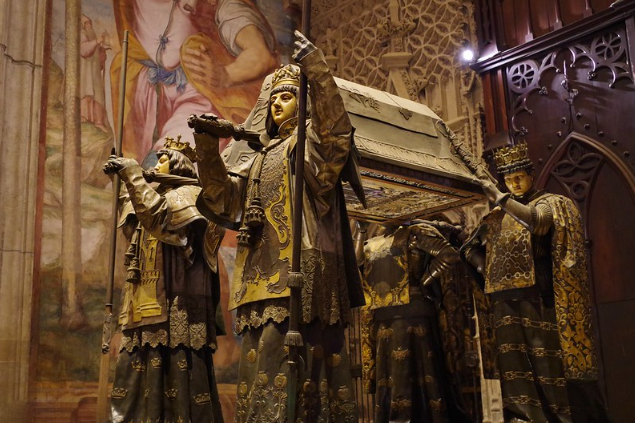
Columbus sailed west from Spain in 1492, convinced he could reach Asia across the Atlantic. Instead, he reached the Caribbean, igniting European exploration of the Americas.
His voyages shifted the world’s balance, though his legacy remains tangled in conquest and controversy. Still, the ripples never stopped.
Like Go2Tutors’s content? Follow us on MSN.
Ferdinand Magellan
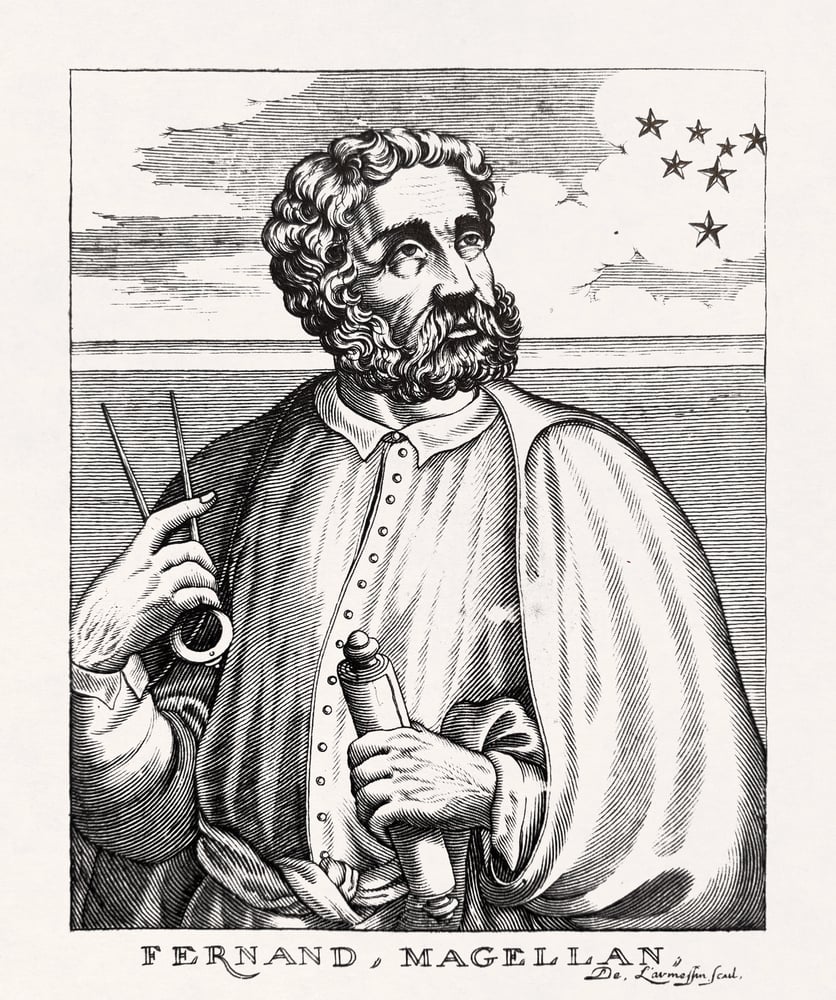
Magellan’s fleet completed the first circumnavigation of the globe, proving the earth could be circled by sea. He didn’t survive the journey himself—killed in the Philippines—but his crew carried it through.
The scale of their voyage was staggering, stitched together across oceans once thought impassable.
Zheng He
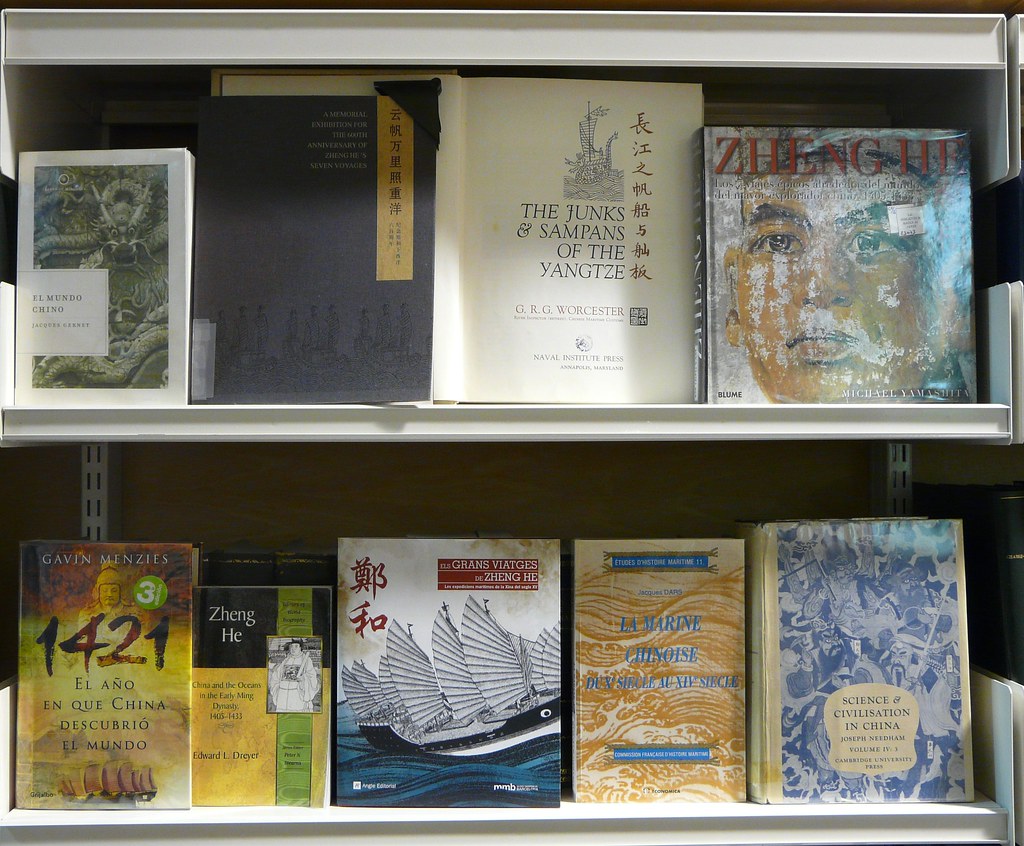
In the early 15th century, Zheng He led massive fleets from China across the Indian Ocean. His “treasure ships” dwarfed most European vessels of the time, sailing as far as Africa.
Imagine the sight: hundreds of ships, thousands of sailors, exotic animals being brought back as gifts. A floating empire.
Like Go2Tutors’s content? Follow us on MSN.
James Cook
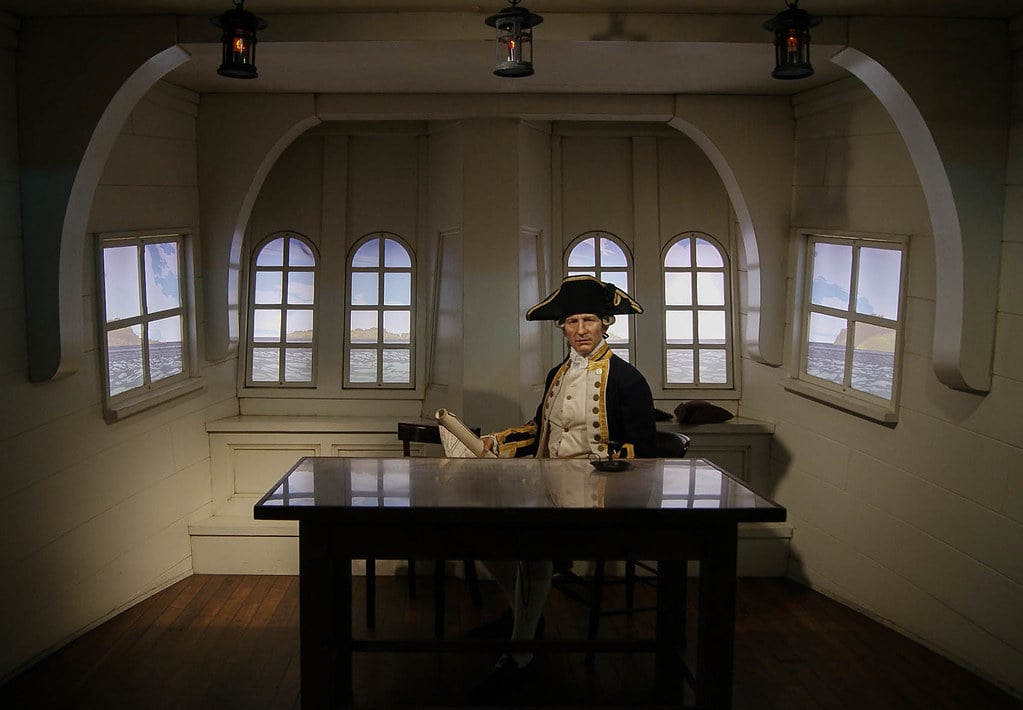
Cook mapped much of the Pacific, charting Australia, New Zealand, and Hawaii with remarkable accuracy. His voyages added vast swaths of detail to global maps, correcting countless errors.
He was also one of the first to battle scurvy effectively, saving countless sailors with diet changes. Salted cabbage, of all things.
Ibn Battuta
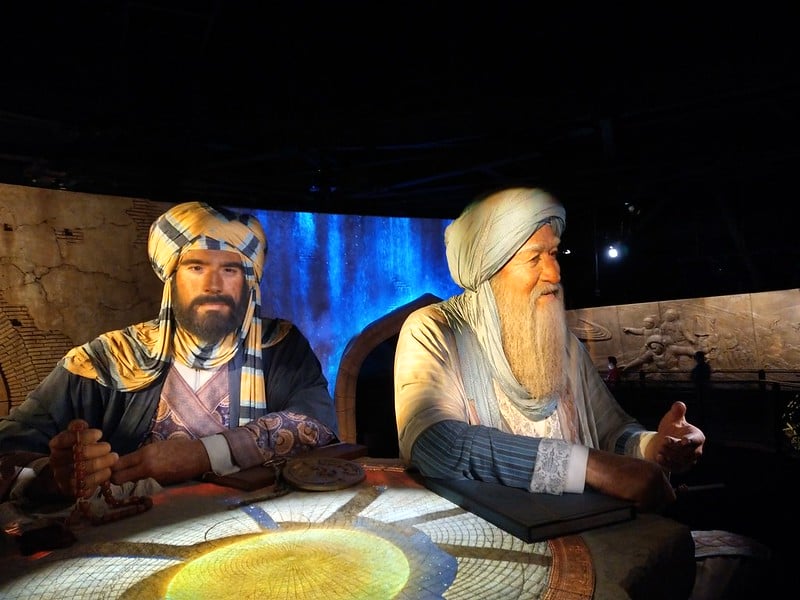
This Moroccan traveler journeyed over 70,000 miles across Africa, the Middle East, India, and beyond in the 14th century. His wanderings stretched over three decades, making him one of history’s most traveled figures.
He recorded courts, cities, deserts, and cultures far removed from one another—threads tying the medieval world together.
Hernán Cortés
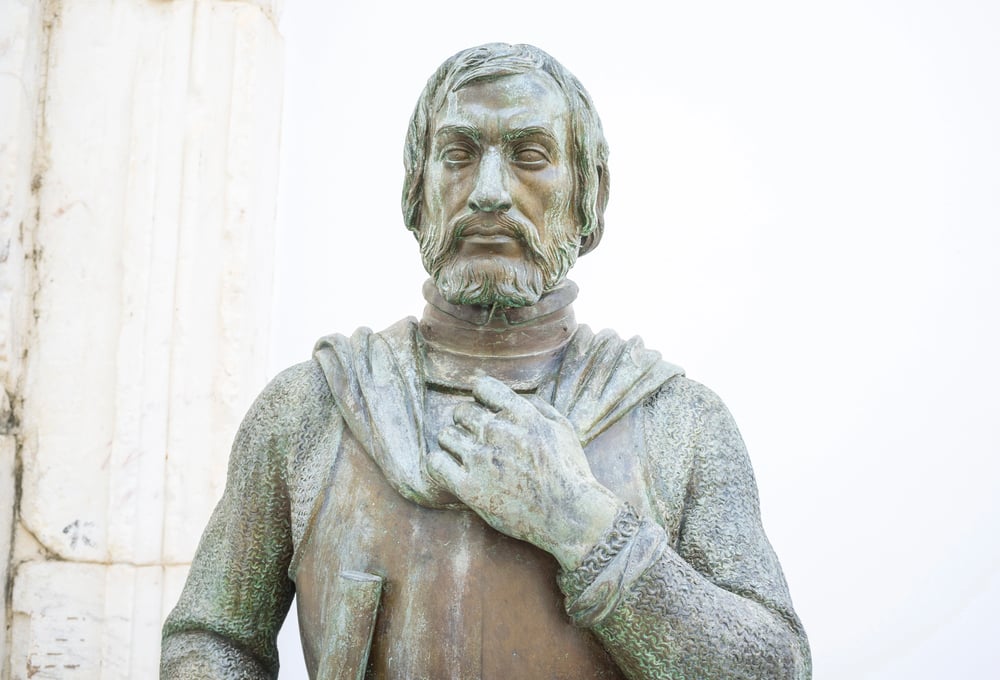
— Photo by WHPics
Cortés carved a path into the heart of Mexico, leading to the fall of the Aztec Empire. Brutal, ambitious, and relentless, he mapped not just land but power structures, shifting control into Spanish hands.
Not great for the Aztecs, life-changing for Europe.
Like Go2Tutors’s content? Follow us on MSN.
Sacagawea
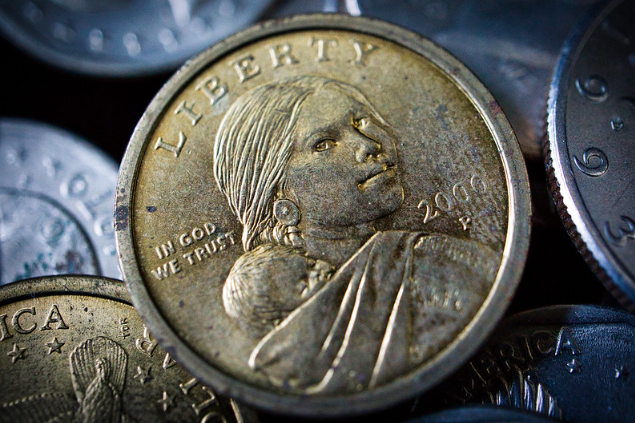
A Shoshone woman, Sacagawea guided the Lewis and Clark expedition across vast, uncharted stretches of North America. Her knowledge of terrain, languages, and survival made their journey possible.
Often carrying her infant as she traveled, she remains one of exploration’s most enduring figures.
Lewis and Clark
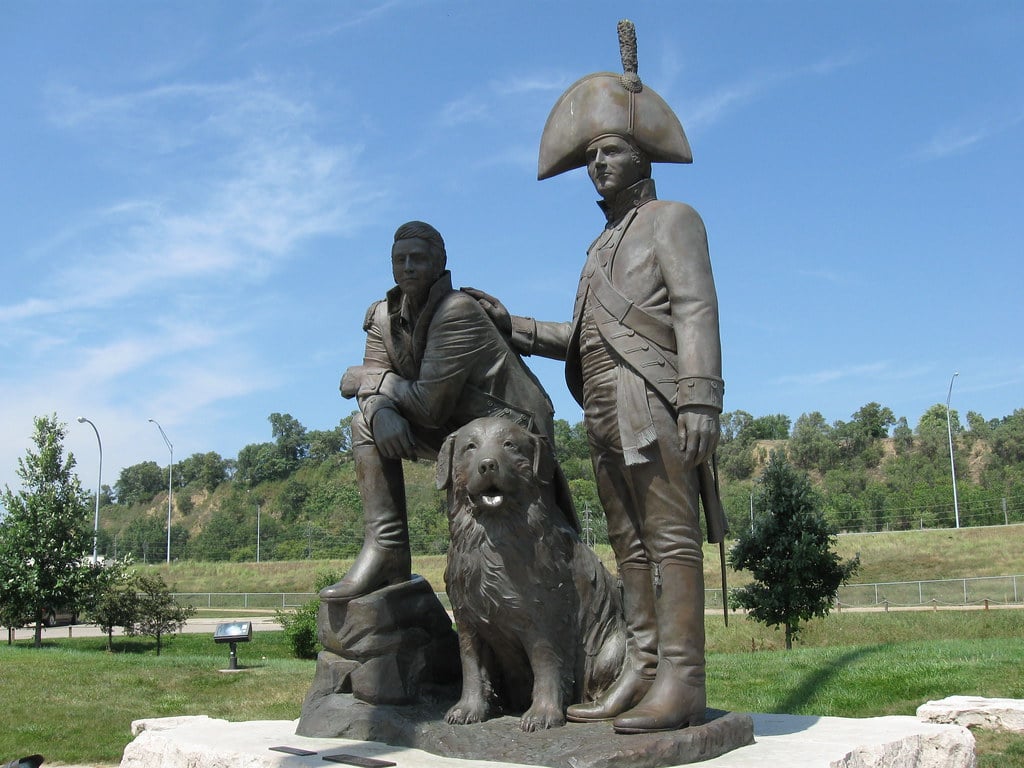
Commissioned to explore the Louisiana Purchase, Meriwether Lewis and William Clark trekked thousands of miles across rivers, mountains, and plains. They charted landscapes, collected samples, and documented tribes previously unknown to the U.S. government. The expedition expanded a young nation’s sense of scale.
David Livingstone
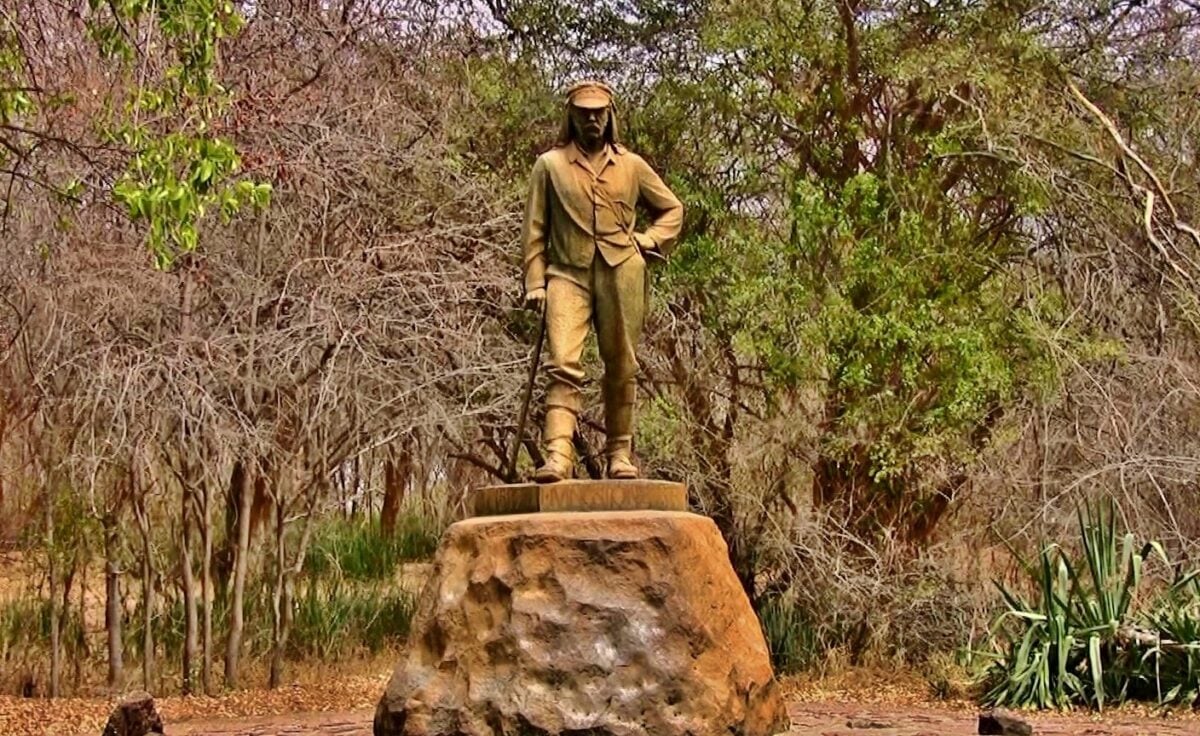
Livingstone wandered deep into Africa, mapping rivers and seeking trade routes. His reports brought European attention to the continent’s interior, though not without colonial consequences.
He famously disappeared for years, sparking the search that ended with the words: “Dr. Livingstone, I presume?”
Like Go2Tutors’s content? Follow us on MSN.
Roald Amundsen
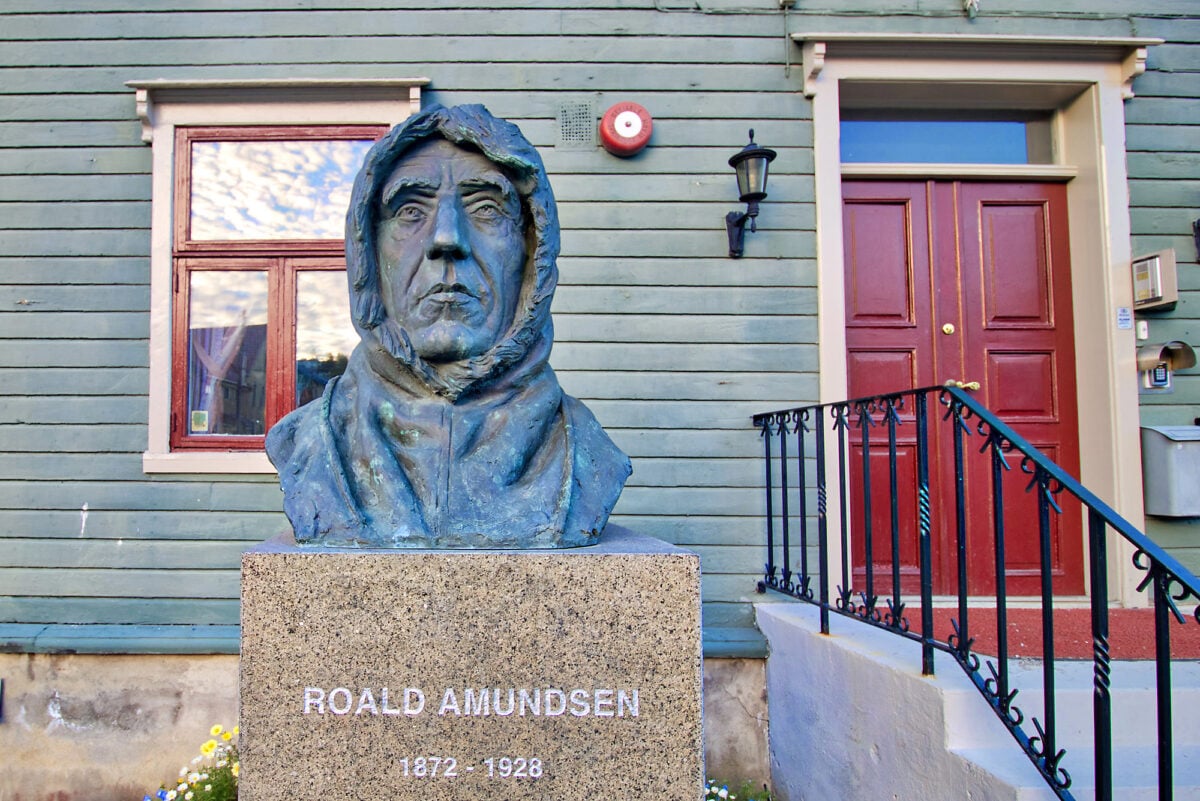
Amundsen was the first to reach the South Pole in 1911, racing against Robert Falcon Scott. His meticulous planning—dogs, furs, and efficient routes—gave him the edge.
Bitter cold, endless ice, and silence. The reward: standing at the bottom of the world.
Ernest Shackleton
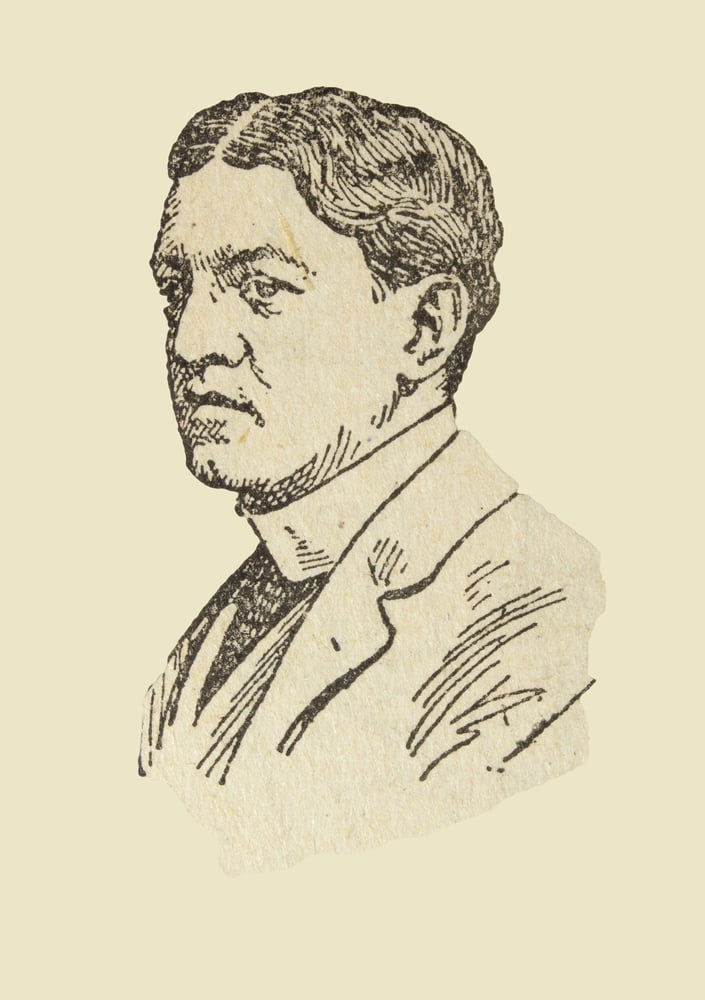
— Illustration by WHPics
Unlike Amundsen, Shackleton is remembered not for reaching the pole but for surviving failure. When his ship, Endurance, was trapped in Antarctic ice, he led his crew through unimaginable hardship to safety.
Leadership under fire turned disaster into legend.
Vasco da Gama
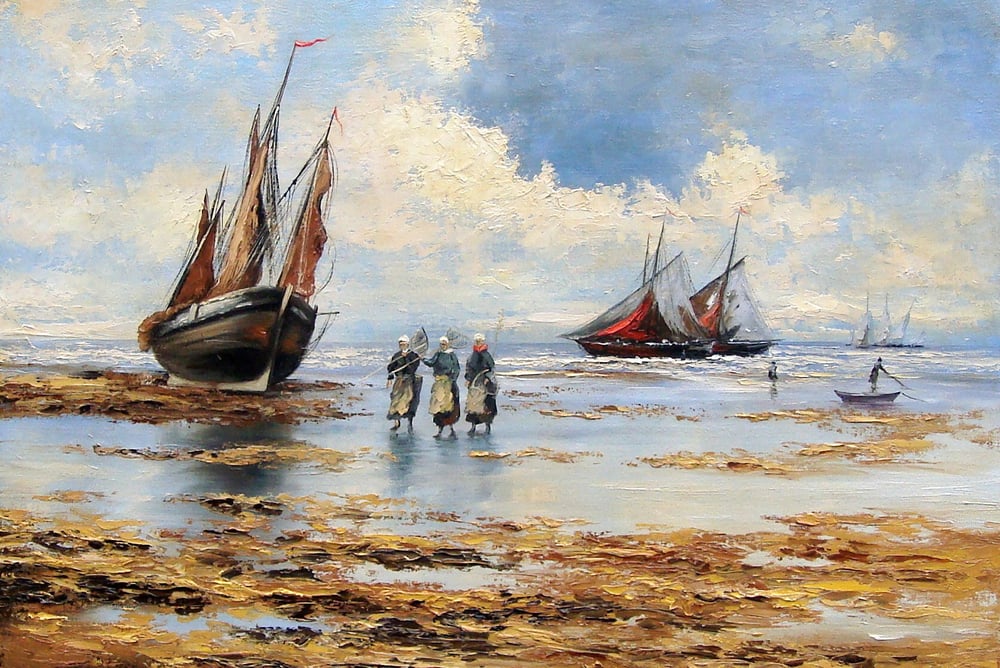
Sailing for Portugal, Vasco da Gama rounded the Cape of Good Hope and reached India by sea, linking Europe and Asia through a maritime route. His voyages brought wealth, spices, and trade opportunities—but also conflict.
Still, the route reshaped global commerce.
Like Go2Tutors’s content? Follow us on MSN.
Amerigo Vespucci
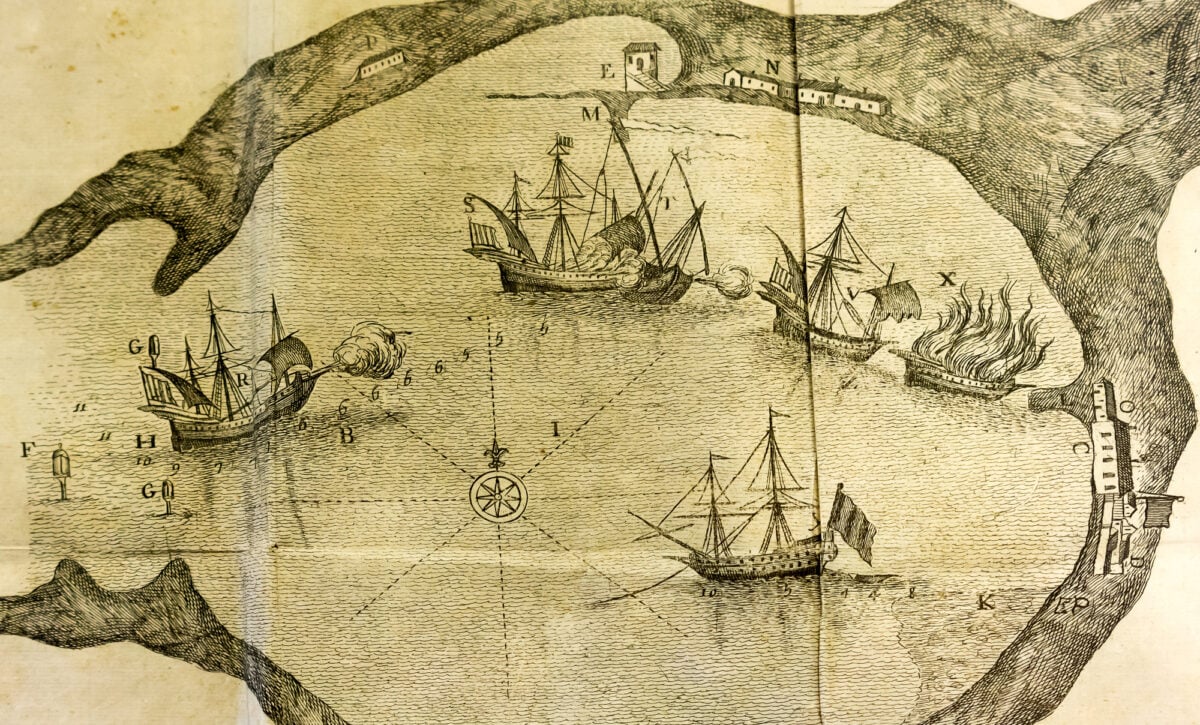
Though less famous than Columbus, Vespucci realized the “New World” was not Asia but an entirely separate continent. His maps and letters spread across Europe, and eventually, the Americas bore his name.
Irony? He didn’t even set out to be remembered so loudly.
Yuri Gagarin
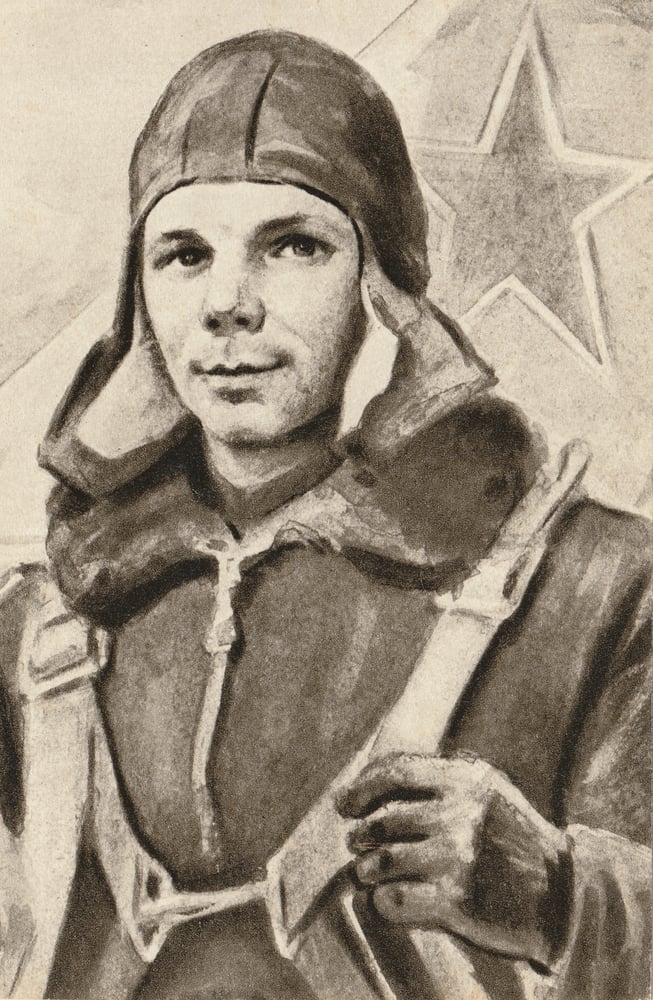
— Illustration by vitalik26
Exploration didn’t stop at oceans. In 1961, Soviet cosmonaut Yuri Gagarin became the first human in space. Just one orbit around Earth, less than two hours, but it changed exploration forever.
The unknown had shifted skyward, and Gagarin’s smile became its symbol.
Legacies Written in Maps

From ocean crossings to space flights, these explorers pushed into the blank spots of human knowledge. Their journeys redrew maps, redefined boundaries, and reshaped cultures.
Each step into the unknown left marks that still chart the course of our shared history.
More from Go2Tutors!

- 16 Historical Figures Who Were Nothing Like You Think
- 12 Things Sold in the 80s That Are Now Illegal
- 15 VHS Tapes That Could Be Worth Thousands
- 17 Historical “What Ifs” That Would Have Changed Everything
- 18 TV Shows That Vanished Without a Finale
Like Go2Tutors’s content? Follow us on MSN.