Famous Hoaxes That Fooled the World for Years
History is full of people who’ve pulled off incredible tricks and made the world believe them—at least for a while. Some were chasing fame, others money, and a few just wanted to see how far they could stretch human gullibility.
What’s most fascinating is how these fabrications managed to fool scientists, journalists, and even governments before the truth finally came to light.Here are 15 famous hoaxes that managed to deceive the world for years—sometimes decades.
Piltdown Man

In 1912, amateur archaeologist Charles Dawson claimed he’d uncovered the long-sought missing link between apes and humans in a gravel pit near Piltdown, England. The skull appeared to have a human-sized brain paired with an ape-like jaw—perfect evolutionary evidence.
For over 40 years, scientists accepted it without question. Then in 1953, modern testing exposed the truth: someone had pieced together a medieval human skull with an orangutan’s jaw, filed the teeth, and stained the bones to make them look ancient.
It was one of science’s longest-running embarrassments.
The Cardiff Giant

George Hull, a New York tobacconist and atheist, once argued about the biblical story of giants—and decided to make his point with a joke that got wildly out of hand. In 1869, he commissioned a 10-foot figure carved from gypsum, aged it with acid and ink, and buried it on his cousin’s farm in Cardiff.
When workers “discovered” the petrified man, crowds lined up and paid to see it. Even the great P.T. Barnum tried to buy it.
The truth came out soon after—it was nothing but an elaborate prank that paid off far better than Hull expected.
Like Go2Tutors’s content? Follow us on MSN.
The War of the Worlds Broadcast
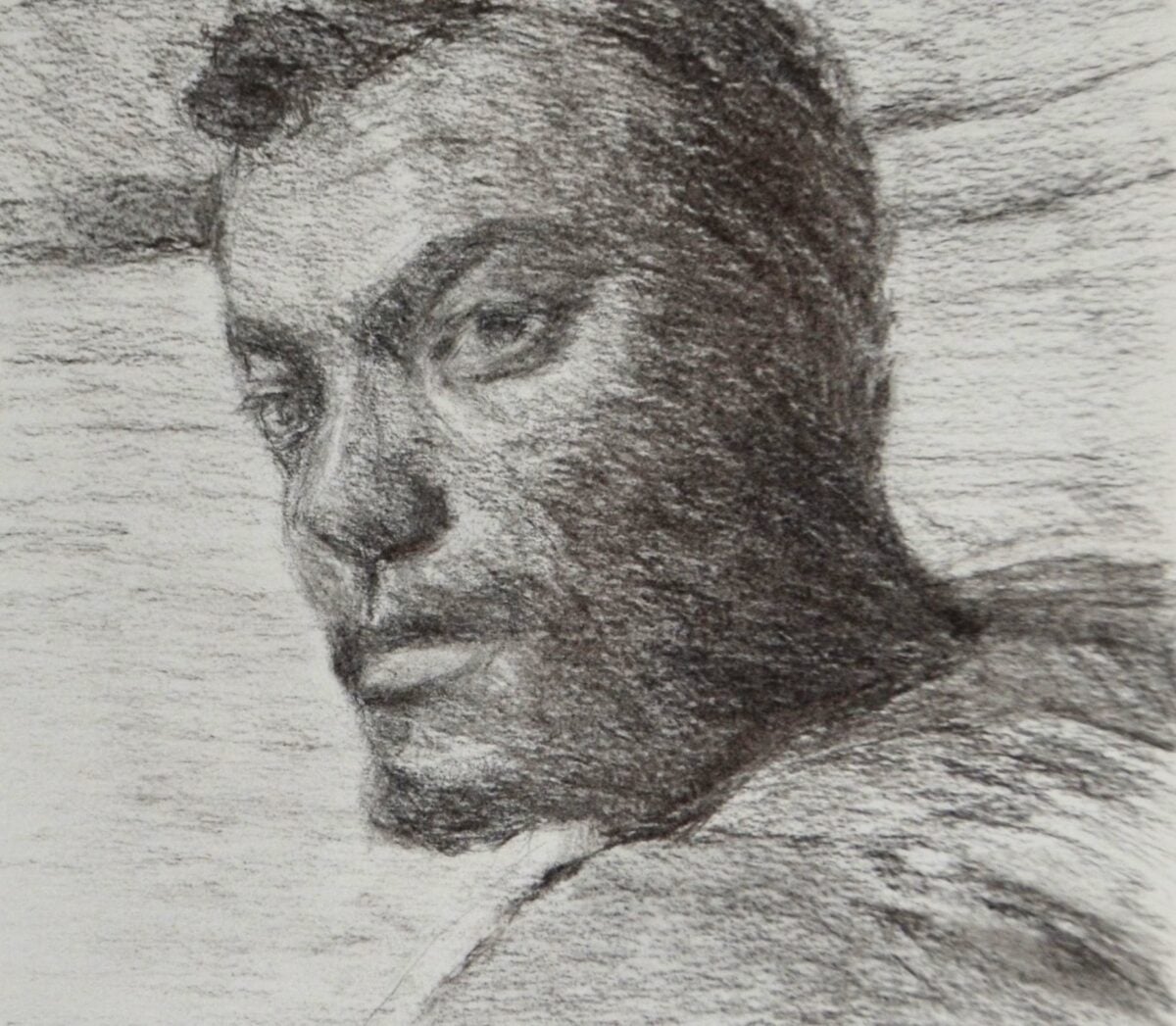
When Orson Welles aired his 1938 radio adaptation of The War of the Worlds, he never meant to cause chaos. But the realistic “breaking news” format, complete with fake eyewitnesses and government warnings, convinced some listeners that Martians were actually invading New Jersey. Many tuned in late and missed the disclaimer that it was fiction.
Newspapers exaggerated the panic later, but the broadcast became a defining example of how easily the media can blur the line between news and storytelling.
Cottingley Fairies
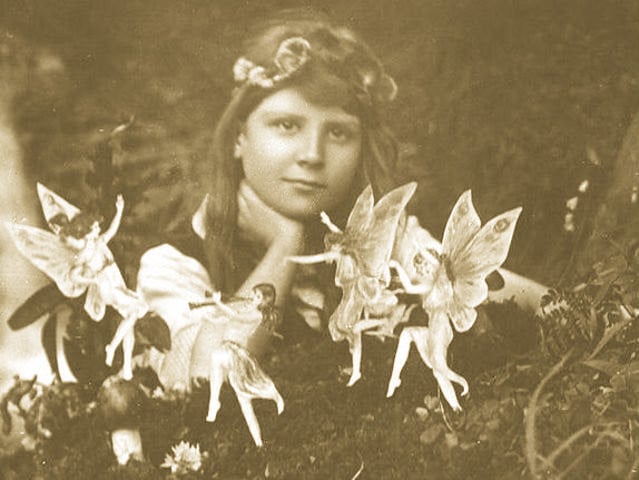
In 1917, two cousins from Yorkshire—Elsie Wright (16) and Frances Griffiths (9)—borrowed a camera and returned with photos of themselves surrounded by fairies. It started as a playful trick but spiraled into national fascination.
Even Sir Arthur Conan Doyle, the creator of Sherlock Holmes, believed the photos were real and published a book defending them. It wasn’t until 1983 that the women admitted they’d used cardboard cutouts and hatpins to stage the “fairies.”
Hitler’s Diaries

In 1983, Germany’s Stern magazine thought it had landed the scoop of the century: 62 handwritten diaries allegedly by Adolf Hitler. The magazine paid millions for them, and historians rushed to verify the find.
Within weeks, experts realized they were obvious forgeries—written with modern ink on modern paper, full of inaccuracies. The forger, Konrad Kujau, had simply copied passages from a published book of Hitler’s speeches and added his own touches.
Like Go2Tutors’s content? Follow us on MSN.
The Mechanical Turk

From the late 18th century to the mid-1800s, crowds across Europe and America were awestruck by the Mechanical Turk, a supposed chess-playing automaton that could beat human masters. The contraption—a lifelike figure in Ottoman robes seated at a cabinet full of gears—appeared to move pieces on its own.
But the secret was pure theater: a skilled chess player was hidden inside the cabinet, manipulating the moves through an intricate system of magnets and levers.
The Great Moon Hoax

In 1835, the New York Sun published a six-part series claiming that astronomer Sir John Herschel had discovered life on the moon—bat-winged people, unicorns, and even lunar forests. Written by reporter Richard Adams Locke, the articles sent newspaper sales through the roof.
Readers believed every word until rival publications started pointing out the impossibilities. Still, it was one of the first great examples of fake news turning into viral entertainment.
BBC Spaghetti Tree

On April Fool’s Day 1957, the BBC aired a Panorama segment showing Swiss farmers harvesting spaghetti from trees. The report, narrated with journalistic seriousness, explained that a mild winter had produced a record crop.
Viewers flooded the BBC phone lines asking how they could grow their own spaghetti trees—proof that Britain’s postwar audience wasn’t too familiar with pasta. It remains one of the most charming hoaxes in television history.
Like Go2Tutors’s content? Follow us on MSN.
Balloon Boy
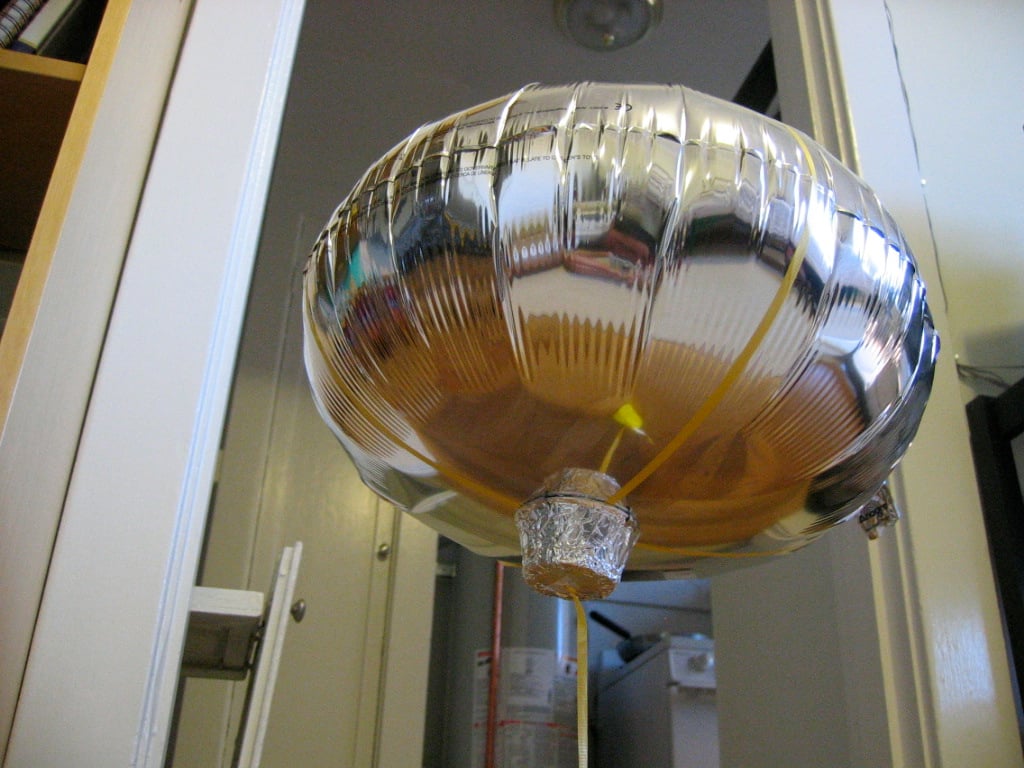
In 2009, Richard and Mayumi Heene called 911 claiming their six-year-old son, Falcon, had floated off in a homemade helium balloon shaped like a UFO. For over an hour, the balloon was tracked live on national television, sparking a media frenzy.
When it landed empty, the boy was later found hiding at home. The illusion shattered during a CNN interview when Falcon blurted, “You guys said we did this for the show.”
The parents were later convicted for staging the stunt to gain reality TV fame.
Spirit Photography

In the 1860s, Boston photographer William Mumler discovered that he could double-expose negatives to create faint ghostly figures beside living subjects. He charged grieving families to capture “spirits” of their dead relatives, becoming a sensation in post–Civil War America.
When skeptics uncovered that he used old portraits of random people, Mumler was tried for fraud—though he was acquitted. Despite the exposure, believers clung to his photos for decades.
Mary Toft’s Rabbit Births

In 1726, Englishwoman Mary Toft shocked physicians by claiming she was giving birth to rabbits. Local doctors—and even royal surgeons—examined her and believed her story after she produced animal parts during supposed labor.
For weeks, she became a national curiosity before finally confessing: her husband had been sneaking rabbit pieces into her room for her to “deliver.” The incident embarrassed Britain’s medical establishment for years.
Like Go2Tutors’s content? Follow us on MSN.
Anastasia Romanov Impostors
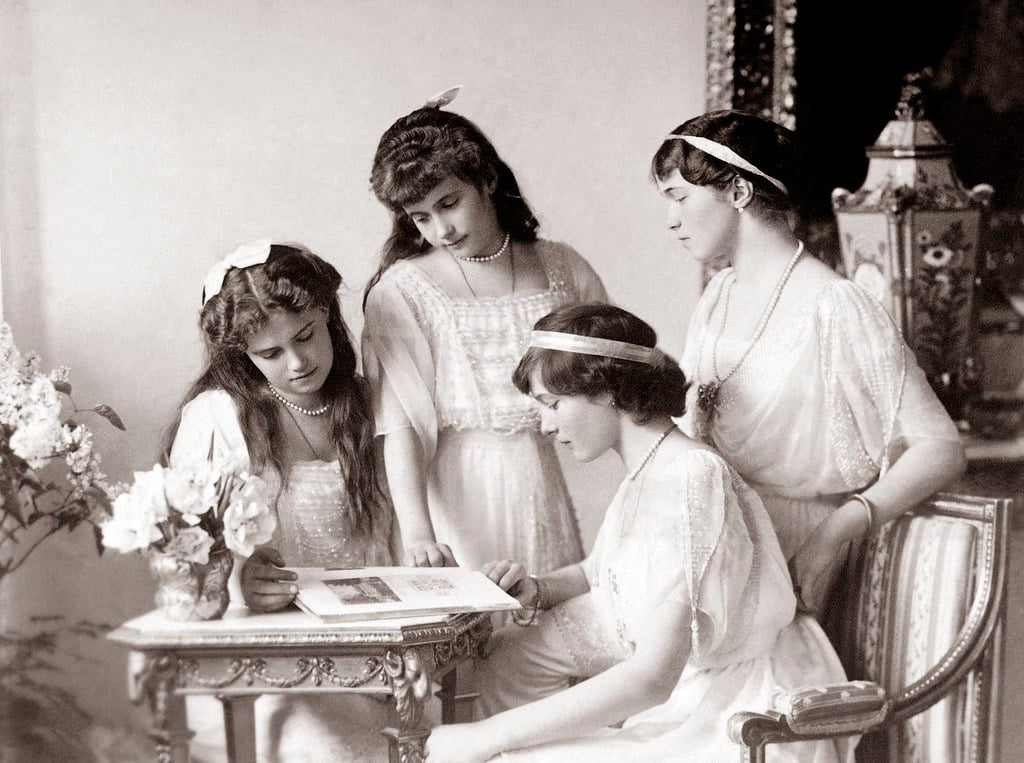
After the execution of Russia’s royal family in 1918, rumors spread that Grand Duchess Anastasia had escaped. Dozens of women came forward claiming to be her, but one—Anna Anderson—captivated the world for decades.
Her story was so convincing that some of the Romanovs’ surviving relatives even believed her. DNA tests in the 1990s eventually proved she wasn’t related to the royal family at all, and later discoveries confirmed that all the Romanovs had died in 1918.
Bigfoot’s Footprints
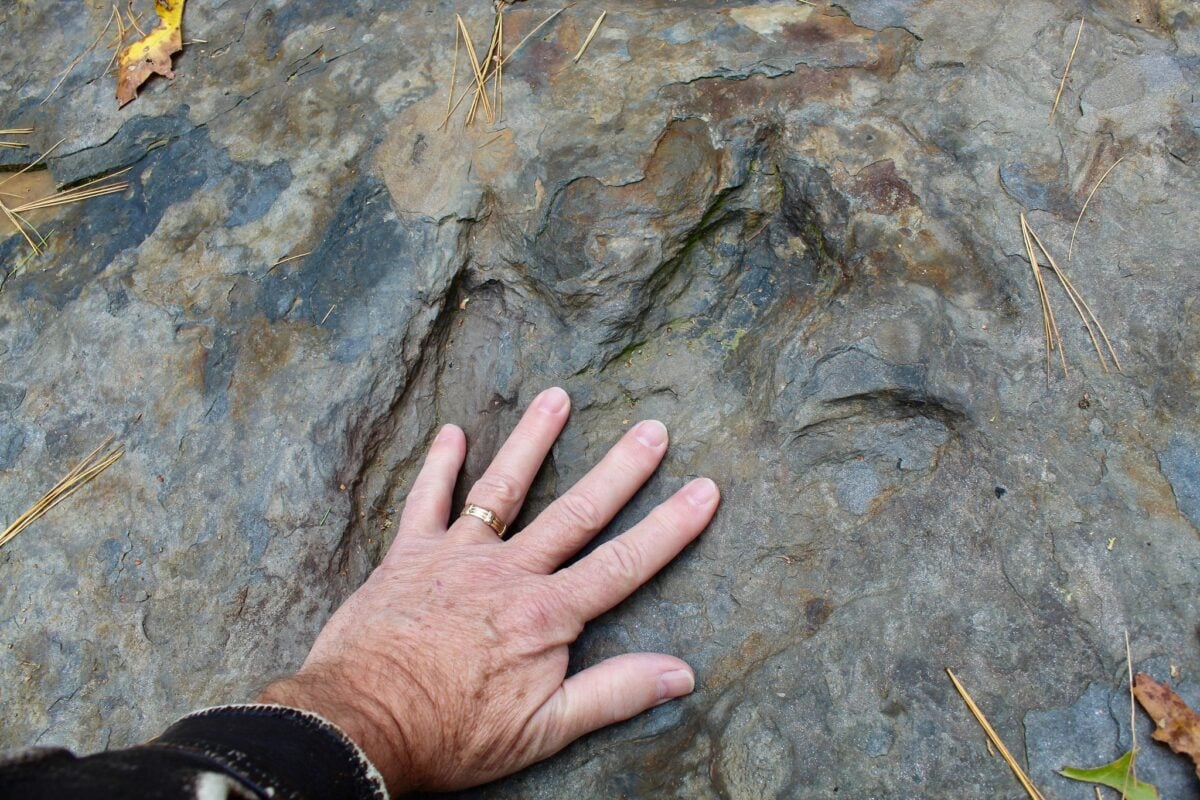
The modern Bigfoot craze began in 1958 when a bulldozer operator in California found enormous footprints on a worksite. The media ran with it, and soon reports of hairy creatures spread across the Pacific Northwest.
Years later, the family of Ray Wallace—one of the site’s contractors—admitted he’d made the prints himself using carved wooden feet. The joke had snowballed into an entire cryptid culture that still thrives today.
The Taco Liberty Bell

On April 1, 1996, Taco Bell ran full-page newspaper ads claiming it had purchased the Liberty Bell to help reduce the national debt, renaming it the “Taco Liberty Bell.” Outraged citizens jammed phone lines demanding answers from the National Park Service.
When the company revealed it was an April Fool’s prank later that day, outrage turned to laughter—and sales spiked. It remains one of the smartest marketing hoaxes in corporate history.
Like Go2Tutors’s content? Follow us on MSN.
The Toledo Letter
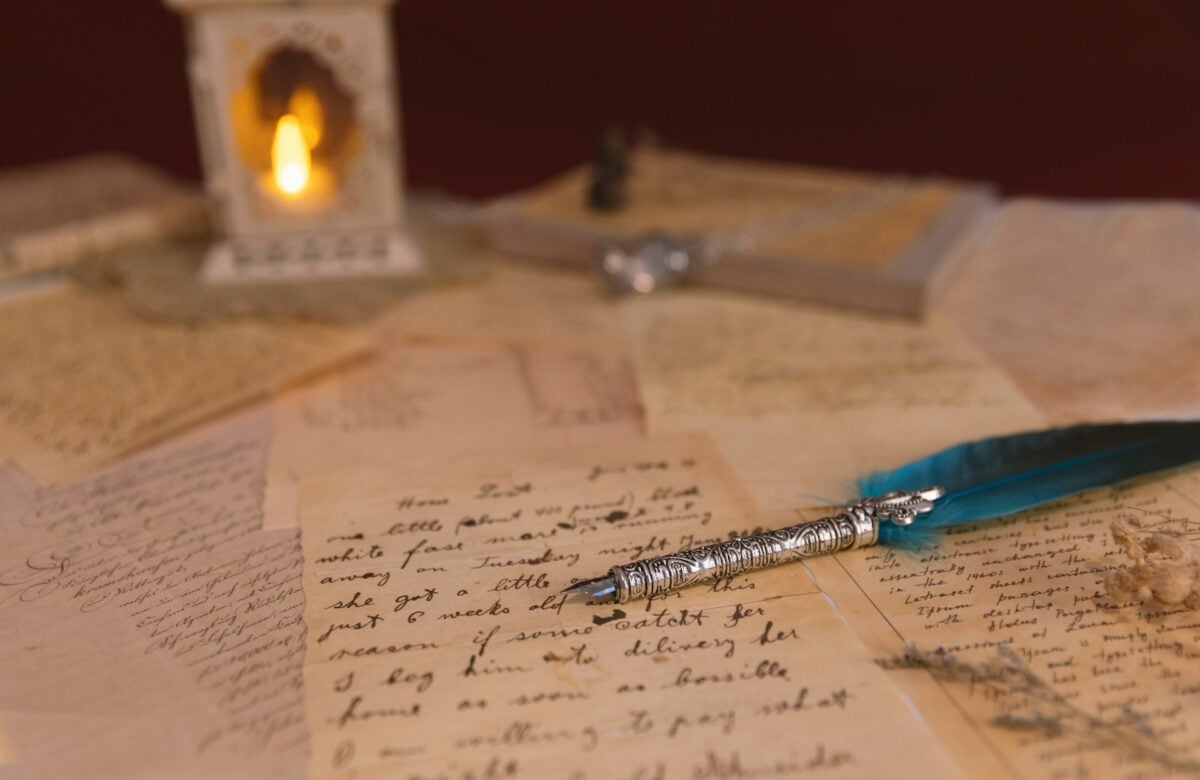
In 1184, a mysterious letter circulated through Europe claiming that a planetary alignment would soon trigger global floods and destroy civilization. Allegedly written by astronomers in Toledo, Spain, it sparked mass hysteria—people fasted, prayed, and held processions to prevent the apocalypse.
When nothing happened, new versions of the “Toledo Letter” appeared over the centuries, each predicting a fresh doomsday. It was the medieval version of a viral chain message.
The Tasaday Tribe

In 1971, Philippine official Manuel Elizalde announced the discovery of the Tasaday, a Stone Age tribe living untouched by modern civilization. National Geographic covered the story, and the Tasaday were hailed as a window into humanity’s past.
But after the fall of dictator Ferdinand Marcos, journalists revisited the site—and found that the tribe members were local farmers who’d been paid to pose as cave-dwellers for cameras. The “discovery” turned out to be a staged political distraction.
When Deception Became History

Each of these hoaxes reveals something timeless about us: people want to believe in wonder, mystery, and meaning. Scientists accepted Piltdown Man because it fit a national pride narrative; Conan Doyle believed in fairies because he longed for proof of the unseen.
From carved footprints to viral stunts, the tools of deception have changed, but the psychology hasn’t. The lesson? Healthy skepticism isn’t about cynicism—it’s about protecting curiosity from being turned into manipulation.
More from Go2Tutors!

- 16 Historical Figures Who Were Nothing Like You Think
- 12 Things Sold in the 80s That Are Now Illegal
- 15 VHS Tapes That Could Be Worth Thousands
- 17 Historical “What Ifs” That Would Have Changed Everything
- 18 TV Shows That Vanished Without a Finale
Like Go2Tutors’s content? Follow us on MSN.