Lost Inventions People Wish Still Existed
There’s something bittersweet about progress. For every innovation that sticks around, dozens fade into obscurity, leaving behind only memories and ‘what if’ questions. Some inventions disappeared because they were ahead of their time, others because companies decided they weren’t profitable enough, and a few simply vanished into history with their secrets intact.
Here is a list of 17 lost inventions that people still talk about, wish for, and occasionally try to recreate in their garages.
Greek Fire

The Byzantine Empire had a secret weapon that would make modern militaries jealous. Around 672 CE, they developed an incendiary substance that could burn on water, turning naval battles into nightmares for their enemies.
The formula was guarded so carefully that it disappeared entirely when the empire fell, and historians still debate what it actually contained—probably some combination of petroleum, quicklime, and other flammable materials. Today’s closest equivalent might be napalm, but the original Greek Fire remains lost to time, which is probably for the best given its destructive potential.
Starlite
Maurice Ward was a hairdresser and amateur chemist who created something extraordinary in his garage during the 1980s. Starlite could withstand direct hits from blowtorches and laser beams without breaking a sweat.
NASA wanted it, investors lined up, and demonstrations showed a human hand protected by a thin layer remaining completely unburned under extreme heat. Ward refused to share the formula unless he maintained majority control of any company that used it, and when he died in 2011, the secret died with him—though he supposedly told some family members how to make it.
Like Go2Tutors’s content? Follow us on MSN.
Tesla’s Wireless Power

Nikola Tesla dreamed bigger than most inventors dare to imagine. His Wardenclyffe Tower in New York was designed to transmit electricity wirelessly across the globe, free for anyone to use.
He managed to light bulbs from a distance in his laboratory, proving the concept worked on a small scale. The project collapsed when J.P. Morgan pulled funding, possibly because the idea of free energy didn’t exactly align with profitable business models.
Modern wireless charging exists, but it’s nothing compared to Tesla’s vision of powering entire cities through the air.
Damascus Steel
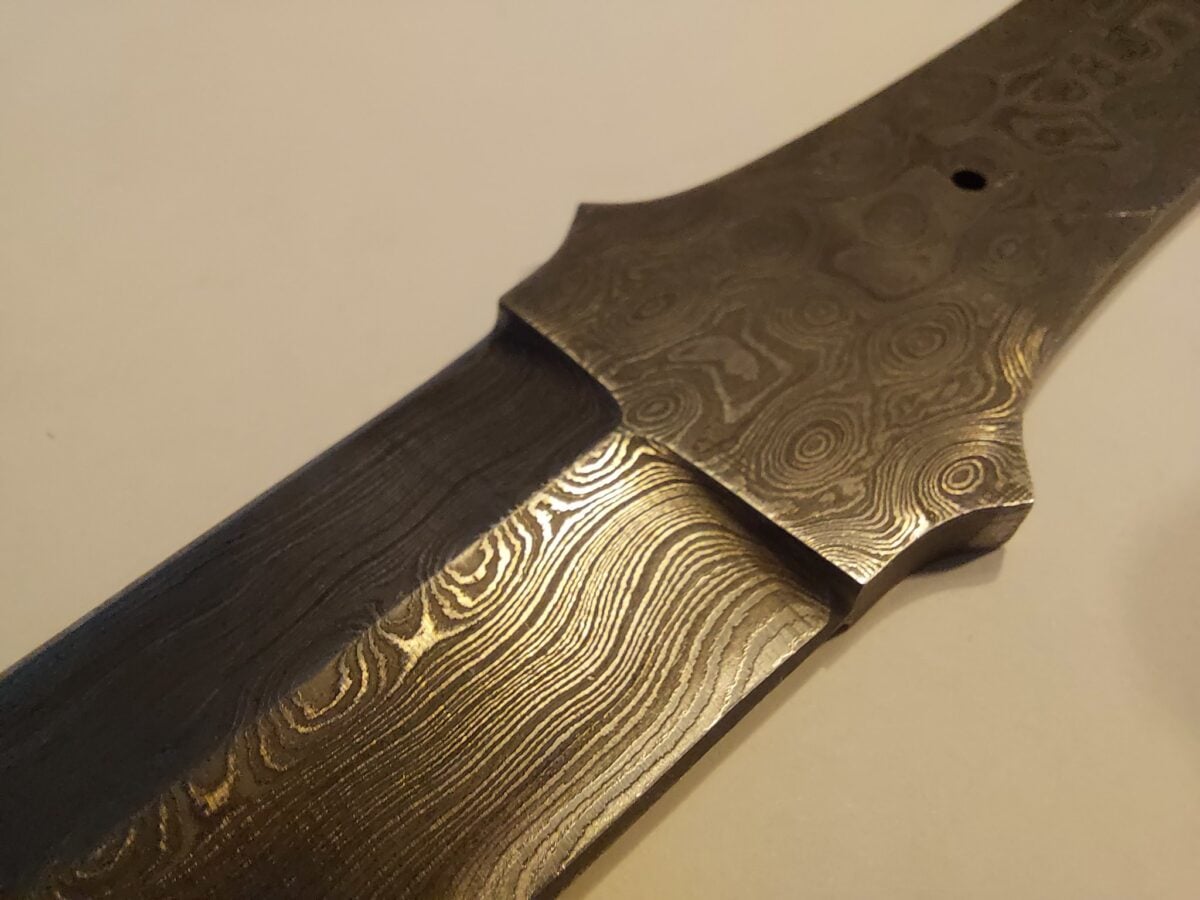
Swords forged from Damascus steel could supposedly slice through rock and other blades with ease. The secret wasn’t just in the technique but in the raw materials—specific ore from India and Sri Lanka that contained unique trace elements like vanadium and tungsten.
When those ore deposits ran out, the knowledge of how to create authentic Damascus steel vanished with them. Modern blacksmiths create beautiful pattern-welded steel they call Damascus, but it’s more of an homage than a true recreation of the legendary metal that medieval warriors would have killed for.
Flexible Roman Glass

A craftsman during Emperor Tiberius Caesar’s reign made a mistake that cost him his life. He presented the emperor with a glass bowl that dented instead of shattering when dropped, then hammered it back into shape like it was soft metal.
When he swore nobody else knew the secret, Caesar had him beheaded on the spot, worried that unbreakable glass would tank the value of precious metals. Whether this story is entirely true remains debatable, but the technology for truly flexible glass never surfaced again in Roman records.
Like Go2Tutors’s content? Follow us on MSN.
Pepsi Blue
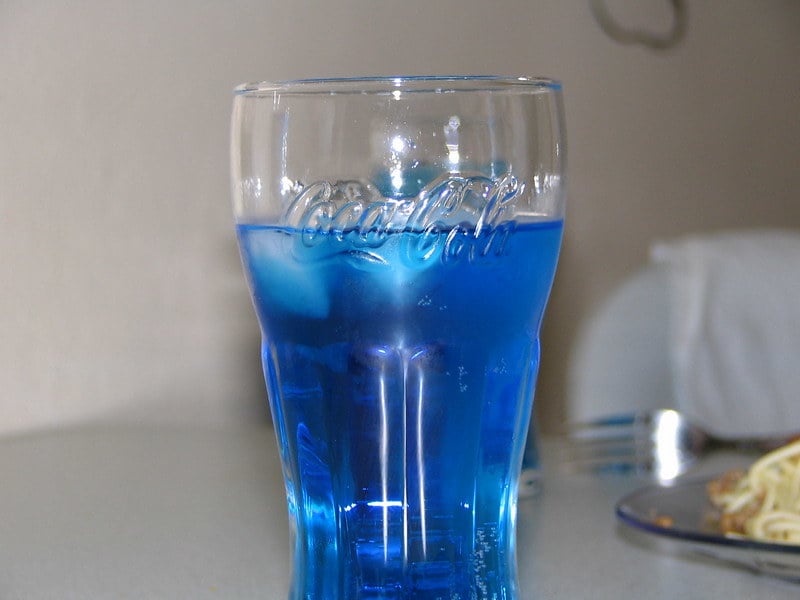
This berry-flavored blue soda hit shelves in 2002 and immediately divided people into camps of passionate lovers and confused haters. It tasted vaguely like berries mixed with cotton candy, and it turned your tongue an alarming shade of blue.
Pepsi discontinued it in 2004, but the nostalgia never died. Online petitions and social media campaigns eventually convinced Pepsi to bring it back briefly in 2021, proving that sometimes the power of collective nostalgia can resurrect the dead—at least temporarily.
Altoids Tangerine Sours
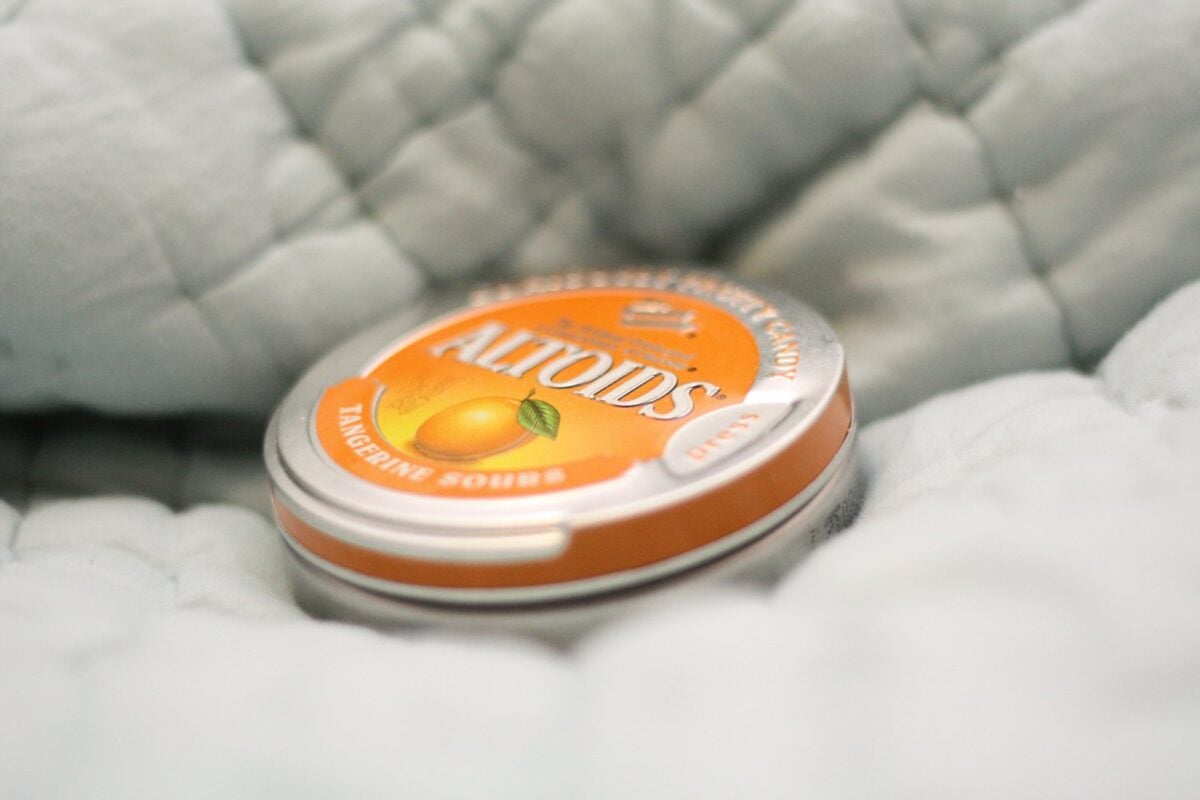
These tiny tins of intensely sour candy had a cult following that still hasn’t recovered from their discontinuation in 2010. The tangerine flavor was the most beloved, delivering a punch of sour followed by sweet citrus that candy enthusiasts claim has never been matched.
Altoids said low sales forced the decision, but the internet tells a different story filled with people who would apparently commit crimes for one more tin. Recipes attempting to recreate them circulate online, but fans insist nothing captures that exact flavor profile.
The iPod Classic
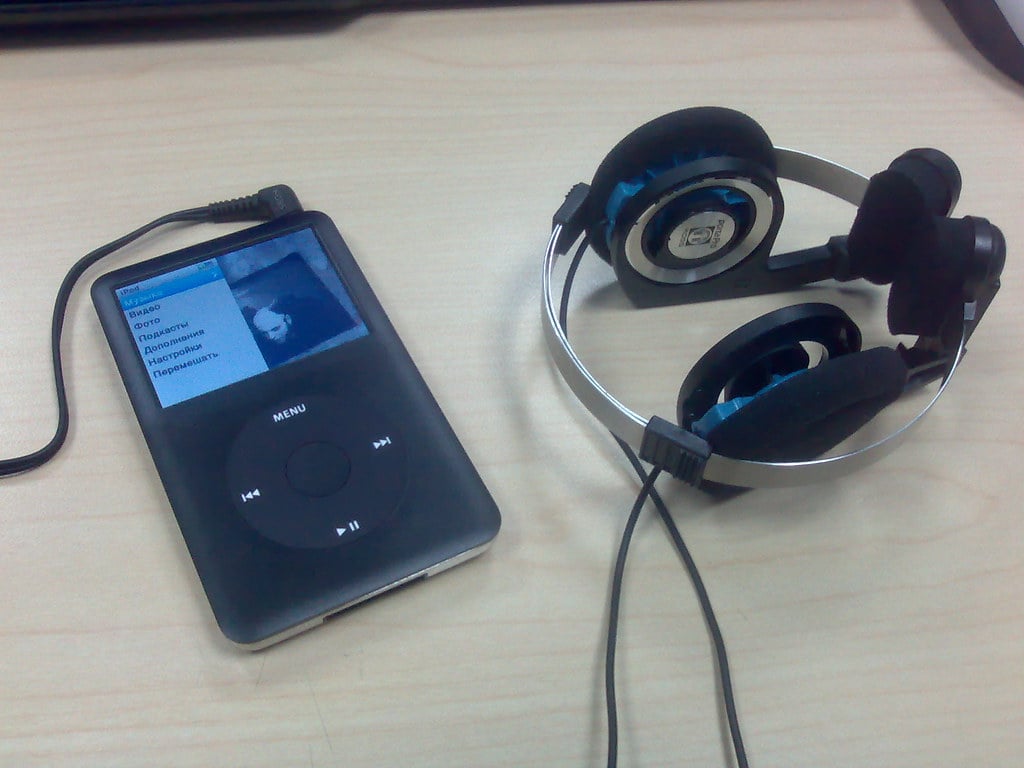
Before smartphones ate the world, the iPod Classic was the ultimate music device. The click wheel felt satisfying, it held an absurd amount of songs, and it did exactly one thing perfectly without trying to be your calendar, camera, and social media hub.
Apple discontinued it in 2014 as streaming services took over, but plenty of people still cling to their old iPods like treasured relics. There’s something pure about a device that just plays music without notifications, apps, or the temptation to check your email every five minutes.
Like Go2Tutors’s content? Follow us on MSN.
Orbitz Drink
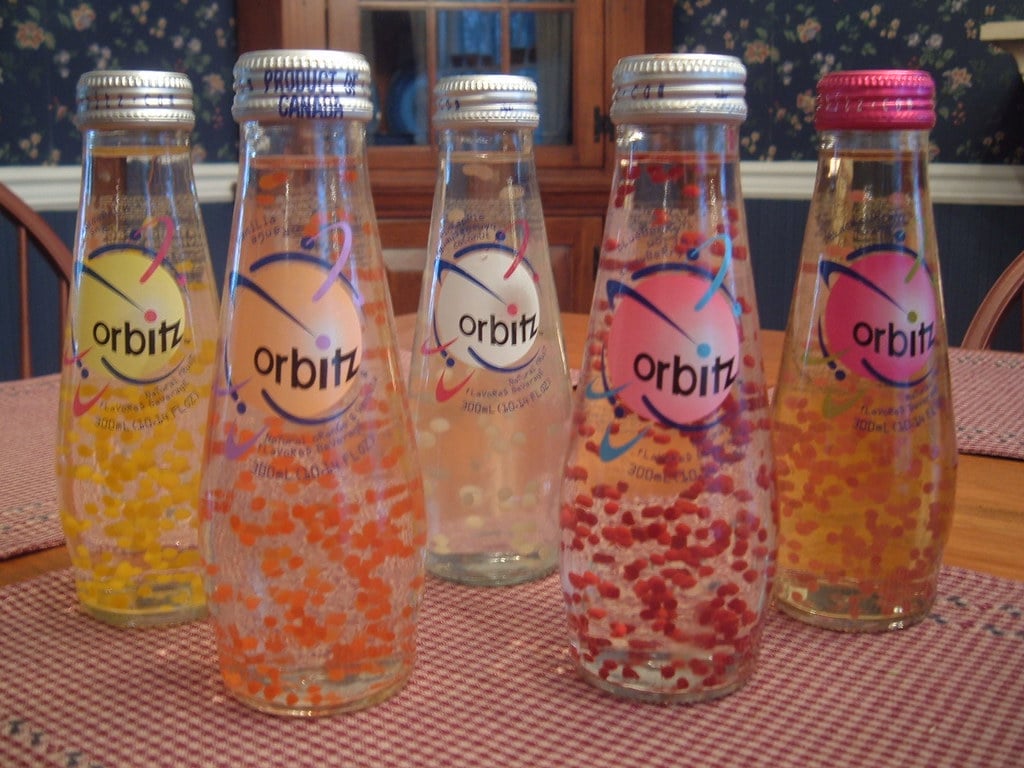
Picture this: a clear bottle filled with colored liquid with tiny floating gelatin orbs suspended throughout, looking more like a lava lamp than a beverage. Orbitz hit stores in 1997 with flavors like ‘Raspberry Citrus’ and ‘Pineapple Banana Cherry Coconut,’ which should have been a warning sign.
The texture was polarizing—people either found the floating bits fun or deeply disturbing. It disappeared within a year, but collectors now pay ridiculous prices for unopened bottles, and the brand maintains an almost mythical status among beverage enthusiasts.
Microsoft Zune
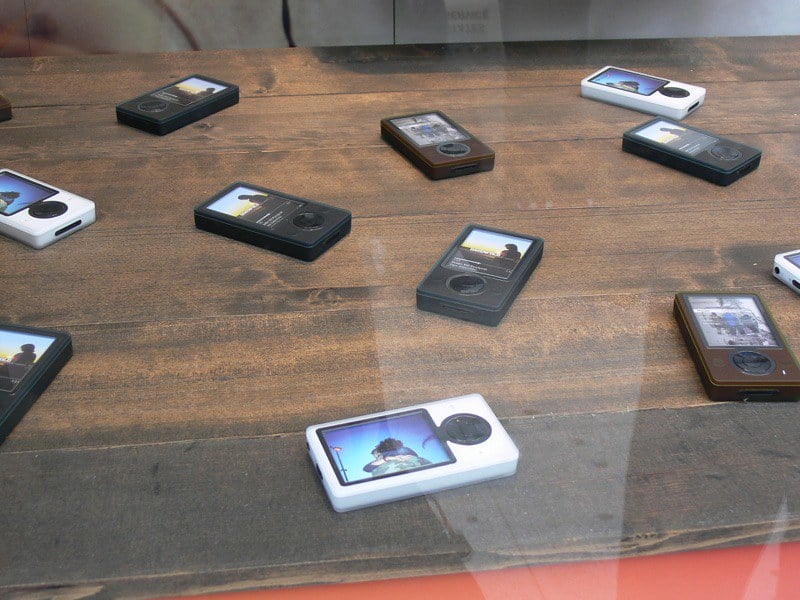
The Zune was actually good, which makes its failure even more tragic. It had better sound quality than the iPod, an intuitive interface, and features like wireless music sharing that felt genuinely innovative.
But it launched into a market where the iPod had already won, and no amount of quality could overcome Apple’s momentum and marketing machine. Microsoft pulled the plug in 2011, leaving behind a small but devoted group of fans who still argue the Zune deserved better than becoming a punchline.
Carnation Breakfast Bars
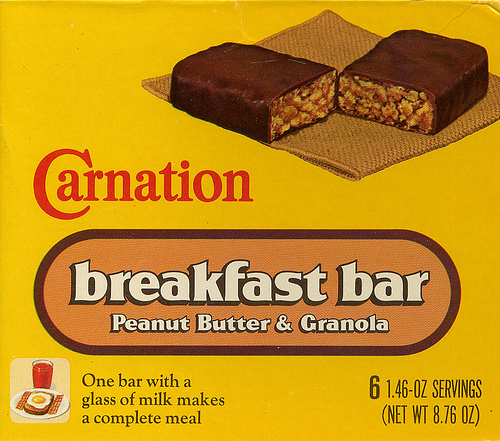
These weren’t your typical granola bars—they had a unique texture that fans describe as ‘chocolate-covered peanut dust’ in the best possible way. They were marketed as complete meal replacements throughout the 1970s and early 2000s, and people who grew up eating them before school still search for them in grocery stores out of habit.
Modern protein bars and granola bars try to fill the void, but according to former fans, nothing matches that specific combination of taste and texture that made Carnation Breakfast Bars irreplaceable.
Like Go2Tutors’s content? Follow us on MSN.
The GM EV1
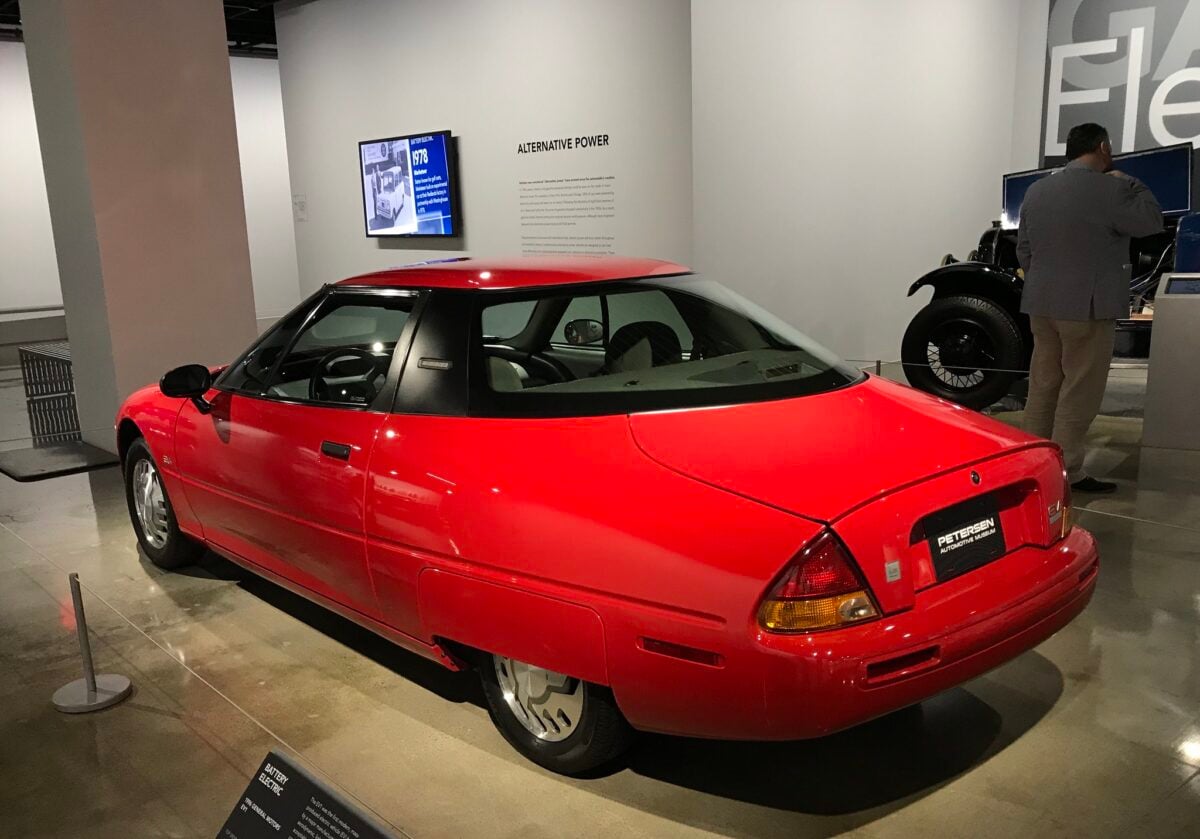
General Motors built one of the first mass-produced electric cars in the 1990s, and it was genuinely impressive. The EV1 could travel about 80 miles on a charge, had a sleek design, and attracted dedicated fans who loved driving it.
Then GM abruptly cancelled the program in 2003 and literally took the cars back from people who had leased them, crushing most of them. Conspiracy theories swirled about oil companies and dealership pressure, but the truth probably involves boring economics and battery technology that wasn’t quite ready for primetime.
Jell-O Pudding Pops
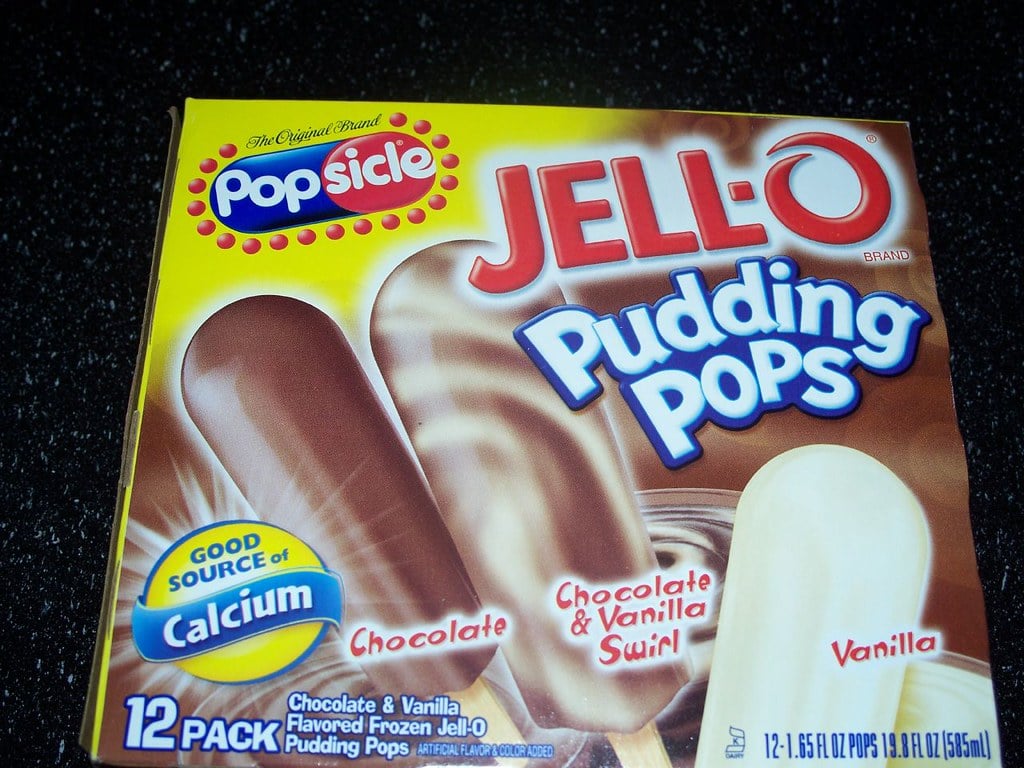
Bill Cosby’s later infamy tainted these frozen treats, but before that scandal, Pudding Pops were a legitimate cultural phenomenon. They had a creamy, smooth texture completely different from regular popsicles, and they somehow tasted better than just frozen pudding in a mold.
Jell-O discontinued them, and while you can make homemade versions, everyone agrees it’s not the same. The nostalgia for these treats is strong enough that people still beg for their return, complications aside.
Planters P.B. Crisps
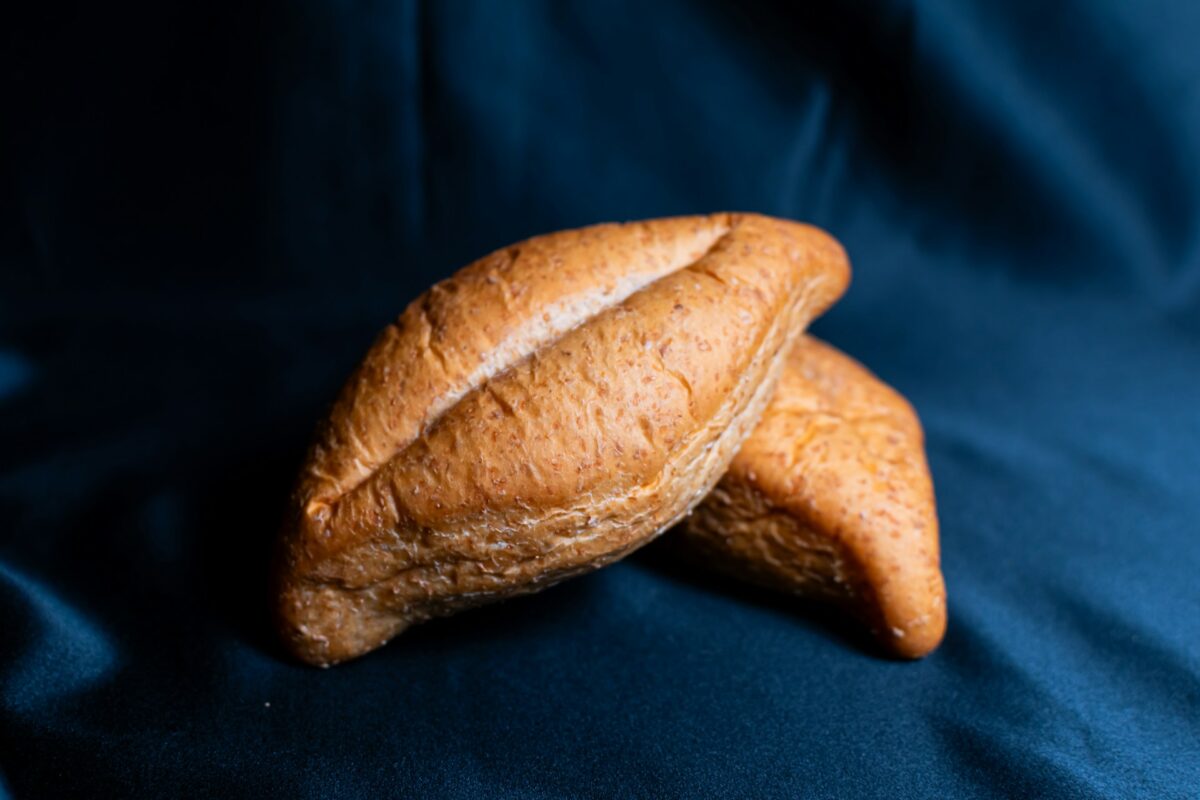
These peanut-shaped cookies filled with peanut butter were discontinued in the mid-1990s, and some people have never recovered. The outside was crispy and sweet, the inside was creamy peanut butter, and apparently nothing else on the market comes close.
One fan claimed they’ve ‘tweeted, written letters, and signed petitions’ to get them back, which might sound extreme until you talk to other former P.B. Crisps enthusiasts who completely understand. Planters has brought back other discontinued items, but these remain stubbornly absent from shelves.
Like Go2Tutors’s content? Follow us on MSN.
French Toast Crunch
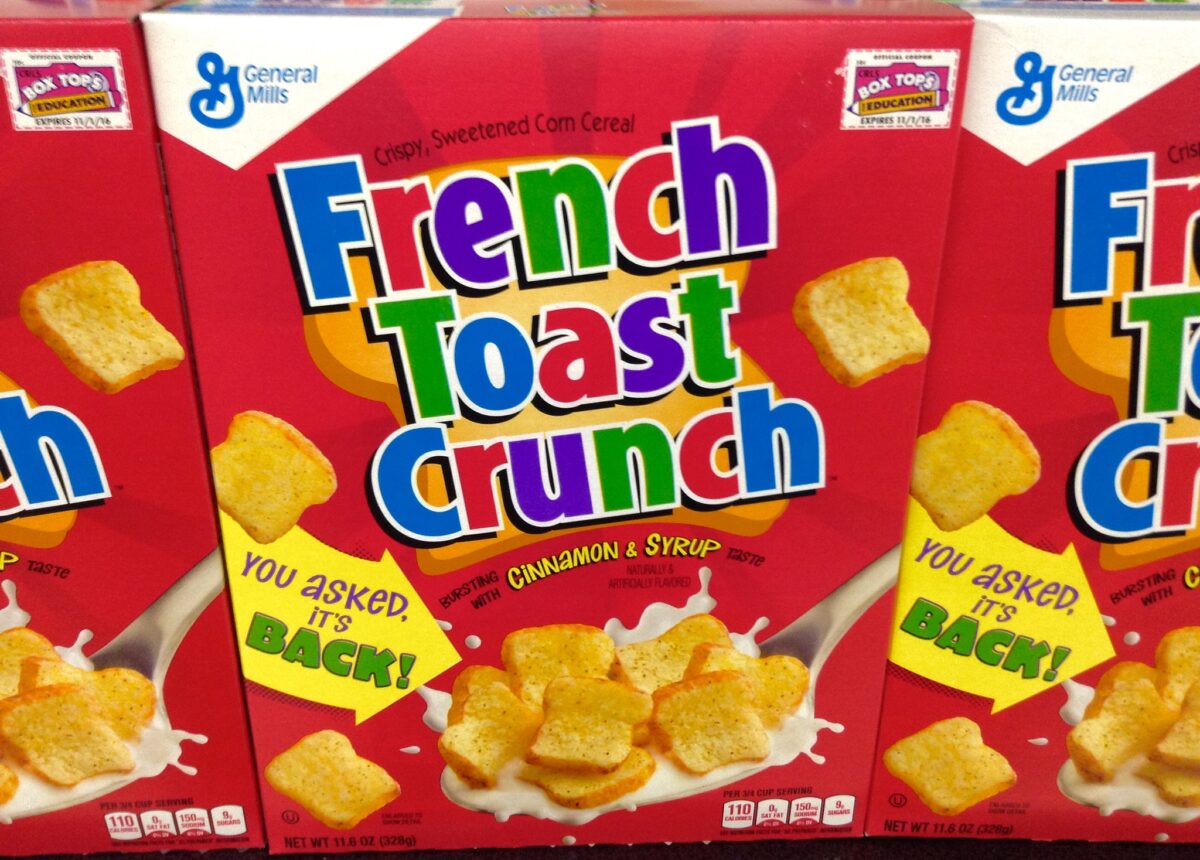
The original French Toast Crunch came in tiny toast-shaped pieces that were oddly satisfying to eat. General Mills discontinued it in the mid-2000s, causing genuine distress among fans who loved the sweet, cinnamon-sugar flavor.
The good news is that nostalgia actually won this round—the cereal came back in 2014, though purists argue the reformulated version doesn’t quite match the original. Still, it’s proof that sometimes companies do listen when enough people loudly miss a product.
3D Doritos
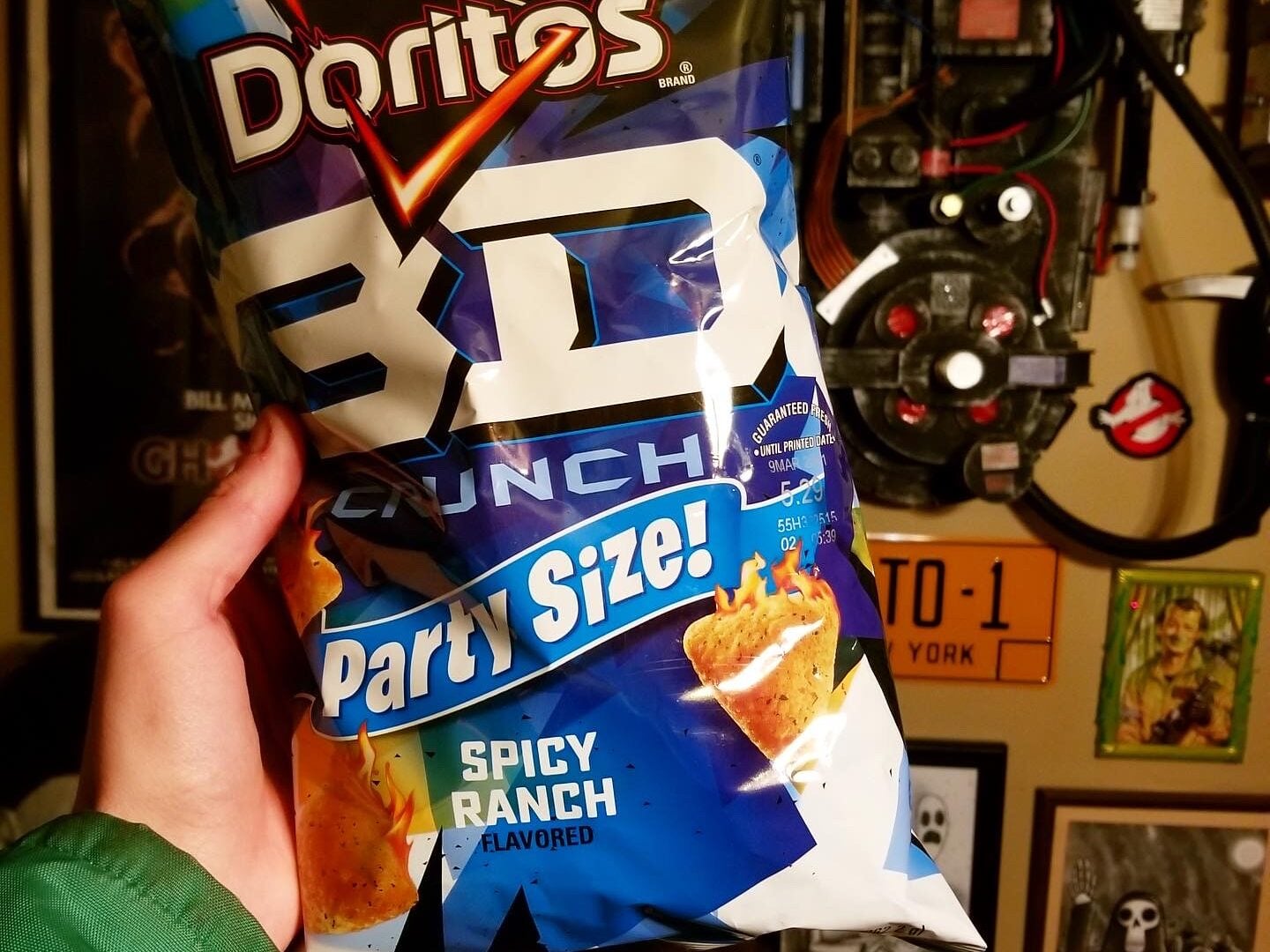
These weren’t just regular Doritos folded funny—they were actual three-dimensional triangular puffs with a completely different texture. They came in flavors like Jalapeño Cheddar and Nacho Cheese, and the airy crunch was somehow more satisfying than flat chips.
Frito-Lay discontinued them in the early 2000s, and for years people wondered why perfectly good chips had to die. In 2021, the company briefly brought them back as a limited release, suggesting they know exactly what they’re doing by keeping people desperate for more.
Surge
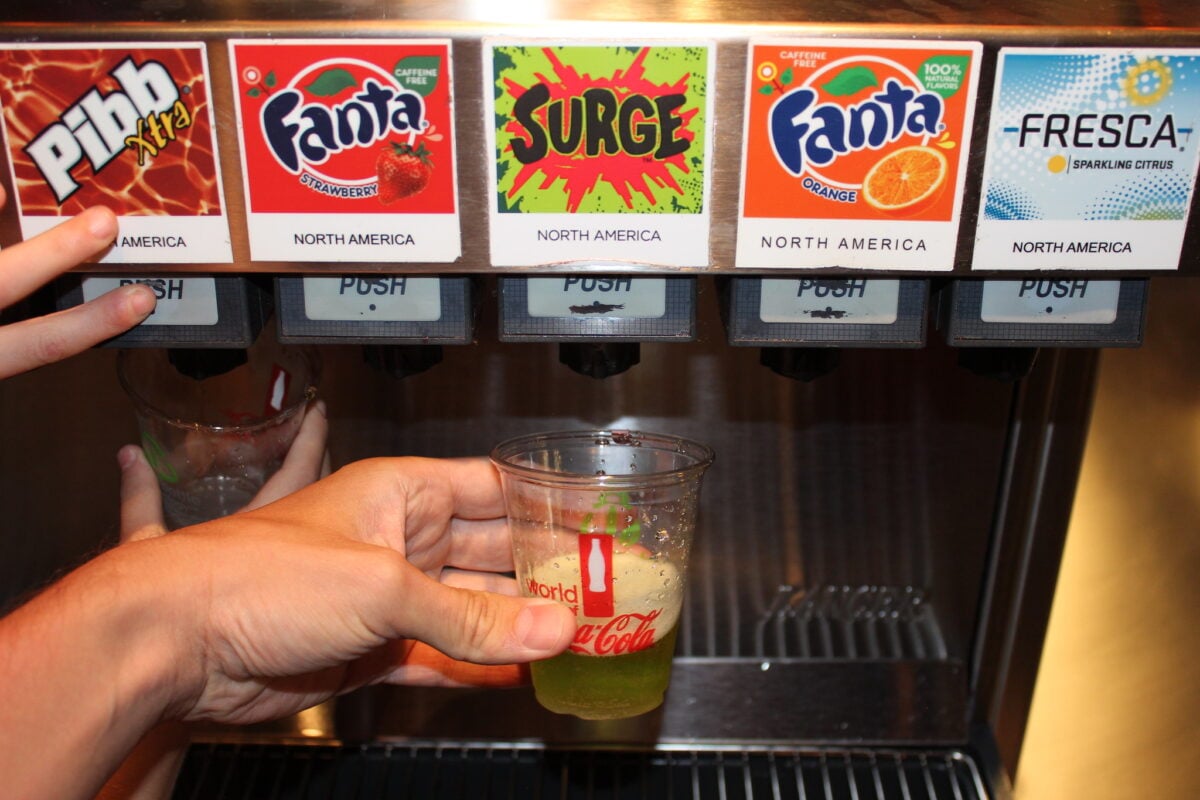
Coca-Cola created Surge in the 1990s as their answer to Mountain Dew—a highly caffeinated citrus soda with aggressive marketing aimed at extreme sports enthusiasts. When it disappeared in 2003, fans formed the ‘Surge Movement,’ a grassroots campaign that used social media to prove ongoing demand.
Their persistence actually worked, and Coca-Cola brought Surge back in 2014, initially selling it exclusively on Amazon. It’s now available in some stores, making it one of the rare success stories where collective nostalgia and smart campaigning resurrected a discontinued product.
Like Go2Tutors’s content? Follow us on MSN.
Where Innovation Meets Memory

Lost inventions remind us that progress isn’t always linear and success isn’t always deserved. Some disappeared because they threatened existing industries, others because timing matters as much as quality, and a few simply because the people who created them took their secrets to the grave.
The ones people miss most aren’t necessarily the most revolutionary—they’re the ones that created memories, whether that’s the satisfaction of clicking an iPod wheel or the specific taste of a discontinued candy. Every lost invention leaves space for something new, but it also leaves people wondering what might have been if circumstances had been just slightly different.
More from Go2Tutors!

- 16 Historical Figures Who Were Nothing Like You Think
- 12 Things Sold in the 80s That Are Now Illegal
- 15 VHS Tapes That Could Be Worth Thousands
- 17 Historical “What Ifs” That Would Have Changed Everything
- 18 TV Shows That Vanished Without a Finale
Like Go2Tutors’s content? Follow us on MSN.